




Top 20 Most Common Mushrooms in Aberdeenshire

Most Common Mushrooms
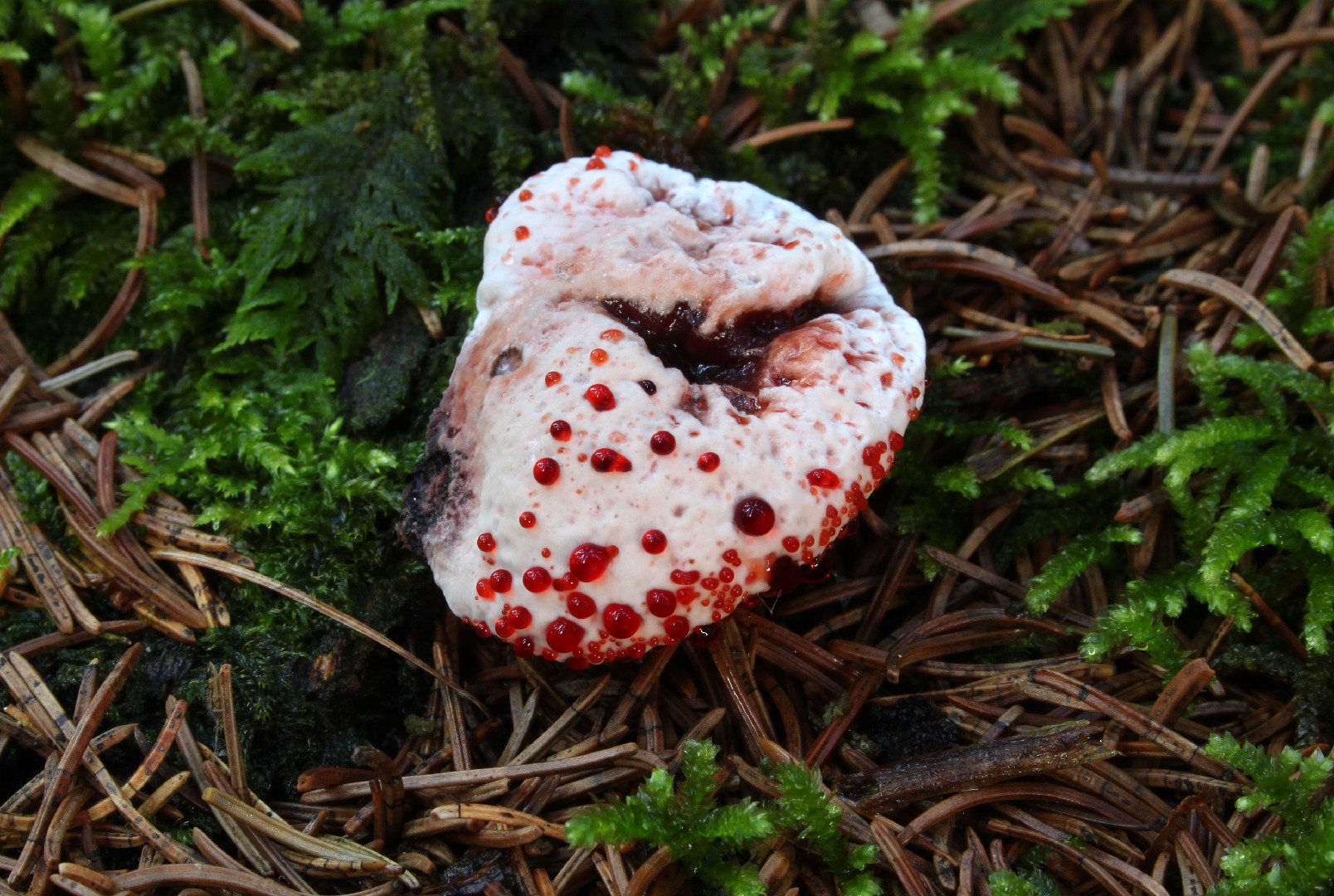
1. Devil's tooth
Distinctive and otherworldly, the irregularly-shaped fungal bodies of devil's tooth (Hydnellum peckii) produce red droplets all over their white or cream colored surfaces - almost as though they have been punctured dozens of times over and are bleeding out. The fungi's underside is not gilled, but is rather covered in white or pink tooth-like projections that disseminate its spores. Though inedible, this species is prized by dye makers, producing strong green and blue hues.
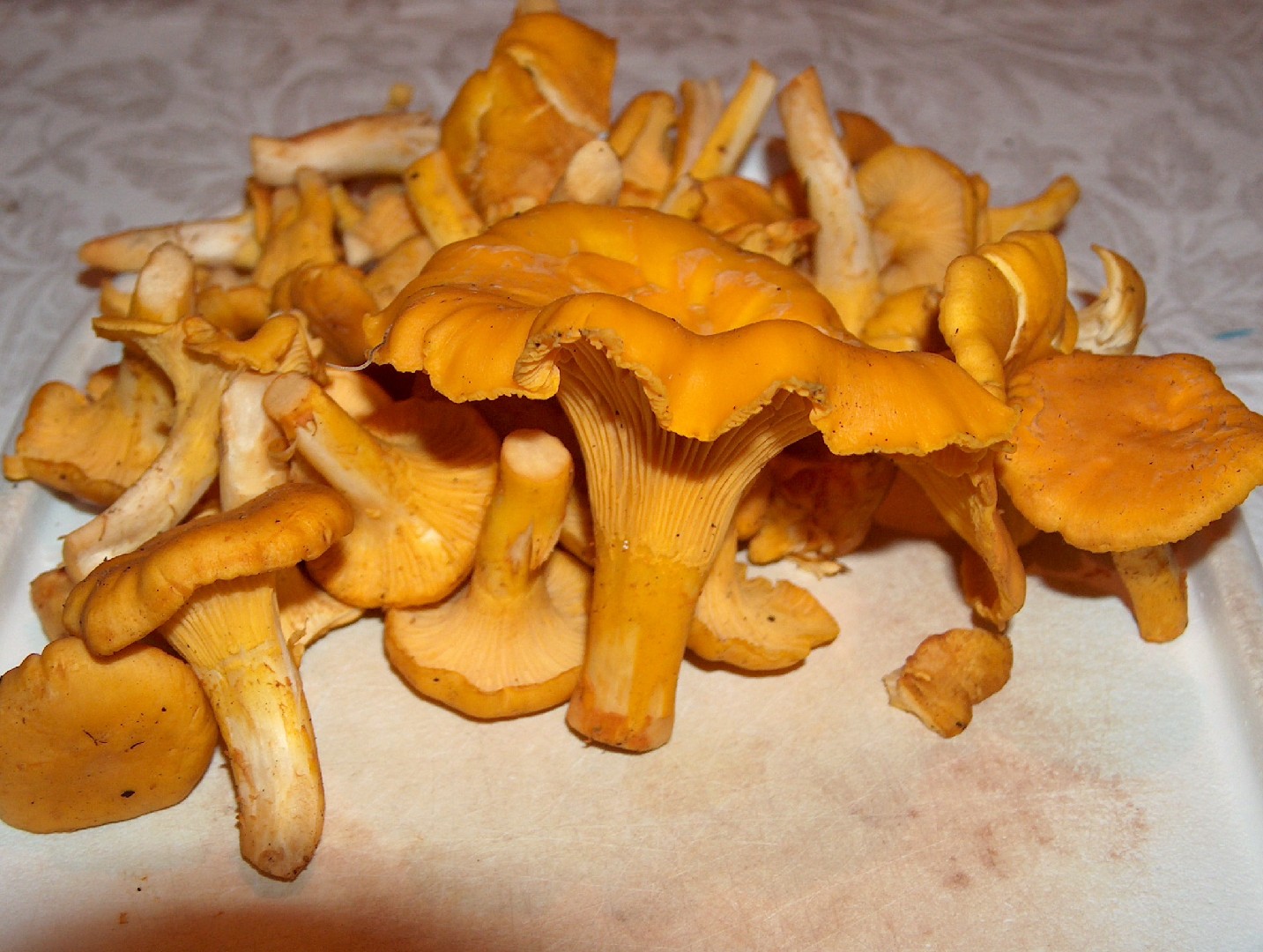
2. Golden chanterelle
Golden chanterelle mushrooms are popular in gourmet cuisine across Europe, where they grow wild during the warm (but not too hot) months. Similar species grow in other countries. Extremely popular with foragers, the golden chanterelle emits an apricot-like scent and contains an array of nutrients that benefit the human body. Several studies suggest consuming extremely large amounts may have detrimental effects on the eyes and muscles.
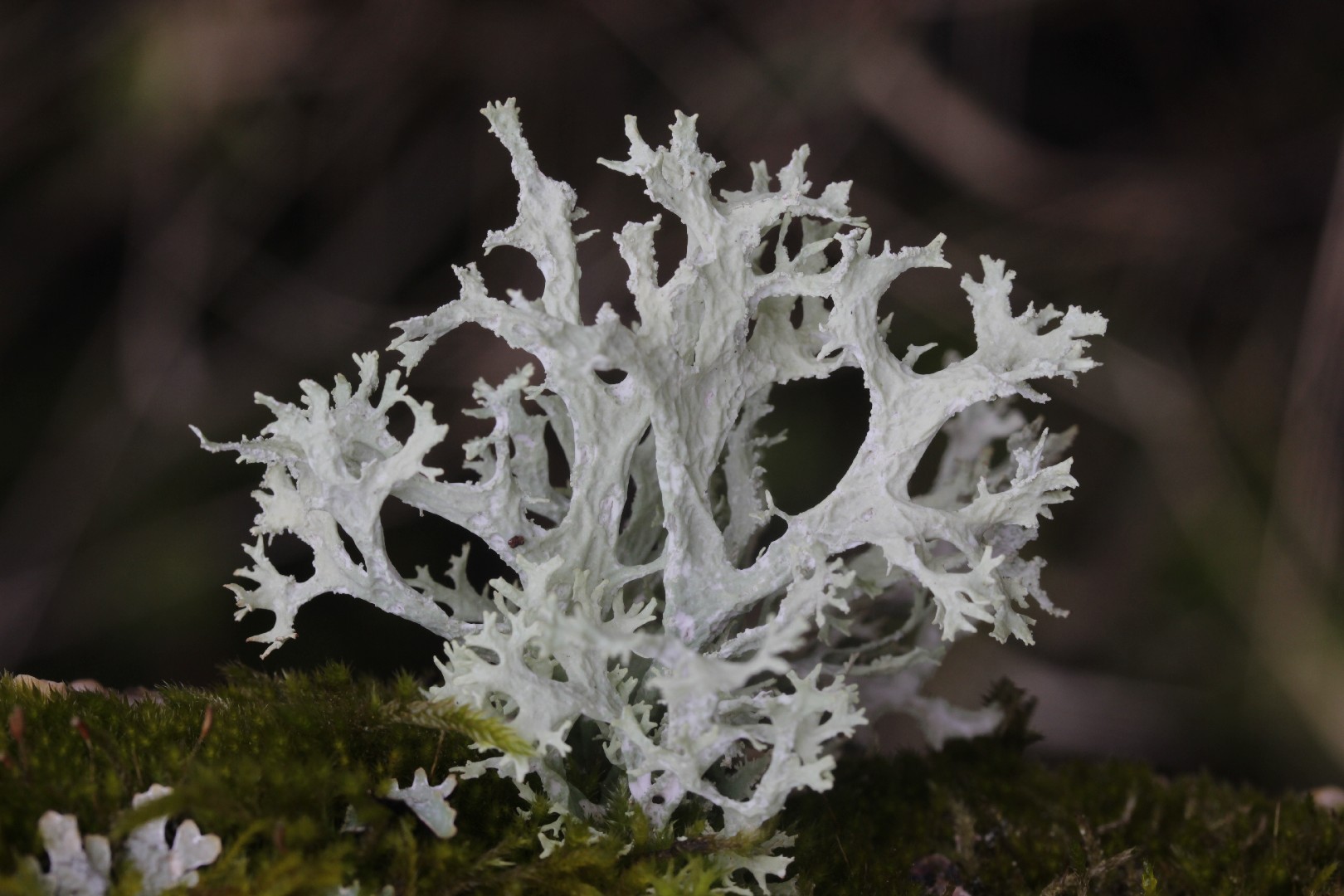
3. Oakmoss
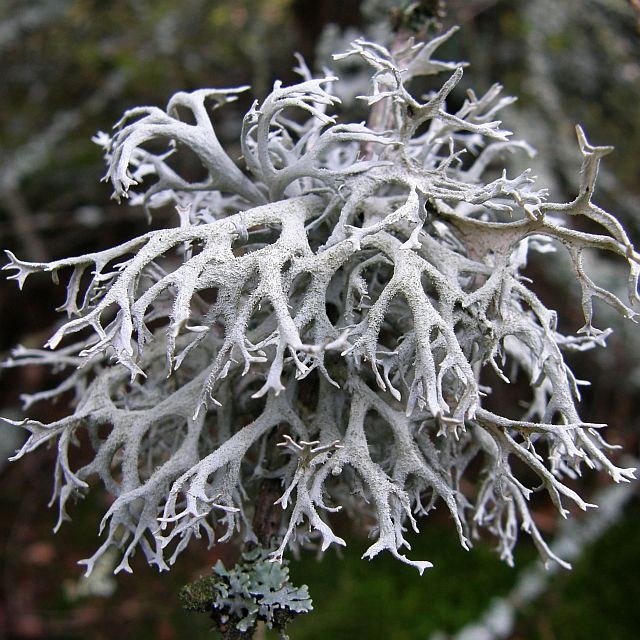
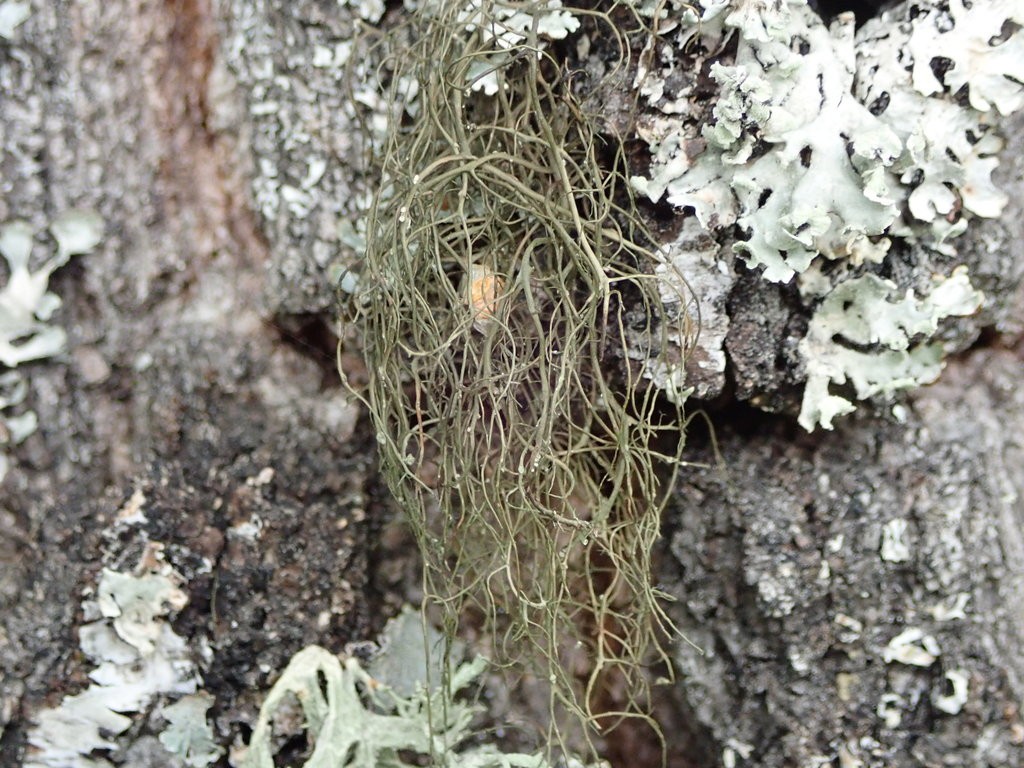
Evernia prunastri grows shrubby on trees. The yellow-green lichen grows up to 10 cm. It consists of up to five millimeters wide shrubby branched bands with a light underside. At the edges of these open dusty (Sorale). Apothecias (with shiny brown disc) are rarely formed.
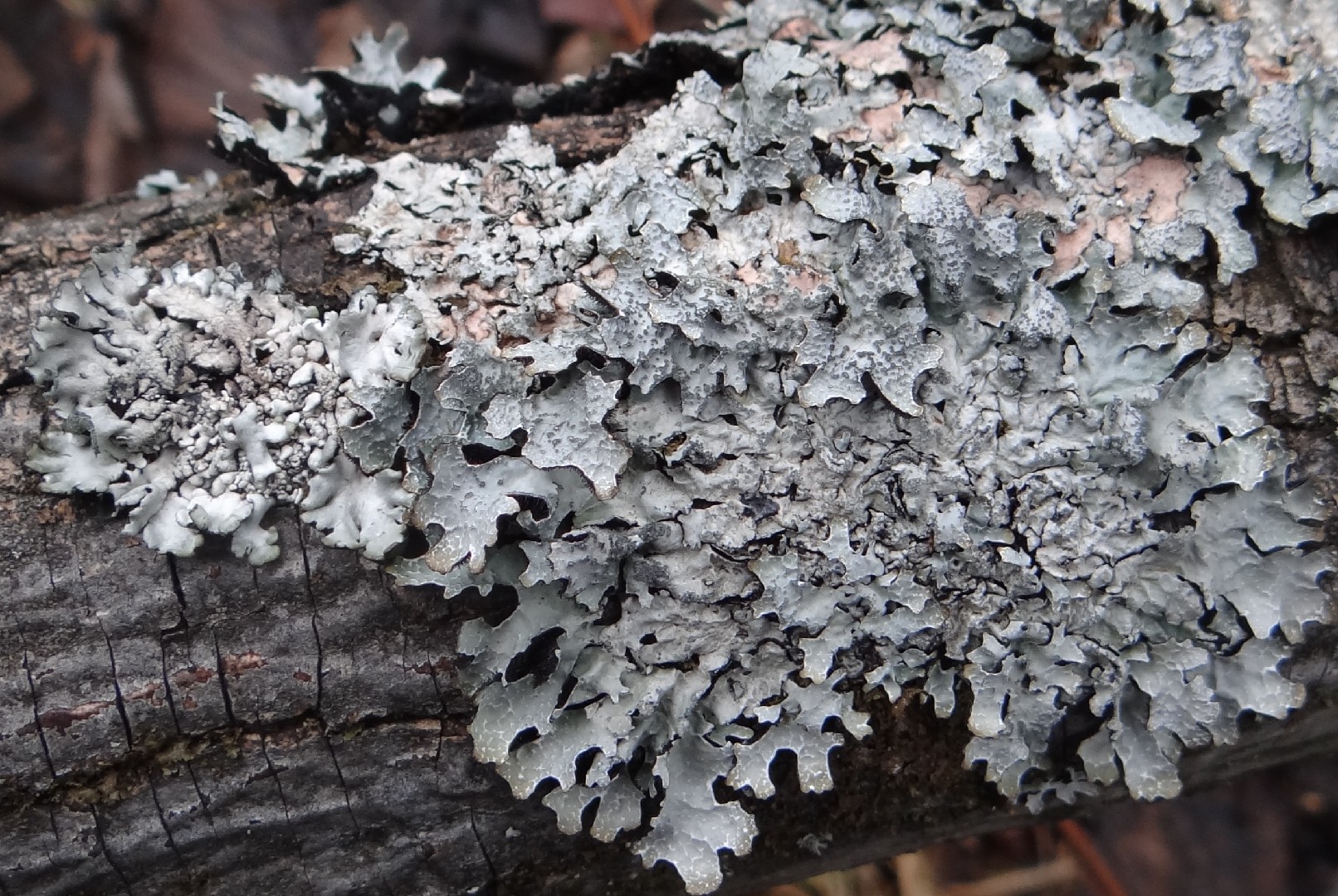
4. Hammered shield lichen
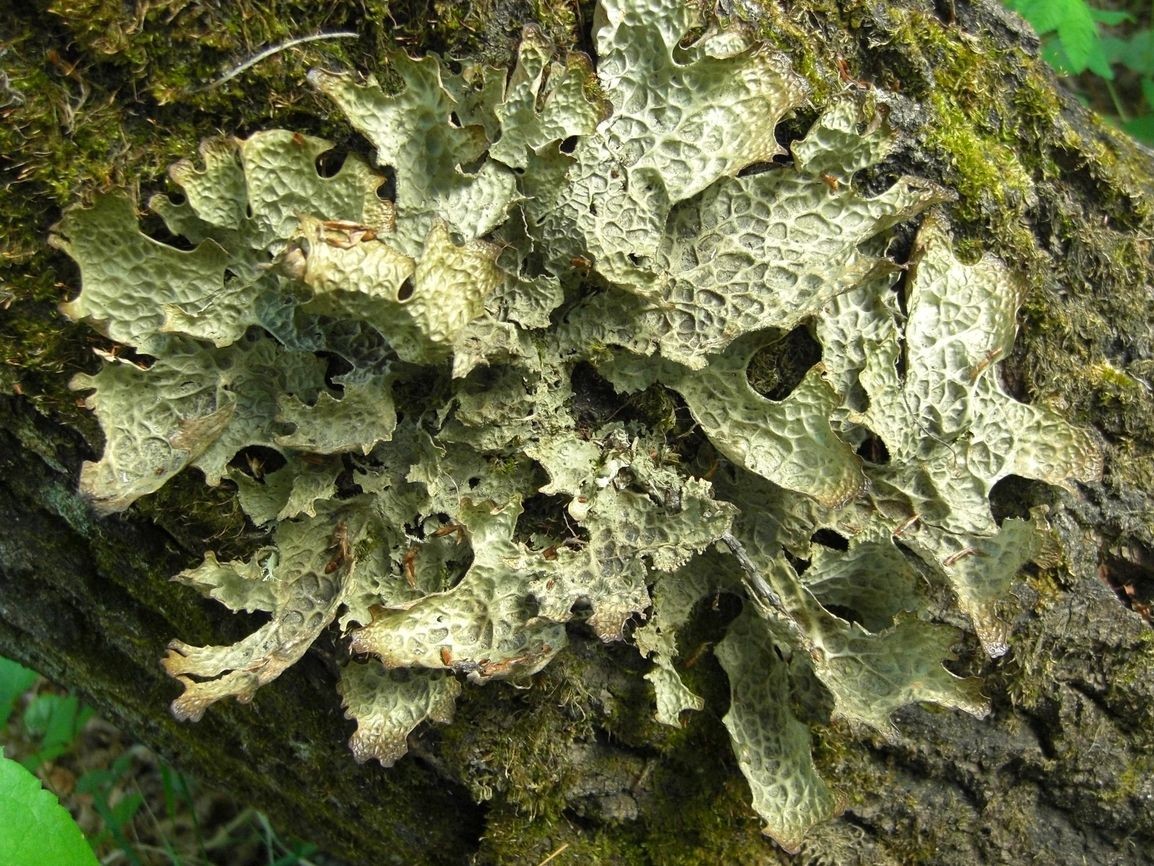
Hammered shield lichen is noted for its pollution tolerance. It is a widespread grey flat lichen that is mostly found upon tree bark and occasionally rocks. Hammered shield lichen is named for the depressions within the lobe which give it a hammered appearance.
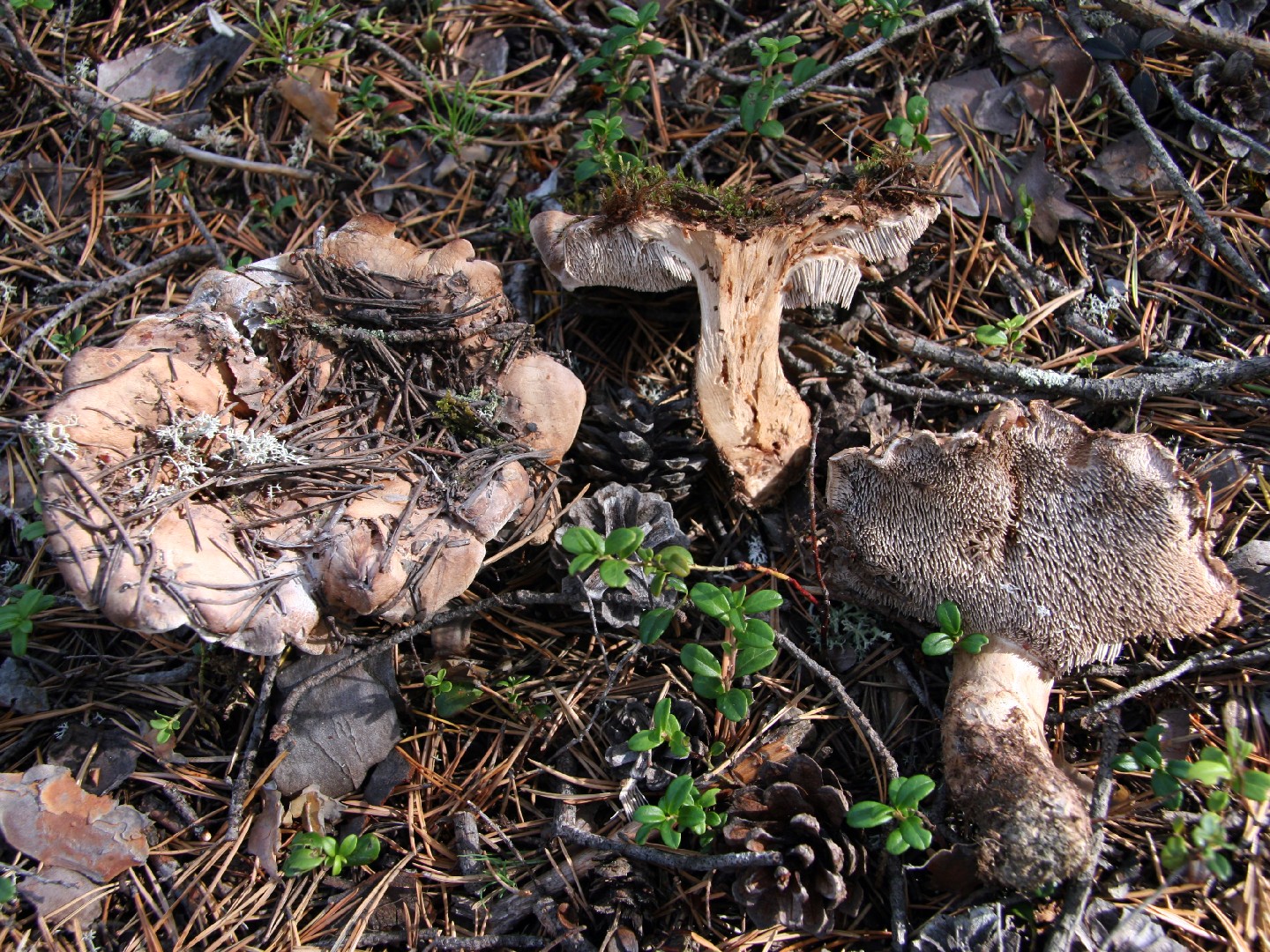
5. Phellodon fuligineoalbus
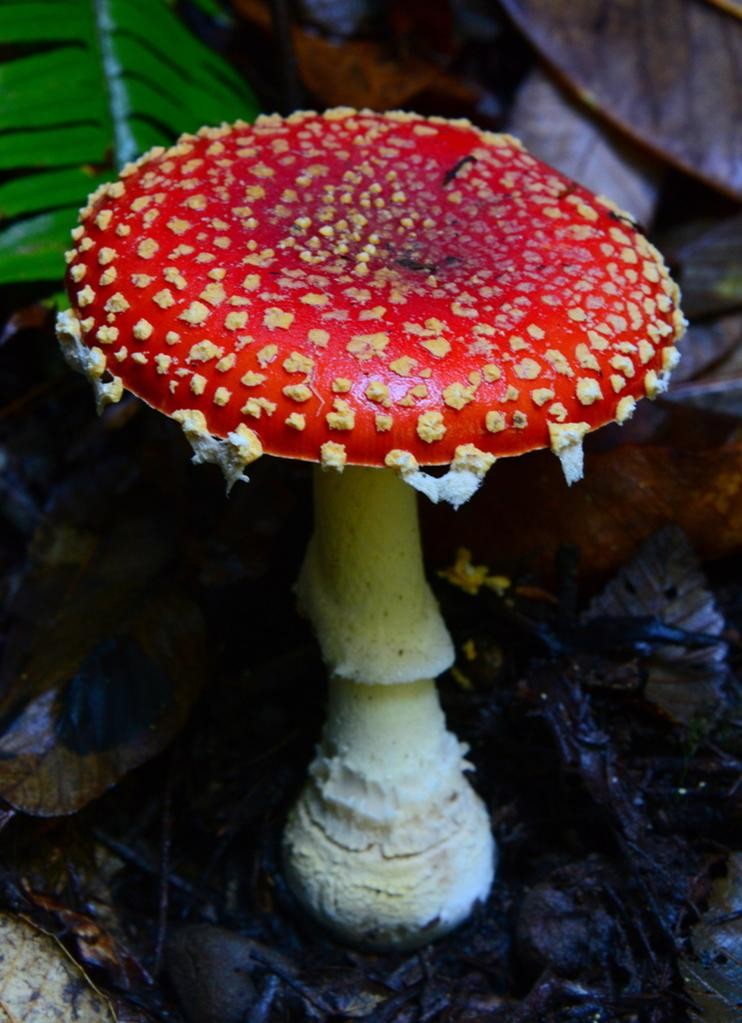
6. Fly agaric
In Northern Asia and Europe, fly agaric grows under trees near the winter solstice and is collected for ritual use tied to the season. Its characteristic shape and coloring are still ubiquitous in many European fairy tale illustrations and Christmas traditions. It is highly toxic.
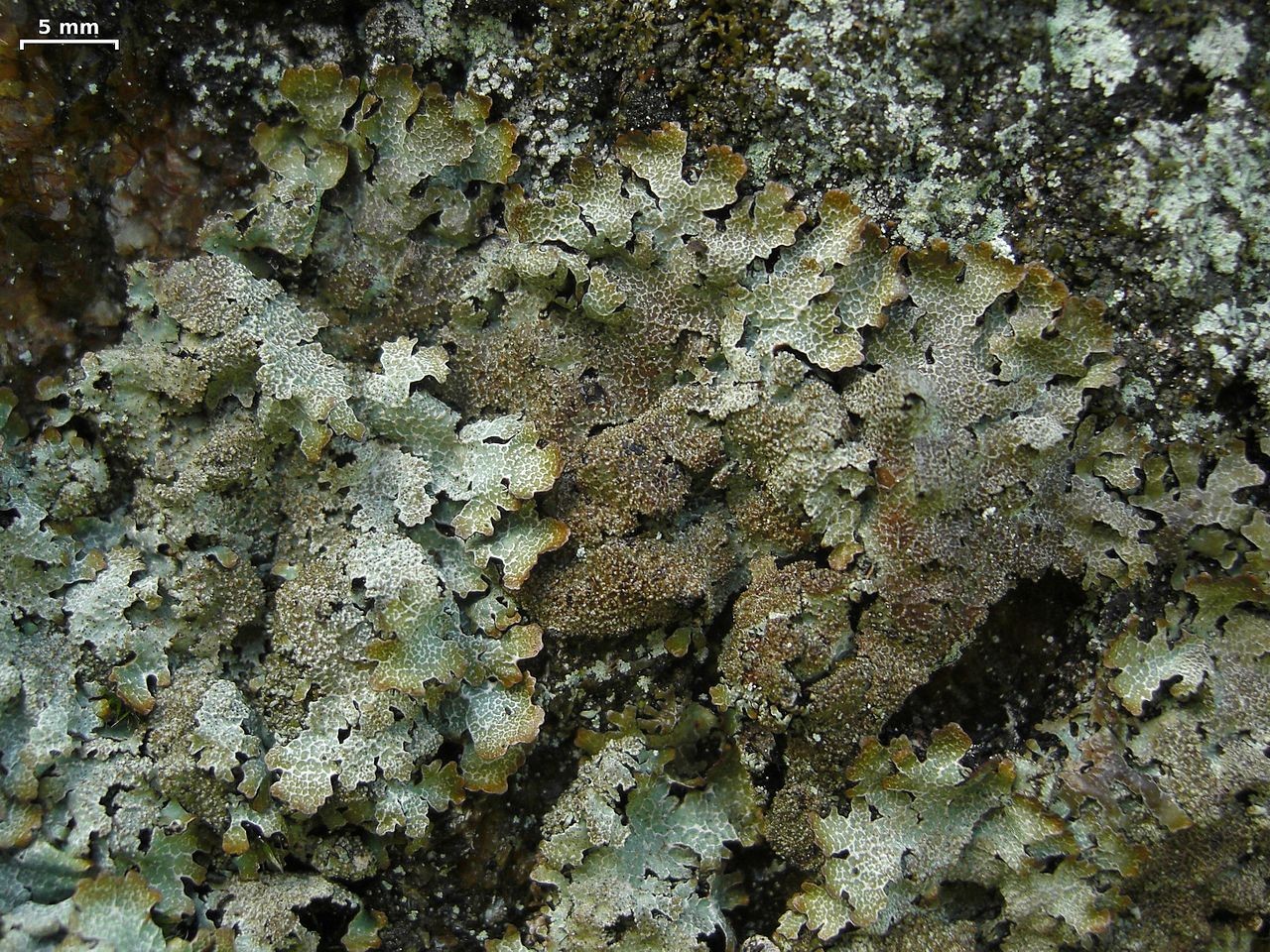
7. Salted shield lichen
It was first described in 1753 by Carl Linnaeus with the name Lichen saxatilis. Erik Acharius transferred it to Parmelia in 1803. The lichen has a greenish-gray to bluish-gray thallus that can turn brown in exposed locations. It typically grows on rock, although it is sometimes found on bark or wood. Parmelia saxatilis is used to make dyes with deep red-brown and rusty-orange colors. Known as "crotal" in Scotland, it was used to dye traditional cloths including Harris tweed. A somewhat similar species with a cosmopolitan distribution is Parmelia sulcata, which generally grows on trees. 
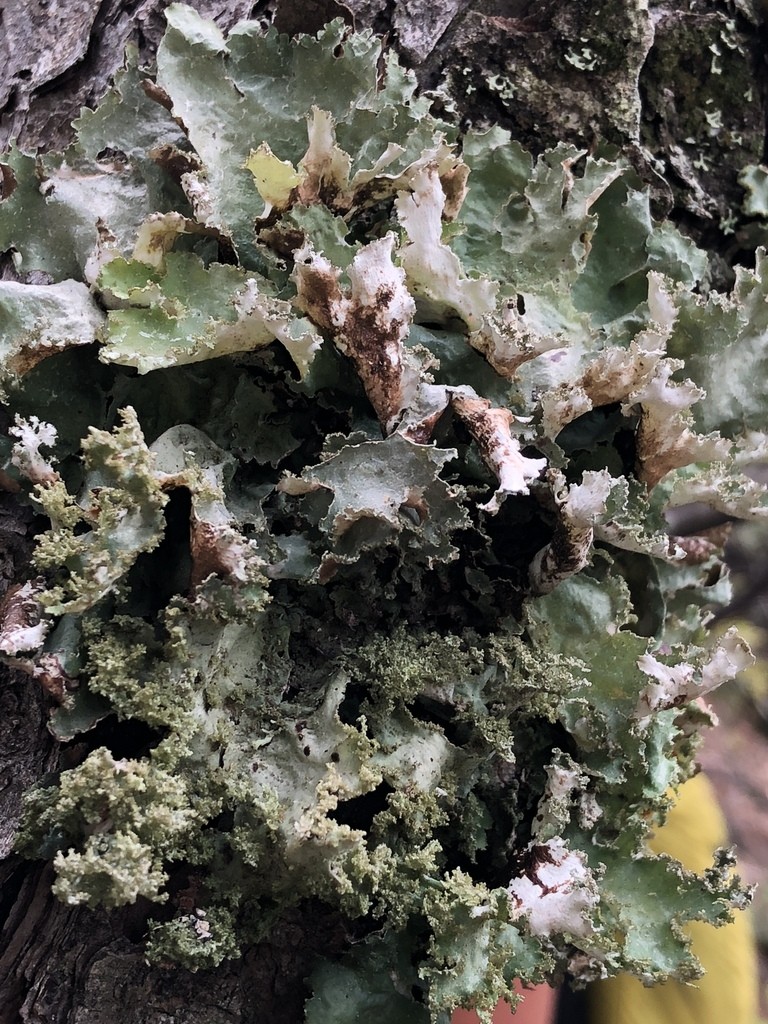
8. Varied rag lichen
Varied rag lichen grows on rocks, soil, and especially wood. Research has suggested that certain extracts from varied rag lichen can inhibit the growth of biofilms, which may lead to future commercial uses. The specific name, glauca, means "bluish-gray or green," though occasionally this species can appear a pale white color as well.
9. Common orange lichen
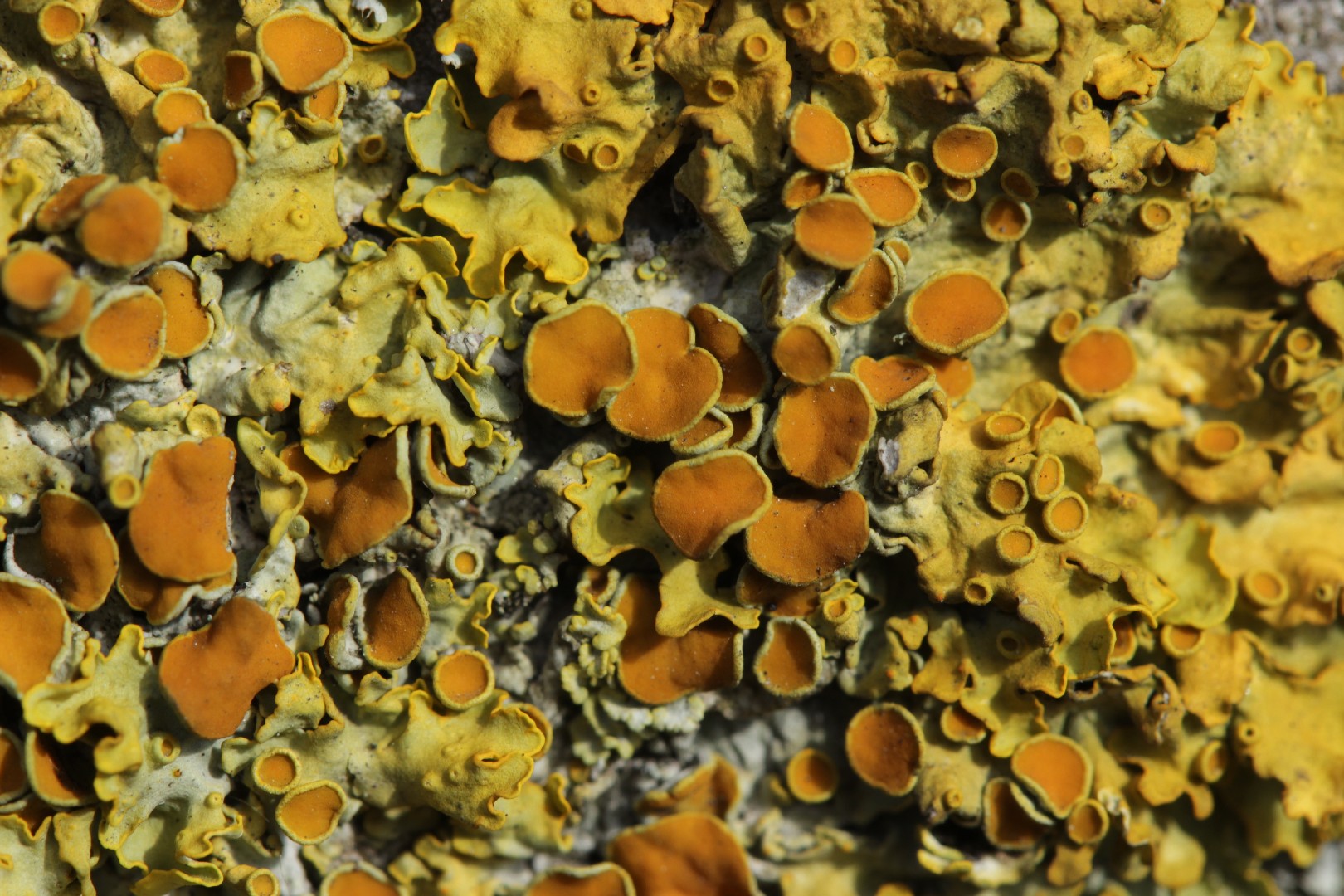
Common orange lichen was selected in 2006 by the United States Department of Energy as a model for genomic sequencing. Its widespread dispersal and bright yellow-orange color give the lichen its common name. It is primarily found growing on rocks, walls, and tree bark.
10. Beard lichen
More







