




Top 20 Most Common Mushrooms in Soria
Situated within stunning landscapes, Soria boasts a unique biosphere for mushroom enthusiasts to explore. Blessed with an abundance of diverse microclimates, the city is ripe for the cultivation of various fungal species. Fans of mushroom hunting can marvel at almost irresistible richness of host habitats, home to 20 of the most common mushrooms. Every corner of Soria reveals a new mushroom species, fostering an exciting adventure for both laymen and more seasoned mycologists alike.

Most Common Mushrooms
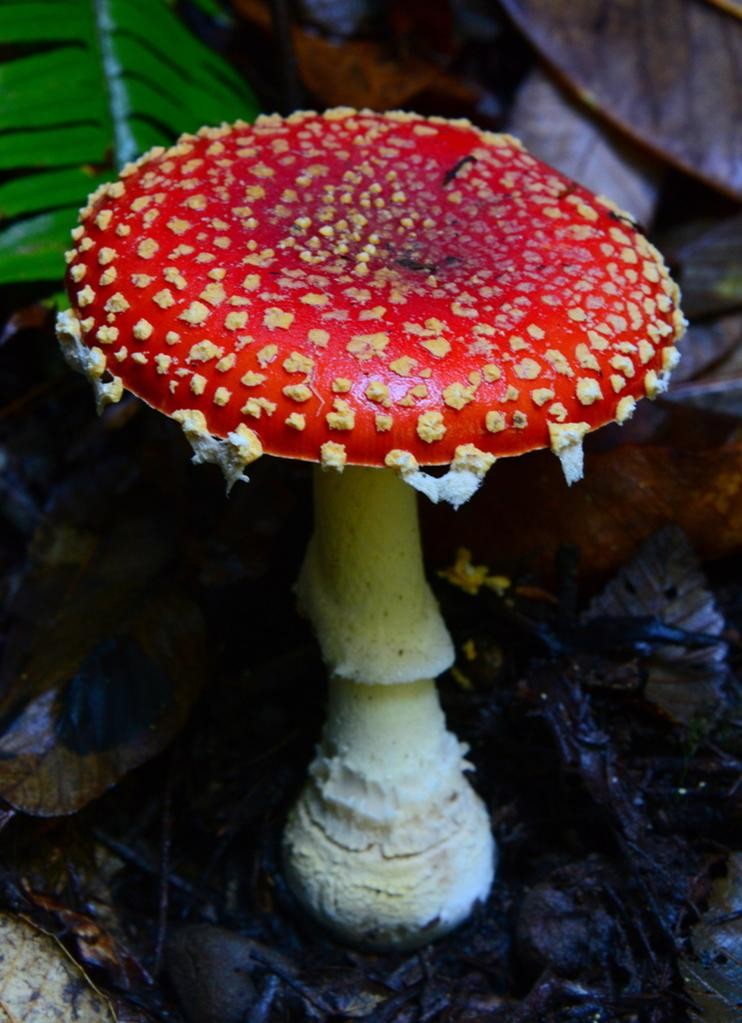
1. Fly agaric
In Northern Asia and Europe, fly agaric grows under trees near the winter solstice and is collected for ritual use tied to the season. Its characteristic shape and coloring are still ubiquitous in many European fairy tale illustrations and Christmas traditions. It is highly toxic.
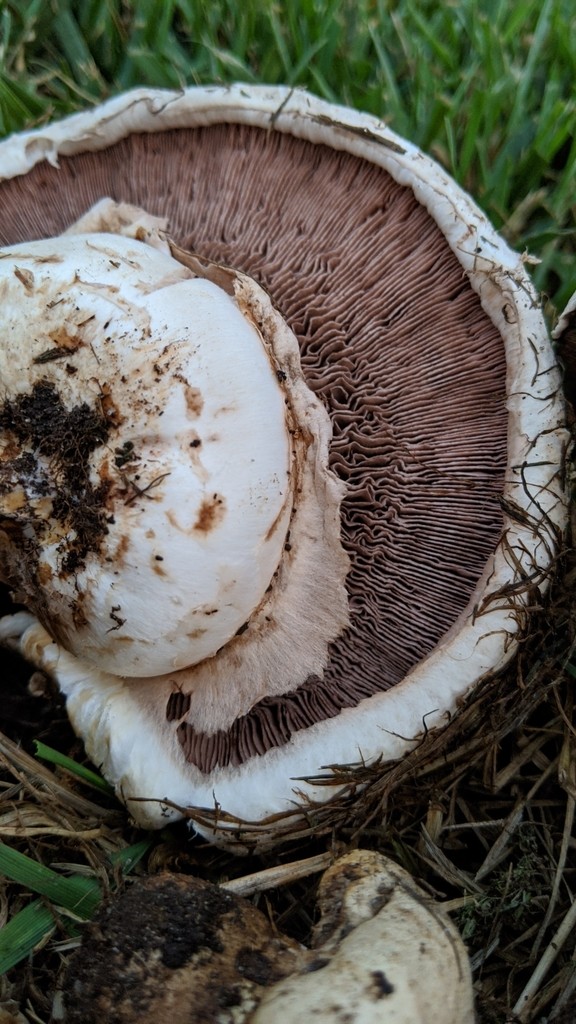
2. Coastal mushroom
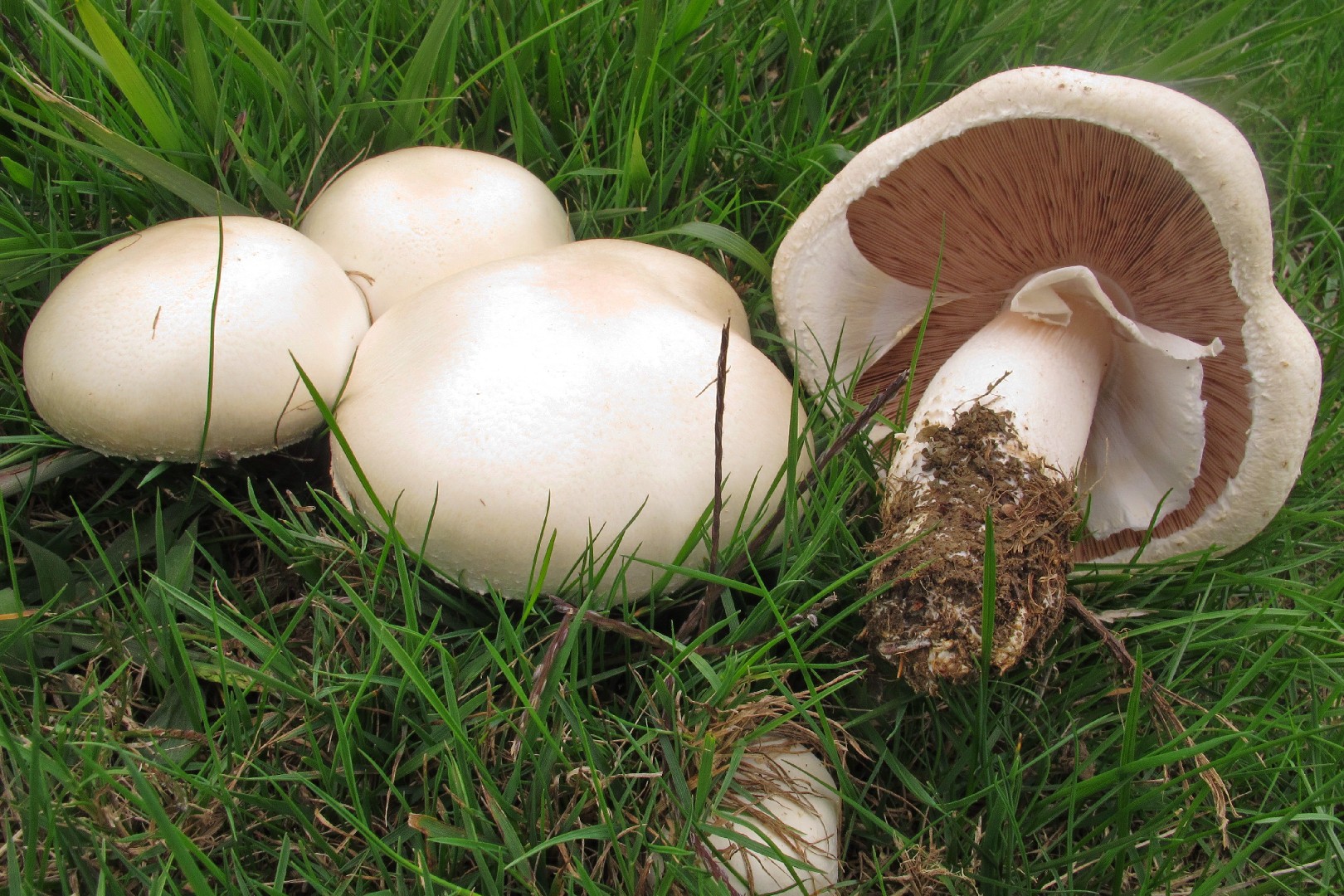
A. litoralis is a white or grey-white mushroom with a compact cap that may reach a width of up to 12 centimetres (4.7 in). The cap is often depressed when older and rests of the annulus may occur on the outer rim. While rose-coloured at a young age, the gills become dark brown as the mushroom grows older. The stem is 5–6 centimetres (2.0–2.4 in) tall and 1.5–2 centimetres (0.59–0.79 in) wide. It is often remarkably shorter than the cap is wide. The spores are dark brown and egg-shaped. The mushroom is saprotrophic, i.e. it feeds on decaying matter. It prefers herbaceous dry grasslands, heaths and steppe. 
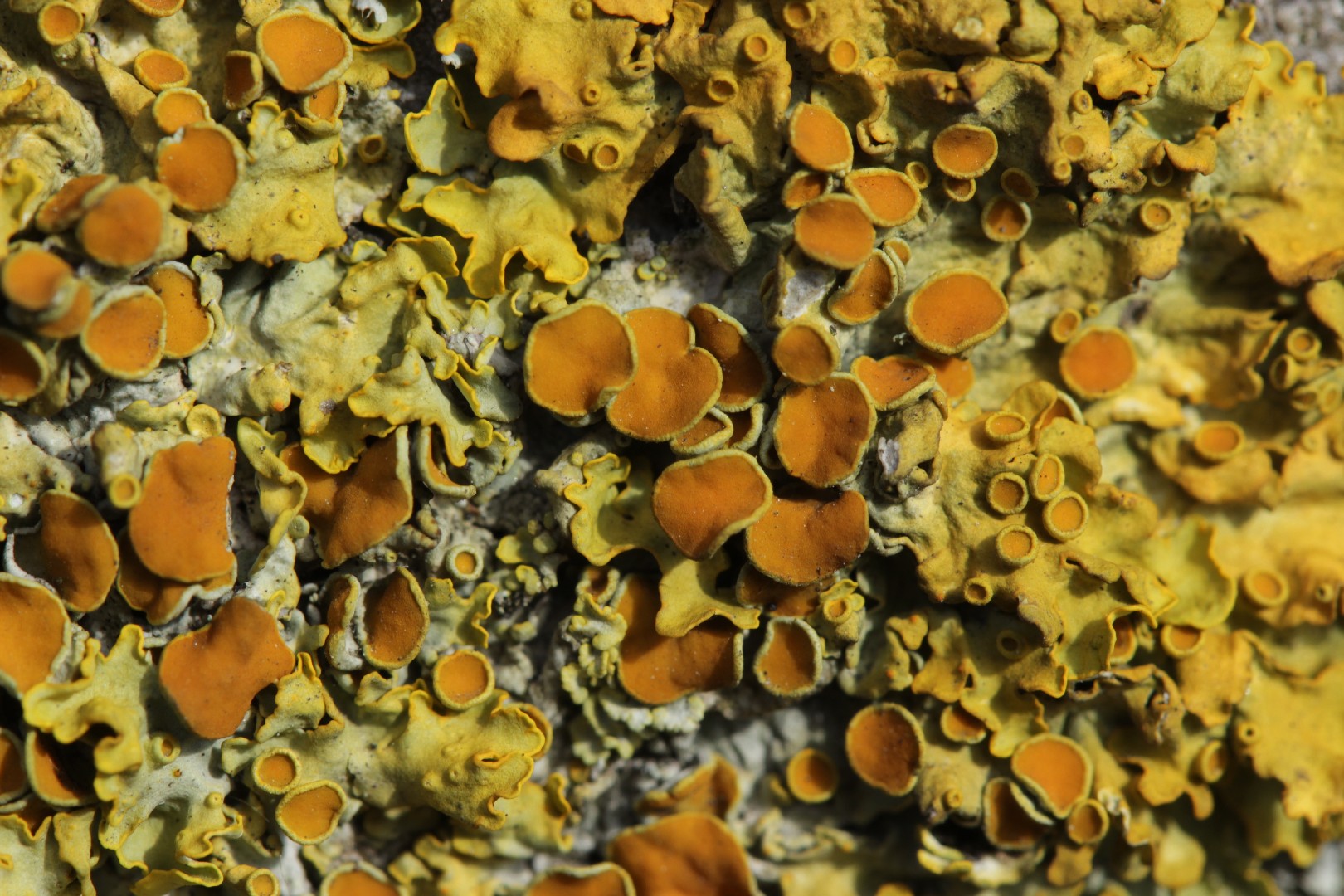
3. Common orange lichen
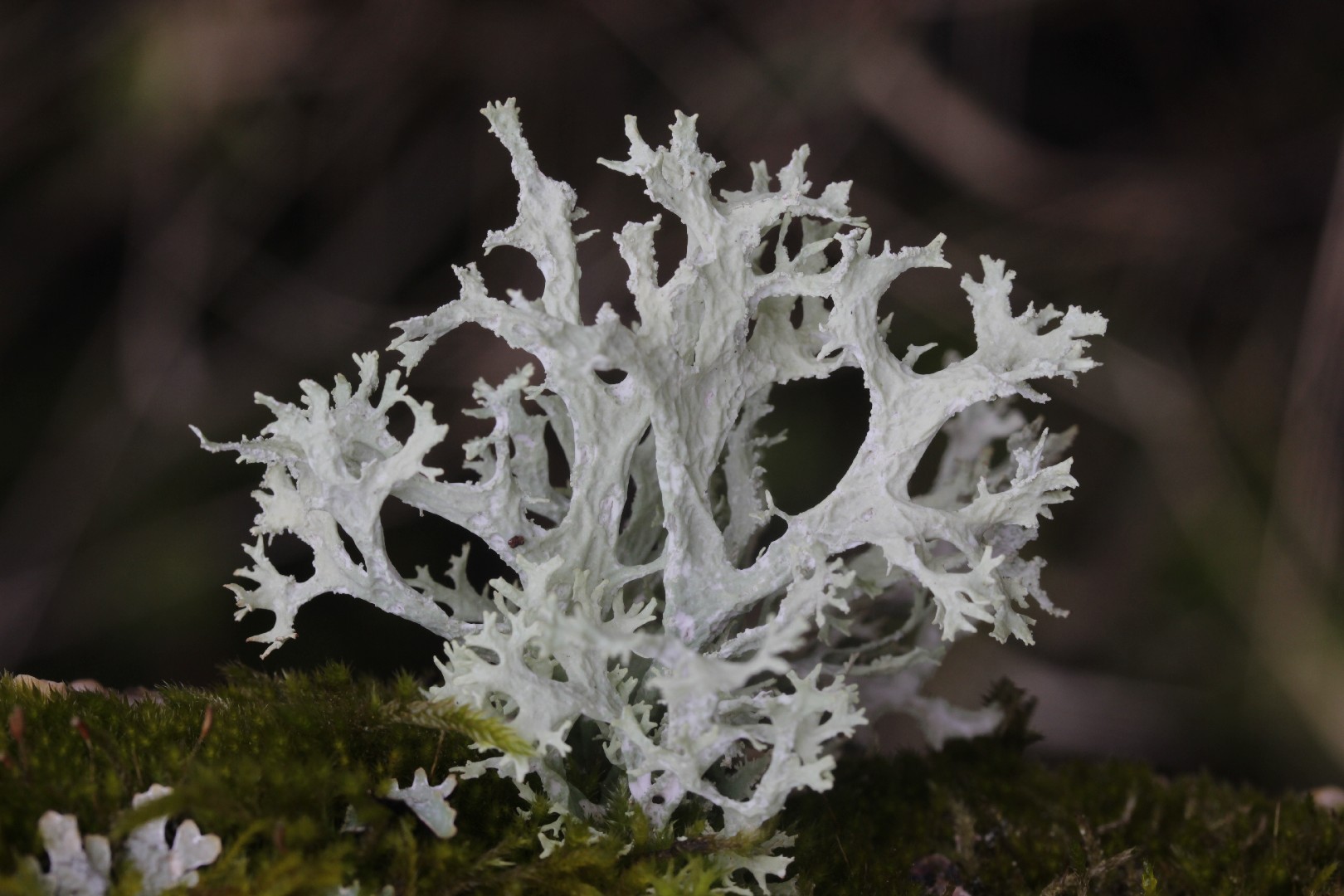
Common orange lichen was selected in 2006 by the United States Department of Energy as a model for genomic sequencing. Its widespread dispersal and bright yellow-orange color give the lichen its common name. It is primarily found growing on rocks, walls, and tree bark.
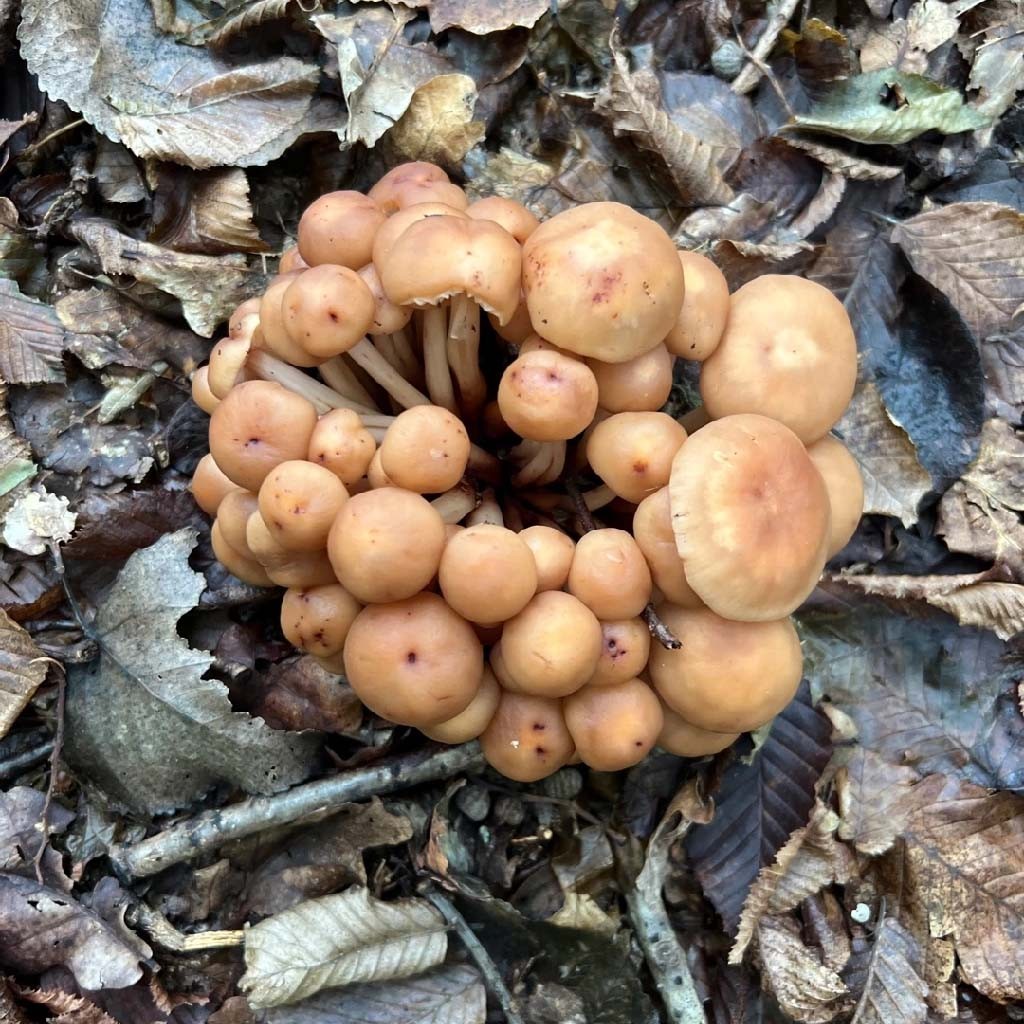
4. Spindleshank toughshank
Spindleshank toughshank is a woodland mushroom that is known to cause rot in oak trees. It prefers dry and sandy growing conditions and is most commonly seen in groups. Spindleshank's most distinctive feature is the spindle-shaped stem for which it is named. This spindle shape only occurs below ground, so it needs to be uprooted to be seen.
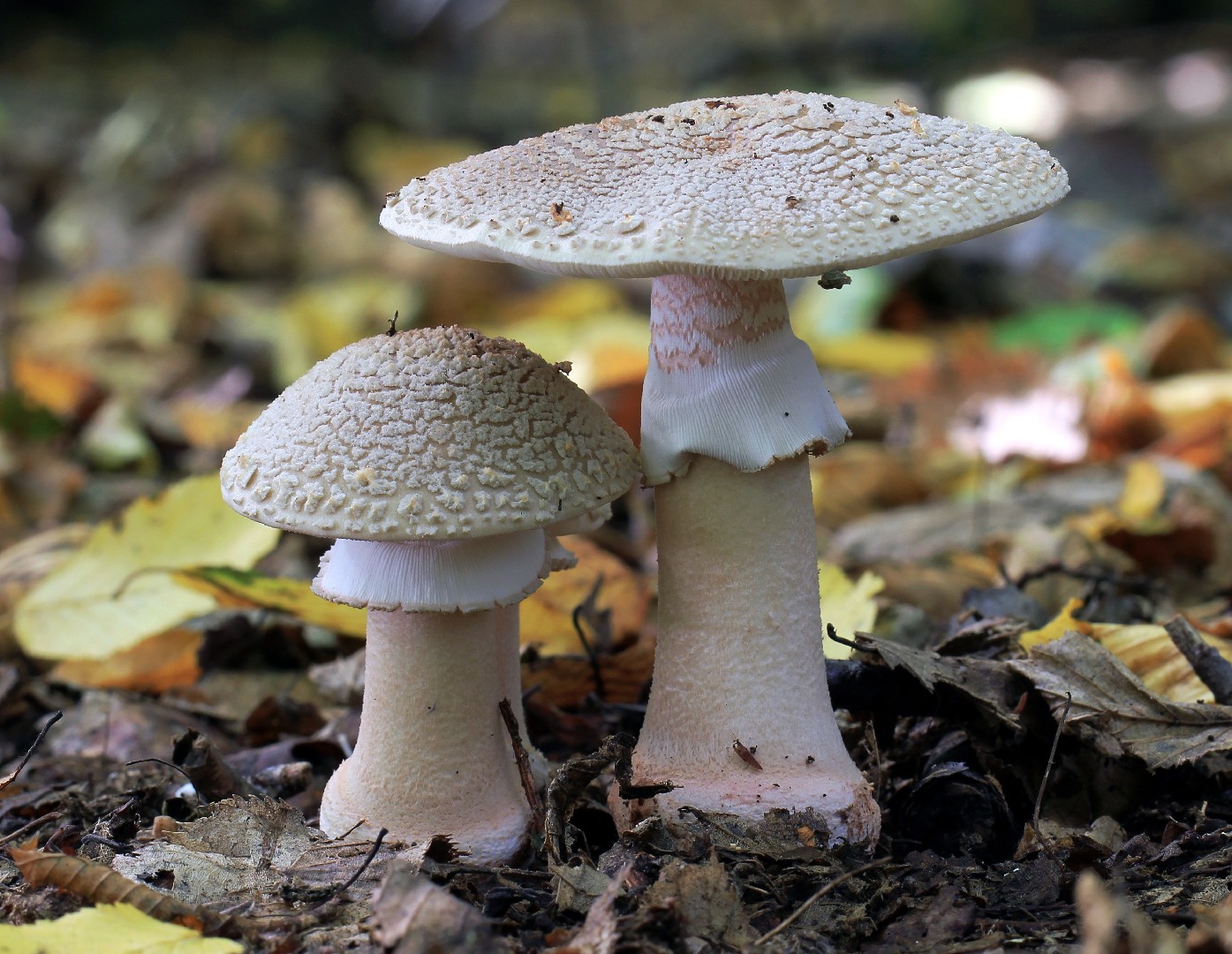
5. Blusher
The blusher mushroom is so named because it “blushes” to a pinkish red color when cut or bruised. It is found in many countries around the world, although it may not be native to the southern hemisphere. It contains a hemolytic toxin that can cause anemia if eaten.
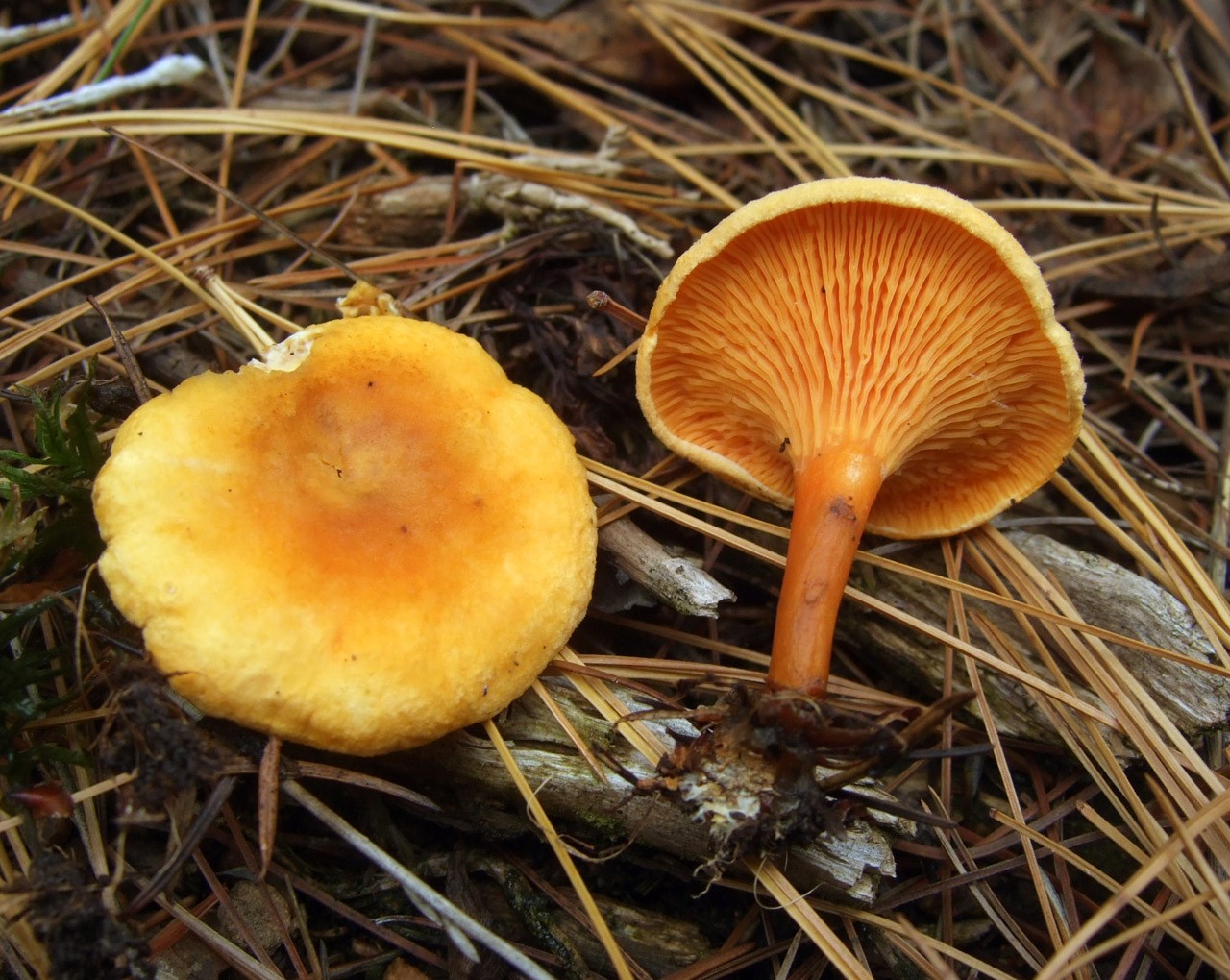
6. False chanterelle
The common name of this mushroom refers to the fact that it looks very similar to the edible and highly prized Chanterelle. This species, however, tastes bitter and may cause poisoning symptoms. False chanterelle occurs around the northern hemisphere in autumn and winter, growing on coniferous detritus, and is more likely to fruit in dry conditions rather than the usual wet.
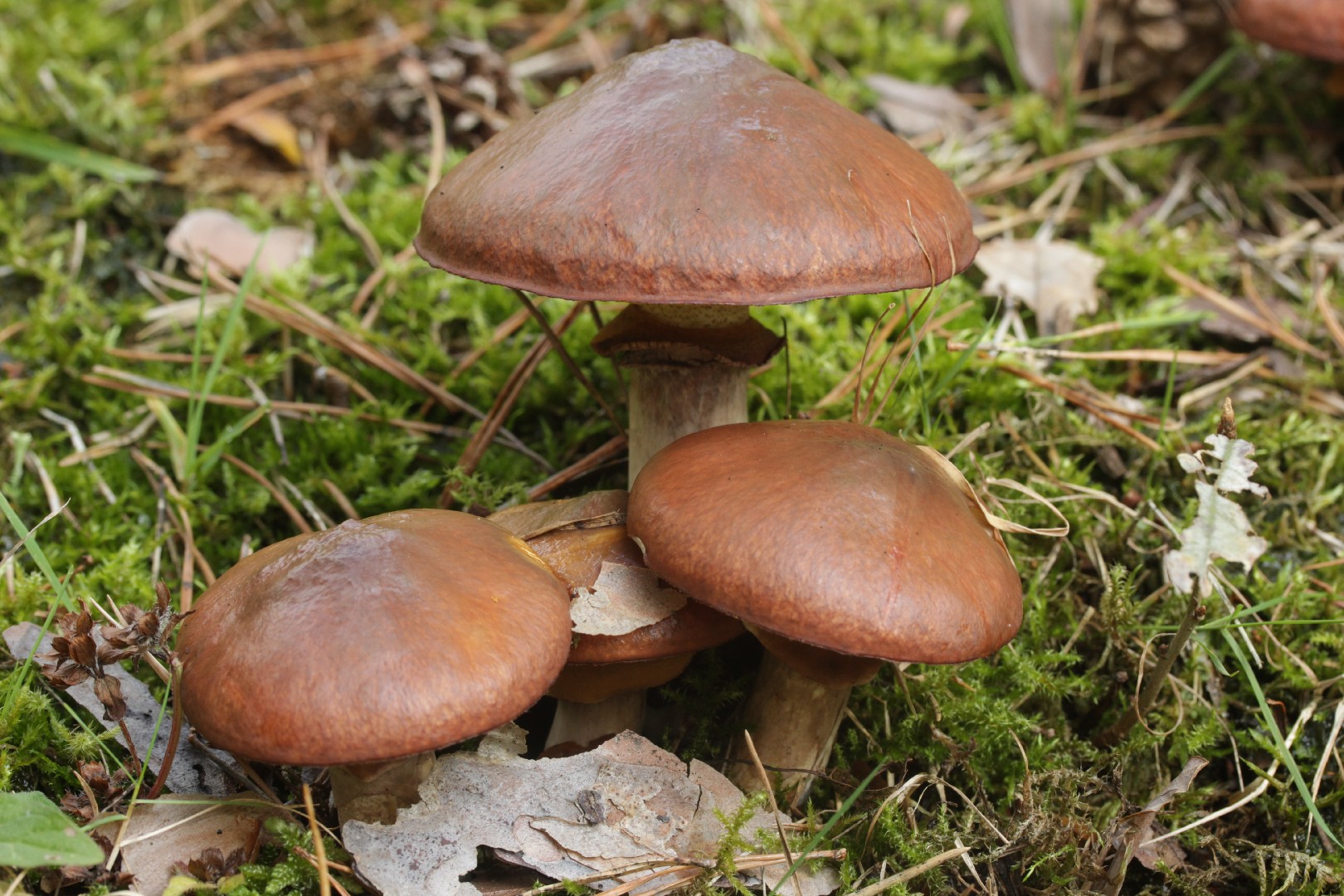
7. Slippery jack
This mushroom blooms in summer and autumn, usually near or beneath pine trees. It does well in cold climates, but can also be found further south all around the northern hemisphere. During moist weather, the slippery jack's caps become quite slimy, leading to their common name.
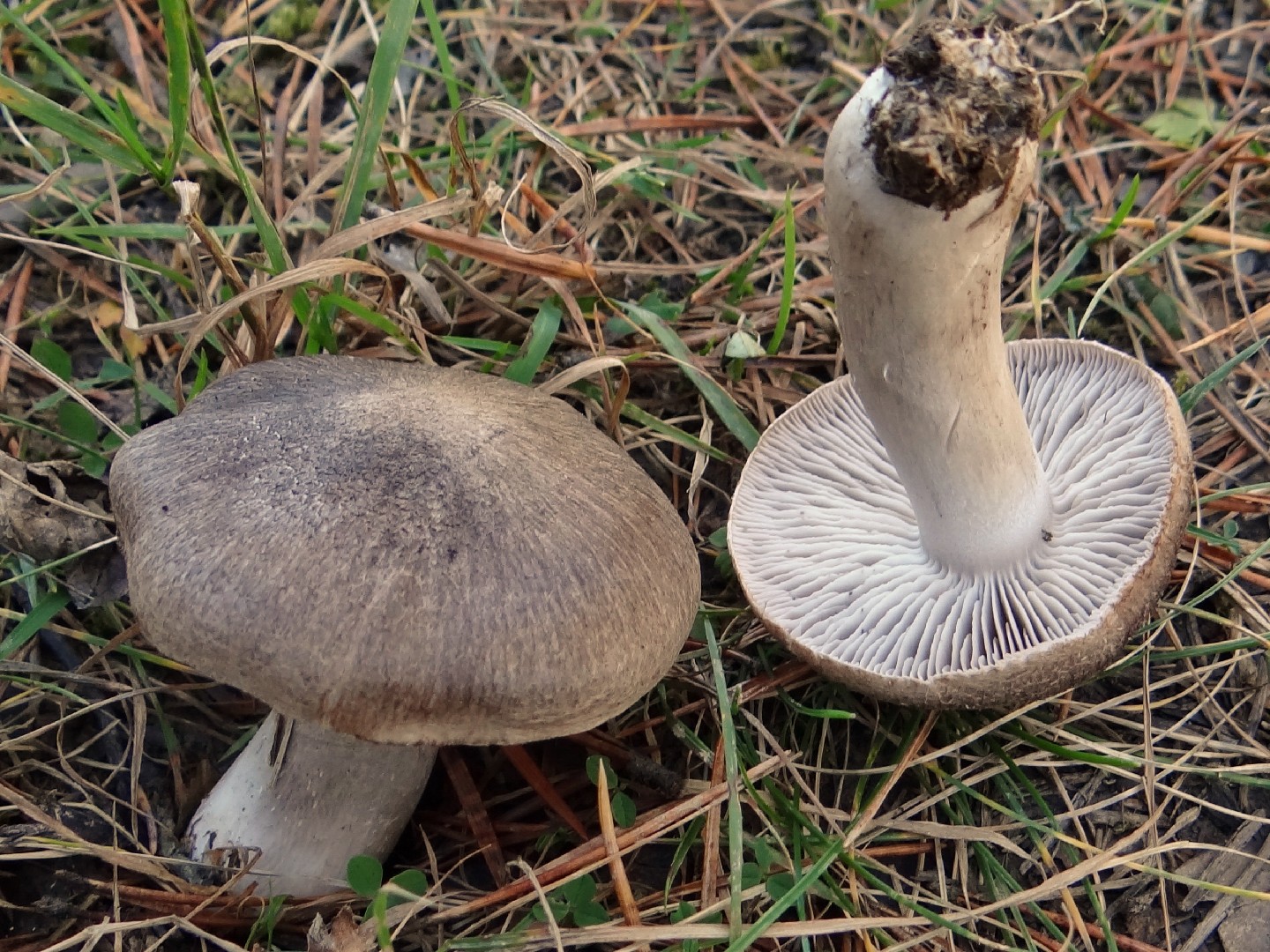
8. Grey knight
The wide-capped grey knight mushroom grows in large groups, mainly on the floor of coniferous forests. Foraging them for food is not recommended, as they contain a toxin that can cause kidney damage with repeated ingestion. They are also extremely difficult to distinguish from other grey and grey-brown mushrooms that are more immediately poisonous.

9. Yellow stainer
The yellow stainer grows across North America and Europe and has been imported to Australia. It can be distinguished from other common white mushrooms by the bright chrome yellow color it turns when bruised. It is known to be poisonous, causing cramps, nausea, and purging. Unfortunately, it often gets accidentally eaten as it looks similar to several edible white mushrooms.
10. False death cap
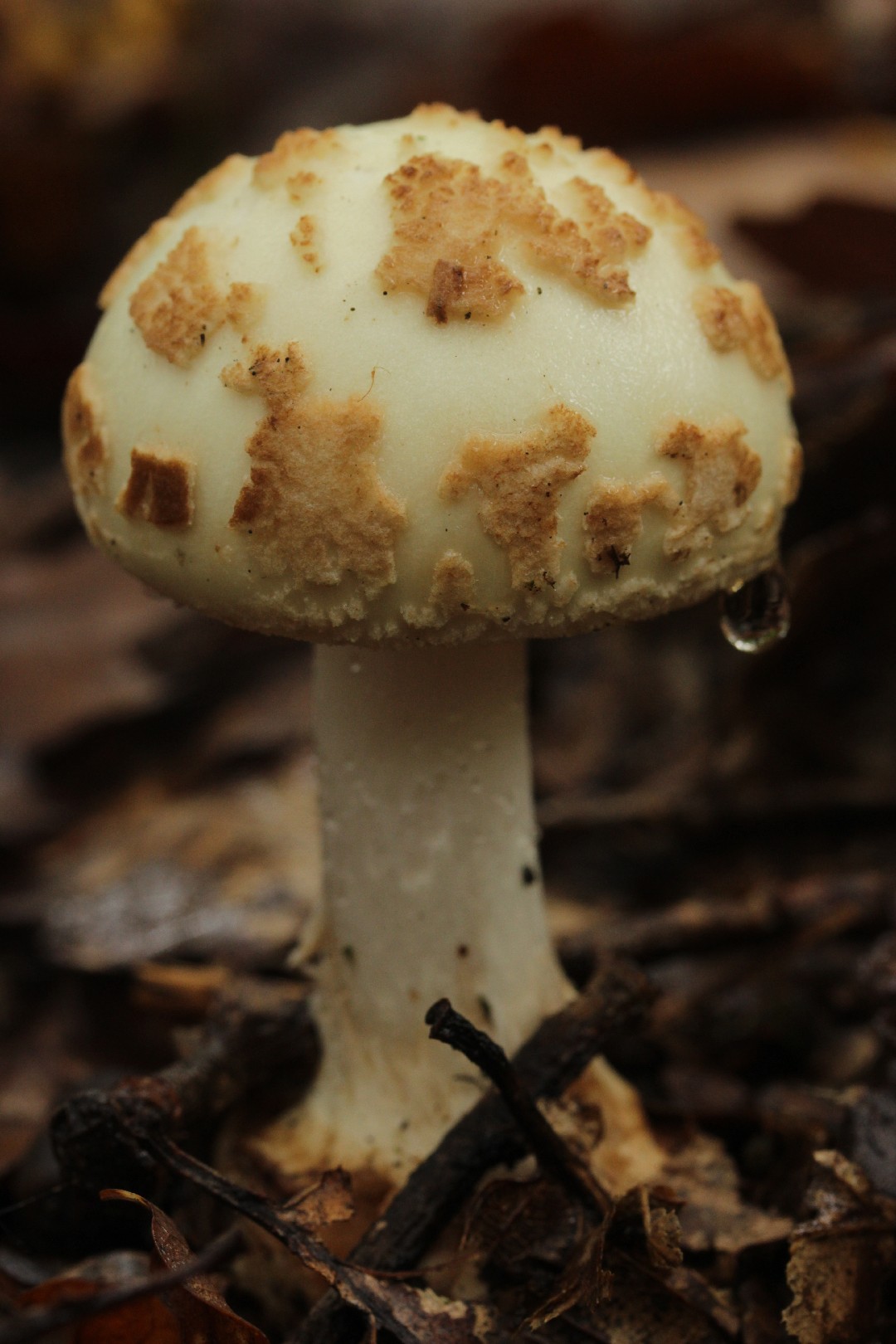
A close cousin to the more deadly Amanitas such as Destroying Angel and Deathcap, the false death cap is an inedible mushroom that regularly grows on forest floors across the northern hemisphere. It consumes both hardwood and soft, and fruits from late summer to autumn.


More







