




Top 20 Most Common Mushrooms in Los Corrales de Buelna
Steeped in natural beauty, Los Corrales de Buelna is an idyllic haven for mushroom enthusiasts. Nestled among verdant landscapes, this town provides the perfect habitat for an assortment of fungi. 20 common mushroom species take center stage here, a testimony to Los Corrales de Buelna's contribution to mycology. The richness of these 20 species promises a fertile ground for study and exploration. Join us in unraveling the vibrancy of Los Corrales de Buelna's mycological tapestry. Discover the 20 mushrooms that call Los Corrales de Buelna home.

Most Common Mushrooms
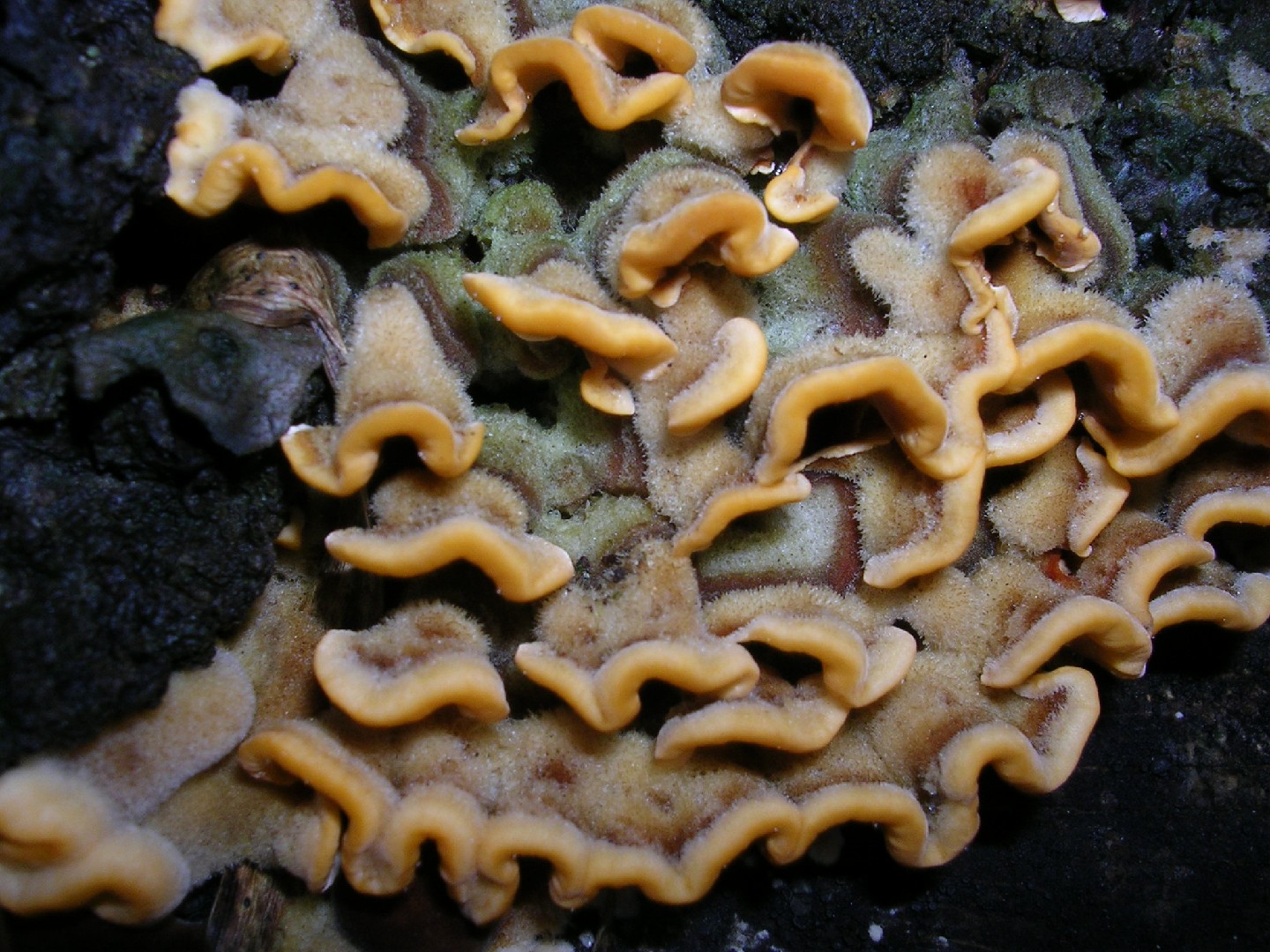
1. Hairy curtain crust
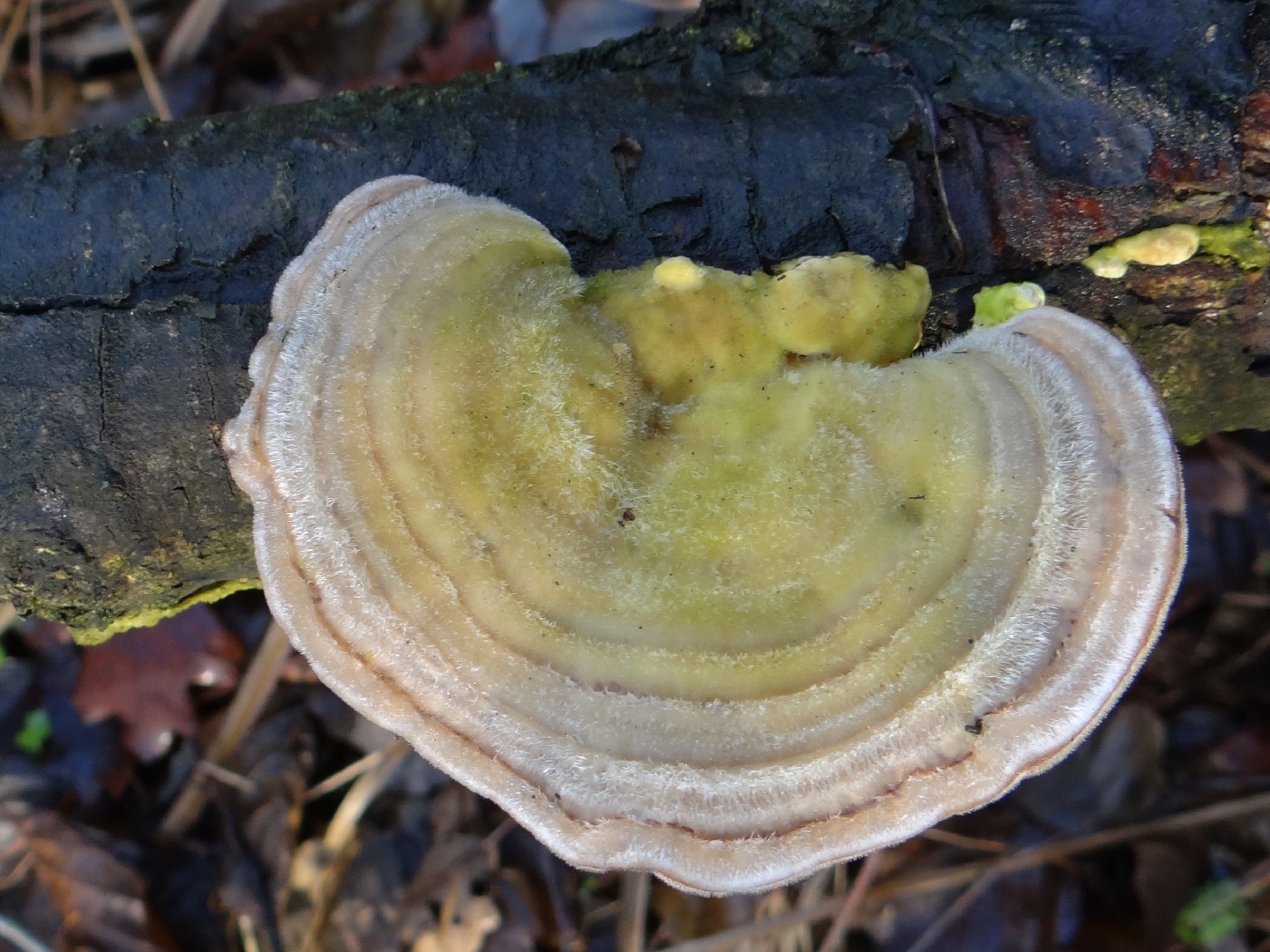
This clustered, overlapping fungus is found all over the world, and is considered native across both the northern and southern hemispheres. Both its common name, hairy curtain crust, and its scientific name, Stereum hirsutum, aptly describe its most obvious features: it is quite tough (stereum) and the younger fruitbodies are notably hairy (hirsutum).
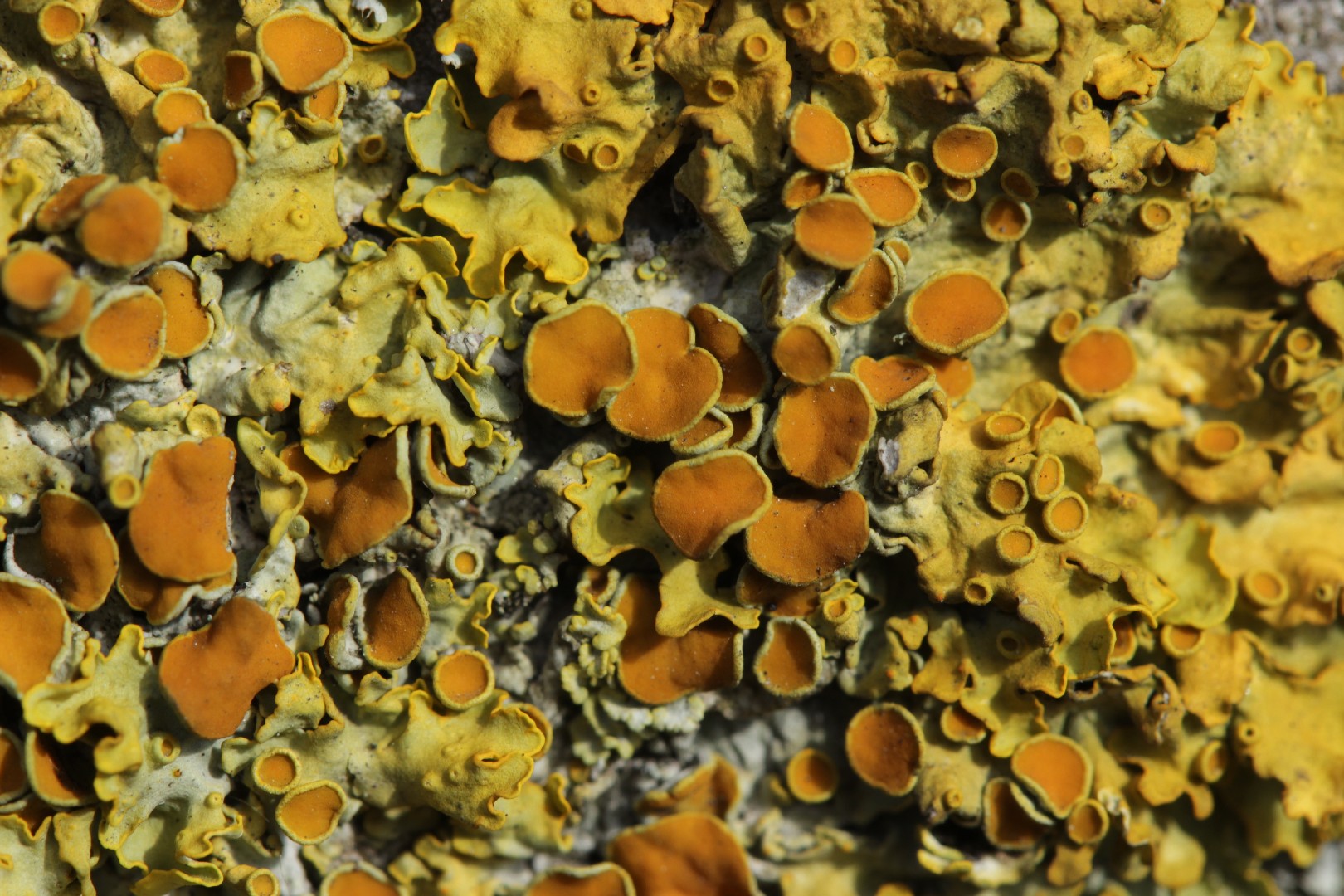
2. Common orange lichen
Common orange lichen was selected in 2006 by the United States Department of Energy as a model for genomic sequencing. Its widespread dispersal and bright yellow-orange color give the lichen its common name. It is primarily found growing on rocks, walls, and tree bark.
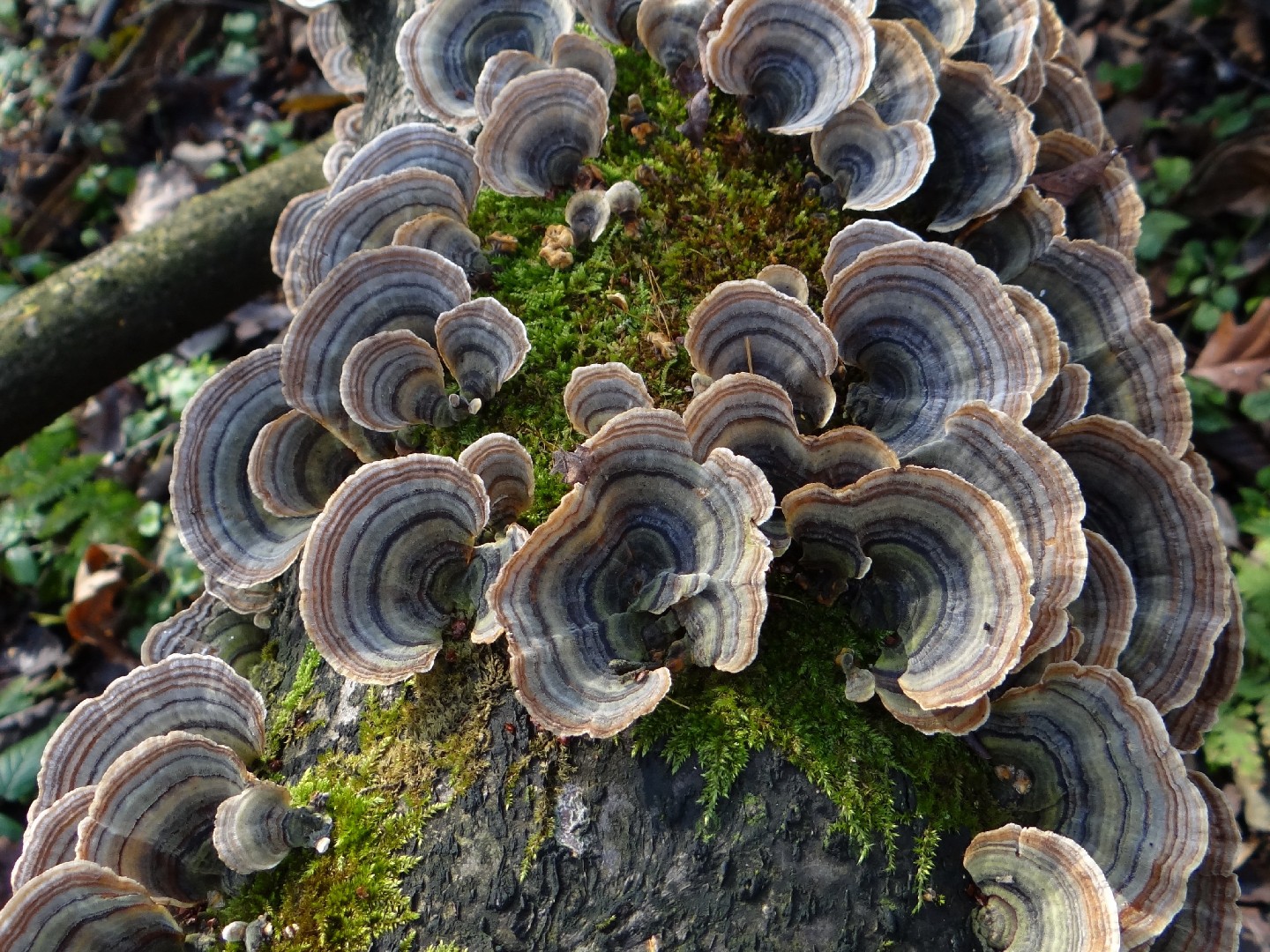
3. Turkey tail
The distinctively-striped turkey tail fungus grows on stumps and logs all over the forests of the northern hemisphere. It is, in fact, probably the most common species you will find. That doesn't mean this mushroom is plain, however; each cap is uniquely patterned. Look for bands of alternating textures as well as color.
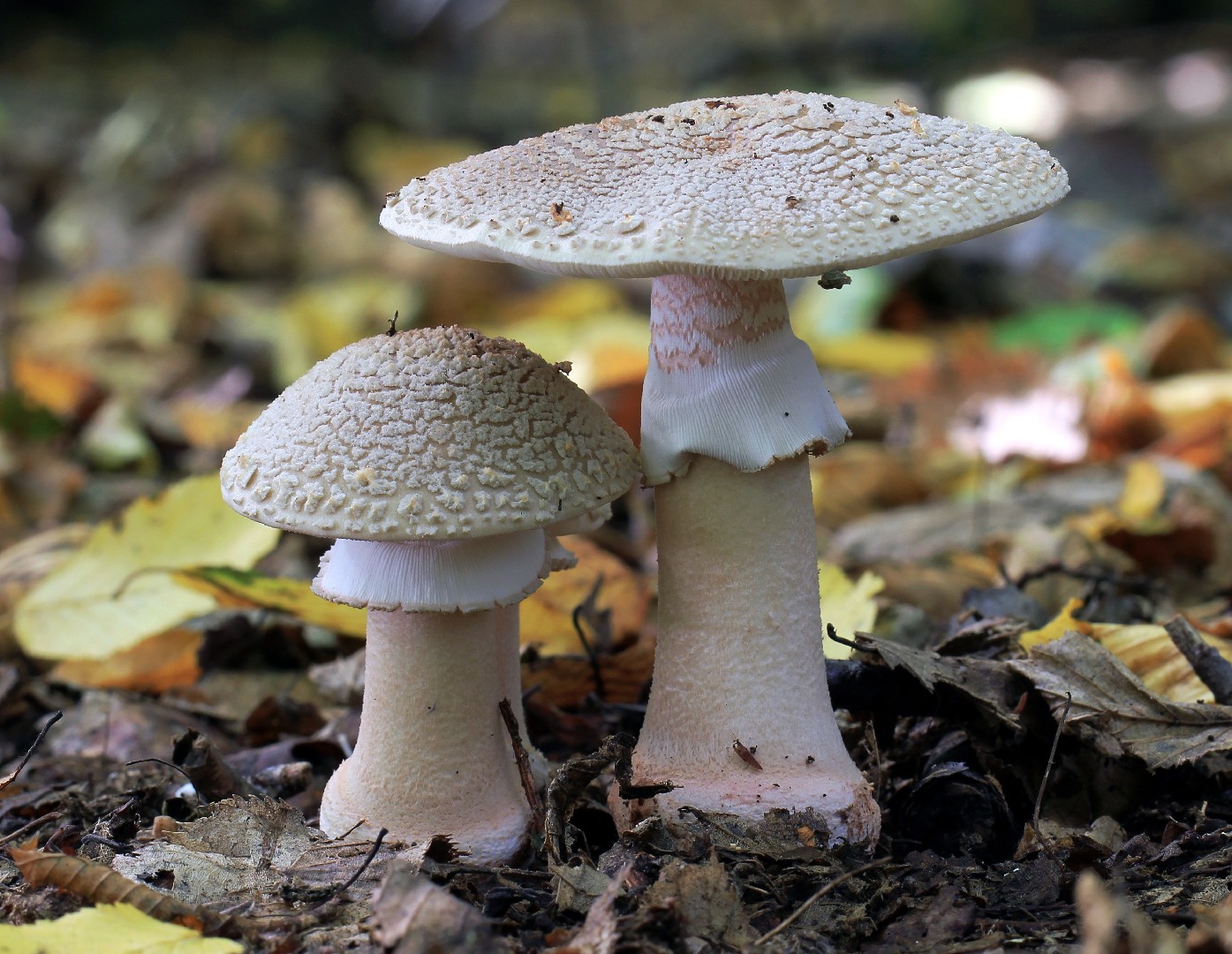
4. Blusher
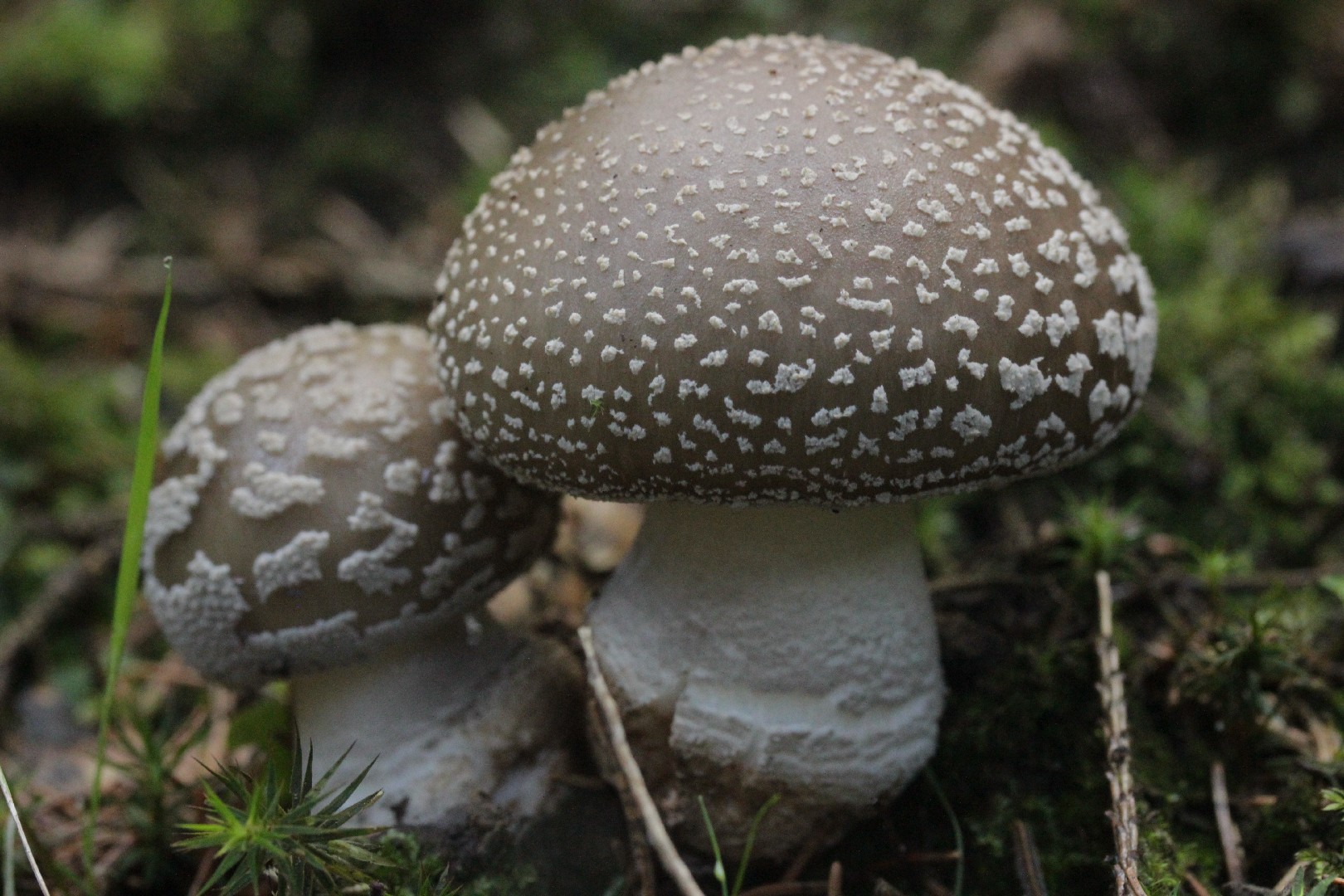
The blusher mushroom is so named because it “blushes” to a pinkish red color when cut or bruised. It is found in many countries around the world, although it may not be native to the southern hemisphere. It contains a hemolytic toxin that can cause anemia if eaten.
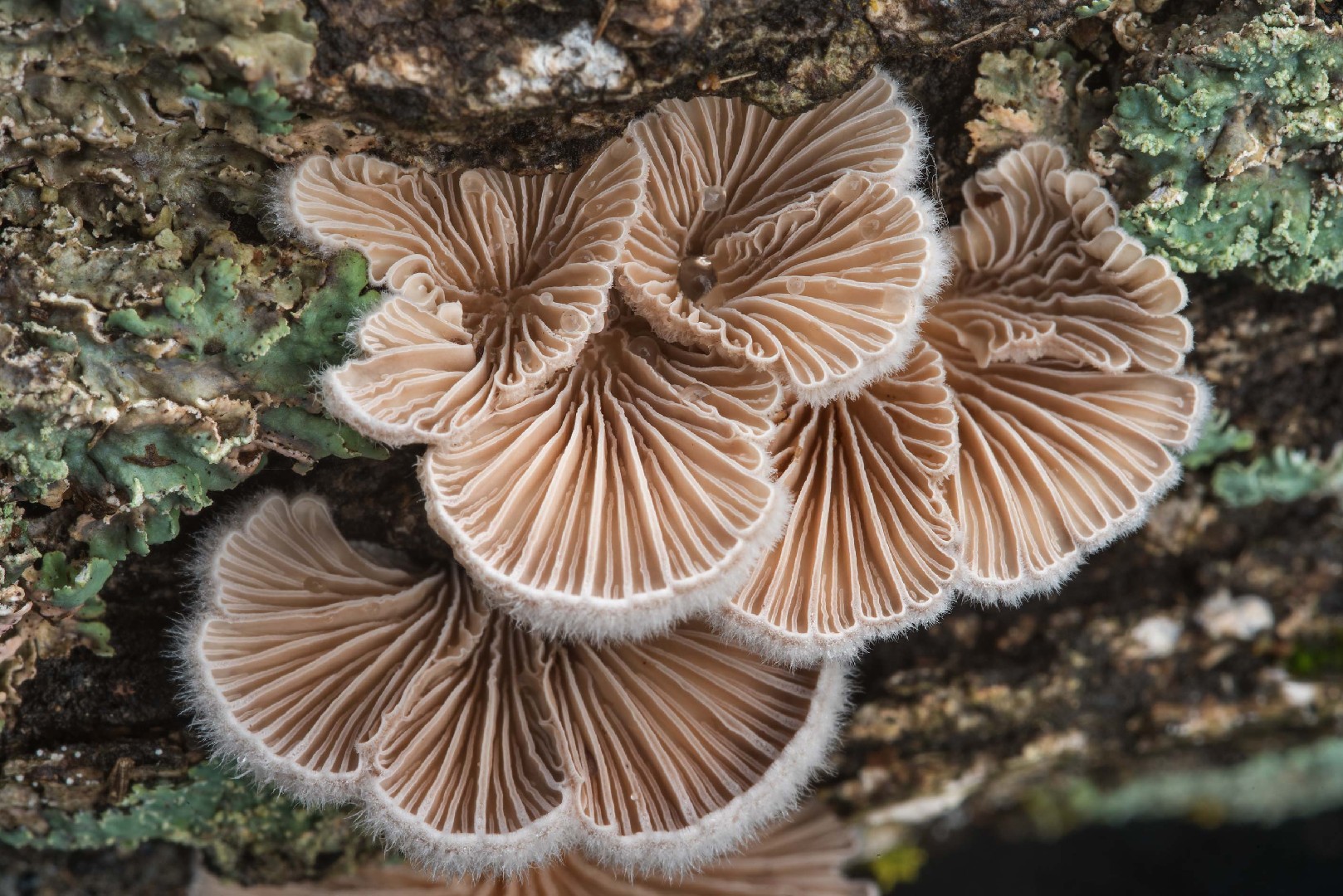
5. Split gill
Split gill(Schizophyllum commune) can be found across the globe. Uniquely, it is the only mushroom species known to display the capability to retract by movement. It is considered inedible, although not necessarily toxic. Furthermore, it is not recommended to smell this species, as the spores are capable of sprouting and growing in nasal passages.
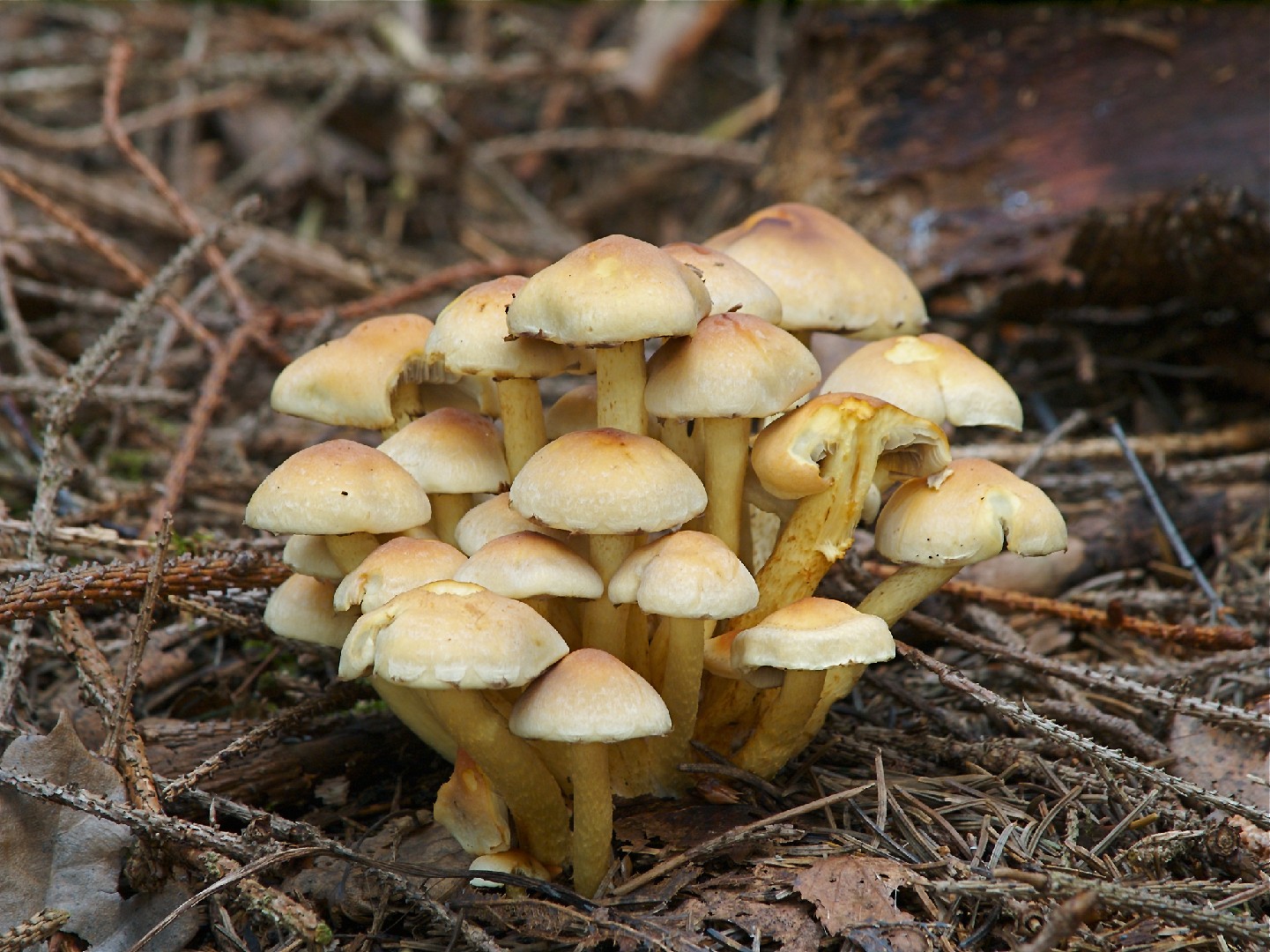
6. Sulphur tuft
The sulphur tuft grows on rotting wood of all types of trees; it is a particularly efficient decomposer of hardwoods. The mushrooms appear from spring to autumn and are often so tightly packed that they interfere with each other’s shape. This poisonous mushroom can cause temporary paralysis, distorted vision, and stomach pain if consumed.
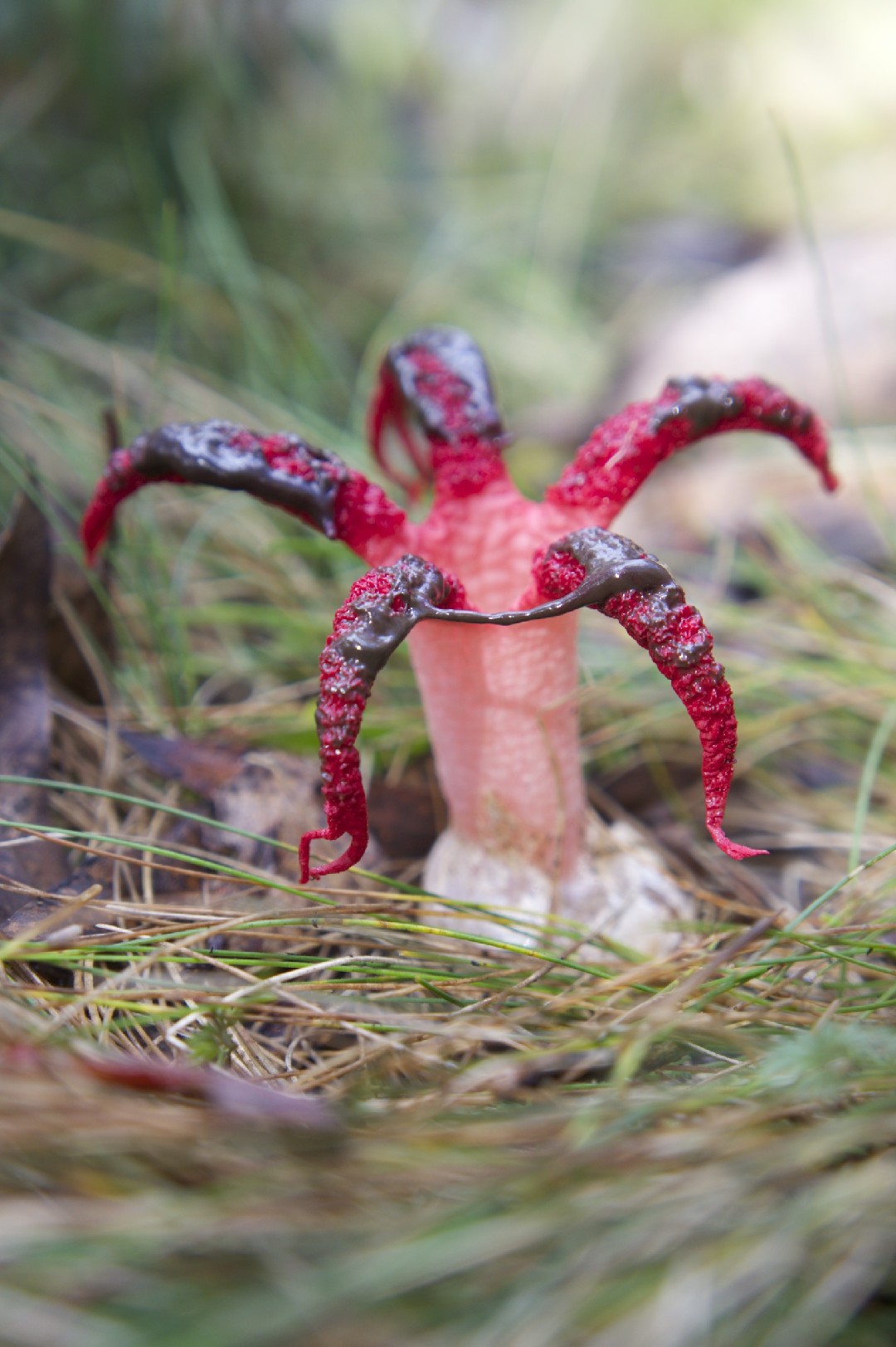
7. Devil's fingers
The devil's fingers is a mushroom of a unique appearance, often popping out in gardens and lawns. Its unpleasant odor, similar to the rotting meat, will surely keep people from getting too close. This pungent odor attracts flies, however, which have a significant role in the spore dispersal of the devil's fingers.
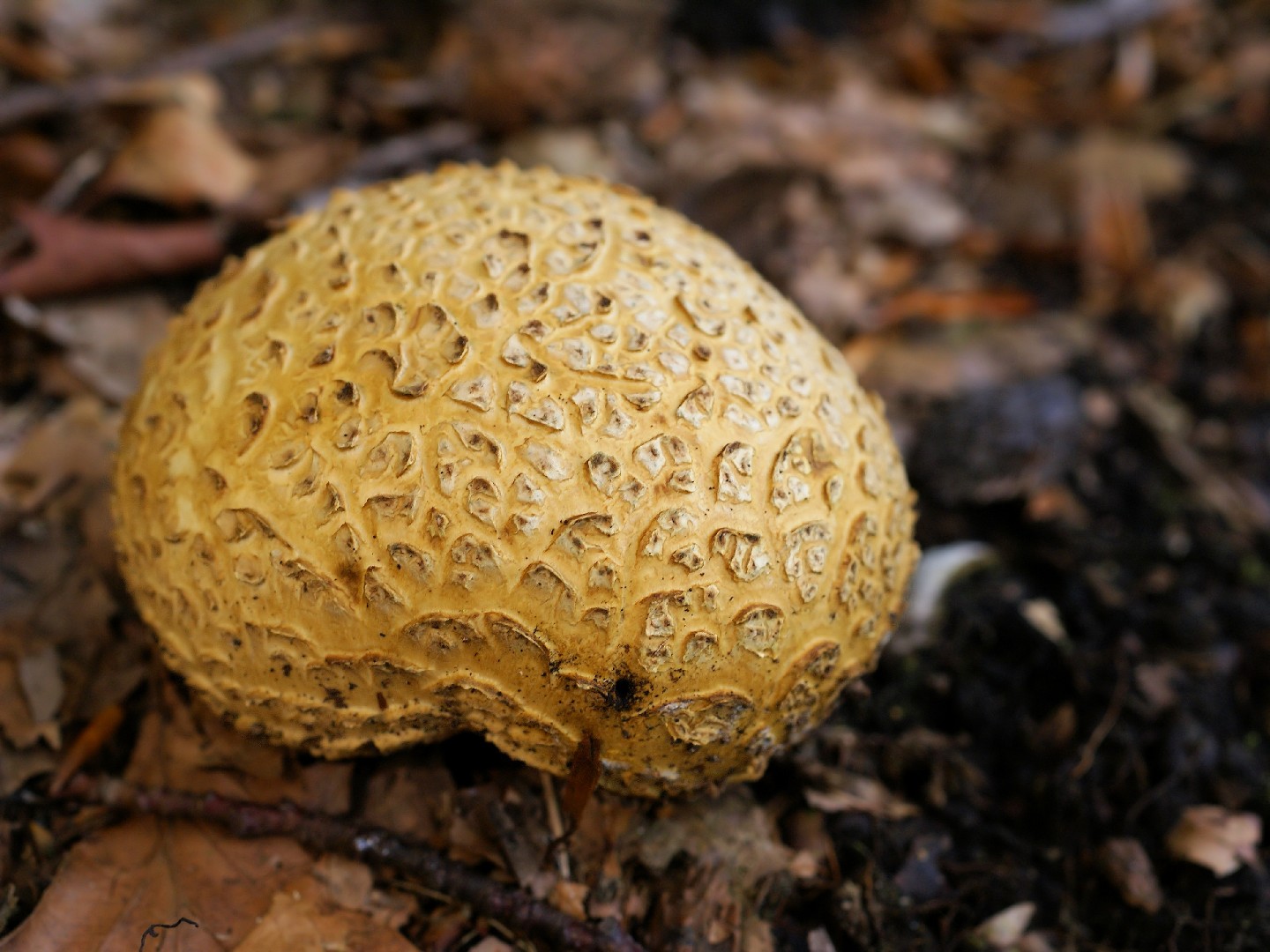
8. Common earthball
With an appearance similar to a crusty potato, the common earthball blooms from acidic soils, including compacted paths on the forest floor. It matures to a yellowish tinge and is found across the northern hemisphere. It is a close cousin to bolete mushrooms but is considered to be poisonous and is never eaten.
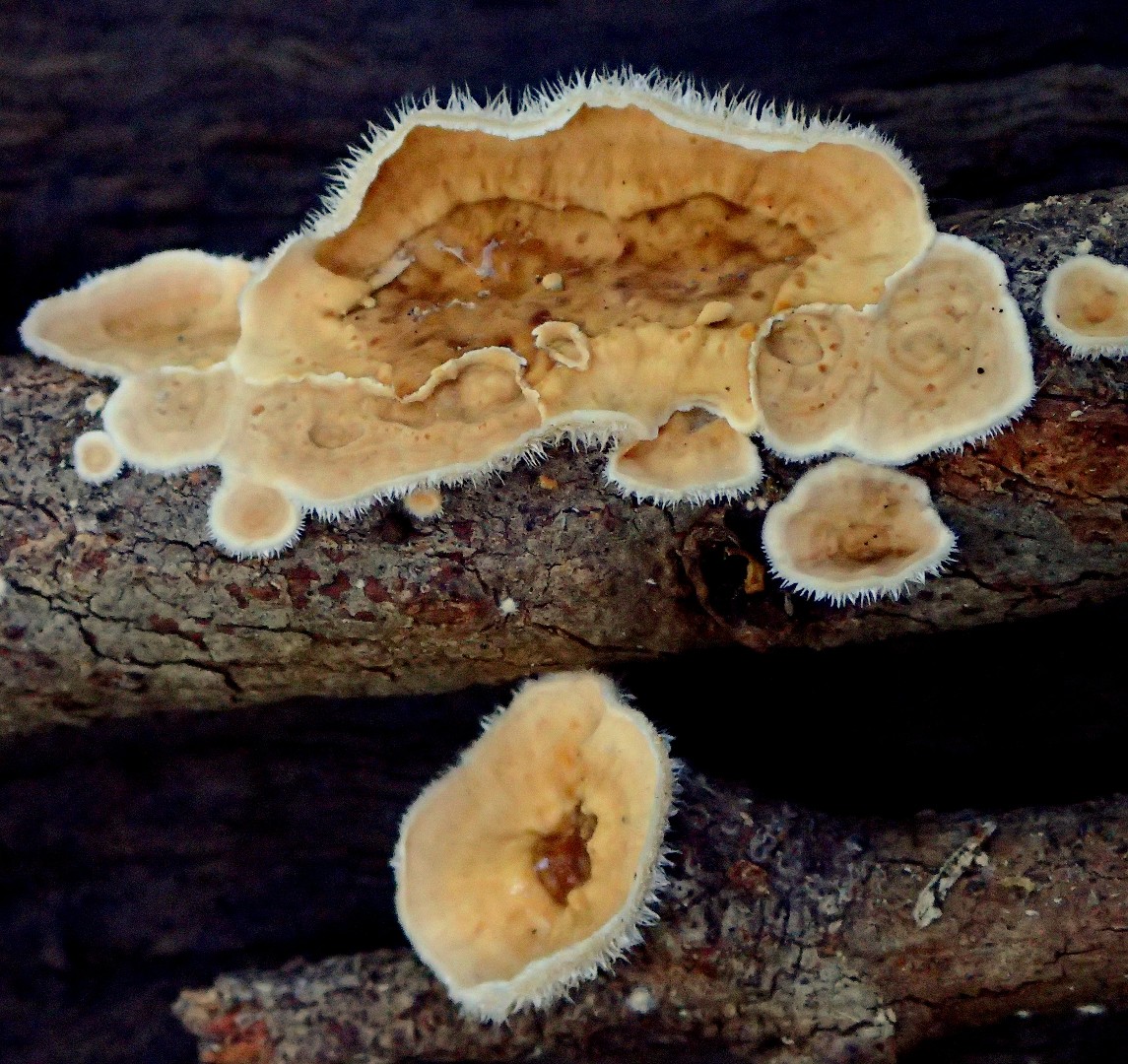
9. Stereum ochraceoflavum
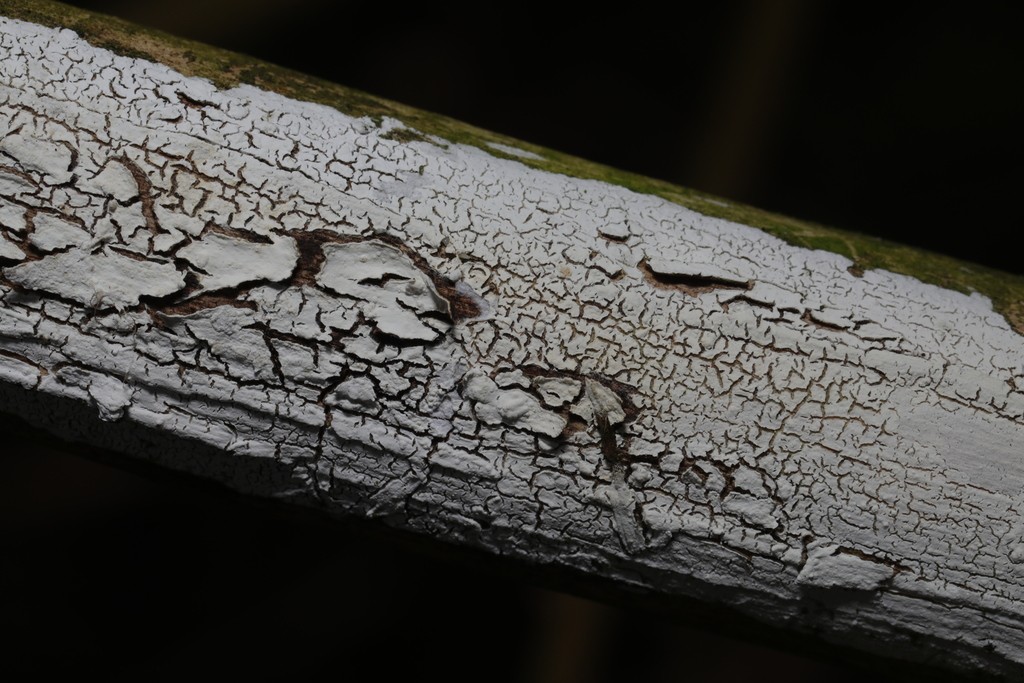
10. Elder whitewash
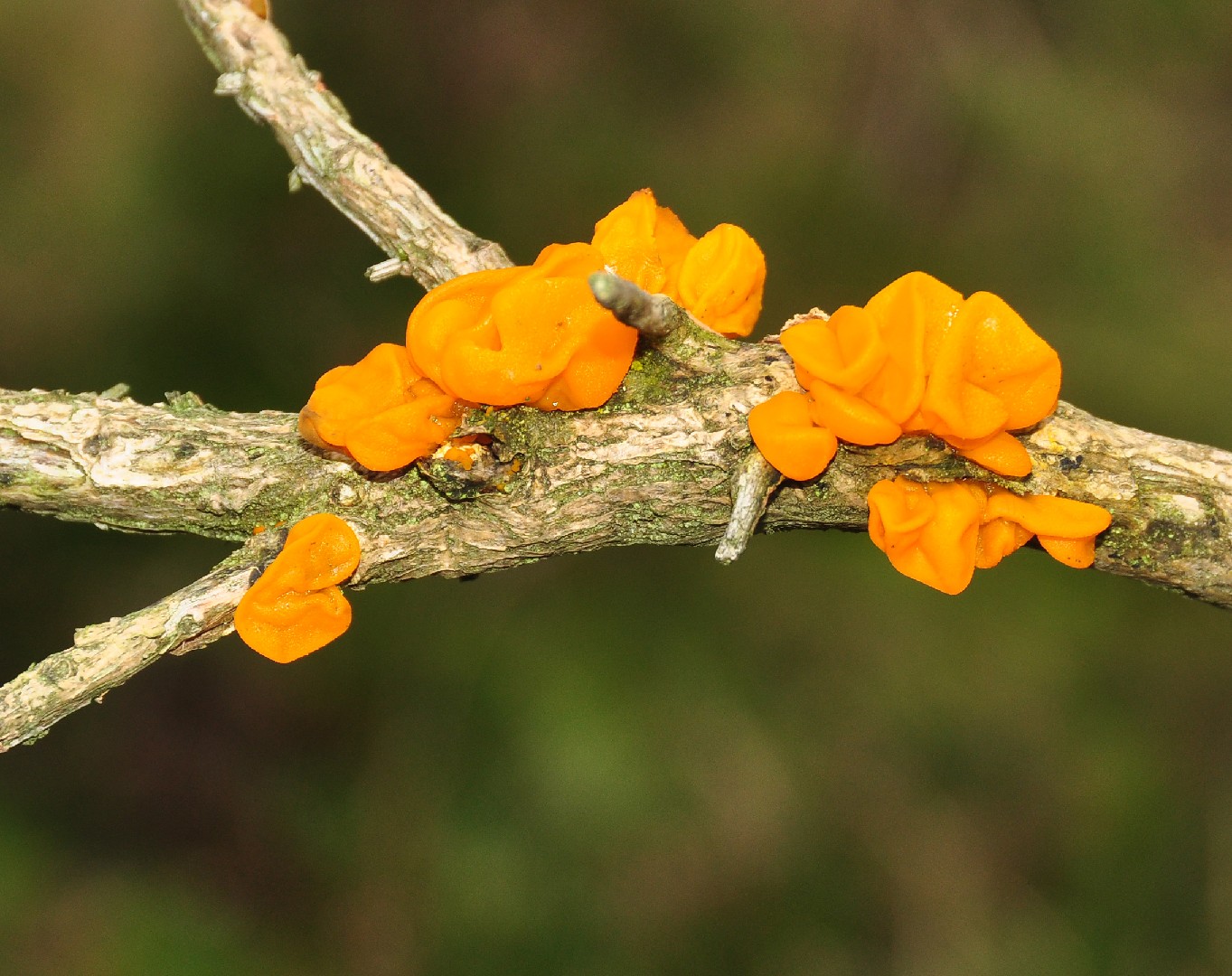
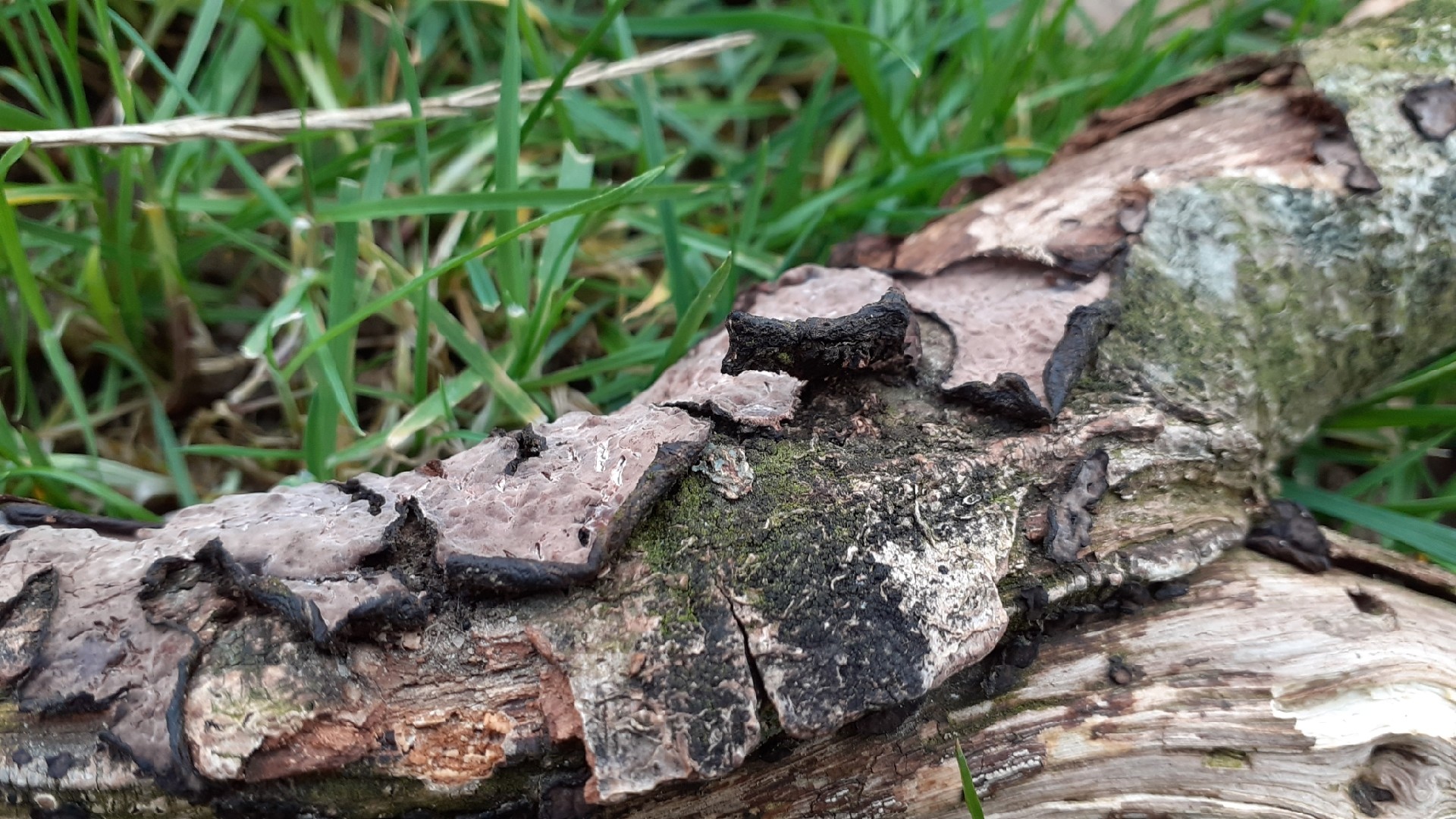

More







