




Top 20 Most Common Mushrooms in Novi Sad

Most Common Mushrooms
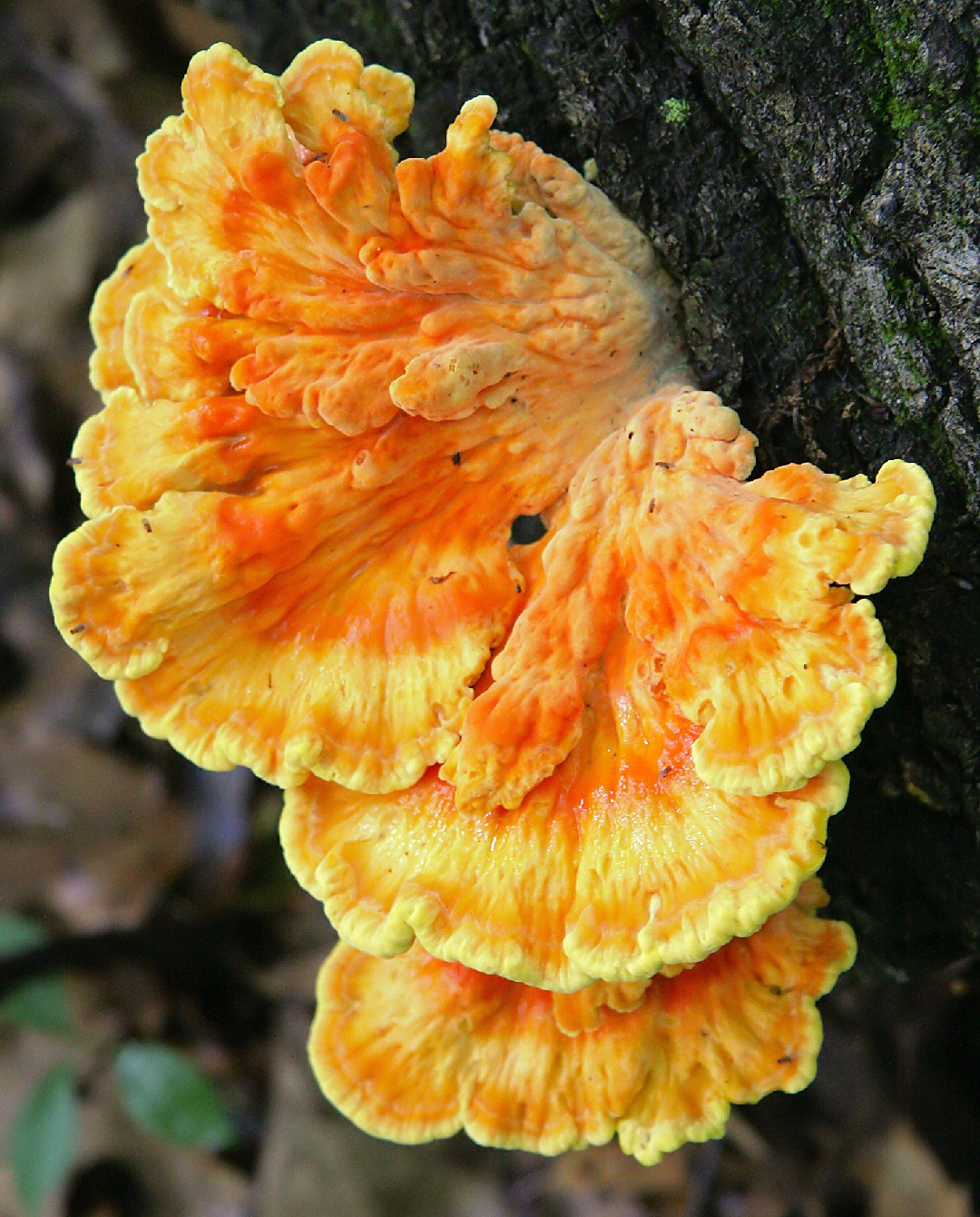
1. Chicken of the woods
Chicken of the woods is very noticeable in hardwood forests, appearing in clusters on standing tree trunks in bright orange and yellow hues that sometimes last through the entire winter. It is a parasite that causes an unfortunate brown heart rot, and is considered a particularly troublesome pest of Yew trees. If the fruitbodies can be seen, the tree is likely already beyond saving.
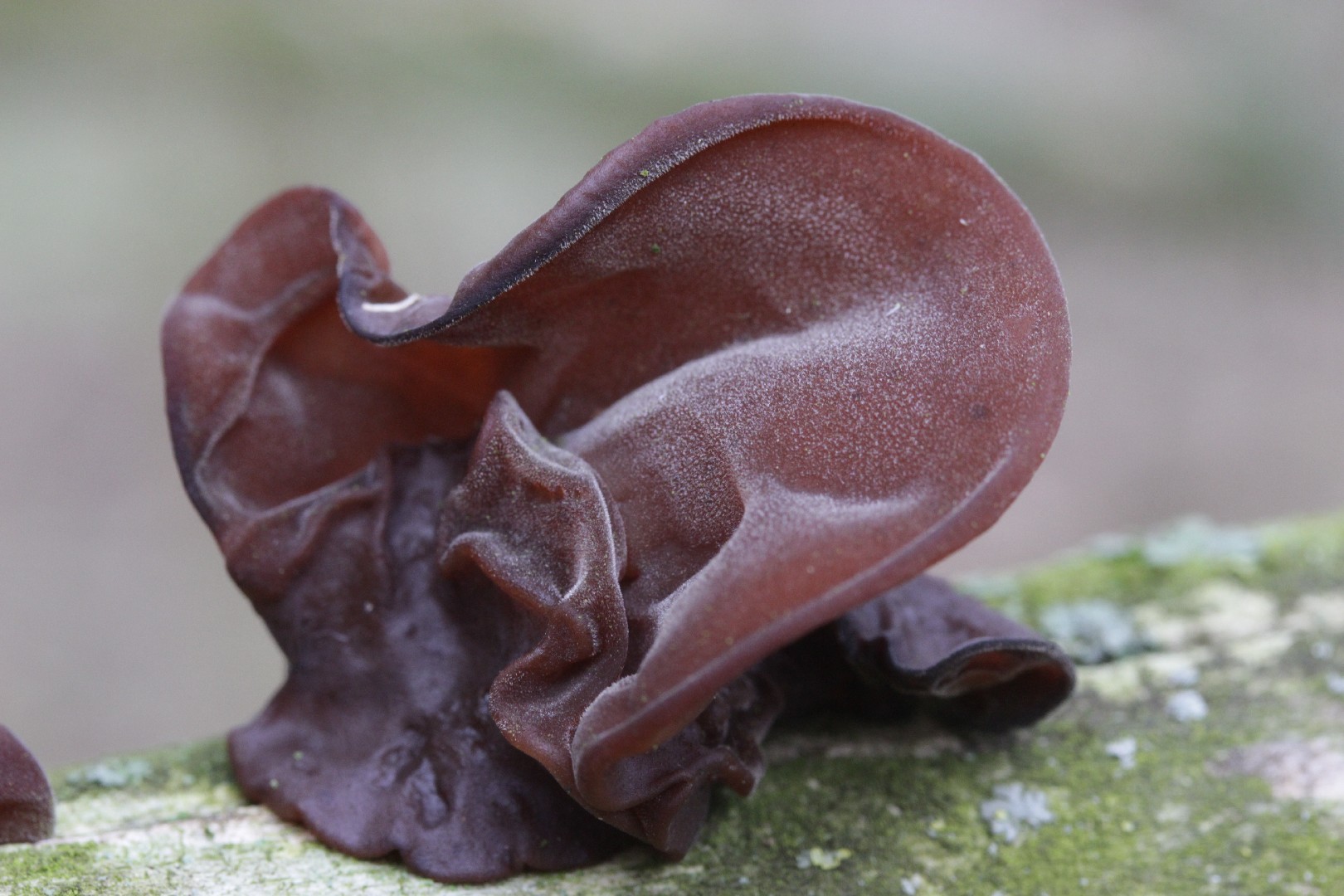
2. Jelly ear
The distinctive jelly ear grows mainly through winter and spring, mostly on the dead trunks and branches of elder trees. It occurs around the world and is often cooked into dishes in Asian countries. This ear-shaped jelly mushroom is often available in stores both fresh and dried.
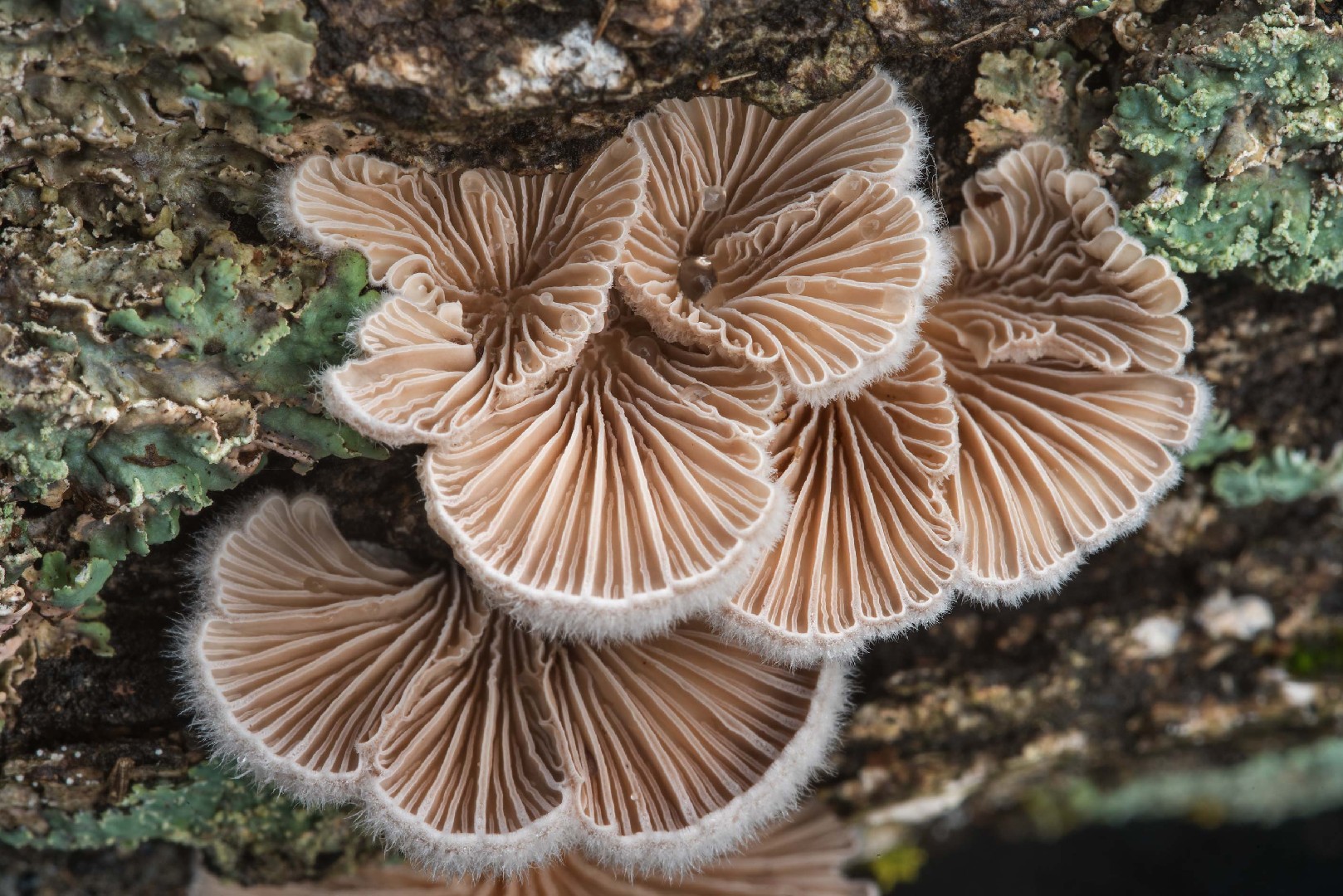
3. Split gill
Split gill(Schizophyllum commune) can be found across the globe. Uniquely, it is the only mushroom species known to display the capability to retract by movement. It is considered inedible, although not necessarily toxic. Furthermore, it is not recommended to smell this species, as the spores are capable of sprouting and growing in nasal passages.
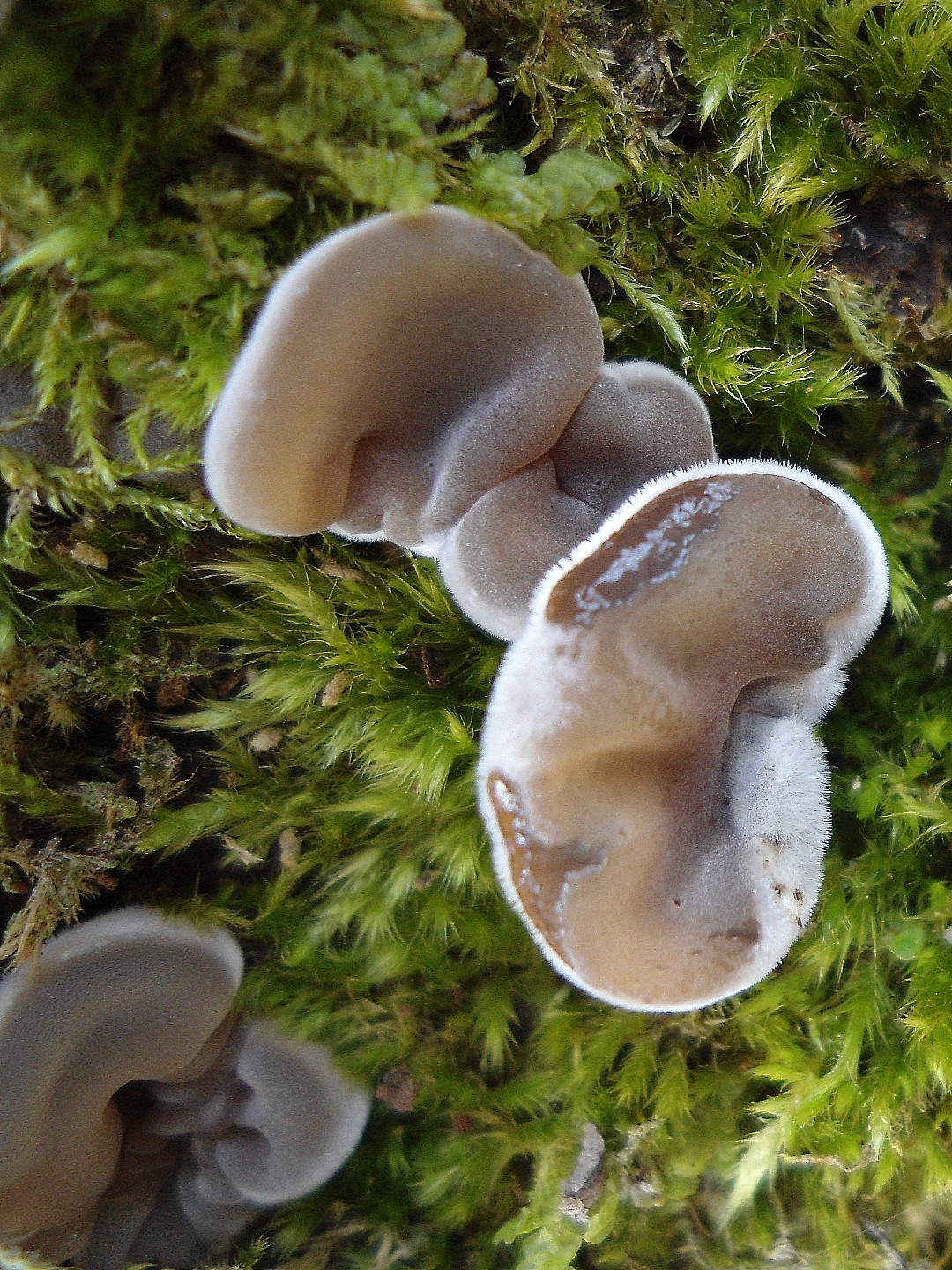
4. Tripe fungus
The Gezonte Ohrlappenpilz (Auricularia mesenterica) is a fungus species of Tremellomycetidae from the genus of Ohrlappenpilze (Auricularia).
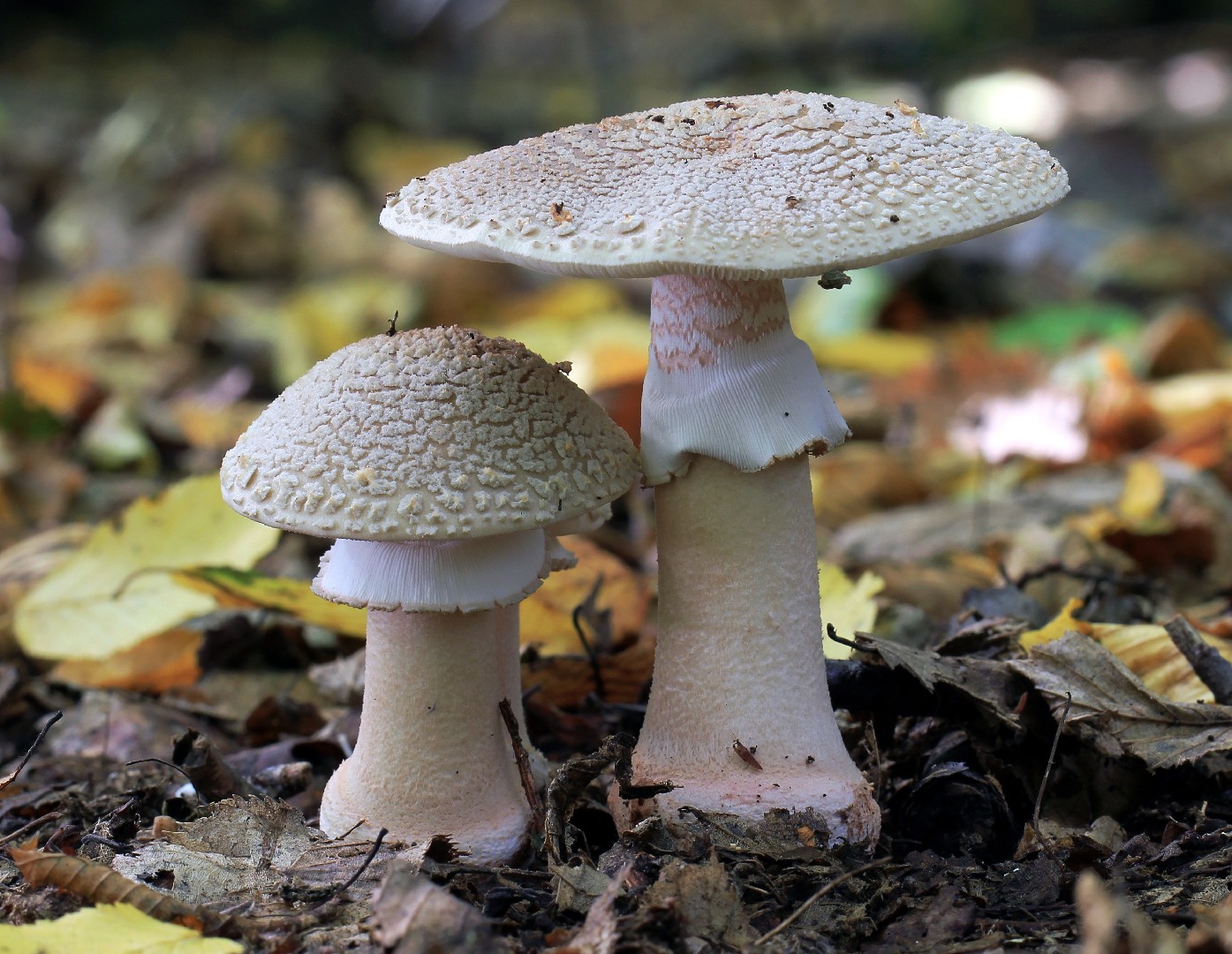
5. Blusher
The blusher mushroom is so named because it “blushes” to a pinkish red color when cut or bruised. It is found in many countries around the world, although it may not be native to the southern hemisphere. It contains a hemolytic toxin that can cause anemia if eaten.
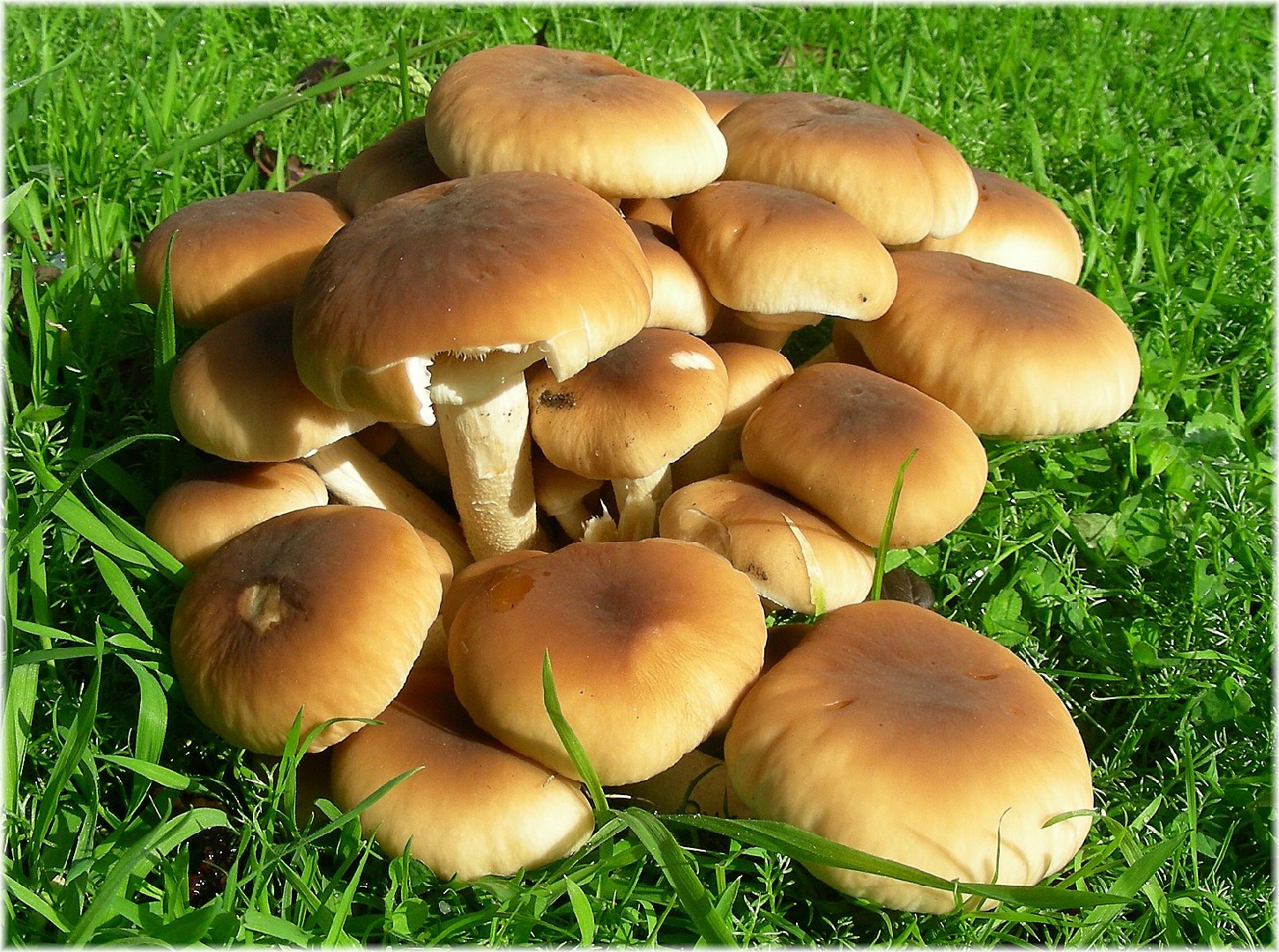
6. Poplar fieldcap
The poplar fieldcap is closely associated with Poplar and Willow trees. This edible mushroom is widely used in Italian, Spanish, Portuguese, French, and Asian cuisines. Some sources claim the poplar fieldcap is one of the first cultivated mushrooms, with the earliest records of this use dating back to the Roman Empire.
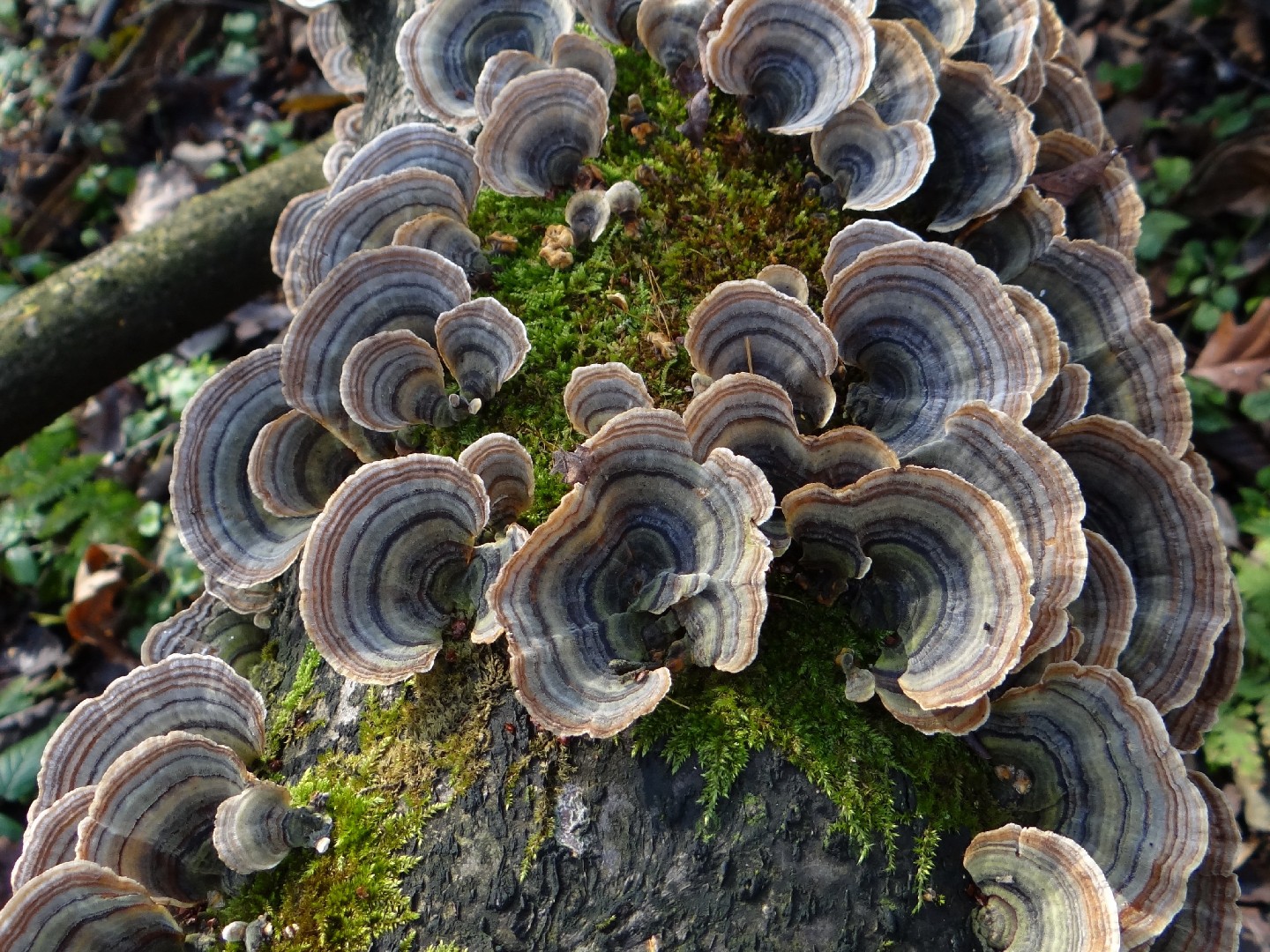
7. Turkey tail
The distinctively-striped turkey tail fungus grows on stumps and logs all over the forests of the northern hemisphere. It is, in fact, probably the most common species you will find. That doesn't mean this mushroom is plain, however; each cap is uniquely patterned. Look for bands of alternating textures as well as color.
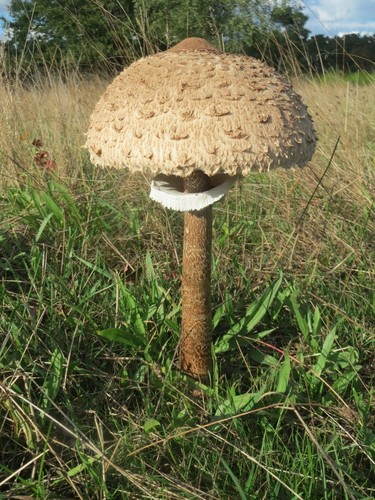
8. Parasol
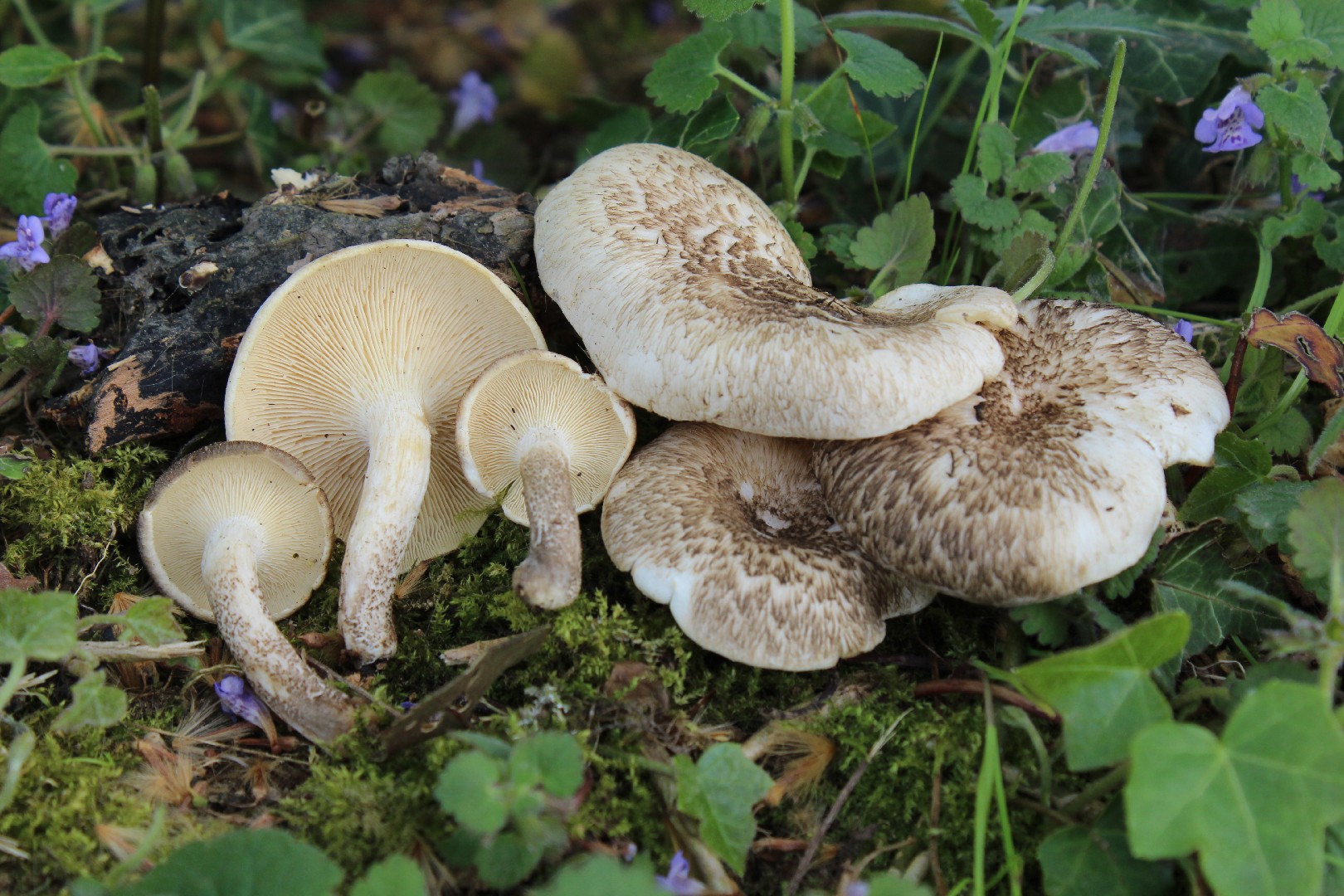
Found in clearings and grassy areas in late summer, the wild parasol mushroom has a snakeskin-patterned stem. The brown spots on its cap make it look a bit shaggy, but that name is reserved for its poisonous counterpart, the Shaggy Parasol (Chlorophyllum rhacodes). You can distinguish the two by the stems: the latter has a smooth stem and red flesh inside.
9. Tinder fungus
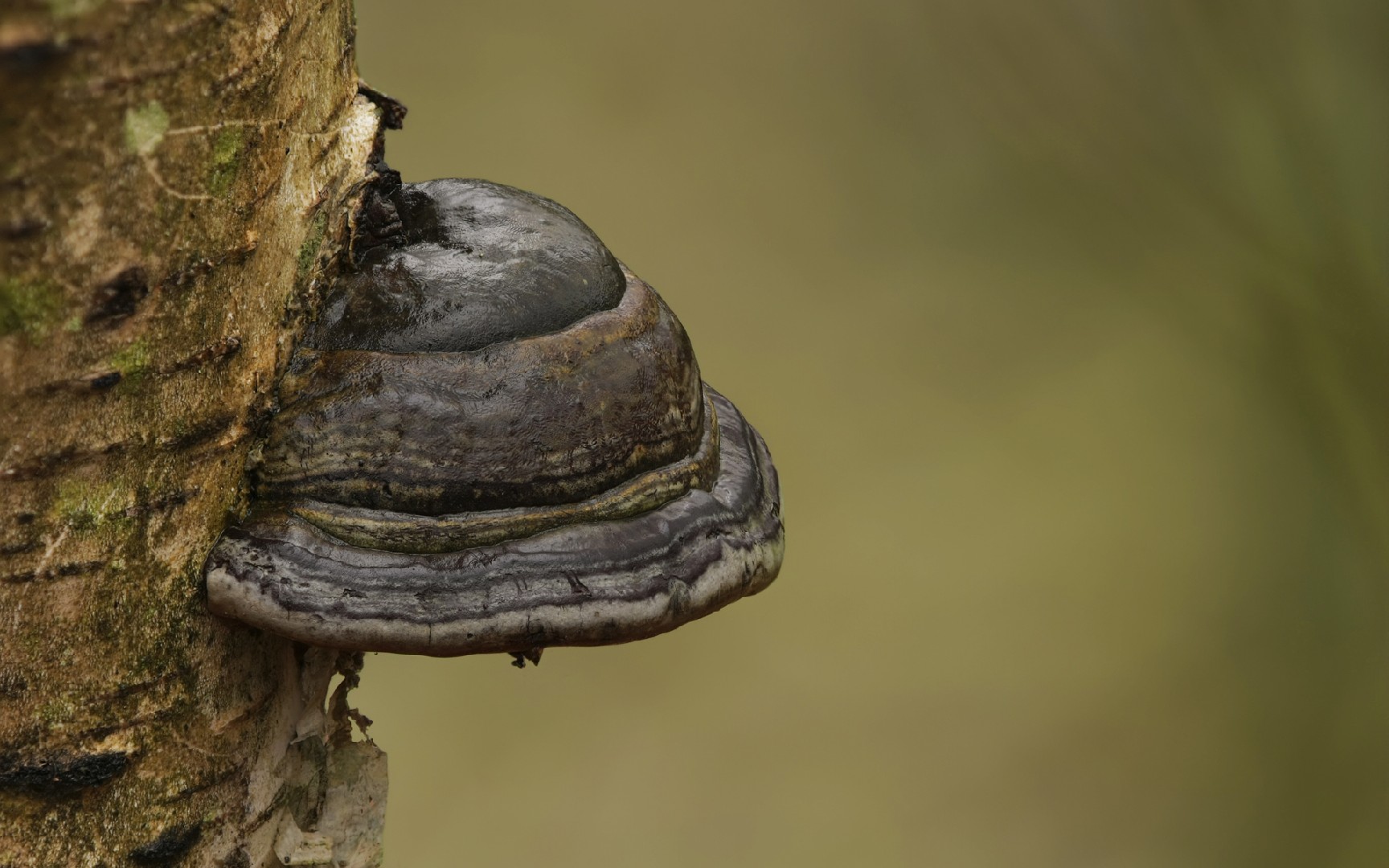
This large, tough shelf fungus can be found attached to birch, beech, and sycamore trees. It gets its common name, tinder fungus, from the fact that it burns quite slowly and can thus be used effectively for lighting fires. Dried pieces can also be a useful desiccant. A piece of this fungus was found in the possession of Otzi the Iceman, indicating that its usefulness has been known for millenia.
10. Reishi
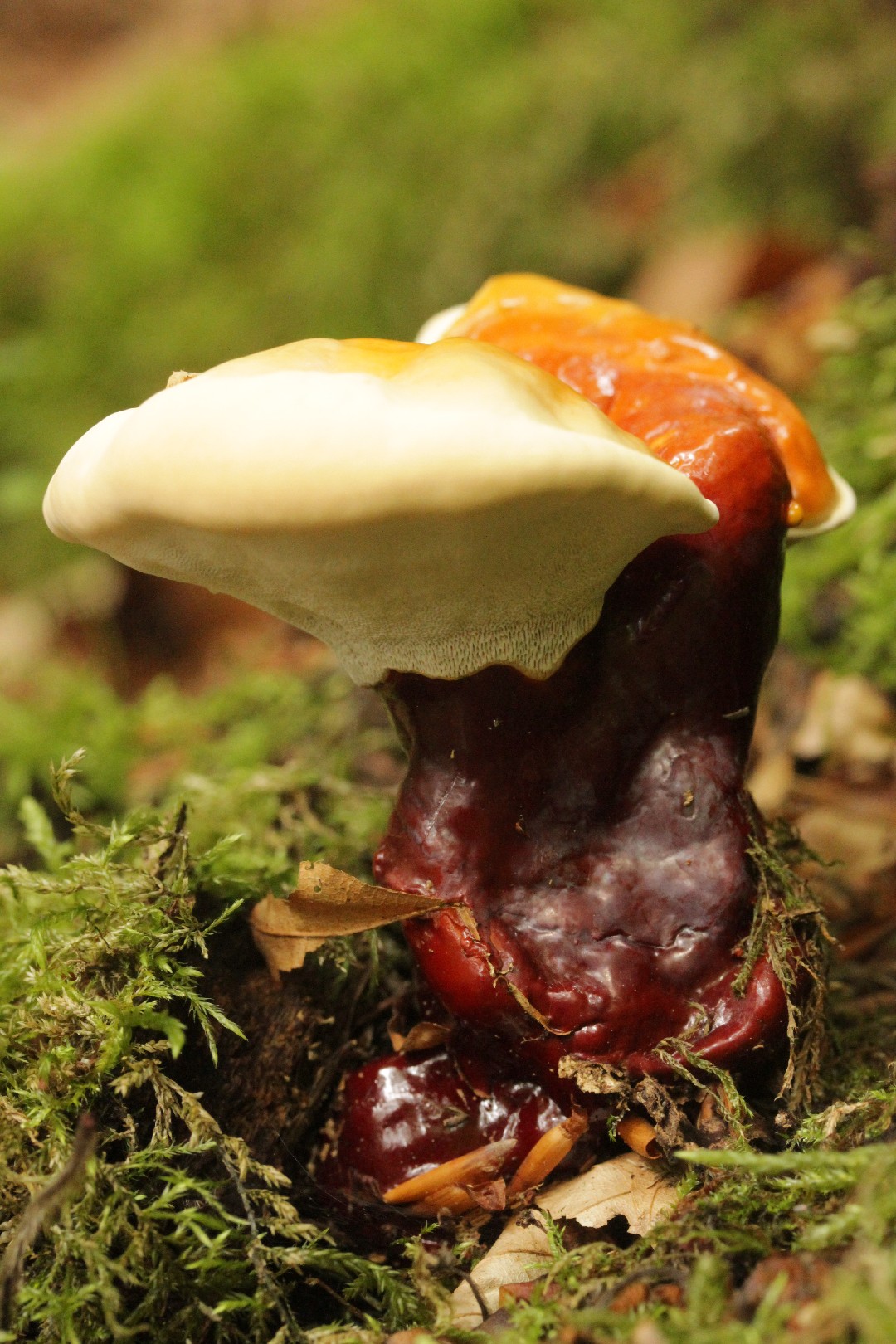
The reishi (Ganoderma lucidum) is a large shelf fungus that grows as a bracket off the sides of trees, or occasionally as a rosette on the tops of stumps. Its surface is smooth and shiny. Growing wild from warm temperate zones to the subtropics, the reishi is also cultivated on grain and sawdust for commercial use. The mushroom has cultural significance in some Chinese cultures.


More







