




Top 20 Most Common Mushrooms in Ocna Mures

Most Common Mushrooms
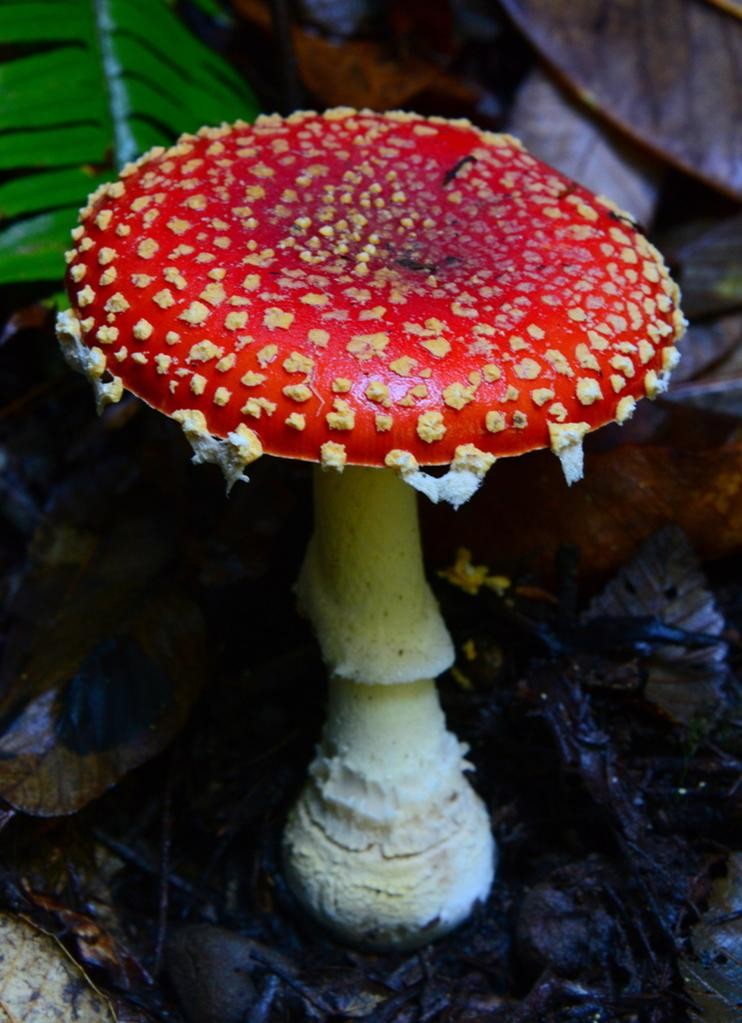
1. Fly agaric
In Northern Asia and Europe, fly agaric grows under trees near the winter solstice and is collected for ritual use tied to the season. Its characteristic shape and coloring are still ubiquitous in many European fairy tale illustrations and Christmas traditions. It is highly toxic.
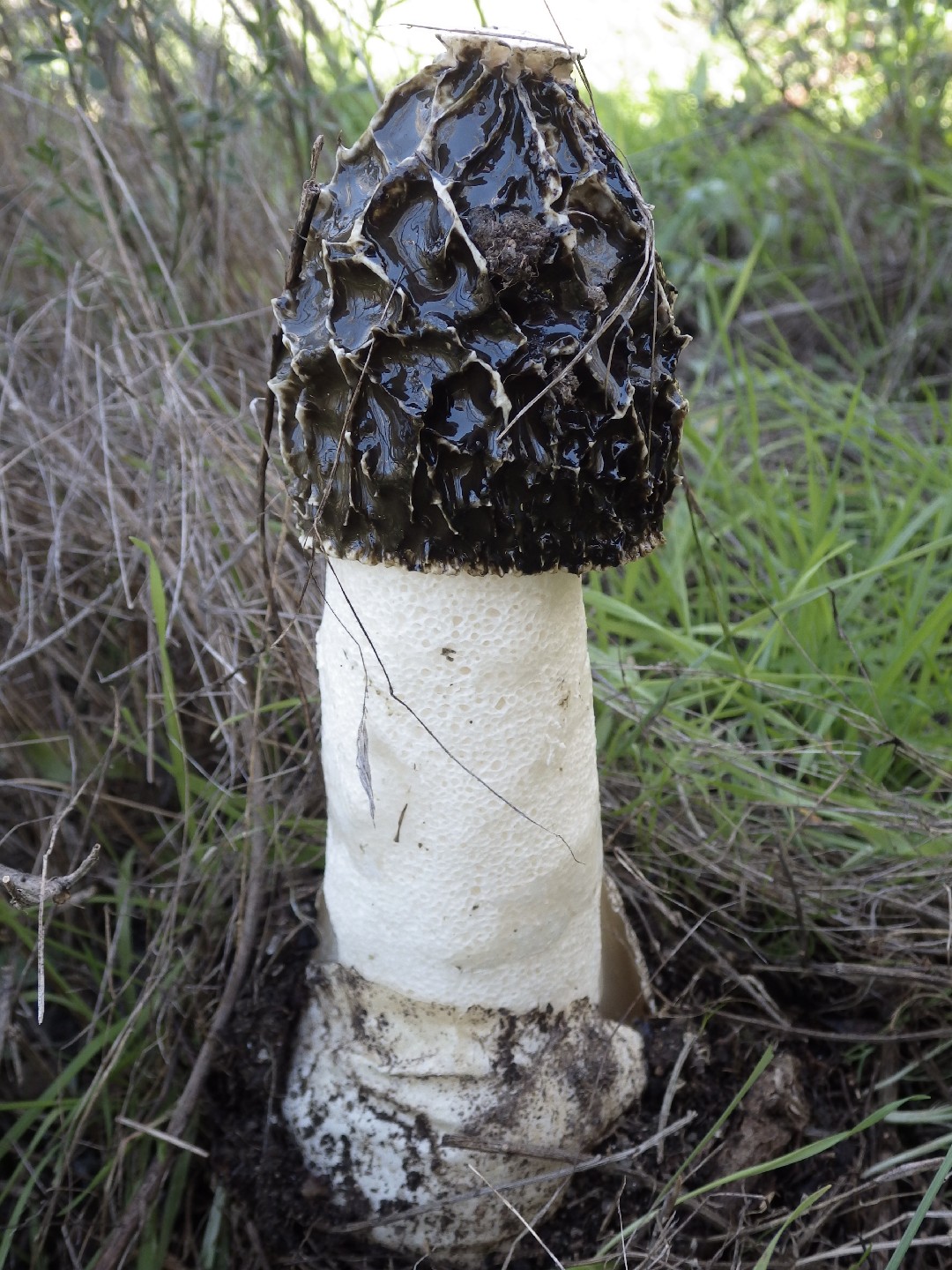
2. Common stinkhorn
The common stinkhorn (Phallus impudicus) grows incredibly quickly, sometimes nearing 30 cm in a single afternoon. Their caps are pitted in a way which makes them reminiscent of morels. However, there's little mistaking the common stinkhorn for a morel; the former, in addition to sporting a much longer stalk, has a clear and pungent odor.
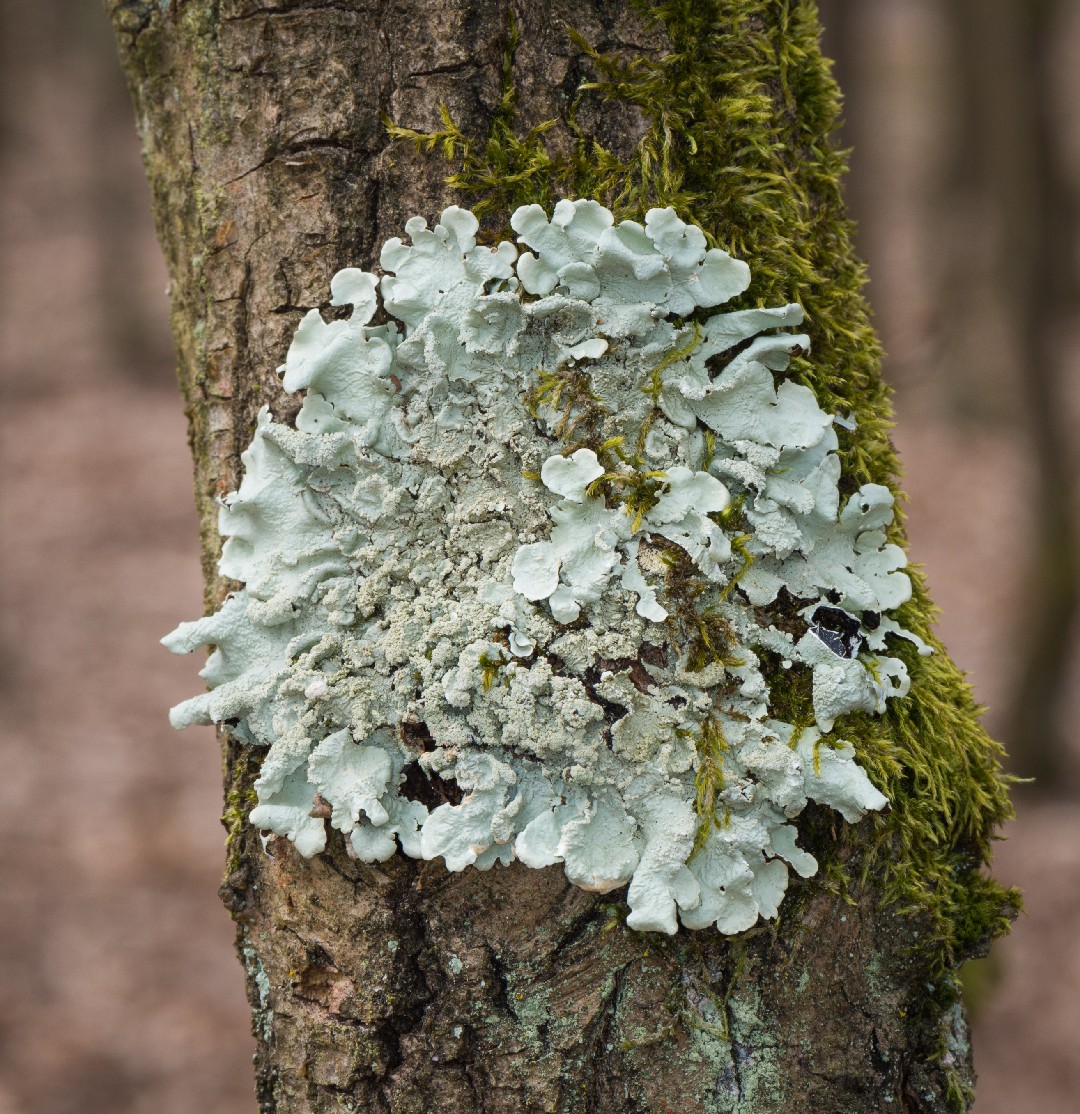
3. Common greenshield lichen
The common greenshield lichen is a familiar species in temperate forests around the world. It can be found growing on rock outcroppings and trees in a wide variety of habitats. Individuals can grow to be quite large and may be gregarious, forming large mats or sheets on suitable surfaces. Like other lichens, the common greenshield lichen will shrivel and harden when moisture is scarce.
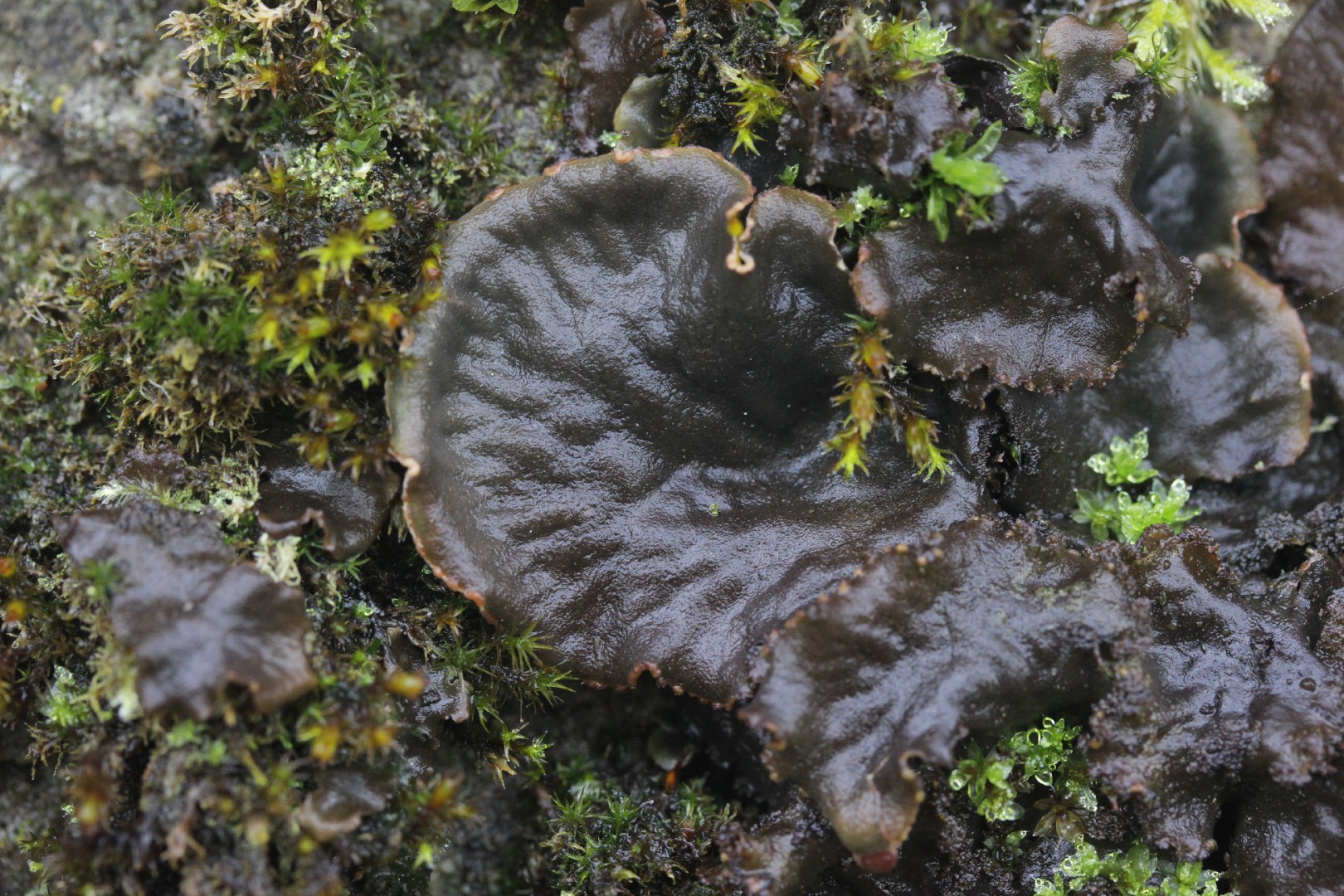
4. Scaly dog pelt lichen
Scaly dog pelt lichen grows on rocks, trees, soil, and even moss in areas that are protected from harsh sunlight. The specific epithet, praetextata, translates roughly to "bordered with purple," though not all examples of scaly dog pelt lichen actually feature purple fringes.
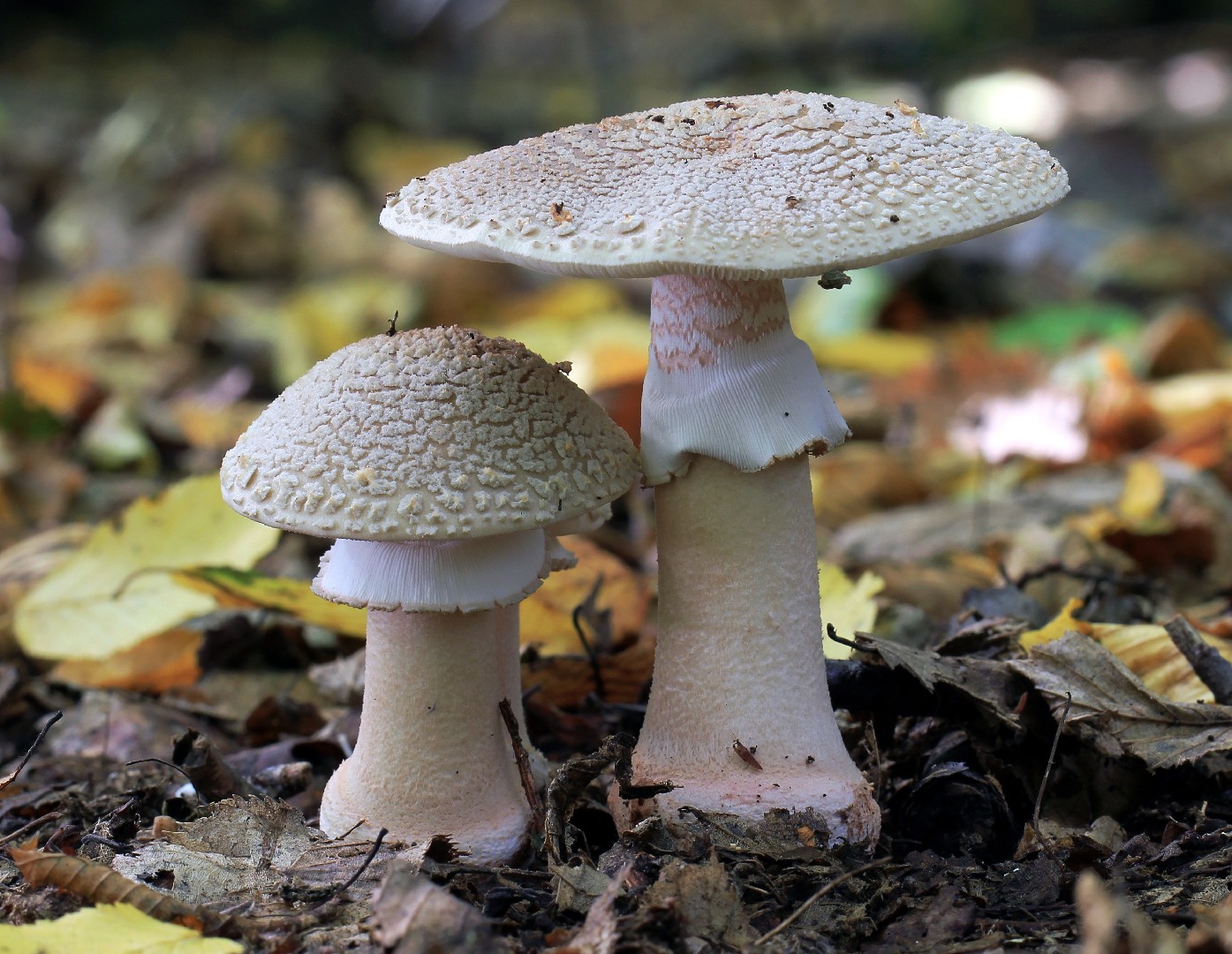
5. Blusher
The blusher mushroom is so named because it “blushes” to a pinkish red color when cut or bruised. It is found in many countries around the world, although it may not be native to the southern hemisphere. It contains a hemolytic toxin that can cause anemia if eaten.
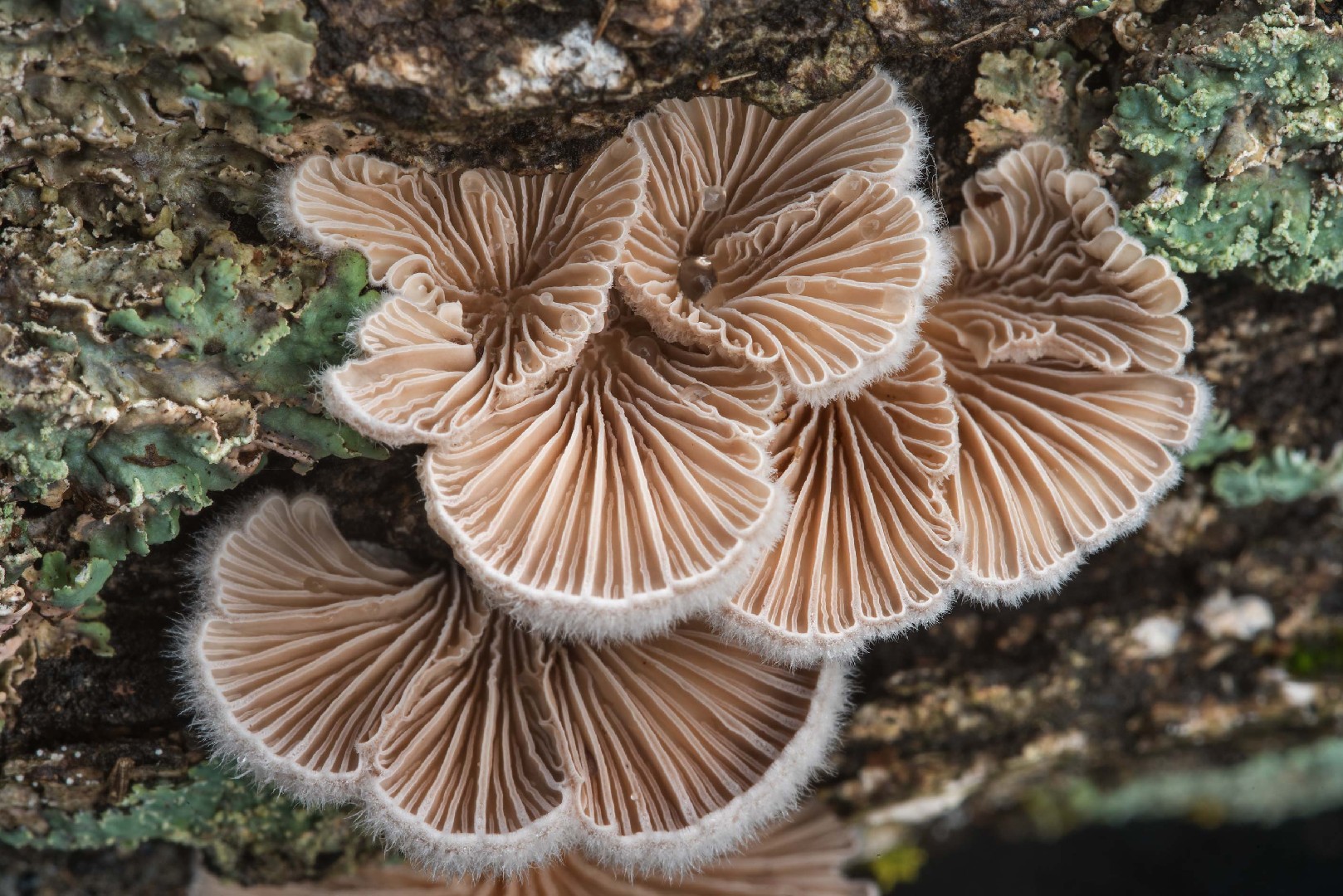
6. Split gill
Split gill(Schizophyllum commune) can be found across the globe. Uniquely, it is the only mushroom species known to display the capability to retract by movement. It is considered inedible, although not necessarily toxic. Furthermore, it is not recommended to smell this species, as the spores are capable of sprouting and growing in nasal passages.
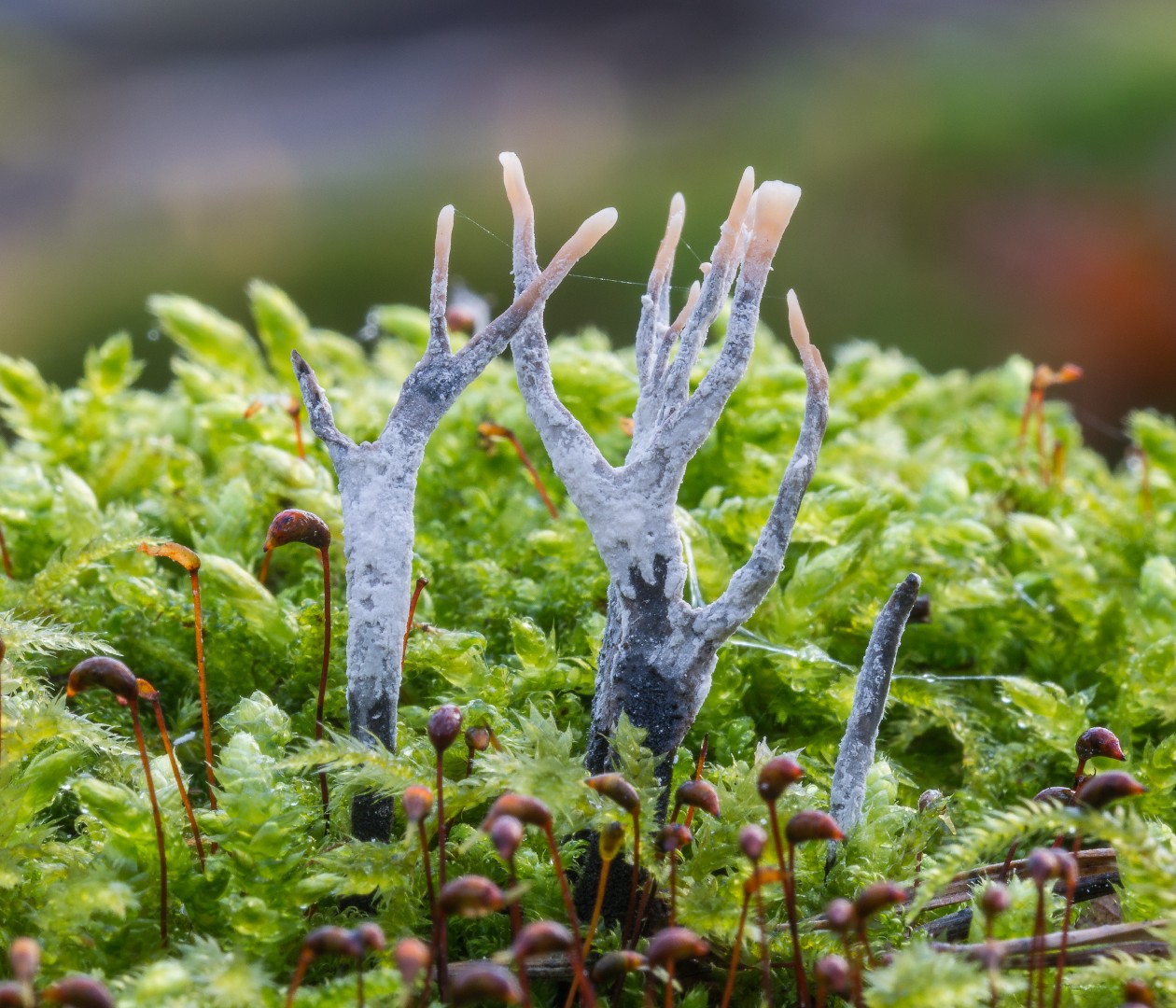
7. Candlesnuff fungus
The bizarre shape of the candlesnuff fungus (Xylaria hypoxylon) is one that you'll never forget. Finger-like growths explode from decaying wood, and look more like stalagmites or antlers than they do mushrooms. The shaft is black at the base, fading dramatically to bright white at the tip.
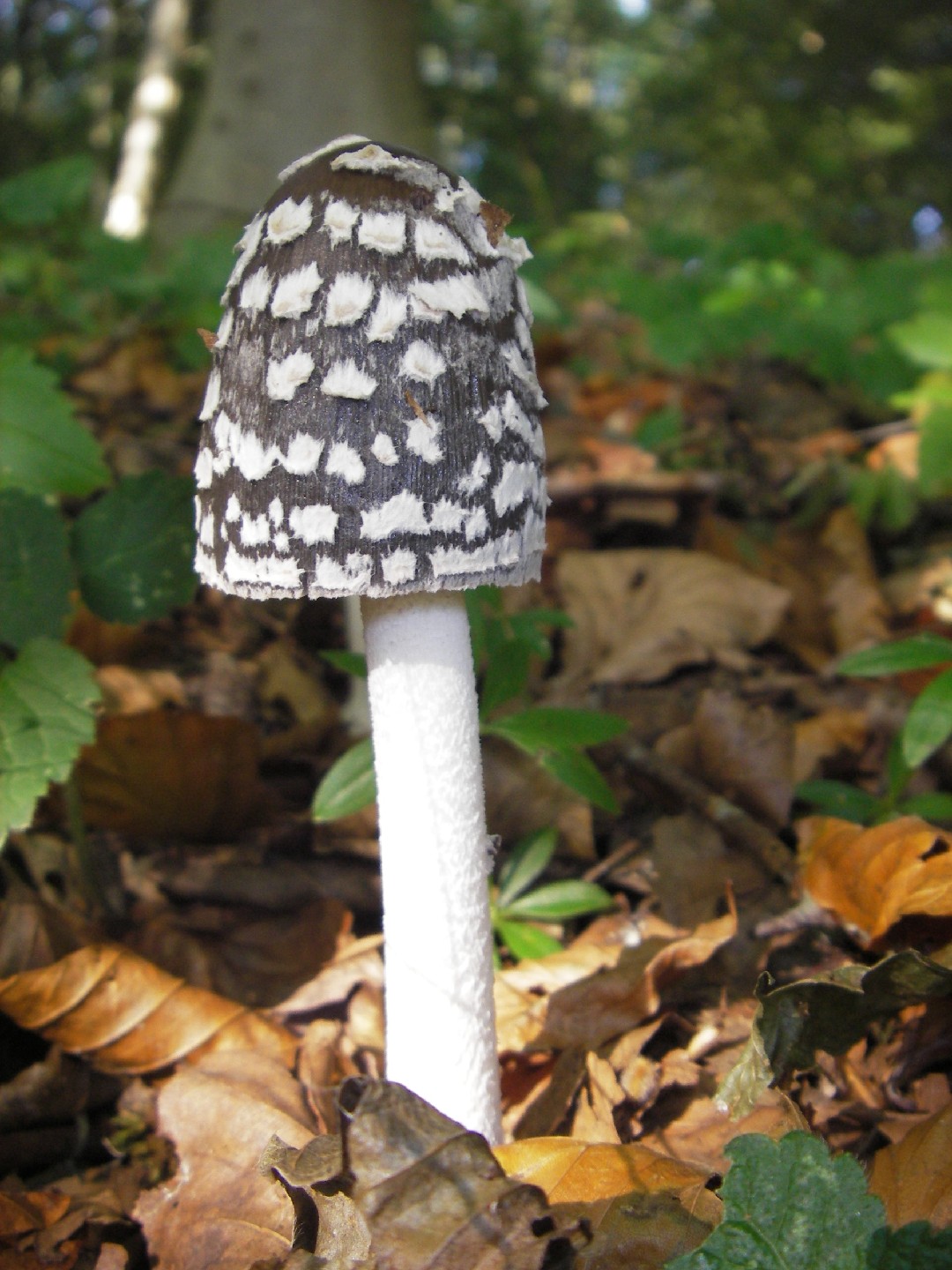
8. Magpie inkcap
The magpie inkcap is a striking and poisonous species of inkcap that can be found in Europe, Australia, and North America. The species has an egg-shaped cap that is typical to inkcaps, but its coloration sets it apart; white spots or splotches adorn a solid, dark brown or black background, reminiscent of the coloration of a magpie.
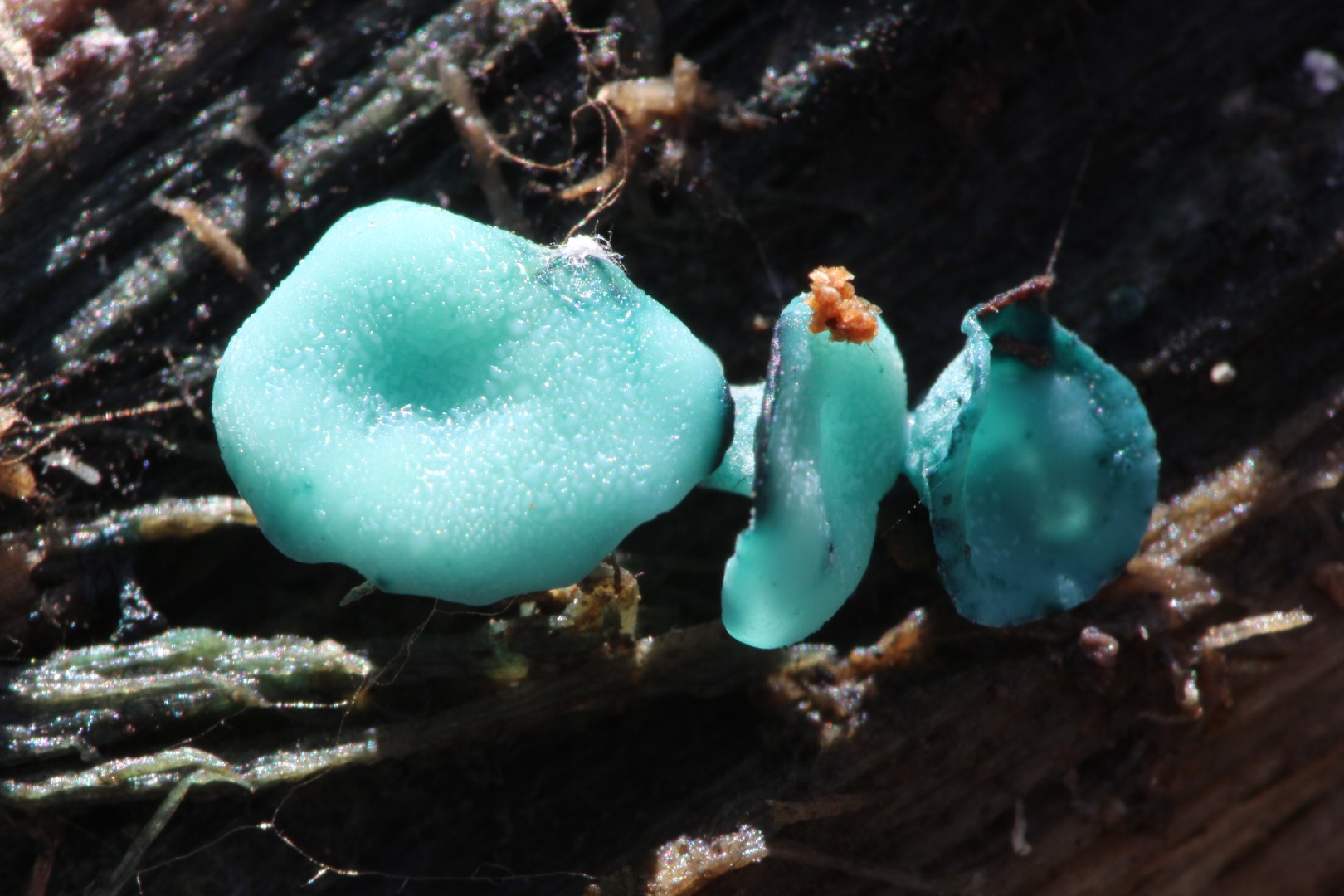
9. Green wood-cup
The distinctive green wood-cup is notable first and foremost for its rare blue-green color. The fungus fruits only infrequently, in tiny blue mushrooms, but its presence stains its woody host a noticeable blue or green year-round. Infected wood has been harvested for decorative woodworking crafts for centuries, including English Tunbridge ware and Italian intarsia inlay.
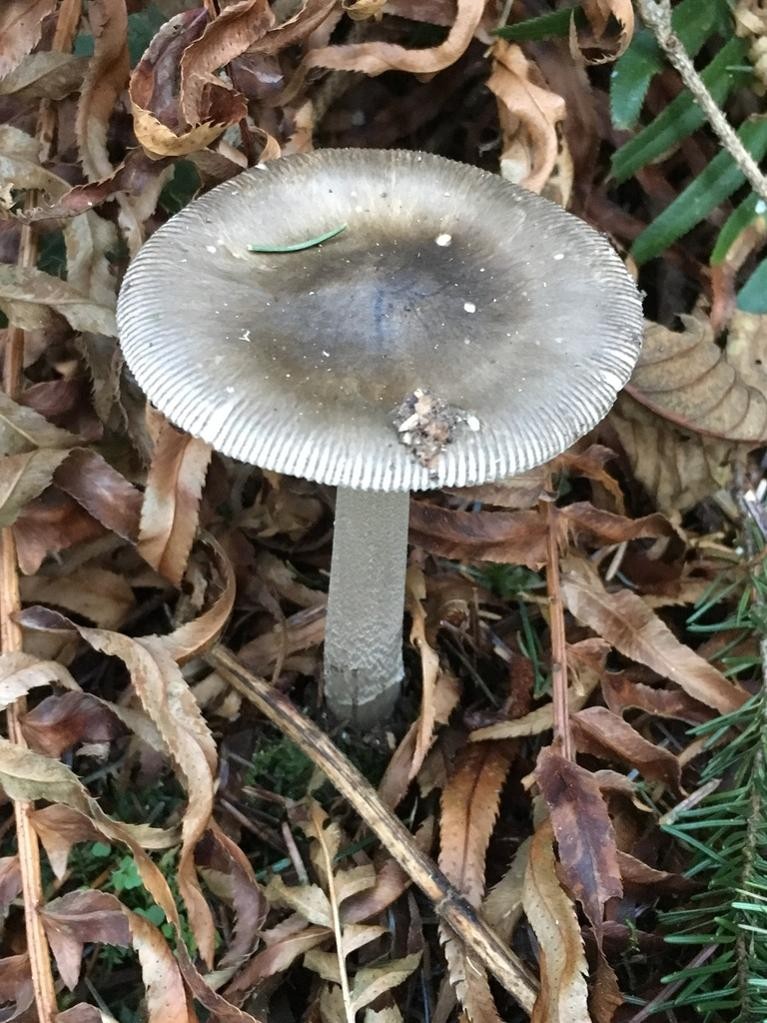
10. Grisette
Grisette(Amanita vaginata) is a common sight in the coastal forests of California, generally fruiting in autumn and winter. A hardy and adaptable species, this species is capable of thriving in coniferous forests, hardwood forests or even on unkempt lawns. It may be found alone or in small groups.
More







