




Top 14 Most Common Mushrooms in Zacatecas

Most Common Mushrooms
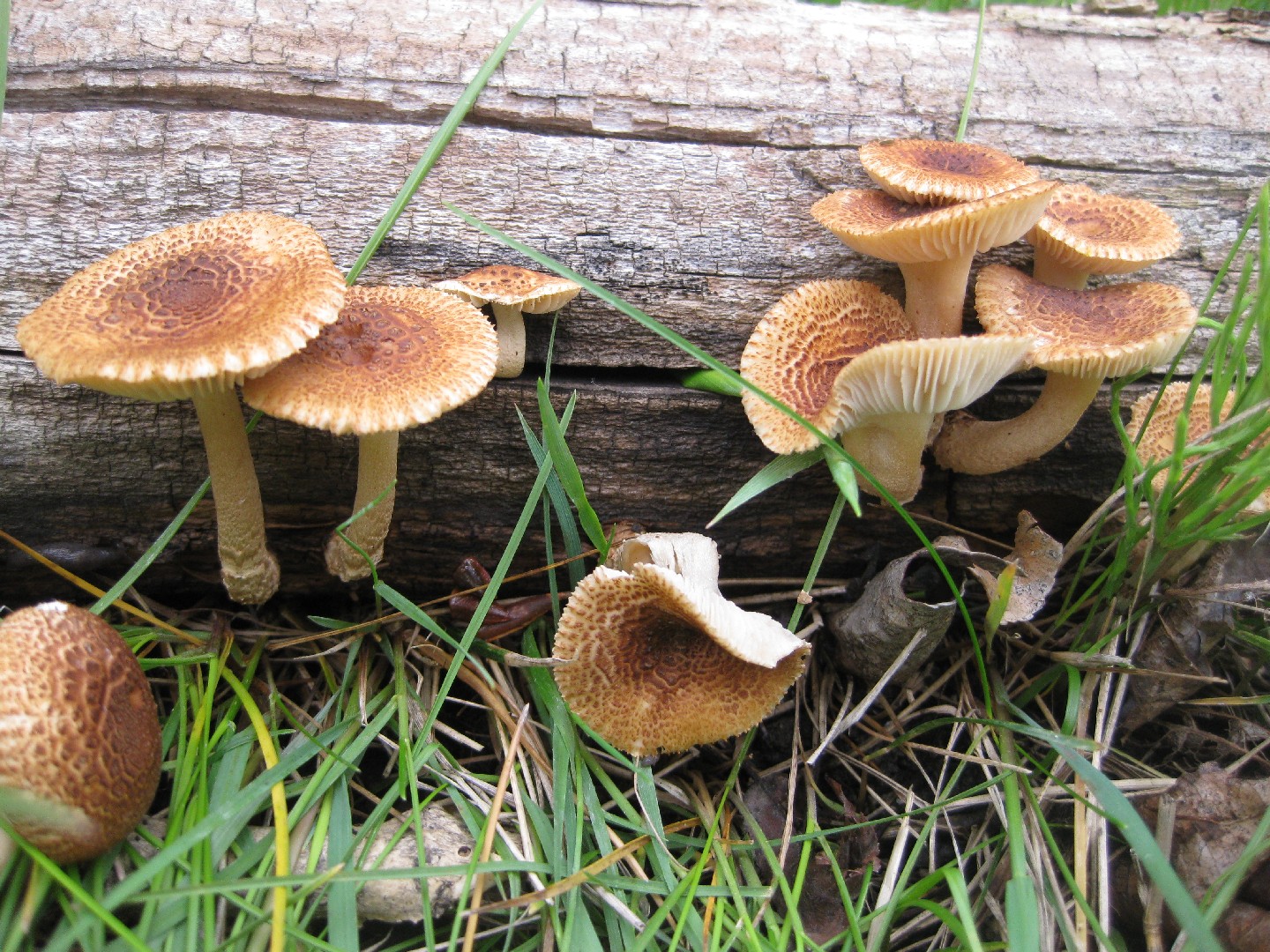
1. Sulcate sunhead
Sulcate sunhead is the only species in the genus of Heliocybe. This tiny mushroom loves sunny locations, which is implied from its scientific name, Heliocybe sulcata - the word "h**eliocybe" means "the sun-head". It is coined from the Greek "helios", meaning "the sun", and "cybe" which means "head".
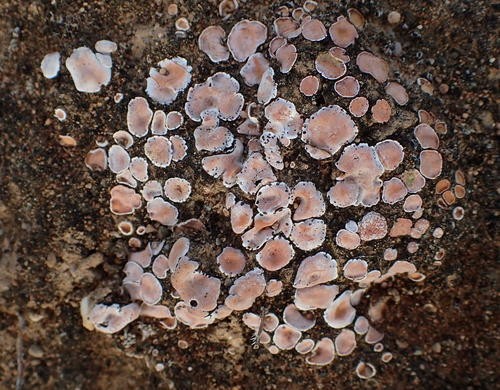
2. Brick scale
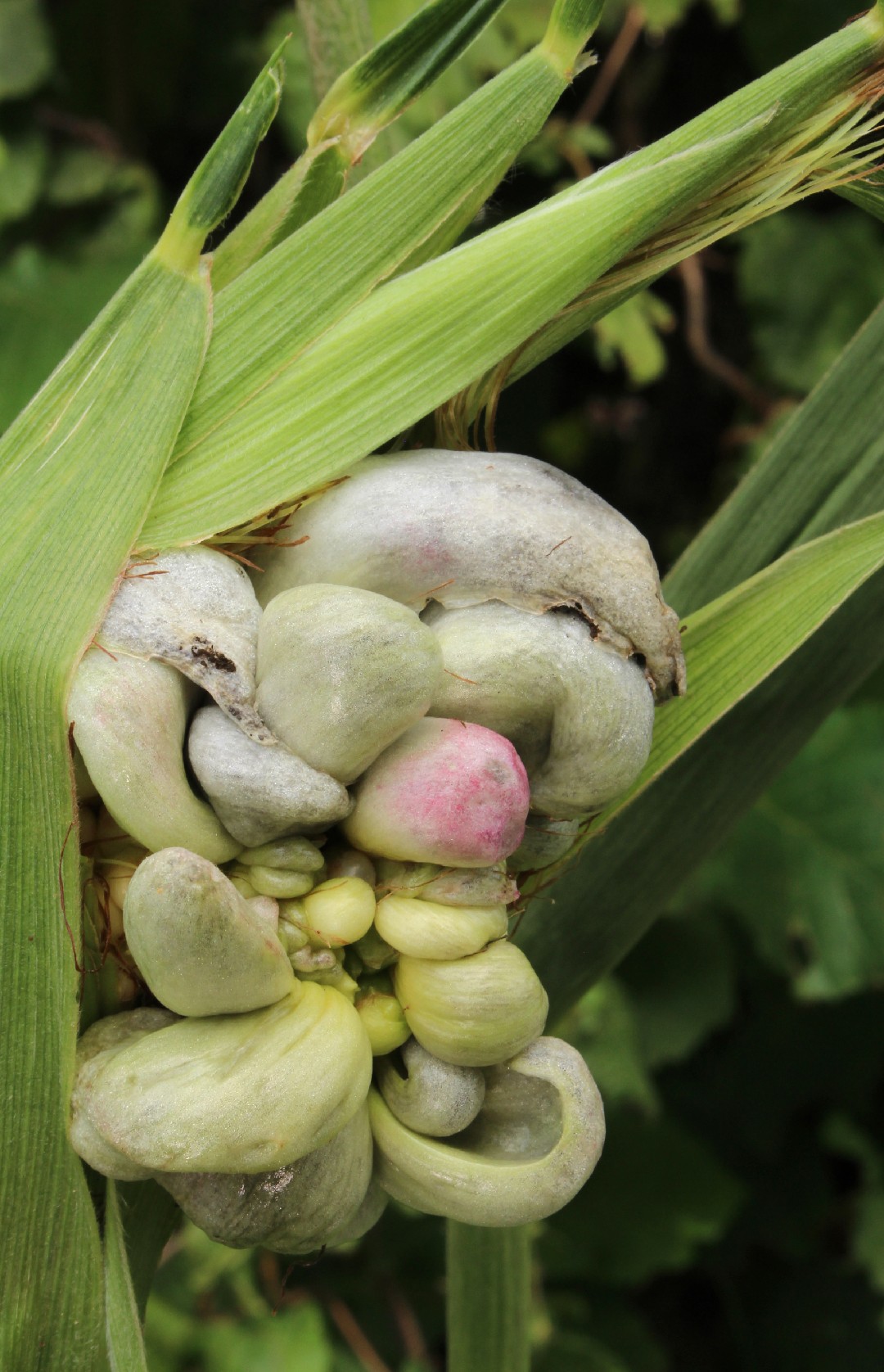
3. Corn smut
With a common name such as "corn smut," it is easy to guess that the most common place to find this crop-devastating fungus is on corn plants. The gall-shaped growths of corn smut (Ustilago maydis) are black in color with hues of grey and white closer to where they attach to the host plant. The corn will develop a scorched appearance, which is actually the smut rot.
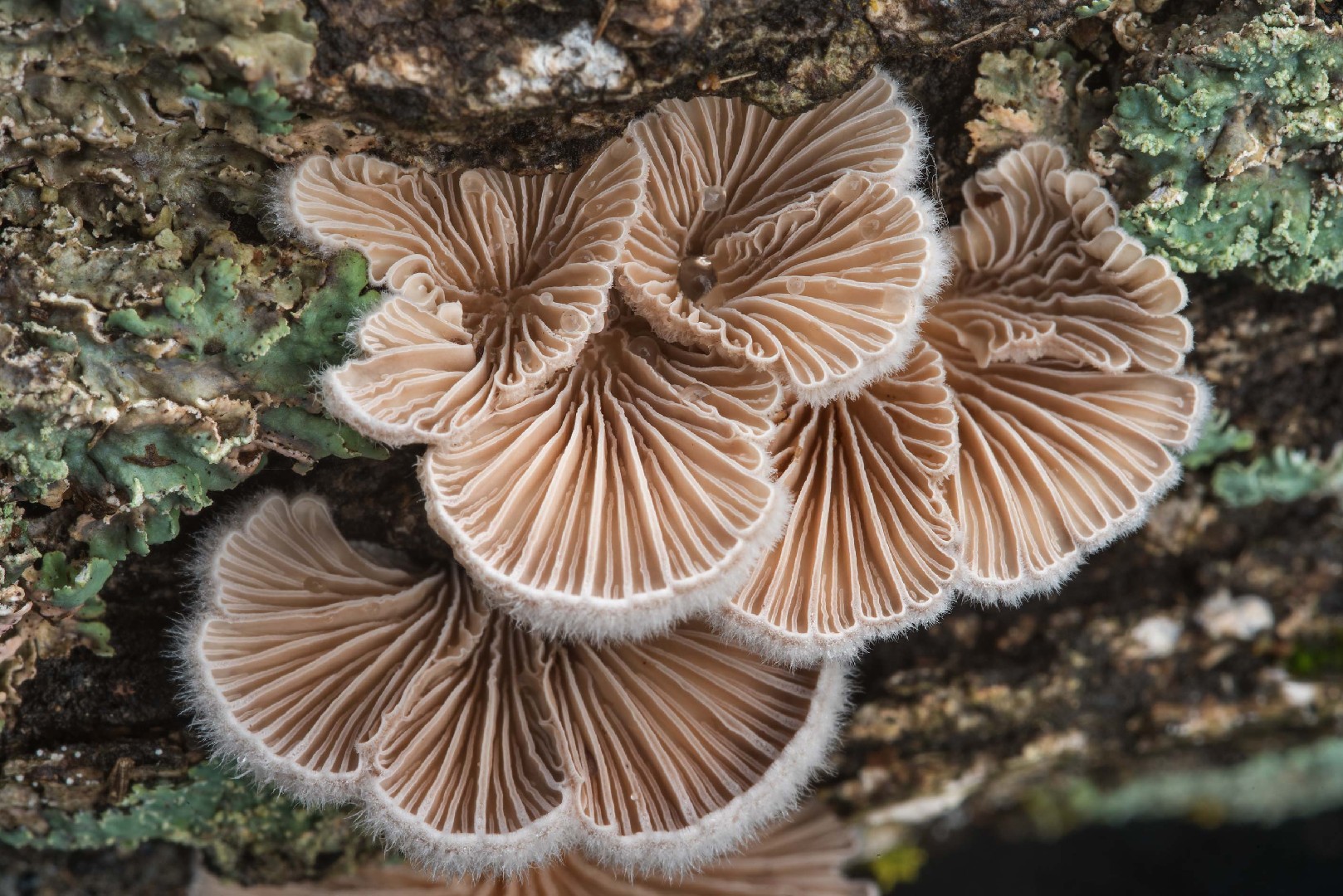
4. Split gill
Split gill(Schizophyllum commune) can be found across the globe. Uniquely, it is the only mushroom species known to display the capability to retract by movement. It is considered inedible, although not necessarily toxic. Furthermore, it is not recommended to smell this species, as the spores are capable of sprouting and growing in nasal passages.
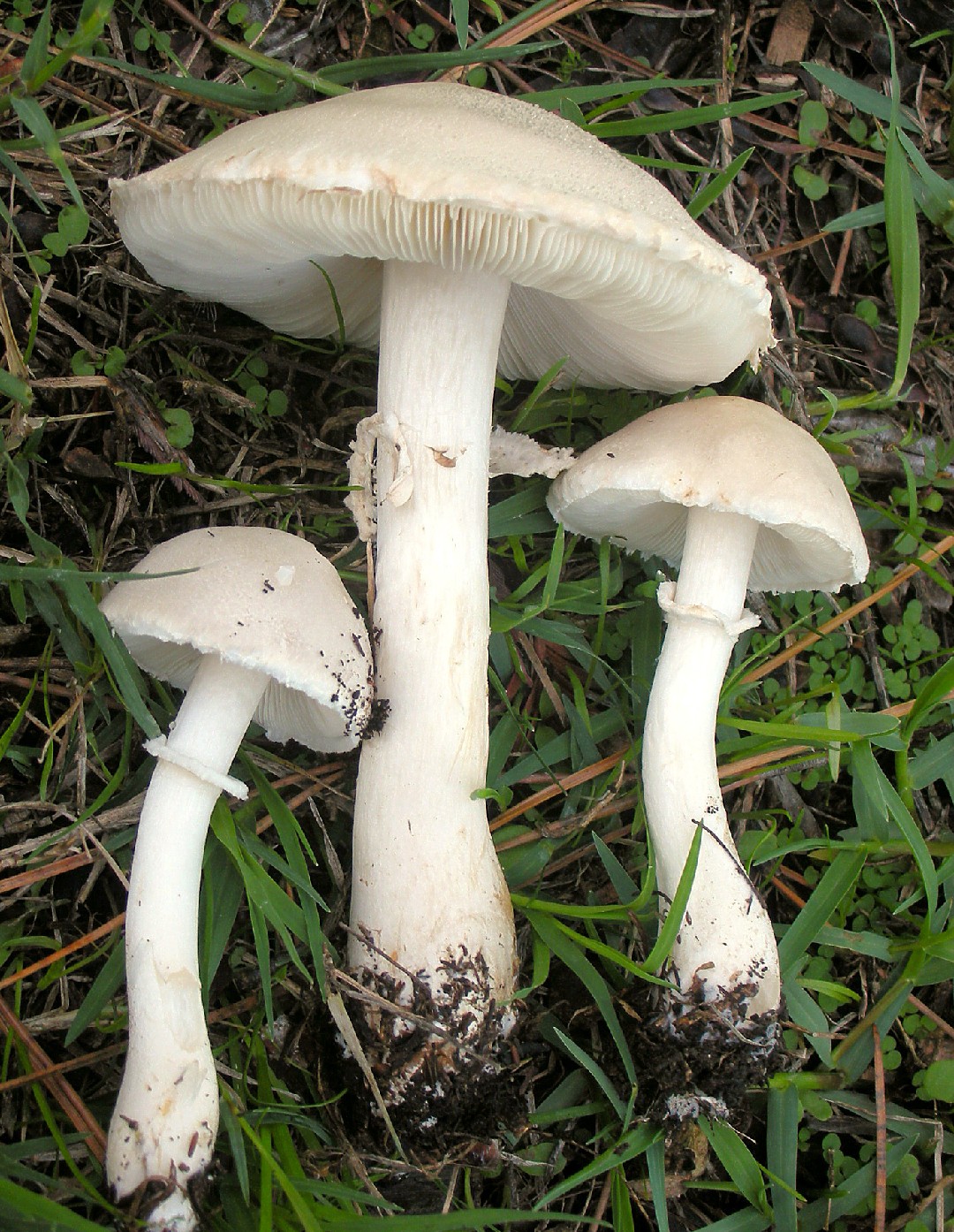
5. White dapperling
White dapperling mushrooms grow in scattered groups across open fields in the northern hemisphere. They can occasionally cause toxic reactions in humans, and their similarity to extremely poisonous lookalikes like Deathcap and Destroying Angel make them hazardous to handle.
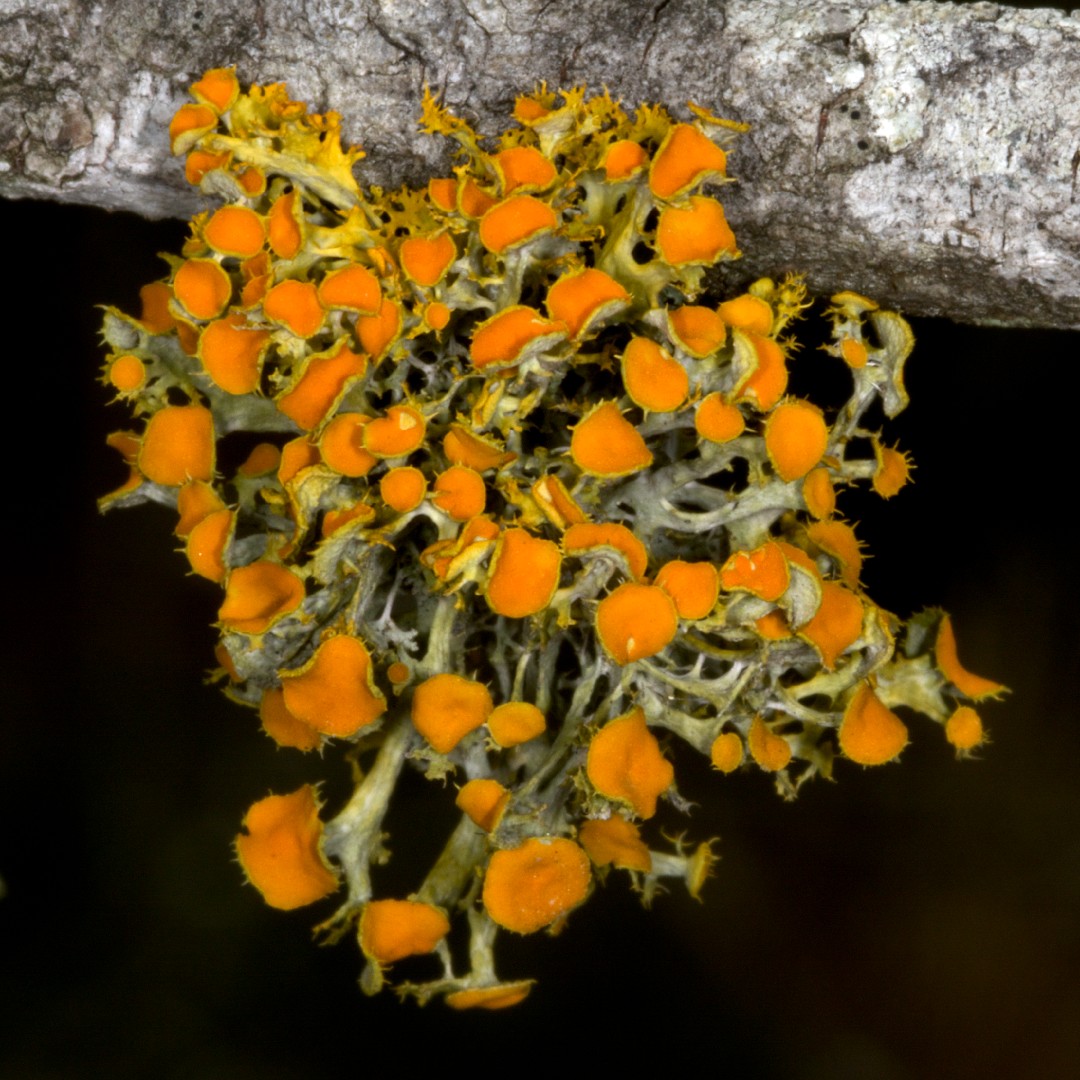
6. Gold-eye lichen
The almost indistinguishable species is a gray-yellow or light to orange-orange, bush-shaped camp with marginal fibrils. However, adhesive fibers are missing. The length of the slightly flattened sections is about 1.5 cm. The frequently formed fruiting bodies (apothecaries) have an orange disc with characteristic eyelashes on the edge and a diameter of 2 to 7 mm. The Photobiont is a member of the green algae genus Trebouxia.
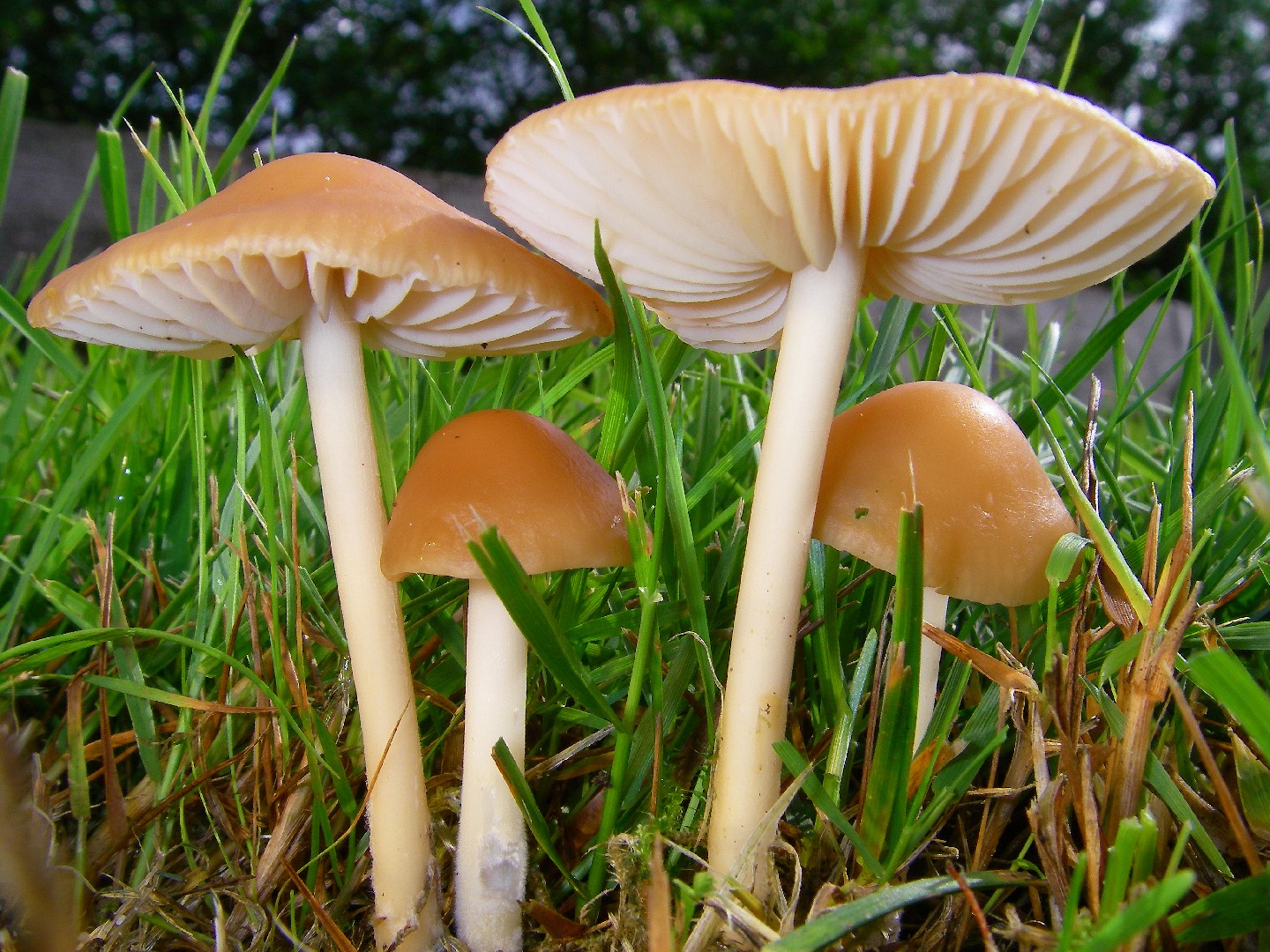
7. Fairy ring mushroom
Fairy ring mushrooms may dry out completely in the sun, but will “resurrect” during the next rain and regain their ability to make new spores. This is due to a sugar called trehalose which protects their cells. They appear in lawns and fields, sometimes in “fairy ring” configurations.
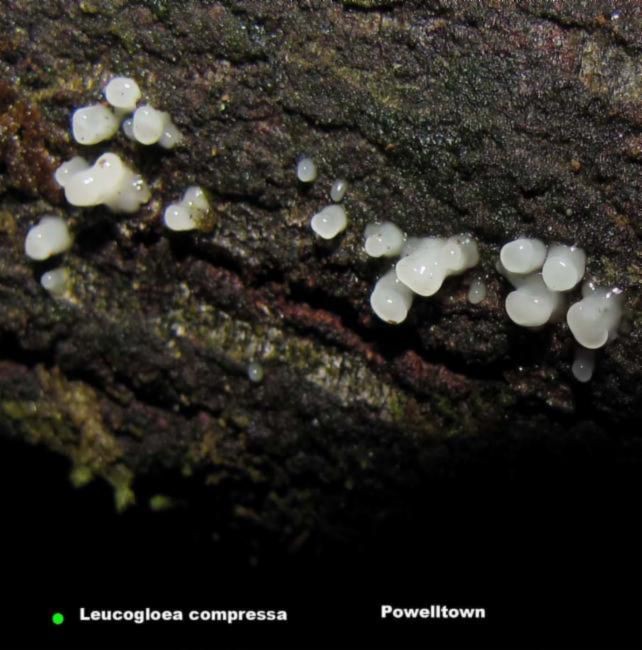
8. Leucogloea compressa
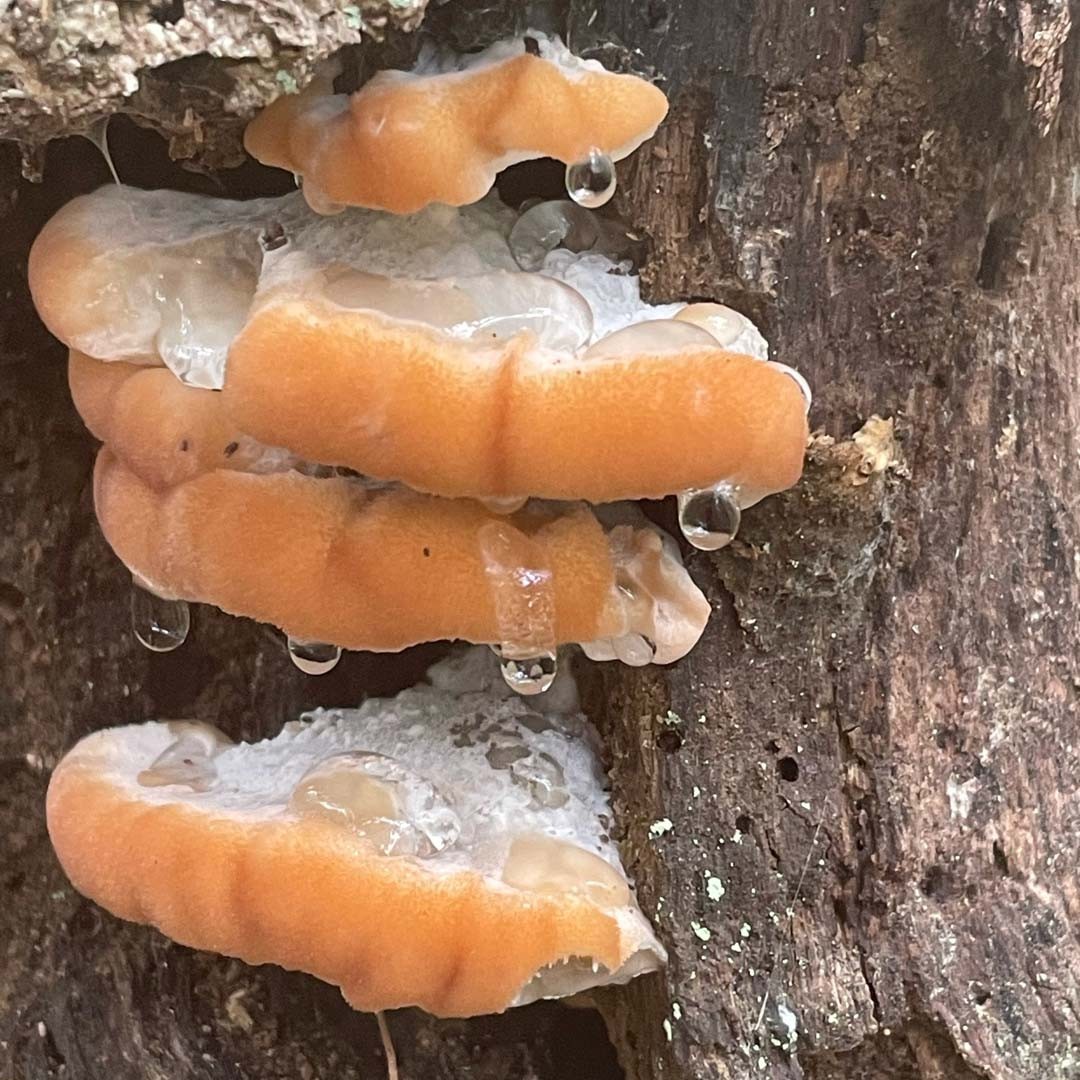
9. Green cheese polypore
One of the most distinctive features of green cheese polypore is its orange edge that stains green when handled, as hinted by its name. Another interesting feature is that it weeps water droplets from its pores when growing quickly. However, older mushrooms can fade in color and no longer weep or bruise, making it more difficult to differentiate this mushroom from others.
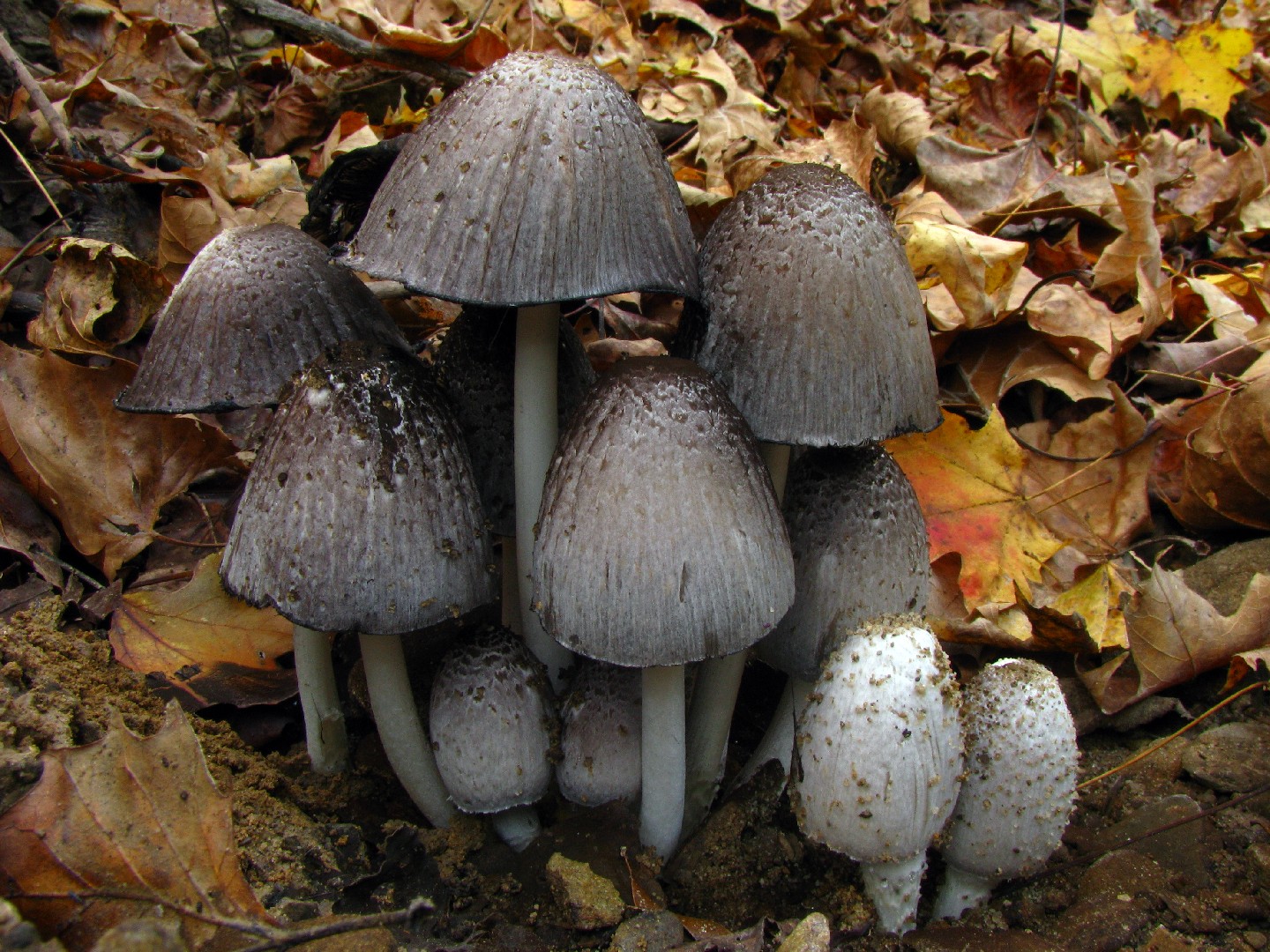
10. Common ink cap
Common ink cap mushrooms grow in clumps from buried wood or tree stumps. They come up with such strength that they have been known to lift pavement or break through asphalt. As they age, their gills will turn black and liquefy, creating the "inky" substance for which they are named.
More







