




Top 20 Most Common Mushrooms in Kenya
Encapsulating a wide range of climates from the sun-kissed coastal regions to the cool highlands, Kenya is quite a spectacle and an ideal environment for mushroom proliferation. Noted for its fertile soils, diverse local flora and fauna, and minimal human intervention, these lands cradle a vast array of mushroom species. This webpage unravels the top 20 mushrooms that are most commonly found in Kenya, showcasing the country's fascinating mycological richness.

Most Common Mushrooms
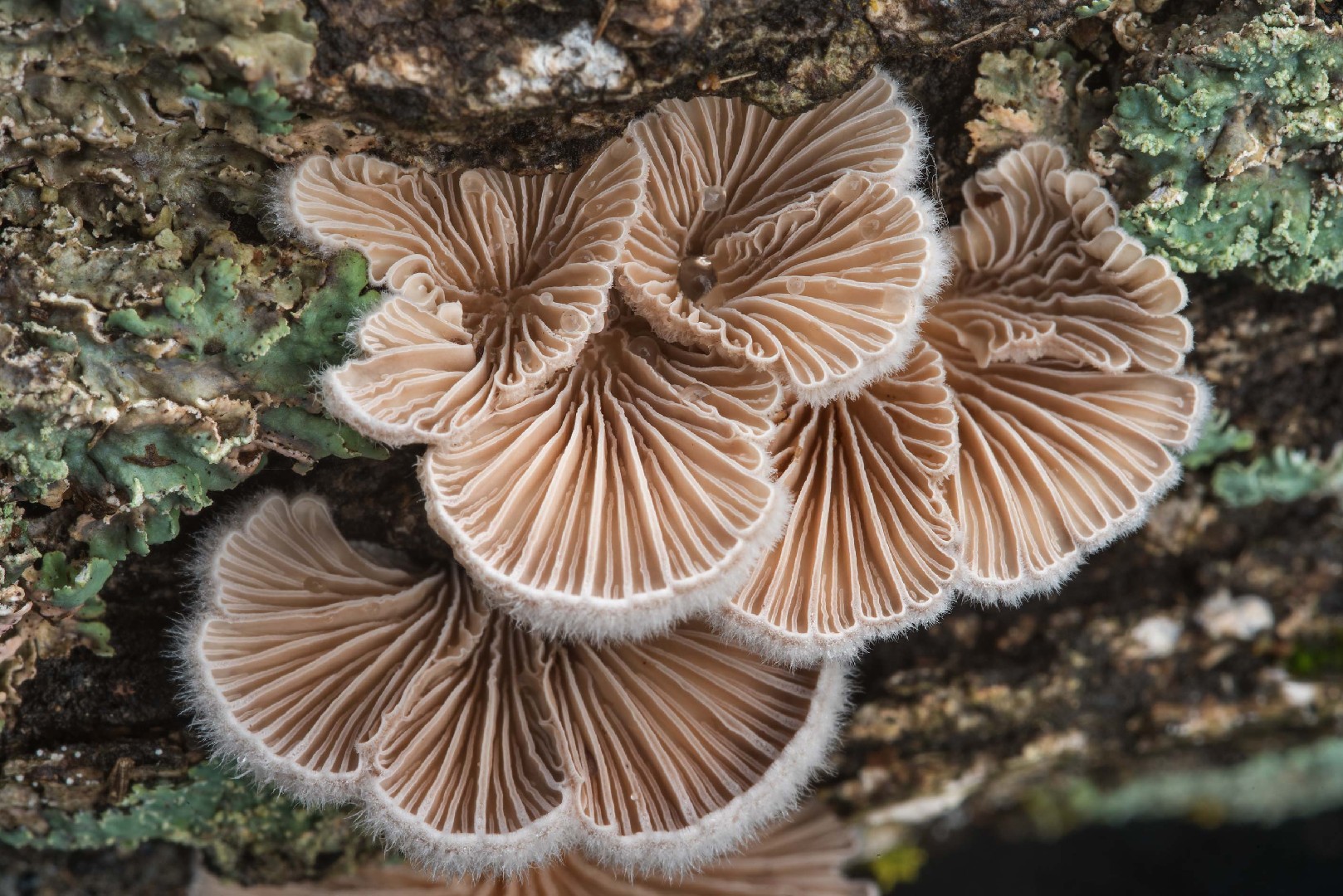
1. Split gill
Split gill(Schizophyllum commune) can be found across the globe. Uniquely, it is the only mushroom species known to display the capability to retract by movement. It is considered inedible, although not necessarily toxic. Furthermore, it is not recommended to smell this species, as the spores are capable of sprouting and growing in nasal passages.
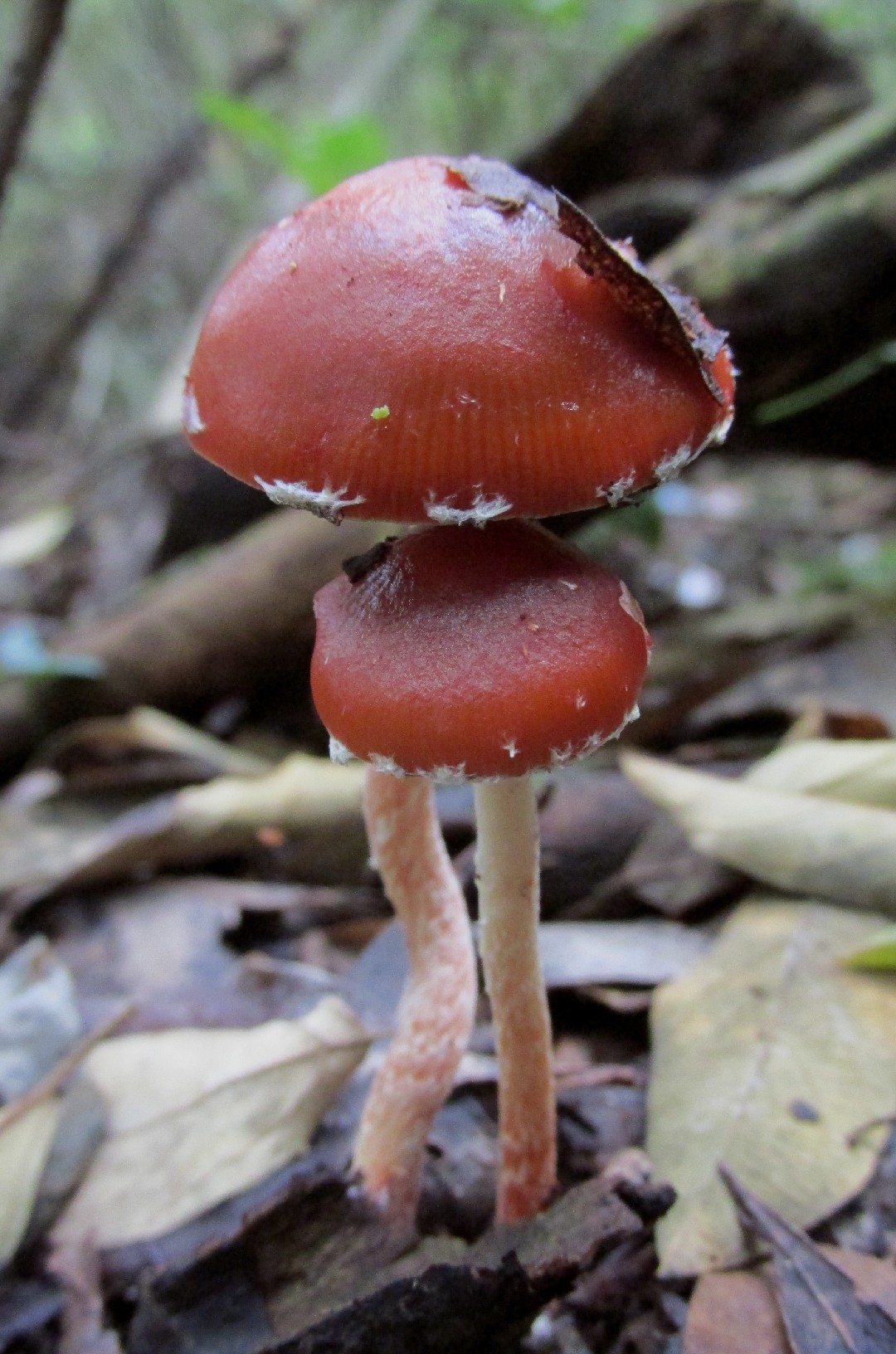
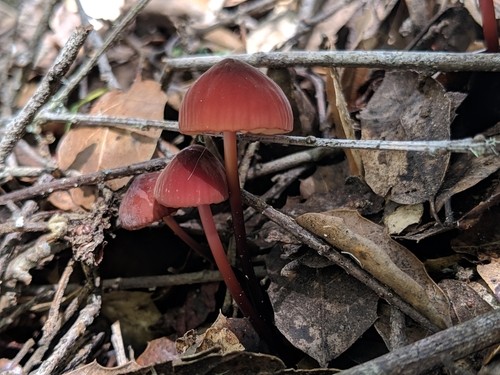
2. Redlead roundhead
This colorful mushroom grows most commonly on woodchip mulch and in sandy pine forests of coastal areas around the world. The redlead roundhead is believed to have originated in Australia. It may look pretty enough to eat, but don’t; it is bitter, toxic, non-digestible, and likely to cause an upset stomach.
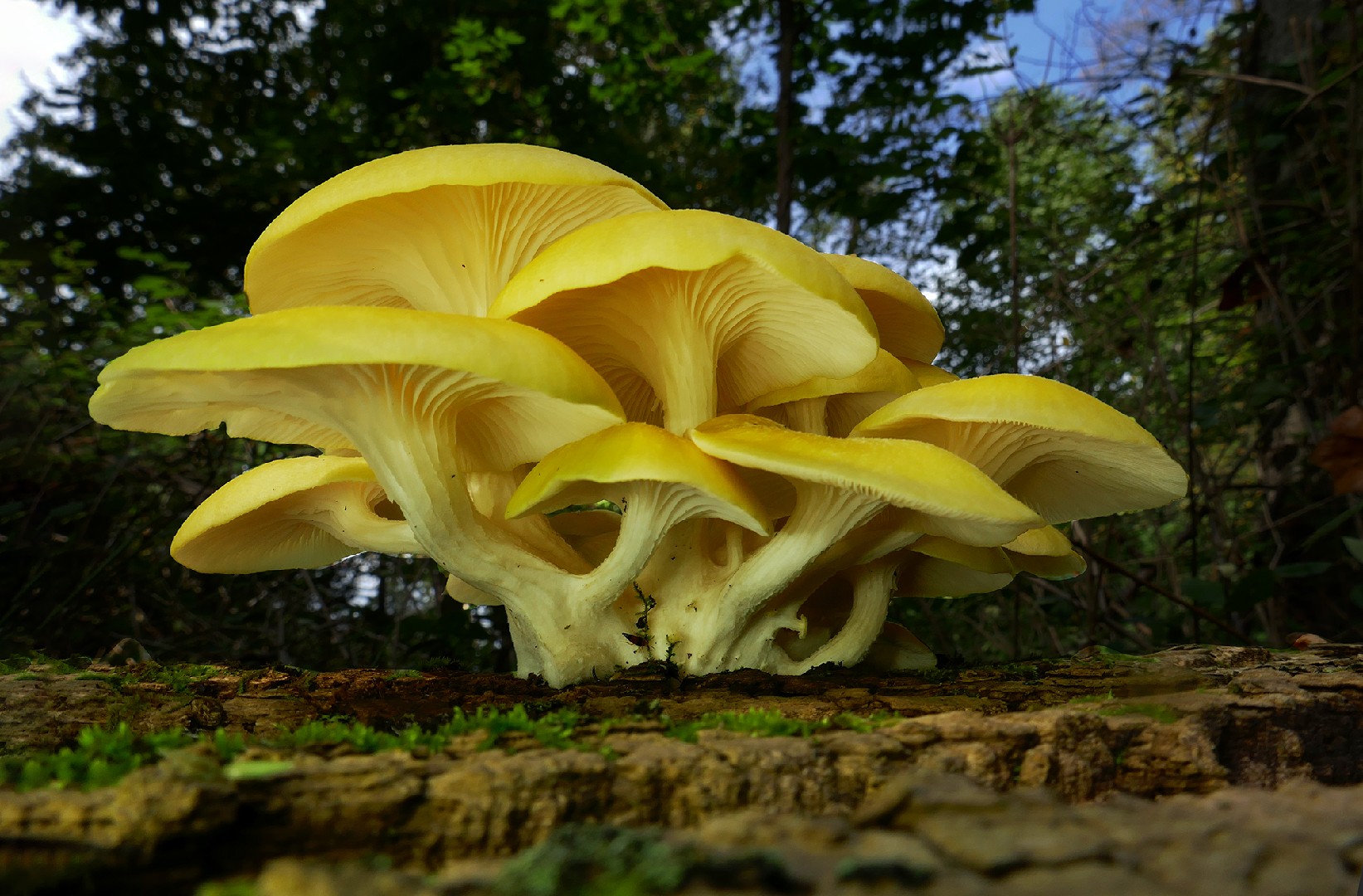
3. Golden oyster
The golden oyster(Pleurotus citrinopileatus) can be distinguished from other mushrooms by an iridescent butter-yellow cap that matures into the color of sunshine. As the color intensifies, the cap also becomes more brittle, making it very difficult to handle. The golden oyster is a delicious species that is highly desirable for culinary uses.
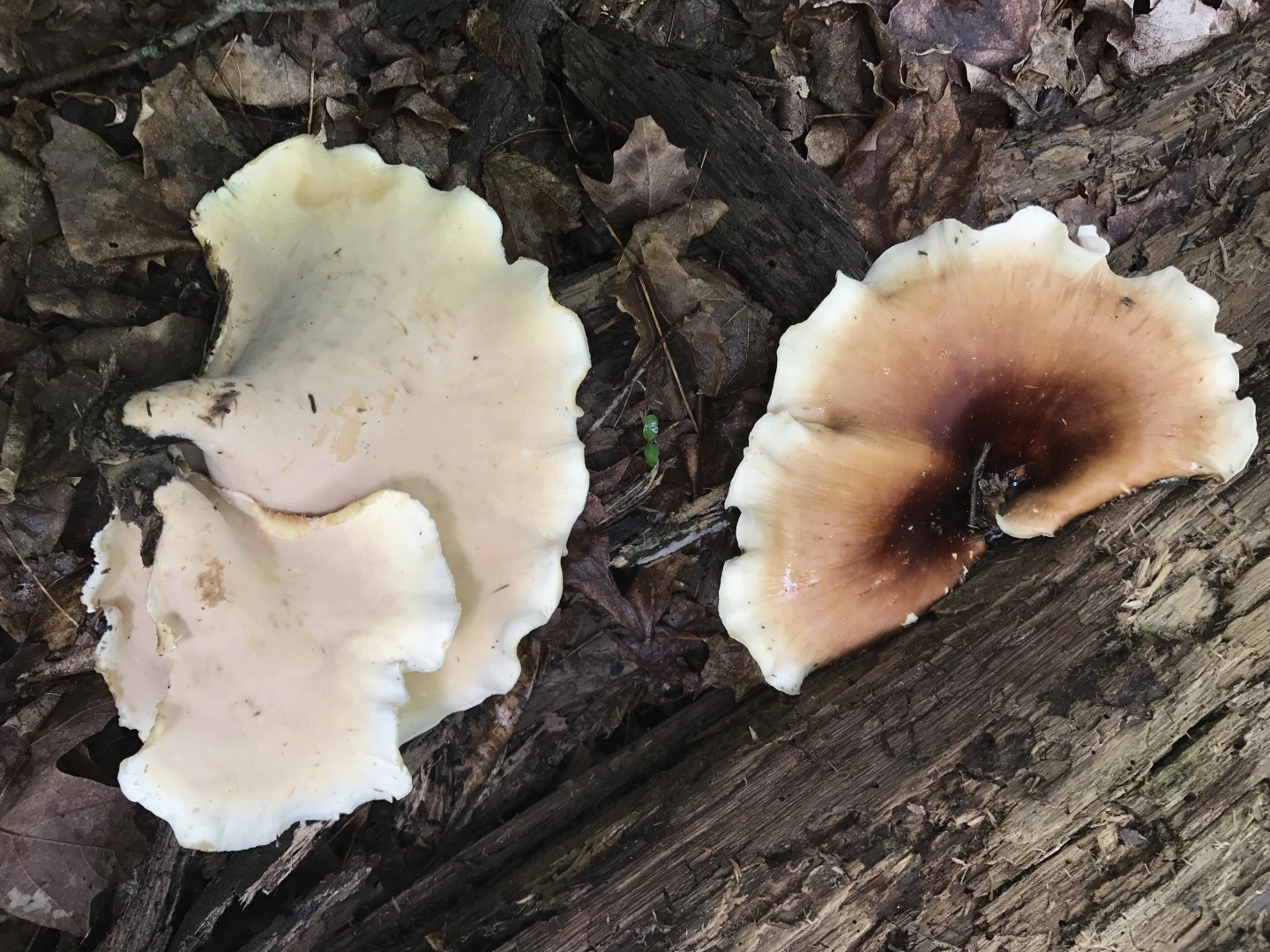
4. Black-footed polypore
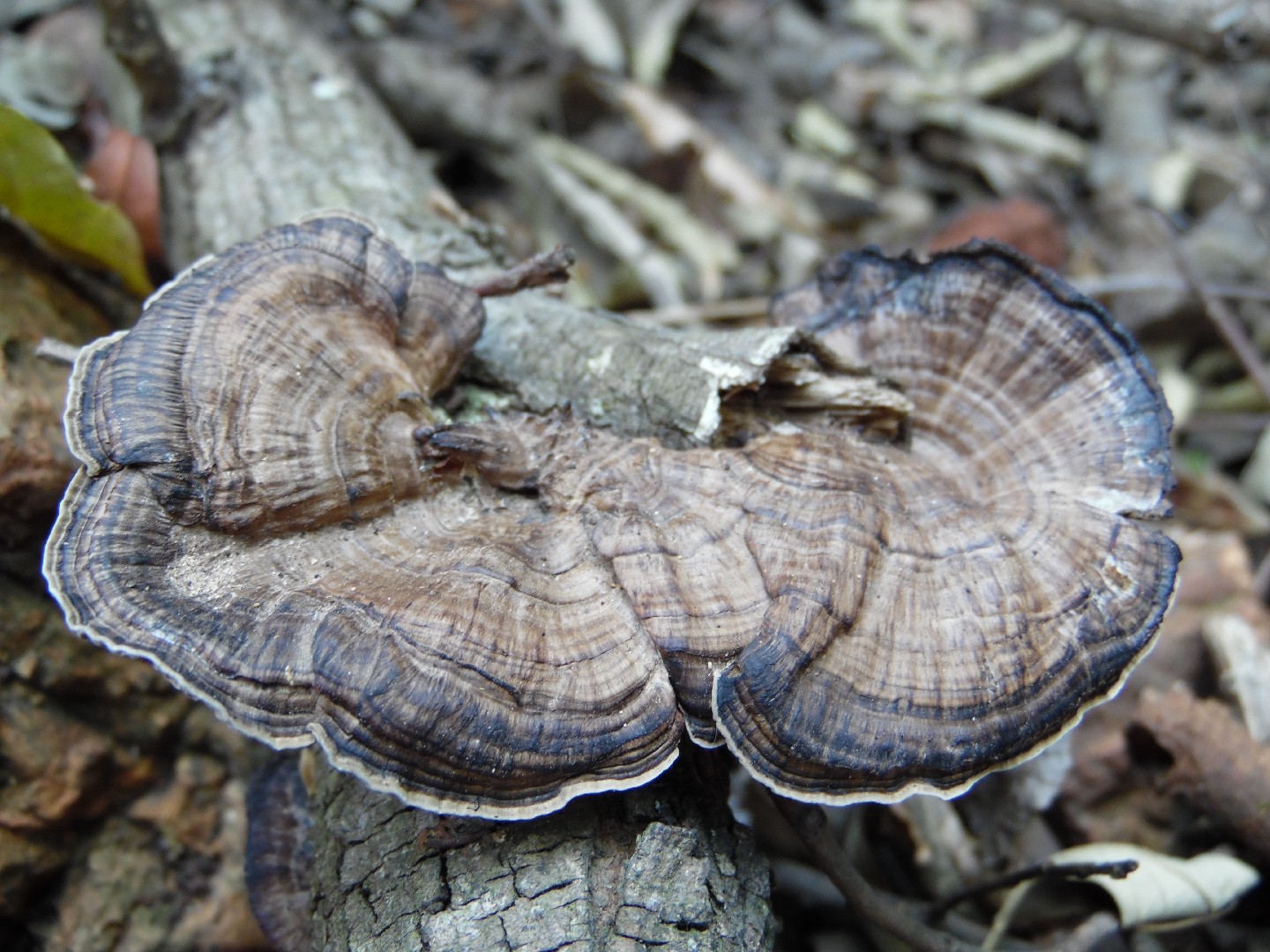
This inedible fungus grows on fallen wood and stumps of deciduous trees. Black-footed polypores have the ability to remain through the winter, as they rot very slowly after releasing their spores. They are thus appreciated for providing a bit of visual interest in winter landscapes.
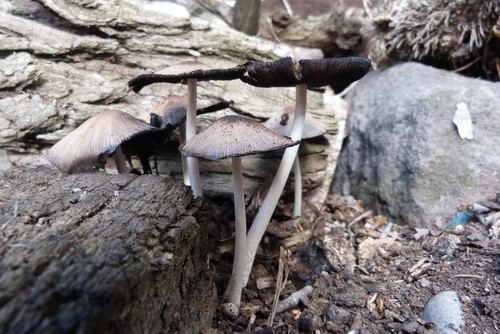
5. Mica cap
The bell-shaped mica cap mushrooms grow in clusters on wood debris and stumps, from spring to autumn. The caps appear wet and inky once they mature and begin to release spores. At that point, they can be boiled with cloves to create a useful black ink.
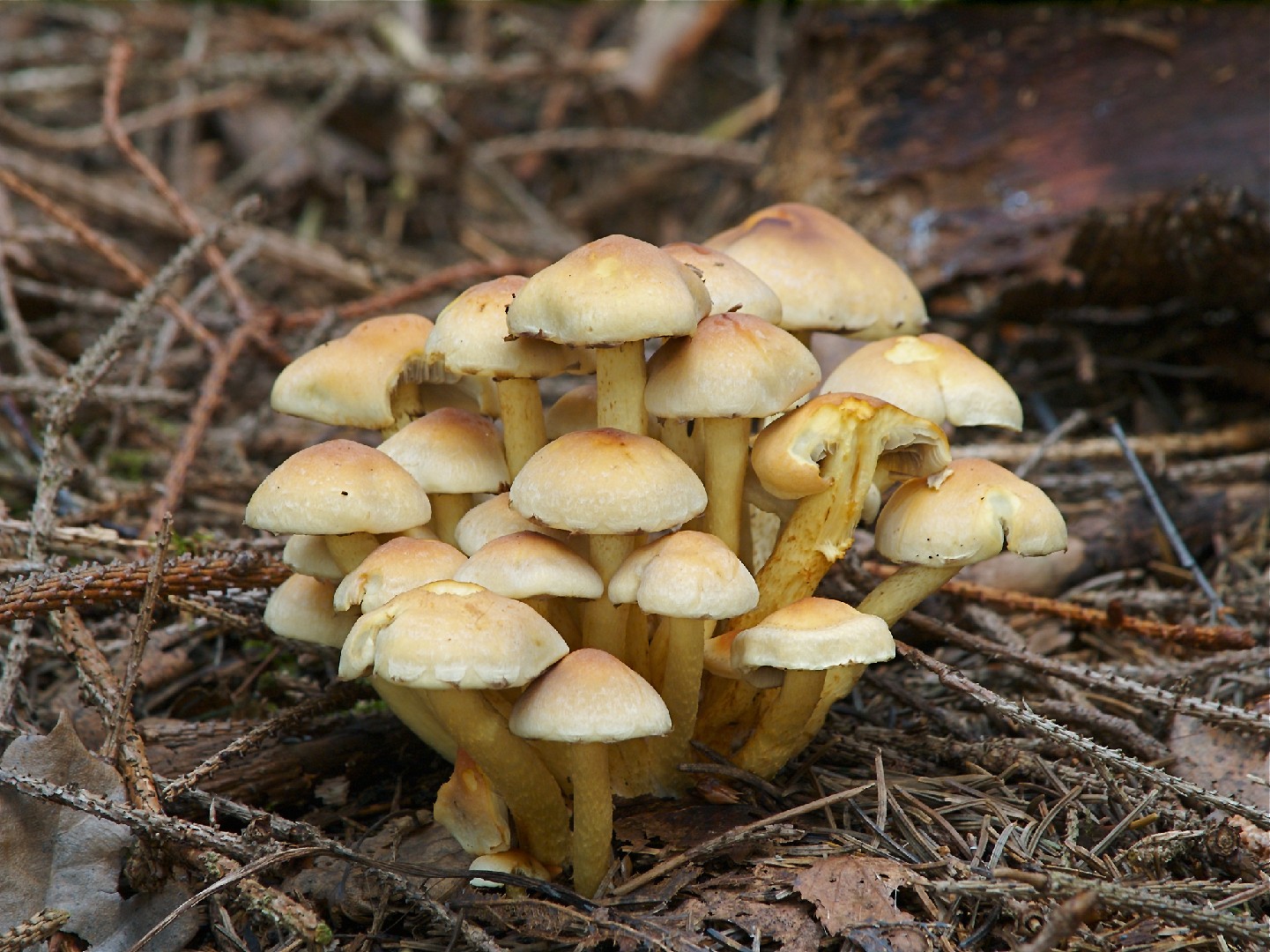
6. Sulphur tuft
The sulphur tuft grows on rotting wood of all types of trees; it is a particularly efficient decomposer of hardwoods. The mushrooms appear from spring to autumn and are often so tightly packed that they interfere with each other’s shape. This poisonous mushroom can cause temporary paralysis, distorted vision, and stomach pain if consumed.
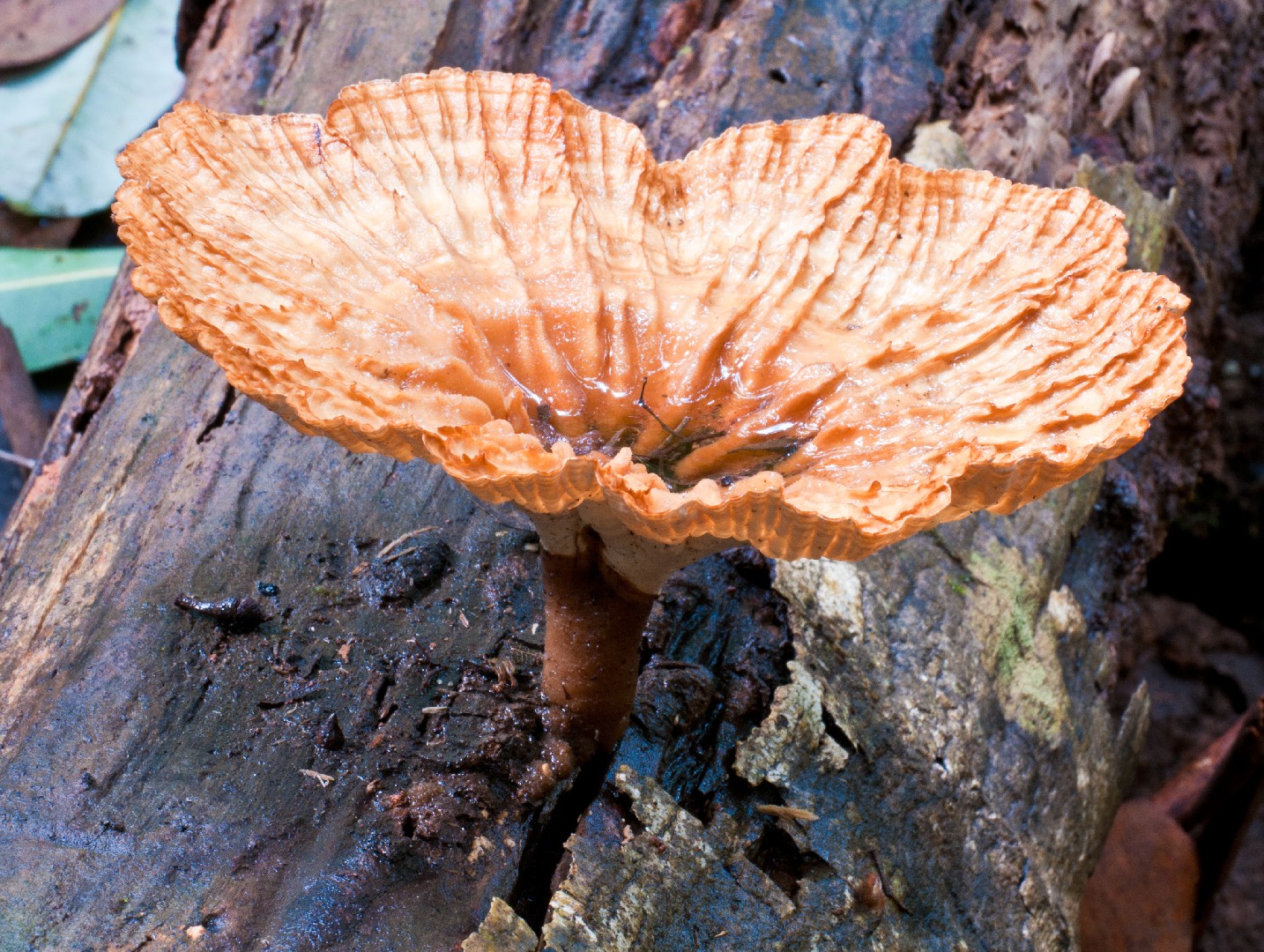
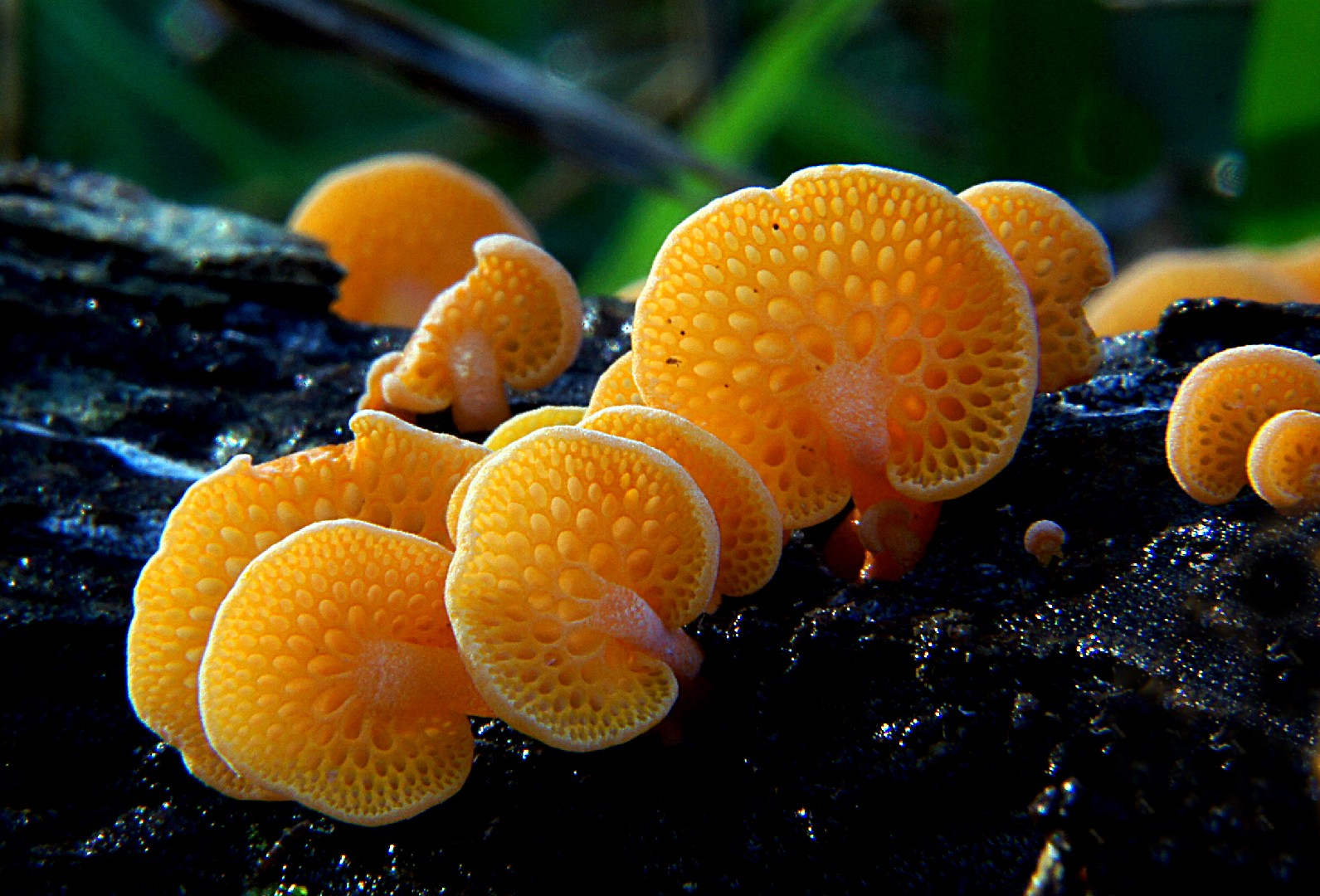
7. Cymatoderma elegans
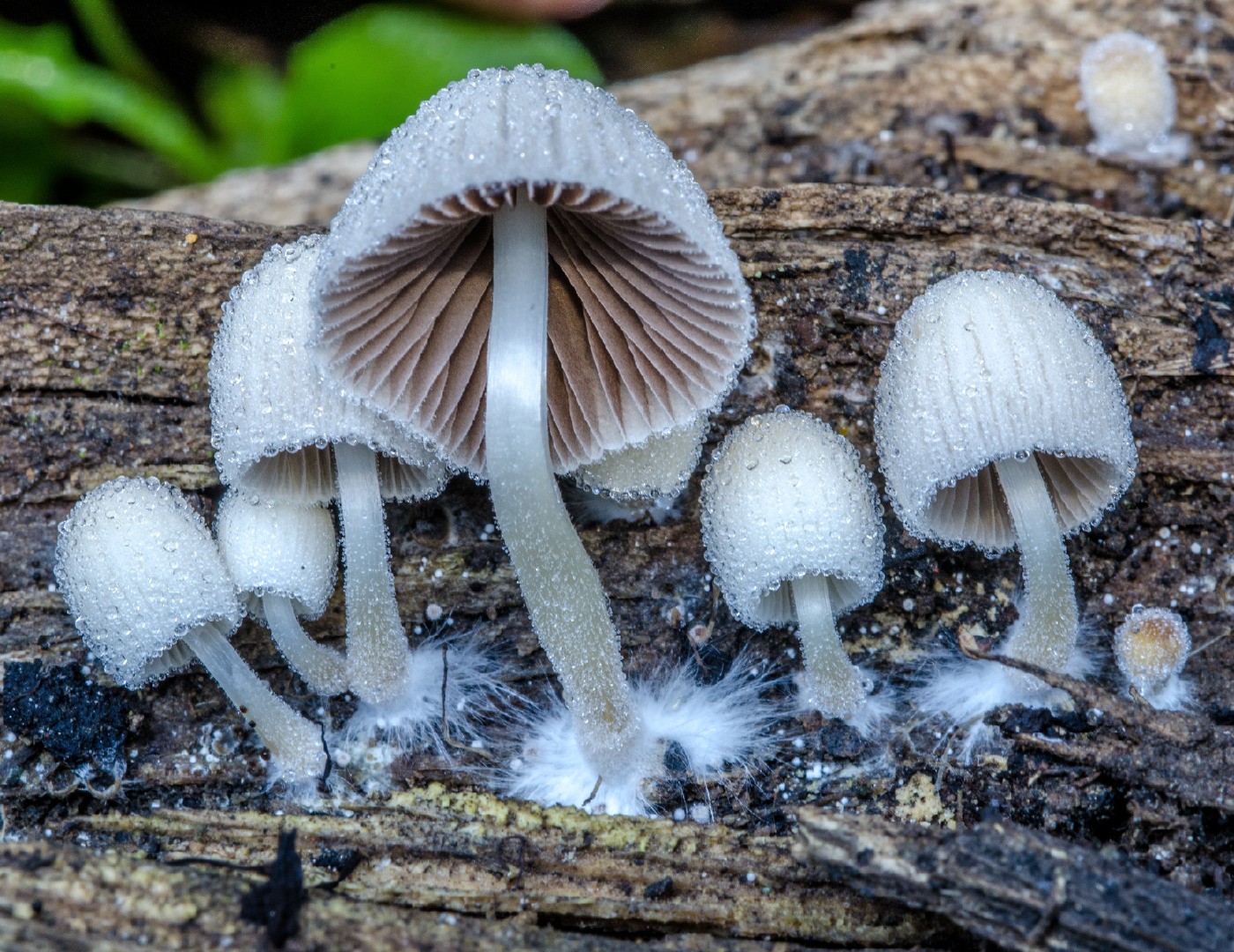
8. Fairy inkcap
The mushrooms of the fairy inkcap species have a tendency to congregate in large masses over dead tree stumps and decaying roots. They appear all around the world from early spring all the way to the first frosts, but each fruit only lasts a few days before turning black and distributing its spores.
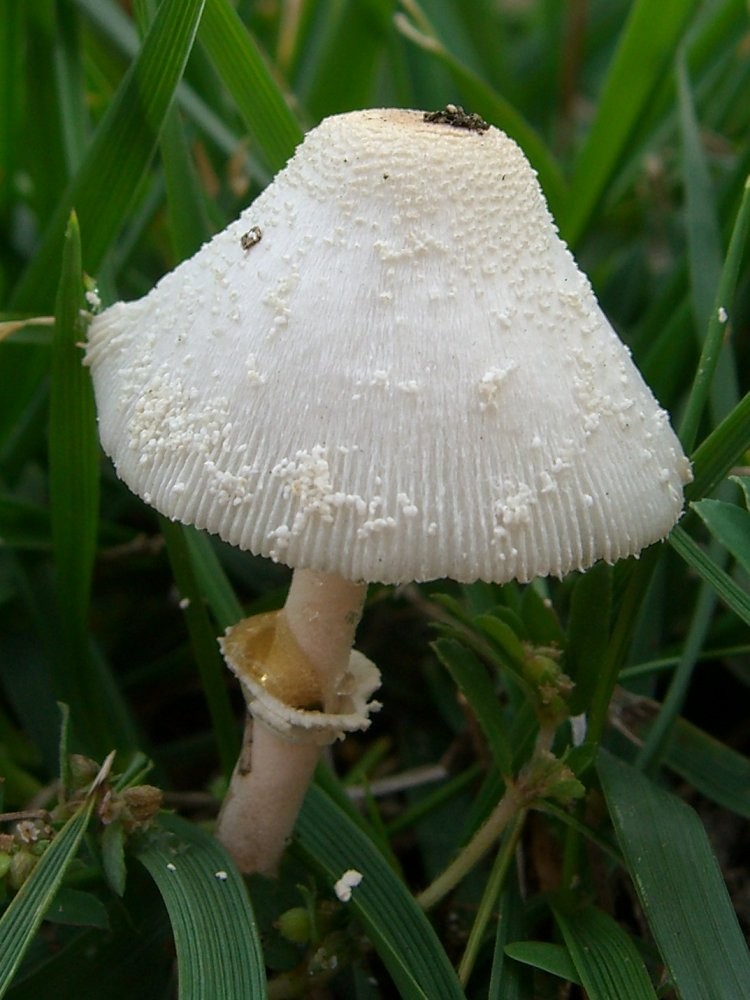
9. Onion-stalk parasol mushroom
This generalist mushroom, found across North America, can be found in all sorts of moist woodland settings. The species appears to be particularly fond of wood chips or mulch, and so it is often found in garden or park settings. The onion-stalk parasol mushroom, despite the word "onion" in its name, is inedible.
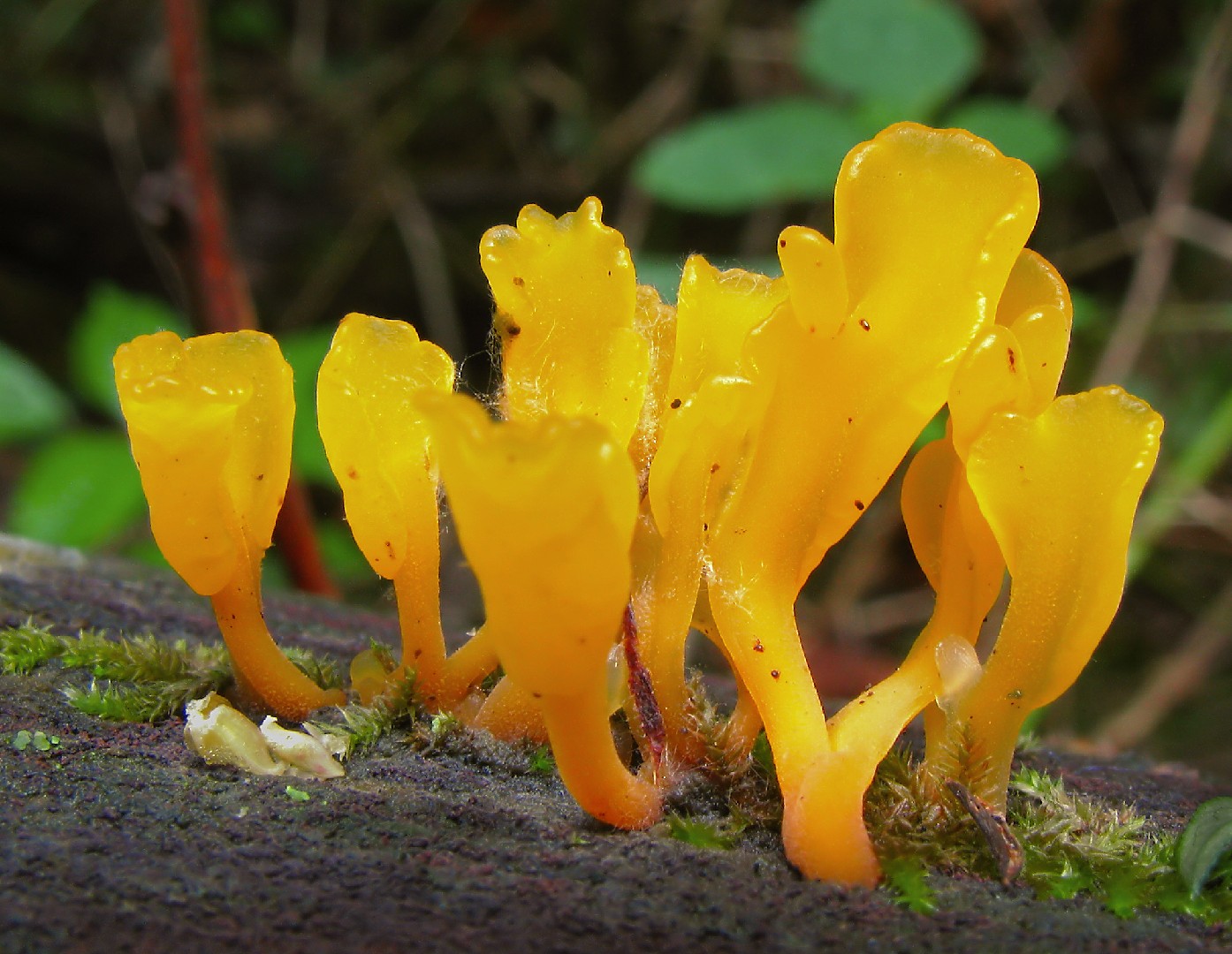
10. Fan-shaped jelly-fungus
Just as its Latin and the common English names suggest, the fan-shaped jelly-fungus (Dacryopinax spathularia) is a fan-shaped or spatula-shaped jelly-like mushroom. It commonly grows in wood cracks and it sometimes even appears in the cracks of the processed wood and lumber. Despite the word "jelly" in its name, the fan-shaped jelly-fungus is not considered edible.

More







