




Top 20 Most Common Mushrooms in Kallithea

Most Common Mushrooms
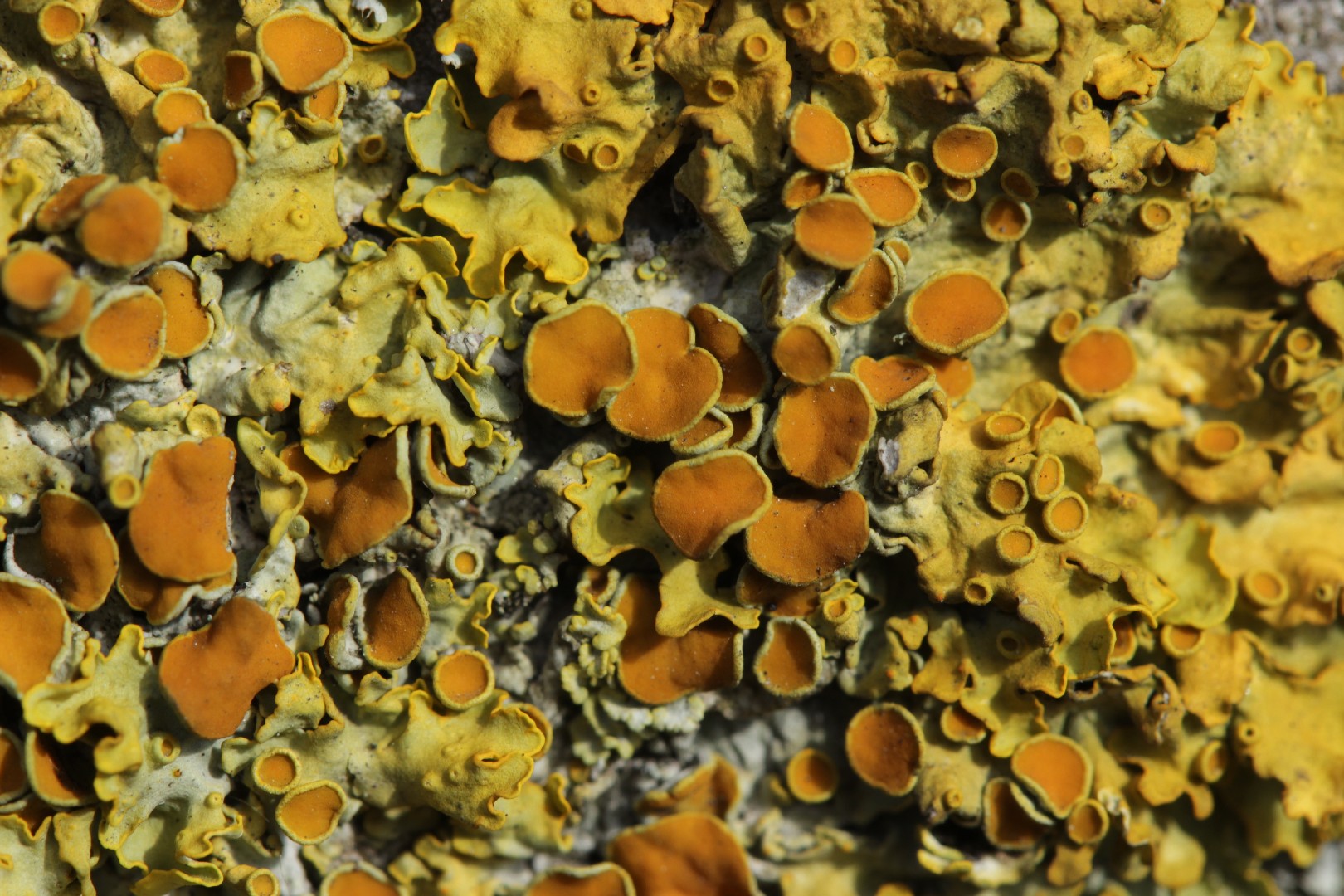
1. Common orange lichen
Common orange lichen was selected in 2006 by the United States Department of Energy as a model for genomic sequencing. Its widespread dispersal and bright yellow-orange color give the lichen its common name. It is primarily found growing on rocks, walls, and tree bark.
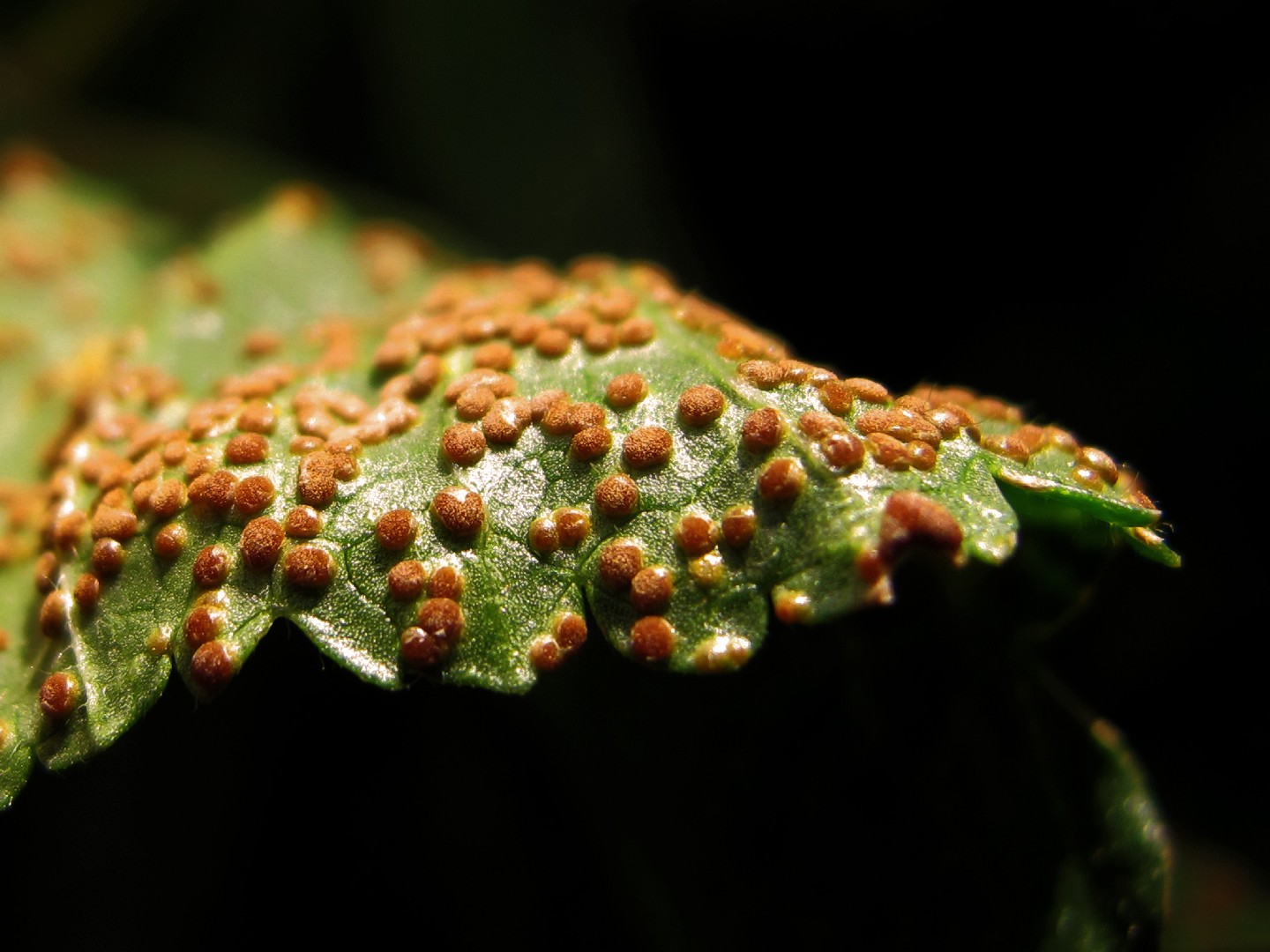
2. Hollyhock rust
Hollyhock rust (Puccinia malvacearum) is a parasitic fungus that produces a rust disease on the foliage of host plants such as hollyhocks and mallows. Hollyhock rust grows on the leaves, creating small brown spots on the undersides, then bright yellow or orange pustules on the tops. A severe infection can impair photosynthesis in the host plant. Its spores spread on the wind.
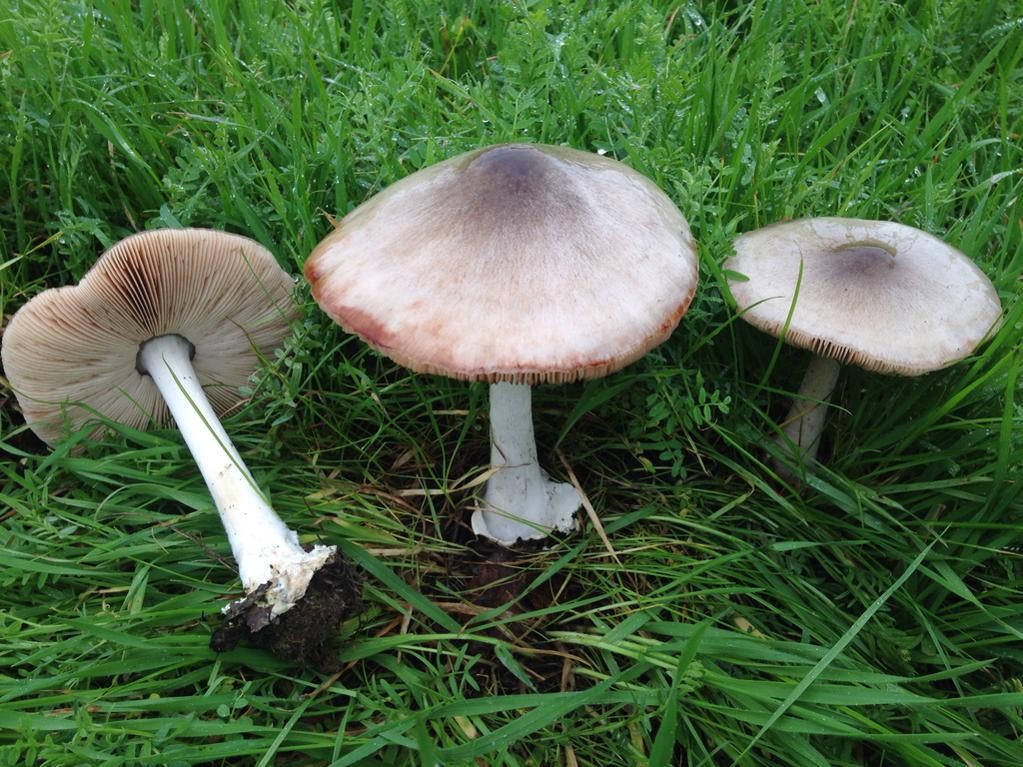
3. Big sheath mushroom
These large white mushrooms bloom all over cleared, harvested fields, as well as pastures and roadsides. The scientific species name comes from Greek words meaning “glue” (glioio) and “head” (cephalus), in reference to the sticky surface of this mushroom’s cap. The big sheath mushroom looks so similar to the poisonous Deathcap and Destroying Angel mushrooms that it should always be left alone.

4. Shaggy mane
The shaggy mane mushroom is commonly found in North American and European grasslands. Some peoples foraged for its young egg-shaped caps, but it has more recently been found to be a bioaccumulator of heavy metals, meaning it pulls toxic metals up from the soil where it grows. As a result, shaggy manes should not be eaten. The mushrooms usually appear in clusters or “fairy rings.”
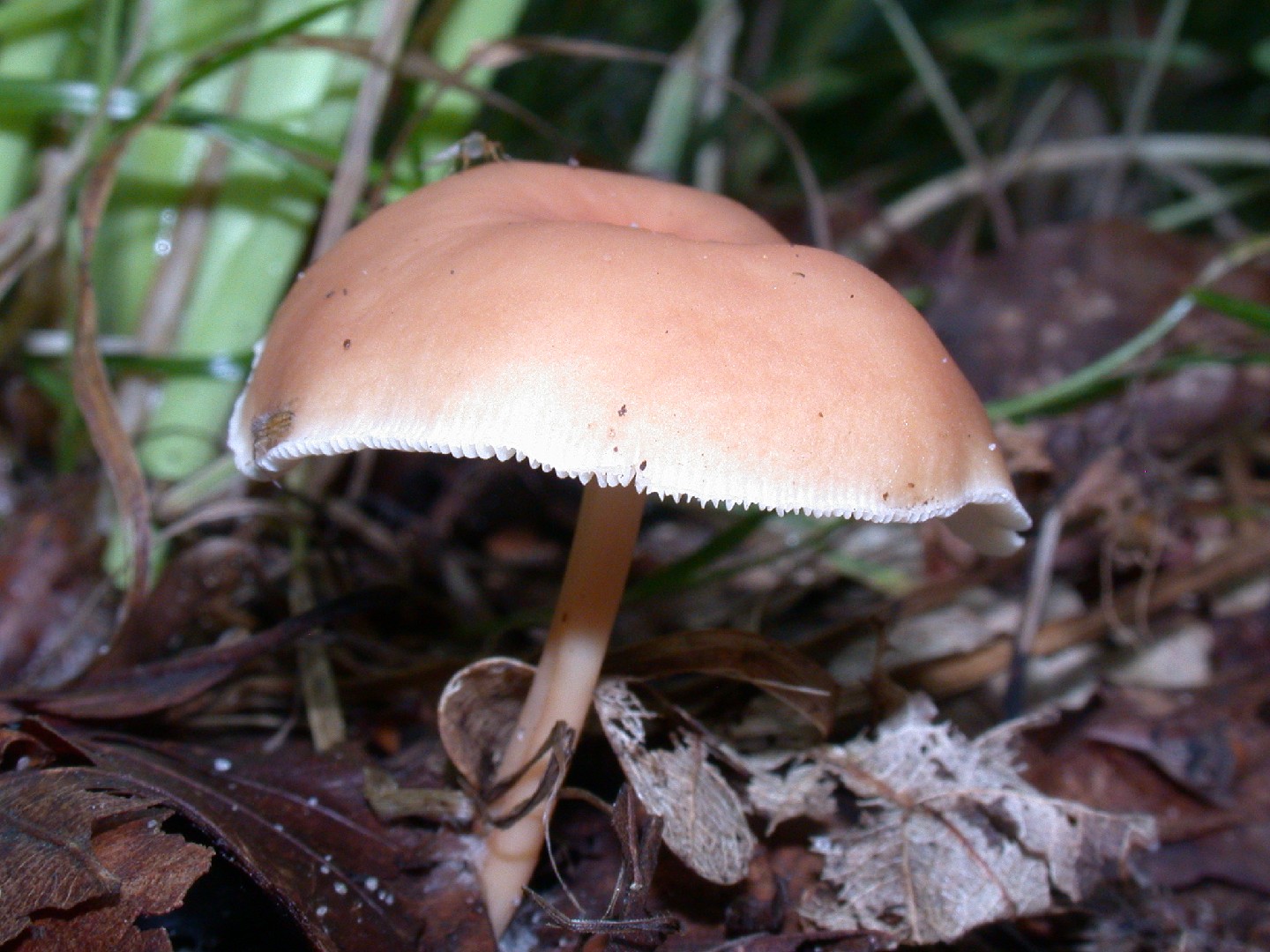
5. Oak-loving collybia
The oak-loving collybia mushroom is found in temperate climates around the world, often underneath oak trees. They are tough and not considered edible. The scientific name, Gymnopus dryophilus, comes from Greek words that roughly translate to “barefooted lover of oak leaves.”
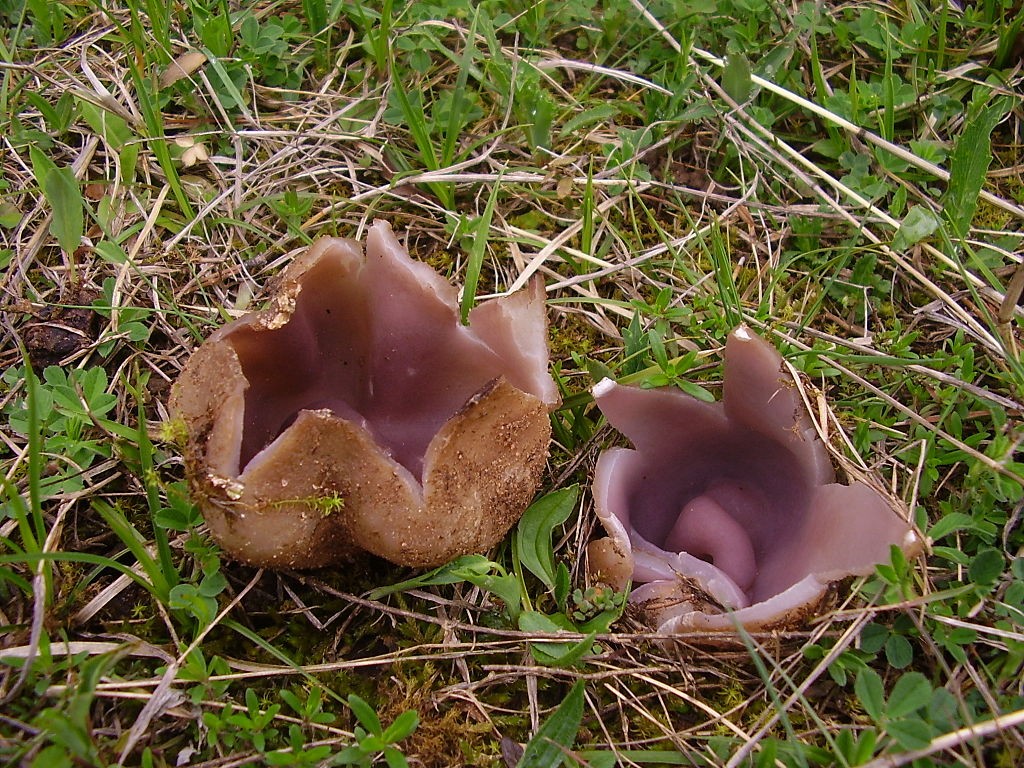
6. Violet crown cup
The violet crown cup belongs to the group of mushrooms that form cup-shaped fruiting bodies. Although not officially classified as poisonous, there have been numerous reports of adverse effects after consuming these mushrooms. Therefore, the violet crown cup is considered suspect and it's best avoided.
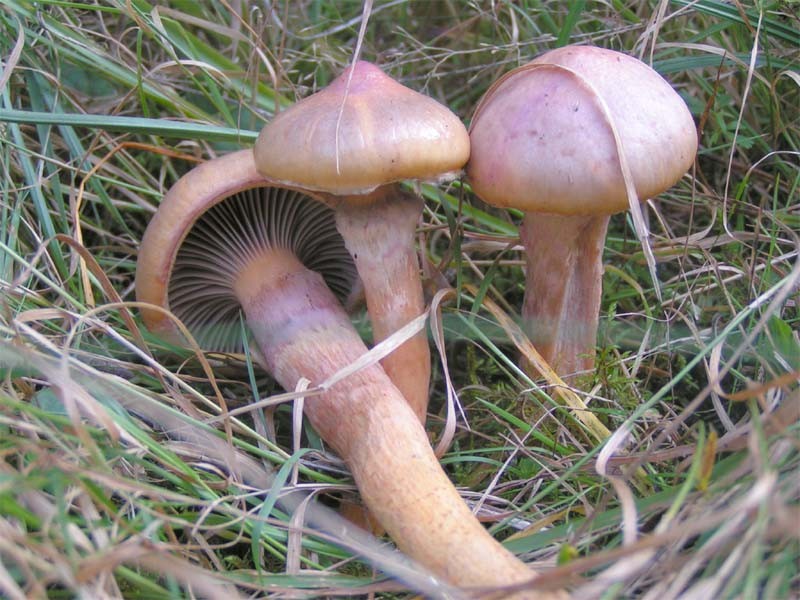
7. Copper spike
A European fungus, the copper spike is is visually almost indistinguishable from its North American counterpart - Chroogomphus ochraceus, although molecular studies have shown that these two are different species. Its cap becomes slimy when wet, hence the common name. The cap color is highly variable and it can range from yellowish, to orange, purplish, reddish, and brown.
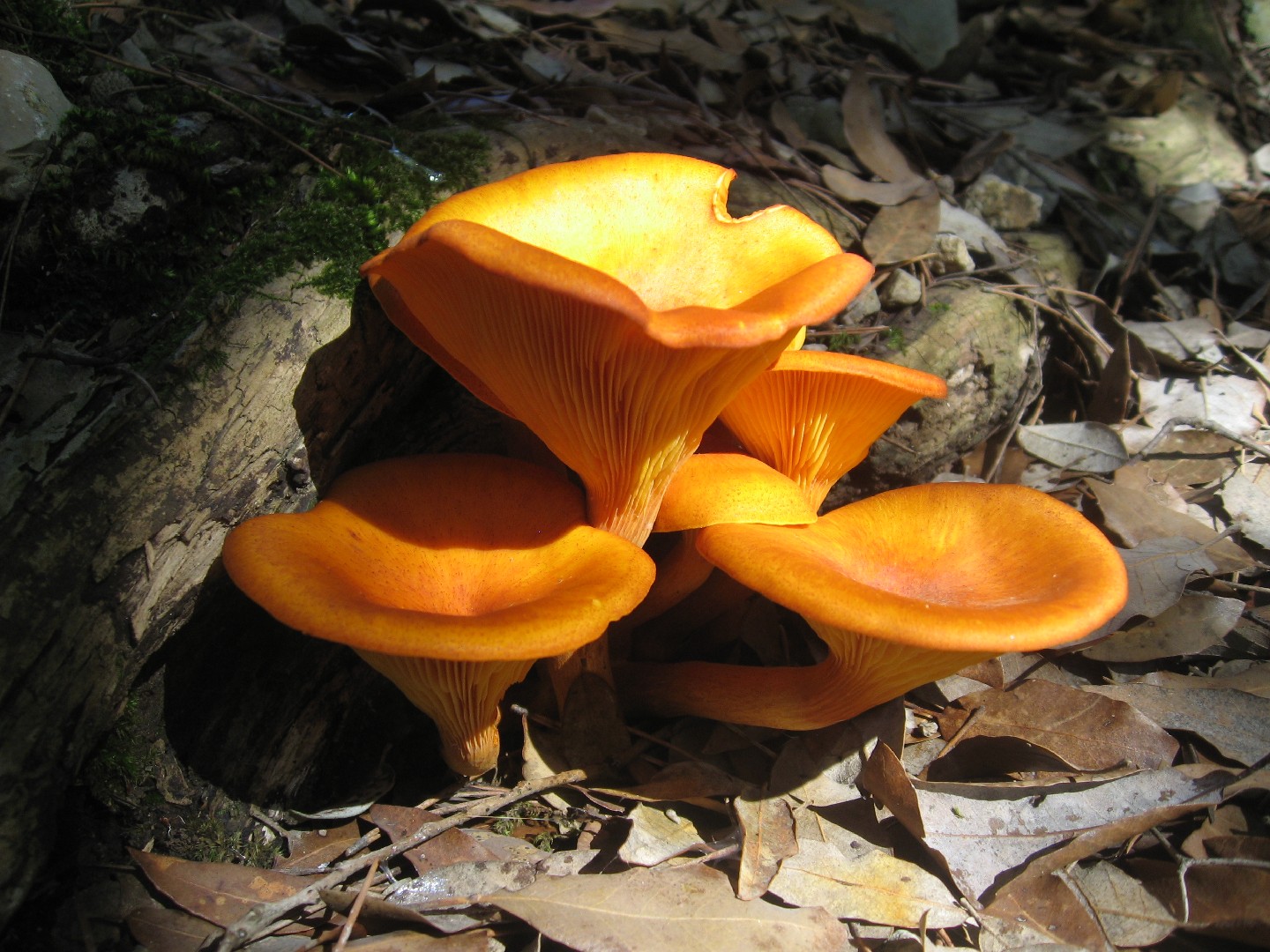
8. Jack-o'-lantern
The jack-o'-lantern (Omphalotus olearius) lives up to its nickname in more ways than one. Not only are the caps often large, round, and as orange as pumpkins, but at night these mushrooms even glow. In the darkness, their bioluminescent gills can be seen emitting a spooky green light. In fitting with the scary theme, this fungus is also extremely poisonous.
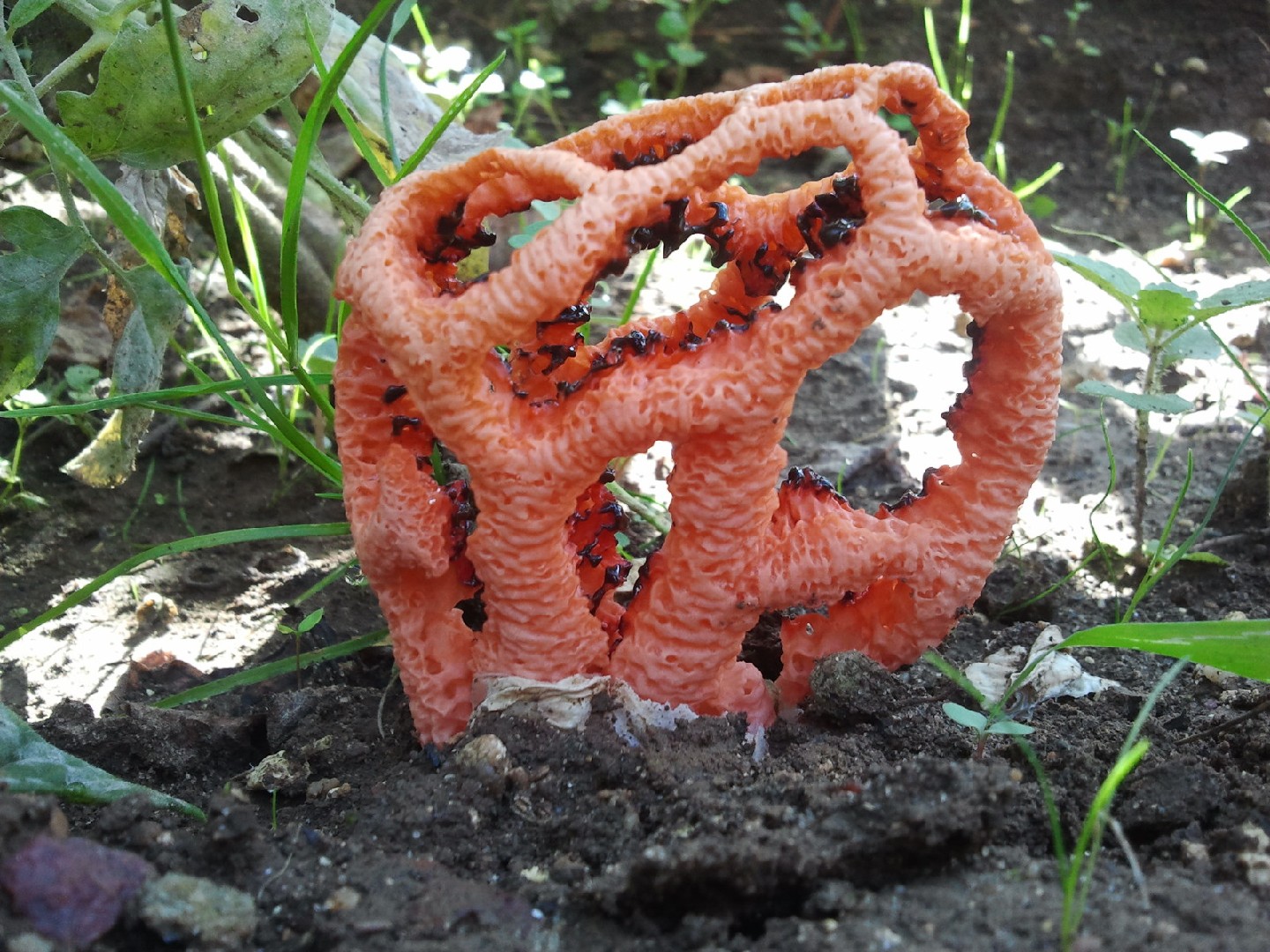
9. Red cage
The red cage is a highly distinctive mushroom with a wild shape, even for a stinkhorn. Its fruitbody grows as a hollow, latticed structure, usually red or pinkish in color, that gives it the appearance of a rubber or plastic children's toy. A true stinkhorn, this species secretes a pungent-smelling slime that attracts flies - but repels humans!
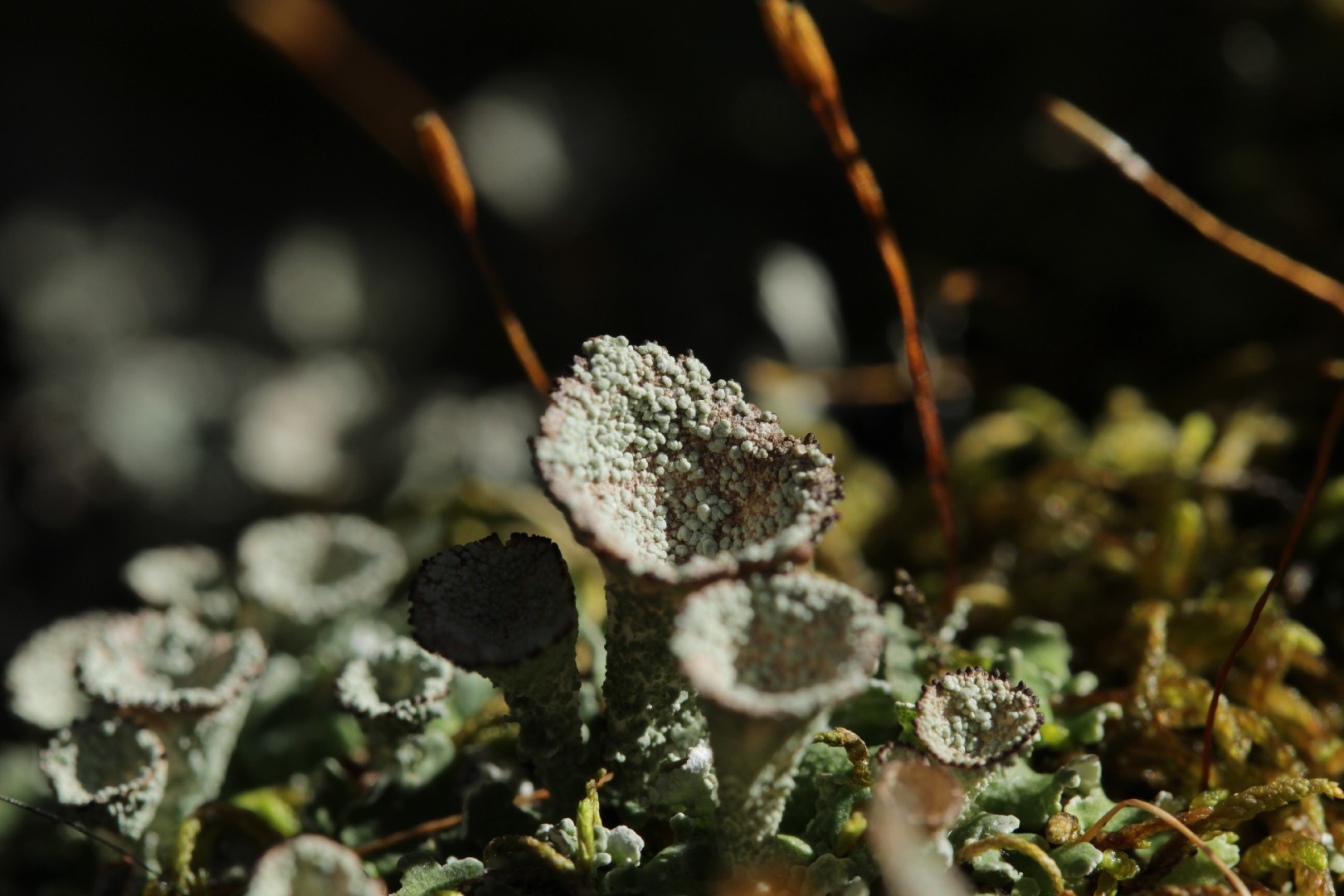
10. Pebbled pixie lichen
The species inhabits soil, humus, rotten wood, but also rocks and dry rocks. It is a common and common lichen throughout Europe. In general, the true cup lichen is one of the most common species of the genus Cladonia.


More







