




Top 20 Most Common Mushrooms in Idar-Oberstein
Nestled in the heart of Germany, Idar-Oberstein is a sanctuary of natural wonder, with its verdant landscapes providing the ideal habitat for a myriad of mushroom species. Thanks to its diverse eco-system and conditions perfect for fungi to thrive, this region has become a mecca for mushroom enthusiasts. In fact, Idar-Oberstein homes 20 of the most common mushroom varieties. These fungi are an integral part of the area's biodiversity, aiding in promoting ecological balance while reminding us of the richness of life hidden beneath the undergrowth.

Most Common Mushrooms
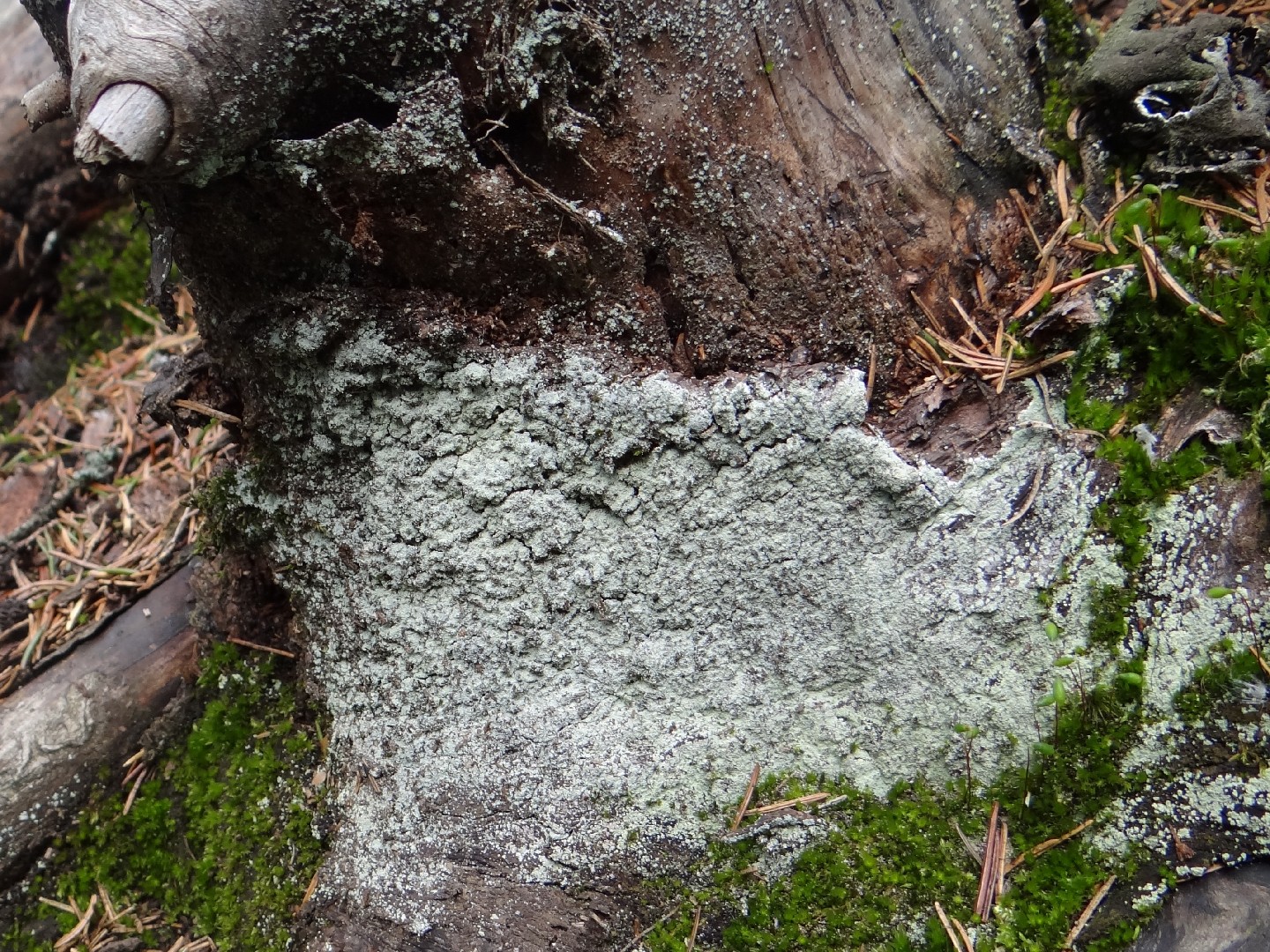
1. Dust lichen
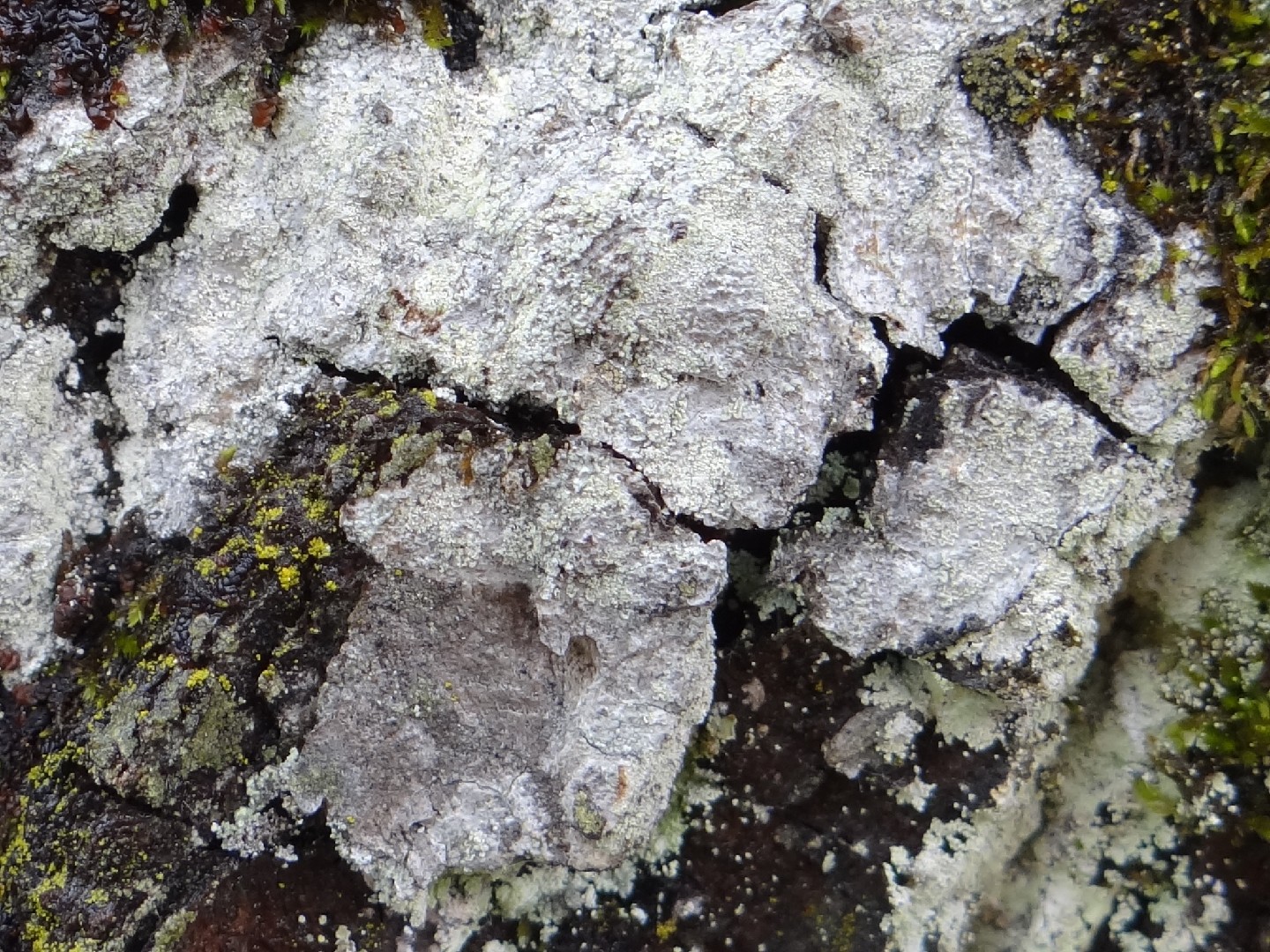
2. Whitewash lichen
Whitewash lichen is most commonly found growing on trees, especially hardwoods that are in well-lit areas. Its color usually begins a bright green-white that turns to a dull brown-grey. When fresh, it spreads out smoothly over trees as though coating them in white paint.
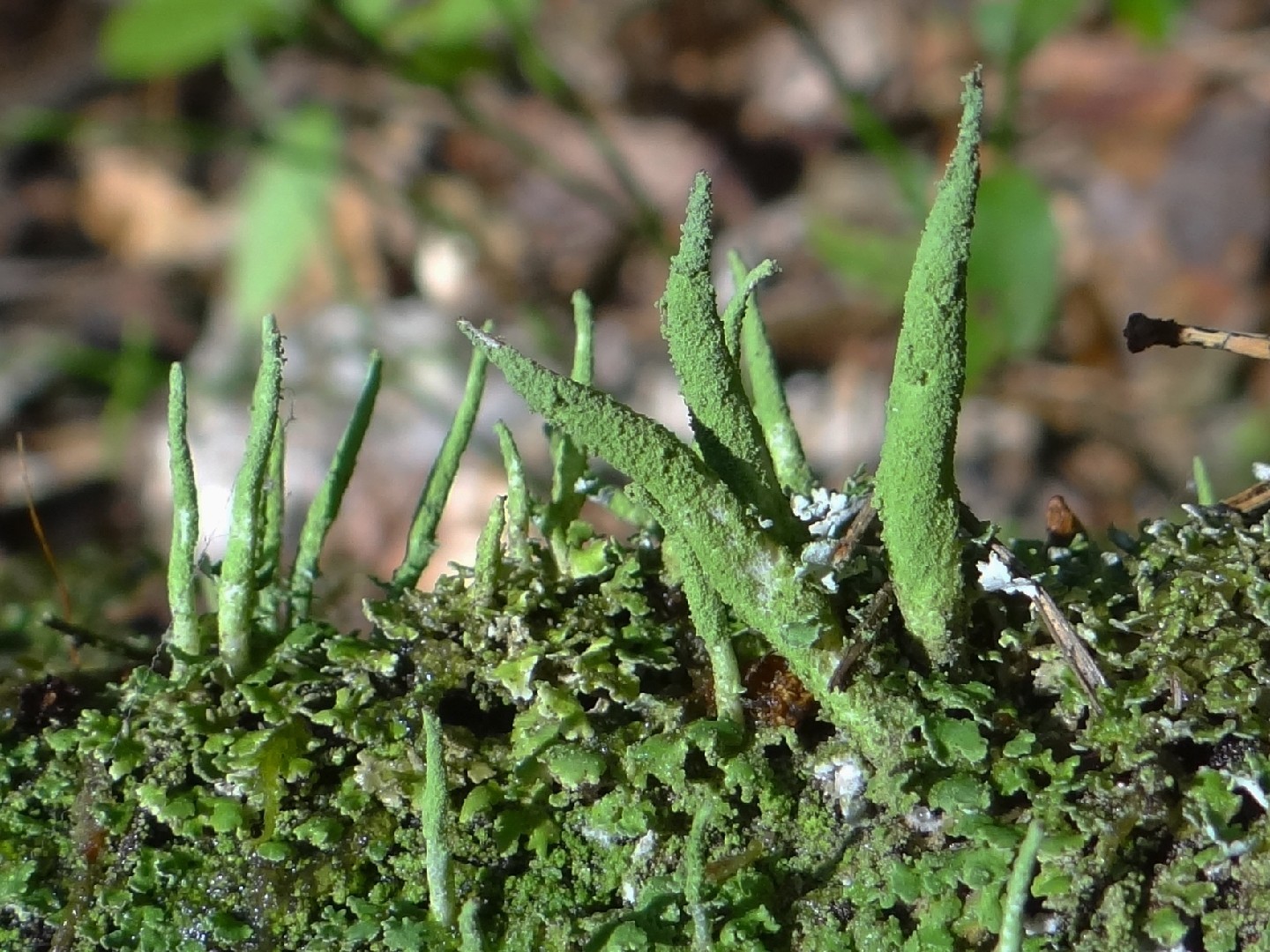
3. Common powderhorn
Common powderhorn is a green to greyish-green lichen often found growing on decaying logs and on the base of trees. Common powderhorn is a hardy species that is resistant to pollution and thrives in shady urban areas.
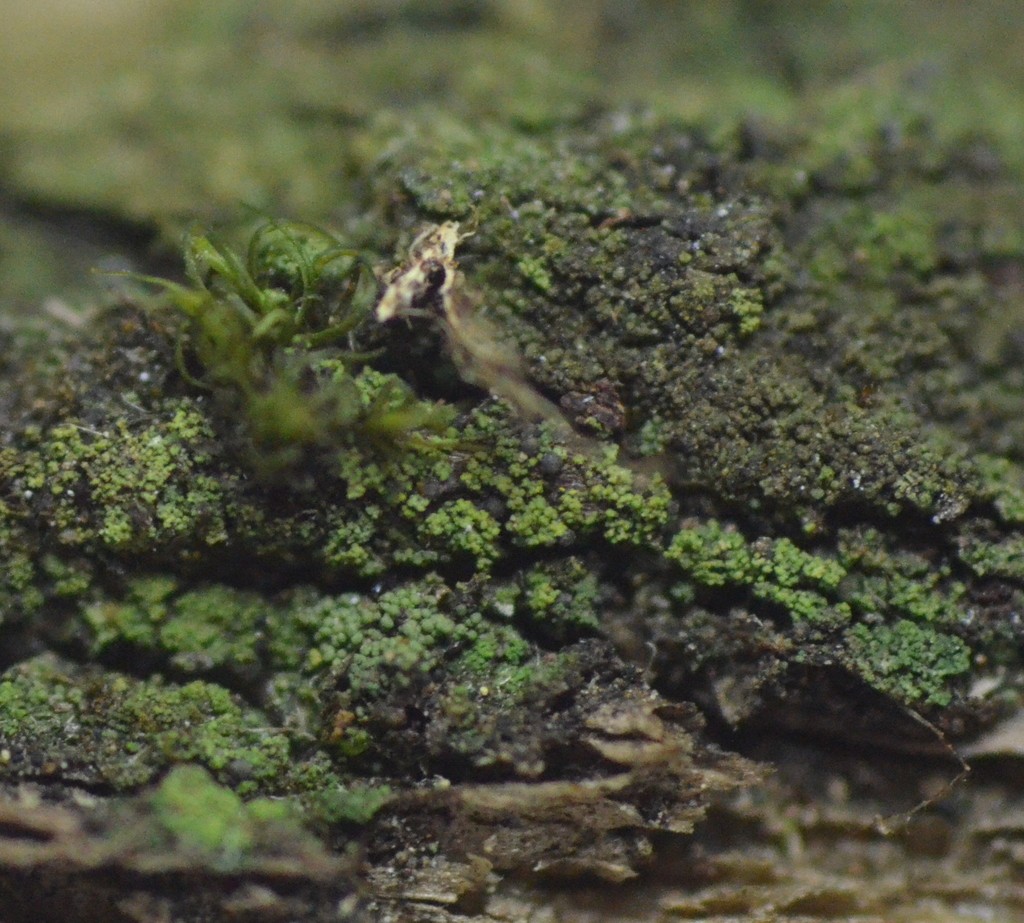
4. Green dot lichen
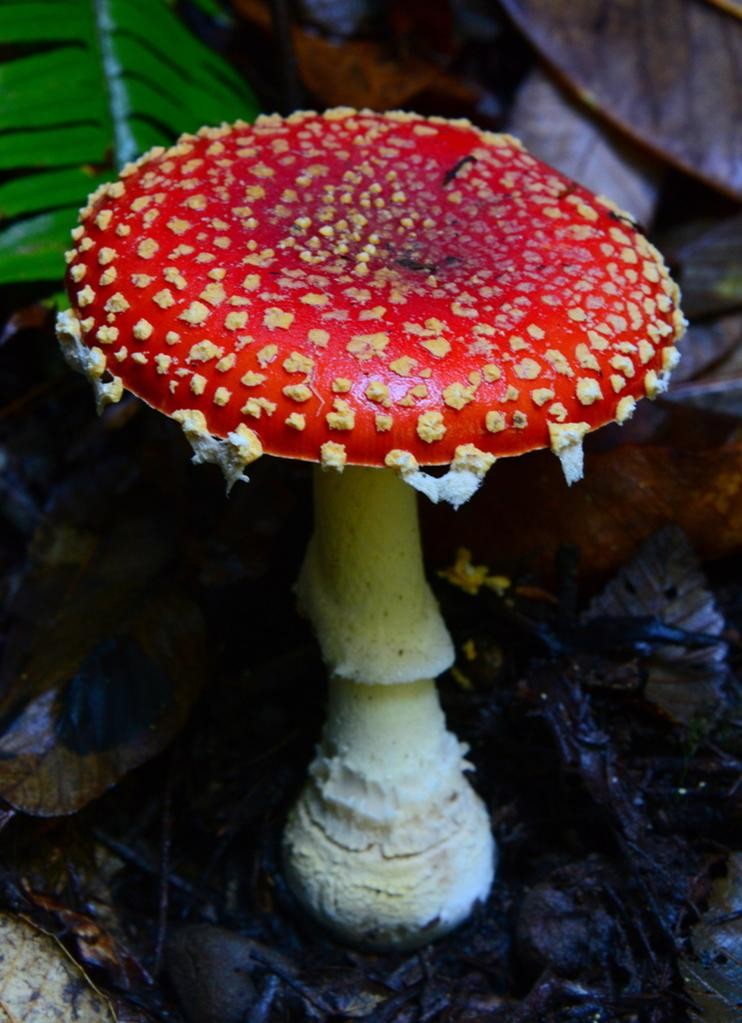
5. Fly agaric
In Northern Asia and Europe, fly agaric grows under trees near the winter solstice and is collected for ritual use tied to the season. Its characteristic shape and coloring are still ubiquitous in many European fairy tale illustrations and Christmas traditions. It is highly toxic.
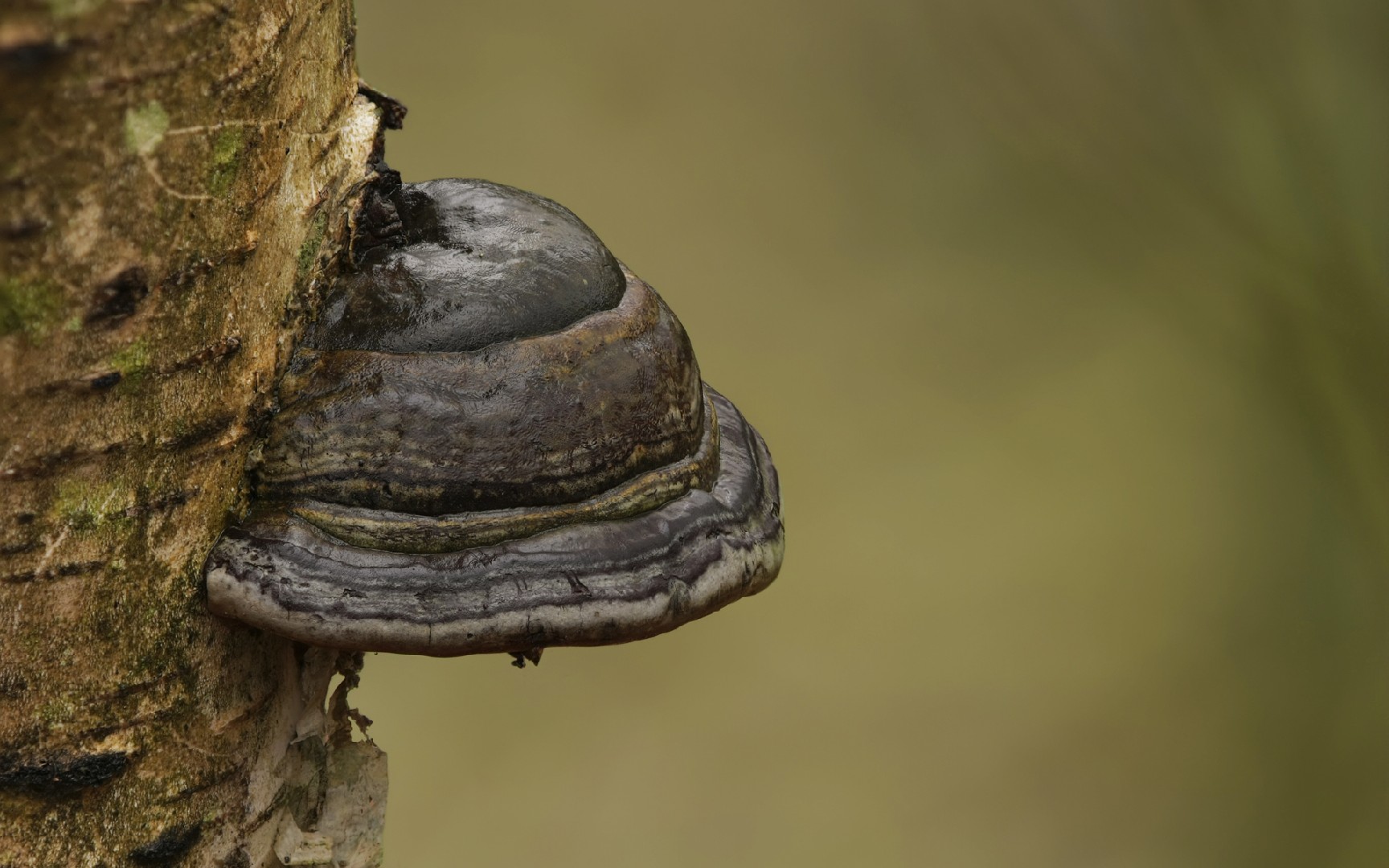
6. Tinder fungus
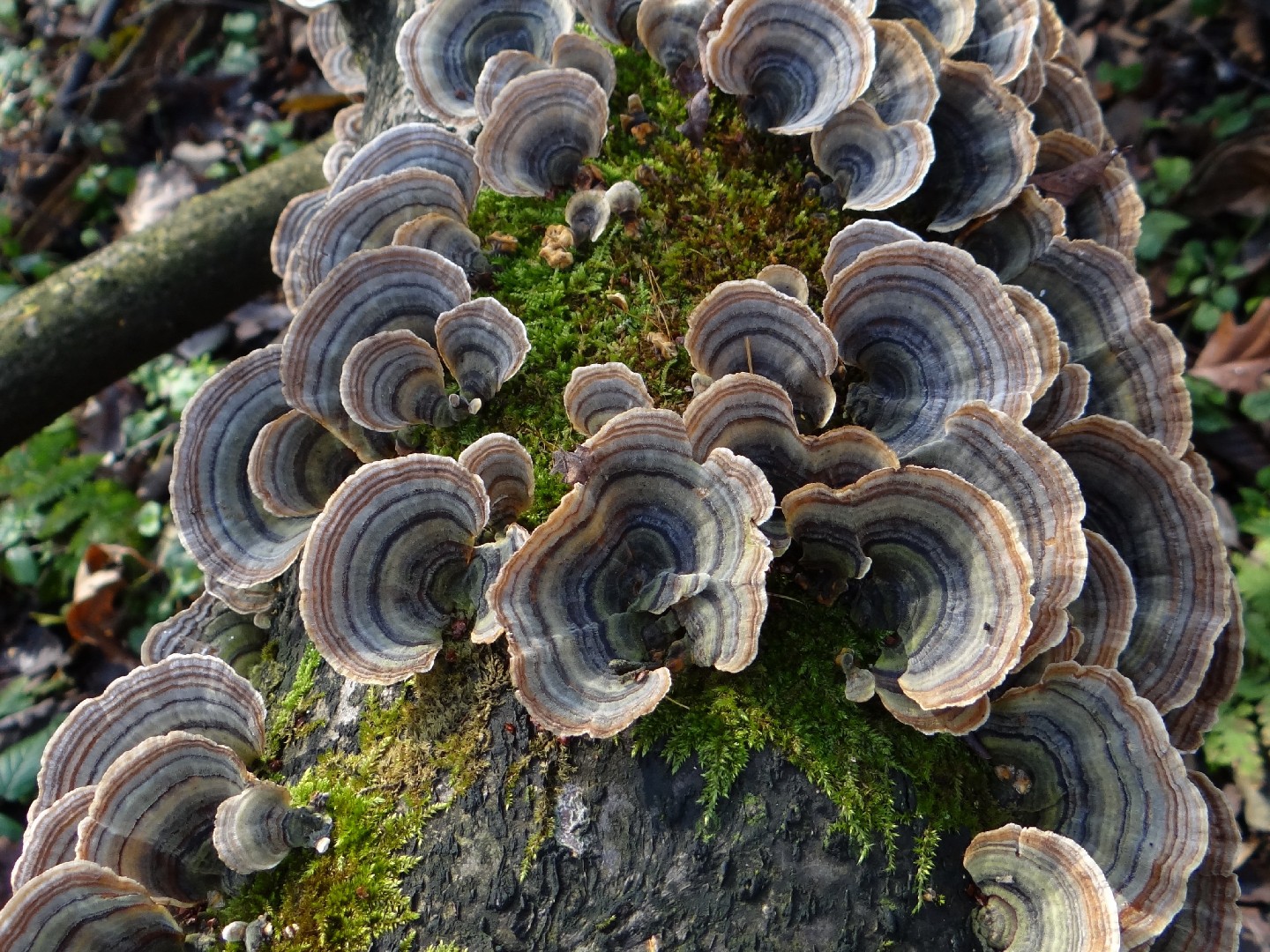
This large, tough shelf fungus can be found attached to birch, beech, and sycamore trees. It gets its common name, tinder fungus, from the fact that it burns quite slowly and can thus be used effectively for lighting fires. Dried pieces can also be a useful desiccant. A piece of this fungus was found in the possession of Otzi the Iceman, indicating that its usefulness has been known for millenia.
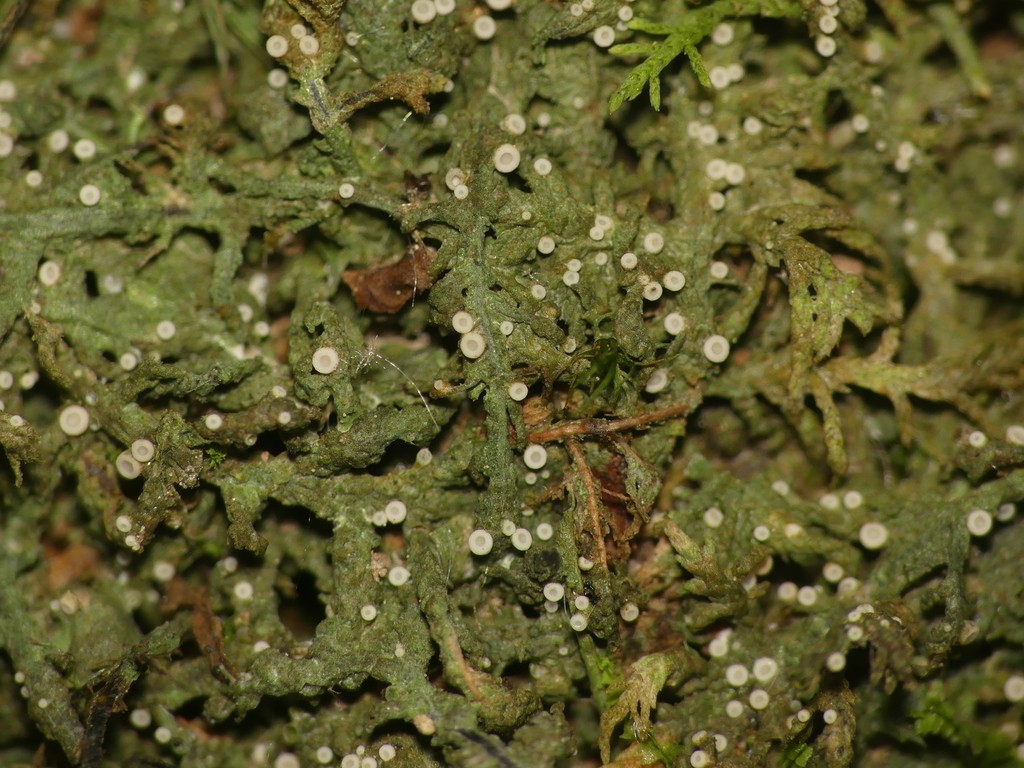
7. Dimerella lichen
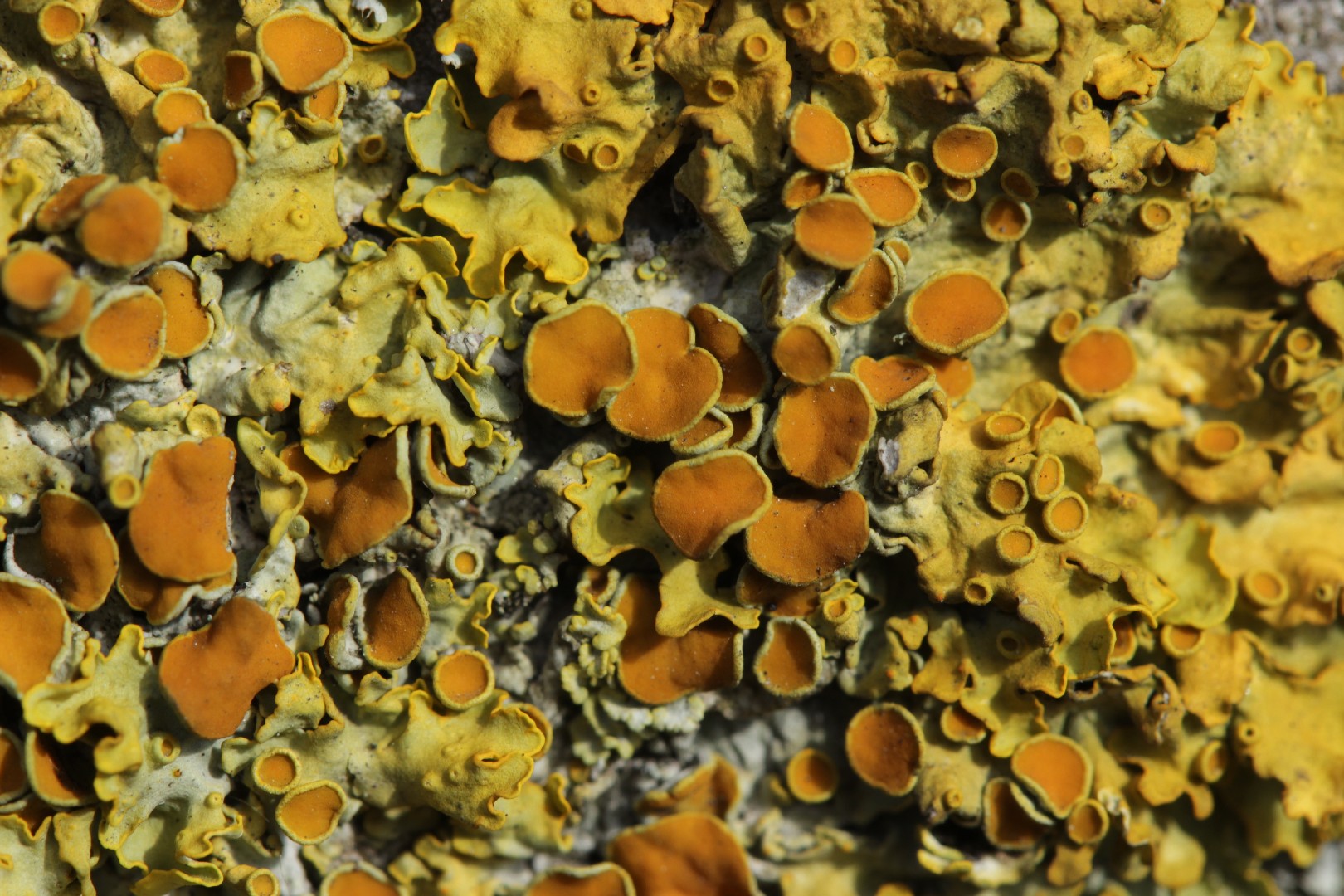
8. Common orange lichen
Common orange lichen was selected in 2006 by the United States Department of Energy as a model for genomic sequencing. Its widespread dispersal and bright yellow-orange color give the lichen its common name. It is primarily found growing on rocks, walls, and tree bark.
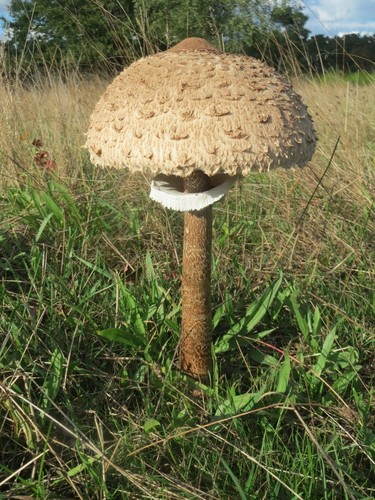
9. Parasol
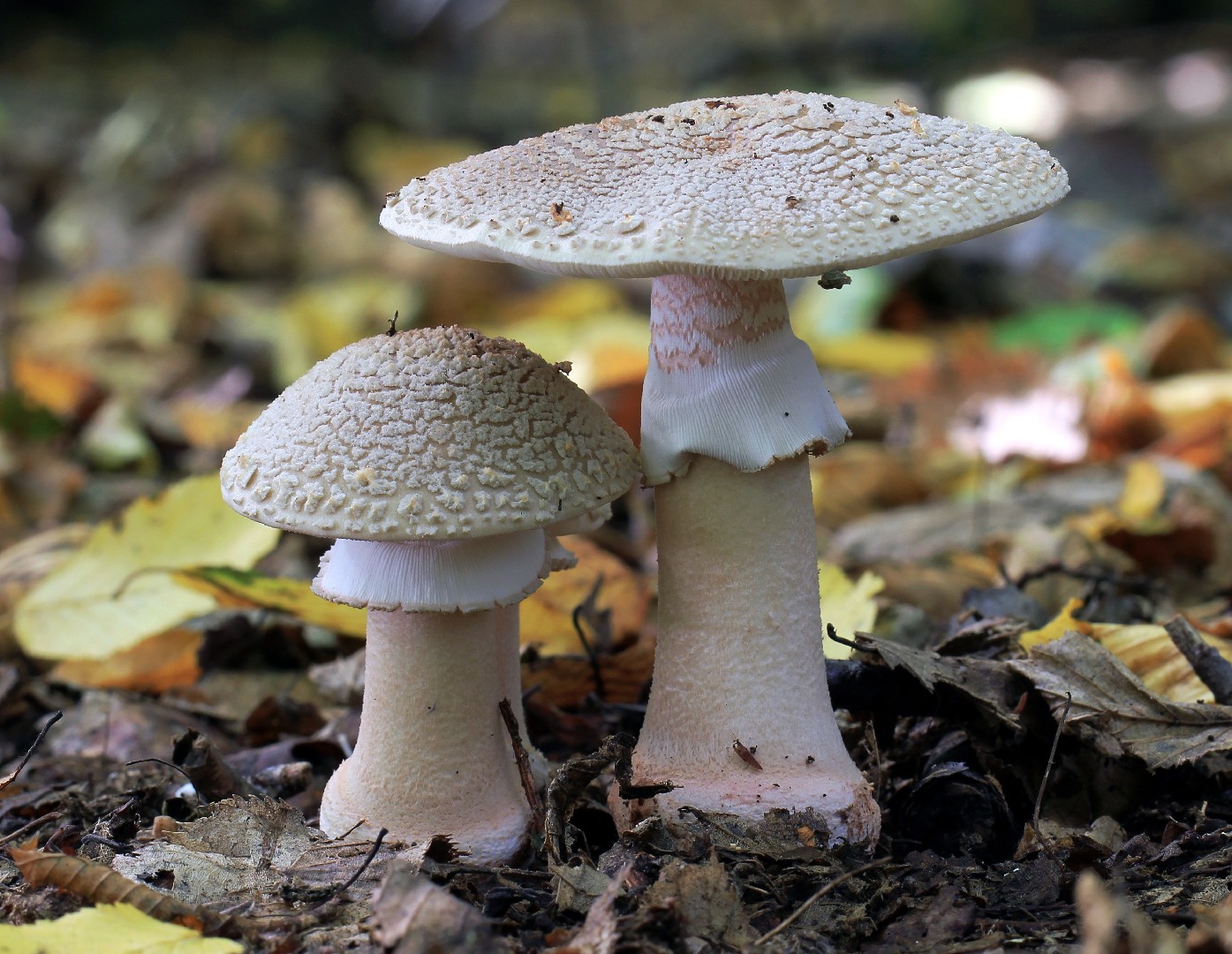
Found in clearings and grassy areas in late summer, the wild parasol mushroom has a snakeskin-patterned stem. The brown spots on its cap make it look a bit shaggy, but that name is reserved for its poisonous counterpart, the Shaggy Parasol (Chlorophyllum rhacodes). You can distinguish the two by the stems: the latter has a smooth stem and red flesh inside.

10. Shaggy mane
The shaggy mane mushroom is commonly found in North American and European grasslands. Some peoples foraged for its young egg-shaped caps, but it has more recently been found to be a bioaccumulator of heavy metals, meaning it pulls toxic metals up from the soil where it grows. As a result, shaggy manes should not be eaten. The mushrooms usually appear in clusters or “fairy rings.”
More







