




Top 20 Most Common Mushrooms in Saint-Die-des-Vosges
Nestled within the heart of nature, Saint-Die-des-Vosges provides a prime habitat for an extensive variety of mushrooms thanks to its verdant forests and ideal microclimate. This region's landscape reflects an intriguing tapestry of diverse mushroom species, underlined by the 20 most common types found here. As you delve into this absorbing guide, be prepared to discover the enchanting world of mycology that thrives in Saint-Die-des-Vosges's woodlands.

Most Common Mushrooms
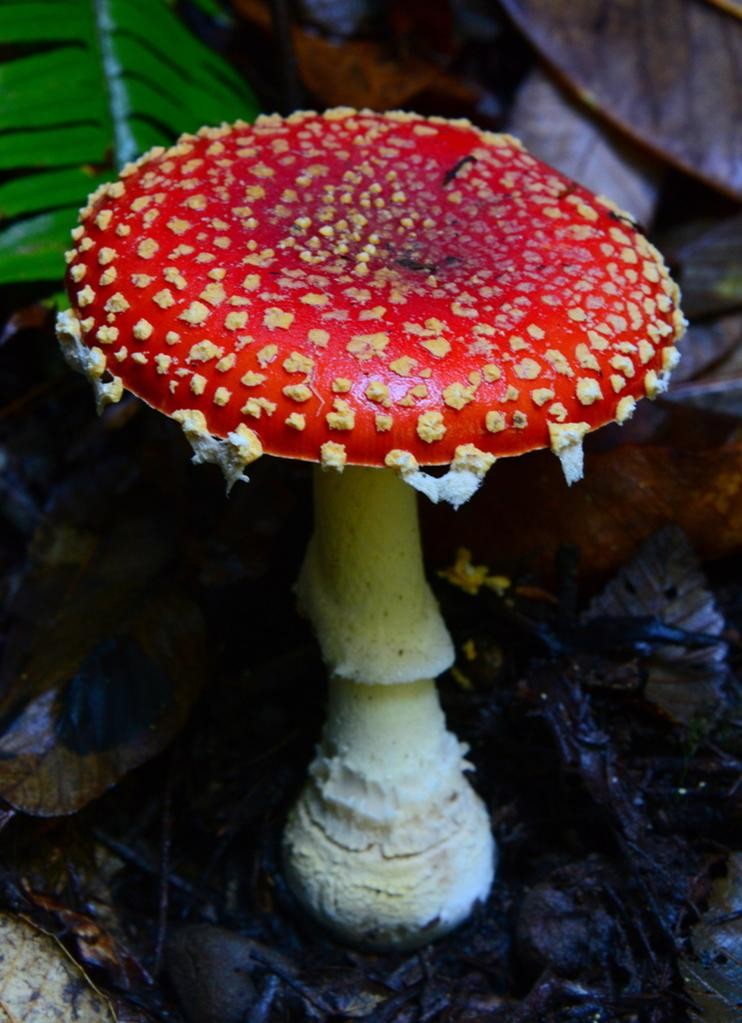
1. Fly agaric
In Northern Asia and Europe, fly agaric grows under trees near the winter solstice and is collected for ritual use tied to the season. Its characteristic shape and coloring are still ubiquitous in many European fairy tale illustrations and Christmas traditions. It is highly toxic.
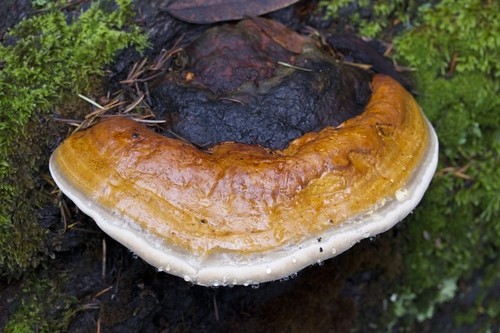
2. Red-belted conk
This bracket or shelf fungus grows for years on both living and dead conifer trees. Its annual growth creates distinctive rings or ridges, with a bright red or orange band separating the old layers from the current growth. Red-belted conk is only a danger to living trees if it colonizes a very deep cut or broken top.
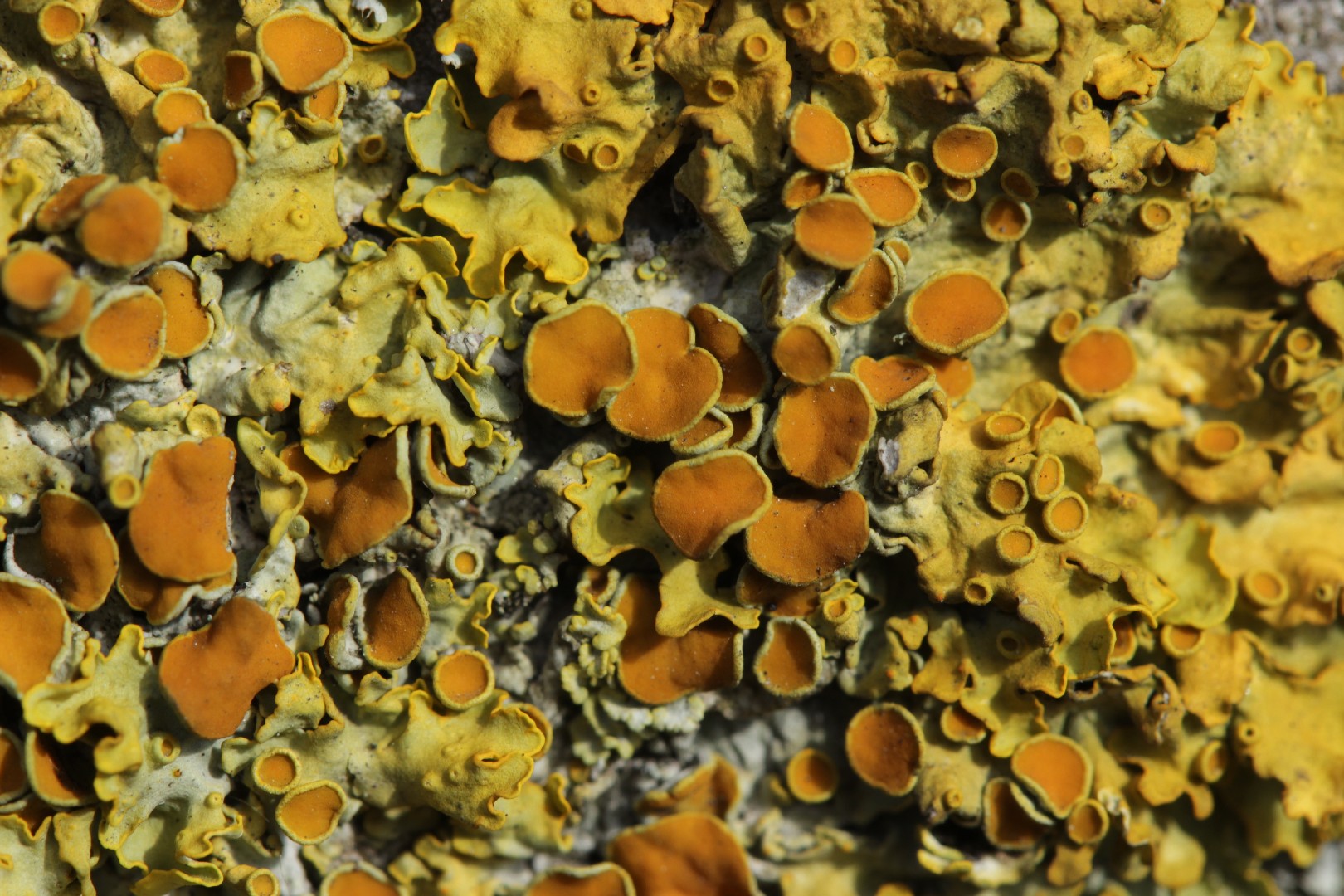
3. Common orange lichen
Common orange lichen was selected in 2006 by the United States Department of Energy as a model for genomic sequencing. Its widespread dispersal and bright yellow-orange color give the lichen its common name. It is primarily found growing on rocks, walls, and tree bark.
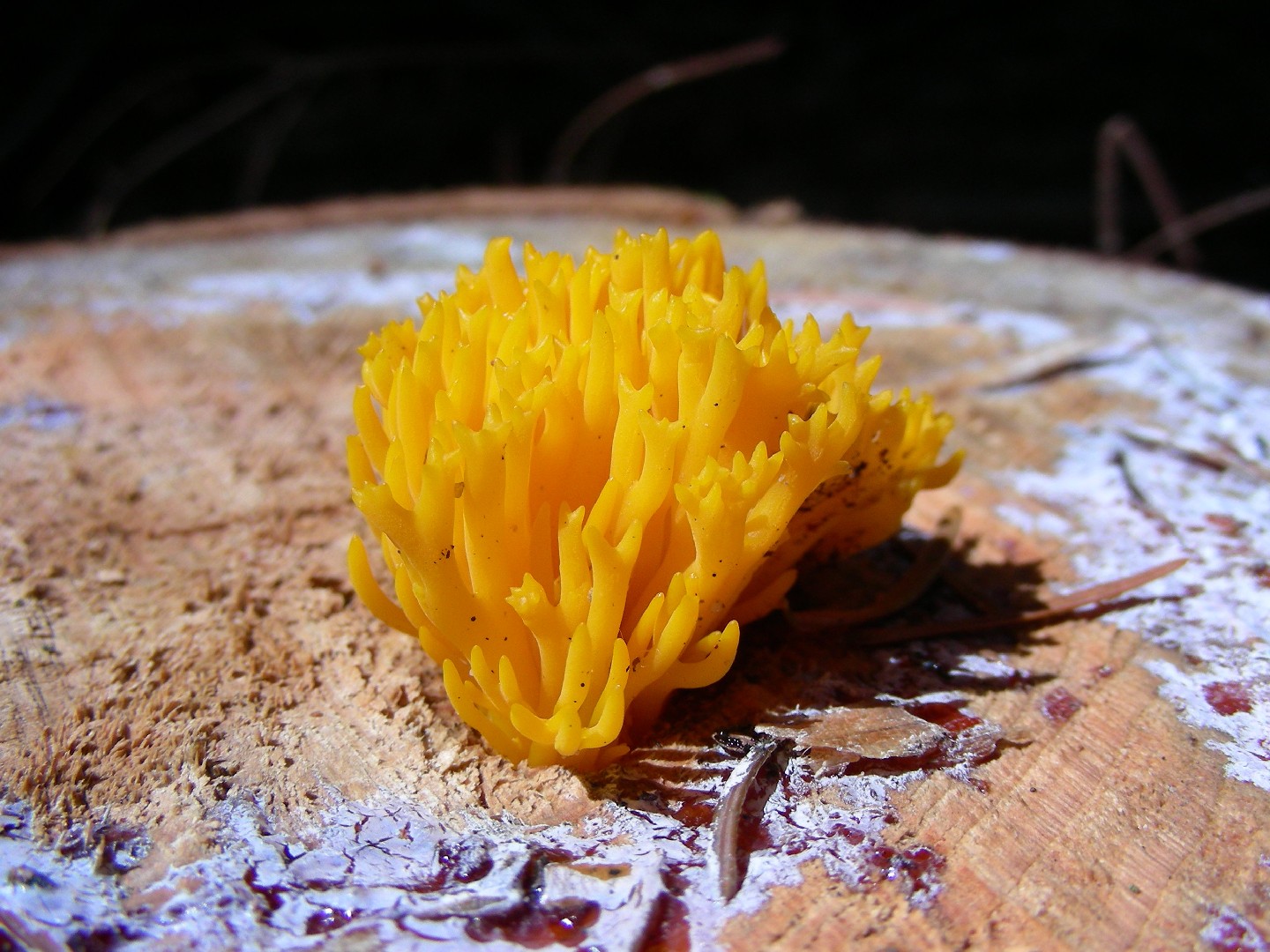
4. Yellow stagshorn
The yellow stagshorn is a brightly colored mushroom, similar to so-called coral mushrooms, but it differs from this group with its greasy texture. It's considered inedible due to its poor taste and gelatinous structure. Besides, it's too small to make a decent meal. It grows in dark parts of the woods.
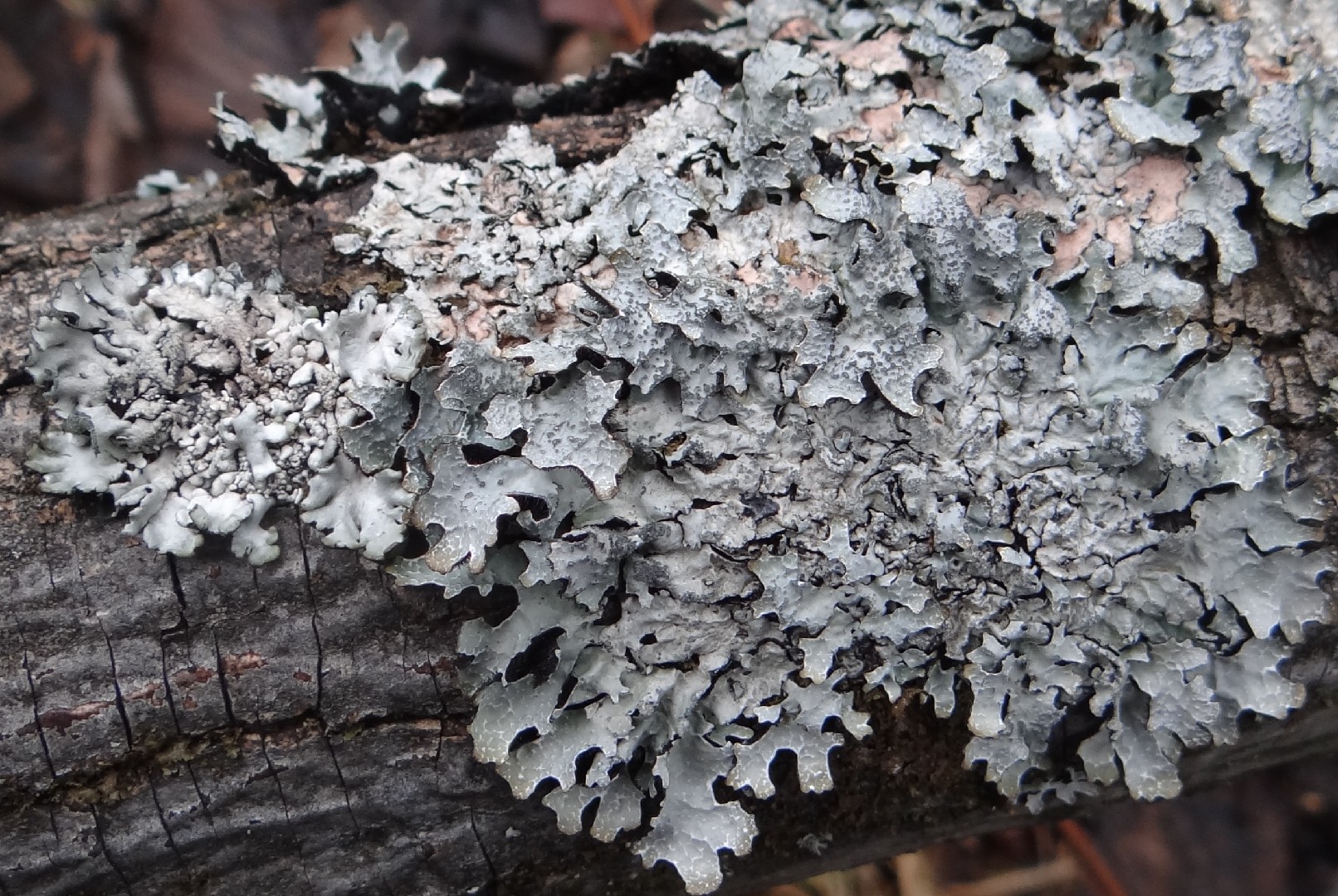
5. Hammered shield lichen
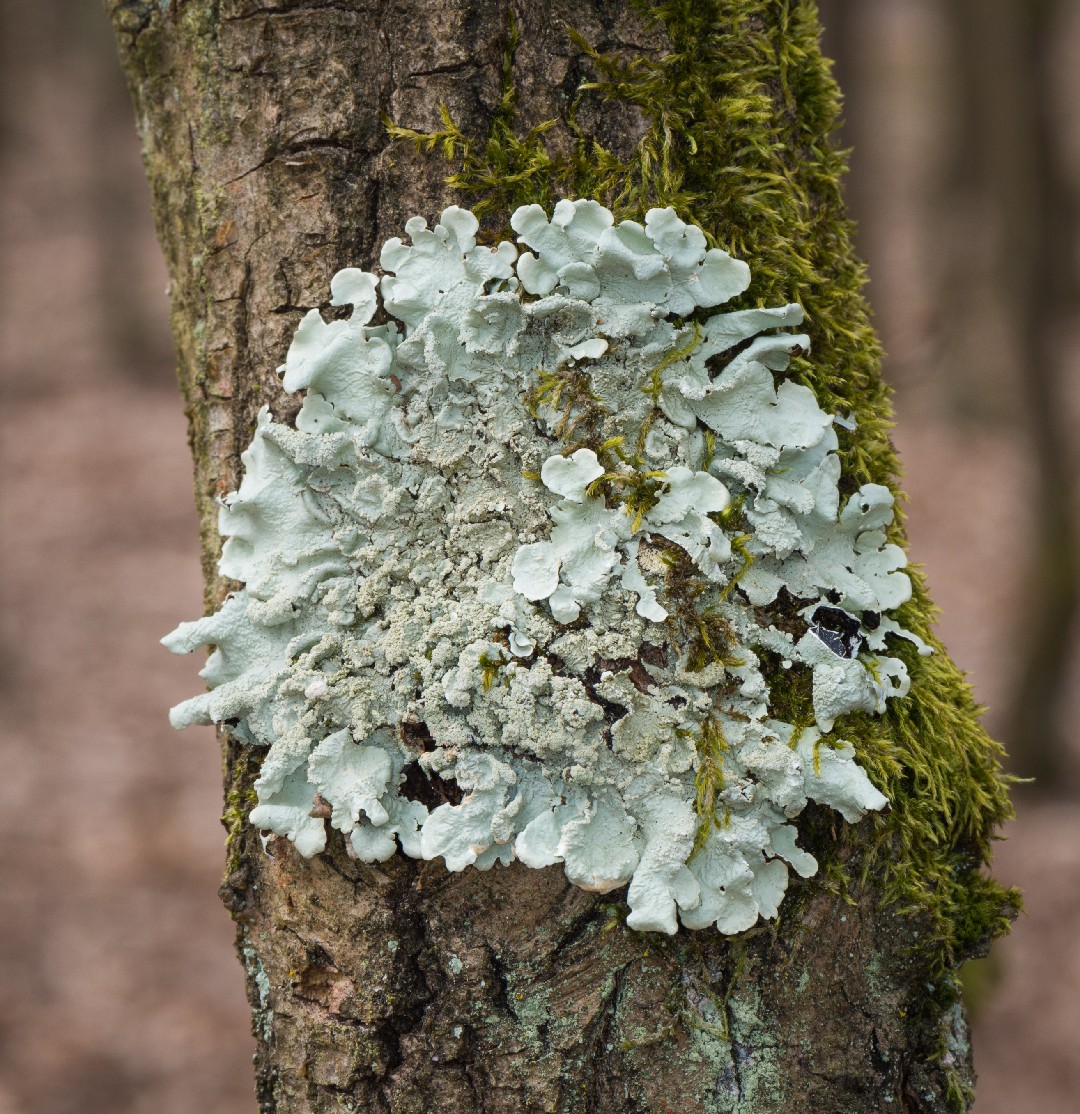
Hammered shield lichen is noted for its pollution tolerance. It is a widespread grey flat lichen that is mostly found upon tree bark and occasionally rocks. Hammered shield lichen is named for the depressions within the lobe which give it a hammered appearance.
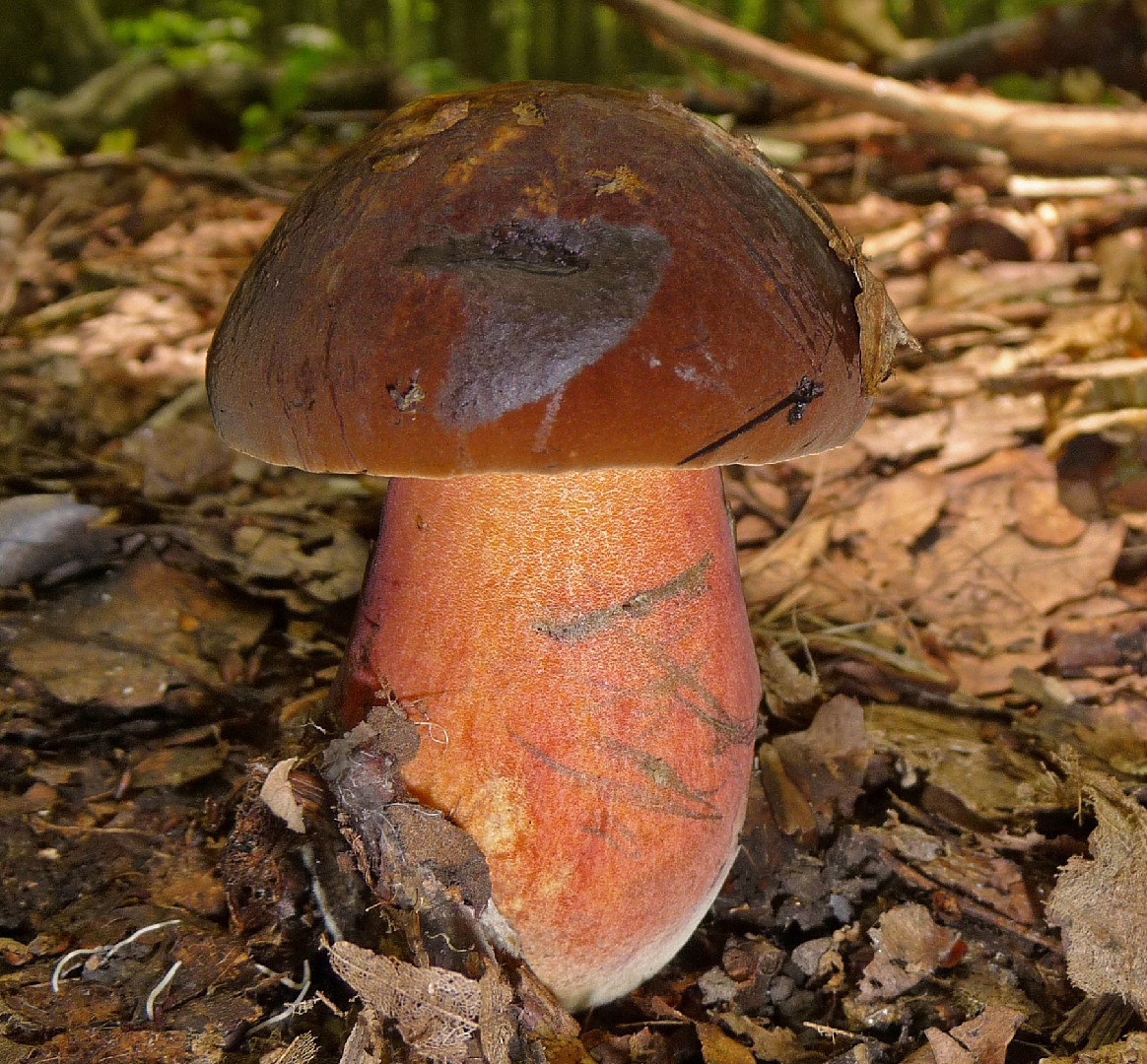
6. Dotted stem bolete
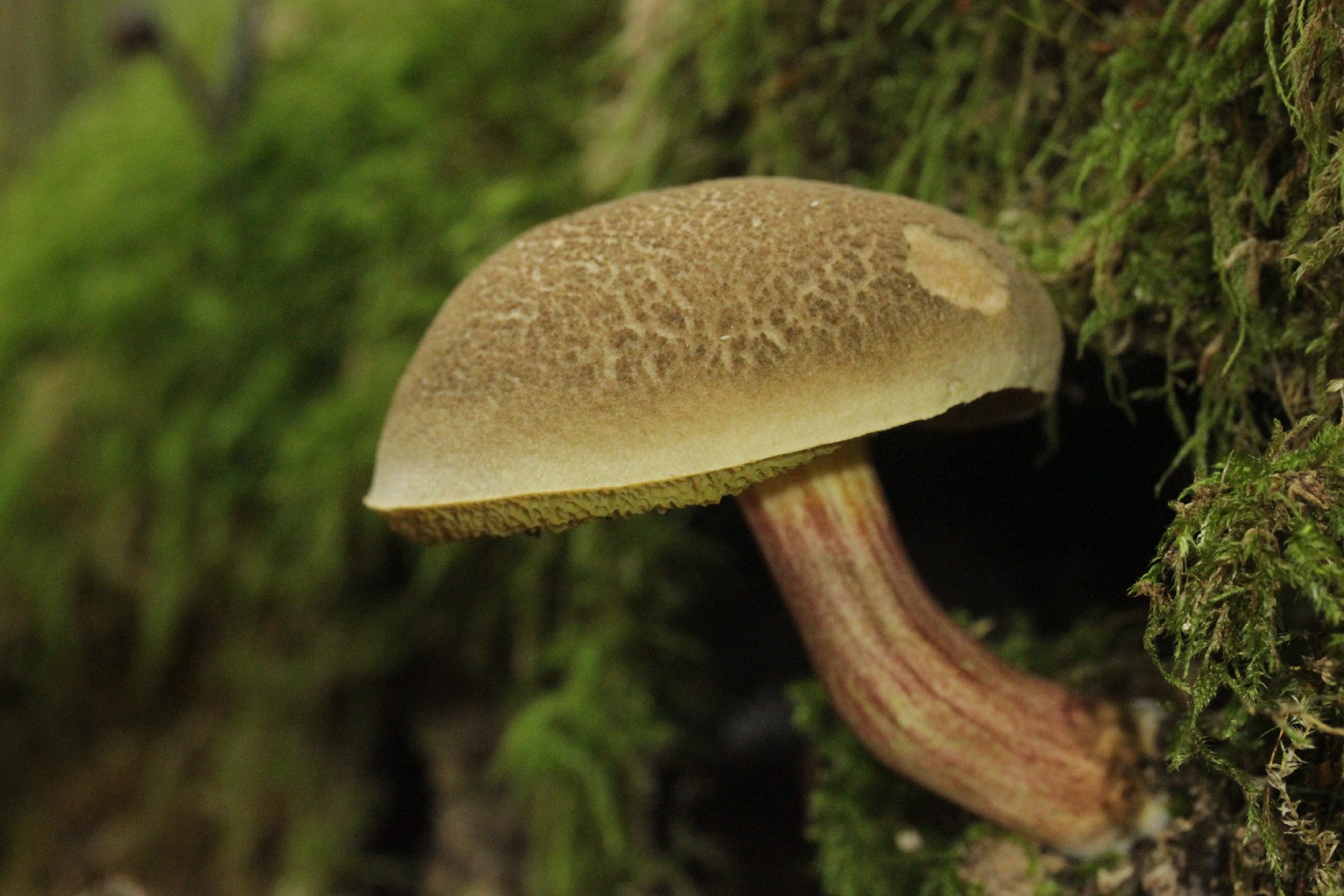
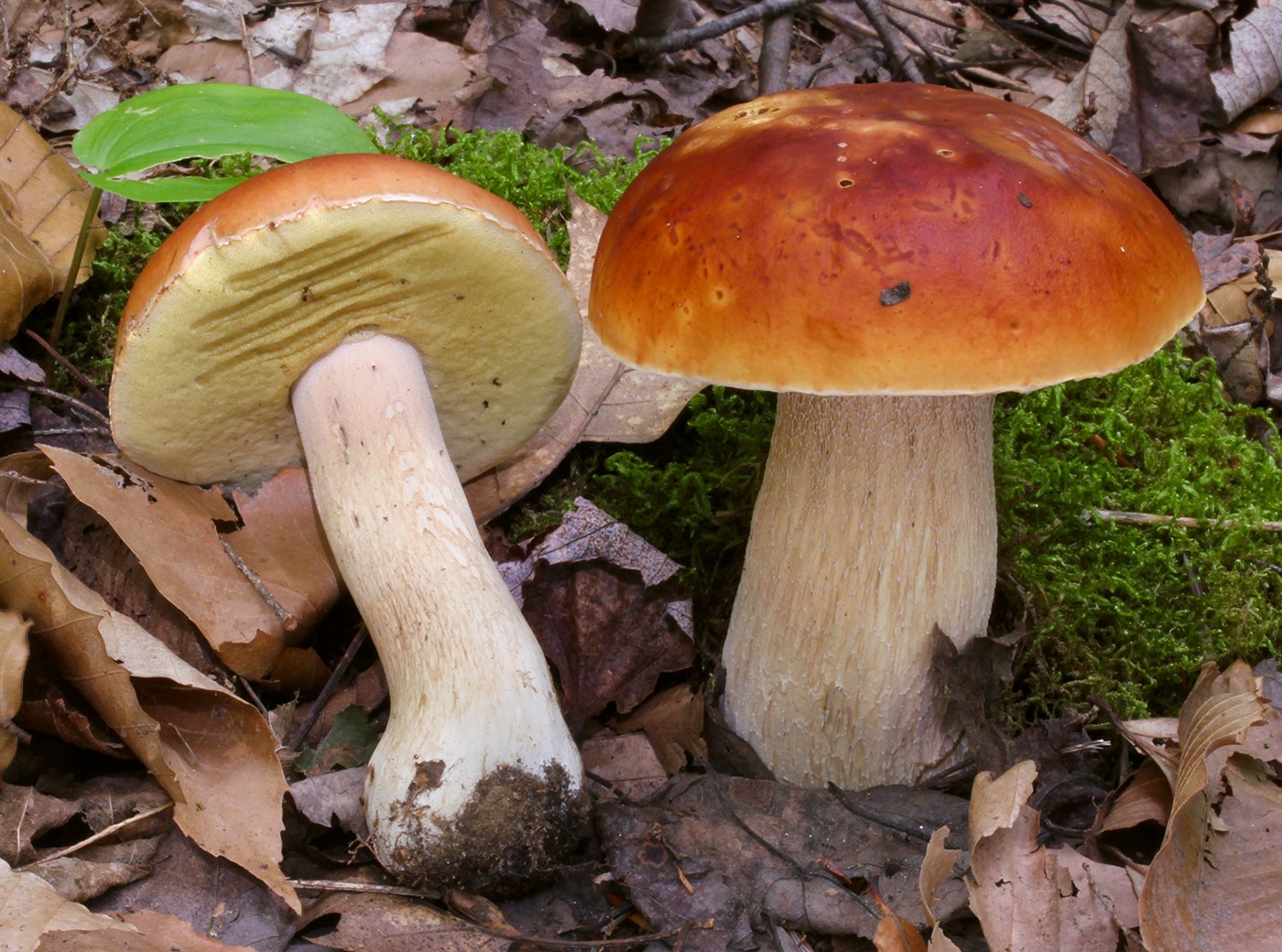
The name of the dotted stem bolete is also an accurate description of this mushroom, which indeed does have a wide and dotted red and yellow stem. This species can be found in both coniferous and deciduous woodlands, often in the same locations as its relative the edible Boletus edulis.
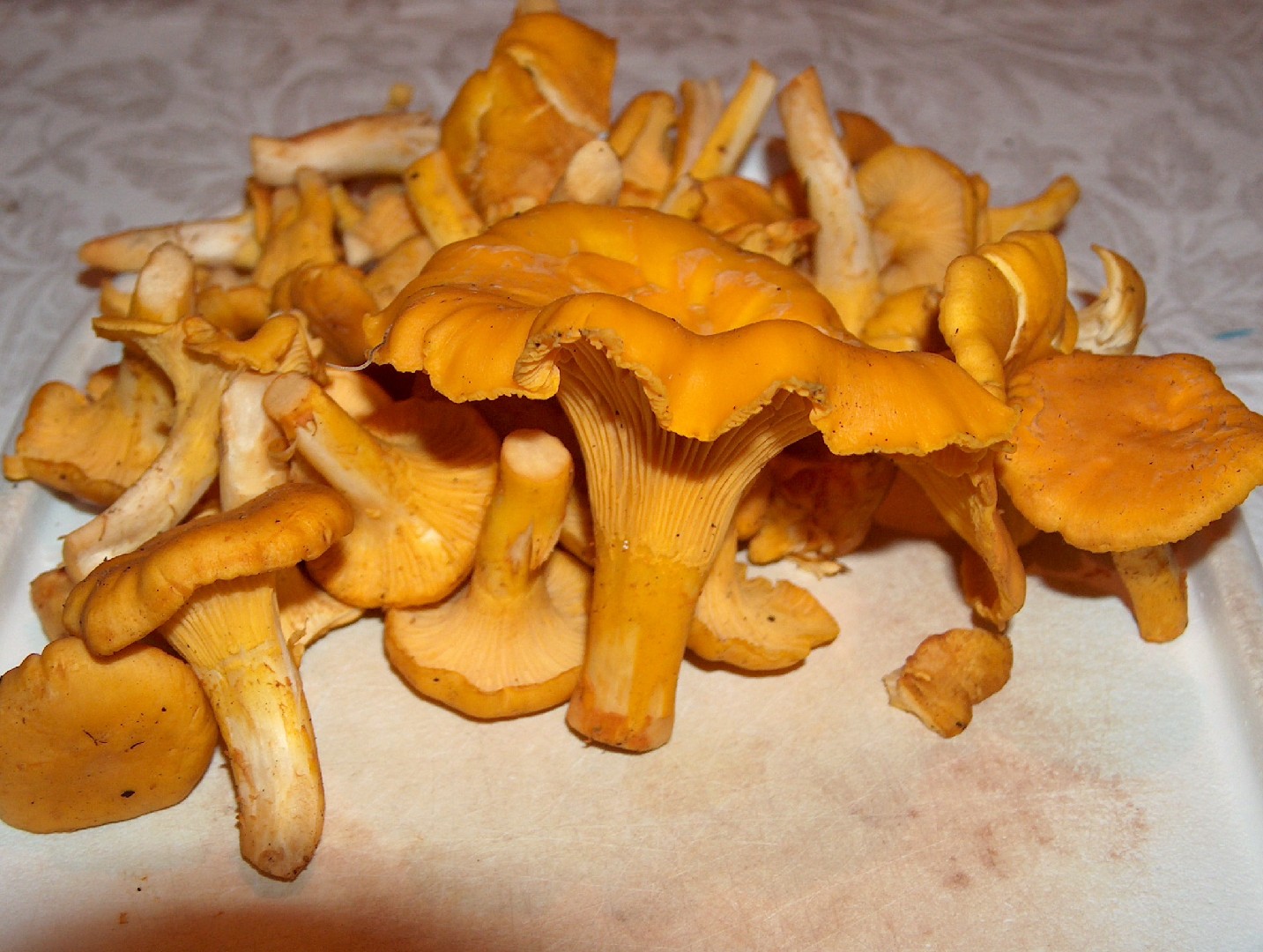
7. Golden chanterelle
Golden chanterelle mushrooms are popular in gourmet cuisine across Europe, where they grow wild during the warm (but not too hot) months. Similar species grow in other countries. Extremely popular with foragers, the golden chanterelle emits an apricot-like scent and contains an array of nutrients that benefit the human body. Several studies suggest consuming extremely large amounts may have detrimental effects on the eyes and muscles.
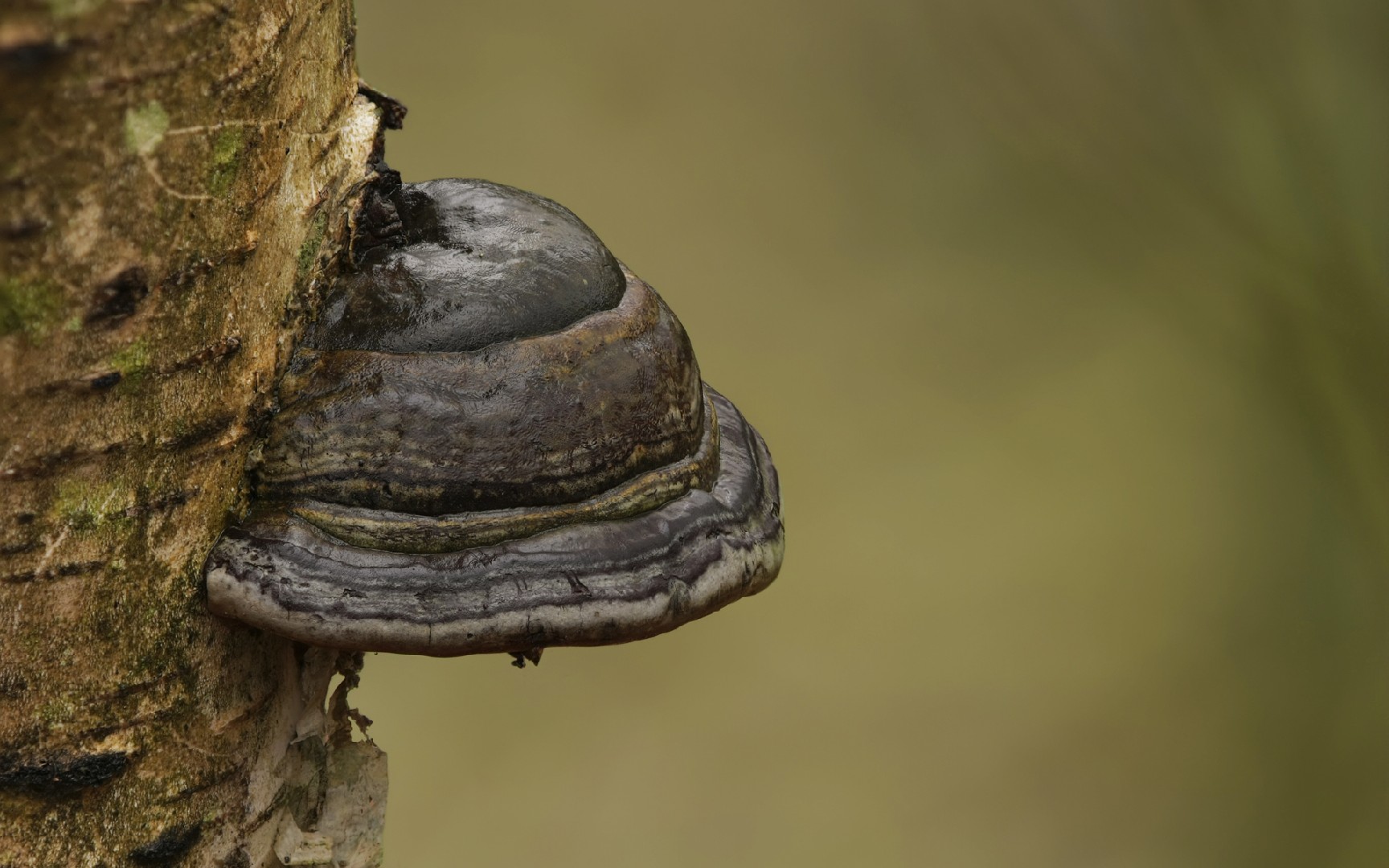
8. Tinder fungus
This large, tough shelf fungus can be found attached to birch, beech, and sycamore trees. It gets its common name, tinder fungus, from the fact that it burns quite slowly and can thus be used effectively for lighting fires. Dried pieces can also be a useful desiccant. A piece of this fungus was found in the possession of Otzi the Iceman, indicating that its usefulness has been known for millenia.
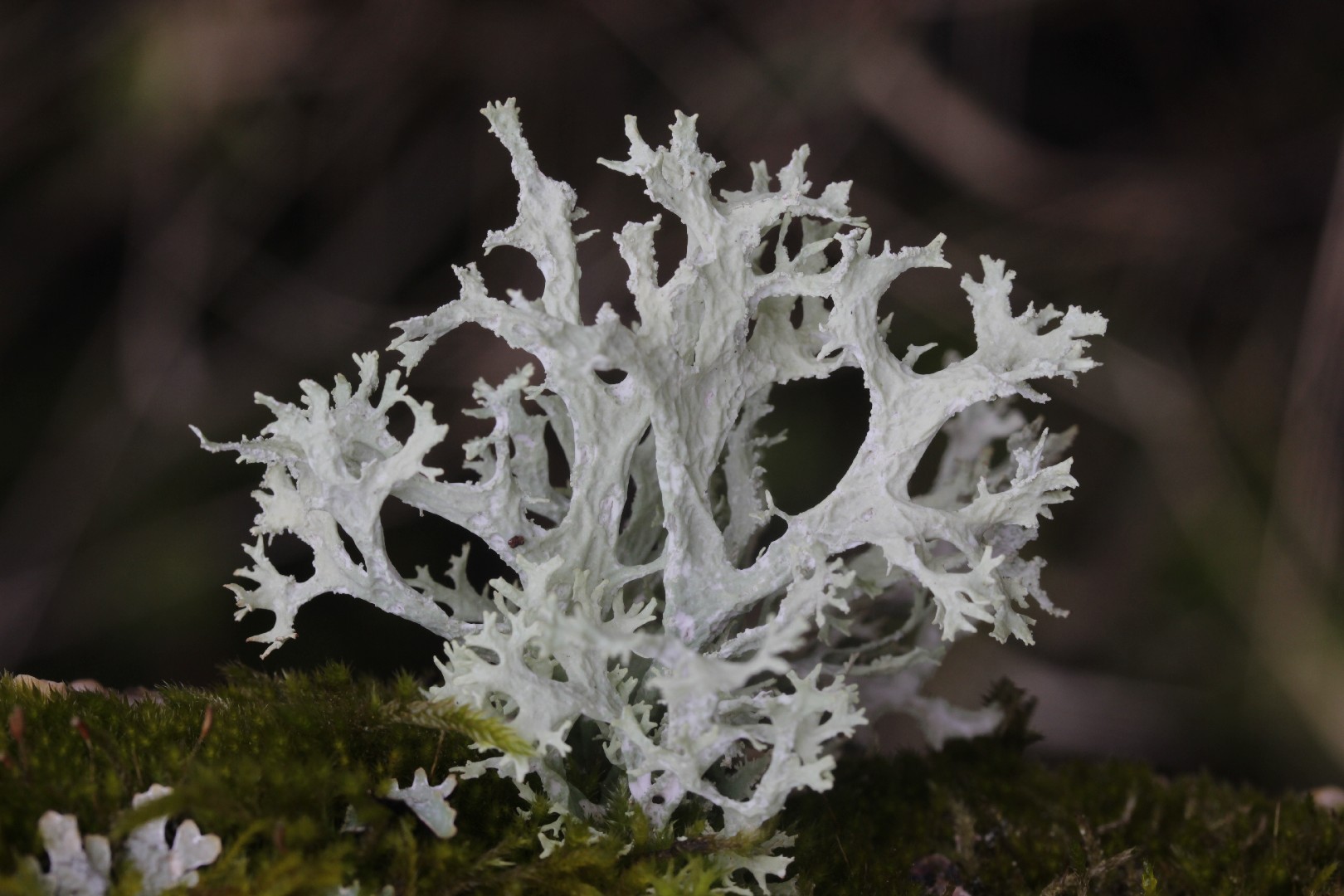
9. Oakmoss
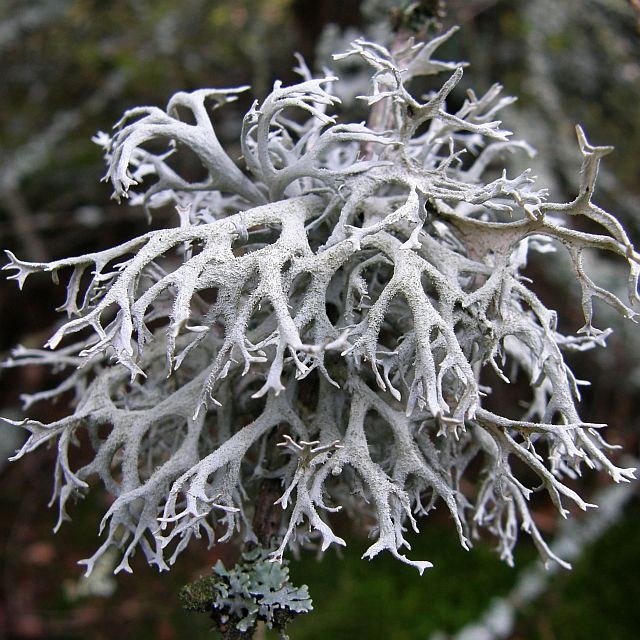
Evernia prunastri grows shrubby on trees. The yellow-green lichen grows up to 10 cm. It consists of up to five millimeters wide shrubby branched bands with a light underside. At the edges of these open dusty (Sorale). Apothecias (with shiny brown disc) are rarely formed.
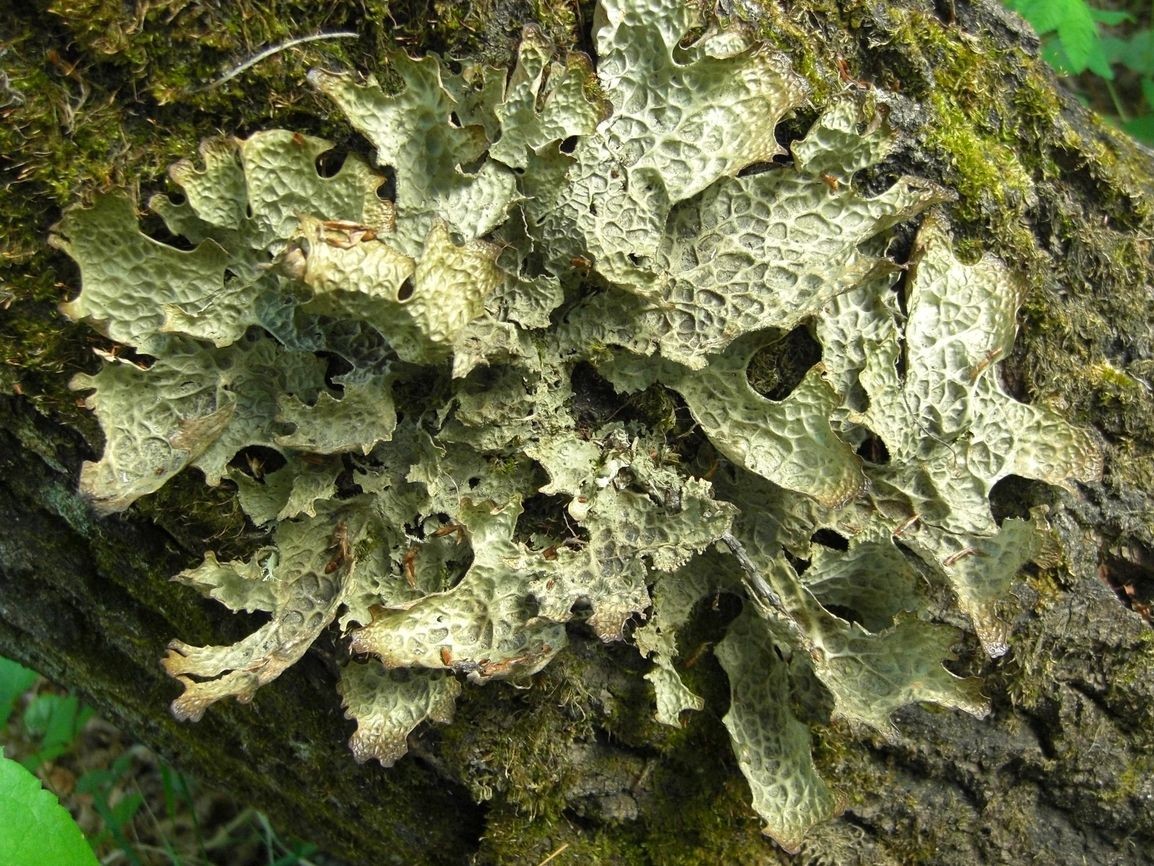
10. Tree lungwort
Tree lungwort is a green lichen that can be found in humid areas of North America, Europe, and Asia. It grows regularly on trees, rocks, and in urban areas rich with moss. It can be used as a dye. Animals may consume tree lungwort or use it as nesting material.


More







