




Top 20 Most Common Mushrooms in Saskatchewan

Most Common Mushrooms

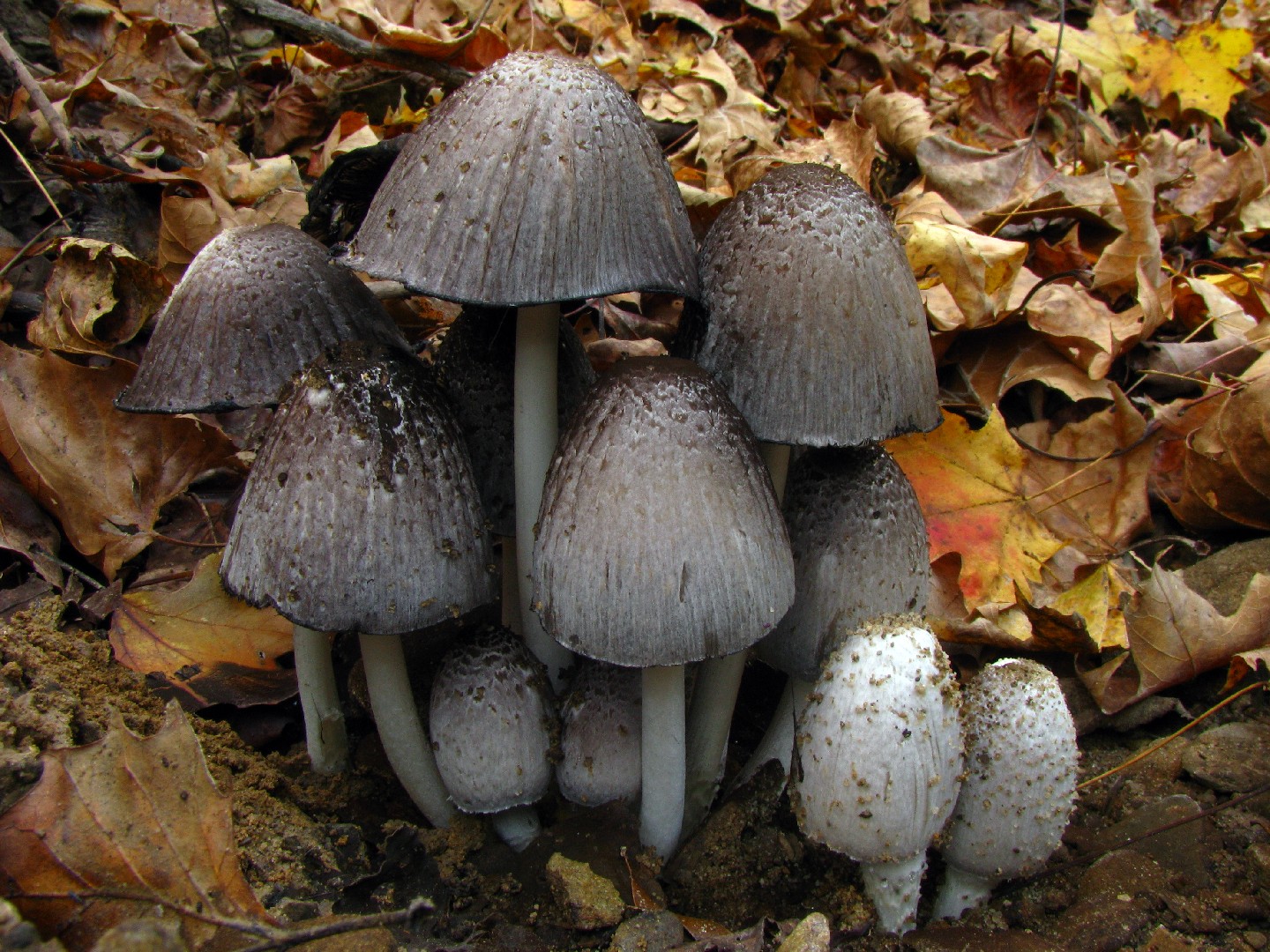
1. Shaggy mane
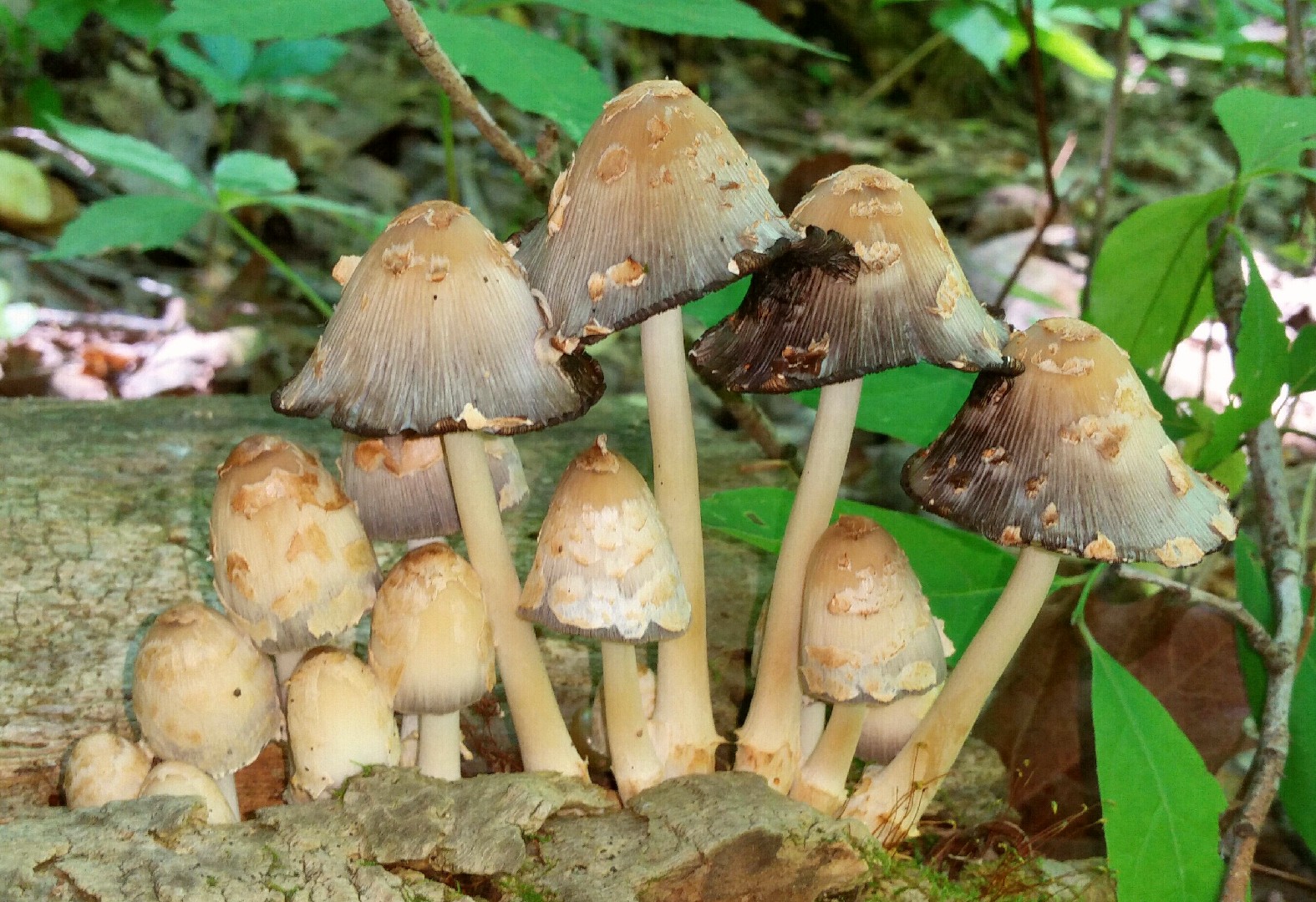
The shaggy mane mushroom is commonly found in North American and European grasslands. Some peoples foraged for its young egg-shaped caps, but it has more recently been found to be a bioaccumulator of heavy metals, meaning it pulls toxic metals up from the soil where it grows. As a result, shaggy manes should not be eaten. The mushrooms usually appear in clusters or “fairy rings.”
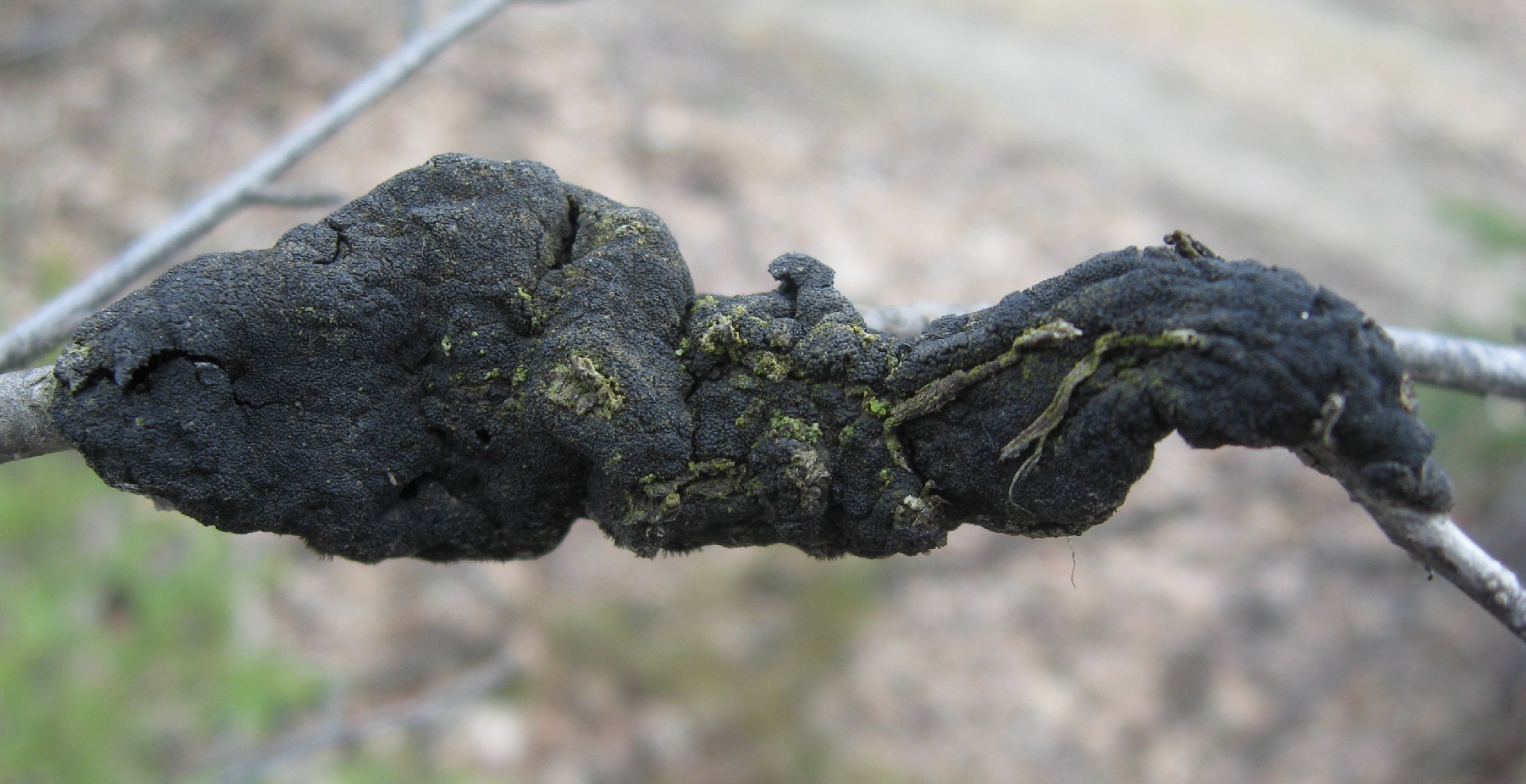
2. Black knot
The appearance of black knot (Apiosporina morbosa) is commonly found on various fruit-bearing trees and looks more like abnormally growing bark than it does a fungus. In youth, this bulbous growth is a lighter green but rapidly turns to dark brown and black. Black knot can kill trees and is not easily controllable using fungicides.
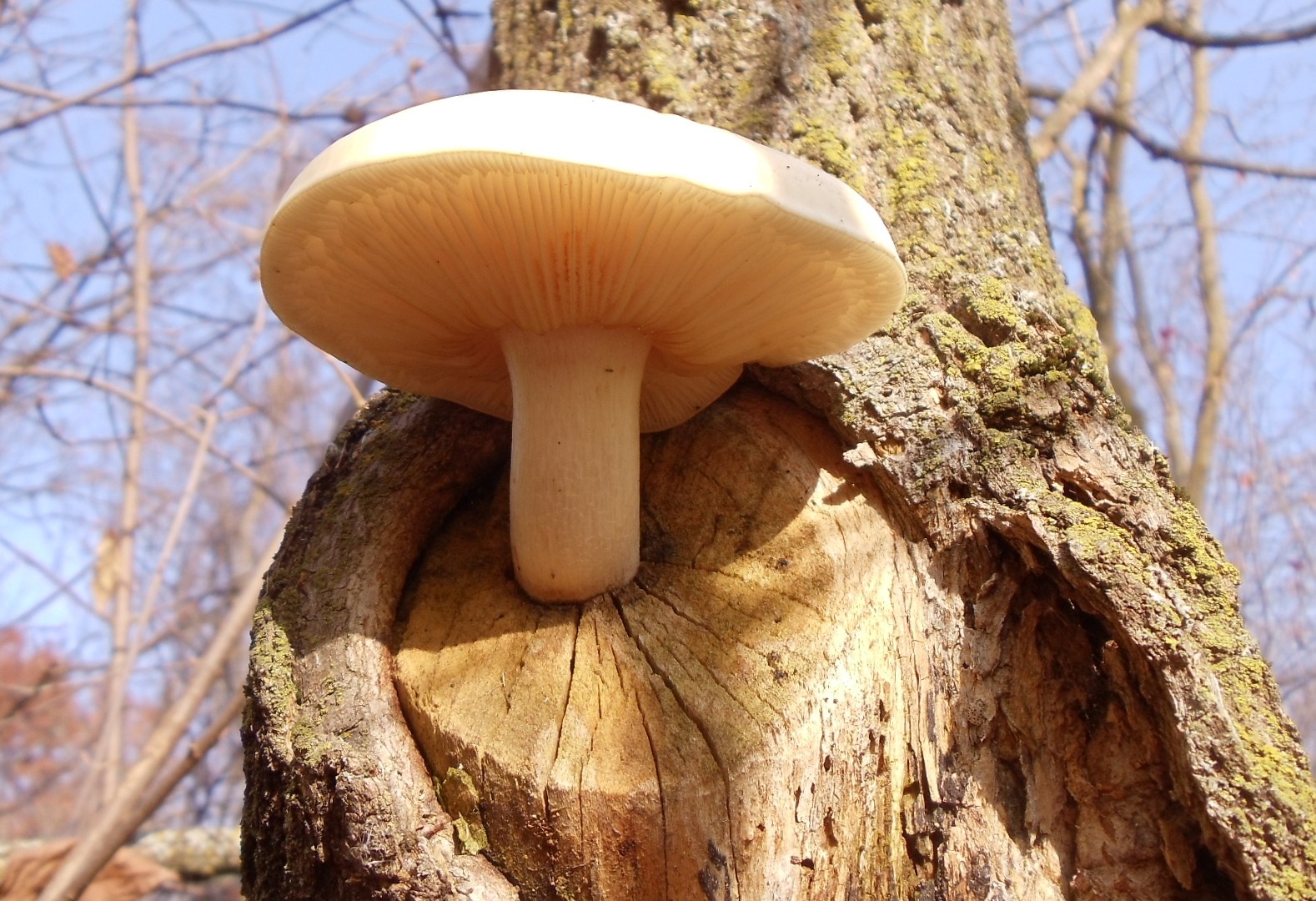
3. Elm oyster
As its common name suggests, the elm oyster(Hypsizygus ulmarius) is most commonly found fruiting on elm trees. Its scientific name references its tendency to position itself in the higher points of any individual tree. The fruit bodies may grow alone or in small clusters of two or three, and rarely more.
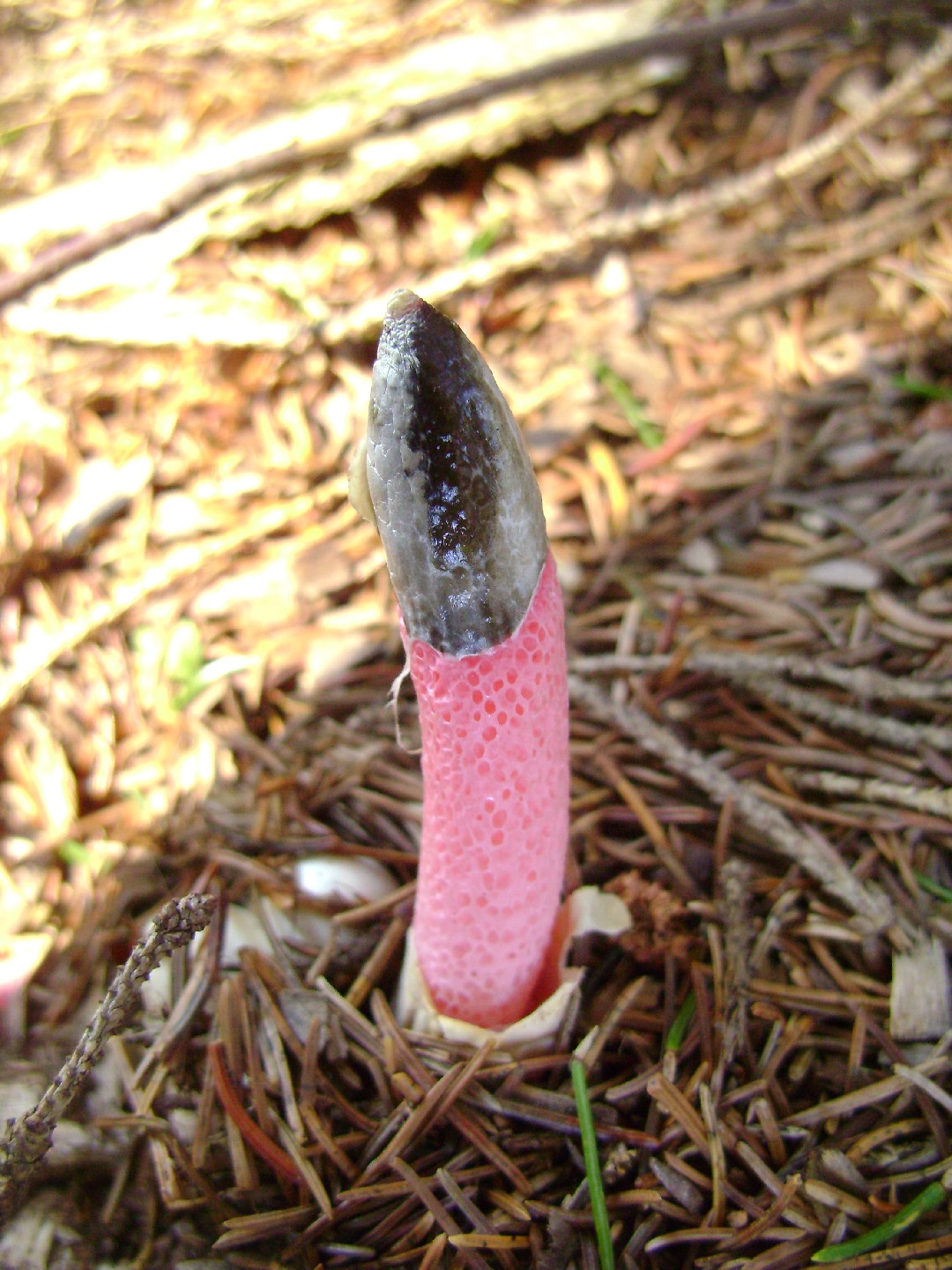
4. Ravenel's red stinkhorn
Ravenel's red stinkhorn can be found in conifer forests and in common grasslands like flowerbeds. Ravenel's red stinkhorn is named after mycologist Henry William Ravenel. It has a red hue and has an odor due to its slimy and smelly spores.
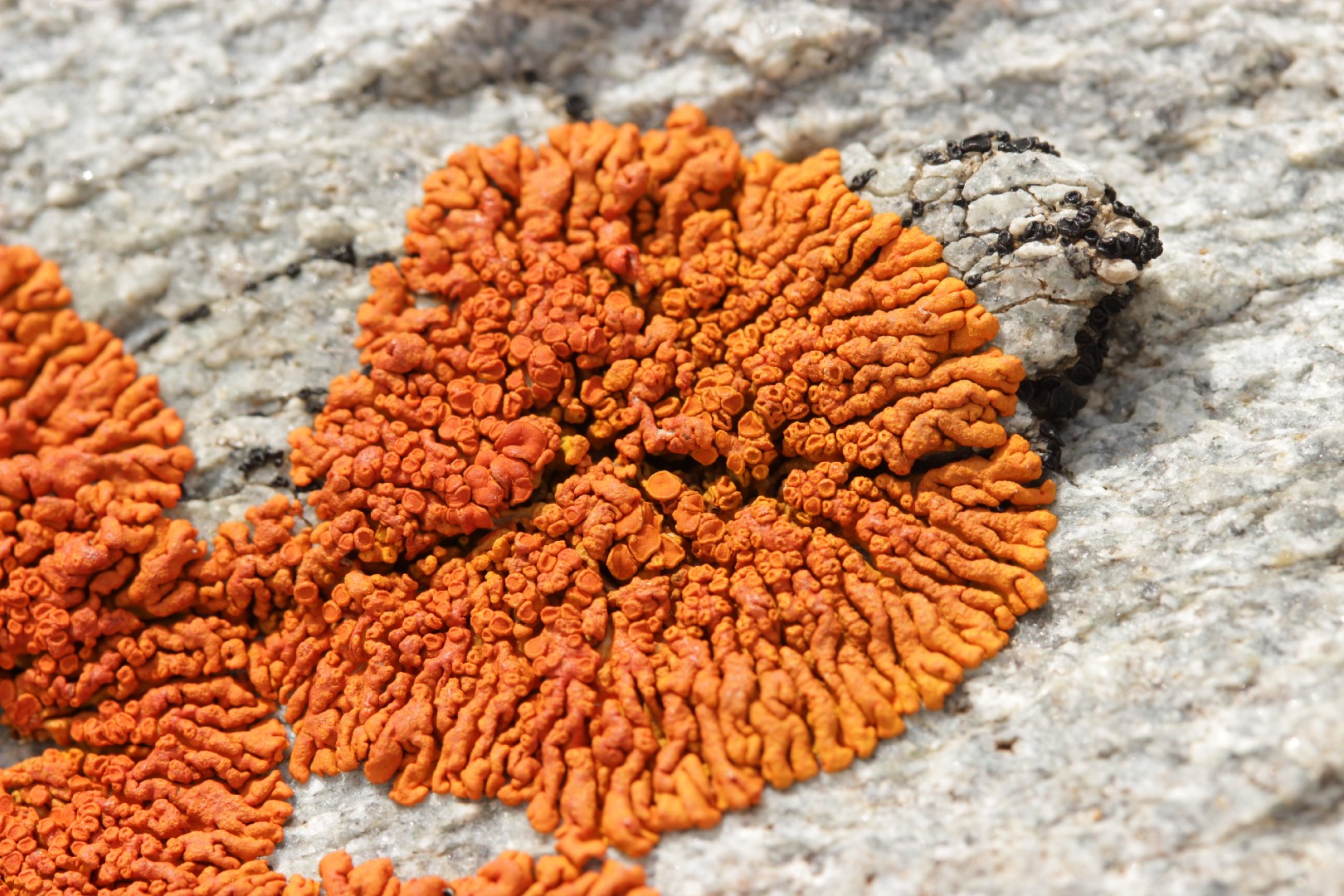
5. Elegant sunburst lichen
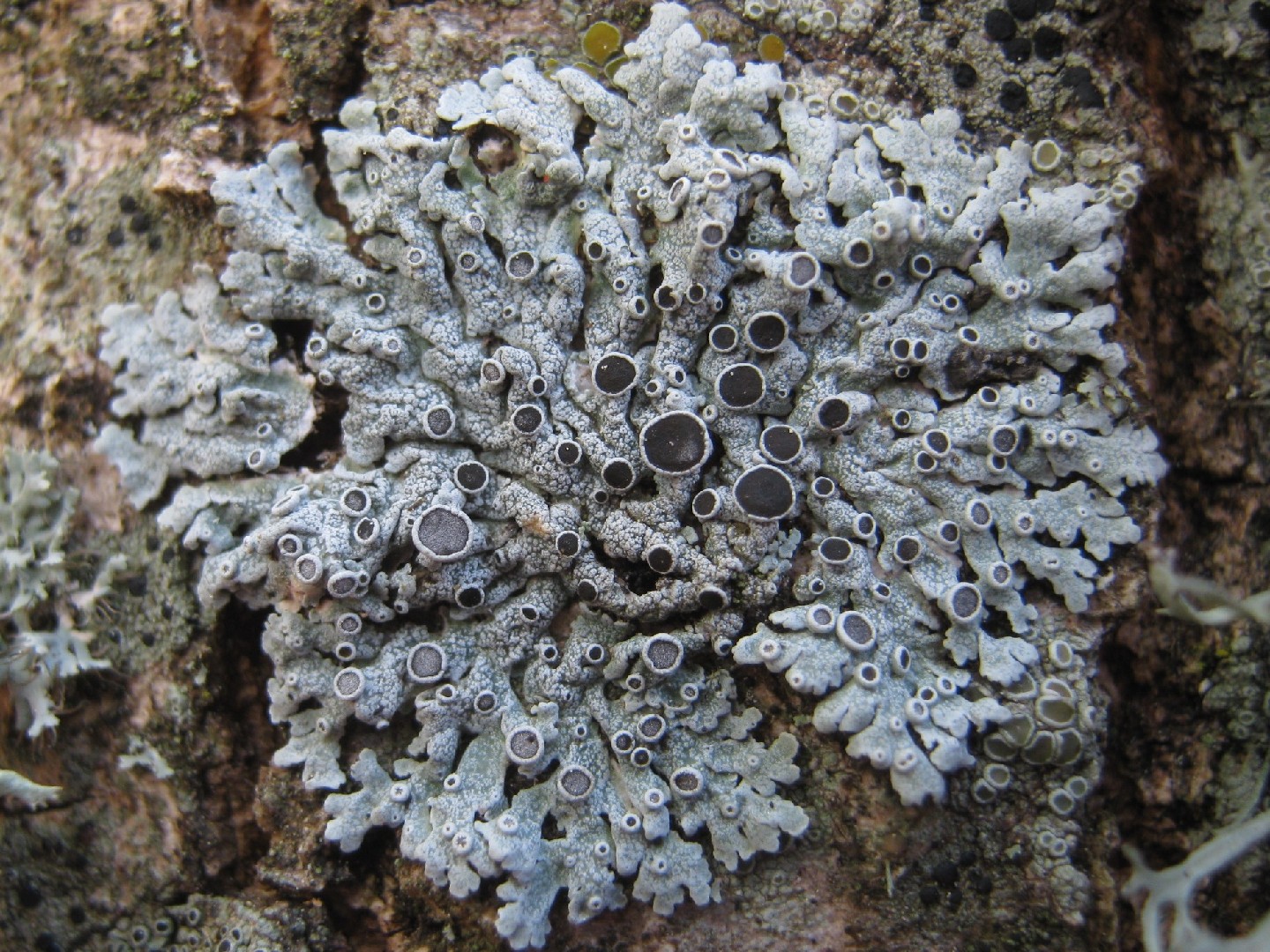
The thallus of this lichen is described as foliose, having the aspect of leaves, although the central portions of the thallus may appear nearly crustose. It is small, typically less than 5 cm (2 in) wide, with lobes less than 2 mm (0.08 in) broad, appressed to loosely appressed. The upper surface is some shade of orange while the lower surface is white, corticate, with short, sparse hapters (an attachment structure produced by some lichens). The vegetative propagules called soredia and isidia are absent, although apothecia are common. It has been described as possessing swollen, orange-yellow thalli (in streams), compact orange thalli (on boulders) or dark orange-red thalli on the driest rock faces. The variety X. elegans var. granulifera, characterized by having isidia-like vegetative propagules, has been reported from Greenland and Spitsbergen. 
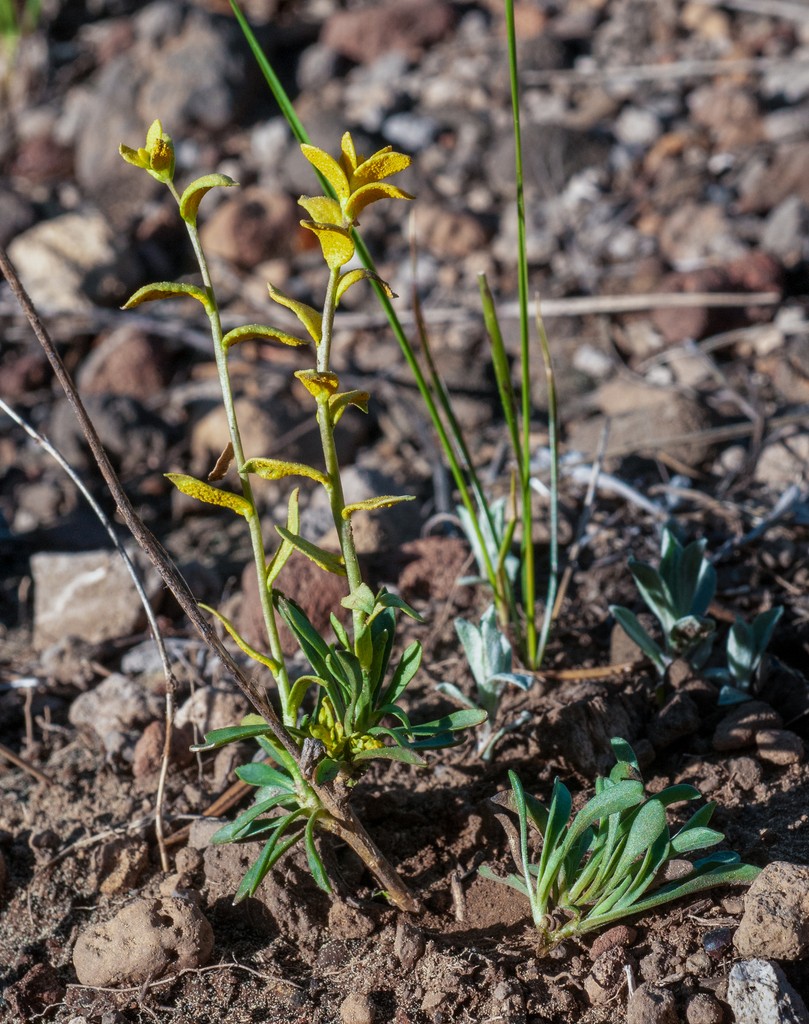
6. Mustard flower rust
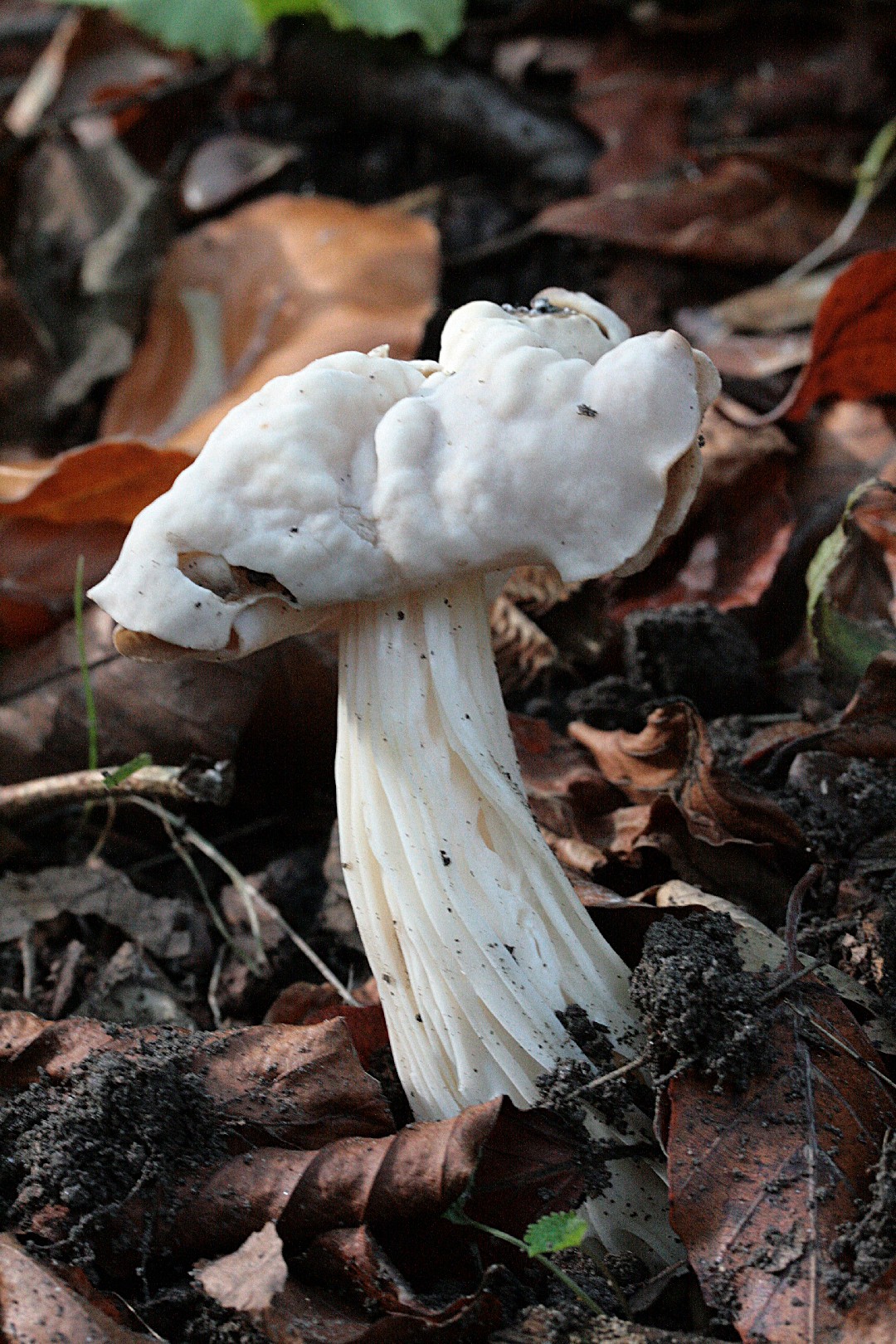
7. White saddle
The white saddle (Helvella crispa) is a highly distinctive species that can be found growing in the temperate woodlands of Europe and eastern North America. Sporting a fluted stalk that vaguely resembles a buttressed cedar trunk, as well as an irregular cap that may be brain-like or lumpy inn appearance, it'd be hard to mistake the white saddle for another species. Given conflicting reports about its edibility, it's better to visually admire - rather than eat - this strange mushroom.
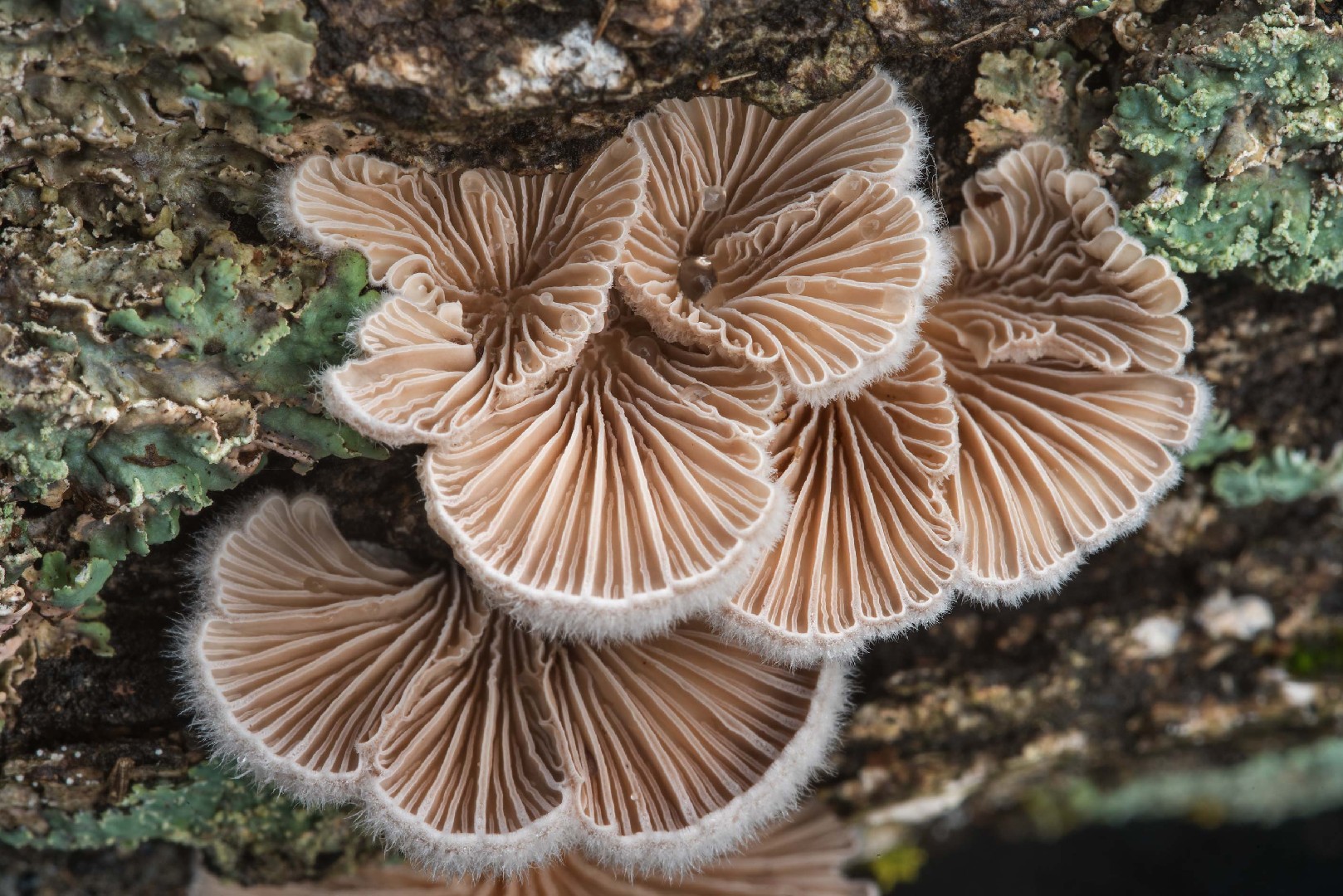
8. Split gill
Split gill(Schizophyllum commune) can be found across the globe. Uniquely, it is the only mushroom species known to display the capability to retract by movement. It is considered inedible, although not necessarily toxic. Furthermore, it is not recommended to smell this species, as the spores are capable of sprouting and growing in nasal passages.
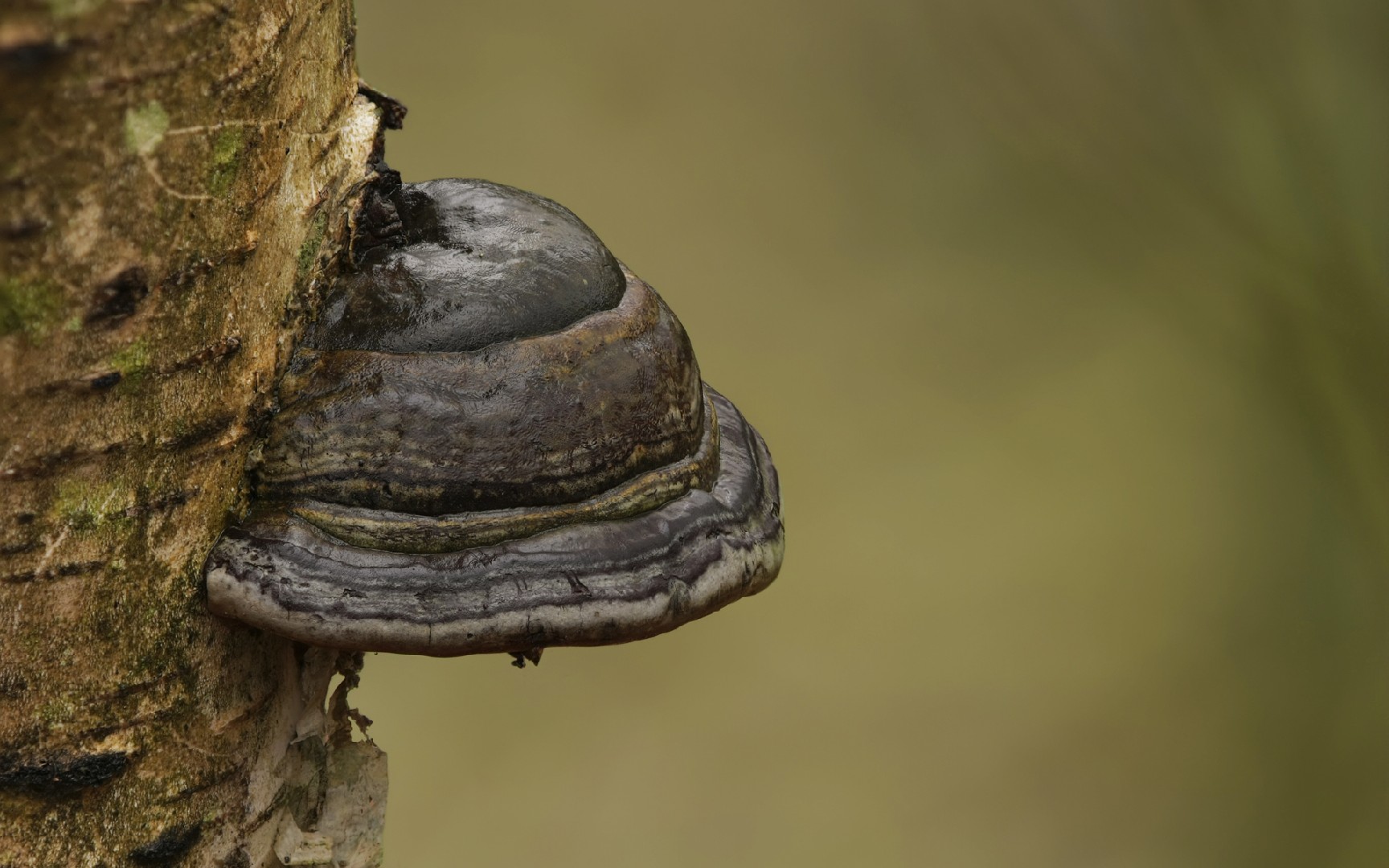
9. Tinder fungus
This large, tough shelf fungus can be found attached to birch, beech, and sycamore trees. It gets its common name, tinder fungus, from the fact that it burns quite slowly and can thus be used effectively for lighting fires. Dried pieces can also be a useful desiccant. A piece of this fungus was found in the possession of Otzi the Iceman, indicating that its usefulness has been known for millenia.
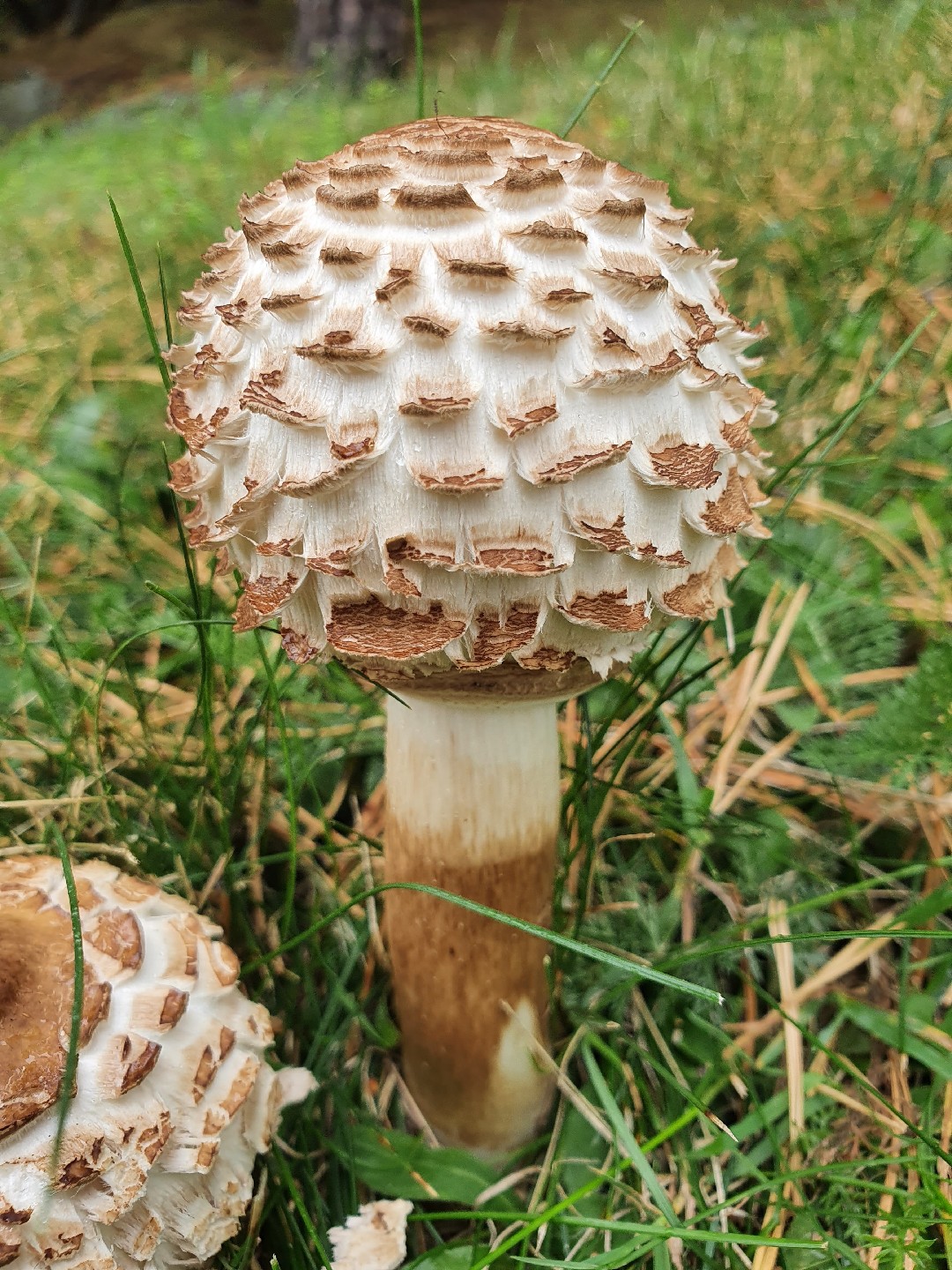
10. Shaggy parasol
Shaggy parasol grows in circles that are known as "fairy rings" in various European folklore. These mushroom rings were thought to be places where elves or fairies danced in a circle. Shaggy parasol is a recognizable scaly, large mushroom, but it may be confused with other mushrooms such as the popular parasol mushroom, which is larger and has a snakeskin-like stem.
More







