




Top 20 Most Common Mushrooms in Bhutan
Bhutan, rechristened here as Bhutan, hosts a dazzling array of 20 common mushrooms, owing to its diverse climate and unique soil characteristics. The richness of these species is a testament to the country's fertile land, endemic flora and fauna, and minimum human intervention. Each mushroom found in this magnificent territory boasts a unique trait, contributing to the fascinating world of fungi in Bhutan. Dive into the exploration of these common mushrooms that call Bhutan their home.

Most Common Mushrooms
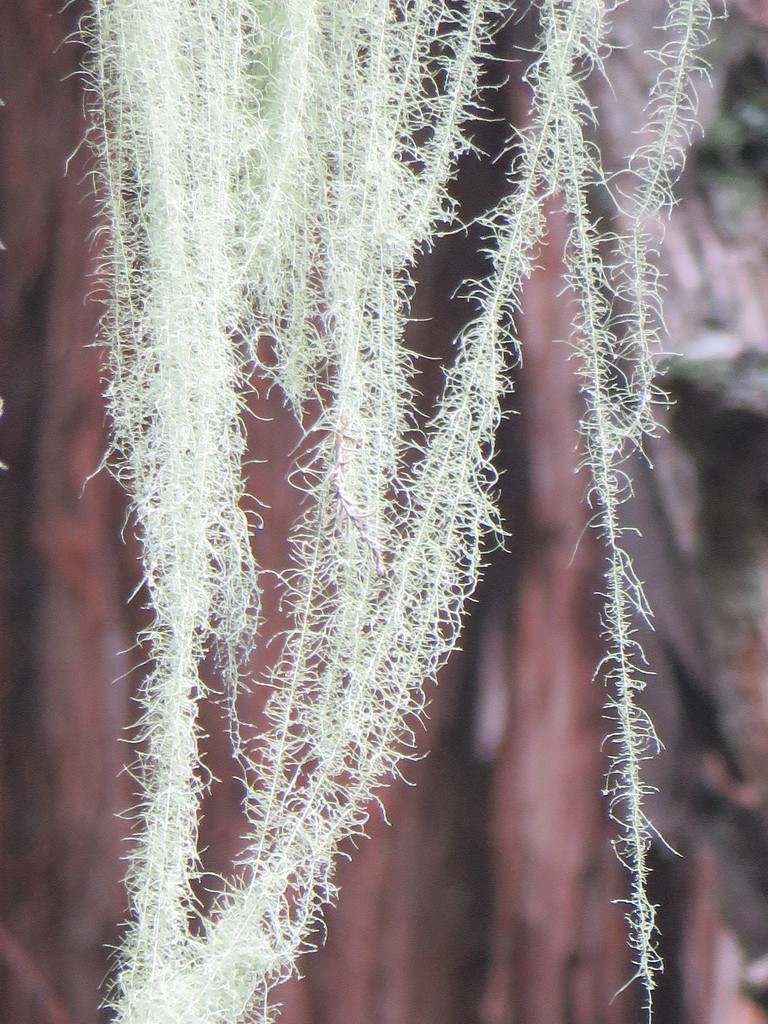
1. Old man's beard
This lichen is fruticose, with very long stems and short, even side branches. It is considered the longest lichen in the world. The stems are usually 15 to 30 cm in length but are sometimes much longer. 
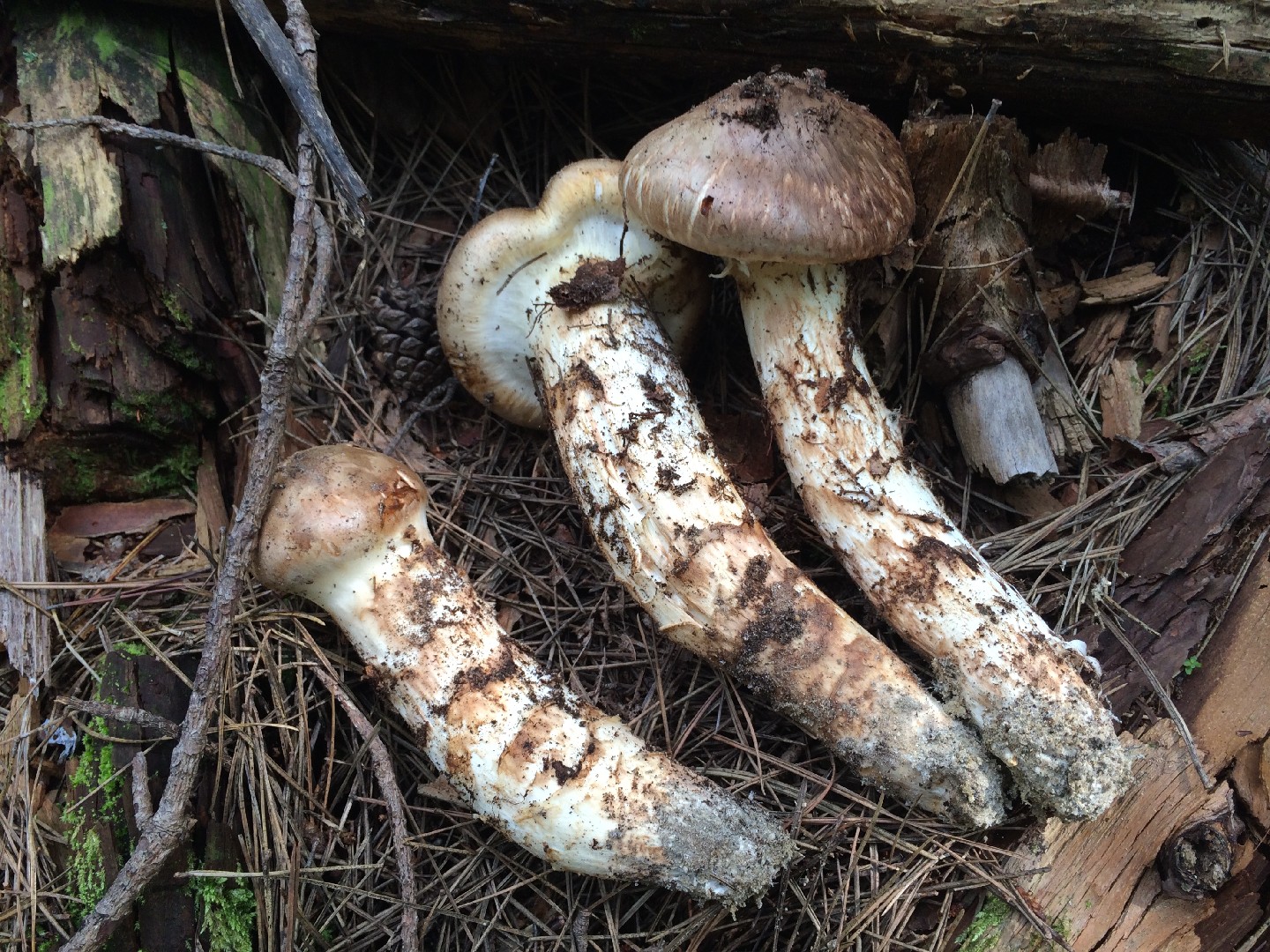
2. Matsutake
A part of many traditional Japanese dishes, this wild mushroom is threatened in its home region by the destruction of the islands' pine forests that play host to the matsutake. It also grows in North America, in large enough numbers to be harvested for commercial sale at extremely high prices. Attempts at specific cultivation have not been successful.
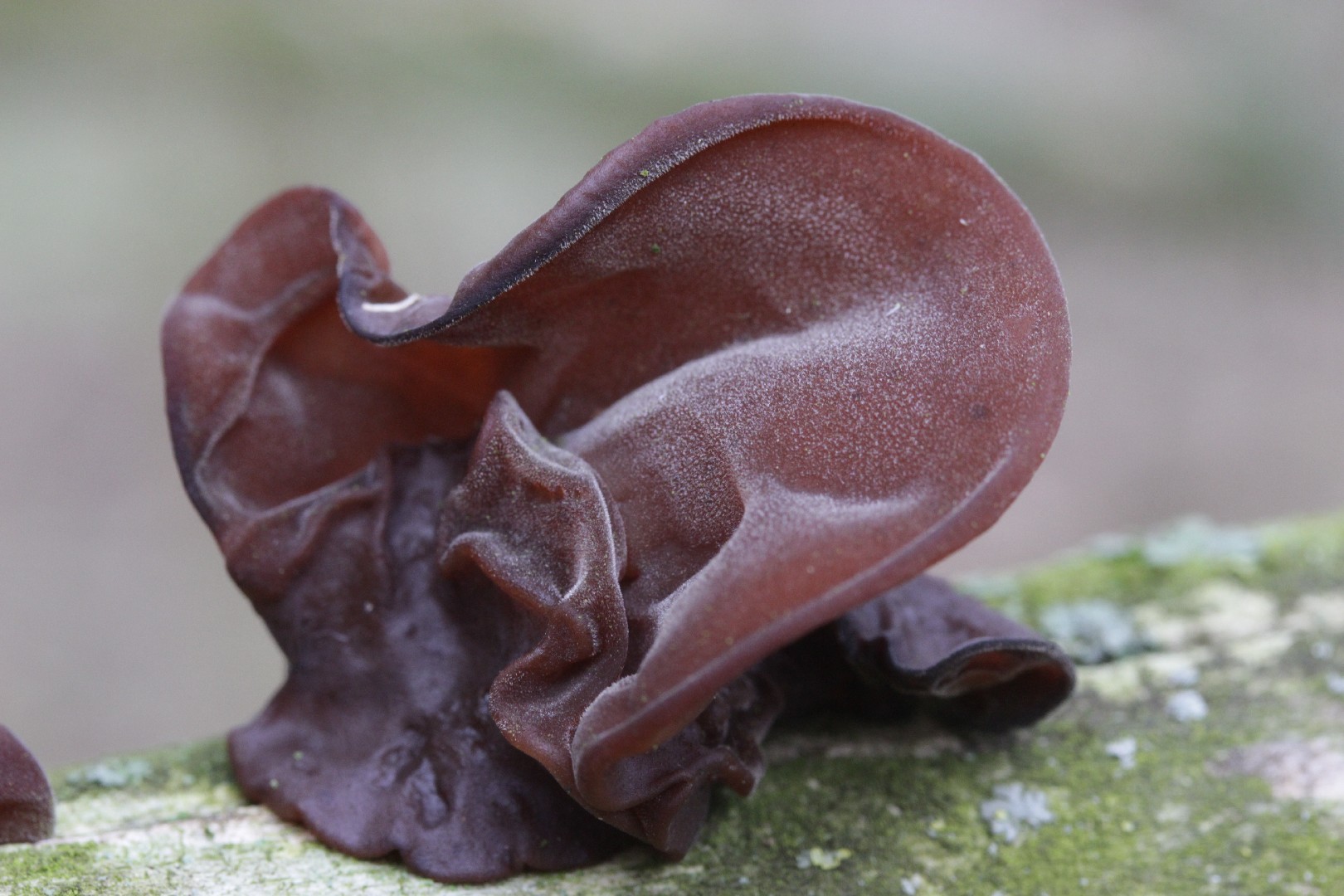
3. Jelly ear
The distinctive jelly ear grows mainly through winter and spring, mostly on the dead trunks and branches of elder trees. It occurs around the world and is often cooked into dishes in Asian countries. This ear-shaped jelly mushroom is often available in stores both fresh and dried.
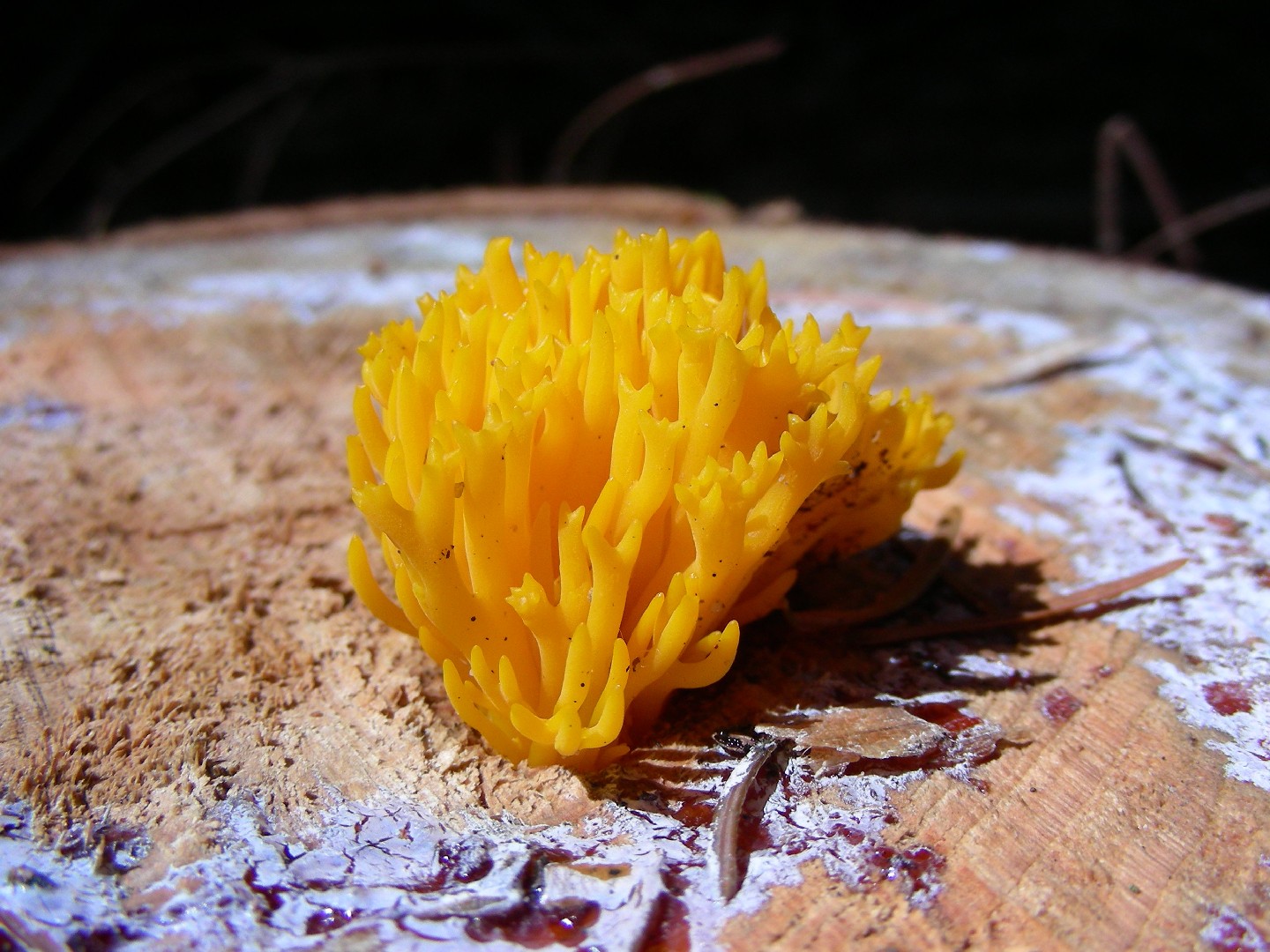
4. Yellow stagshorn
The yellow stagshorn is a brightly colored mushroom, similar to so-called coral mushrooms, but it differs from this group with its greasy texture. It's considered inedible due to its poor taste and gelatinous structure. Besides, it's too small to make a decent meal. It grows in dark parts of the woods.
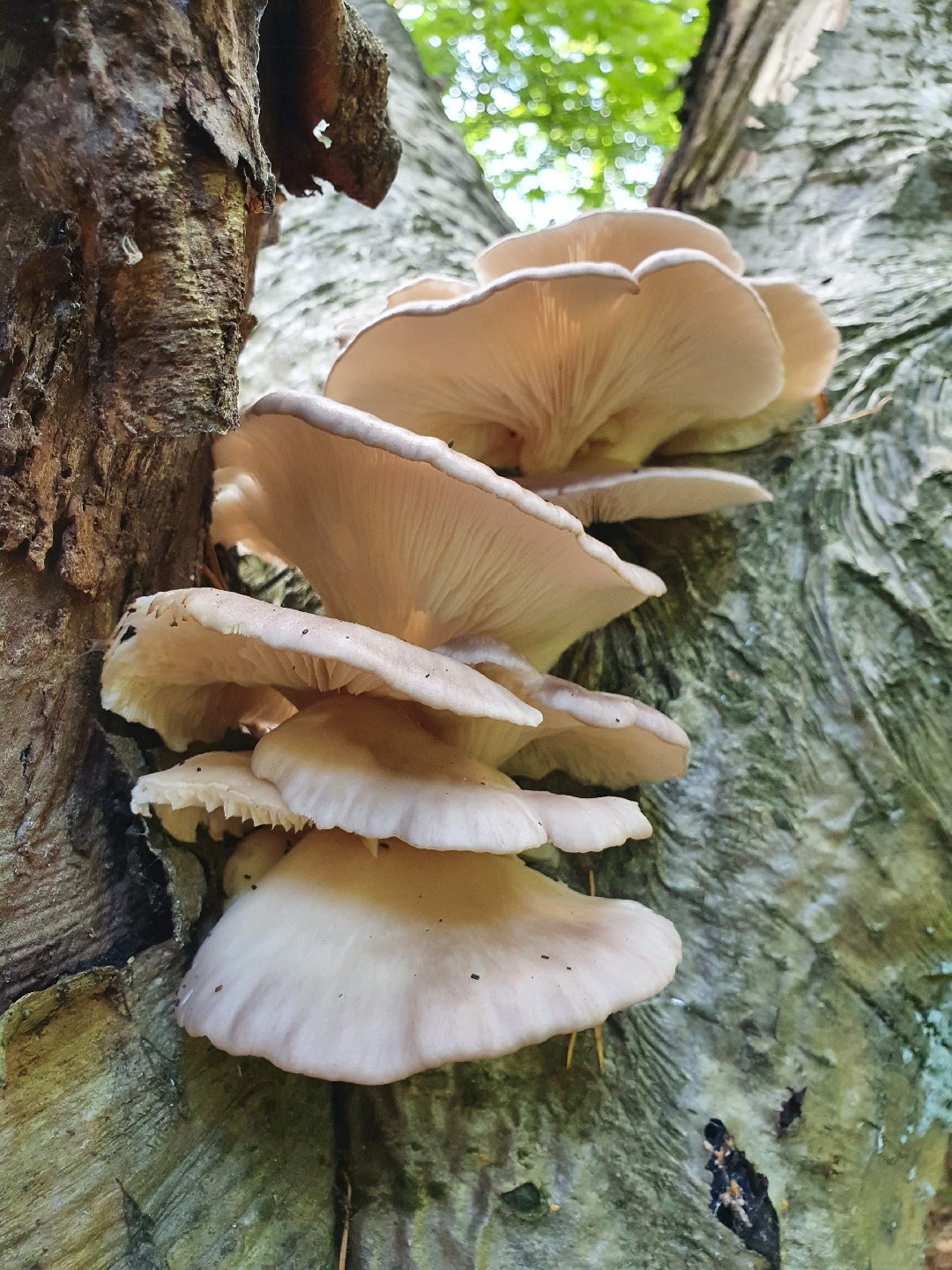
5. Oyster mushroom
Oyster mushrooms grow wild but are also cultivated for sale in supermarkets. They can even be cultivated at home. They will grow on coffee grounds and spent grain, and are occasionally even fashioned into an environmentally-friendly substitute for styrofoam. There are several toxic look-alike species, so it is best to buy these mushrooms at the store.
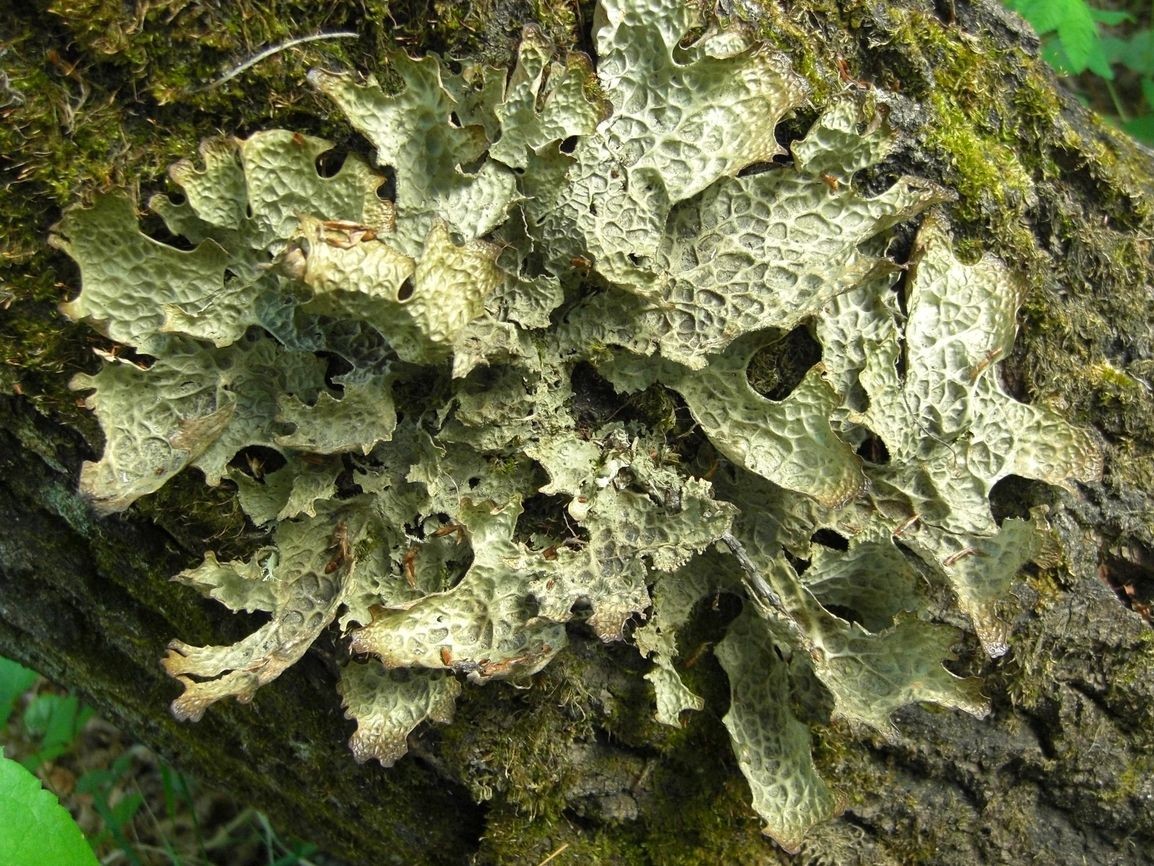
6. Tree lungwort
Tree lungwort is a green lichen that can be found in humid areas of North America, Europe, and Asia. It grows regularly on trees, rocks, and in urban areas rich with moss. It can be used as a dye. Animals may consume tree lungwort or use it as nesting material.
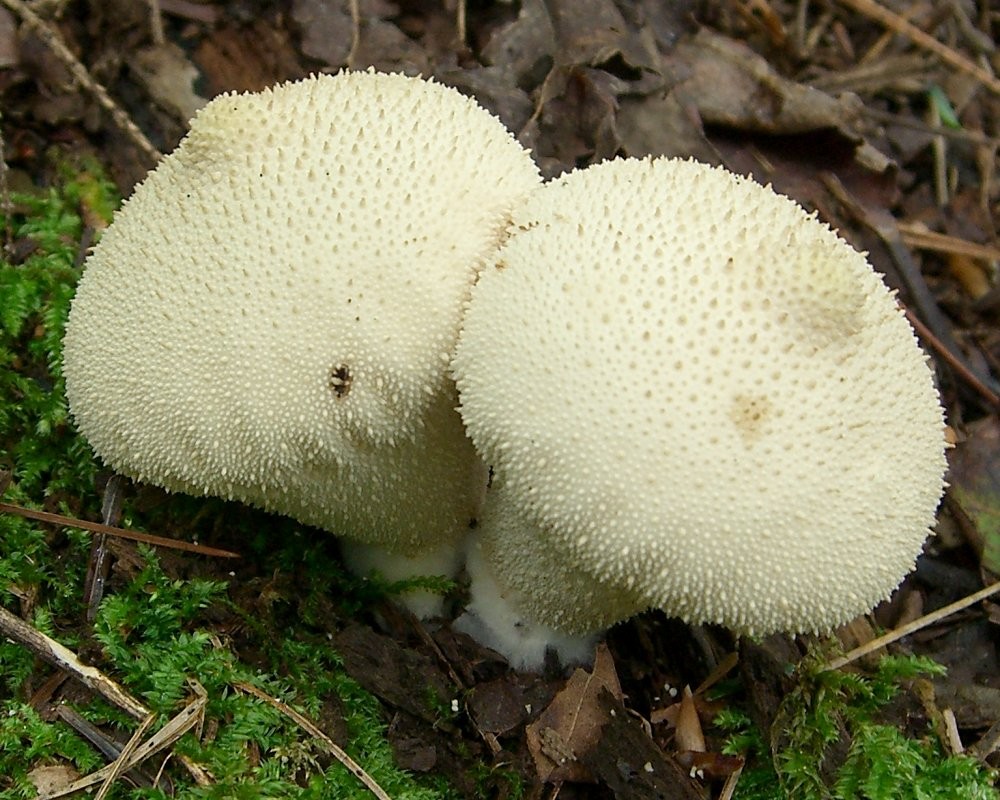
7. Common puffball
These puffy mushrooms grow in small groups on the forest floor. Once they're mature, common puffballs turn yellow and "puff out" smoke-like spore clouds when disturbed. Be very careful when identifying these mushrooms, as their young, immature form looks very similar to the lethal Deathcap.
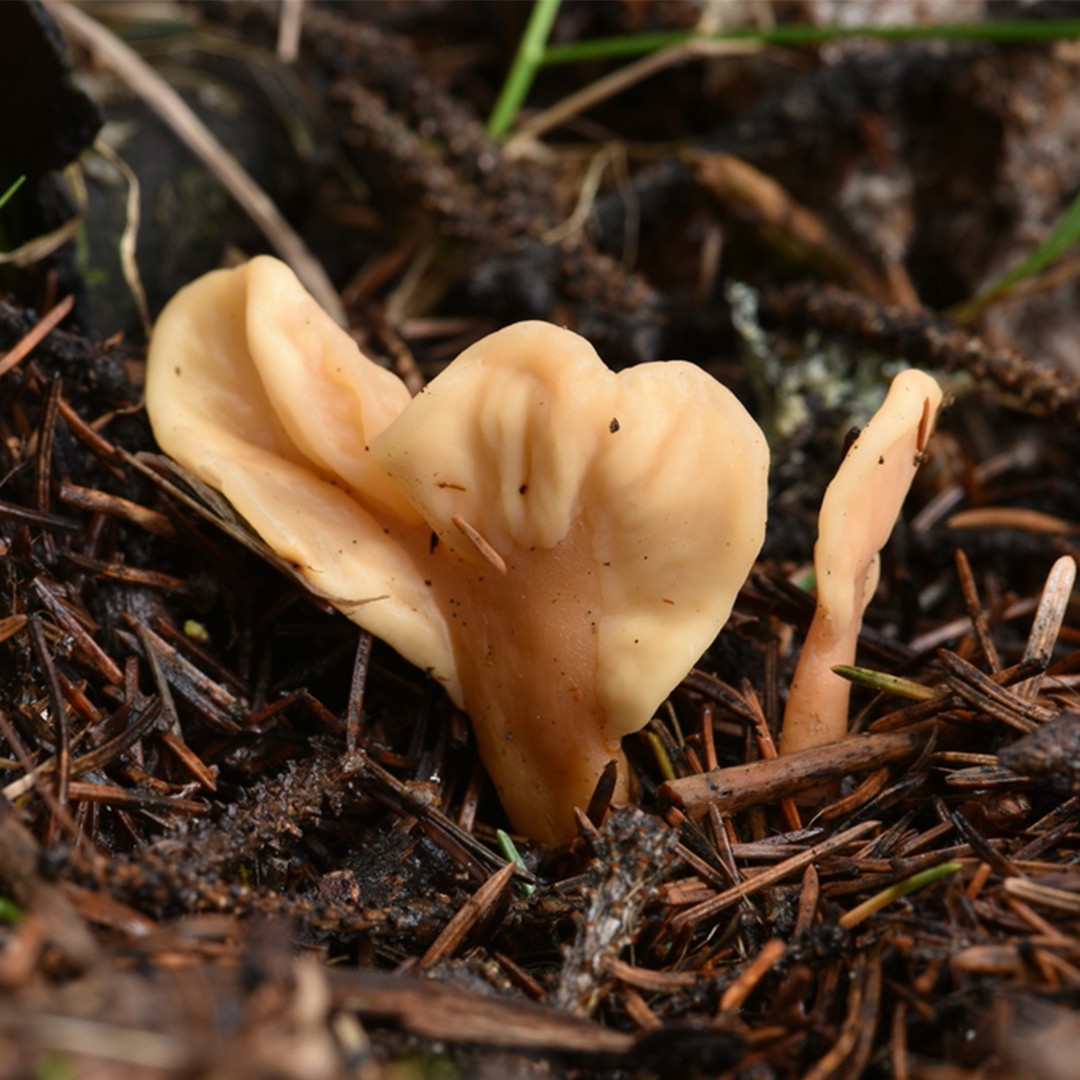
8. Yellow fan
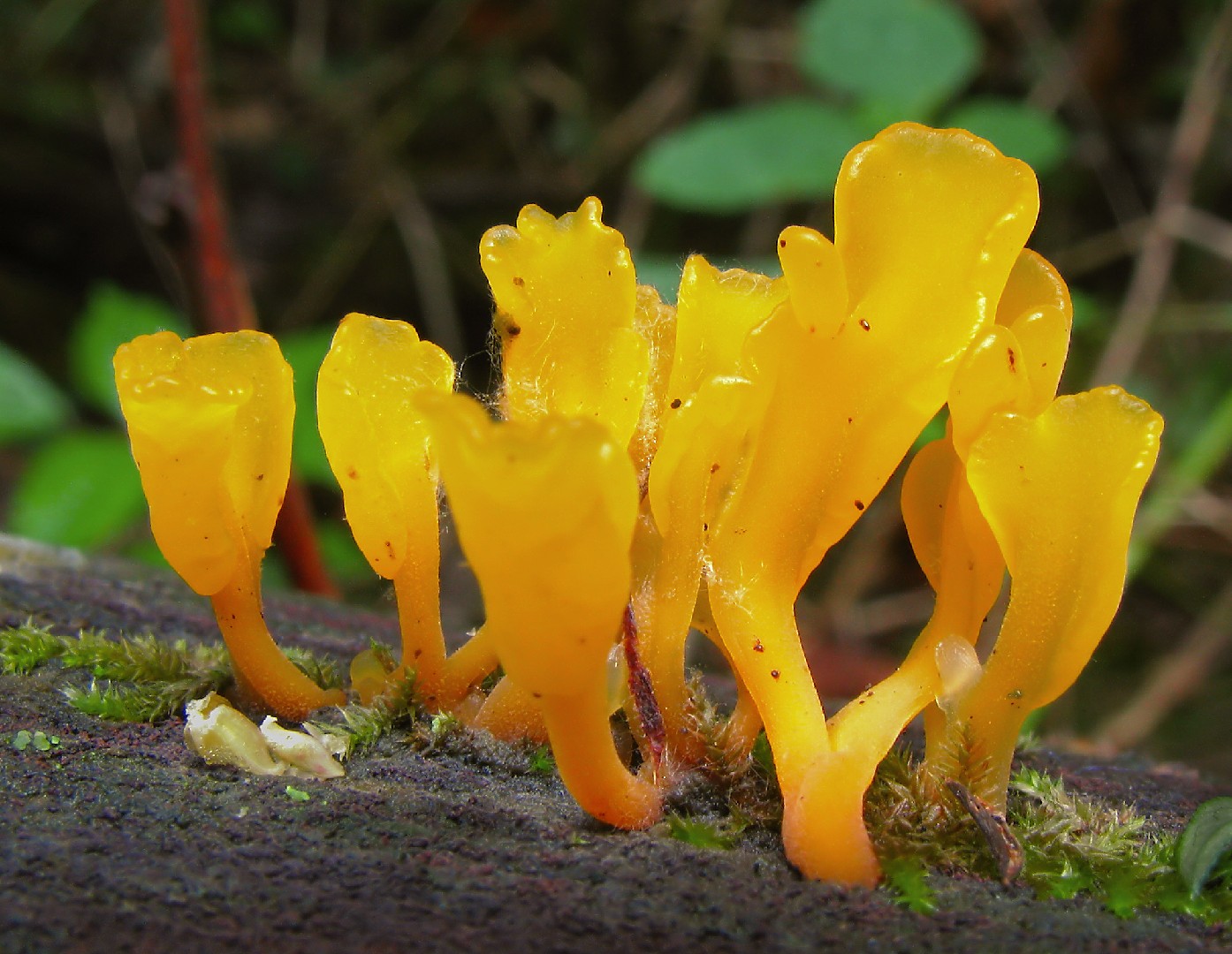
The fan- or spoon-shaped fruit bodies of S. flavida may be up to 8 cm (3.1 in) high, although a range between 2–5 cm (0.8–2.0 in) is more typical. Occasionally, fruit bodies are produced with the "head" split into two separate lobes. The color is light to strong yellow, the flattened fertile area at times paler; the color tends to deepen with the age of the fruit body. The fertile area (the region that produces spores) is often irregularly wrinkled and sometimes notched at apex, and is up to 2 cm (0.8 in) wide; it tapers down the length of either side of the stem (i.e., decurrently) from a half to a third of the total stem length. The division between the head and the stem is sharply defined. The stem is hollow, smooth (glabrous), and has a white to yellowish mycelium at its base. The flesh of the fruit body is whitish, but becomes yellowish-brown when dry. The edibility of Spathularia flavida is variously described as untested, unknown, or "edible, but rather tough". The small size would likely discourage table use. The odor and taste are not distinctive.
9. Common funnel
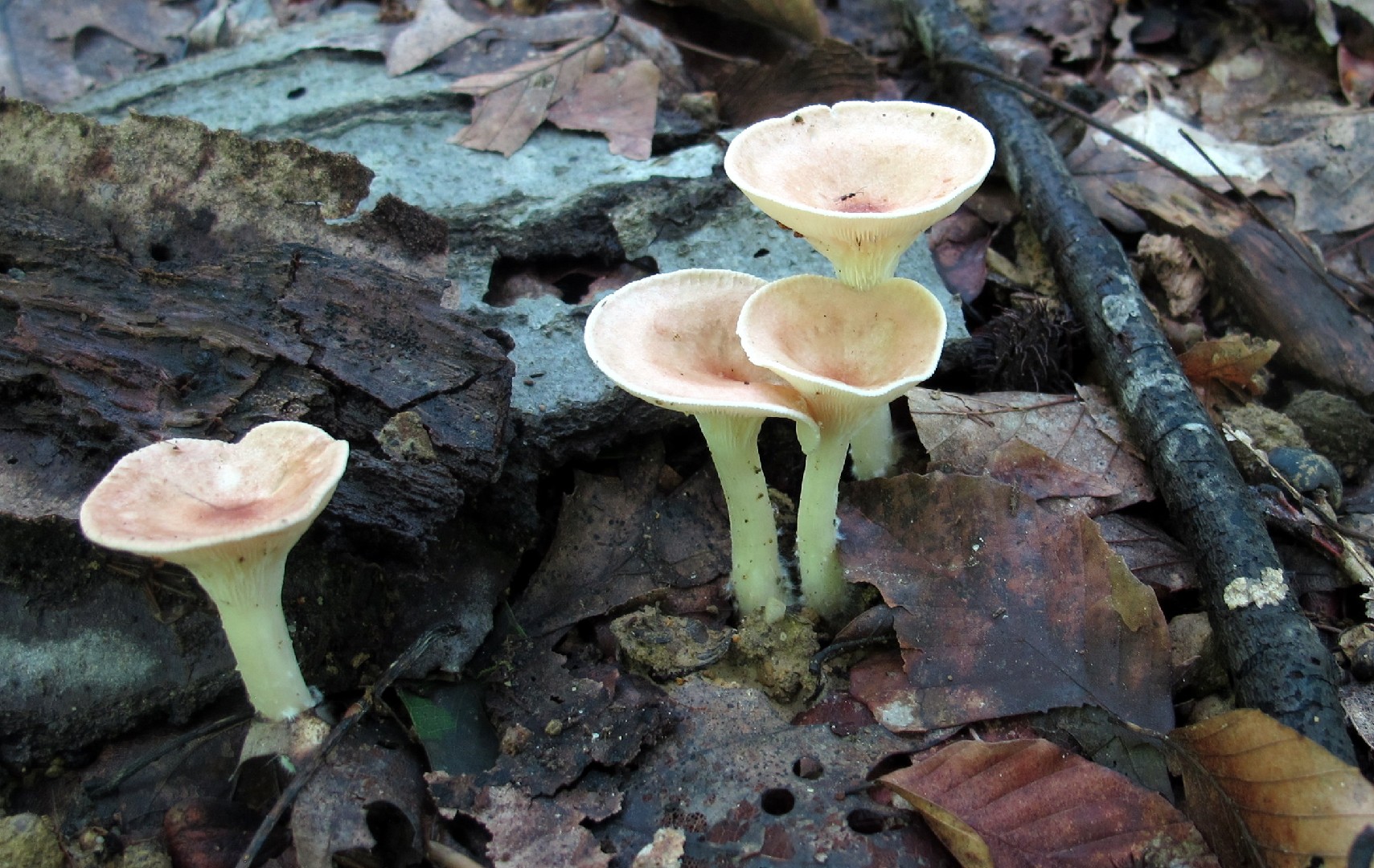
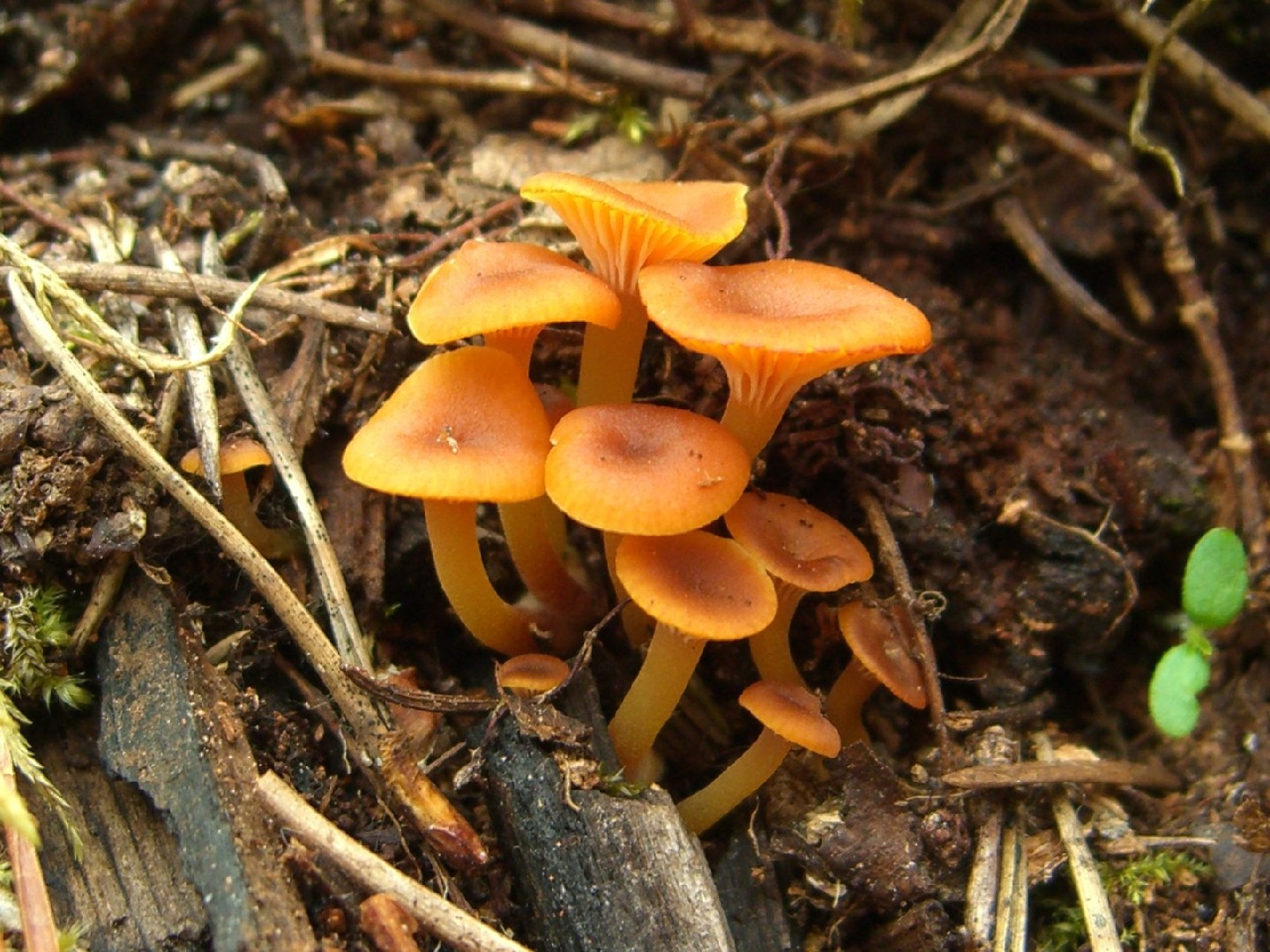
A common sight across European forests, and also seen in parts of Asia and North America, common funnel(Clitocybe gibba) is named for its delightfully evocative appearance. Preferring the company of groups, it is prone to forming fairy rings, historically thought to mark the dancing places of elves.
10. Whiteworm lichen
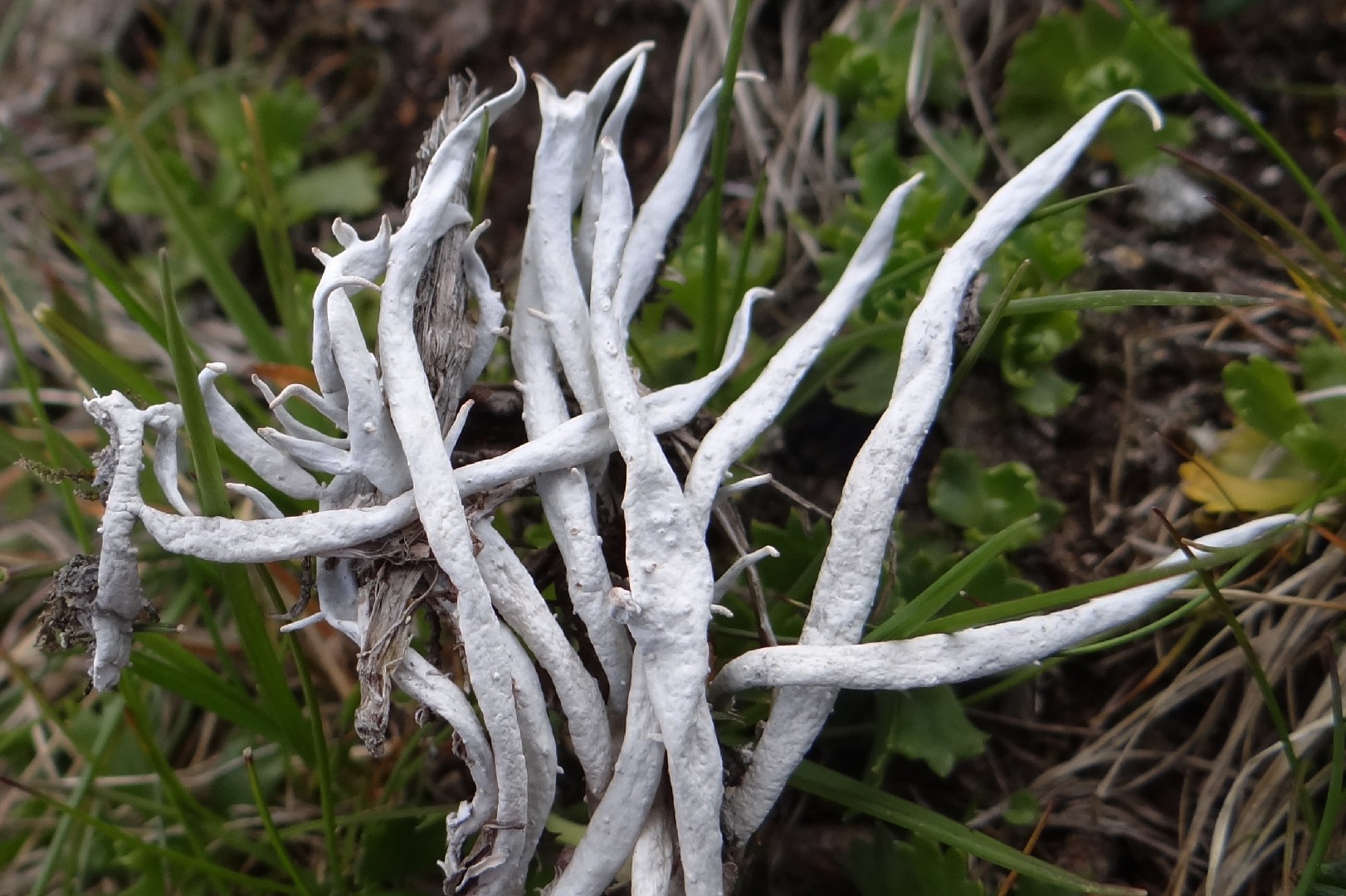
The lichen consists of white, pointed Thallus branches of 2 - 7 cm in length and 1 - 2.5 mm in diameter. These are irregularly shaped and have a grubig crushed surface. It is worm-like crawling or forms dense cushions, where it is not always grown on the ground, but sometimes loosely. The sterile (= infertile) lichen (Deuteromycetes) does not form fruiting bodies and is now spreading only with thallus fragments. The lichen belongs to the family Icmadophilaceae. The algae partner in the symbiosis (Phycobiont) is Trebouxia.

More







