




Top 20 Most Common Toxic or Poisonous Mushrooms in Sweet Home
Explore the intriguing world of fungi in Sweet Home, a region celebrated for its diverse biomes and conducive mushroom habitat. The variable climate and terrain of Sweet Home engender an environment rife with fungal growth, yet hidden amidst their beauty lie potential dangers. Our expert guide showcases the top 20 most common poisonous mushrooms flourishing in this region. Learn how to differentiate between edible and toxic varieties, ensuring your mushroom gathering adventures in Sweet Home are safe and rewarding. Be aware, be safe, and enjoy the mushroom experience!
* Disclaimer: Content feedback CAN NOT be used as any basis for EATING ANY PLANTS. Some plants can be VERY POISONOUS, please purchase edible plants through regular channels.

Most Common Toxic or Poisonous Mushrooms

1. Yellow stainer
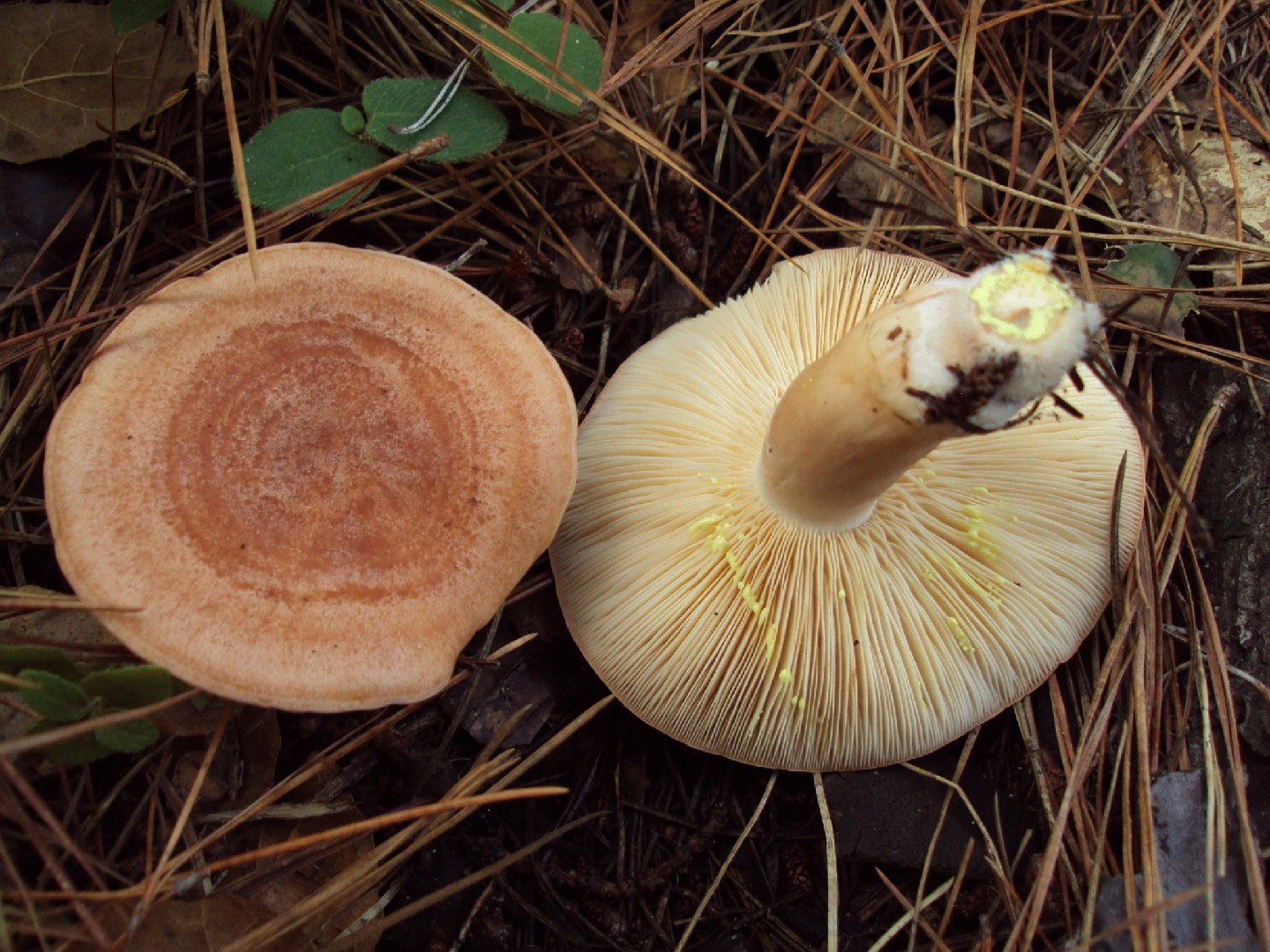
The yellow stainer grows across North America and Europe and has been imported to Australia. It can be distinguished from other common white mushrooms by the bright chrome yellow color it turns when bruised. It is known to be poisonous, causing cramps, nausea, and purging. Unfortunately, it often gets accidentally eaten as it looks similar to several edible white mushrooms.
2. Sulphur tuft
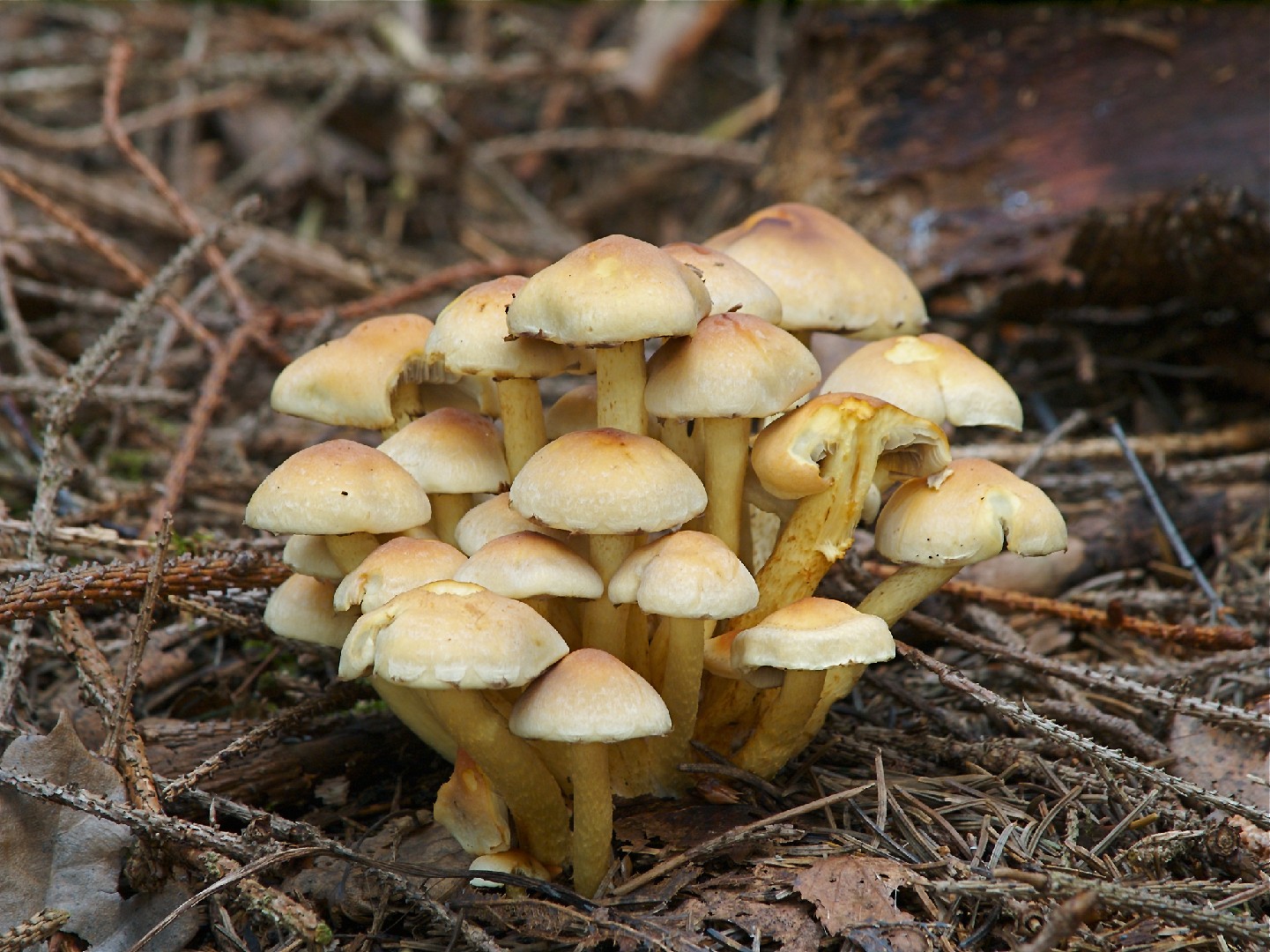
The sulphur tuft grows on rotting wood of all types of trees; it is a particularly efficient decomposer of hardwoods. The mushrooms appear from spring to autumn and are often so tightly packed that they interfere with each other’s shape. This poisonous mushroom can cause temporary paralysis, distorted vision, and stomach pain if consumed.
3. False chanterelle
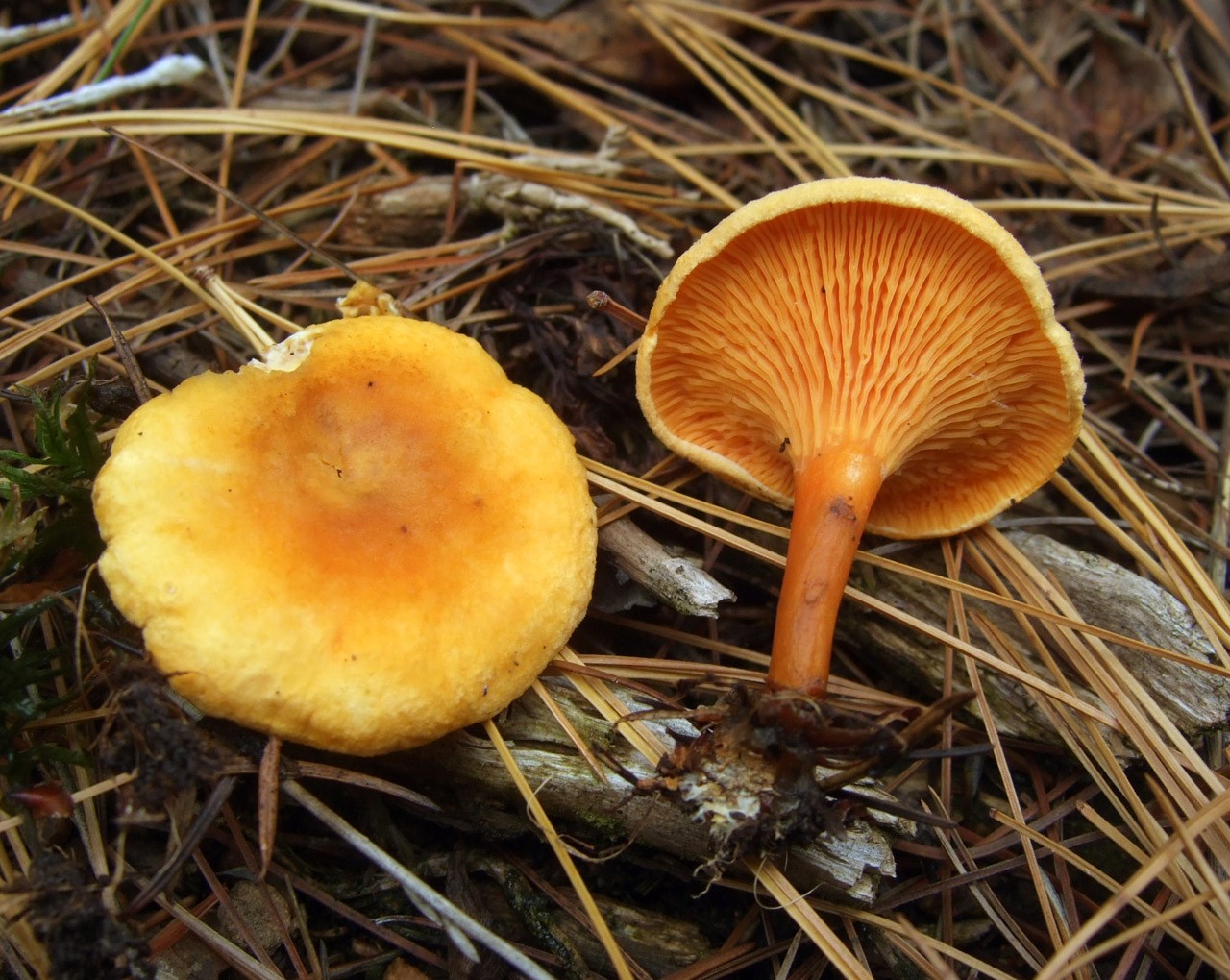
The common name of this mushroom refers to the fact that it looks very similar to the edible and highly prized Chanterelle. This species, however, tastes bitter and may cause poisoning symptoms. False chanterelle occurs around the northern hemisphere in autumn and winter, growing on coniferous detritus, and is more likely to fruit in dry conditions rather than the usual wet.
4. Woolly chanterelle
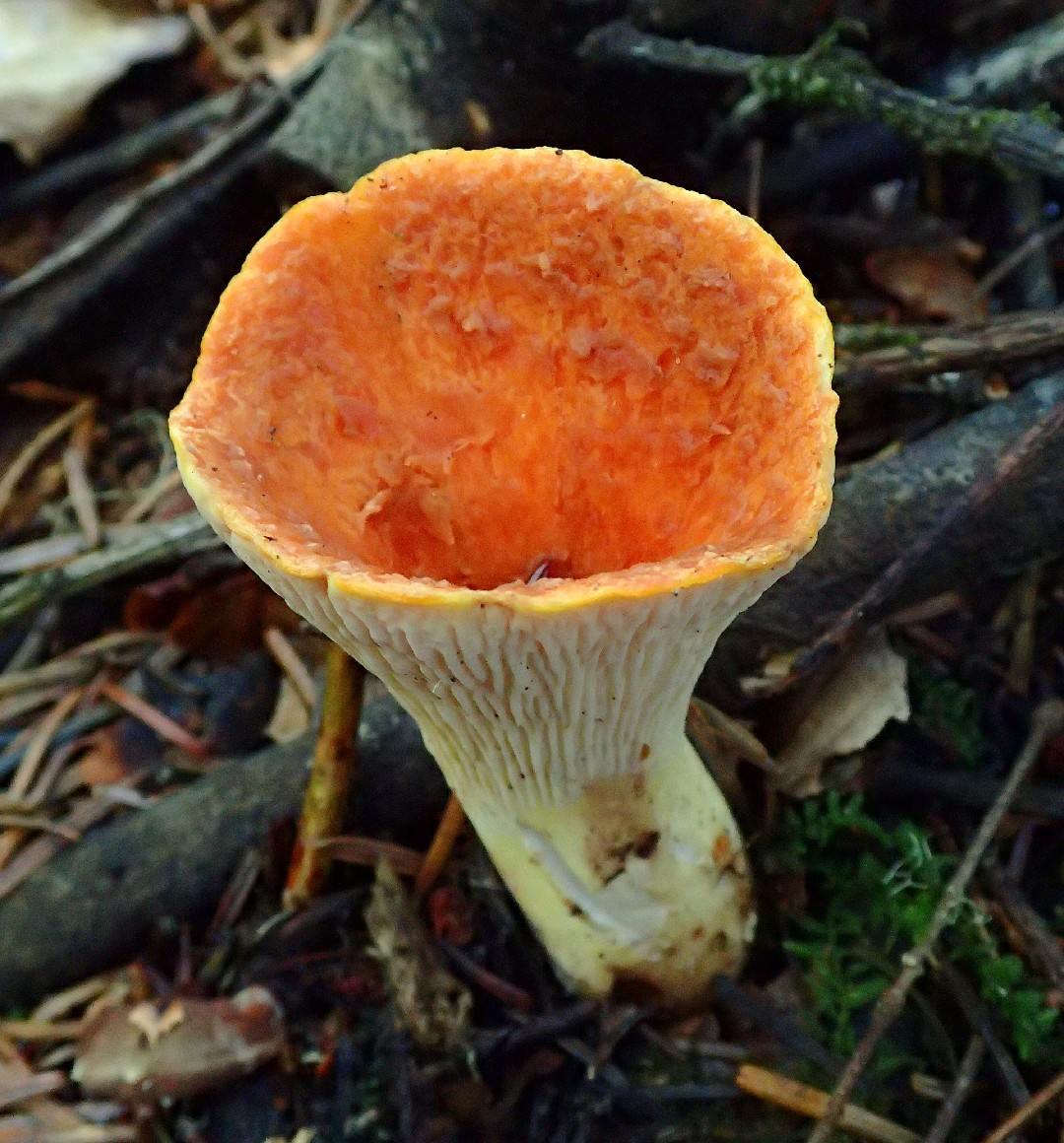
The woolly chanterelle, which looks only vaguely similar to its famed, edible chanterelle cousins, is vase-shaped and has large, pale folds and wrinkles on its underside (as opposed to having gills, like those of more sought-after chanterelles). Woolly chanterelles can cause upset stomach, vomiting, and diarrhea in some who eat them, while leaving others completely unaffected. Needless to say, the species is not considered a "choice edible".
5. Wolf lichen
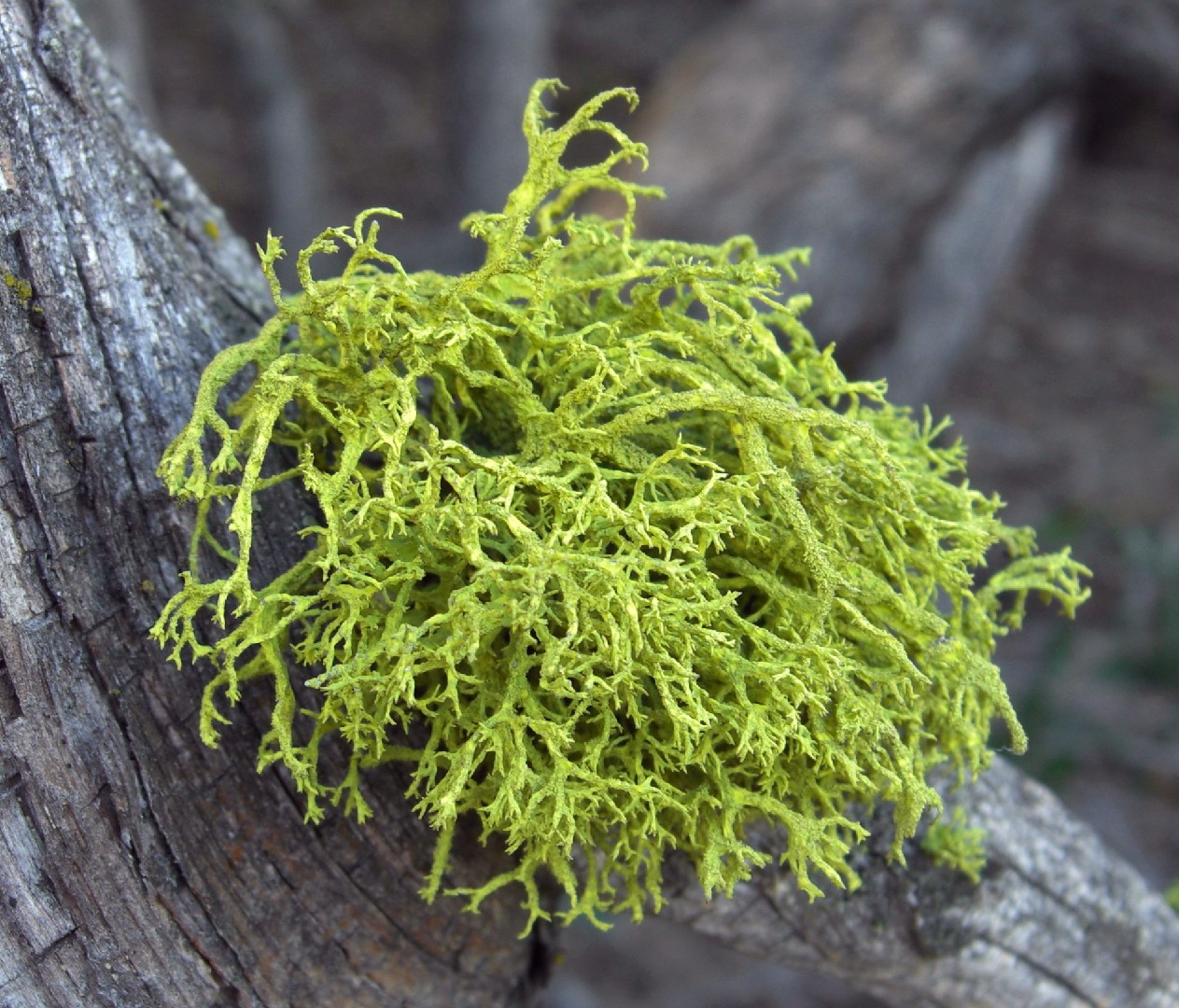
The thallus, or vegetative body, has a fructicose shape — that is, shrubby and densely branched — and a bright yellow to yellow-green, or chartreuse color, although the color will fade in drier specimens. Its dimensions are typically 2 to 7 cm (0.8 to 3 in) in diameter. The vegetative reproductive structures soredia and isidia are present on the surface of the thalli, often abundantly. 
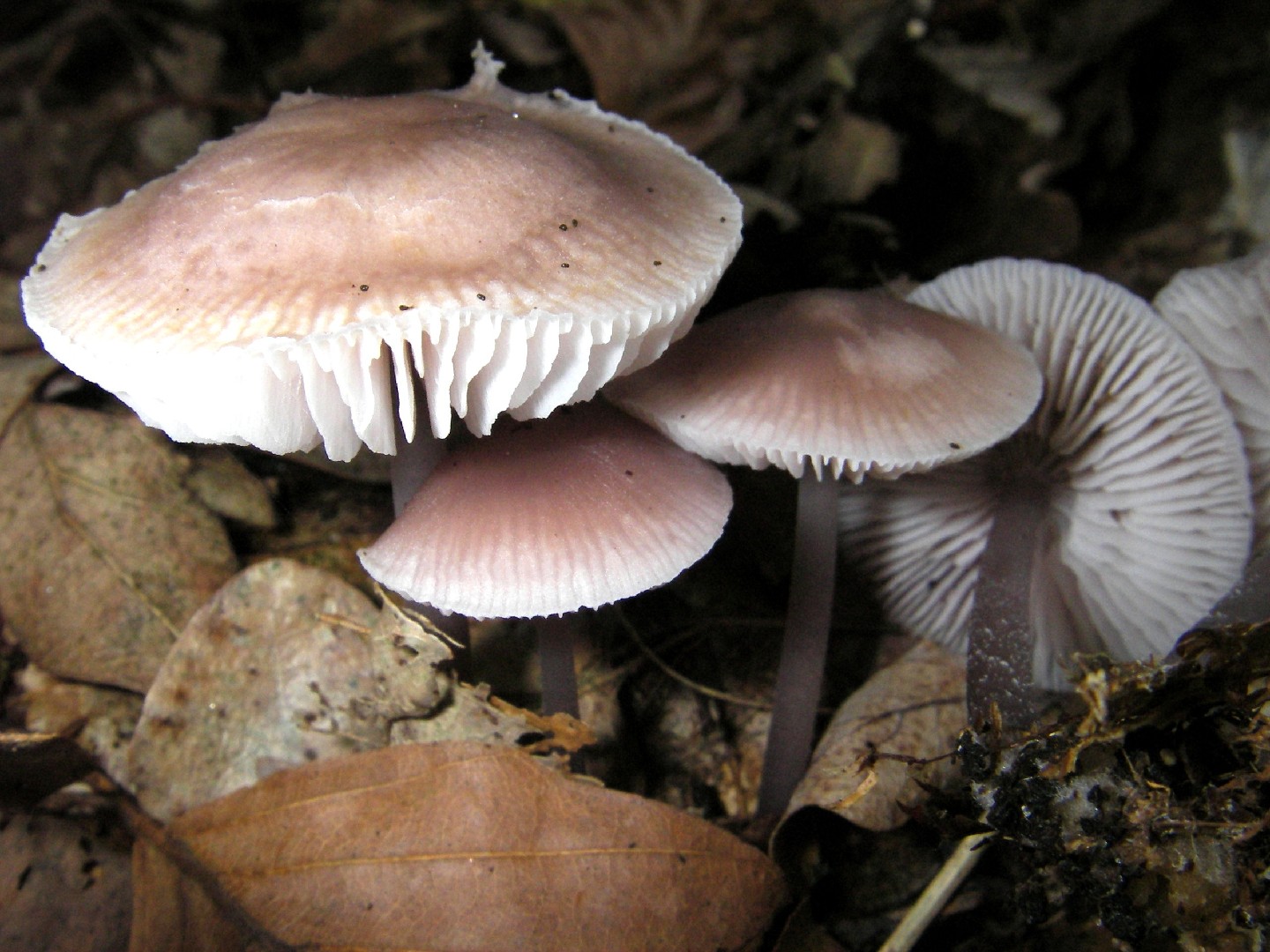
6. Lilac bonnet
The lilac bonnet is common around the northern hemisphere in woodlands of all types, and can sometimes also be seen in grasslands. It is toxic to humans due to its muscarine content, a poison that can cause convulsions and death after ingestion.
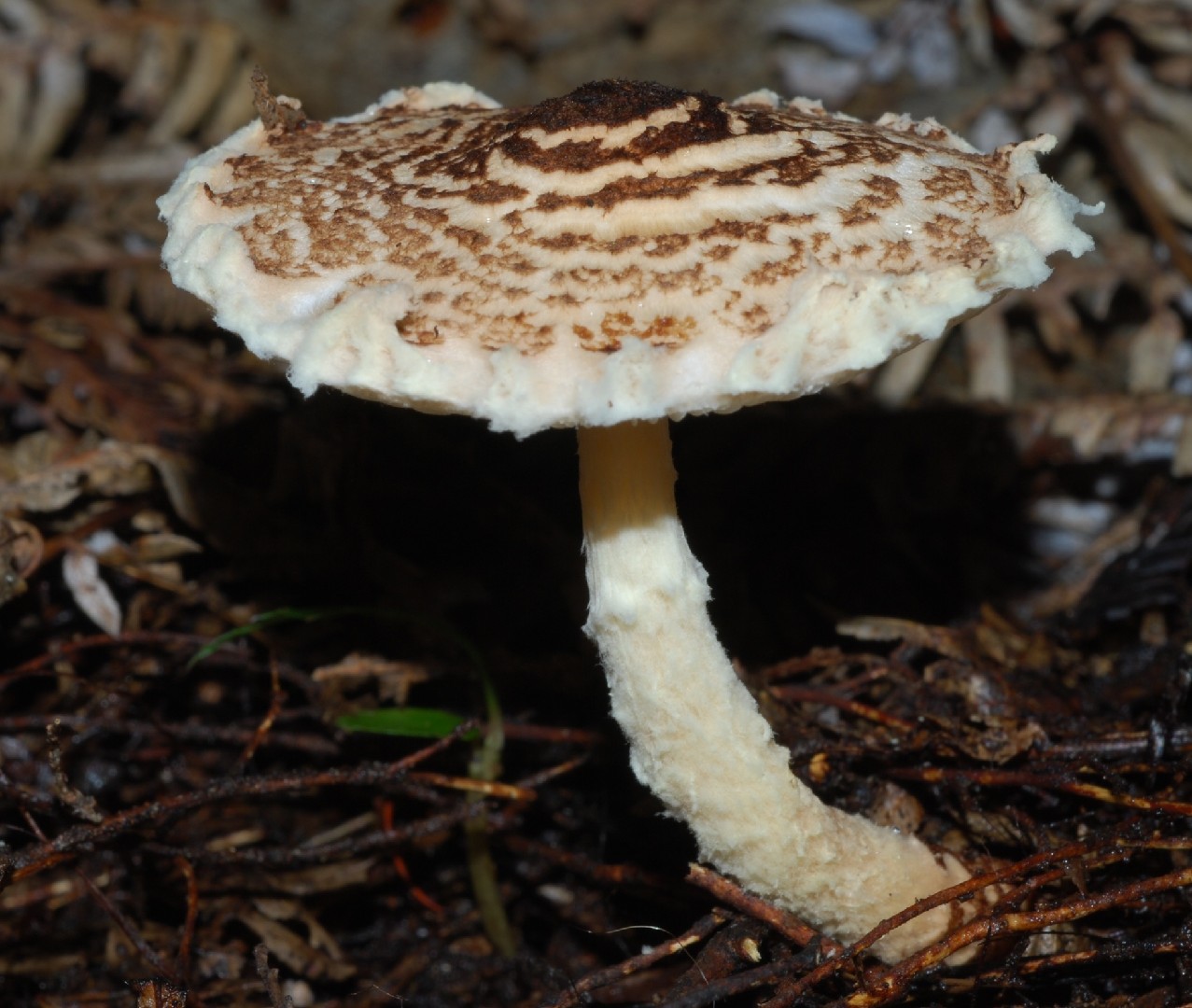
7. Yellowfoot dapperling
The yellowfoot dapperling (Lepiota magnispora) is a shaggy-capped species of Lepiota that can be found growing in wet forests across the western United States. While the species lacks a foot, it does usually have a blush of yellow or tan coloration at the base of its stalk - caps also have a tan or yellow hue, though they tend to darken to brown at their centers.
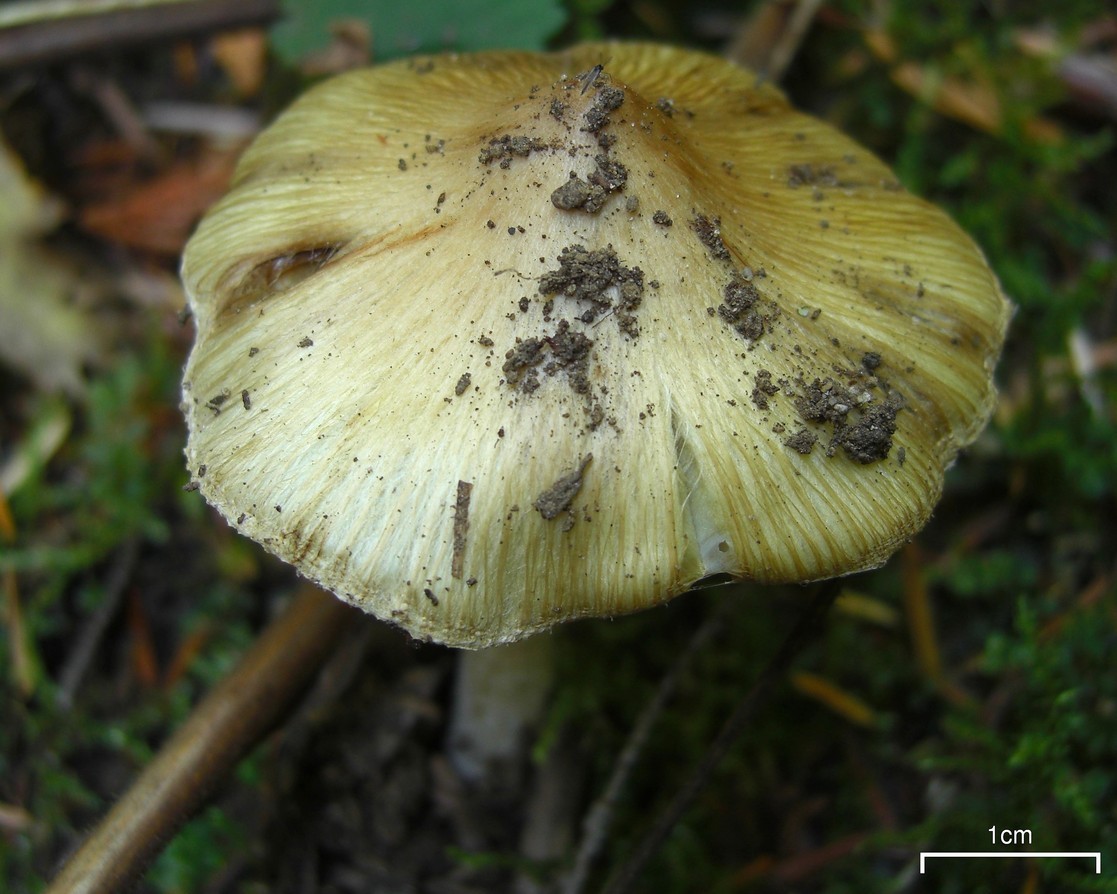
8. Corn-silk Inocybe
The corn-silk Inocybe (Inocybe sororia) has caps that mature to about twice the size of a dandelion flower with a semi-flat structure that can evolve to slightly ruffled edges in appearance. The color is generally off-white and grows to a golden brown. None of the Inocybe family can be consumed due to relative toxicity to both humans and animals.
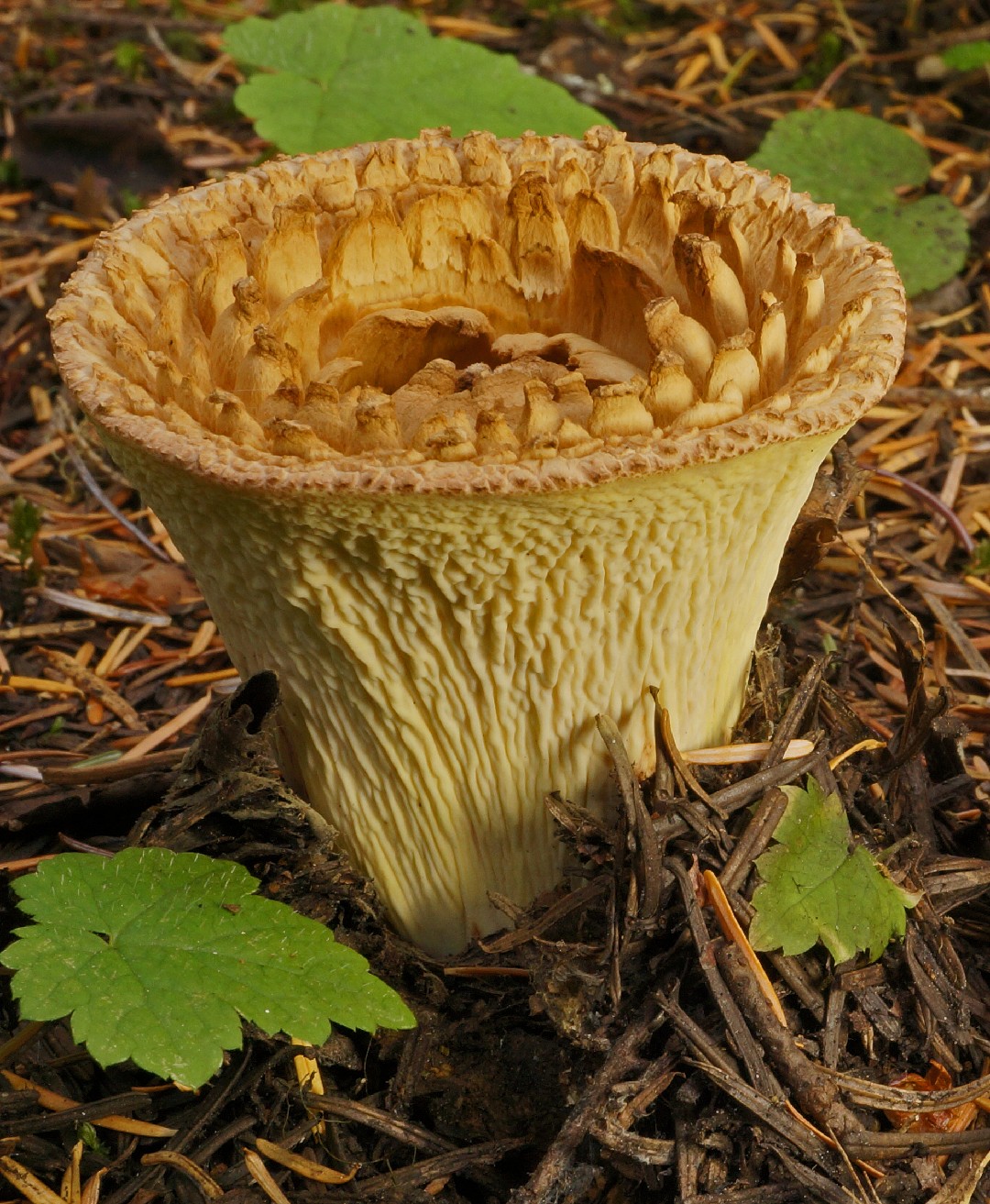
9. Turbinellus kauffmanii
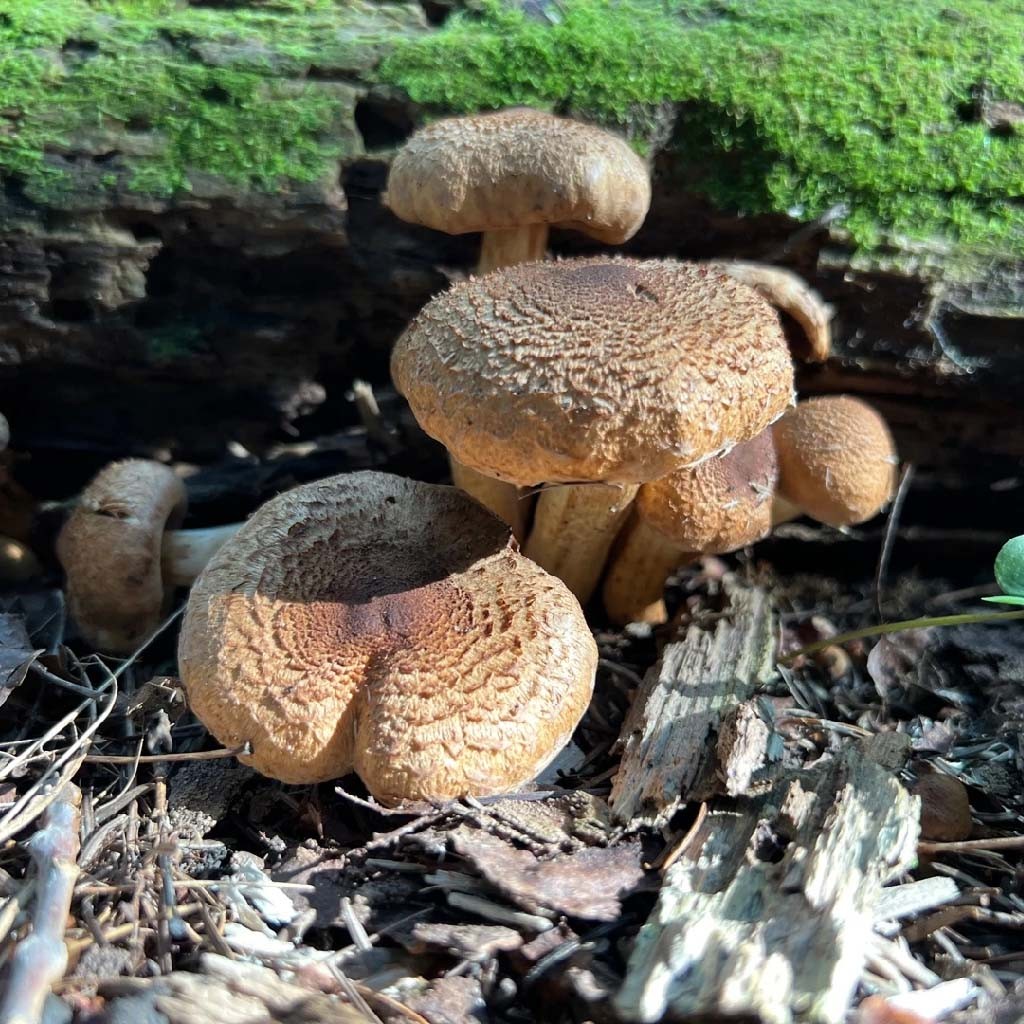
Turbinellus kauffmanii appears in summer and fall and is often found growing in fallen needles from conifer trees. The vase-shaped body and flat light brown cap make the fungus easy to identify. As the species ages, the scales split open revealing white flesh. A pungent odor also identifies younger species.
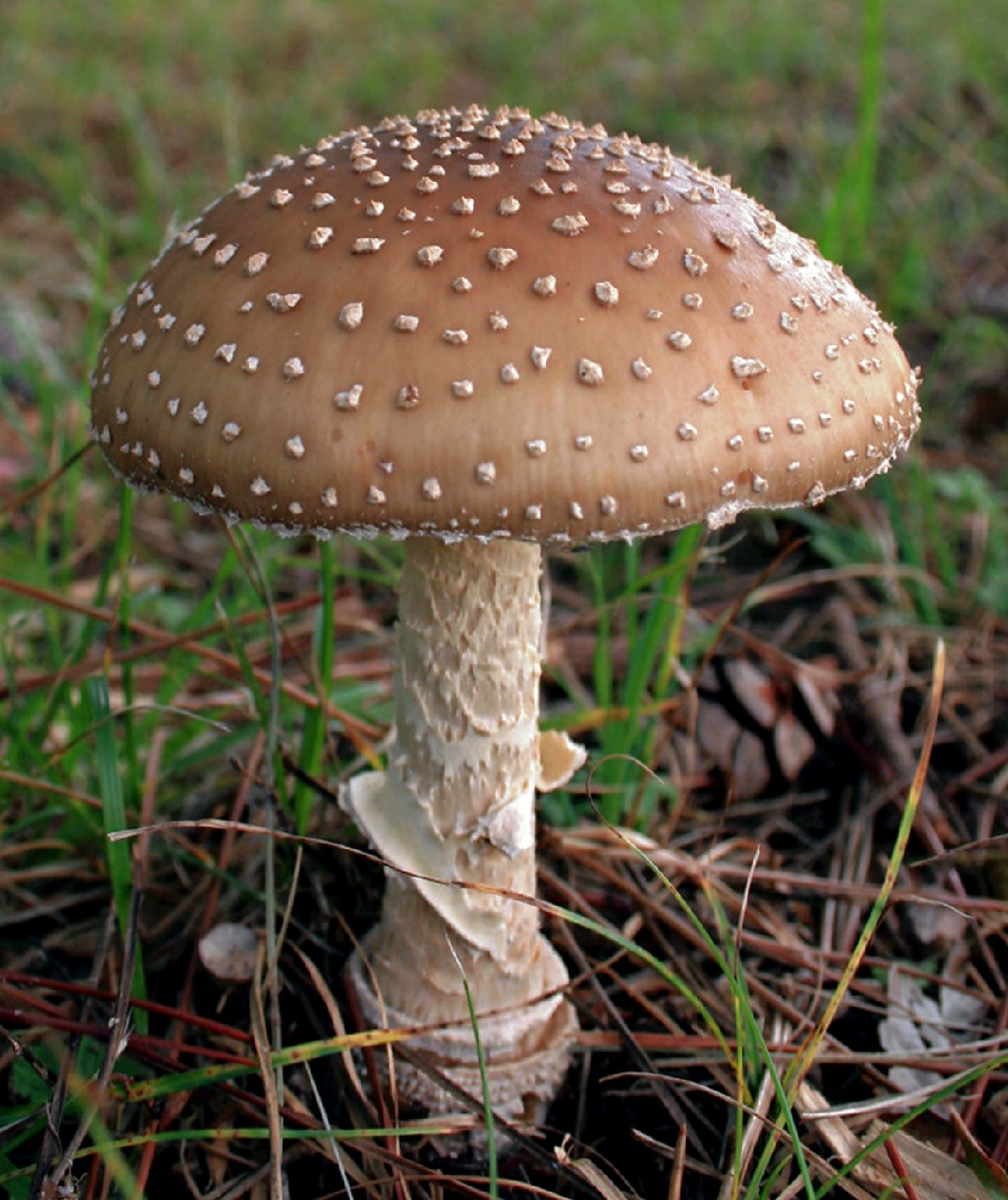
10. Panther cap
Named for the brown-and-white spotted pattern on its upper surface, the distinctive panther cap grows under hardwood trees, particularly oak and beech, and also under Monterey pine in urban areas or forests. It contains a cocktail of poisonous toxins with the potential to be deadly.


More







