




Top 20 Most Common Toxic or Poisonous Mushrooms in Greensboro
Strolling through the natural majesty of Greensboro, it's certainly no wonder fungi thrive here. The moist, temperate climate and diverse terrain provide ideal conditions for mushroom proliferation. As you set out on your mycological explorations, knowing the top 20 poisonous mushrooms found locally is crucial. Our detailed guide is brim-full of useful information to ensure a safe and enriching foray in the realm of mycology — a world where knowledge triumphs over danger, and mushroom hunting becomes a pleasurable outdoor activity rather than a risky endeavor.
* Disclaimer: Content feedback CAN NOT be used as any basis for EATING ANY PLANTS. Some plants can be VERY POISONOUS, please purchase edible plants through regular channels.

Most Common Toxic or Poisonous Mushrooms
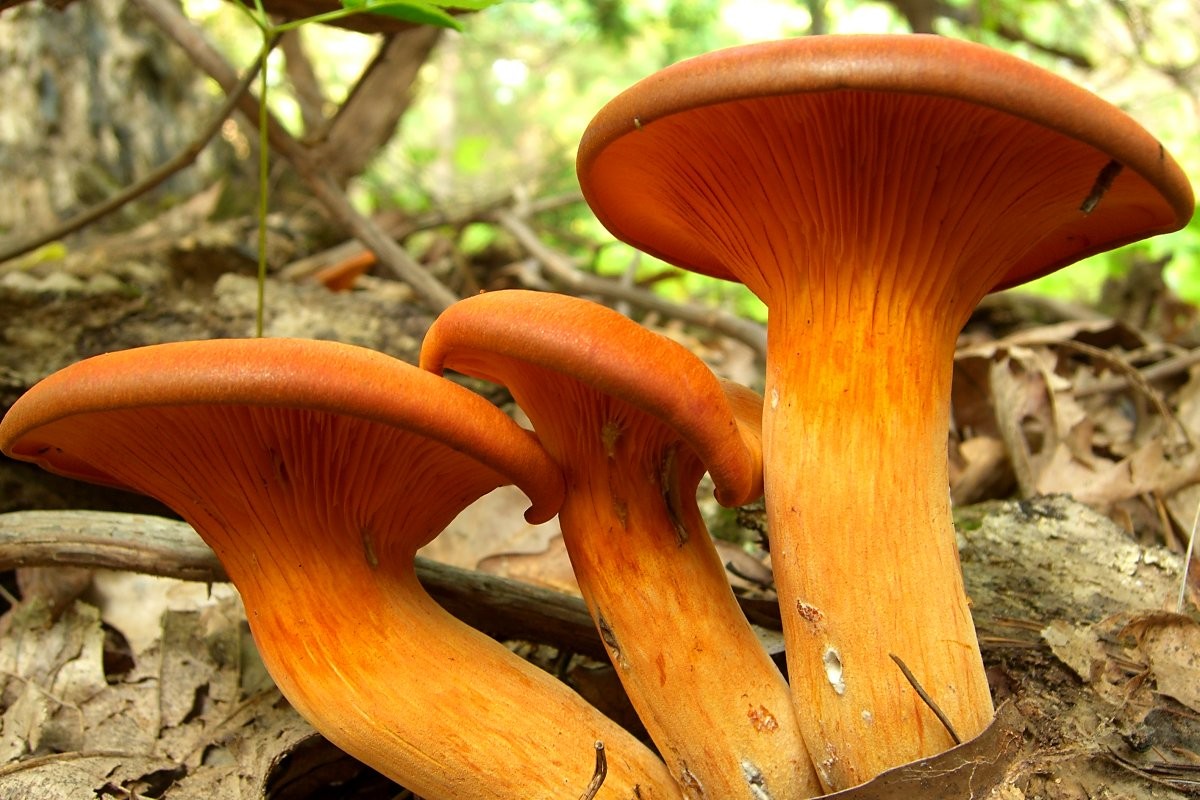
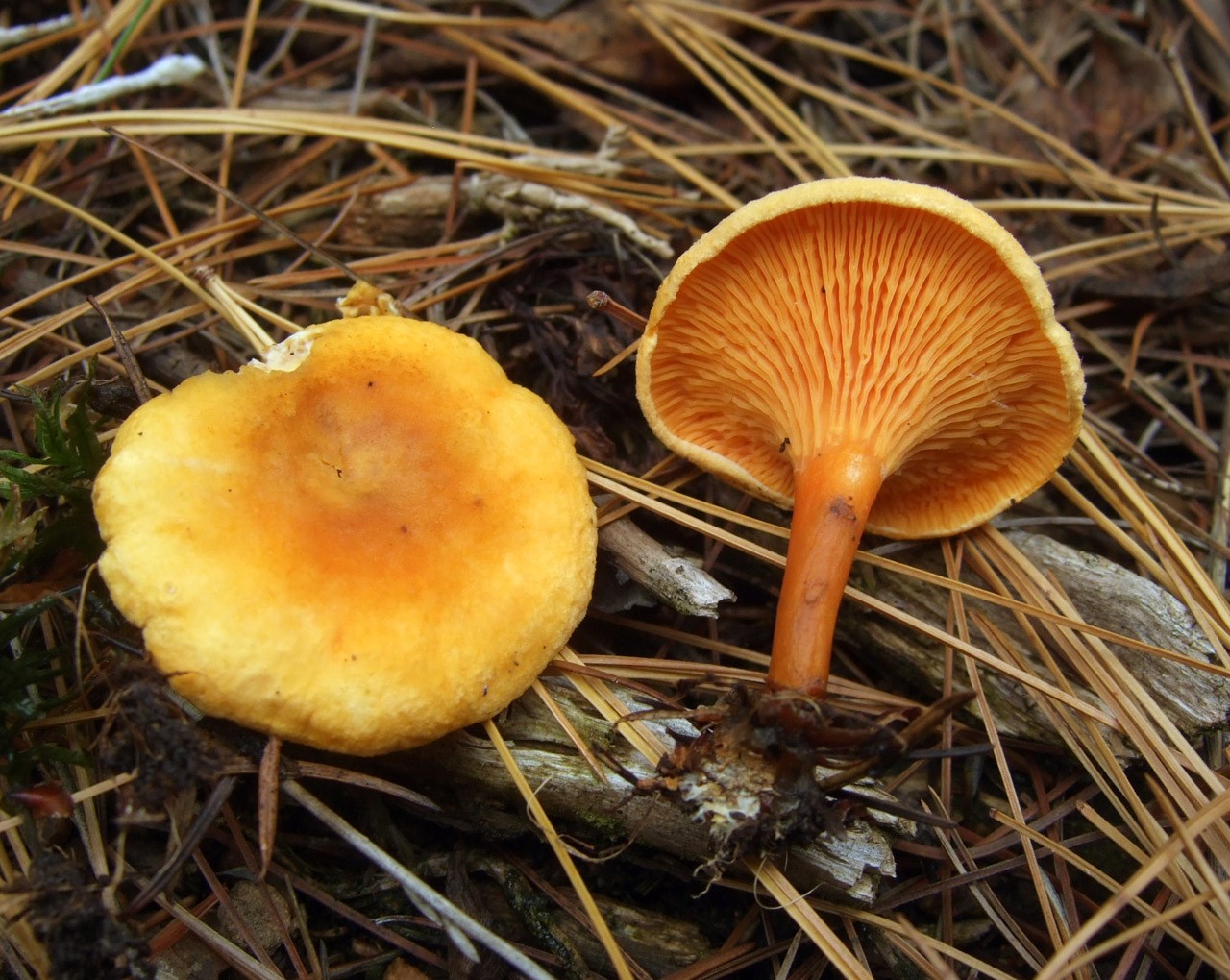
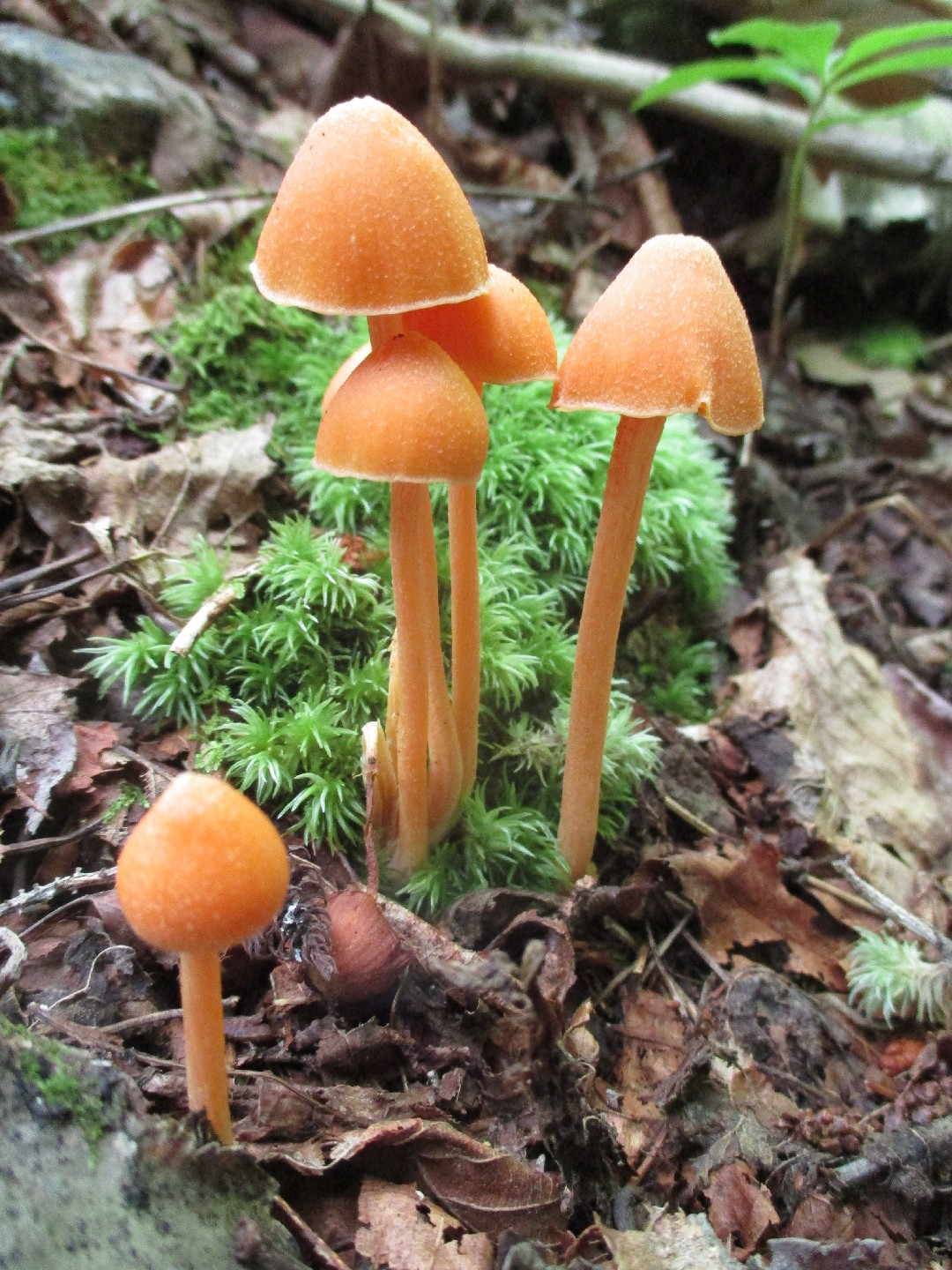
1. Jack-o'lantern mushroom
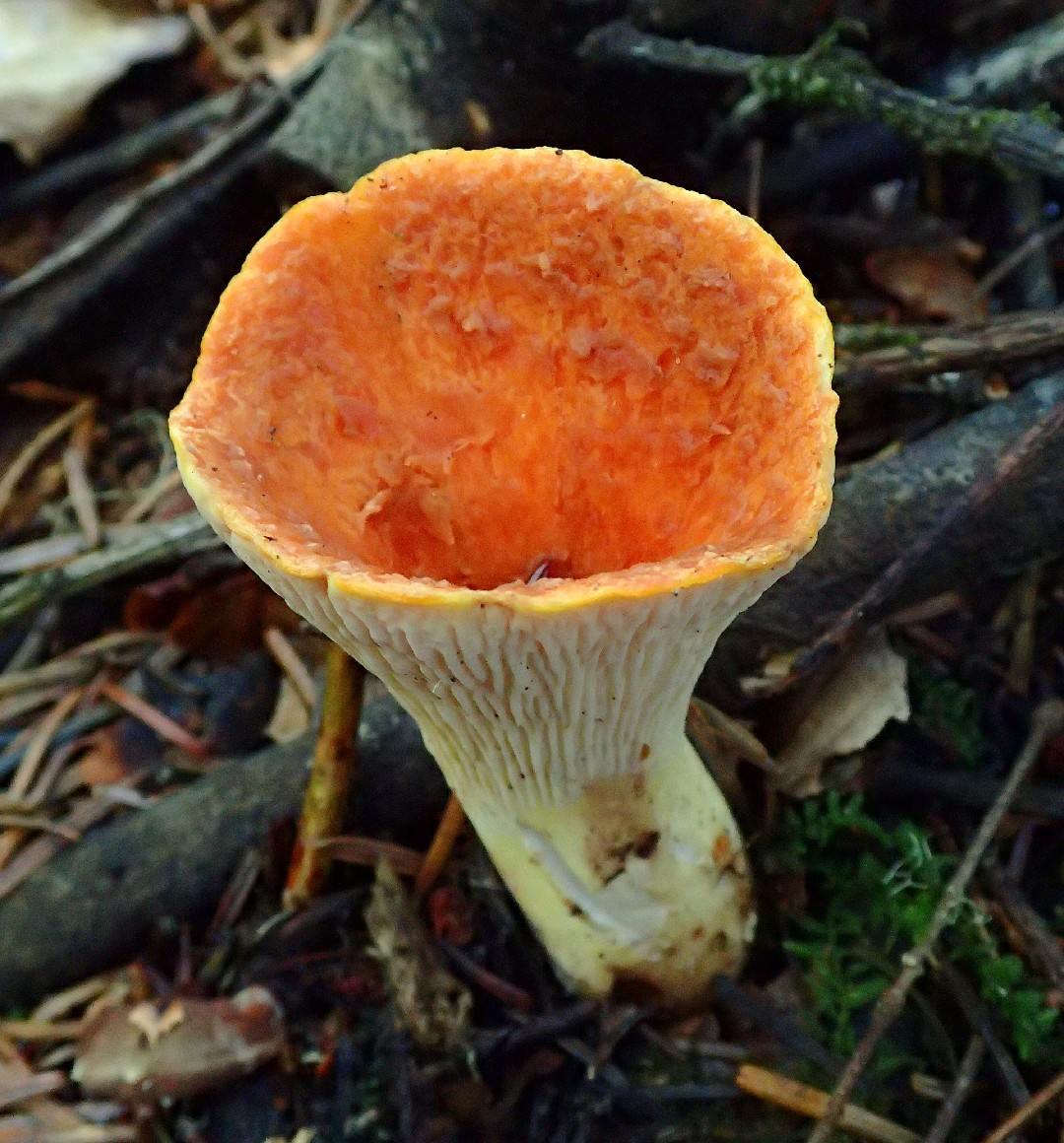
The jack-o'lantern mushroom is so-called because of its bright orange color, and because it often appears in the fall (usually before Halloween, though). This vibrant little mushroom can be found growing on decaying hardwood stumps and logs. The species does have some superficial resemblances to the highly edible chanterelle (Cantharellus cibarius), but it is toxic and should be avoided!
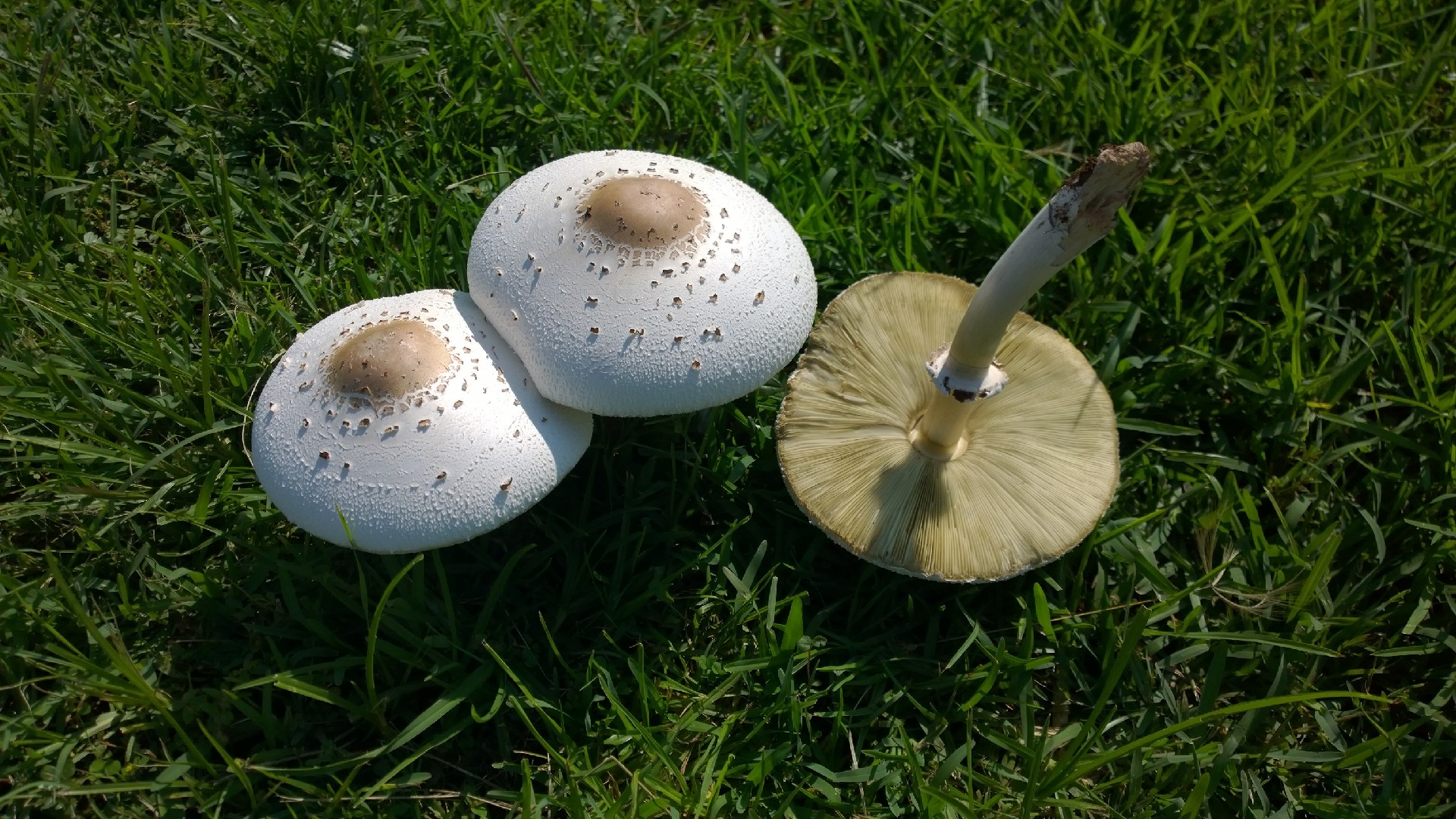
2. False parasol
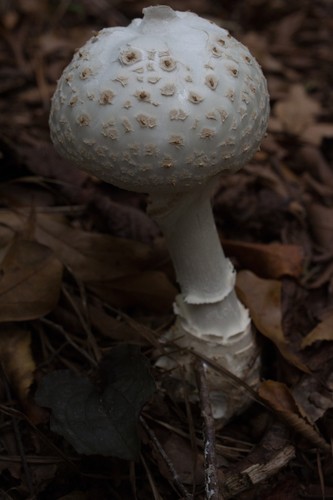
Though the false parasol appears unassuming, the species is famous—or, infamous—for its toxicity. It looks unfortunately similar to Agericus campestrus, a commonly eaten mushroom, but the false parasol can be distinguished by its highly unusual green spore print. Although they are no good to eat, they can be pretty to look at. The species may grow in ring-shaped groups in meadows and on forest floors in what are sometimes called "fairy circles."
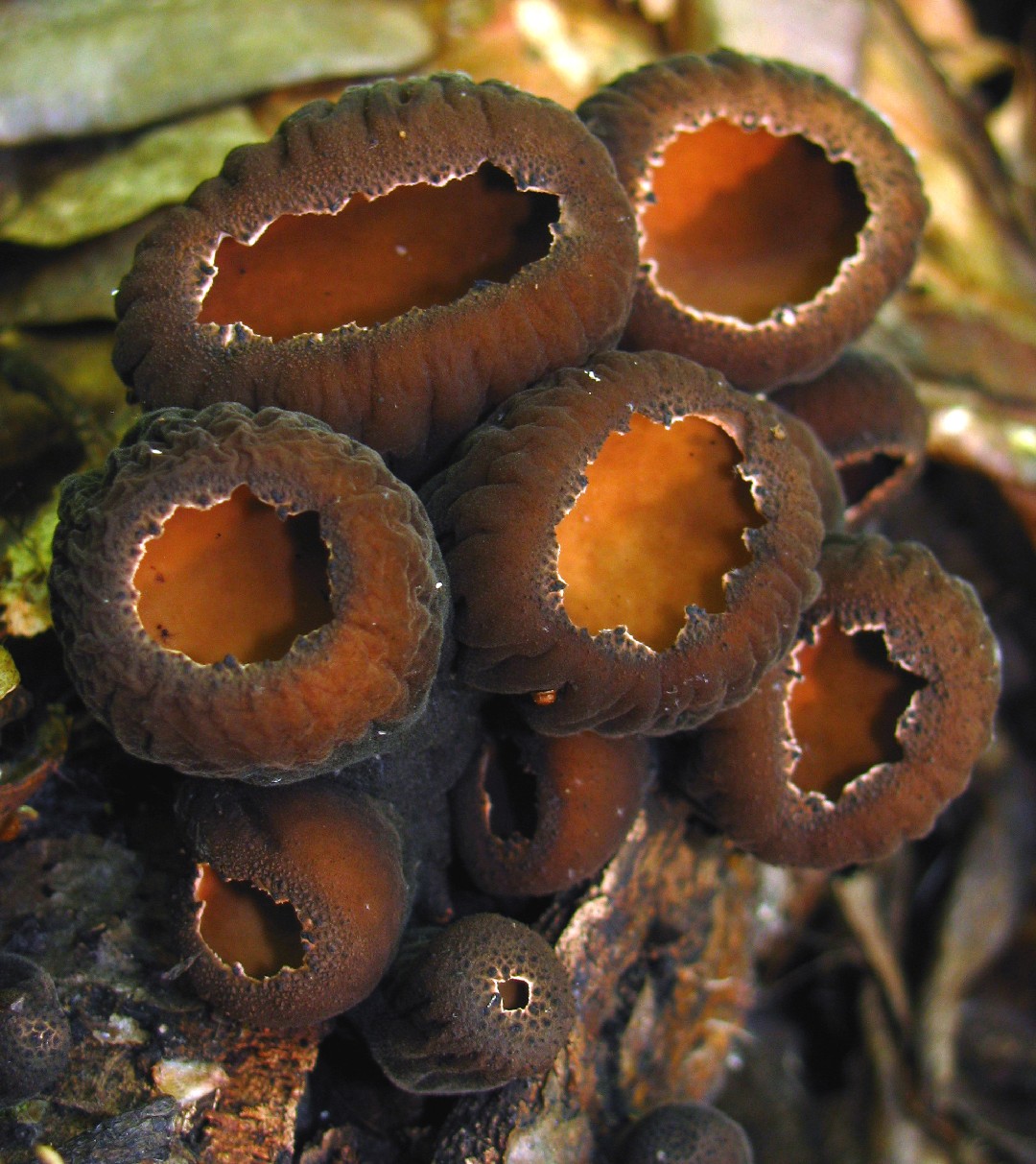
3. Rufous rubber cup
The rufous rubber cup is a tiny, cup-shaped, reddish-brown mushroom that commonly grows on twigs and fallen branches. The species is considered inedible, and its modest look almost certainly wouldn't attract anyone to consume it.
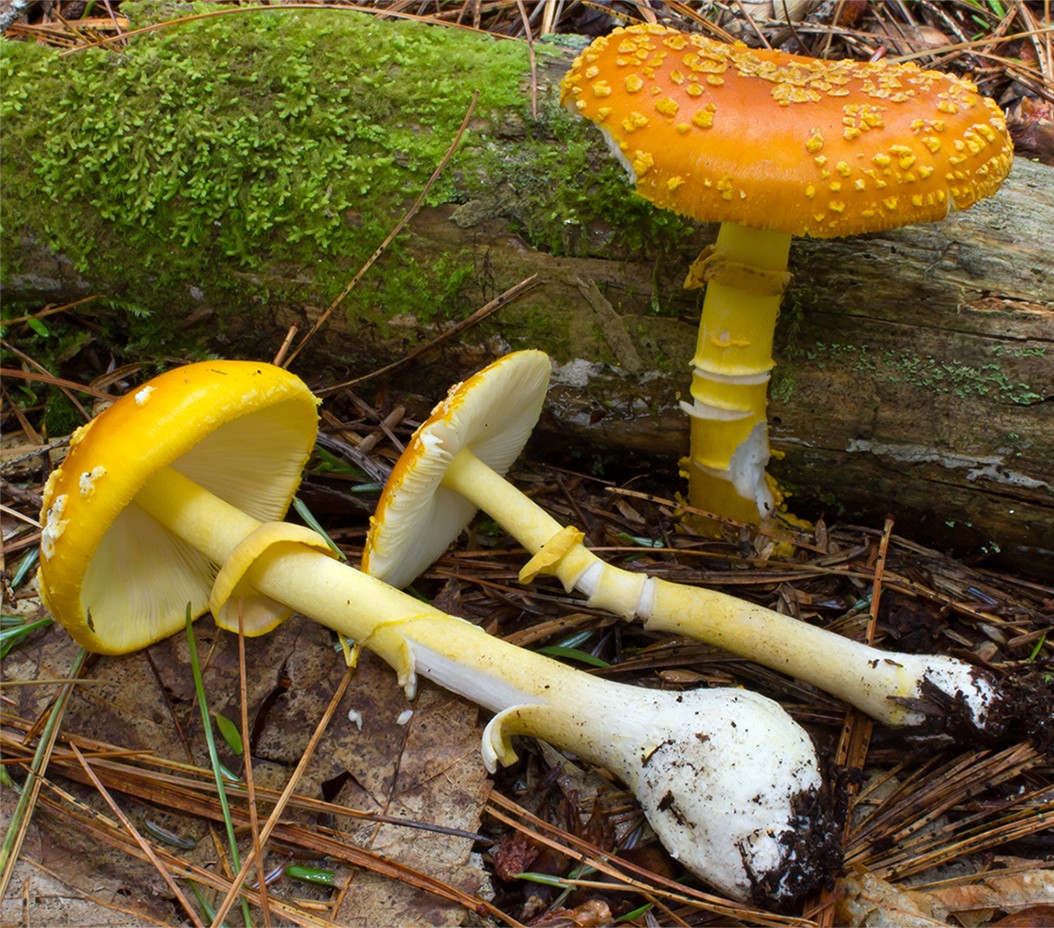
4. Yellow patches
The yellow patches is a gorgeous, striking species with a deep marigold or vermillion cap that sometimes appears as a blend of the two. Like some other members of the Amanita genus, it also sports patchy white worts - when it's cap is still very convex, it somewhat resembles the famous white and red mushrooms from the Mario Bros video games. While beautiful to look at, this species is toxic and should not be harvested.
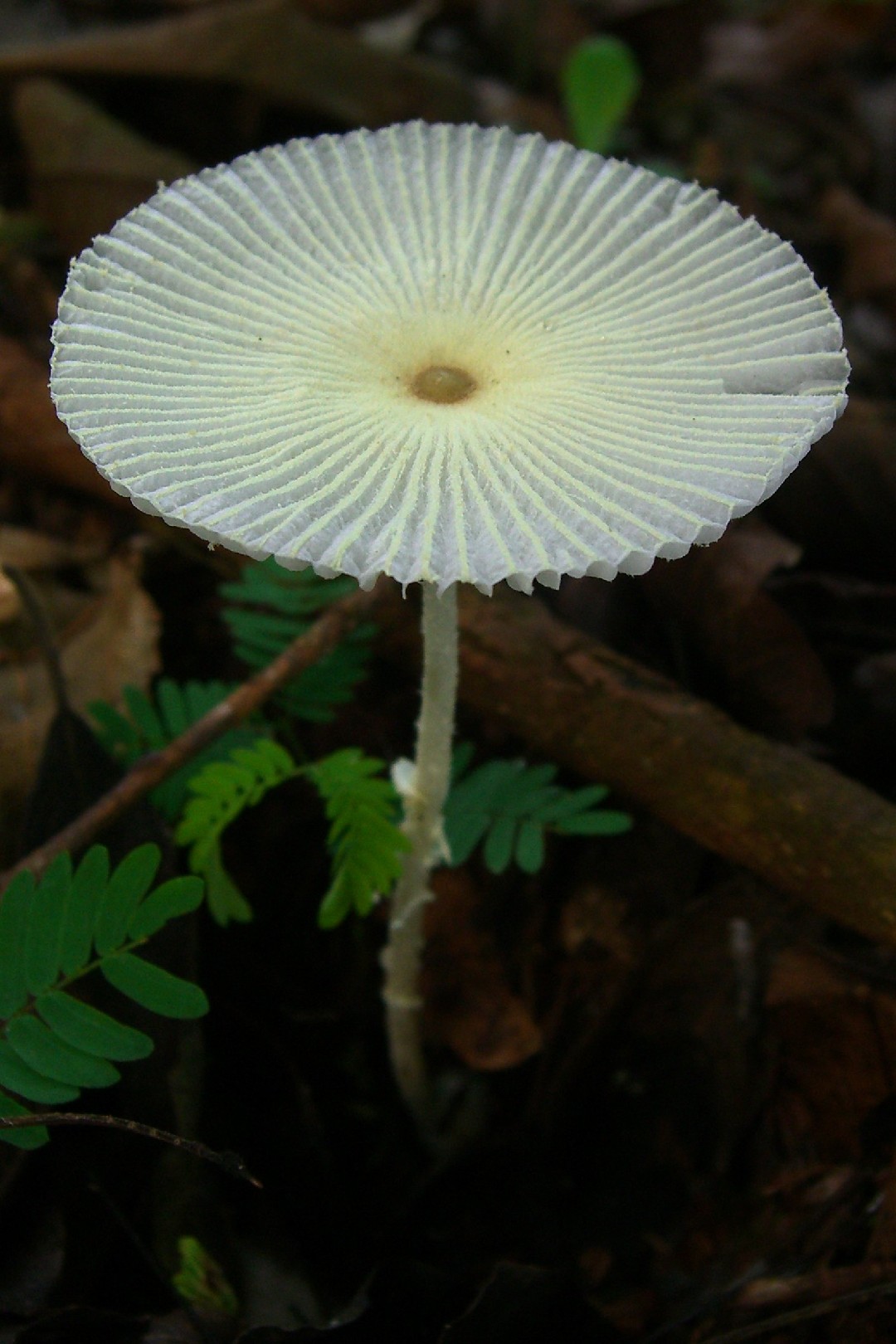
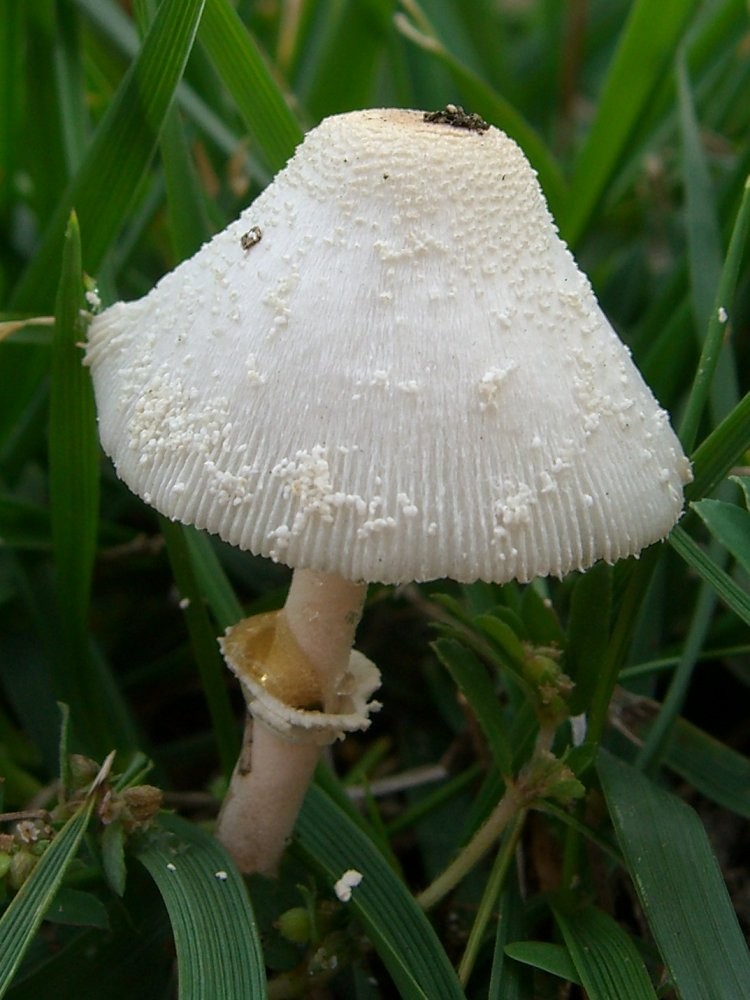
5. Fragile dapperling
The fragile dapperling is a tropical and subtropical woodland species. As its name suggests, this mushroom is so tender and fragile that picking it becomes a real challenge. The stem is very thin and it easily snaps. The edibility of the fragile dapperling is unknown, but the mushroom is probably insufficient for any kind of meal.
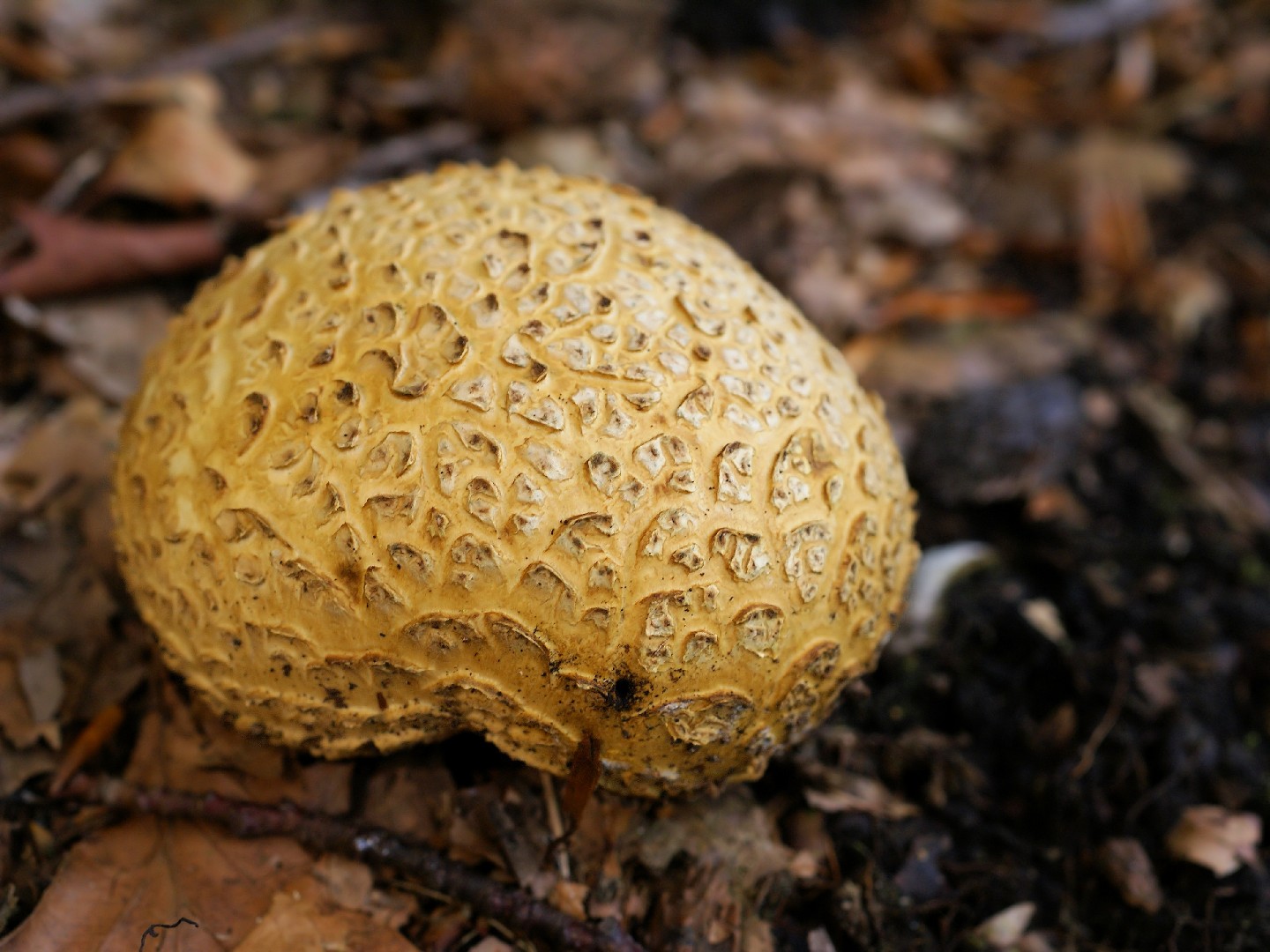
6. Common earthball
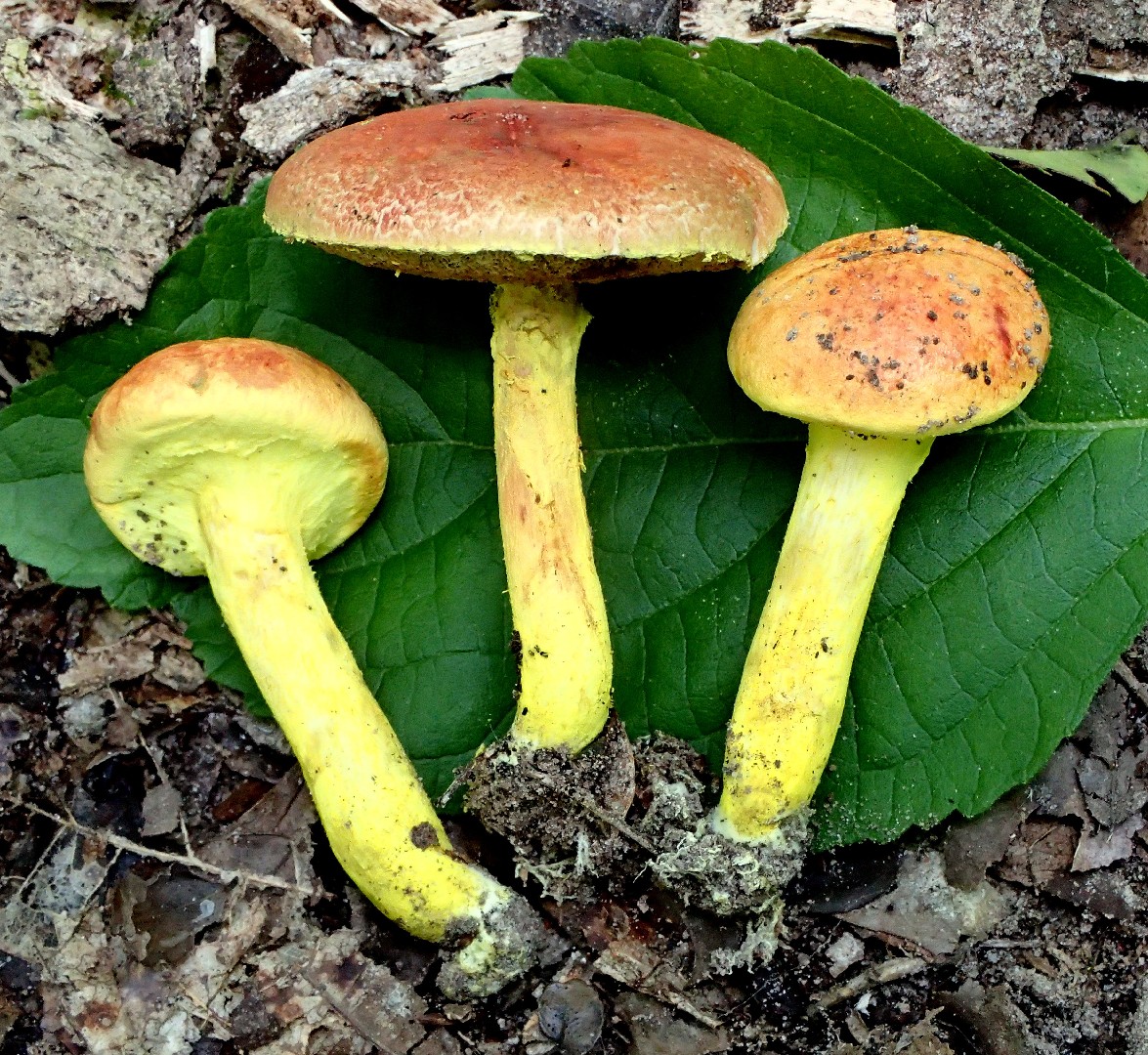
With an appearance similar to a crusty potato, the common earthball blooms from acidic soils, including compacted paths on the forest floor. It matures to a yellowish tinge and is found across the northern hemisphere. It is a close cousin to bolete mushrooms but is considered to be poisonous and is never eaten.
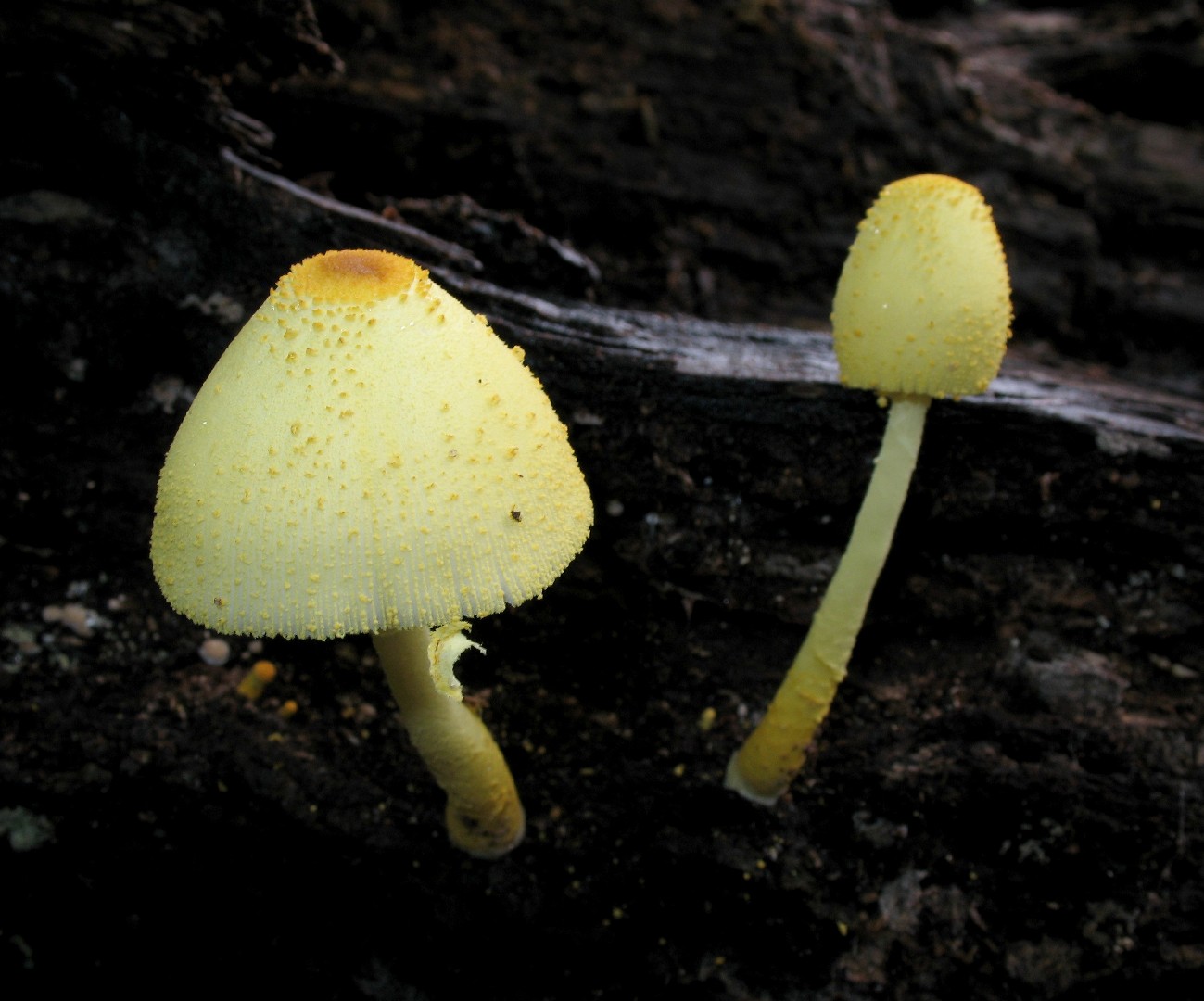
7. Flowerpot parasol
This tropical/subtropical mushroom is known to be toxic. If eaten it causes a very unpleasant stomachache with the risk of fatal complications. In temperate zones, flowerpot parasol is only found in hothouses and greenhouses, so the risk of accidental foraging is low, but it may occur with potted plants and indoor landscaping and pose a risk to curious children.
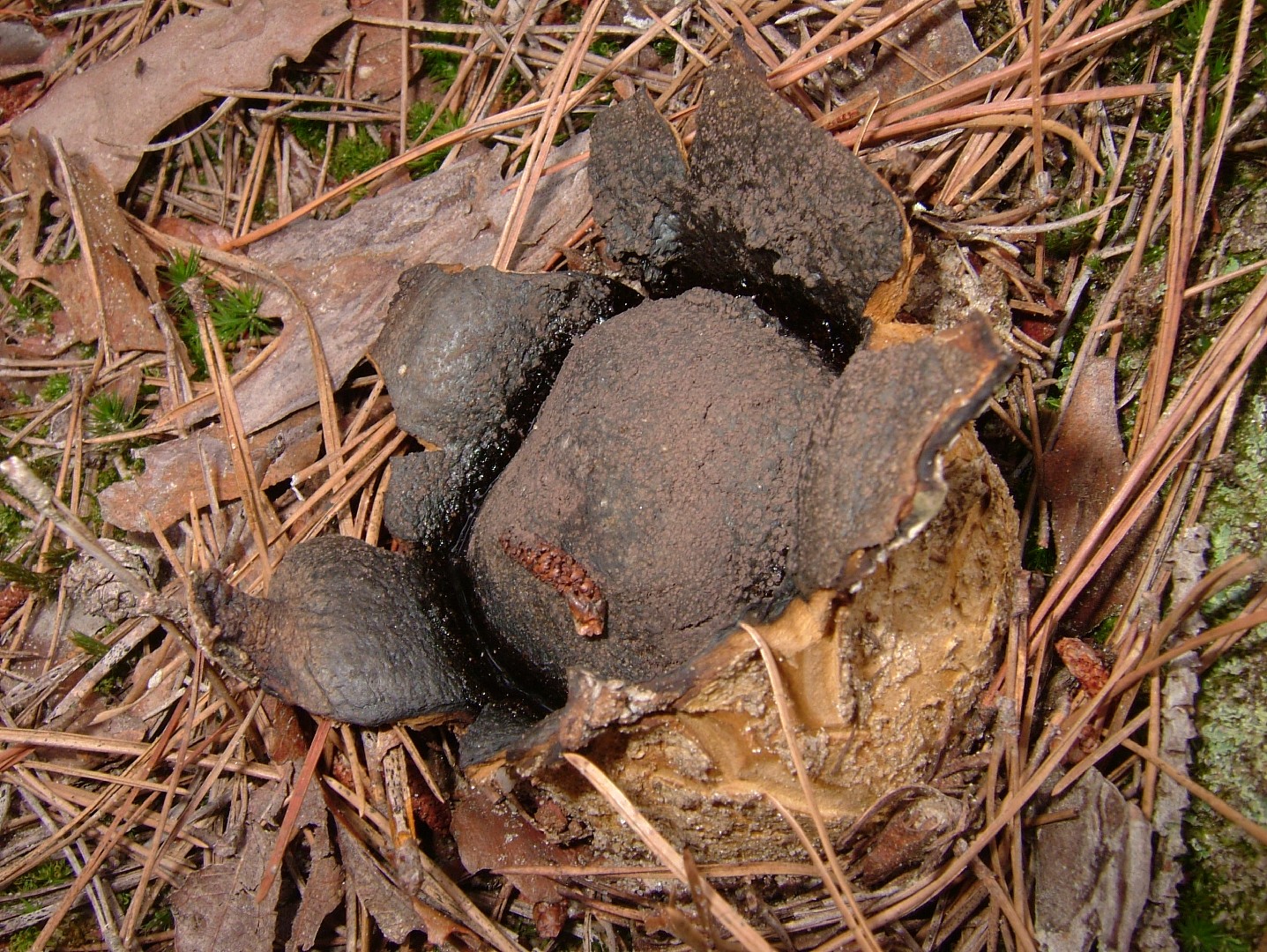
8. Dead man's hand
Sometimes referred to as a "false Truffle", a trained eye could not easily mistake the dead man's hand for these highly-valued mushrooms. This large puffball-like mushroom develops in the ground, emerging gradually until it finally cracks up and forms a star-shaped fruiting body. The dead man's hand is considered toxic and newbie mushroom hunters should be careful not to confuse it with edible puffballs.
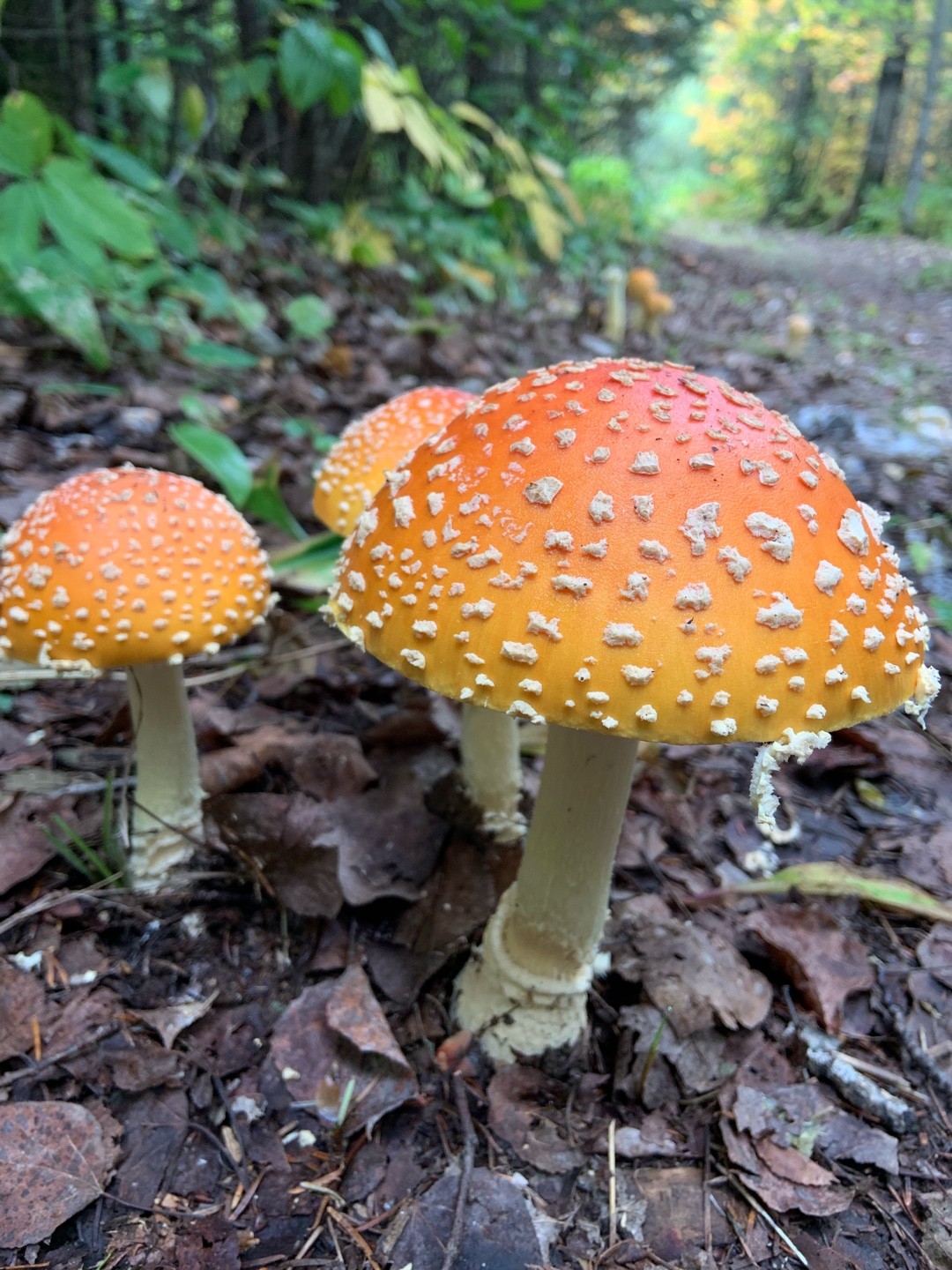
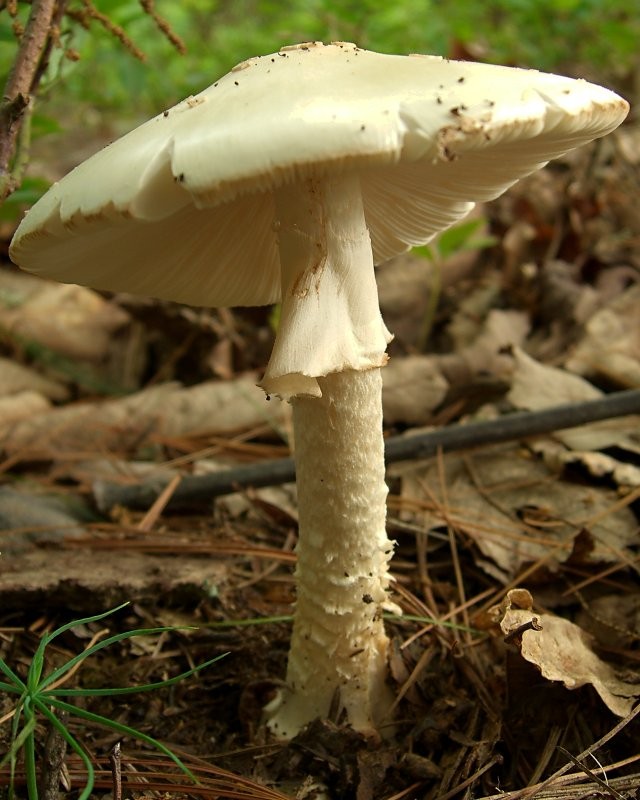
9. Peach-colored fly agaric
If you're looking for peach-colored fly agaric (Amanita persicina), start by hunting around in the leaf litter of hemlock, pine, and oak trees on the eastern coast of North America. Their rotund cap can commonly be overlooked, but well worth seeking out just to view the freckles and color. This species is poisonous, so take nothing but a photograph.
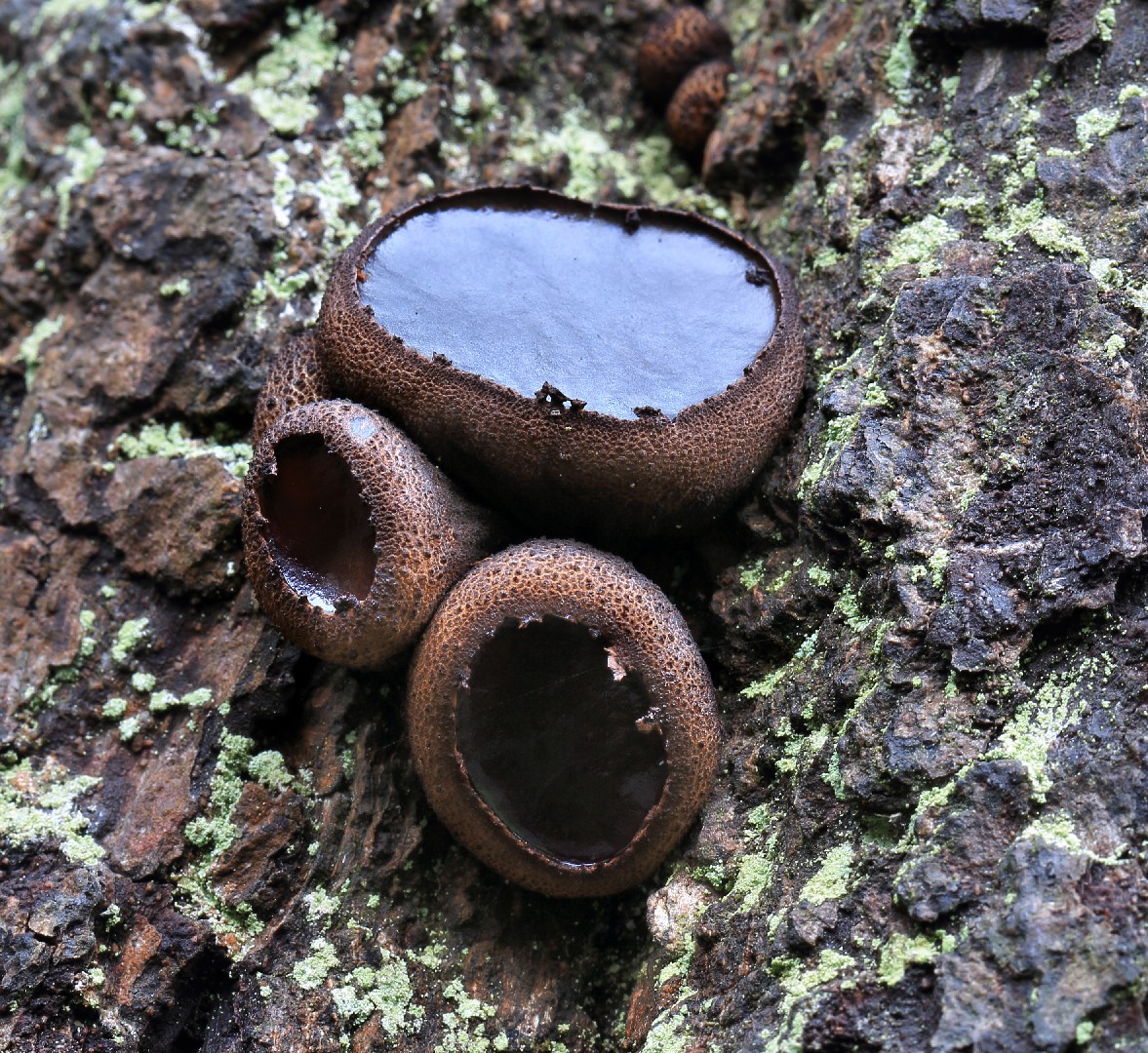
10. Black bulgar
The black bulgar is an unusual fungus that looks a bit like black gumdrops. While some authorities classify it in an "unknown edibility" group, others claim it's a poisonous mushroom. Either way, its unappealing appearance surely makes it an easy choice not to consume the black bulgar.
More







