




Top 19 Most Common Toxic or Poisonous Mushrooms in Flagstaff
Immerse yourself in the remarkable terrain of Flagstaff: a dynamic convergence of varied landscapes, from ponderosa pine forests to alpine tundra, characterized by its favorable fungi conditions. With distinct seasons, considerable precipitation, and rich soil attributes, it's no wonder Flagstaff accommodates a striking variety of mushrooms. However, this comes with risk; 19 of these species are known to be poisonous. Our guide outlines these potentially lethal varieties, blessing you with the knowledge necessary for secure foraging. Enjoy a safe and educational mushroom hunting experience with us.
* Disclaimer: Content feedback CAN NOT be used as any basis for EATING ANY PLANTS. Some plants can be VERY POISONOUS, please purchase edible plants through regular channels.

Most Common Toxic or Poisonous Mushrooms
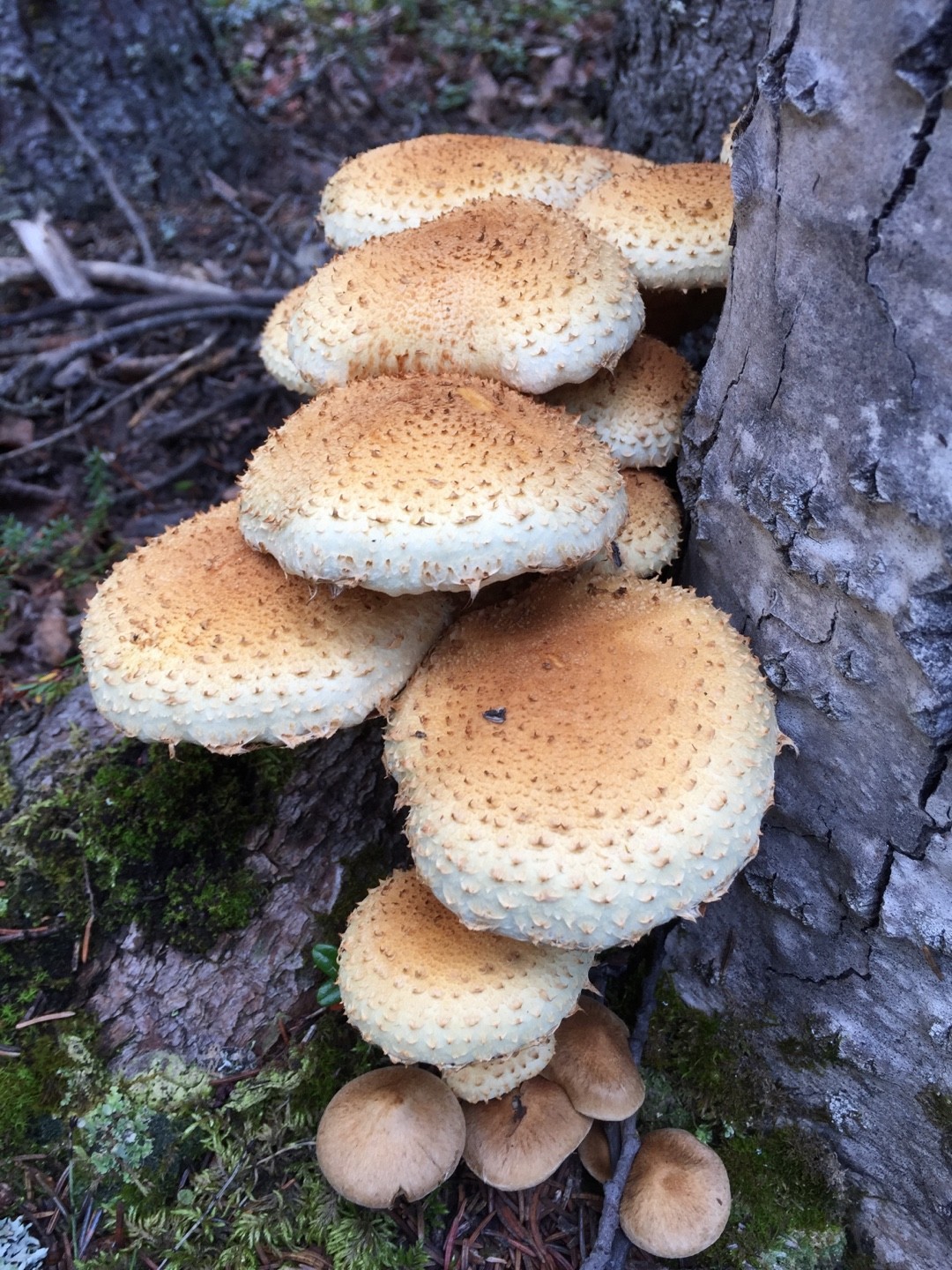
1. Shaggy scalycap
These mushrooms are most commonly found in clusters underneath old broadleaf trees and on their stumps. Their scientific name, Pholiota squarrosa, means “scaly with upright scales,” and that is exactly how the surface of the mushrooms appears. They are sometimes mistaken for honey fungus, as they share the same color, but the shaggy scalycap is definitely not edible.
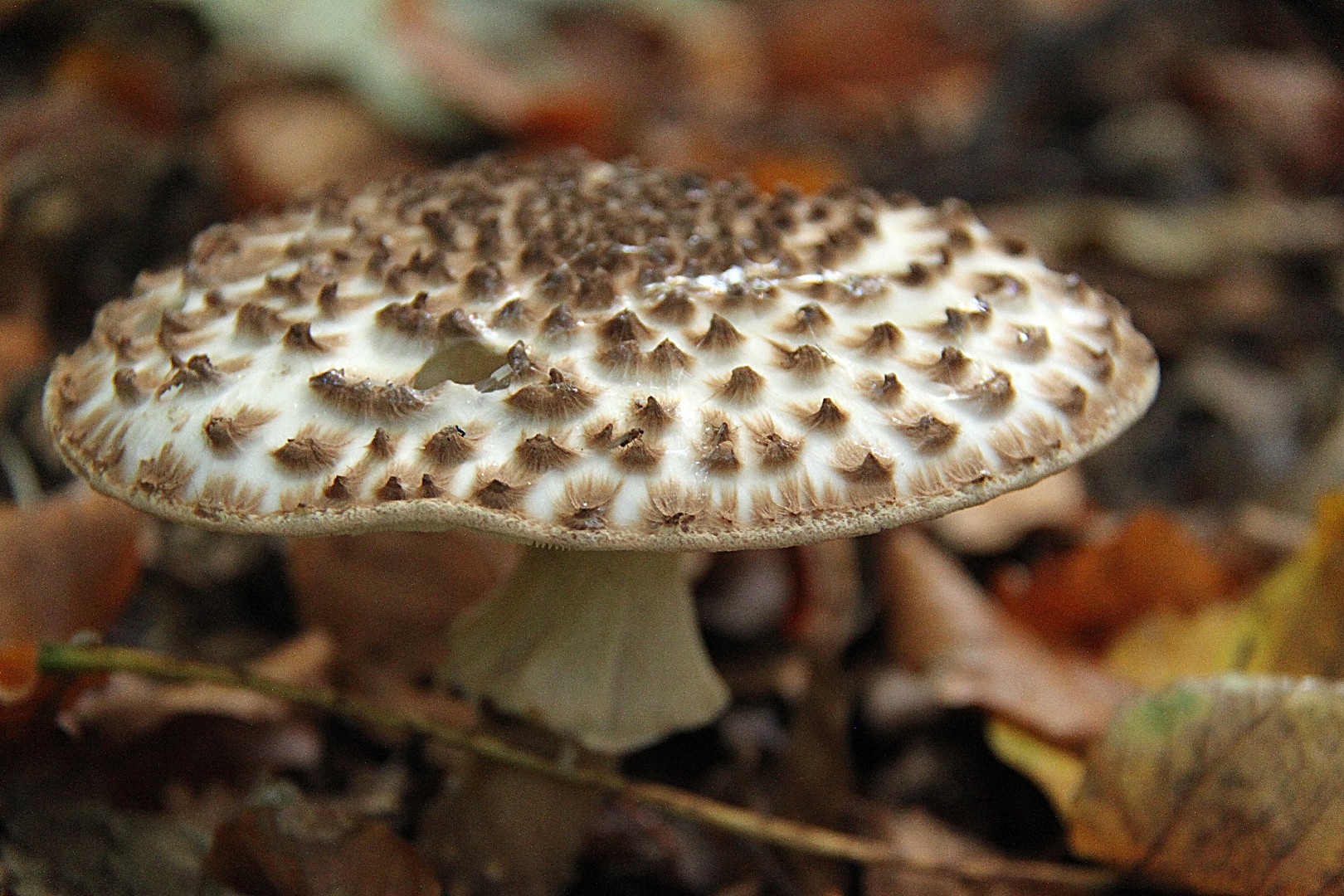
2. Freckled dapperling
Freckled dapperling grows on decaying wood most commonly in woodlands but also on mulch or in gardens. Unfortunately, this mushroom may be indistinguishable from other species in the same genus, Echinoderma, without close inspection. However, its pyramid-shaped scales, as referenced by its name, are one aspect that can help differentiate freckled dapperling.
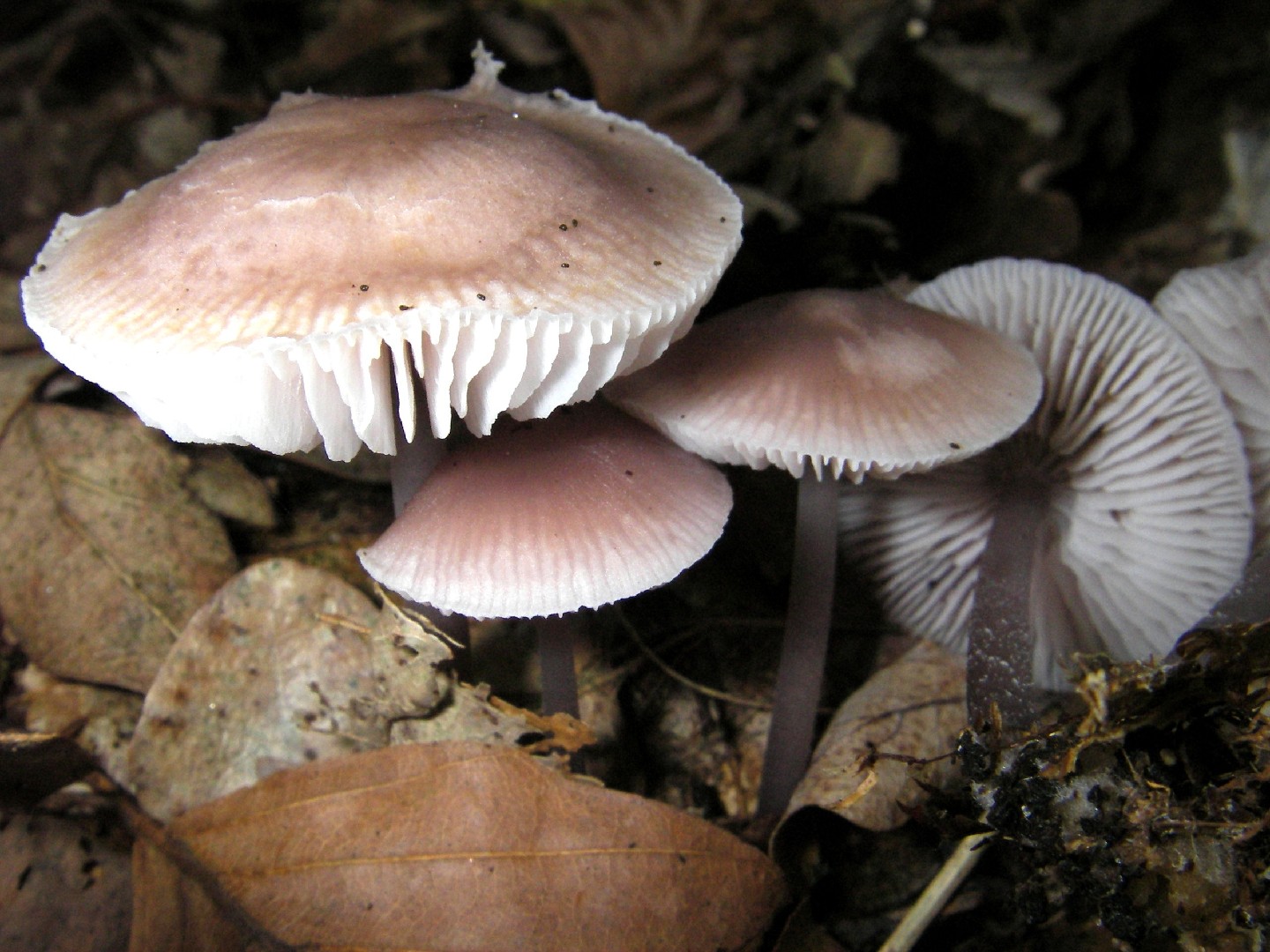
3. Lilac bonnet
The lilac bonnet is common around the northern hemisphere in woodlands of all types, and can sometimes also be seen in grasslands. It is toxic to humans due to its muscarine content, a poison that can cause convulsions and death after ingestion.
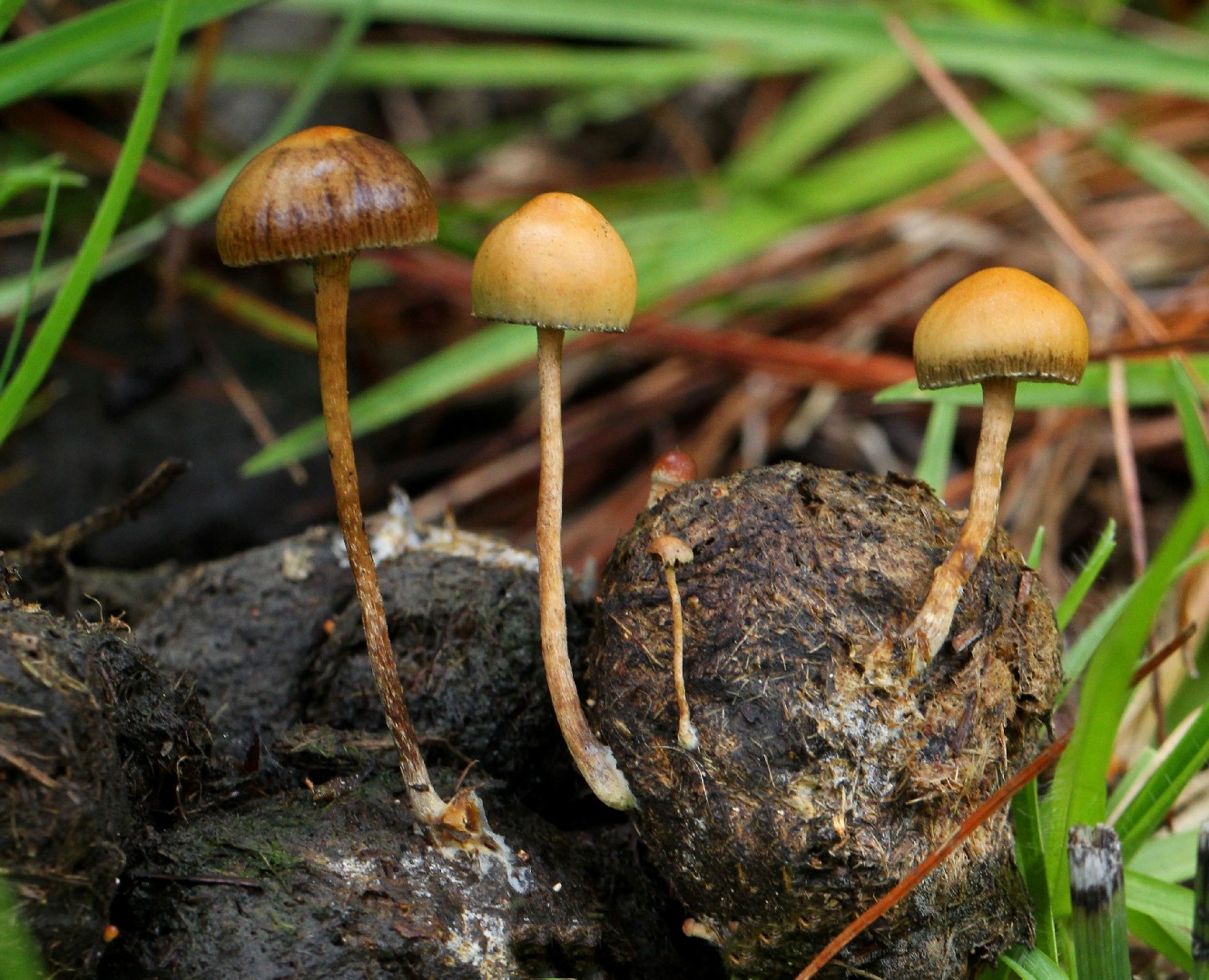
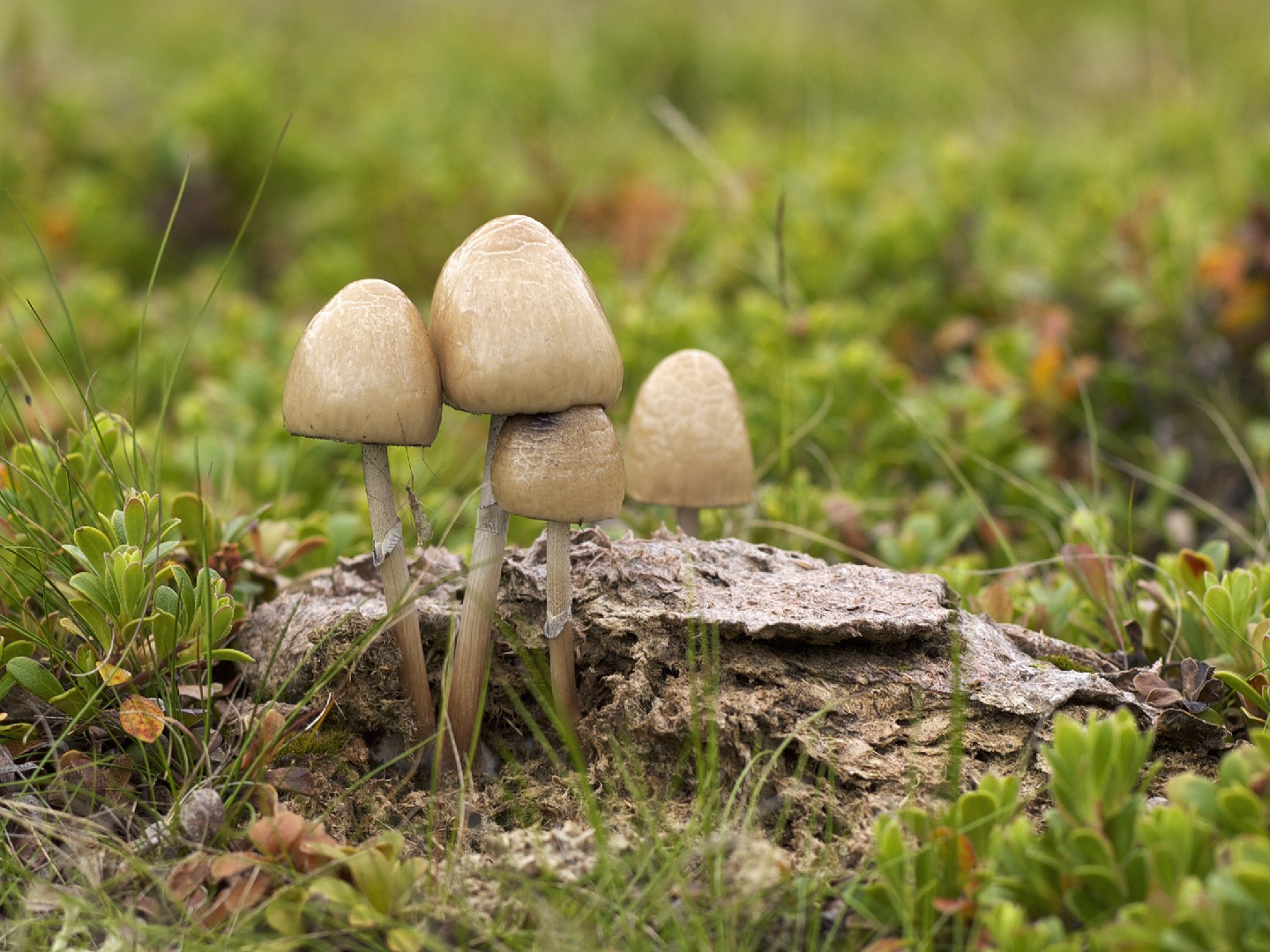
4. Dung-loving deconica
As its common name indicates, dung-loving deconica(Deconica coprophila) is most commonly found sprouting from decaying clumps of bovine or horse dung, particularly after periods of heavy rain. Perhaps unsurprisingly, there is little information available regarding its edibility. Consumption is therefore not recommended.
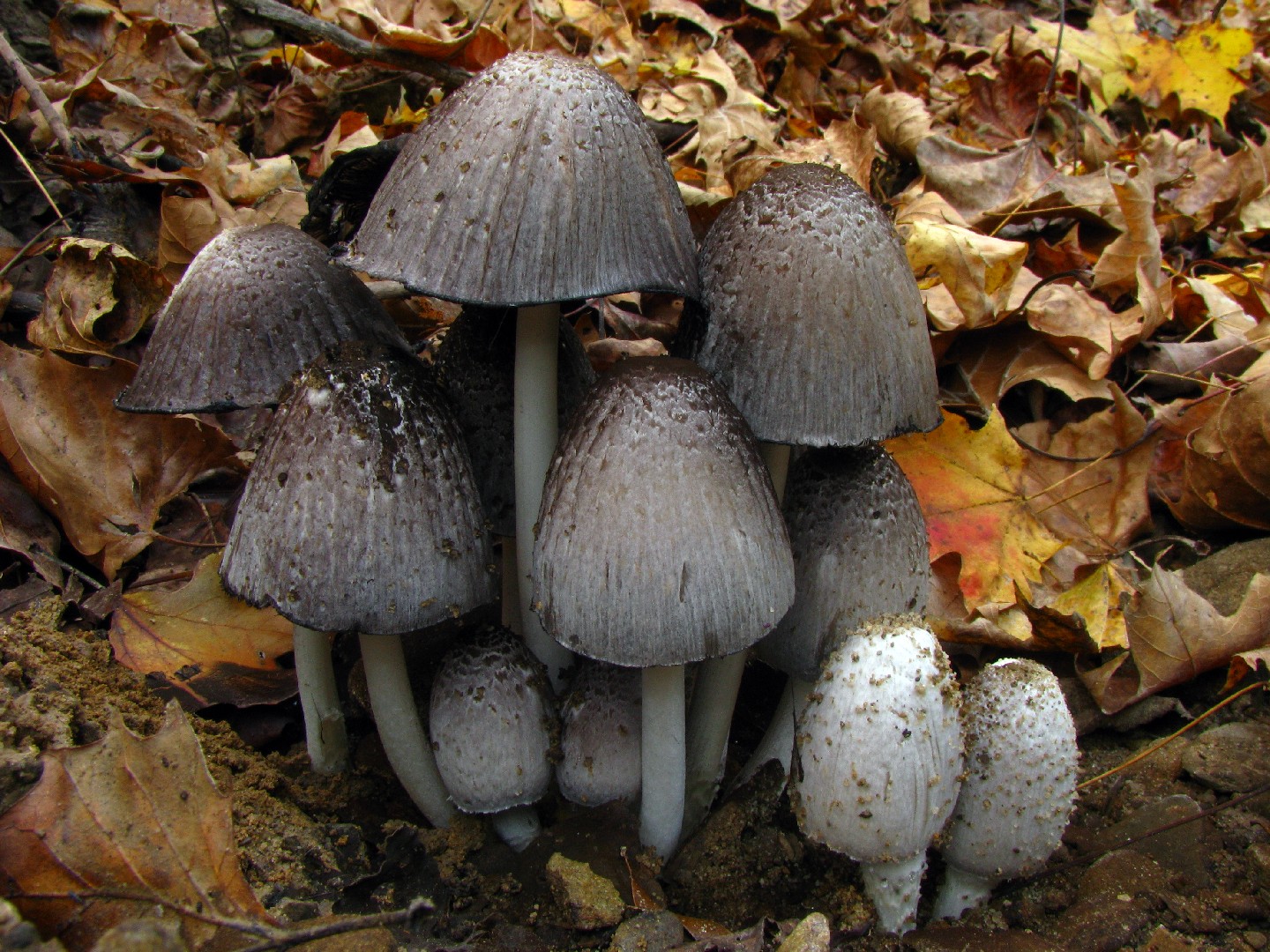
5. Common ink cap
Common ink cap mushrooms grow in clumps from buried wood or tree stumps. They come up with such strength that they have been known to lift pavement or break through asphalt. As they age, their gills will turn black and liquefy, creating the "inky" substance for which they are named.

6. Shield dapperling
The shield dapperling is easily recognizable by the shaggy, cottony scales on its stem. According to some authorities, the species is inedible, while others treat the shield dapperling as poisonous. Inexperienced mushroom hunters should be careful: the shield dapperling could be mistaken for the edible Parasol mushroom ( Macrolepiota procera).
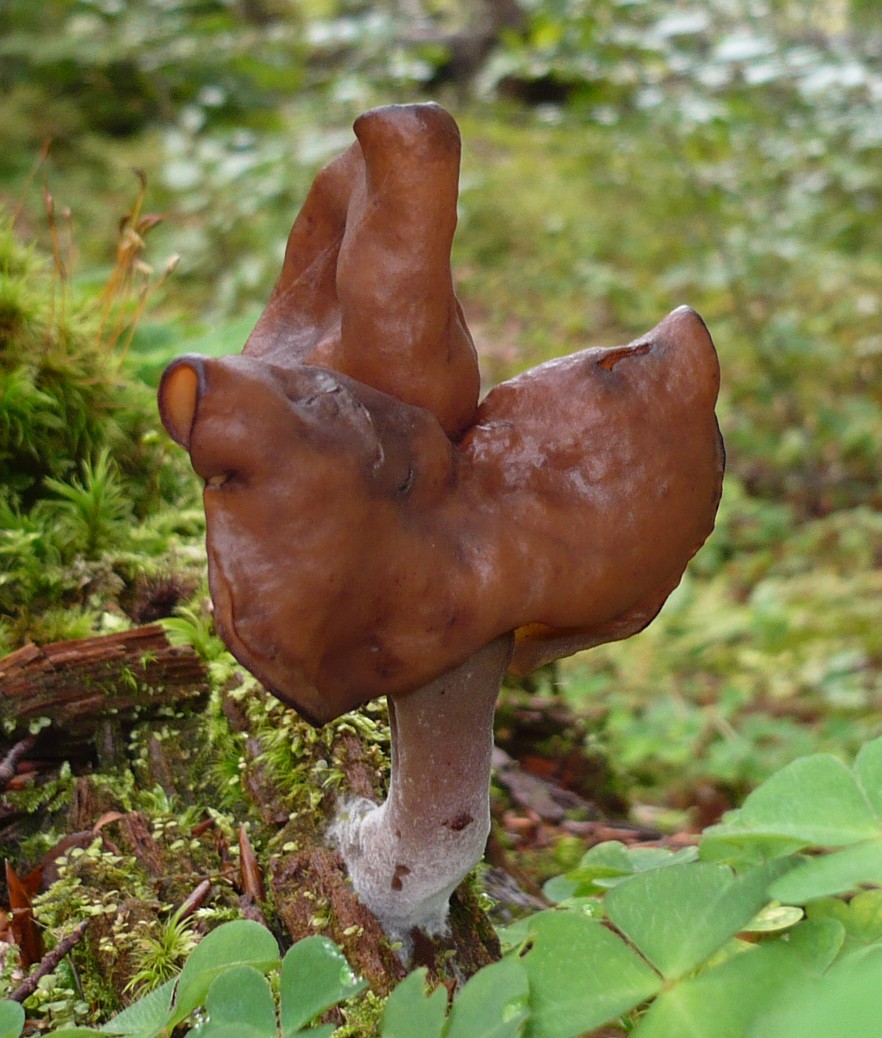
7. Hooded false morel
The hooded false morel (Gyromitra infula) does not look nearly as similar to true morels as some other false morels do. This mushroom has a highly irregular, often saddle-shaped cap that rarely has the honeycomb-like holes of a common morel. The species is widely distributed across the temperate northern hemisphere and tends to grow on rotting coniferous wood.
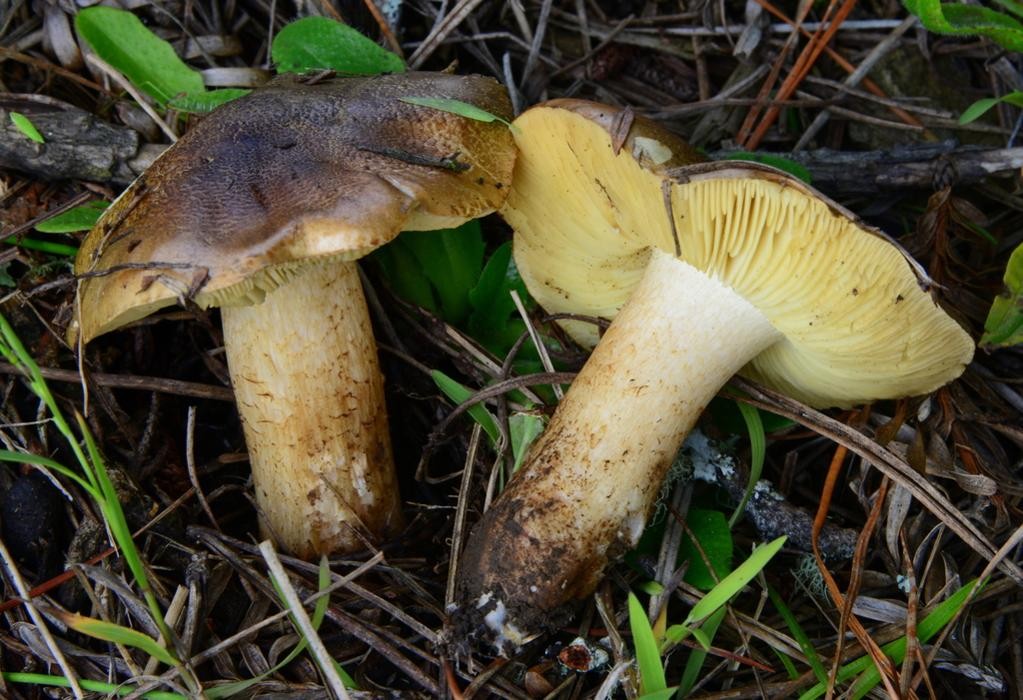
8. Yellow knight
The thick, squat yellow knight mushroom sometimes grows into a saddle-shaped cap. This species is distinguished in the field from the Sulphur Knight mainly by its own lack of a distinctive smell. Older guides may list these mushrooms as edible, but they have been linked to several confirmed poisoning cases in which their toxins had caused painful muscle damage.
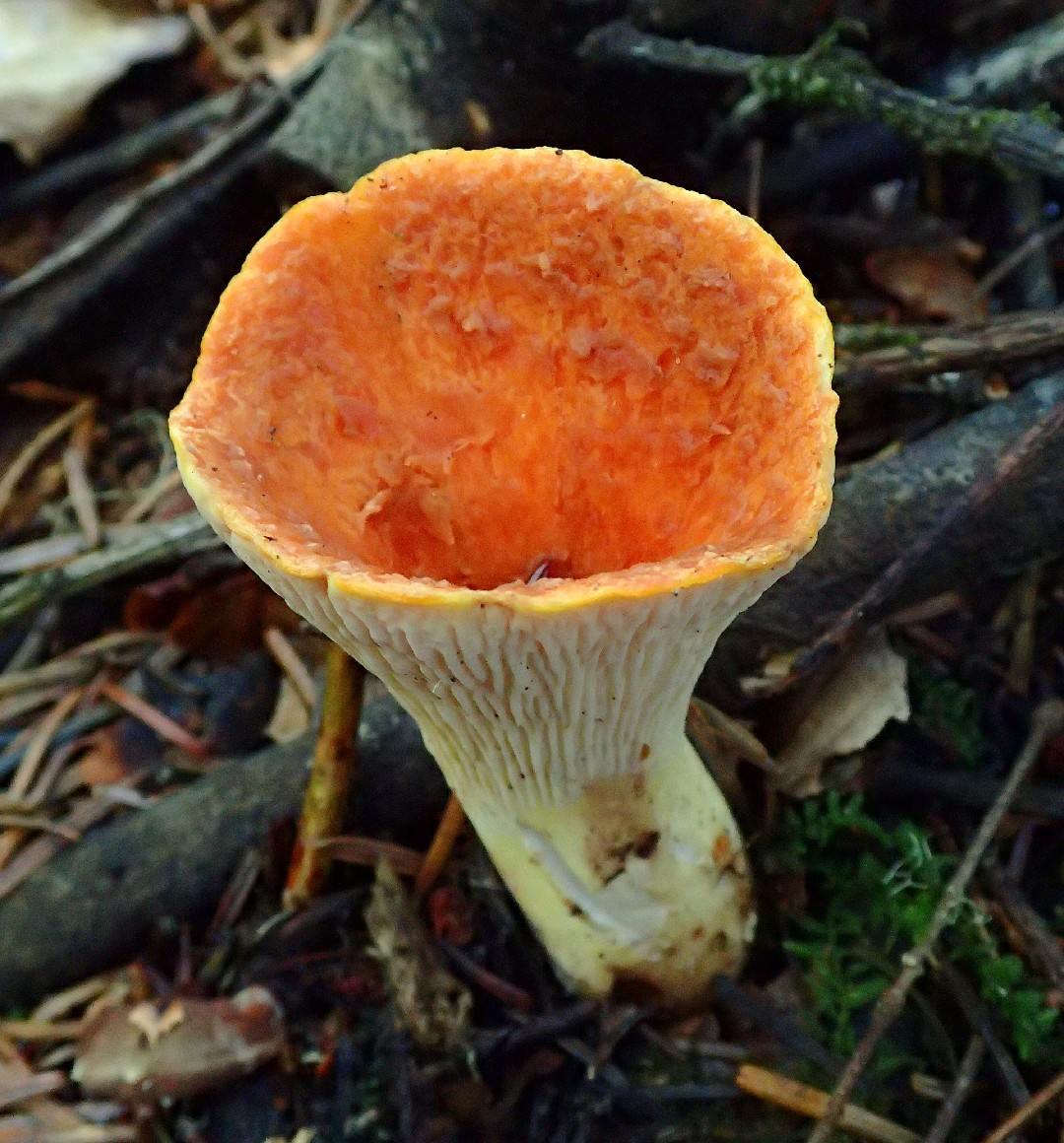
9. Woolly chanterelle
The woolly chanterelle, which looks only vaguely similar to its famed, edible chanterelle cousins, is vase-shaped and has large, pale folds and wrinkles on its underside (as opposed to having gills, like those of more sought-after chanterelles). Woolly chanterelles can cause upset stomach, vomiting, and diarrhea in some who eat them, while leaving others completely unaffected. Needless to say, the species is not considered a "choice edible".
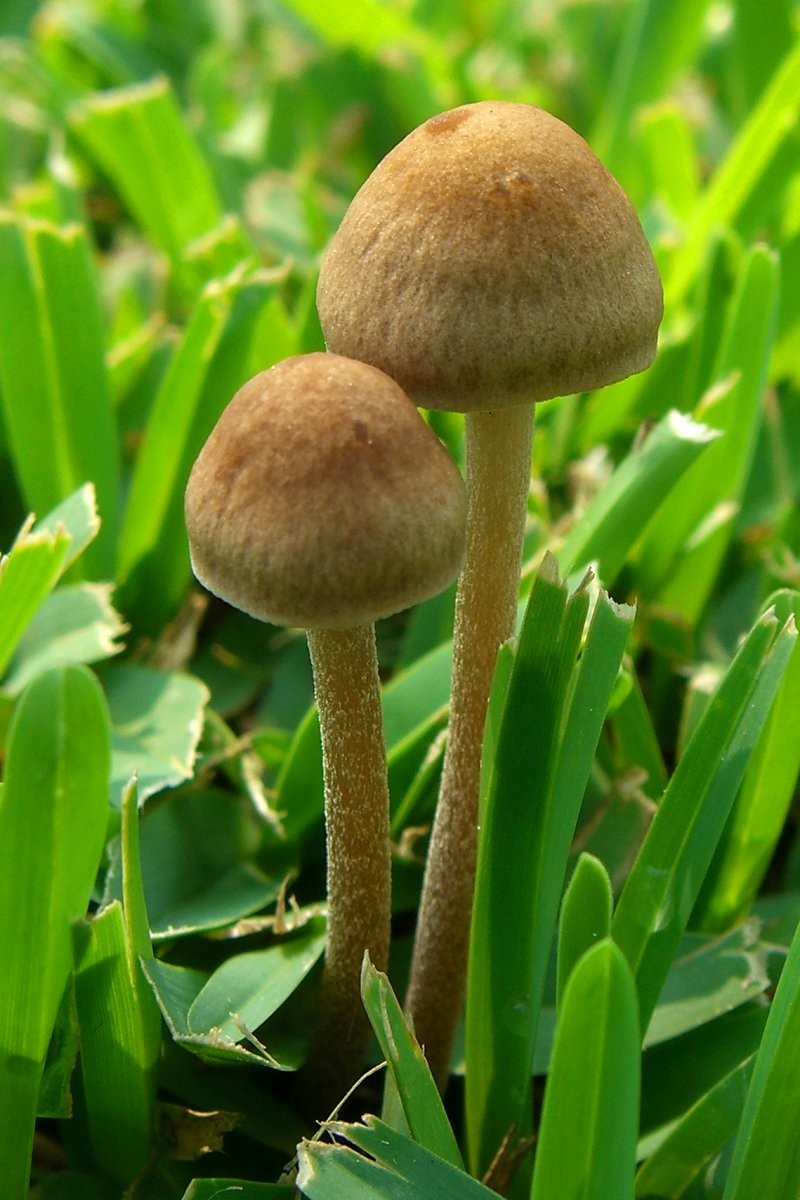
10. Mower's mushroom
The mower's mushroom, also referred to as the lawnmower's mushroom, is so named because it frequently crops up in lawns. The species is rather nondescript, and it is considered a member of the infamously hard-to-distinguish "Little Brown Mushroom" (LBM) family. While the mower's mushroom is not known to be toxic to humans or dogs, several of these close look-alikes are.
More







