




Top 18 Edible Mushrooms Popular in Jackson
Immerse yourself in the enchanting world of fungi in Jackson, as we reveal the top 18 commonly savored edible mushrooms. Jackson, characterized by its diverse terrain and climatic conditions, hosts a plethora of mushroom species. Each mushroom variety reveals distinct characteristics, from enticing flavors and texture profiles to exceptional culinary applications. They differ in appearance, taste, and habitat, shaped by the city's unique microclimates. Explore, learn, and unlock the mystique of these stunning edible fungi, a cherished treasure of Jackson.
* Disclaimer: Content feedback CAN NOT be used as any basis for EATING ANY PLANTS. Some plants can be VERY POISONOUS, please purchase edible plants through regular channels.

Most Popular Edible Mushrooms

1. Shaggy mane
The shaggy mane mushroom is commonly found in North American and European grasslands. Some peoples foraged for its young egg-shaped caps, but it has more recently been found to be a bioaccumulator of heavy metals, meaning it pulls toxic metals up from the soil where it grows. As a result, shaggy manes should not be eaten. The mushrooms usually appear in clusters or “fairy rings.”
2. Jelly Tree Ear
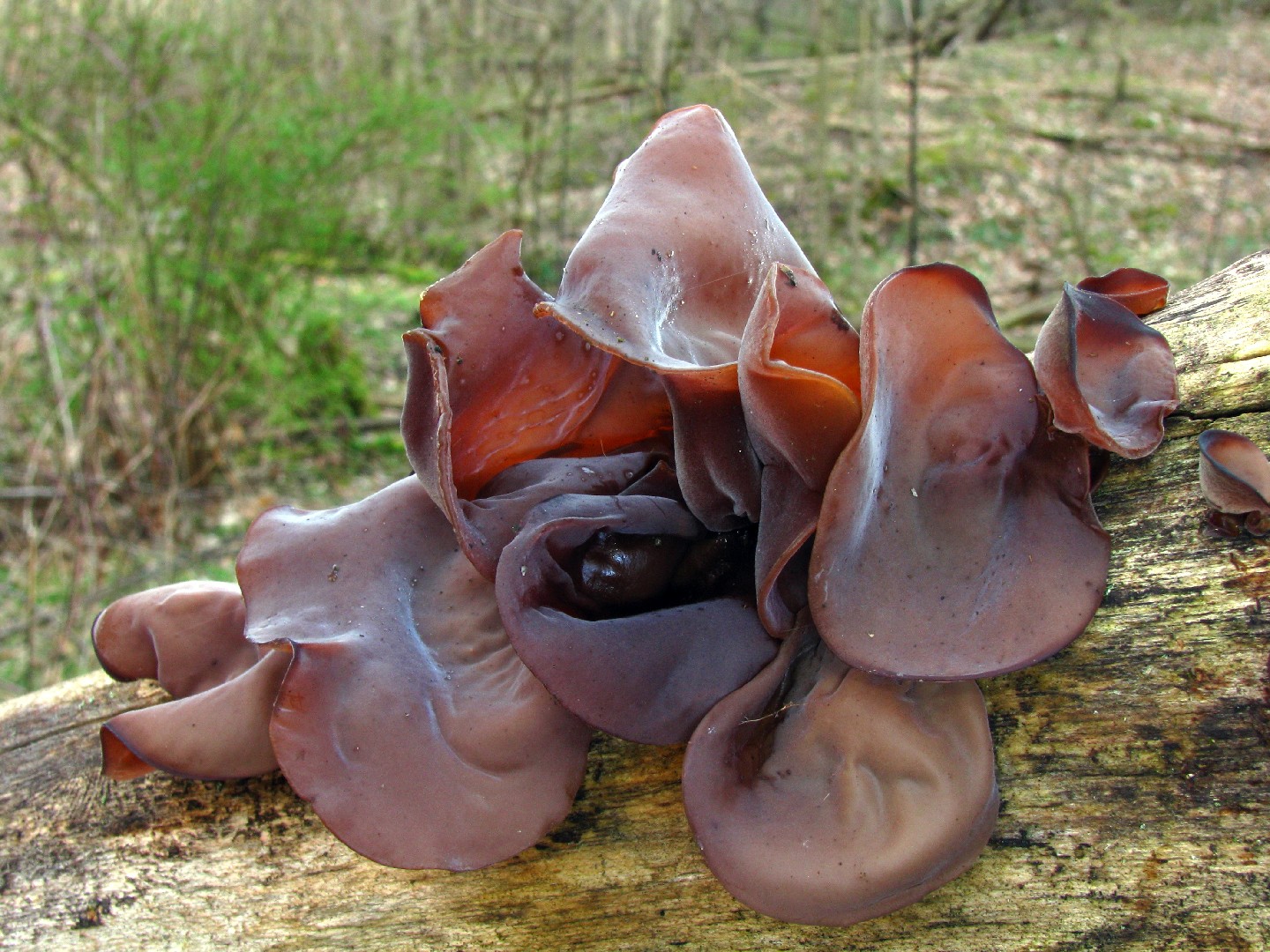
Jelly Tree Ear is a mushroom that grows on hardwood trees in North America. As suggested by its name, it can bear a striking resemblance to ears. This mushroom may completely dry up without enough water, but it is able to rehydrate after rain.
3. Enoki
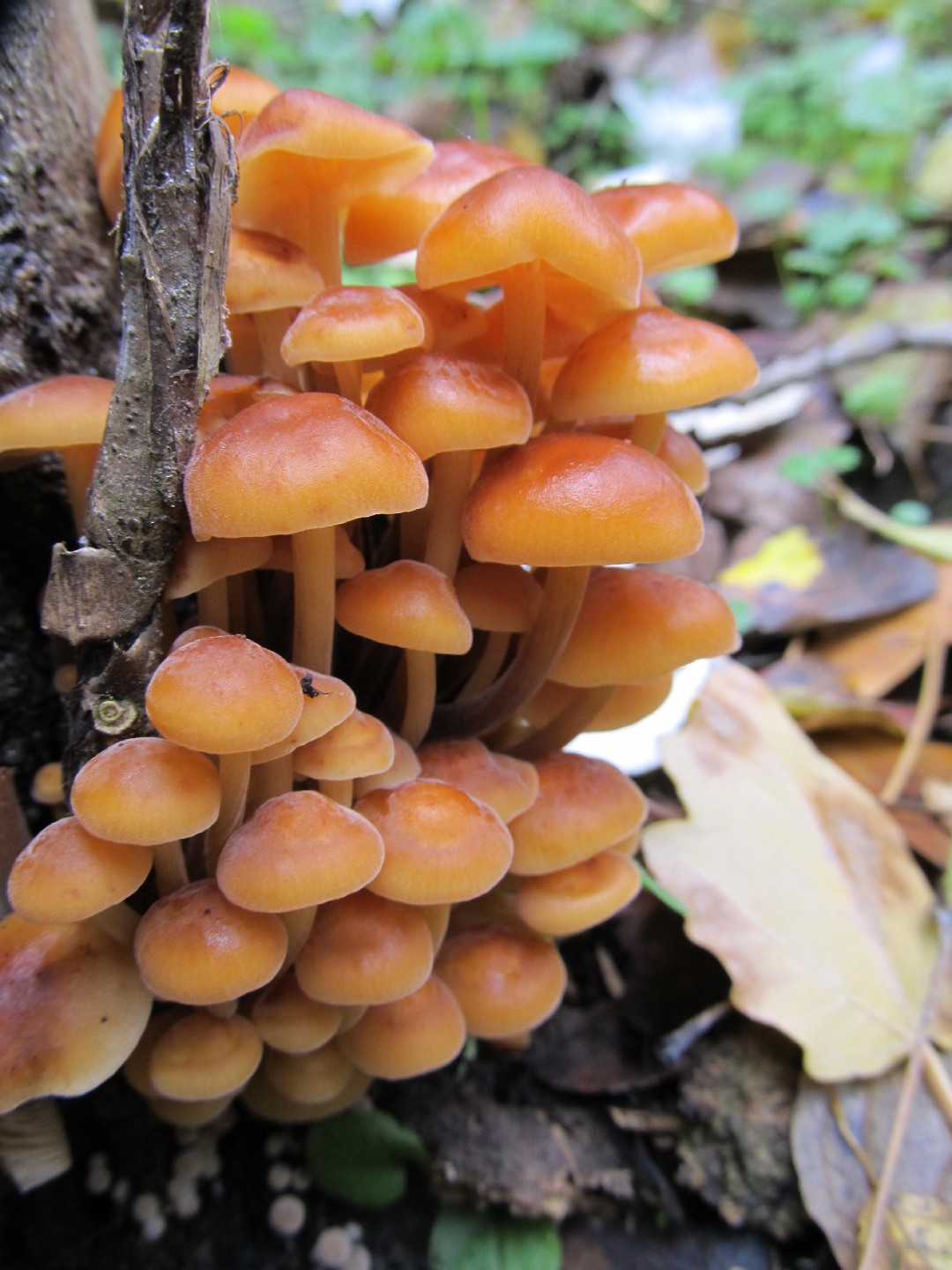
The enoki grows wild on dead elm trees, and is also cultivated for human use. This flavorful species (Flammulina velutipes) has been used in dishes around the world for generations, being particularly high in nutrients. Though store-bought enoki are often plain white, wild ones can be found in a range of colors.
4. Pear-shaped puffball
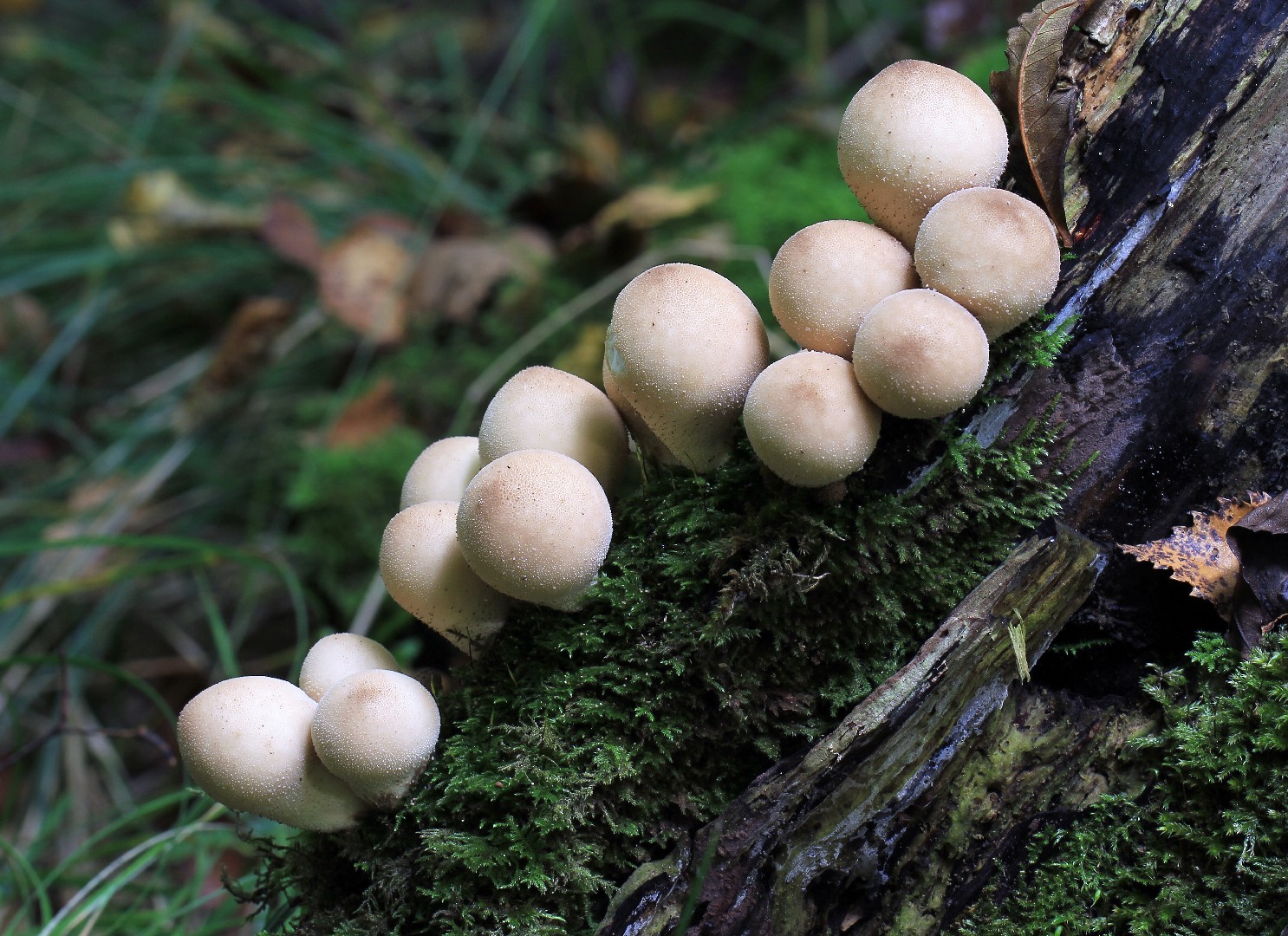
The mushrooms of this species grow in such tight clusters that they may cover fallen trees and stumps almost entirely in a brownish, puffy coat. Pear-shaped puffballs appear all around the northern hemisphere on decaying hardwoods from fall through winter.
5. Shingled hedgehog
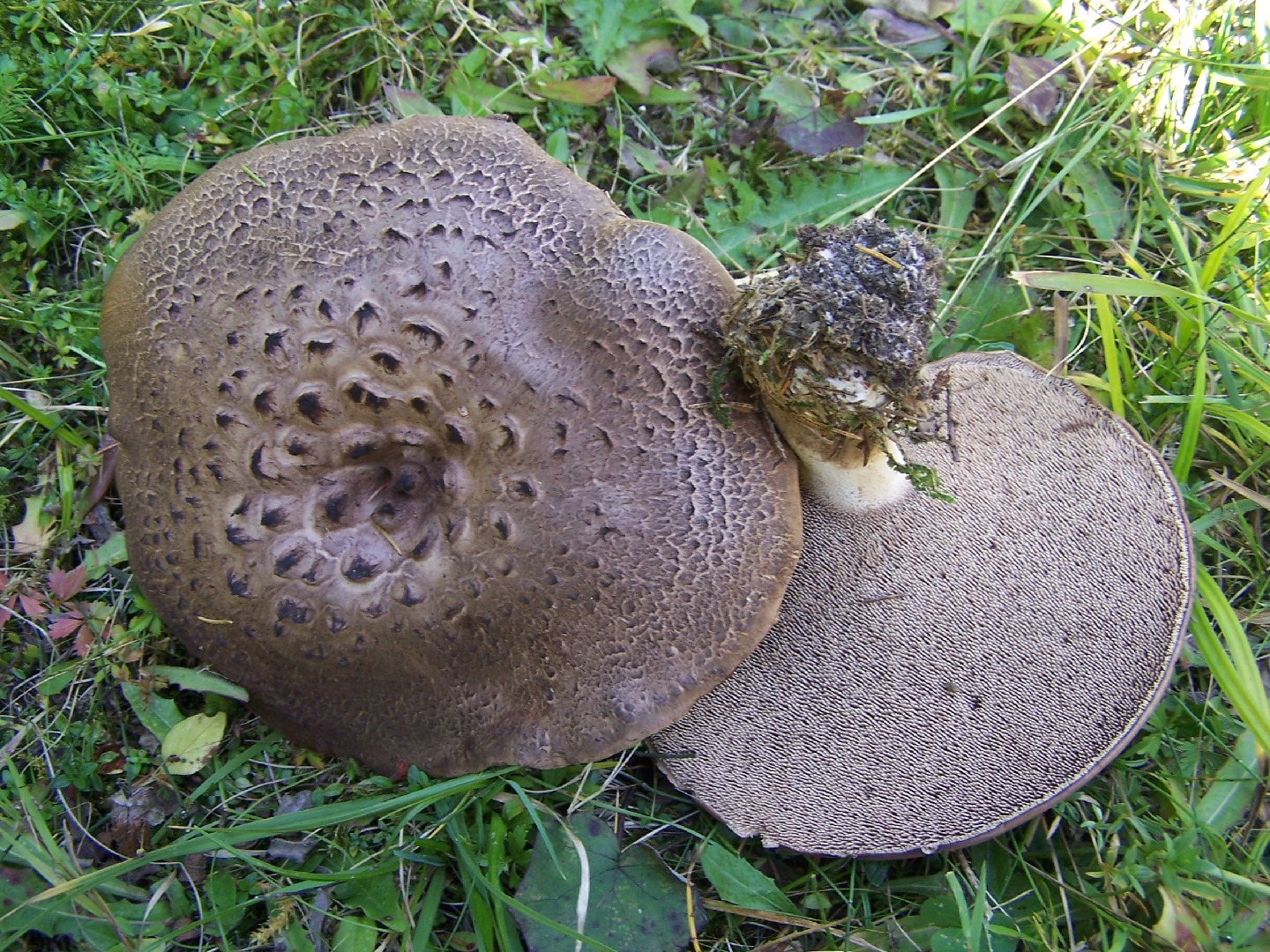
Shingled hedgehog(Sarcodon imbricatus) is often found in the company of fir trees, and it is therefore partial to mountainous or hilly regions. Endemic to Europe and North America, the species is prone to forming fairy rings. It fruits in early autumn.
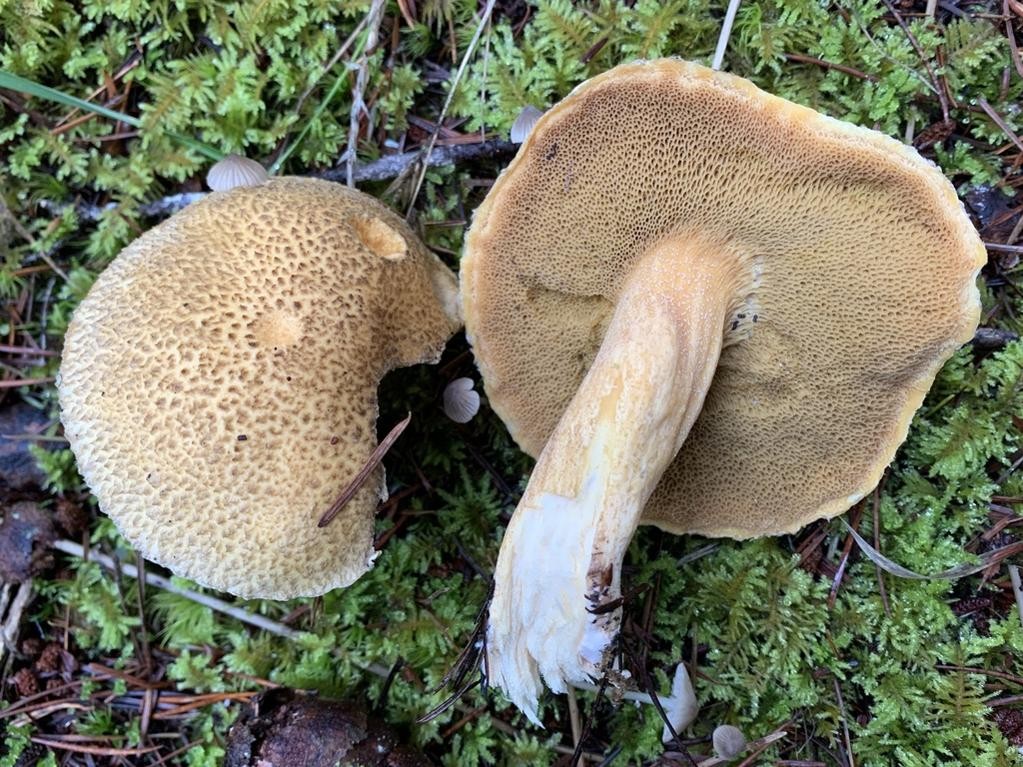
6. Blue-staining slippery jack
If you come across a blue-staining slippery jack (Suillus tomentosus) in the wilderness, chances are you're adventuring through a conifer forest after heavy rain. True to the common name, the caps can stain your hands a brownish-blue color. The surface area of the cap has a velvety texture when young.
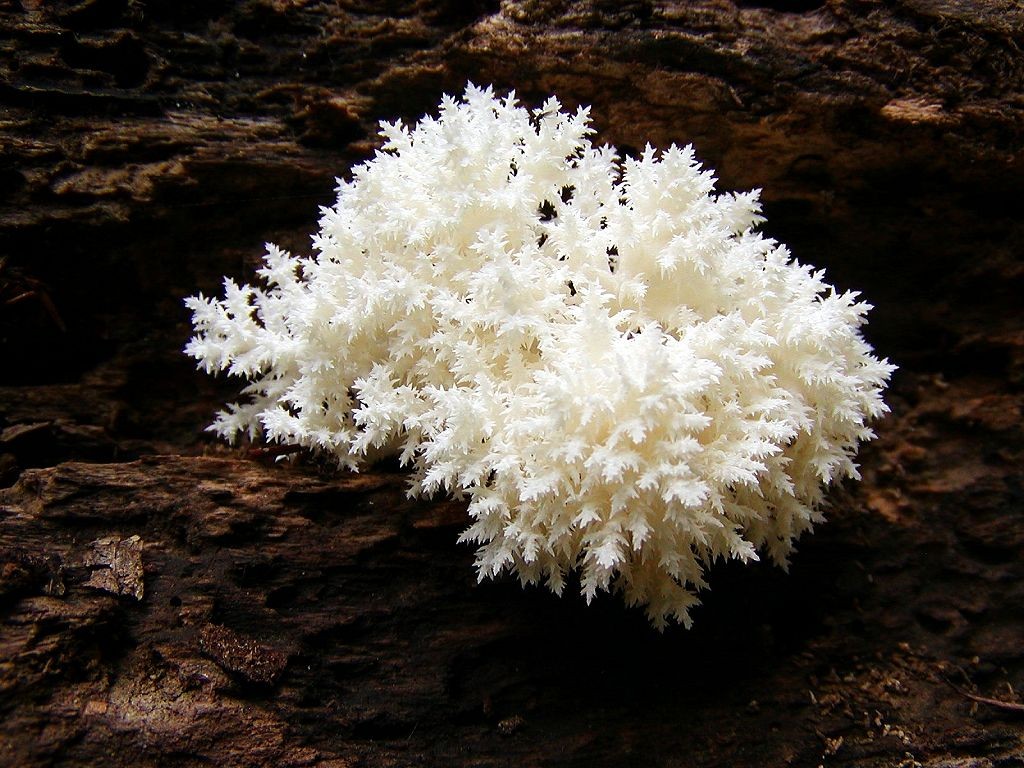
7. Coral tooth fungus
Coral tooth fungus (Hericium coralloides) is a species of coral mushroom most frequently sighted on dead or decaying hardwoods. Generally, younger specimens are white and become increasingly yellowish as they mature. Found around the world, the Māori refer to this species as pekepekekiore.
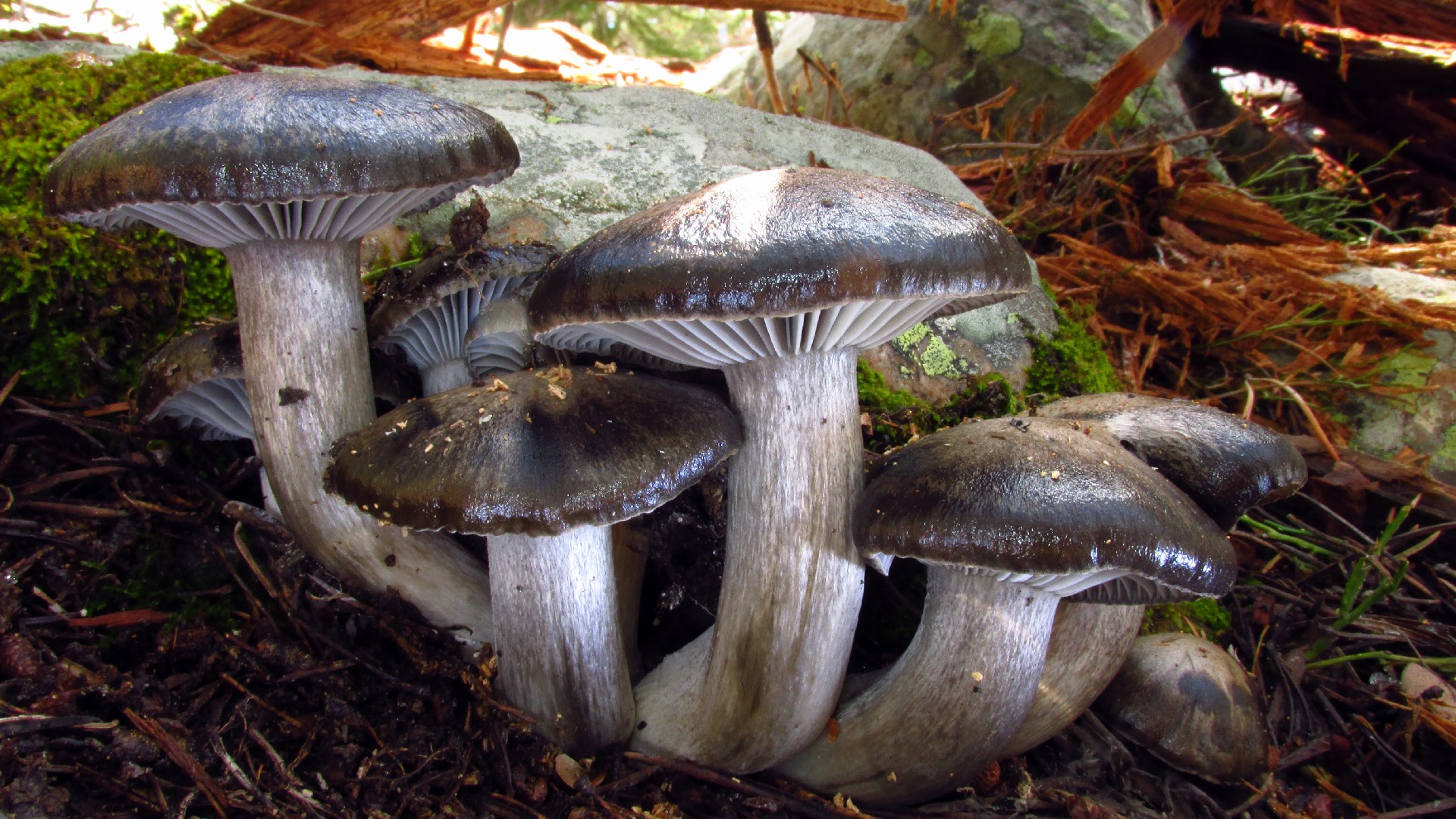
8. March mushroom
The fruit bodies have caps that are broadly convex, measuring 2.5–11 cm (1.0–4.3 in) in diameter. Their surfaces are smooth and sticky, with a pale greyish-brown center and darker brown to blackish-grey margin. The distantly spaced, broad gills have an adnate to adnexed attachment to the stipe, and two tiers of intervening lamellulae (short gills). The gills are initially white before turning gray to bluish-gray in age. The whitish stipe measures 3–10 cm (1.2–3.9 in) long by 1–2.5 cm (0.4–1.0 in) thick, and is either equal in width throughout or tapers slightly towards the base. The stipe is smooth except for a few tufts of hairs near the top. Immediately underneath the cap cuticle, the flesh of the cap is water-soaked; elsewhere in the cap, it is gray-tinted with a sheen, while in the stipe it is dull white. It lacks any appreciable odor or taste. It is considered edible in Europe, where it is prized in some regions. The thin-walled, elliptical spores measure 6.5–8.5 by 4.5–5 µm. The basidia (spore-bearing cells) are narrowly club-shaped, four-spored, and measure 42–55 by 5.4–8.1 µm. 
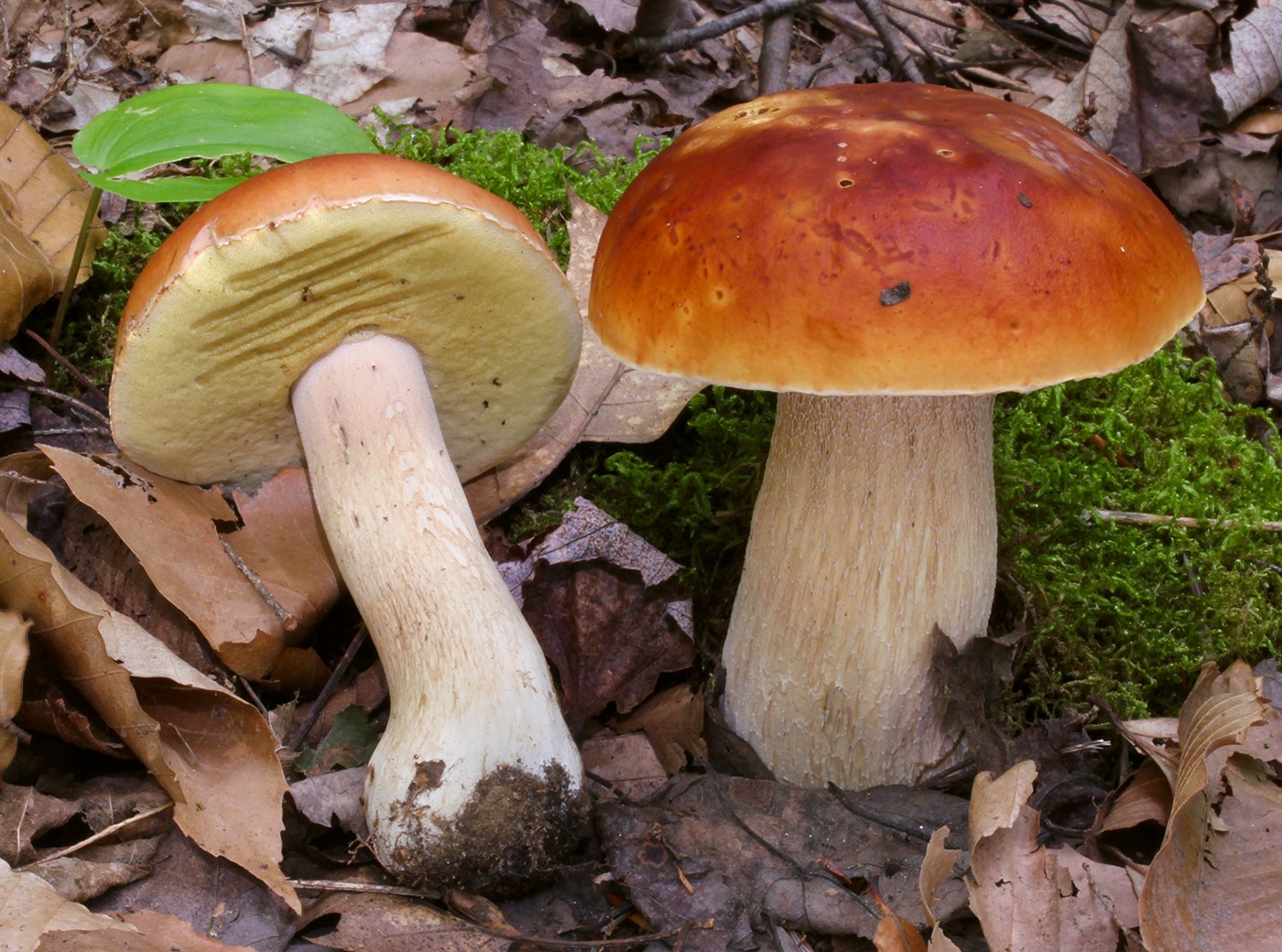
9. King bolete
Extremely popular in many cuisines, this edible wild mushroom grows around the world near the roots of forest trees. In some regions, king bolete mushrooms are collected in great enough volumes that their sale can support entire families during the harvest season. King boletes are reported to be high in fiber, vitamins B and C, calcium, potassium, magnesium, zinc, and several antioxidants.
10. Shaggy mane
The shaggy mane mushroom is commonly found in North American and European grasslands. Some peoples foraged for its young egg-shaped caps, but it has more recently been found to be a bioaccumulator of heavy metals, meaning it pulls toxic metals up from the soil where it grows. As a result, shaggy manes should not be eaten. The mushrooms usually appear in clusters or “fairy rings.”
More







