




Top 20 Edible Mushrooms Popular in Mapleton
Nestled within the verdant, moisture-soaked environs of Mapleton, lies an abundant variety of edible mushrooms. Mapleton with its diverse climates and terrains, paves the perfect breeding ground for these fungal beauties. Today, we've curated a detailed list of the '20' most common edible mushrooms in this thriving mushroom hotspot. Each entry promises a comprehensive description of specific features, including, appearance, flavor profile, preferred habitats, and culinary utilization. Immerse yourself in this fungal journey across the unique landscape of Mapleton. Stay tuned as we unravel the local fungal biodiversity, one mushroom at a time!
* Disclaimer: Content feedback CAN NOT be used as any basis for EATING ANY PLANTS. Some plants can be VERY POISONOUS, please purchase edible plants through regular channels.

Most Popular Edible Mushrooms

1. Shaggy mane
The shaggy mane mushroom is commonly found in North American and European grasslands. Some peoples foraged for its young egg-shaped caps, but it has more recently been found to be a bioaccumulator of heavy metals, meaning it pulls toxic metals up from the soil where it grows. As a result, shaggy manes should not be eaten. The mushrooms usually appear in clusters or “fairy rings.”
2. Western giant puffball
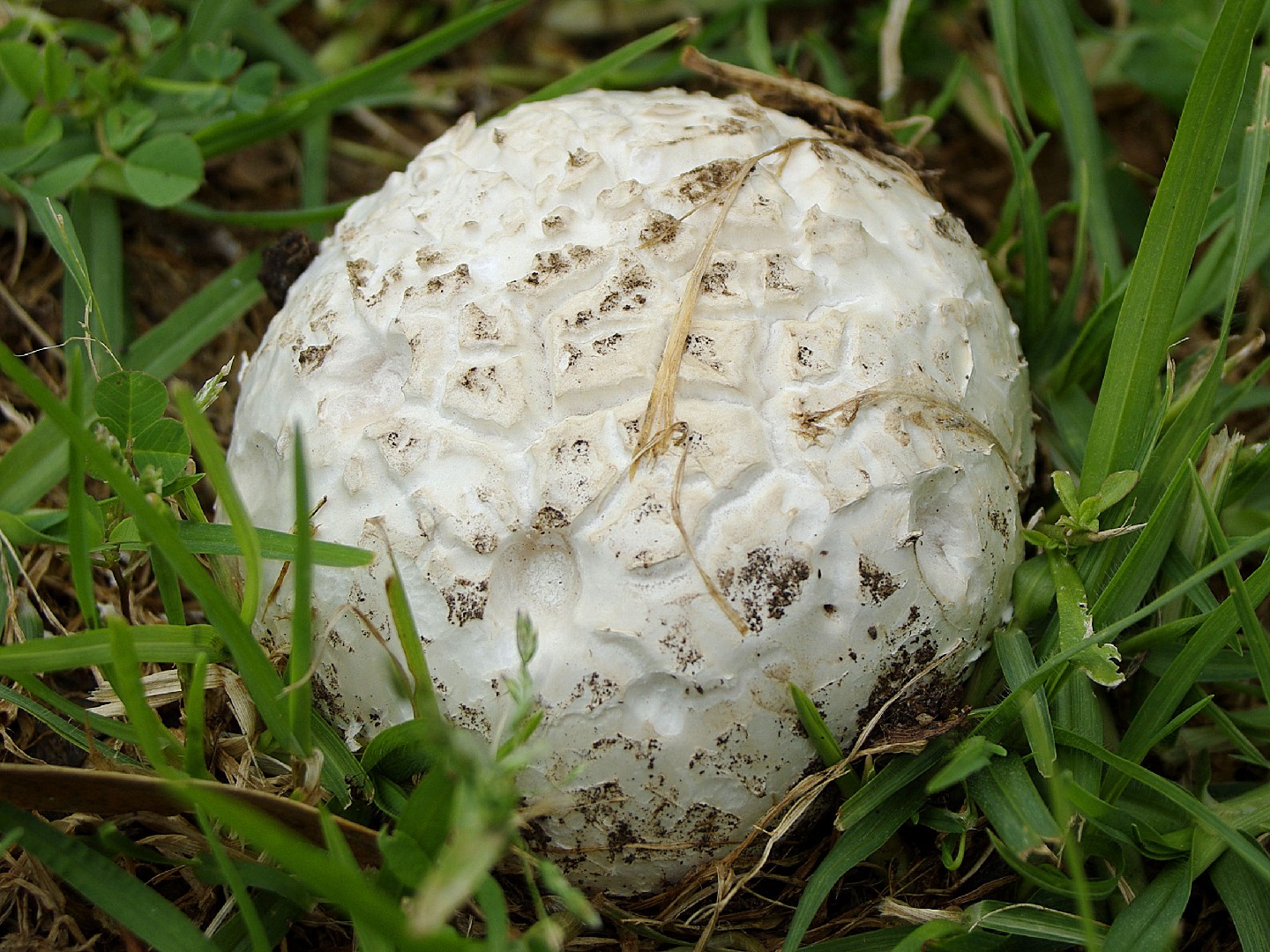
The western giant puffball is the largest puffball in North America, reaching up to 70 cm in diameter. It is as large as its European counterpart the Giant puffball (Calvatia gigantea), although it features a more irregular shape than its European cousin.
3. Dryad's saddle
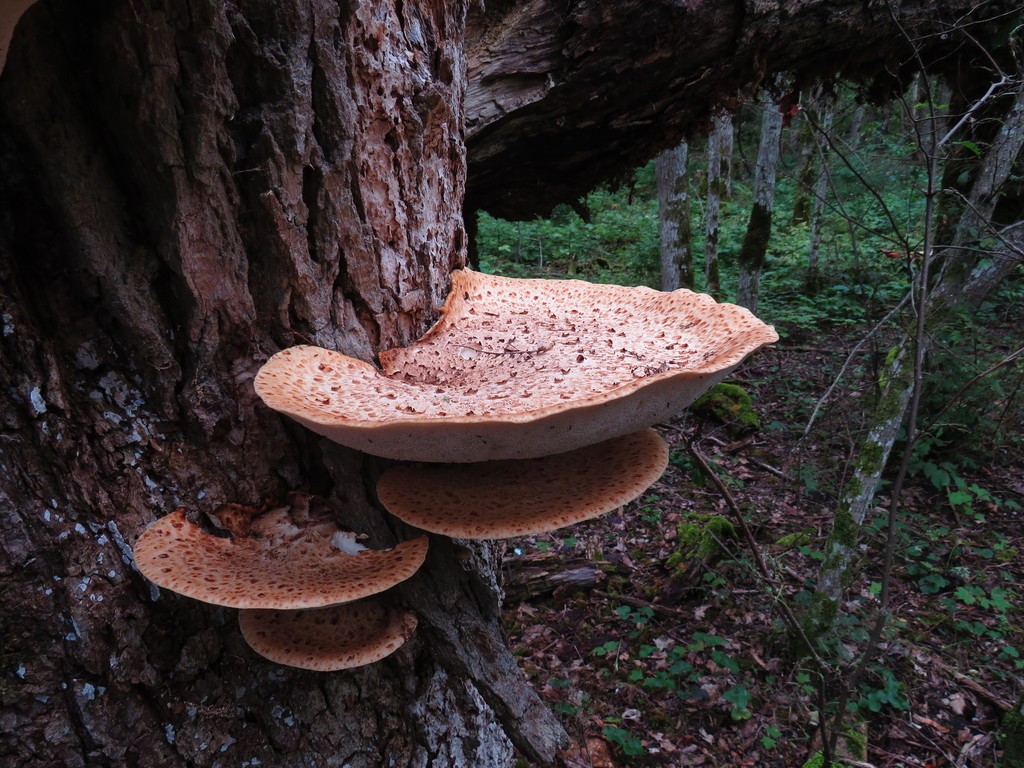
A familiar sight to spring morel hunters, dryad's saddle is noteworthy for its large size, striking scales, and watermelon-like smell. Similar to other mushrooms in the bracket fungi family, dryad's saddle can be used to make paper. Younger mushrooms are better suited for this purpose due to their smaller and more consistent fibers.
4. Oyster mushroom
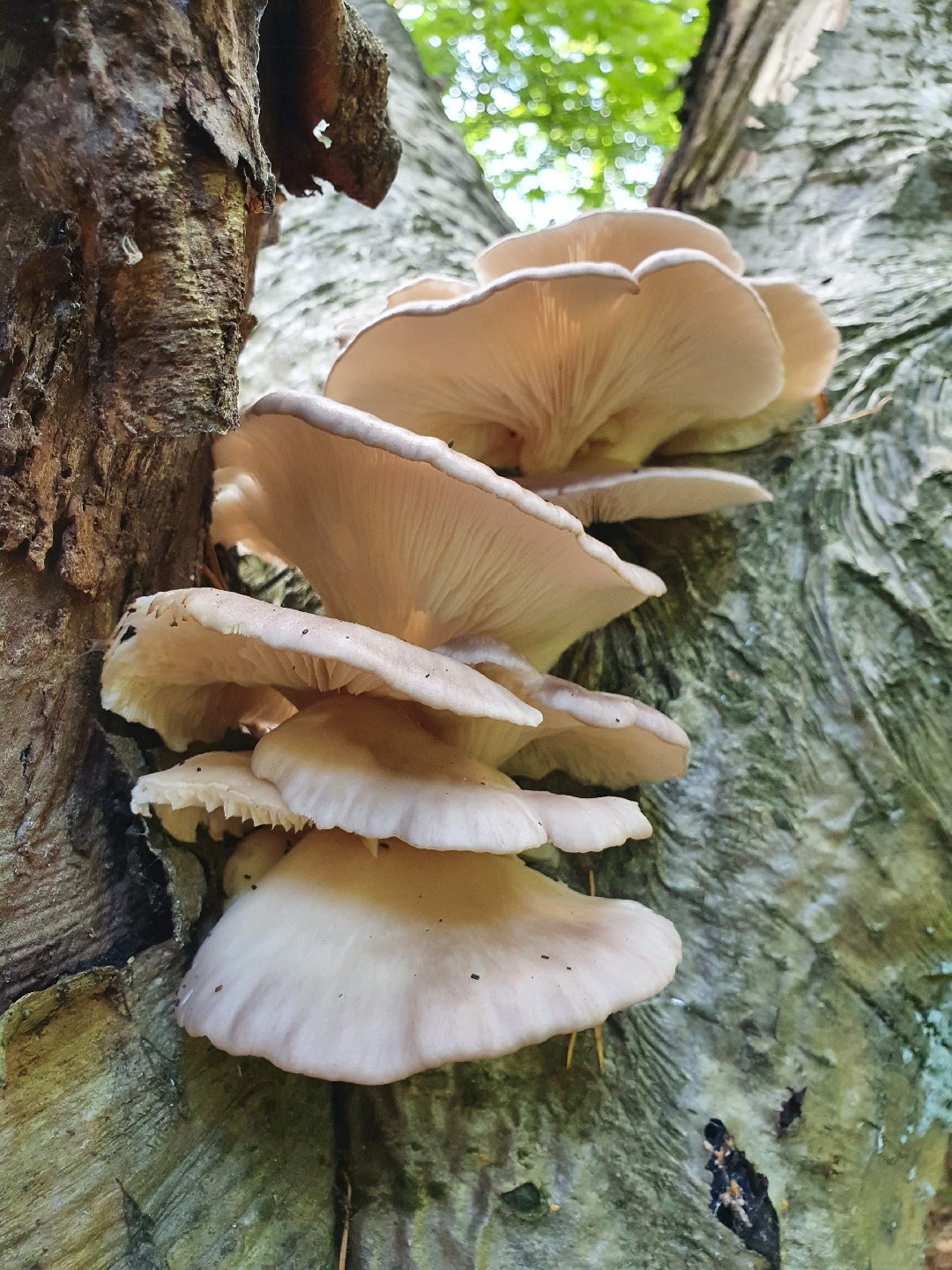
Oyster mushrooms grow wild but are also cultivated for sale in supermarkets. They can even be cultivated at home. They will grow on coffee grounds and spent grain, and are occasionally even fashioned into an environmentally-friendly substitute for styrofoam. There are several toxic look-alike species, so it is best to buy these mushrooms at the store.
5. Black morel
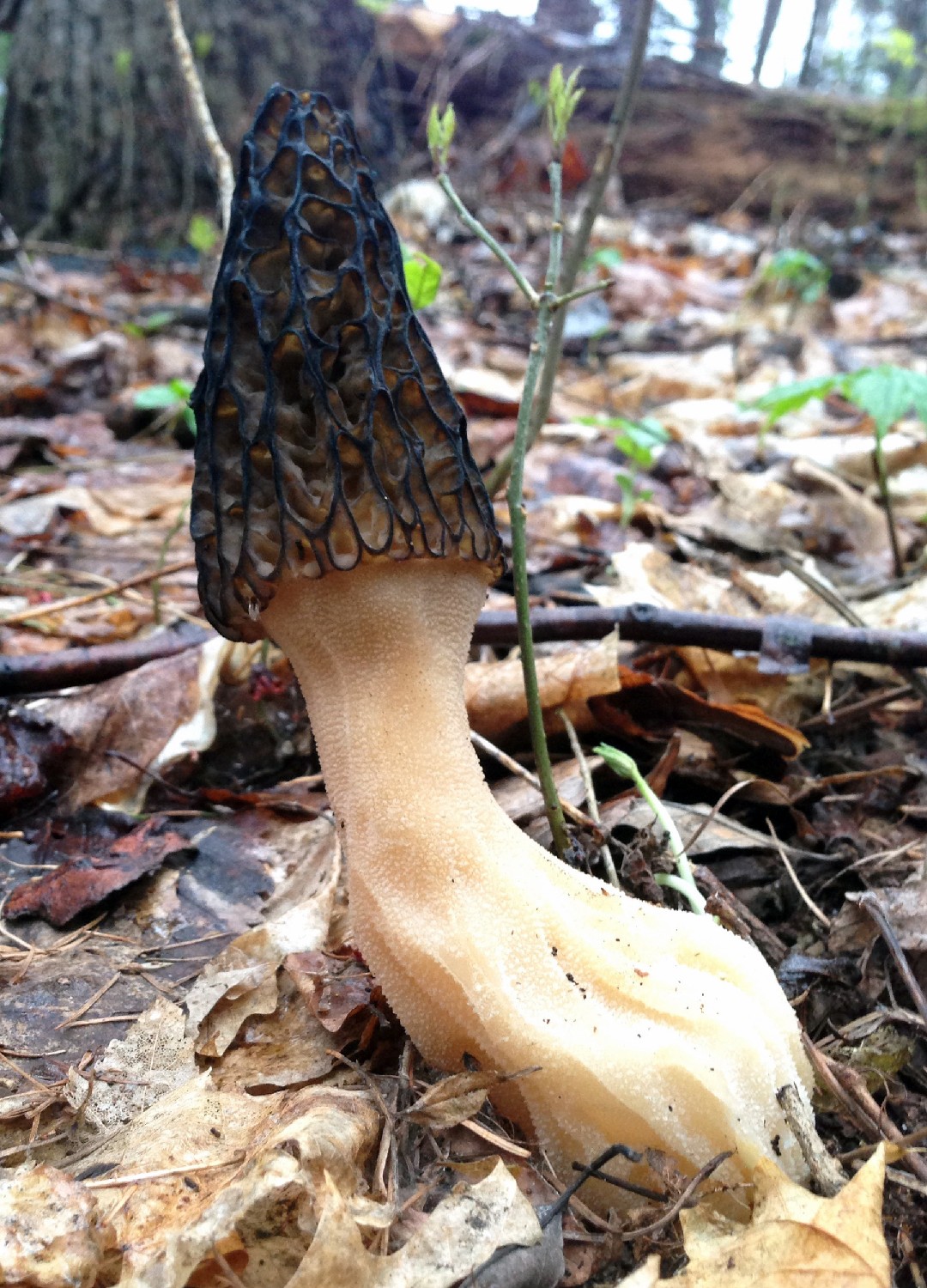
The most widespread of all morels in North America, black morel doesn't grow in burn sites or on wood, which is the main characteristic of all morel species. It occurs early in the season, before yellow morels. Black morels can be distinguished from yellow morels due to their ridges being darker than their pits.
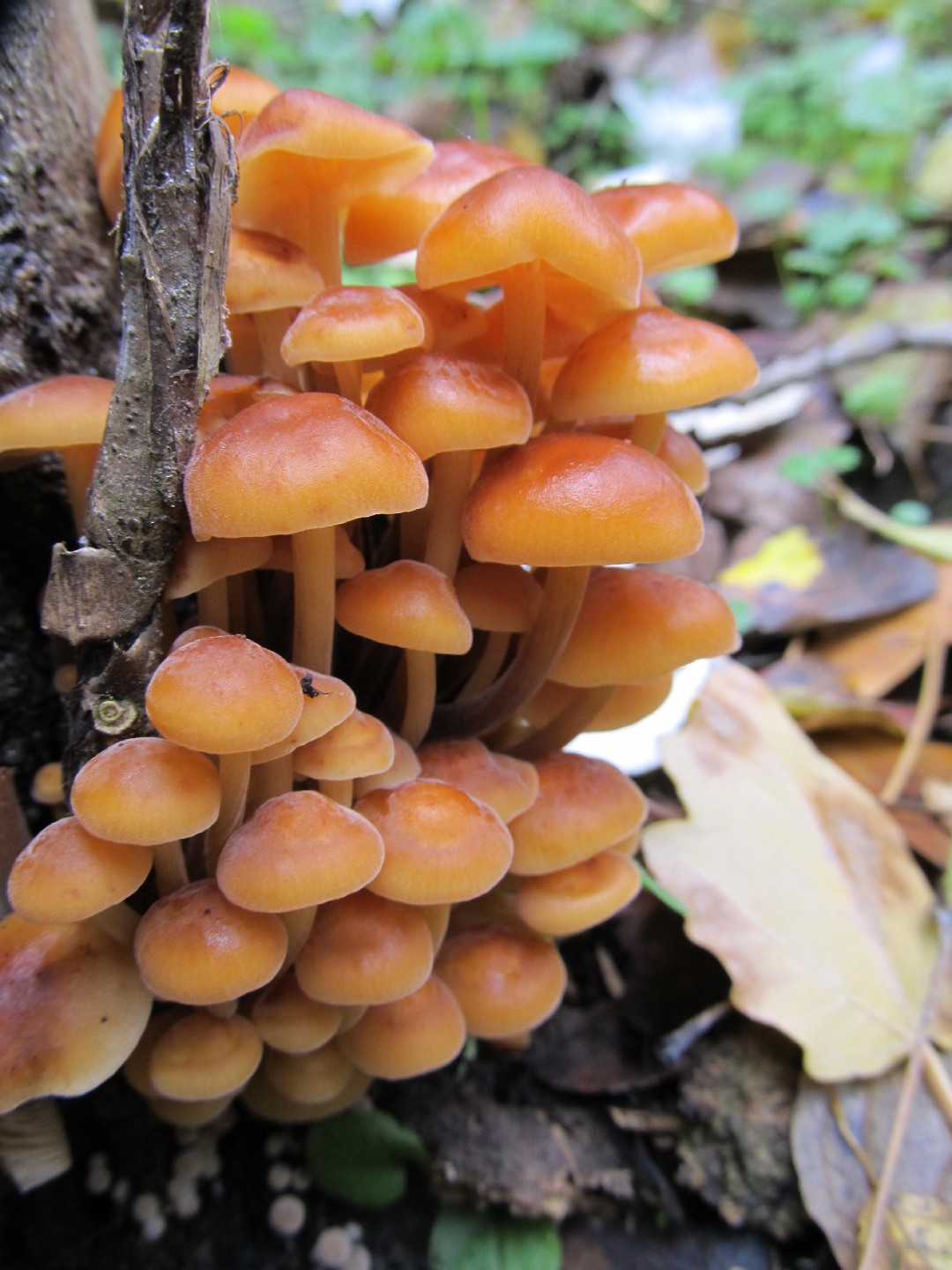
6. Enoki
The enoki grows wild on dead elm trees, and is also cultivated for human use. This flavorful species (Flammulina velutipes) has been used in dishes around the world for generations, being particularly high in nutrients. Though store-bought enoki are often plain white, wild ones can be found in a range of colors.
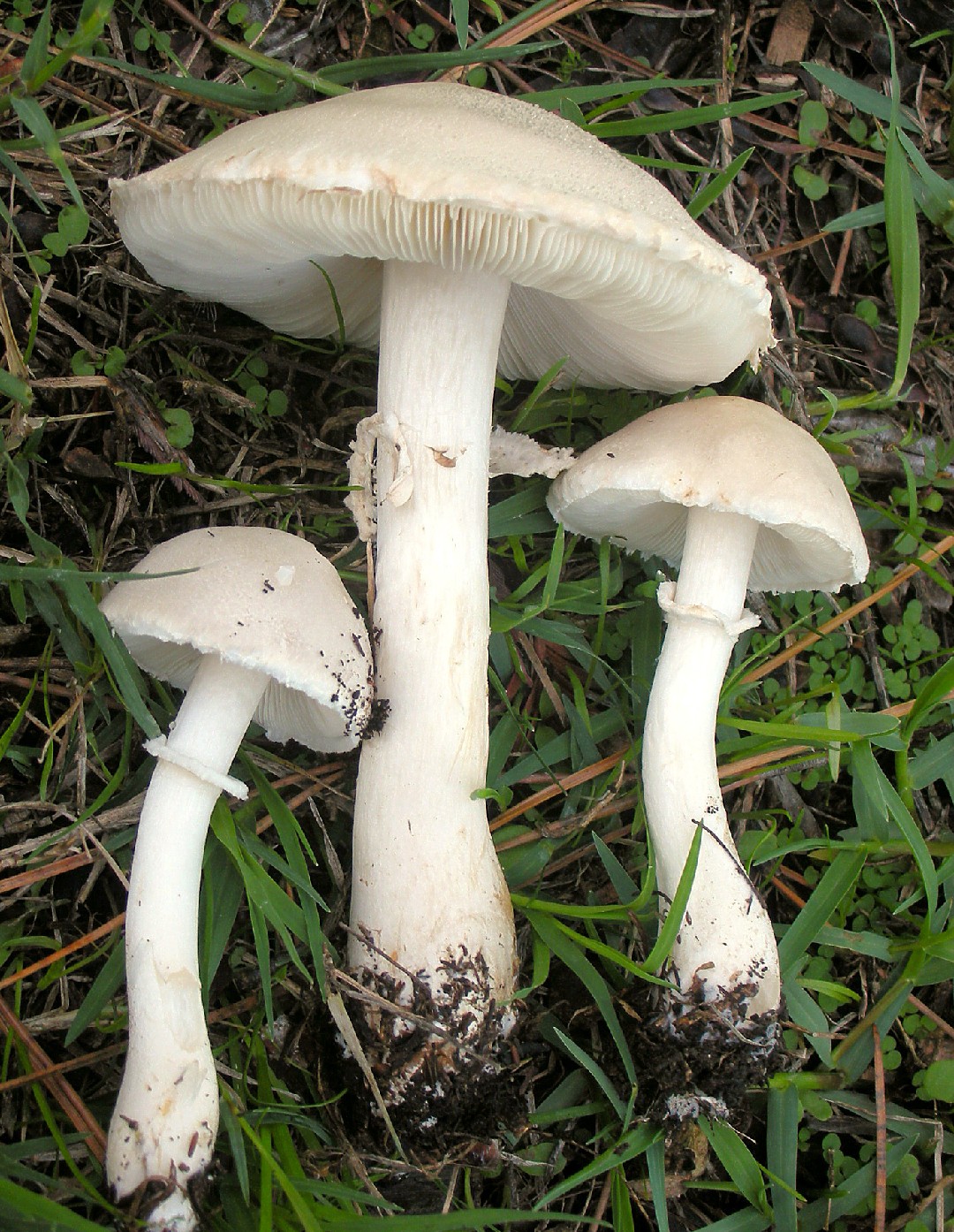
7. White dapperling
White dapperling mushrooms grow in scattered groups across open fields in the northern hemisphere. They can occasionally cause toxic reactions in humans, and their similarity to extremely poisonous lookalikes like Deathcap and Destroying Angel make them hazardous to handle.
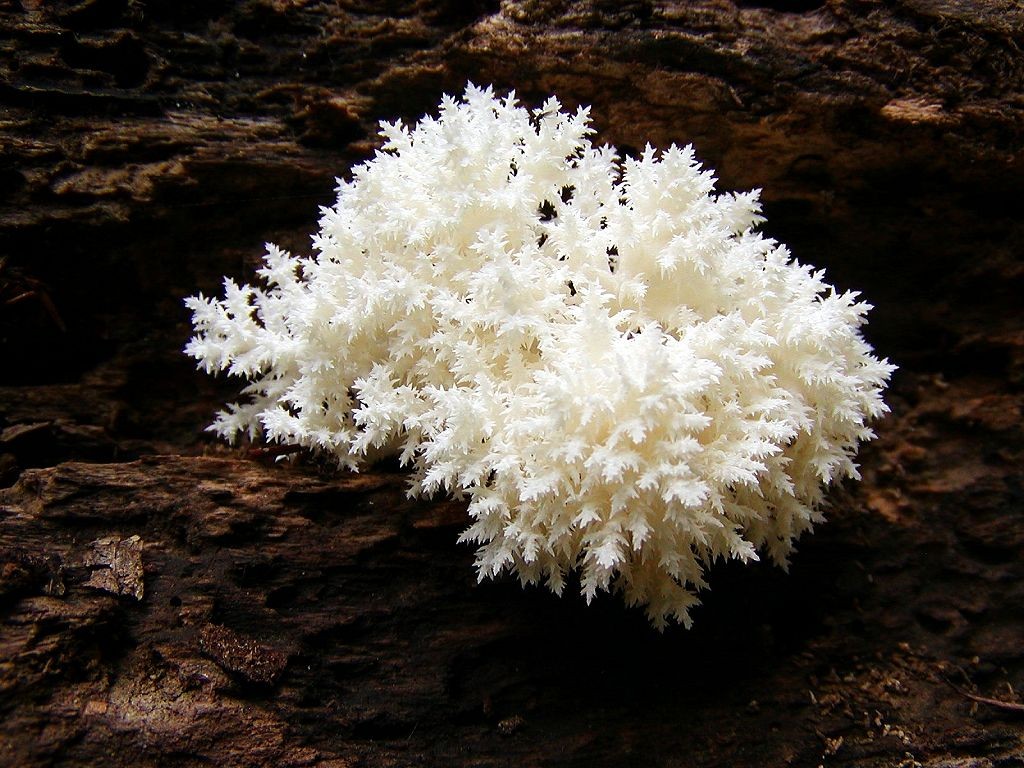
8. Coral tooth fungus
Coral tooth fungus (Hericium coralloides) is a species of coral mushroom most frequently sighted on dead or decaying hardwoods. Generally, younger specimens are white and become increasingly yellowish as they mature. Found around the world, the Māori refer to this species as pekepekekiore.
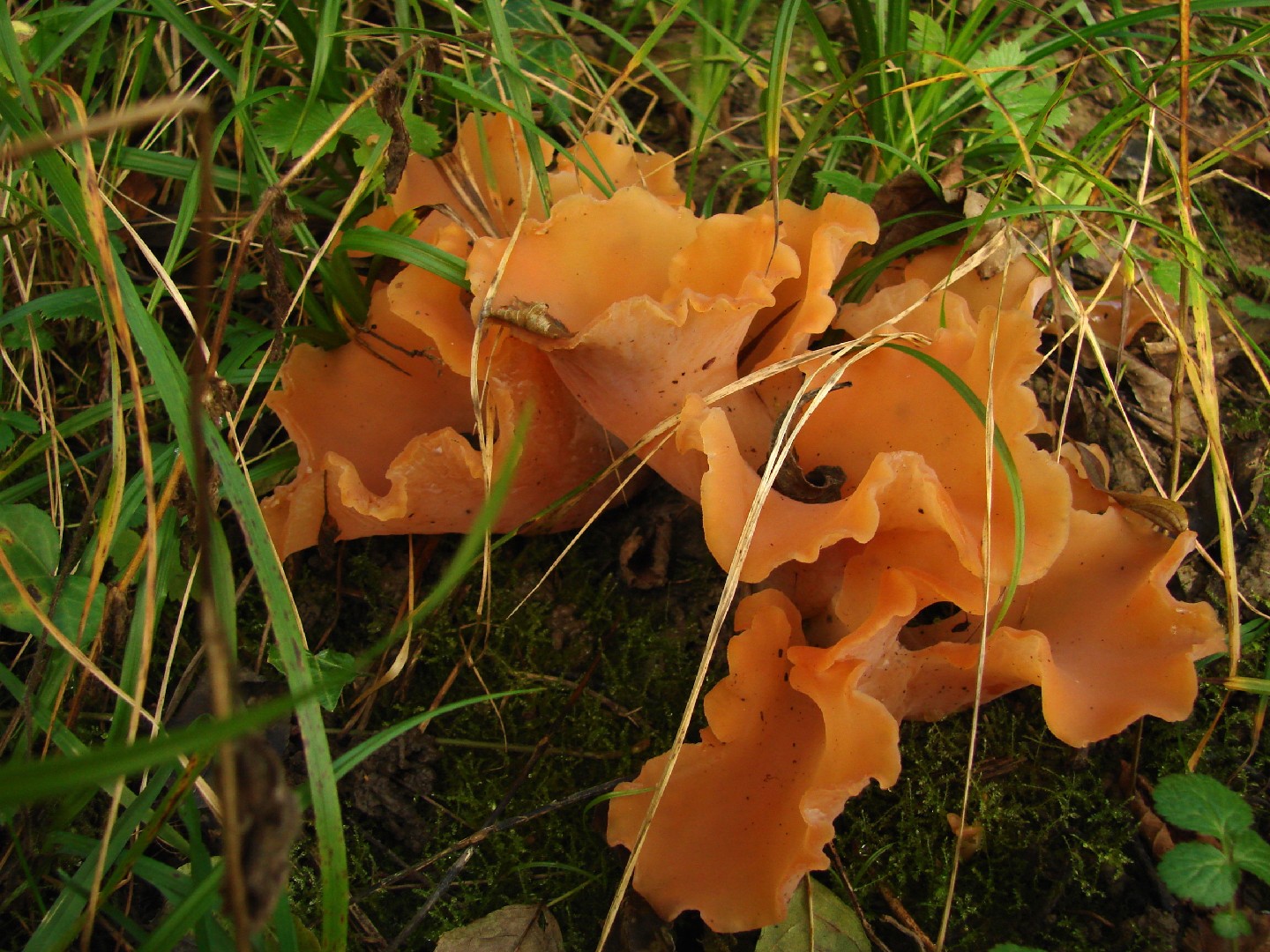
9. Apricot jelly
This distinctive, rubbery fungus has an entirely unique appearance. Occurring in temperate regions around the world, the apricot jelly grows in tongue-like funnels in varying shades of orange or pink. While it may look like candy, it is reported to have almost no taste and no culinary value.
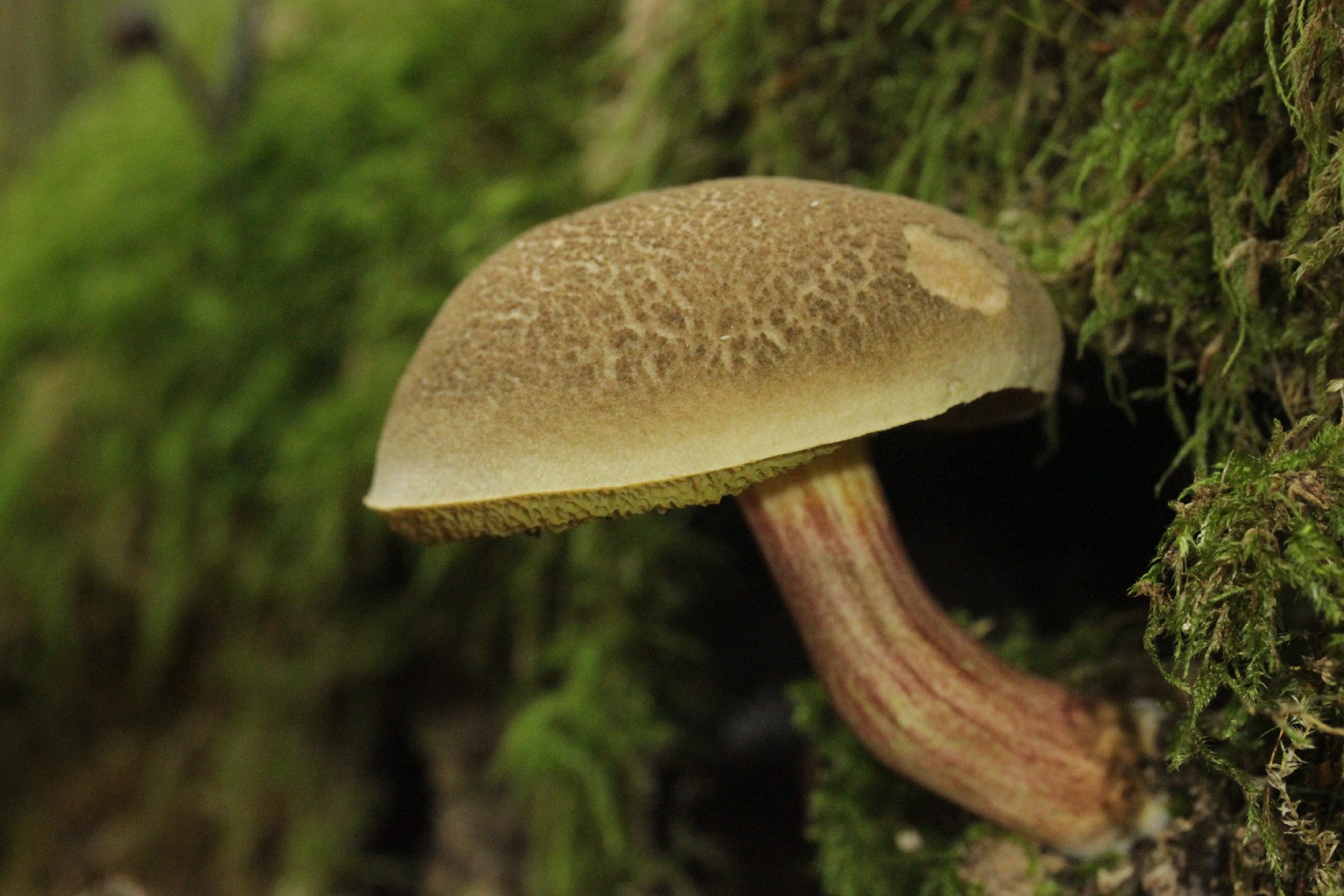
10. Red cracking bolete
The red cracking bolete mushroom is considered difficult to accurately identify, due to its similarity in many ways to others of its genus. It seems to occur only rarely around the northern hemisphere, but it may have been misclassified in some sources. In spite of the name, the surface of the red cracking bolete's cap only rarely appears "cracked."

More







