




Top 20 Edible Mushrooms Popular in Seaside
Immerse in the intriguing world of mushrooms found along the verdant shores of Seaside. Exotic and abundant, these fungal varieties have uniquely adapted to Seaside's coastal climate and sandy terrains. Delve into our curated list of 20 most common edible wild mushrooms, each remarkable for its appearance, exquisite taste, preferred habitats and diverse culinary applications. Enlighten yourselves about these marvelous mycological treasures of Seaside and unleash the gastronomist in you. Enjoy this informative journey through mushroom wisdom.
* Disclaimer: Content feedback CAN NOT be used as any basis for EATING ANY PLANTS. Some plants can be VERY POISONOUS, please purchase edible plants through regular channels.

Most Popular Edible Mushrooms
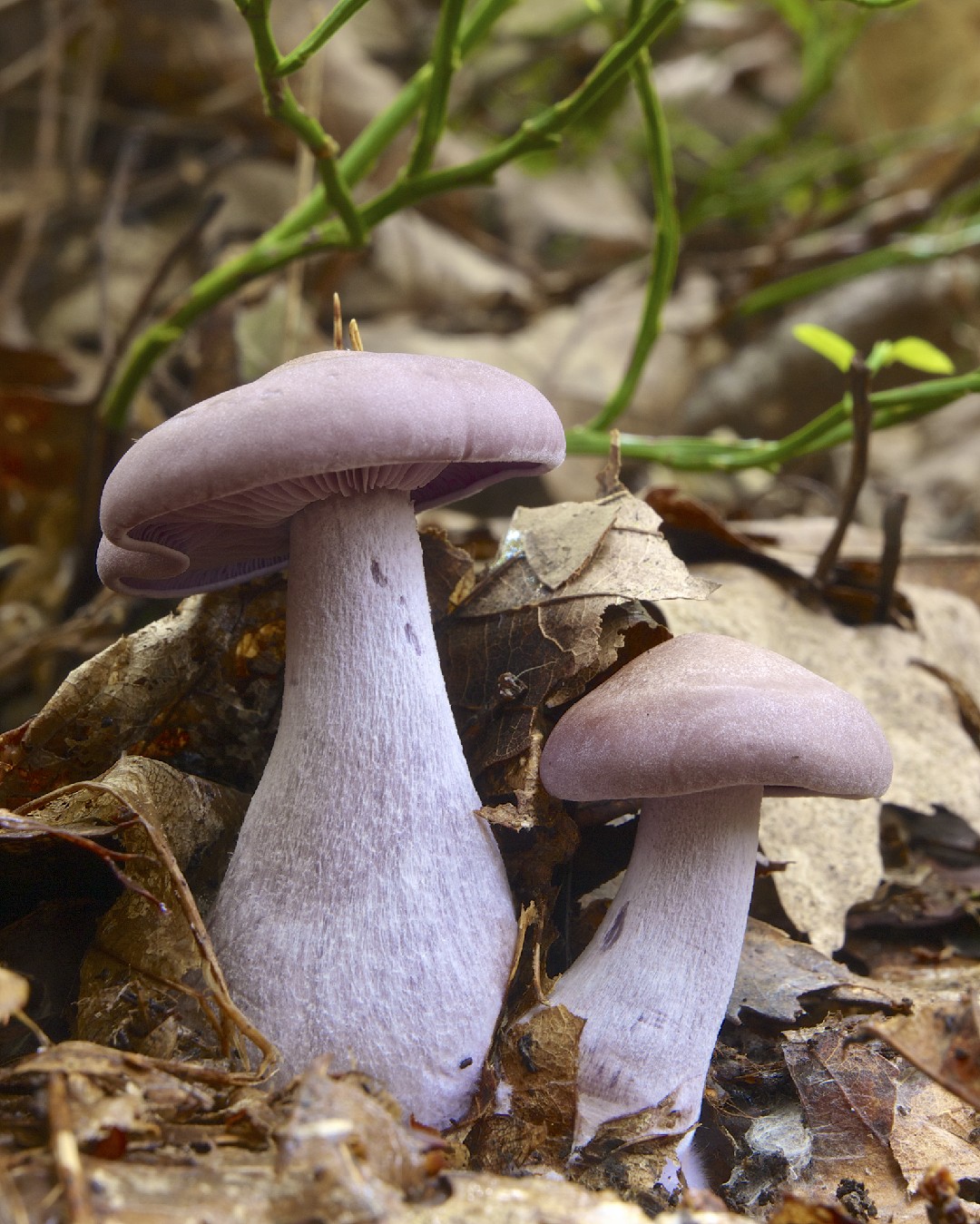
1. Blewit
The blewit mushroom grows in fallen leaves in autumn and winter, sometimes appearing in ‘fairy ring’ circles. It can be used to make a green dye when chopped and boiled in an iron pot. The scientific name, Lepista nuda, derives from Latin words meaning “bare goblet,” a reference to the shape and texture of the mushroom.
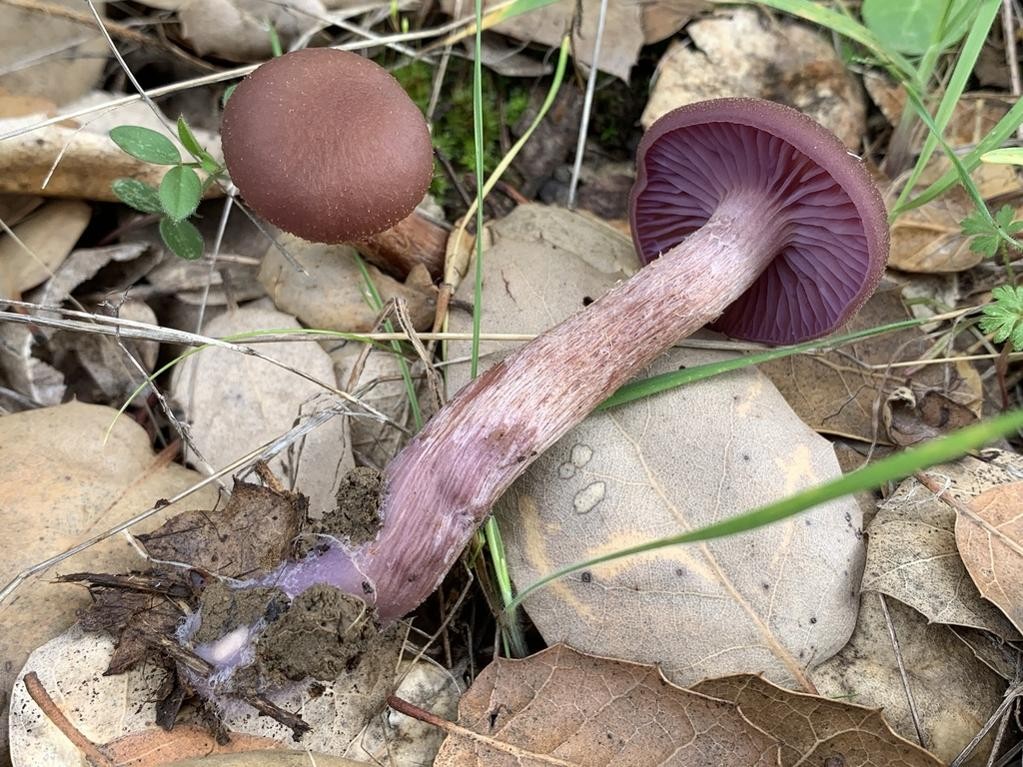
2. Western amethyst laccaria
The western amethyst laccaria is a beautiful species that is a very close cousin of Laccaria amethysteo. Like Laccaria amethysteo, the western amethyst laccaria boasts a cap and stalk that are of lavender or purple. Unlike Laccaria amethysteo, Laccaria amethysteo-occidentalis' range spreads across western North America, and is associated with conifers, rather than hardwoods. The species is considered edible, but not choice.
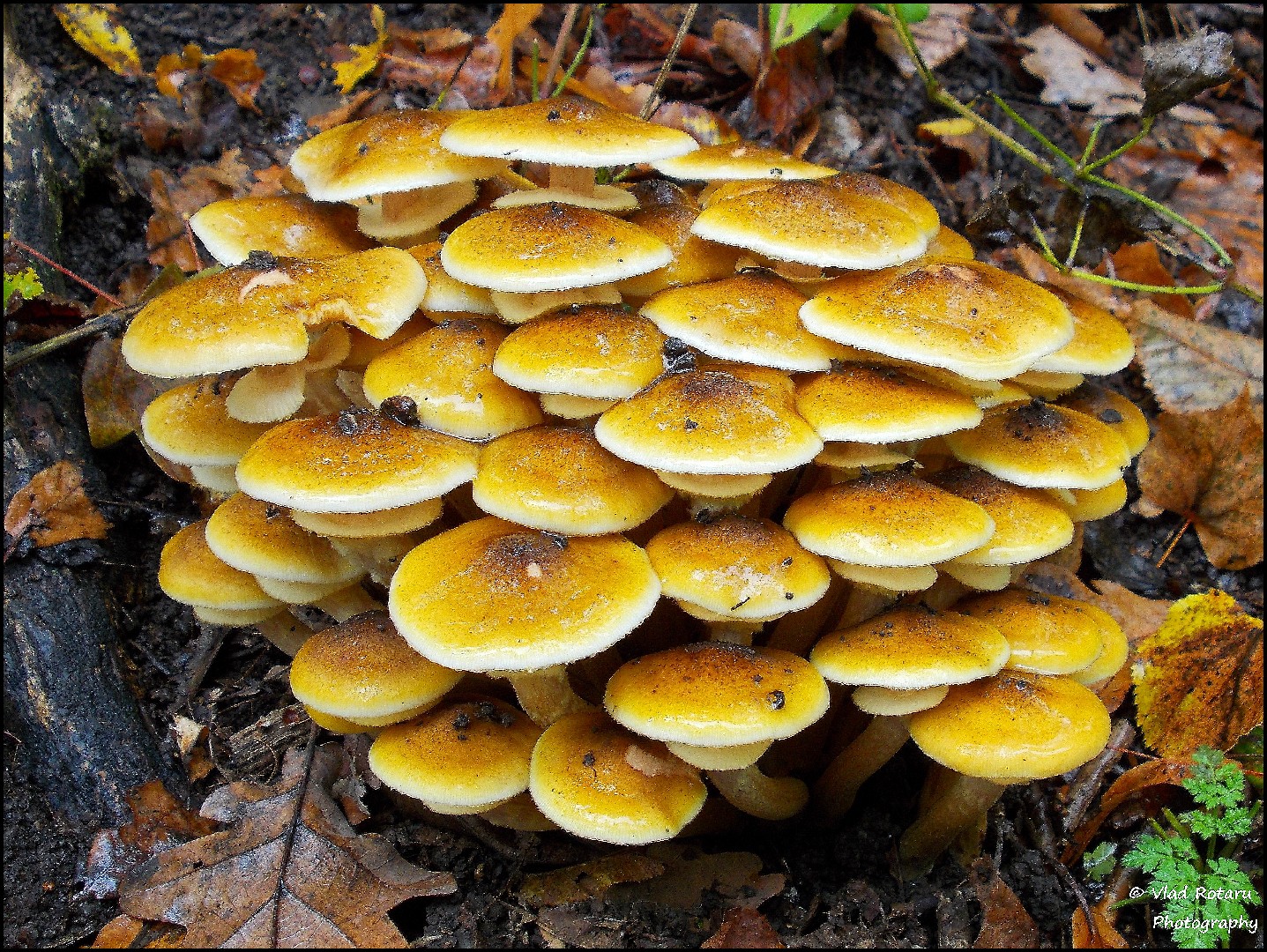
3. Honey fungus
The honey fungus is a parasitic fungus that grows on the roots of many woody and perennial plants, damaging and possibly killing its host. It spreads underground and is considered to be the most damaging fungal disease in gardens across the UK. The appearance of the mushrooms above-ground heralds a much more extensive infection below.
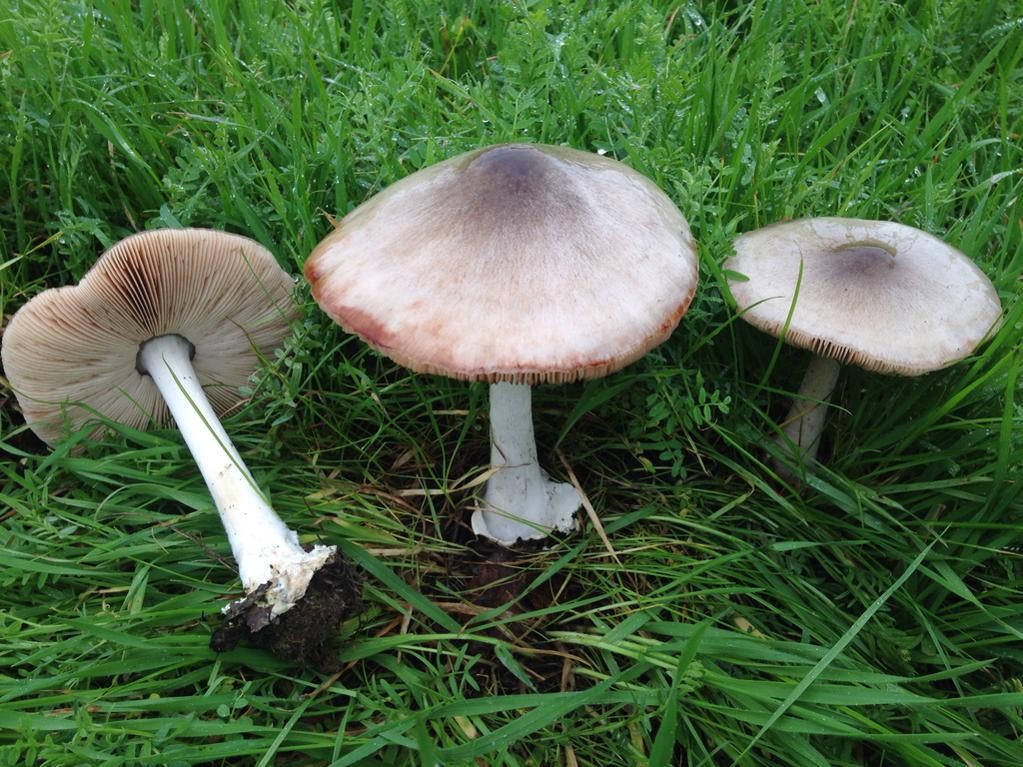
4. Big sheath mushroom
These large white mushrooms bloom all over cleared, harvested fields, as well as pastures and roadsides. The scientific species name comes from Greek words meaning “glue” (glioio) and “head” (cephalus), in reference to the sticky surface of this mushroom’s cap. The big sheath mushroom looks so similar to the poisonous Deathcap and Destroying Angel mushrooms that it should always be left alone.
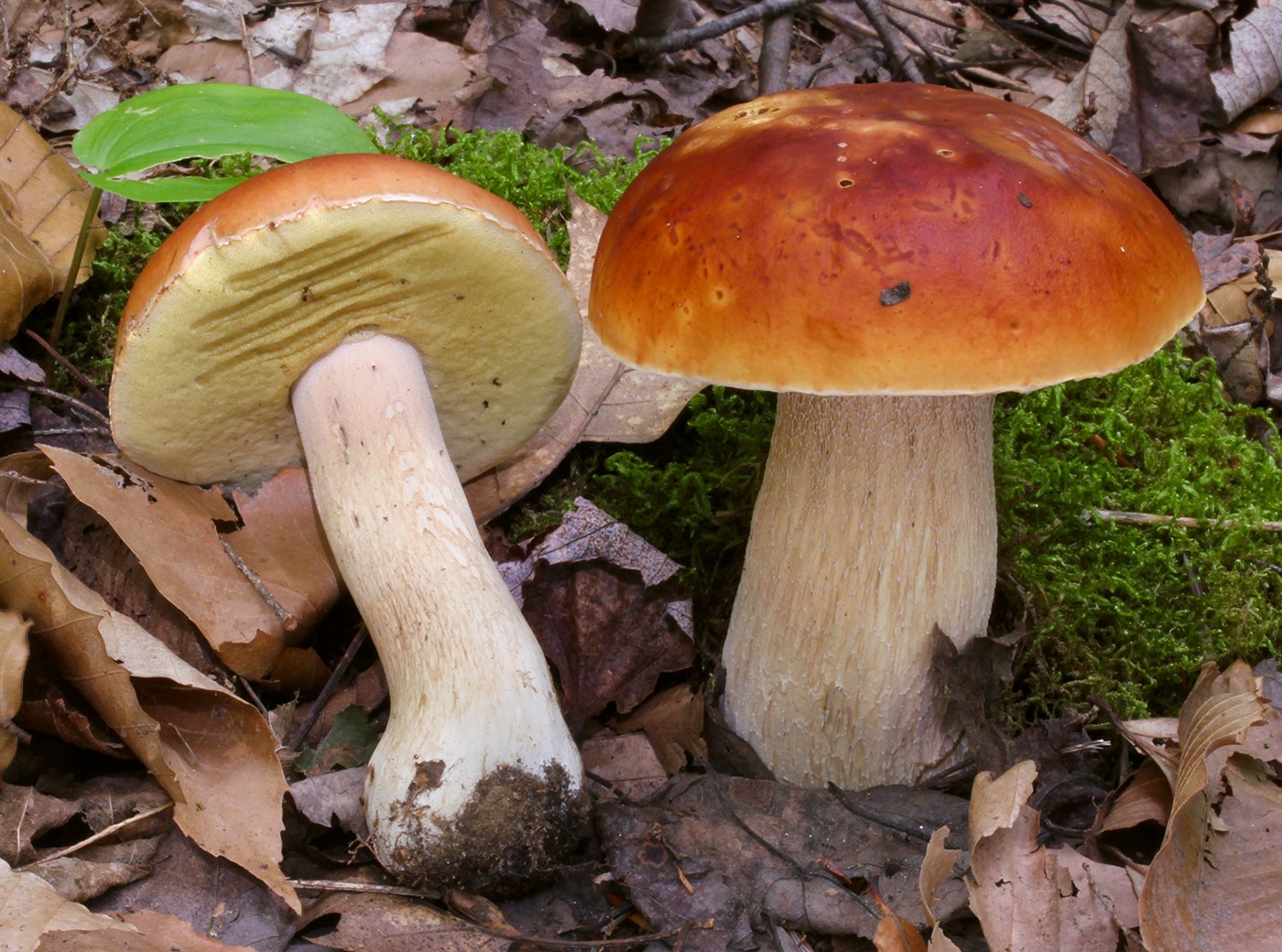
5. King bolete
Extremely popular in many cuisines, this edible wild mushroom grows around the world near the roots of forest trees. In some regions, king bolete mushrooms are collected in great enough volumes that their sale can support entire families during the harvest season. King boletes are reported to be high in fiber, vitamins B and C, calcium, potassium, magnesium, zinc, and several antioxidants.
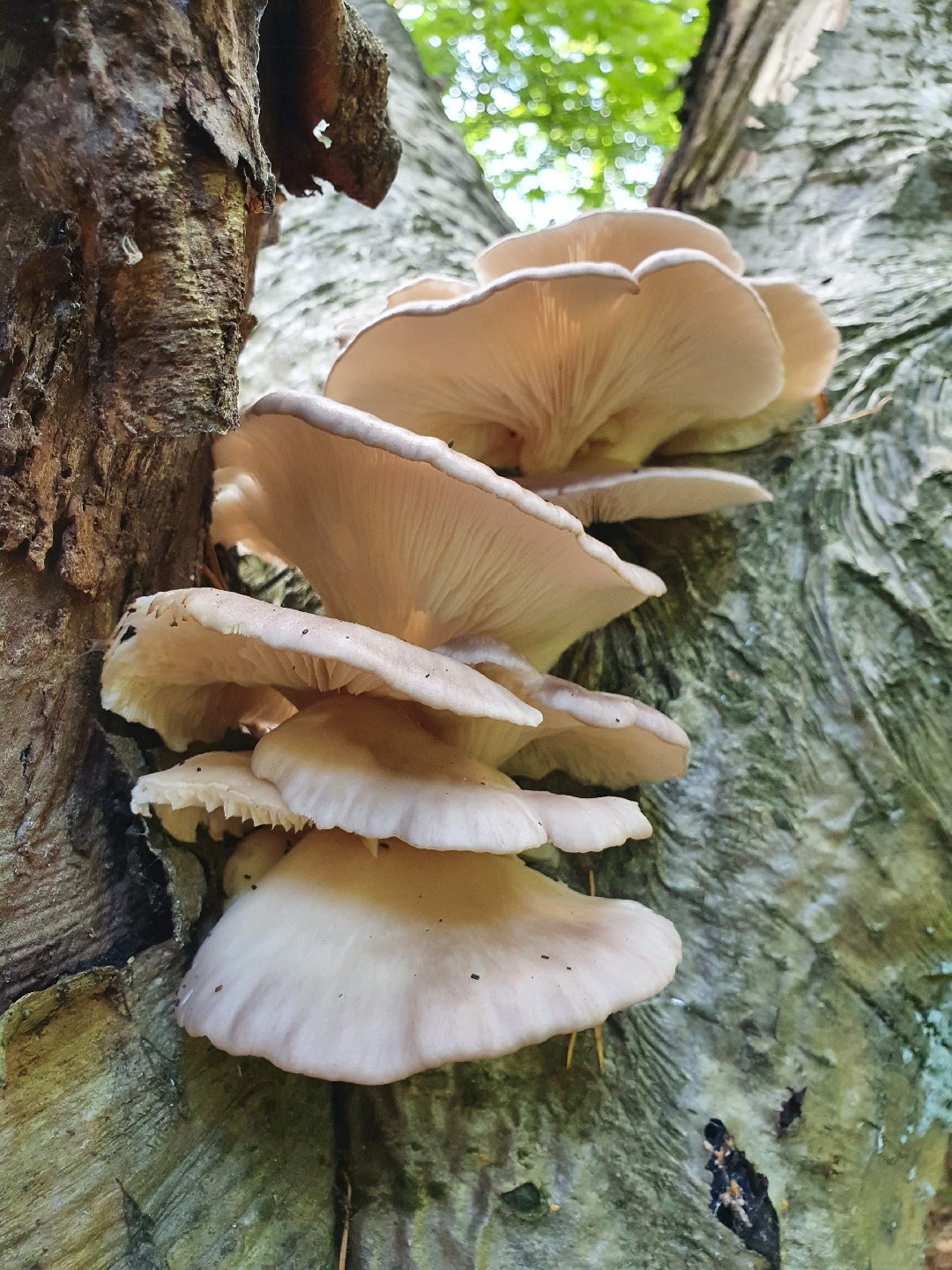
6. Oyster mushroom
Oyster mushrooms grow wild but are also cultivated for sale in supermarkets. They can even be cultivated at home. They will grow on coffee grounds and spent grain, and are occasionally even fashioned into an environmentally-friendly substitute for styrofoam. There are several toxic look-alike species, so it is best to buy these mushrooms at the store.

7. Shaggy mane
The shaggy mane mushroom is commonly found in North American and European grasslands. Some peoples foraged for its young egg-shaped caps, but it has more recently been found to be a bioaccumulator of heavy metals, meaning it pulls toxic metals up from the soil where it grows. As a result, shaggy manes should not be eaten. The mushrooms usually appear in clusters or “fairy rings.”
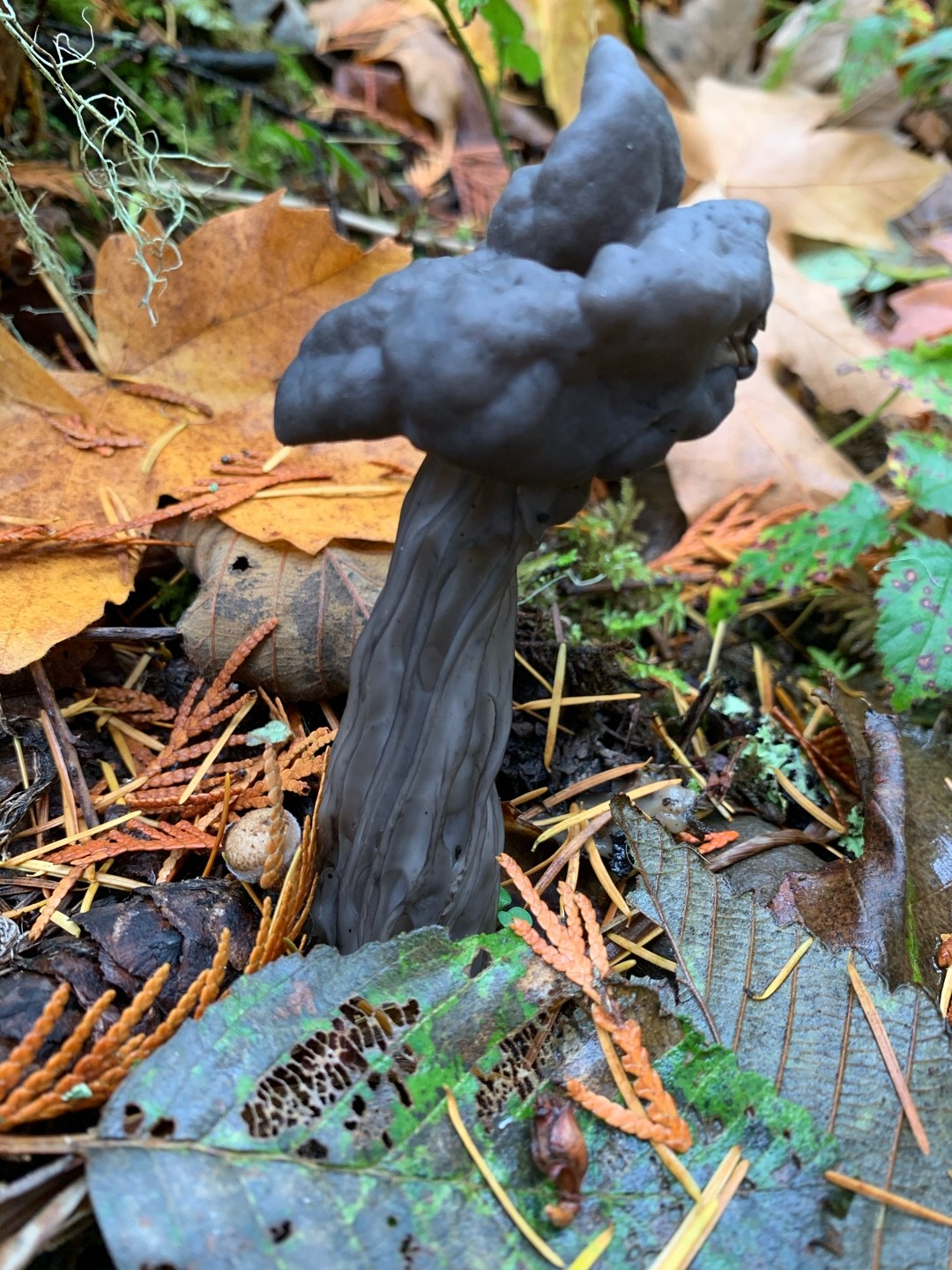
8. Western elfin saddle
The western elfin saddle (Helvella vespertina) has a striking, brain-shaped cap that becomes even more fissured as it ages. They appear and flourish amidst the leaf litter on forest floors in the western United States. The shape of the cap makes it a wonderful hiding place for insects, especially millipedes.
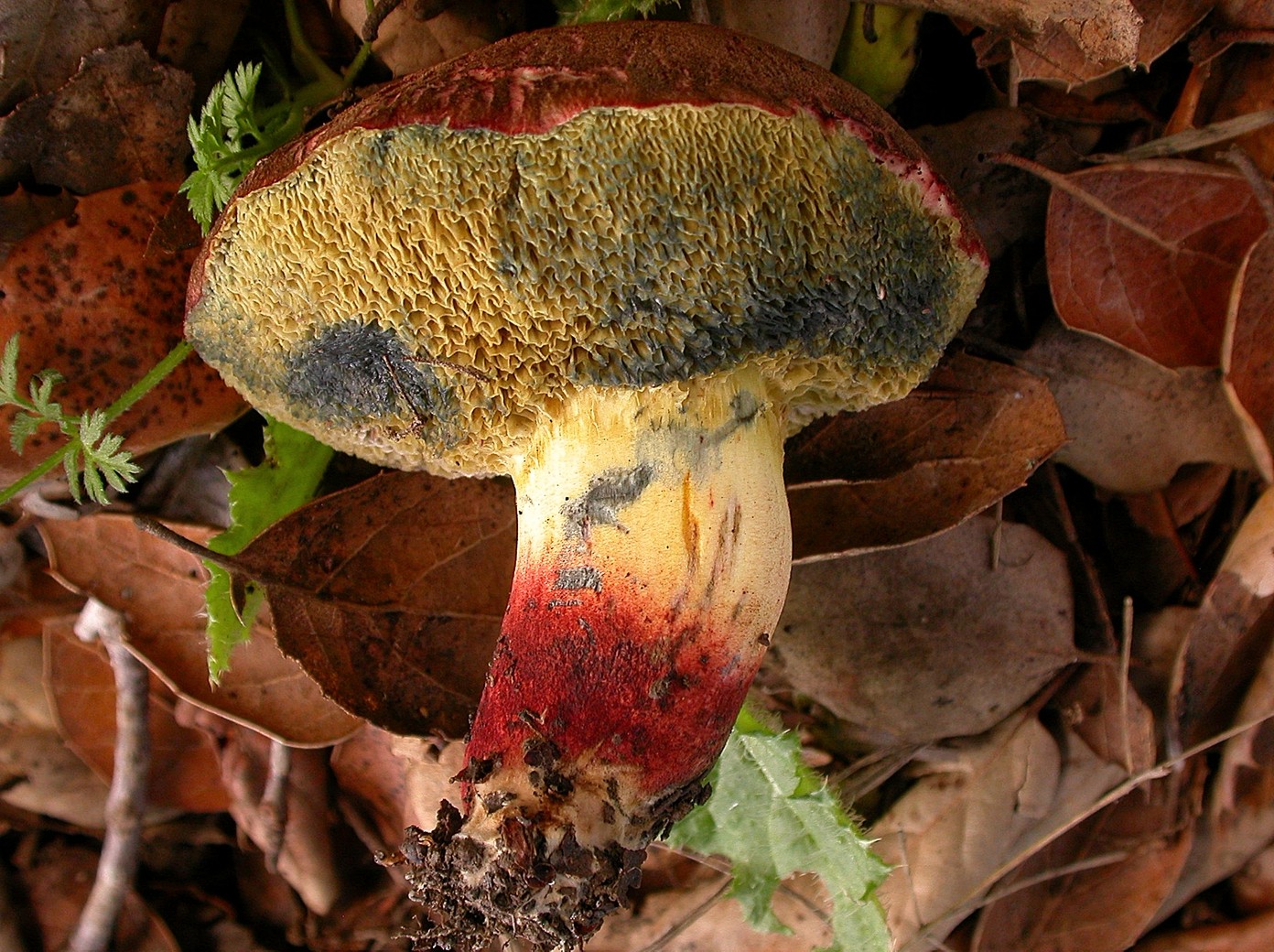
9. Oak-loving bolete
Xerocomellus dryophilus, sometimes referred to as the "cracked-cap bolete" is a bold, bulbous mushroom found in western North America. It has a cap that may range in color from pink to brick to dark wine-red. The species is not known to be toxic, but, unlike some of its more famed bolete relatives, it is not considered edible either.
10. Fat jack
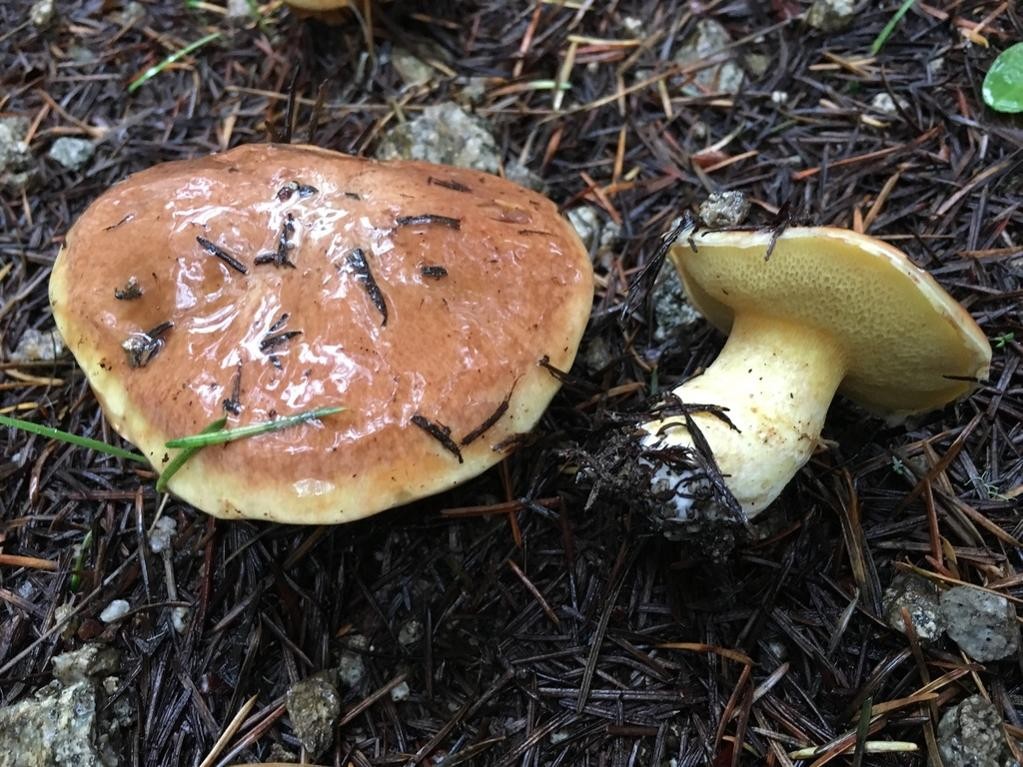
The fat jack is a member of the bolete family that can be found growing underneath Douglas Firs along the western coast of North America. The species' light yellow pore surface turns to brown when damaged or rubbed. Fat jacks also tend to have mild and pleasant, sometimes lemony, odors.
More







