




Top 15 Edible Mushrooms Popular in Trinidad And Tobago
In the tropical climate of Trinidad And Tobago, a wealth of edible mushrooms thrive. From the soothing Rainforests to the nutrient-rich grasslands, a diverse range of fungi have made this region home, and not just for aesthetics, but also for the intriguing flavors they contribute to local and international cuisines. The 15 most common varieties range from prolific field mushrooms with earthy taste to vibrant, sweet-tasting Wood Blewits. Each species is unique in appearance, taste, and growth habitat, underpinning Trinidad And Tobago's dynamic mycological landscape and long-standing culinary traditions.
* Disclaimer: Content feedback CAN NOT be used as any basis for EATING ANY PLANTS. Some plants can be VERY POISONOUS, please purchase edible plants through regular channels.

Most Popular Edible Mushrooms
1. Fan-shaped jelly-fungus
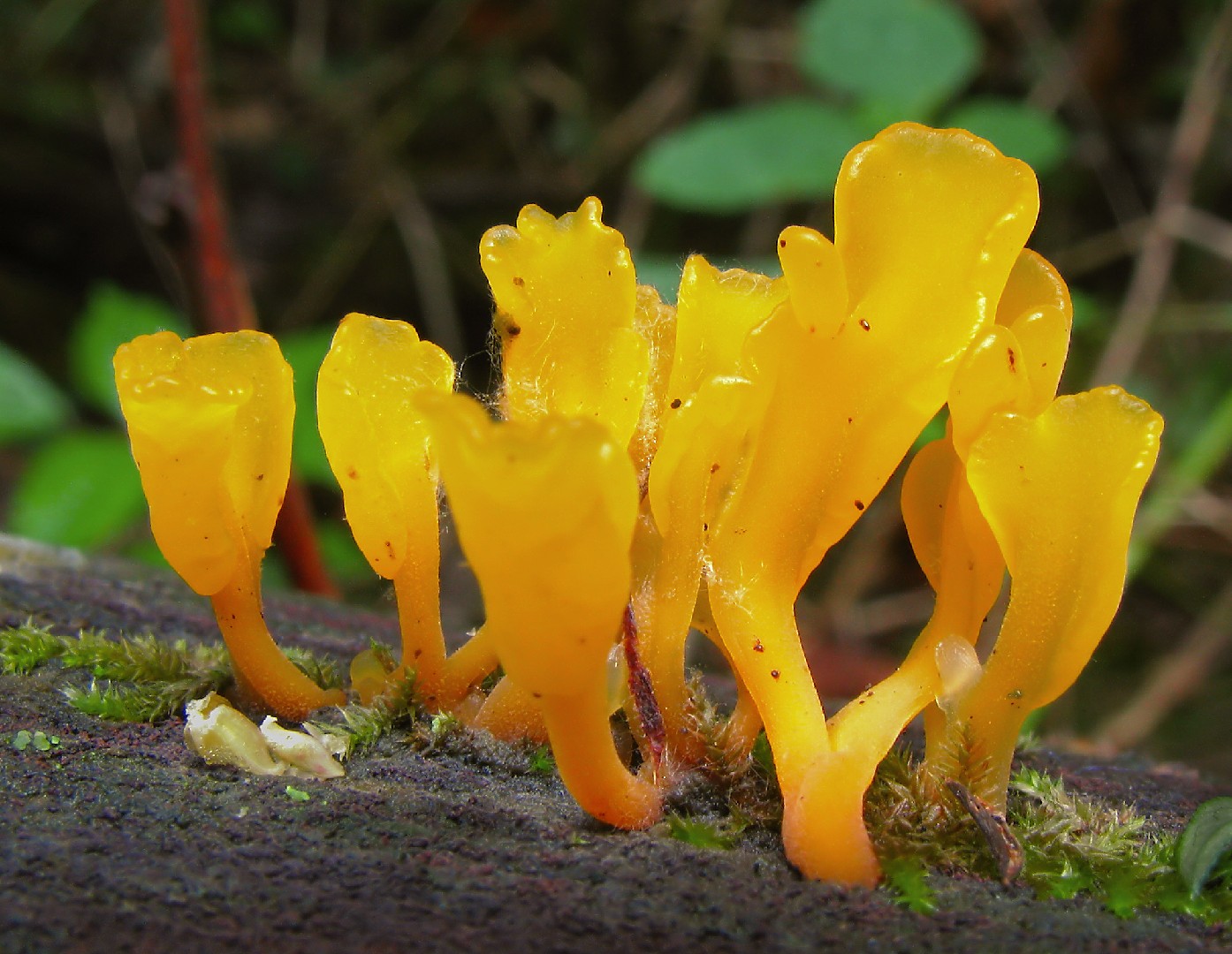
Just as its Latin and the common English names suggest, the fan-shaped jelly-fungus (Dacryopinax spathularia) is a fan-shaped or spatula-shaped jelly-like mushroom. It commonly grows in wood cracks and it sometimes even appears in the cracks of the processed wood and lumber. Despite the word "jelly" in its name, the fan-shaped jelly-fungus is not considered edible.
2. Snow fungus
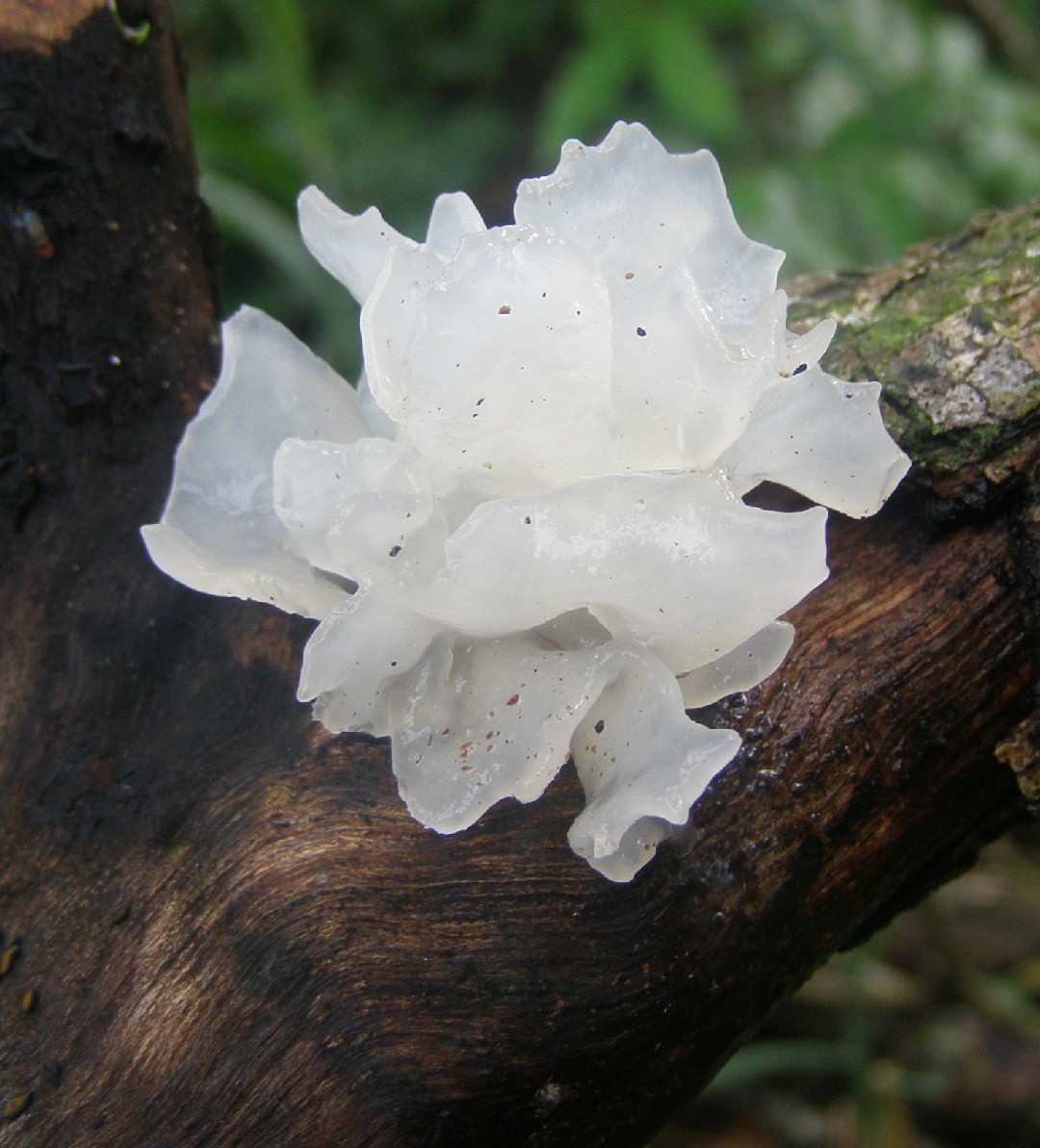
Snow fungus (Tremella fuciformis) is so-named not because it is associated with winter, but, rather, because its fruitbodies look like little piles of snow fungus on the ground. This fungus actually inhabits very warm - tropical and subtropical - locations around the globe. Snow fungus does not have much taste, but it is cultivated for culinary use across East Asia, where it is often added to thicken soups and desserts.
3. Wood ear
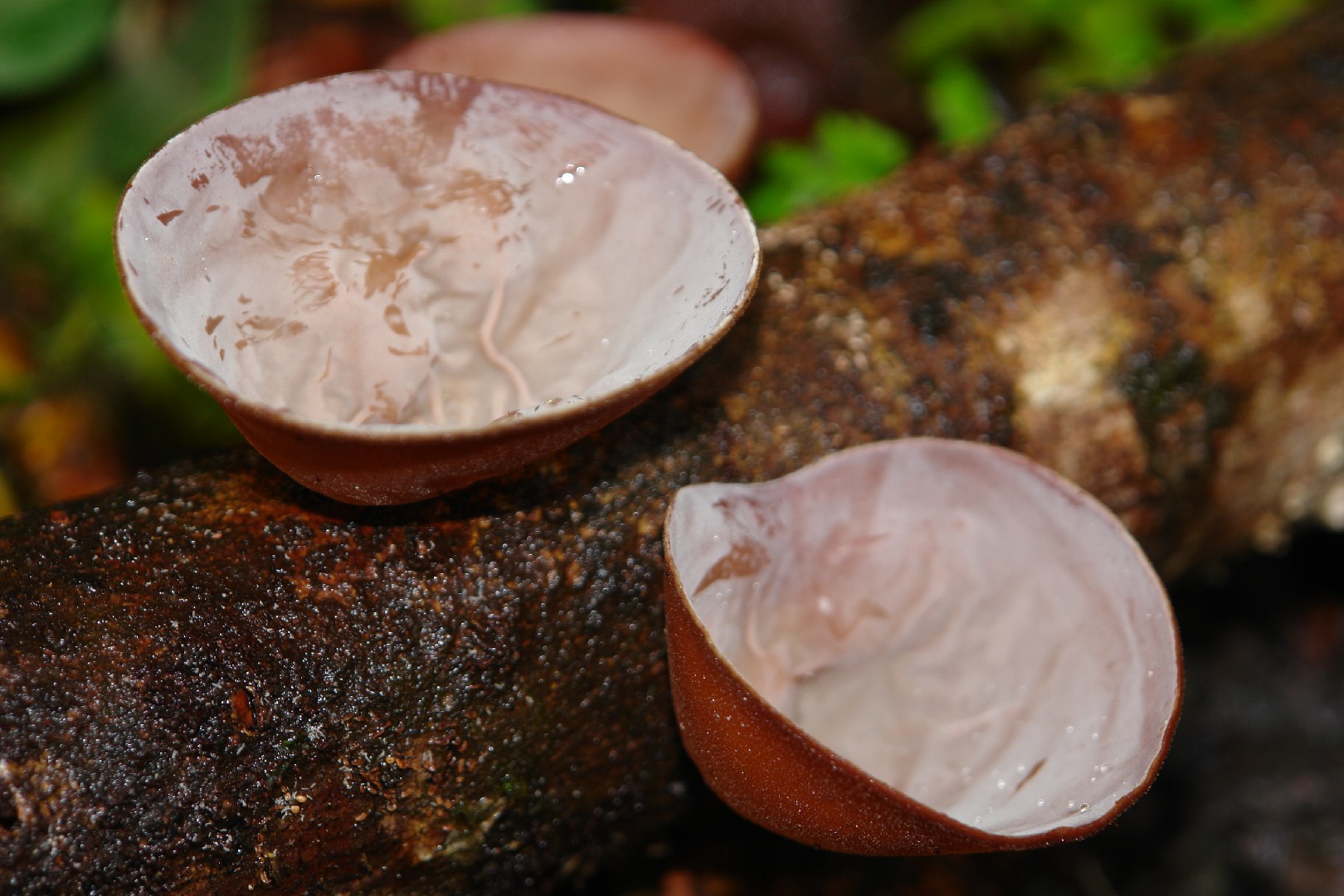
The fuzzy surface of the wood ear (Auricularia cornea) is a distinguishable characteristic of this wood-loving mushroom. The hairy, ear-shaped body transforms in color when exposed to moisture and can range from chocolate brown to dull gray.
4. Violet coral
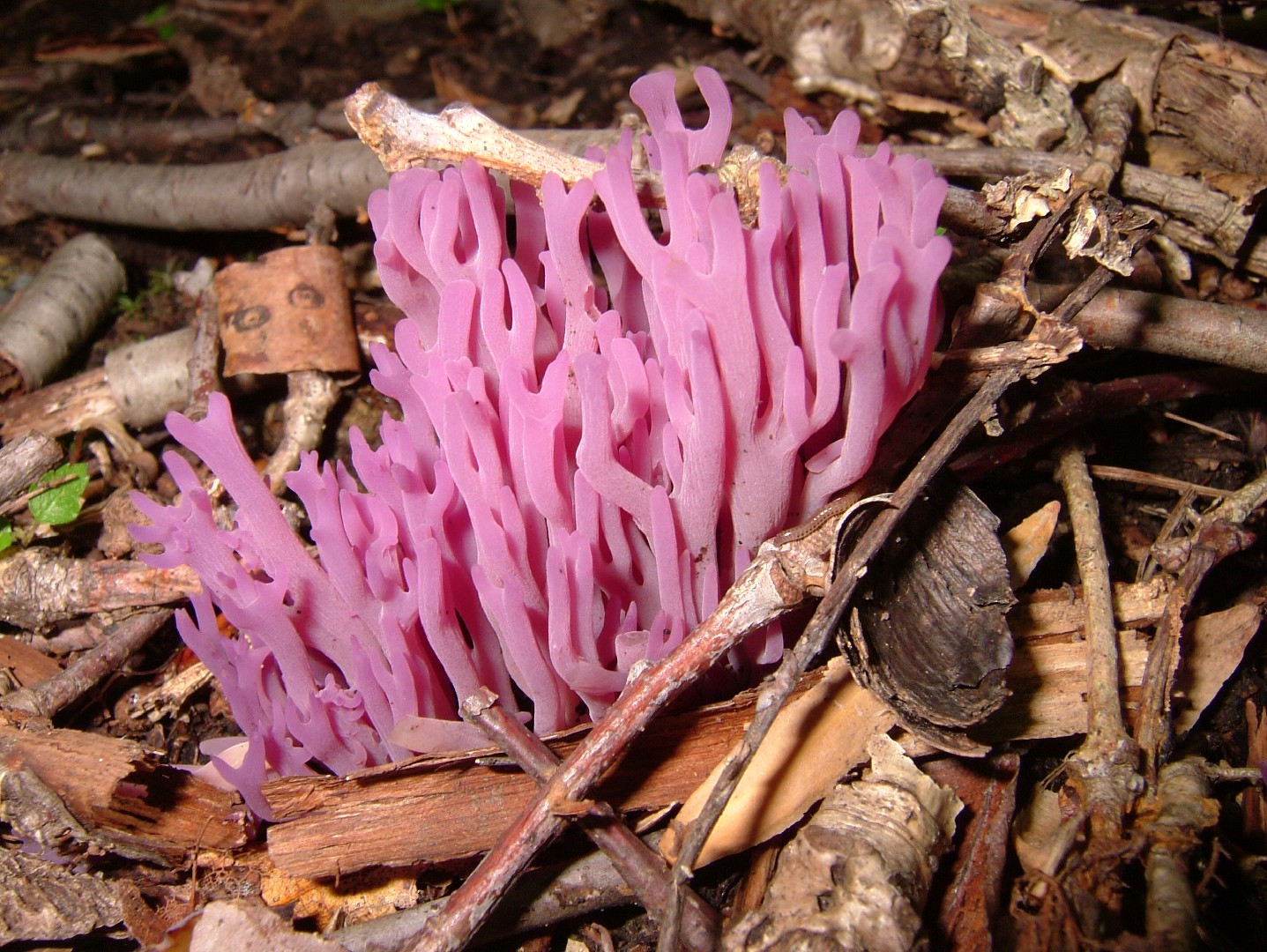
The striking violet coral (Clavaria zollingeri) is most common in the eastern part of North America, although it can also be found elsewhere. The clustered, branching fruitbody looks spectacularly similar to an underwater coral, in both shape and color. This species is distinguished by the antler-like pattern with which each frond branches.
5. Purple-spored puffball
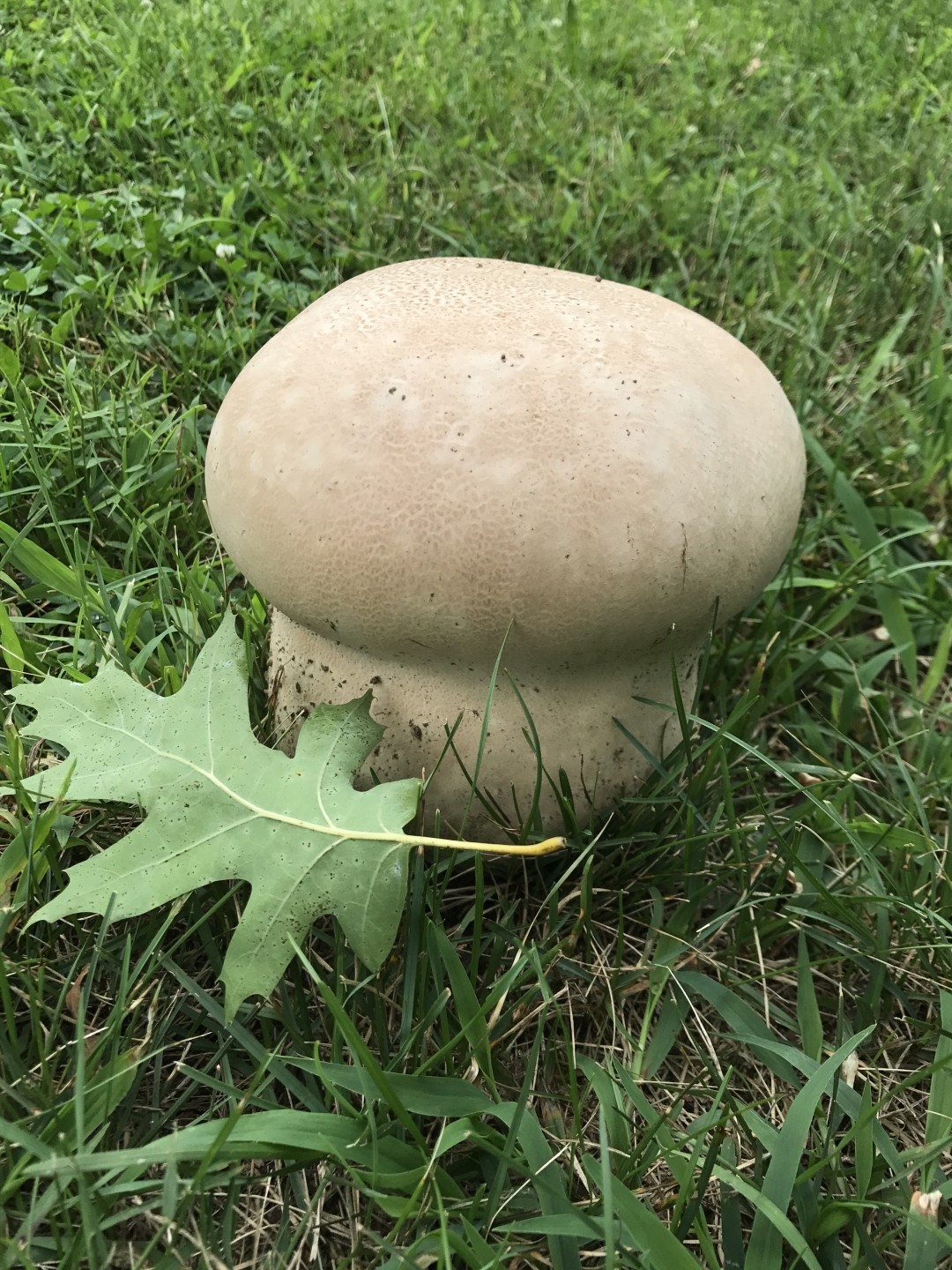
It's hard to mistake this mushroom for another. The aptly-named purple-spored puffball has a large, round, or pear-shaped fruiting body and is purple or chocolate-brown in color (with spores to match). Purple-spored puffballs are found in prairies and meadows across North America and Australia.
6. Fan-shaped jelly-fungus
Just as its Latin and the common English names suggest, the fan-shaped jelly-fungus (Dacryopinax spathularia) is a fan-shaped or spatula-shaped jelly-like mushroom. It commonly grows in wood cracks and it sometimes even appears in the cracks of the processed wood and lumber. Despite the word "jelly" in its name, the fan-shaped jelly-fungus is not considered edible.
7. Snow fungus
Snow fungus (Tremella fuciformis) is so-named not because it is associated with winter, but, rather, because its fruitbodies look like little piles of snow fungus on the ground. This fungus actually inhabits very warm - tropical and subtropical - locations around the globe. Snow fungus does not have much taste, but it is cultivated for culinary use across East Asia, where it is often added to thicken soups and desserts.
8. Wood ear
The fuzzy surface of the wood ear (Auricularia cornea) is a distinguishable characteristic of this wood-loving mushroom. The hairy, ear-shaped body transforms in color when exposed to moisture and can range from chocolate brown to dull gray.
9. Violet coral
The striking violet coral (Clavaria zollingeri) is most common in the eastern part of North America, although it can also be found elsewhere. The clustered, branching fruitbody looks spectacularly similar to an underwater coral, in both shape and color. This species is distinguished by the antler-like pattern with which each frond branches.
10. Purple-spored puffball
It's hard to mistake this mushroom for another. The aptly-named purple-spored puffball has a large, round, or pear-shaped fruiting body and is purple or chocolate-brown in color (with spores to match). Purple-spored puffballs are found in prairies and meadows across North America and Australia.
More







