




Top 20 Edible Mushrooms Popular in Bullas
Nestled at the heart of Spain's southeastern coast, Bullas is a lush region with a favorable climate for mushroom growth. This guide, 'Top 20 most common edible mushrooms in Bullas,' will help mushroom enthusiasts and culinary savants alike identify and appreciate the distinct flavors, appearances and habitats of our top picks. This comprehensive guide lends itself to disciplines ranging from mycology to gastronomy, all while embracing Bullas's rich biodiversity.
* Disclaimer: Content feedback CAN NOT be used as any basis for EATING ANY PLANTS. Some plants can be VERY POISONOUS, please purchase edible plants through regular channels.

Most Popular Edible Mushrooms

1. Torq
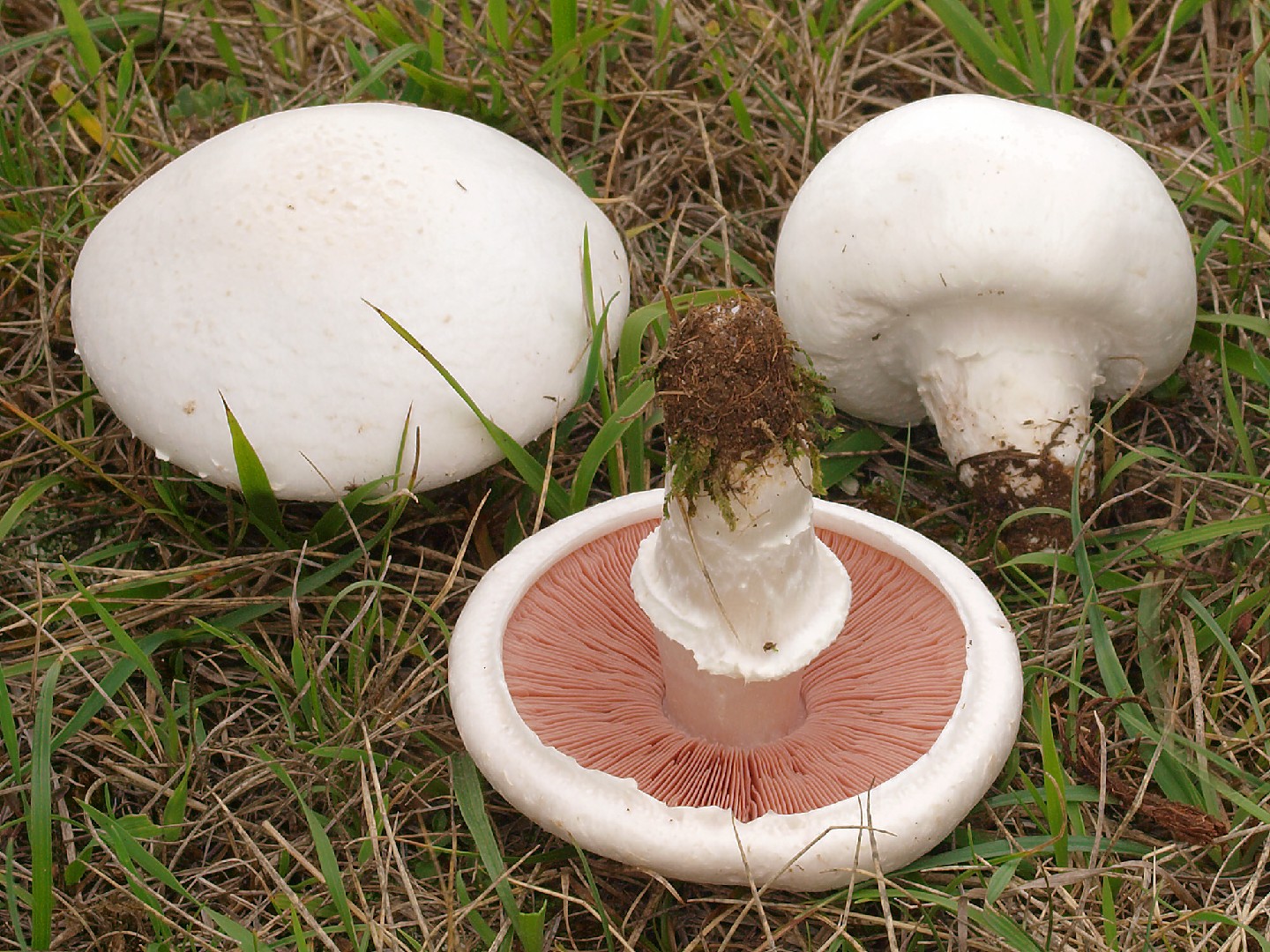
The torq (Agaricus bitorquis) is a white-capped agaric that bears a resemblance to, and is closely related to, the commonly-eaten button mushroom (Agaricus bisporus). This hardy, generalist species does well even in urban environments - their white fruiting bodies can be seen poking up through woodchips, mulch, sidewalk cracks, and even asphalt.
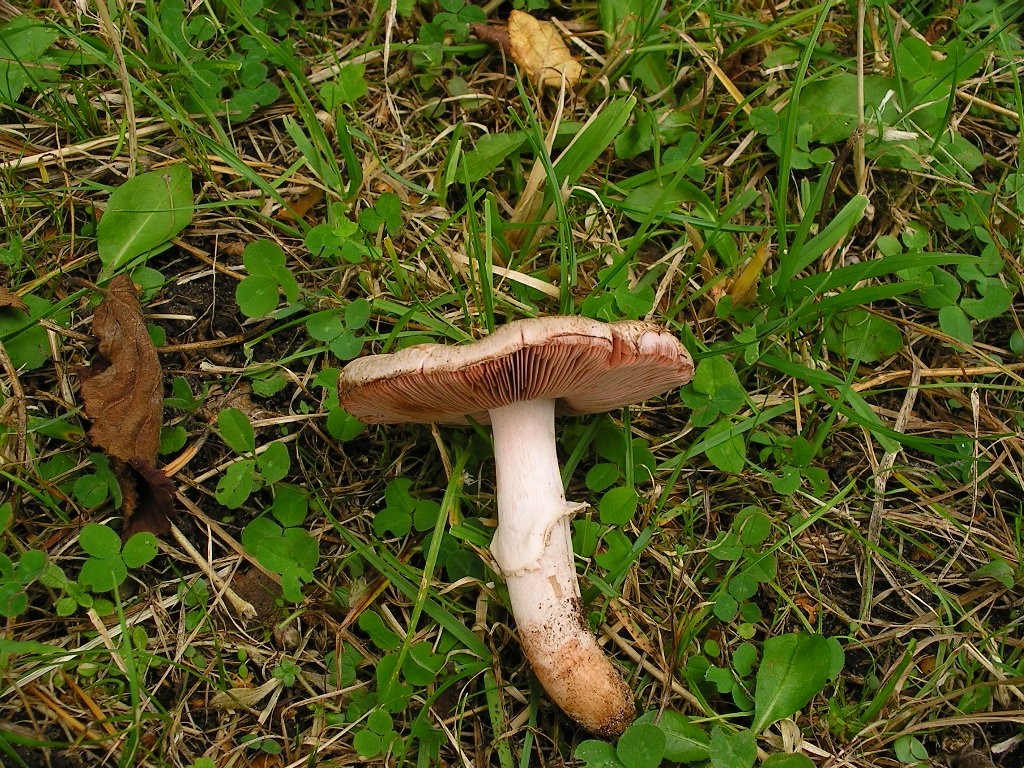
2. Scaly wood mushroom
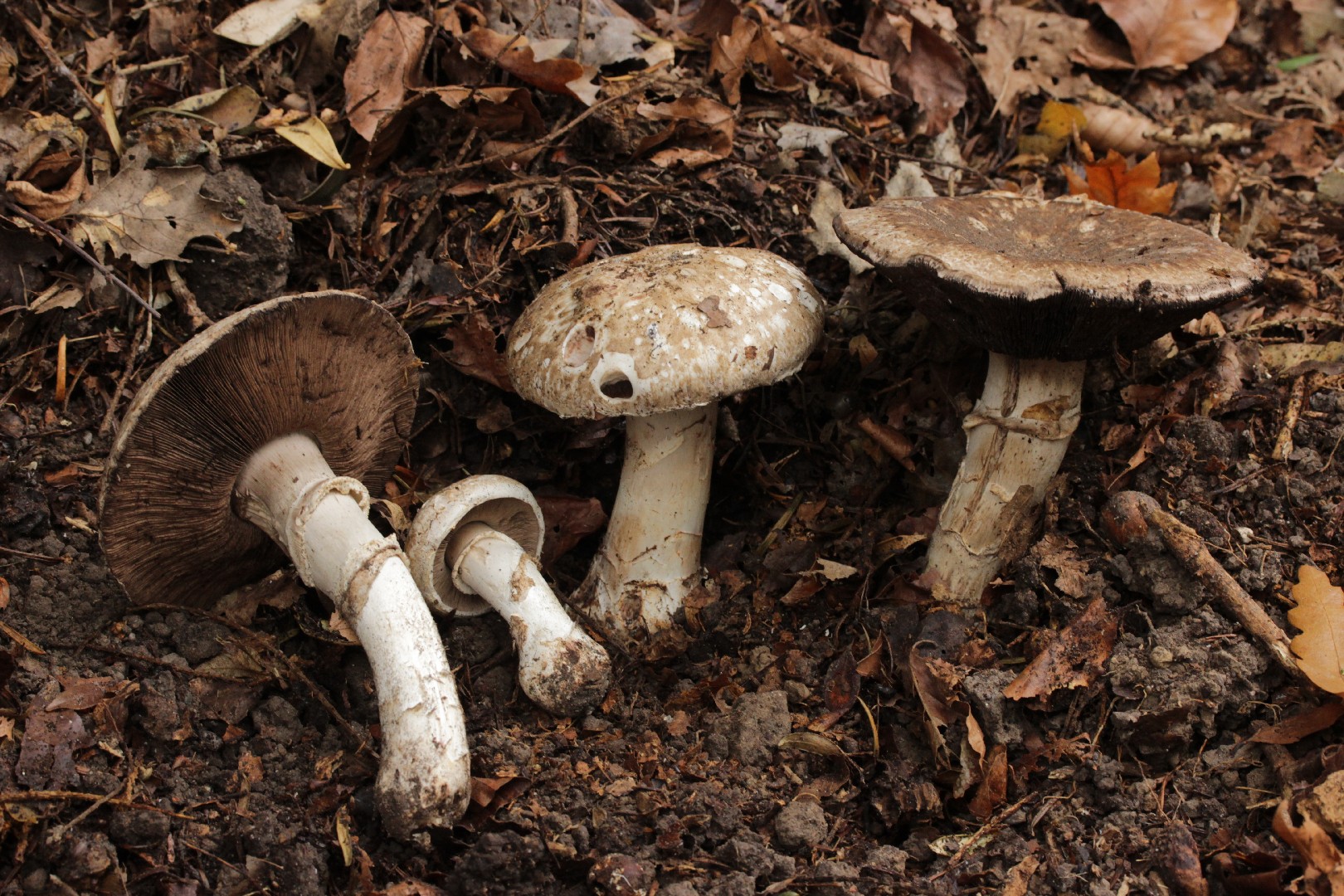
The scaly wood mushroom is a relatively large mushroom that bruises a deep pink or red when damaged. Multiple species of flies use this mushroom as a host for their larval stages. The specific epithet, langei, honors the 19th-century Danish botanist, Johan Lange.
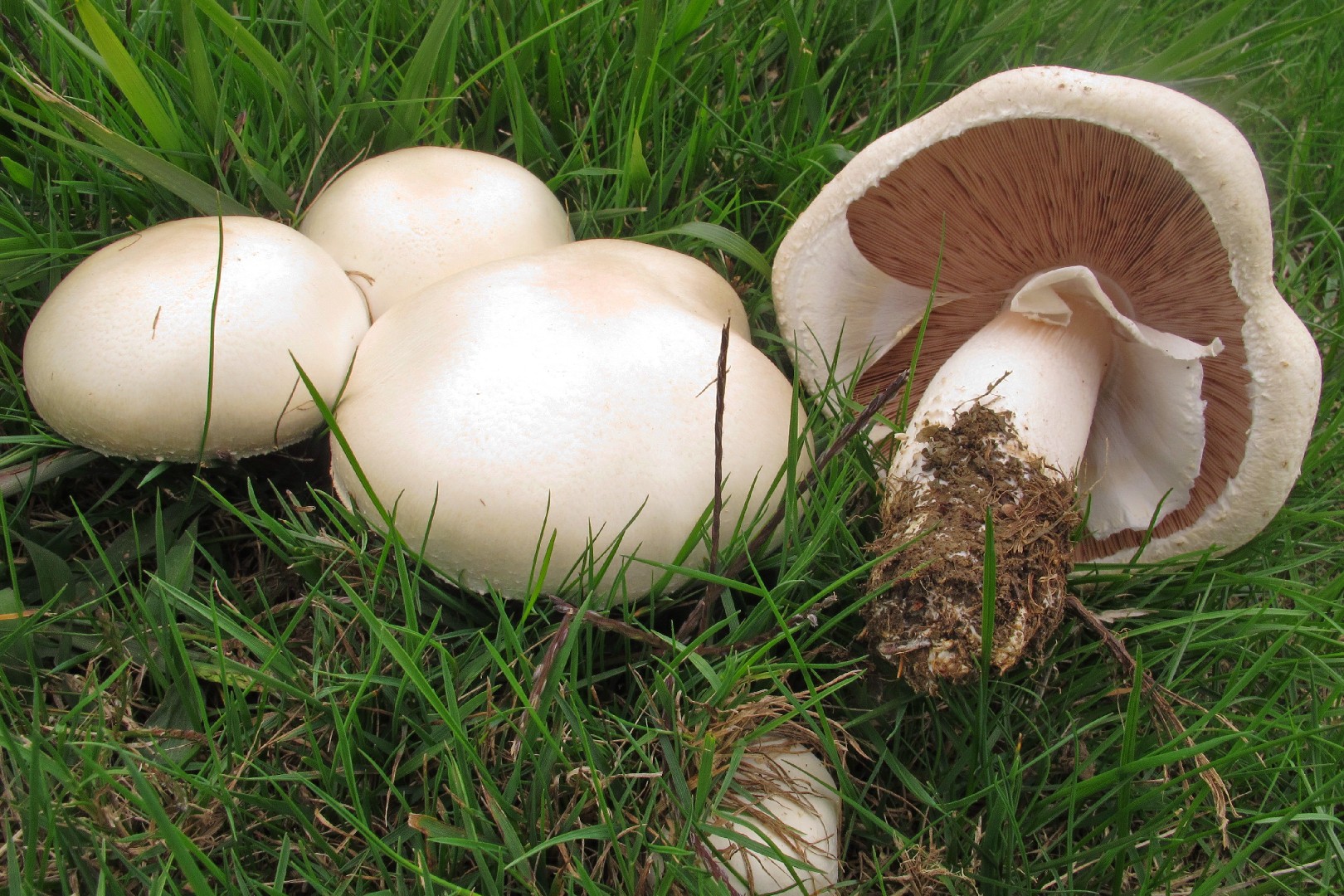
3. Horse mushroom
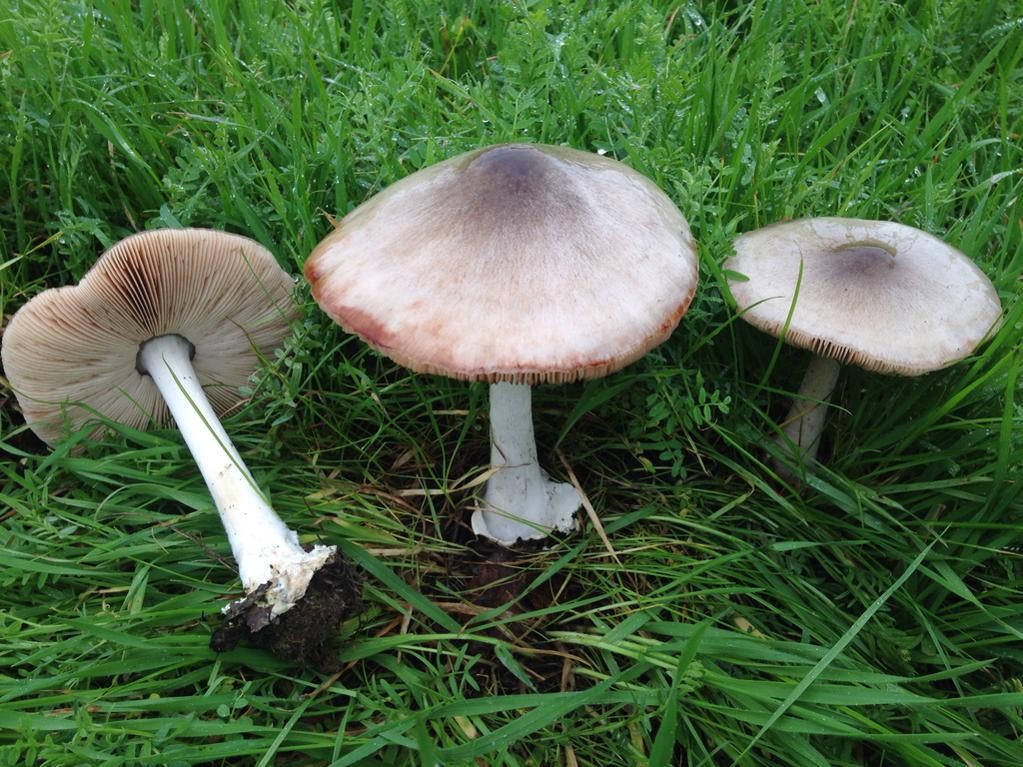
The horse mushroom is a large species of Agaricus whose fruitbodies feature bulbous white caps and pale or gray gills. They are a cosmopolitan species, boasting a global distribution and thriving in a variety of settings, including lawns, lots, and gardens.
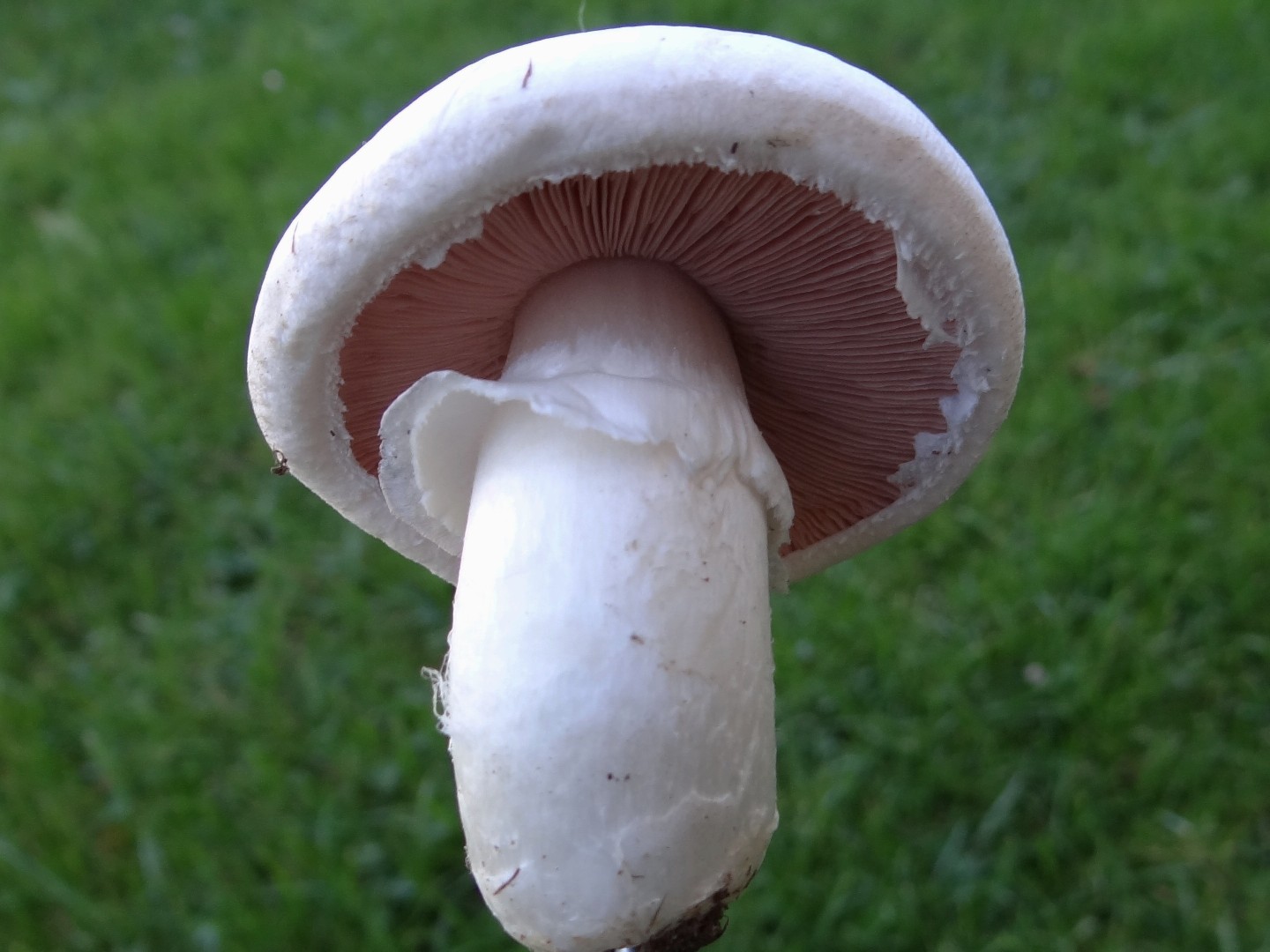
4. Button mushroom
Most of the mushrooms sold in supermarkets in the US are cultivated forms of the button mushroom. The white variants are sold as "button mushrooms", the brown as "cremini" or "baby bellas", and full-grown caps as "portobellas." They occur quite infrequently in the wild, in grassy fields around the Northern Hemisphere.
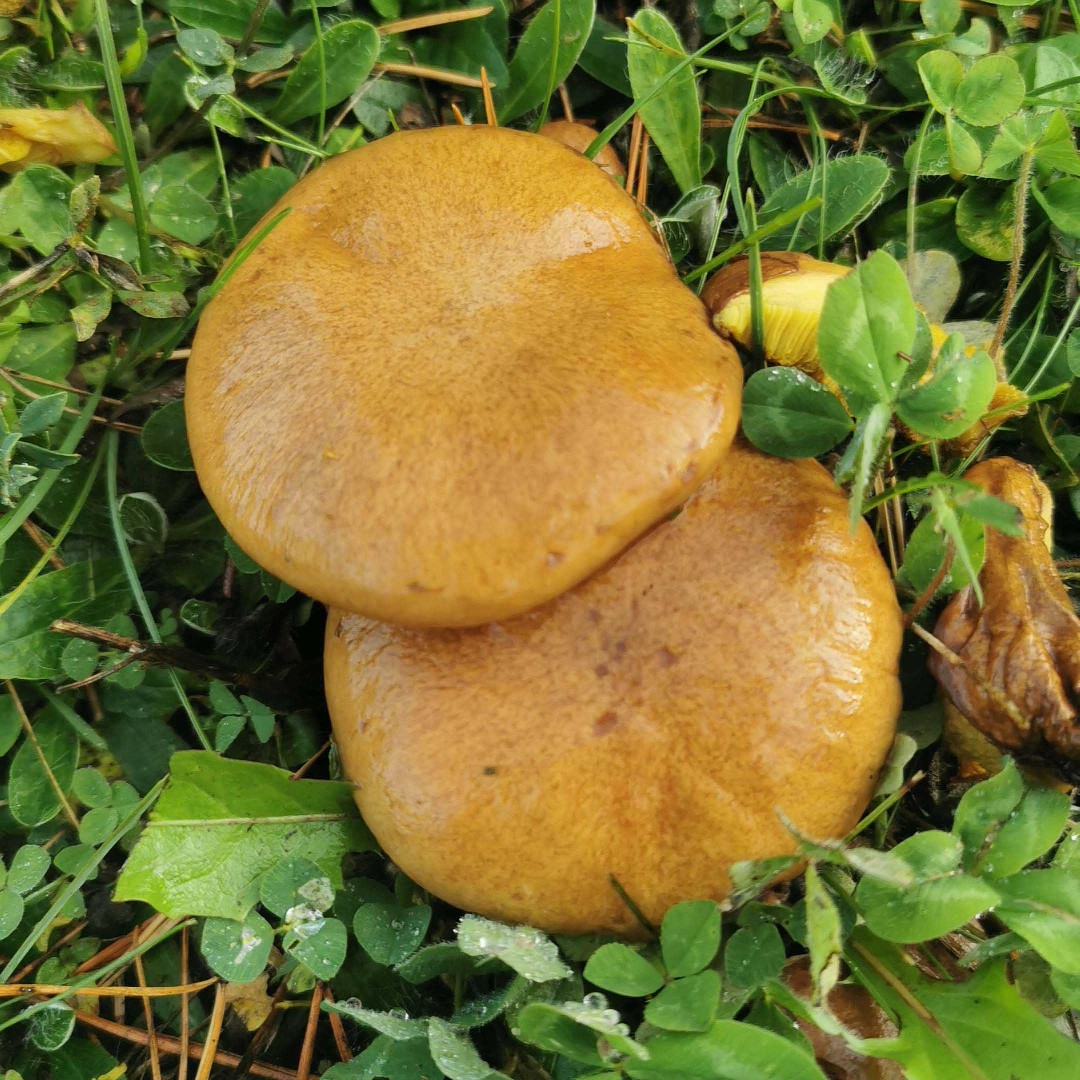
5. Suillus collinitus
Suillus collinitus is a mushroom that grows in a symbiotic relationship with pine trees, particularly the Aleppo pine. This fungus is sometimes introduced to young pine trees to help them to become established in poor soils. It was listed as an endangered species in the United Kingdom, but its 'vulnerable' classification was removed from that nation's Red Data List in 2006.
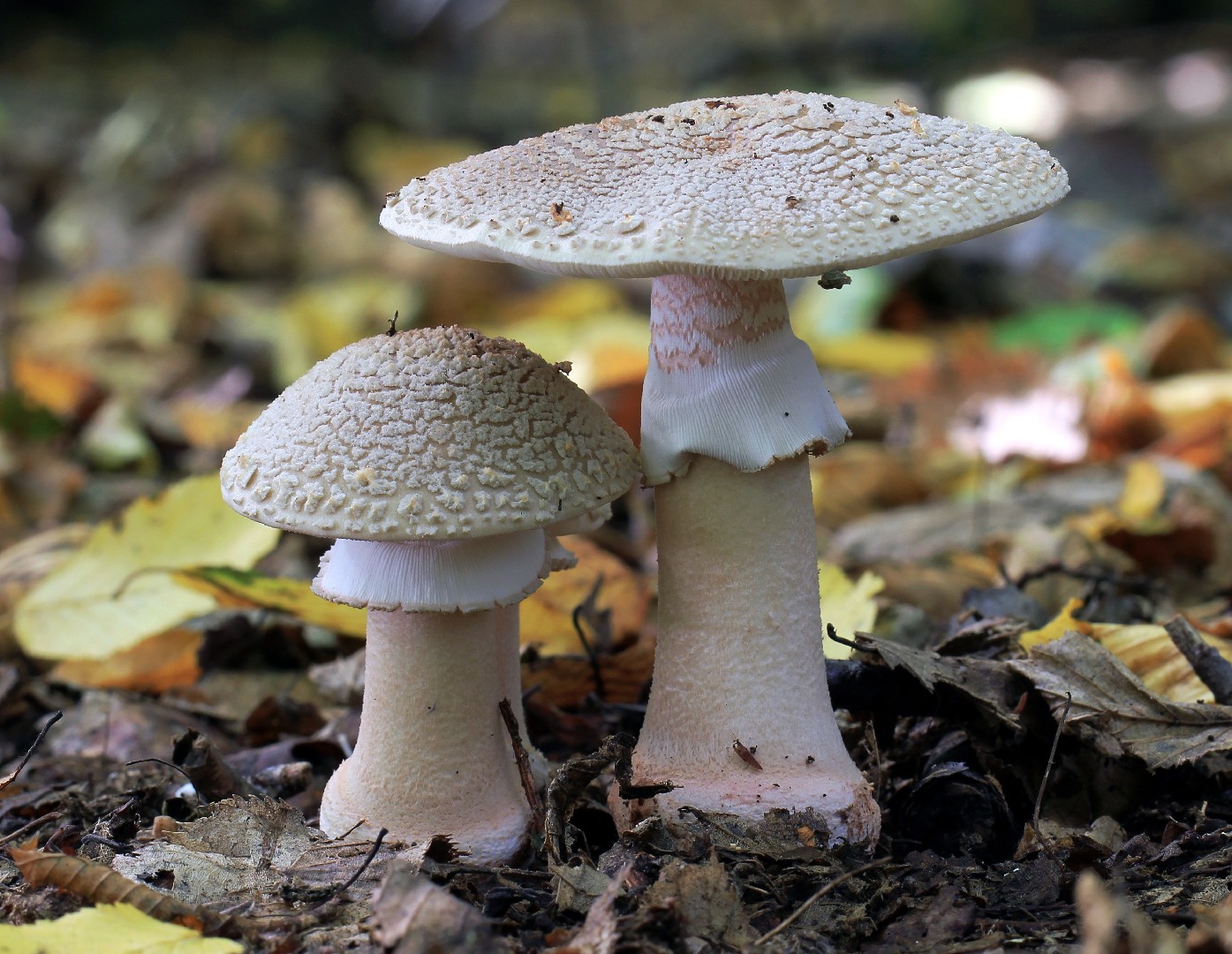
6. Blusher
The blusher mushroom is so named because it “blushes” to a pinkish red color when cut or bruised. It is found in many countries around the world, although it may not be native to the southern hemisphere. It contains a hemolytic toxin that can cause anemia if eaten.
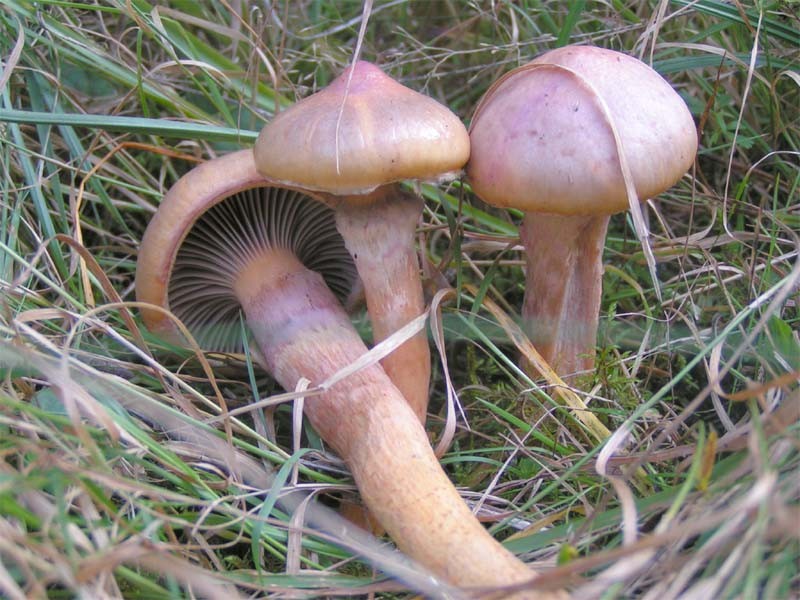
7. Copper spike
A European fungus, the copper spike is is visually almost indistinguishable from its North American counterpart - Chroogomphus ochraceus, although molecular studies have shown that these two are different species. Its cap becomes slimy when wet, hence the common name. The cap color is highly variable and it can range from yellowish, to orange, purplish, reddish, and brown.

8. King oyster mushroom
The king oyster mushroom (Pleurotus eryngii) is an edible mushroom widely prized for its flavor, which can be compared to scallops. It can be found wild in the warmer temperate zones of the world, and is also cultivated, growing on straw, for commercial use. The particular way in which this species decomposes plant matter may also have industrial applications.
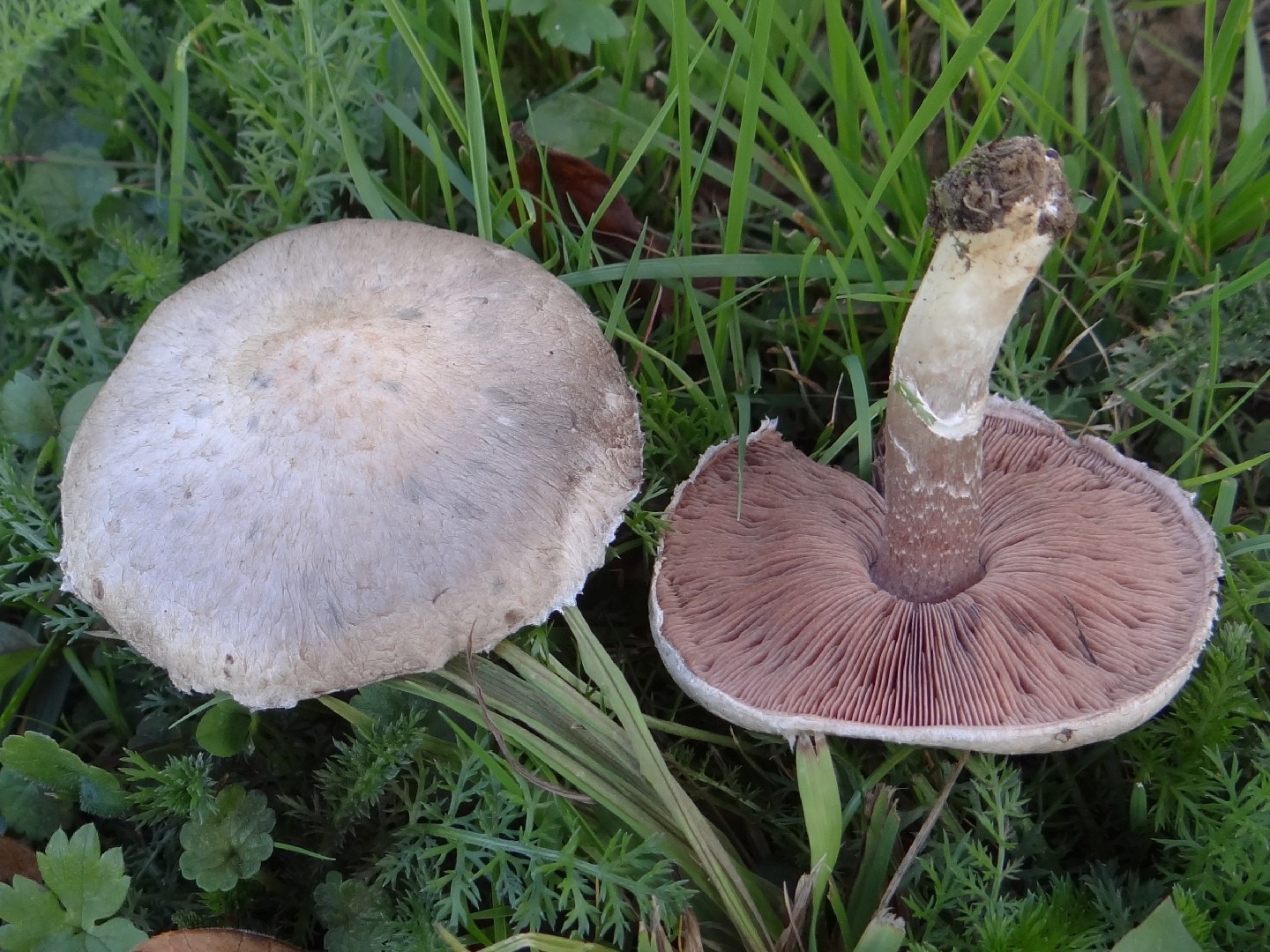
9. Rosy wood mushroom
Cap 2 to 7 cm, convex-rounded often with inflexed margins at first, then flattens when aging, covered in purple-brown to pinkish dense fibriles that fade in colours towards light grayish-pink from the centre towards margins. The gills are free from attachment to the stipe, dense, starting pale gray-brownish when young, then turning dark purple-brown with age, with a lighter crenulated edge. The stipe is cylindrical, 2–5 cm long and 0.4–0.8 cm broad, bulbous or clavated at the base, withish, slightly darkening toward the base in yellow-brownish tints. The ring, remnant of the veil present in young fructifications, is whitish, descendent, thin and fragile. The odor and taste resembles almonds. The spore print is dark brownish. The spores are 4.5–6.0 x 3.5–4.0 µm on average, nonamyloid, and elliptical. The flesh turns slightly in yellow when cut or bruised, sometime with orange tints in stipe. Macrochemical reactions: flesh turns orange and pileus turns yellow in contact with 10% KOH. 
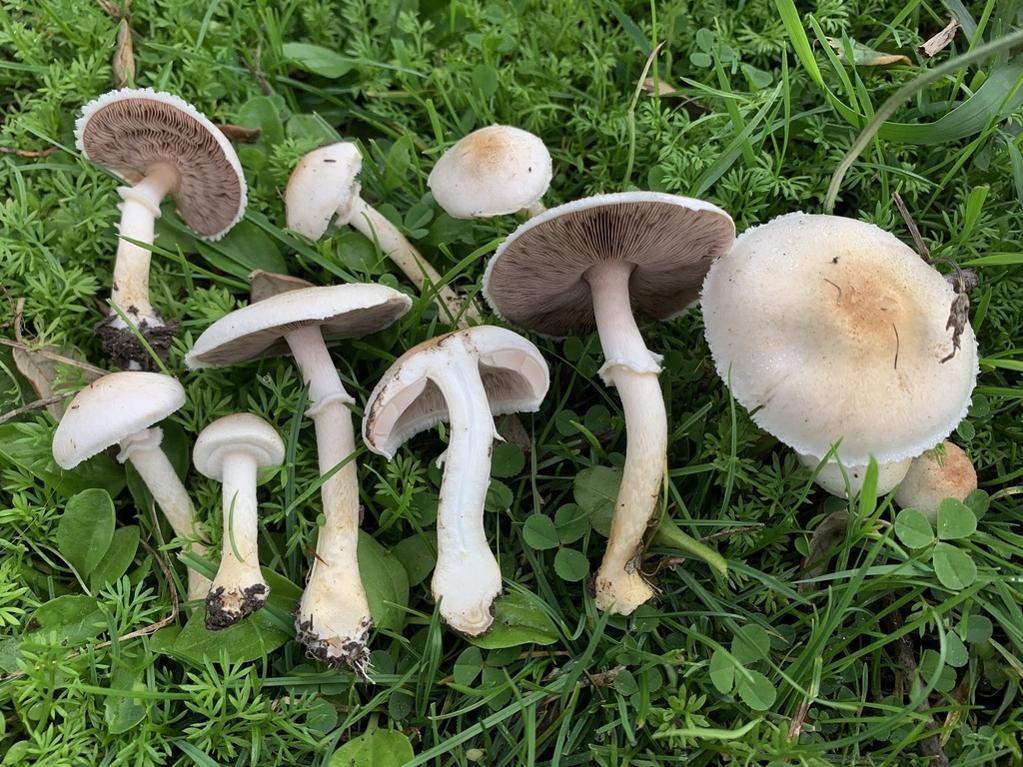
10. Ornamented mushroom
More







