




Top 20 Edible Mushrooms Popular in Pozoblanco
Nestled amidst an idyllic landscape, Pozoblanco offers a diverse array of fungi, making it a veritable paradise for gastronomes and mycologists alike. The varied microclimates and fertile ecosystems of this region birth 20 common edible mushrooms, each distinguished in appearance and flavor, bound to enrich your culinary journey. As we delve deeper, uncover the characteristics, habitats, and gastronomic offerings of these extraordinary mushrooms peppered across Pozoblanco.
* Disclaimer: Content feedback CAN NOT be used as any basis for EATING ANY PLANTS. Some plants can be VERY POISONOUS, please purchase edible plants through regular channels.

Most Popular Edible Mushrooms
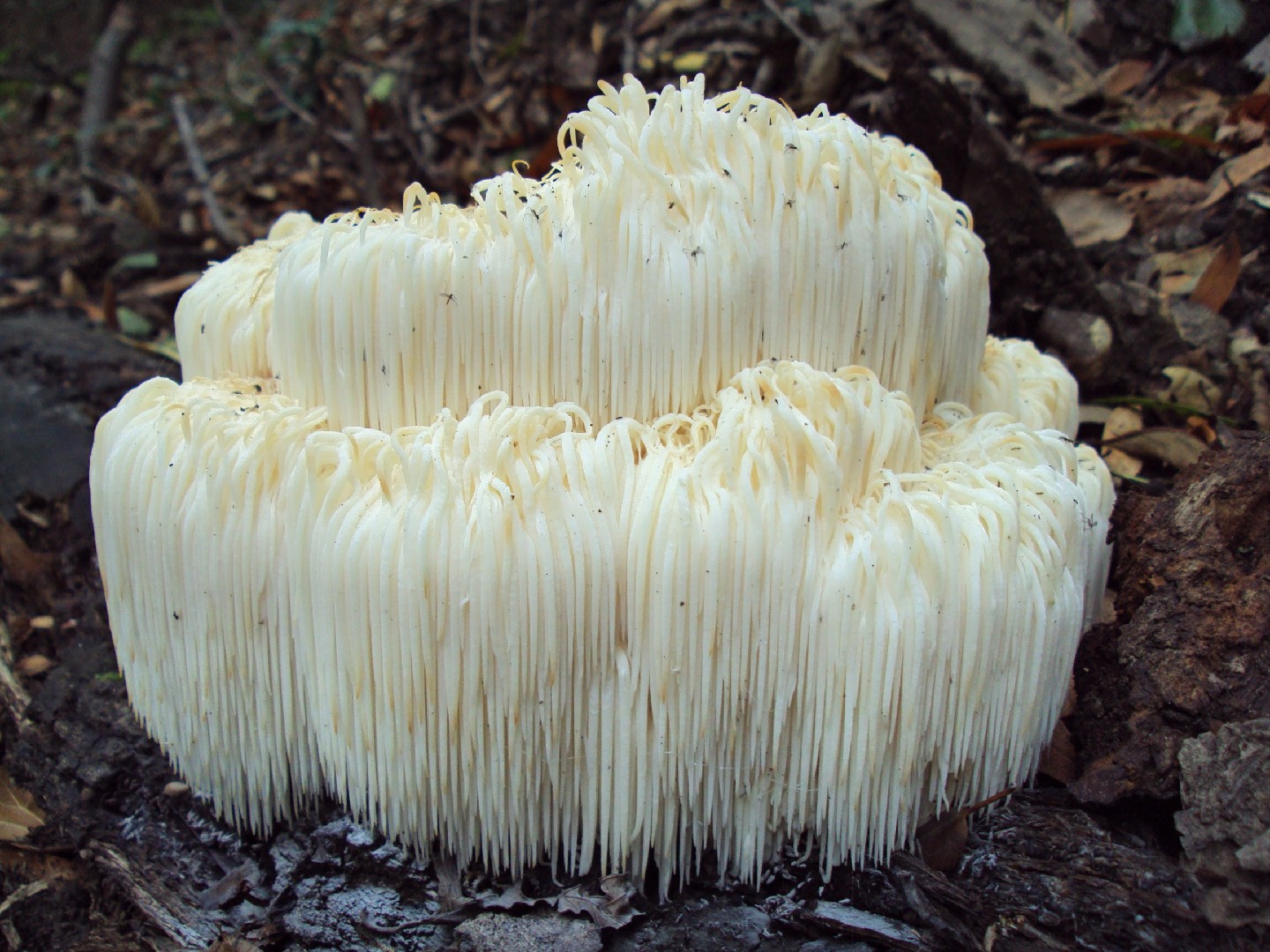
1. Lion's Mane Mushroom
Lion's Mane Mushroom(Hericium erinaceus) is easily identifiable by its characteristic appearance, reminiscent of the majestic mane of a lion. It often sprouts along hardwoods, which may be living or dead. Scientists thus debate whether this species is truly parasitic or merely saprophytic in nature.
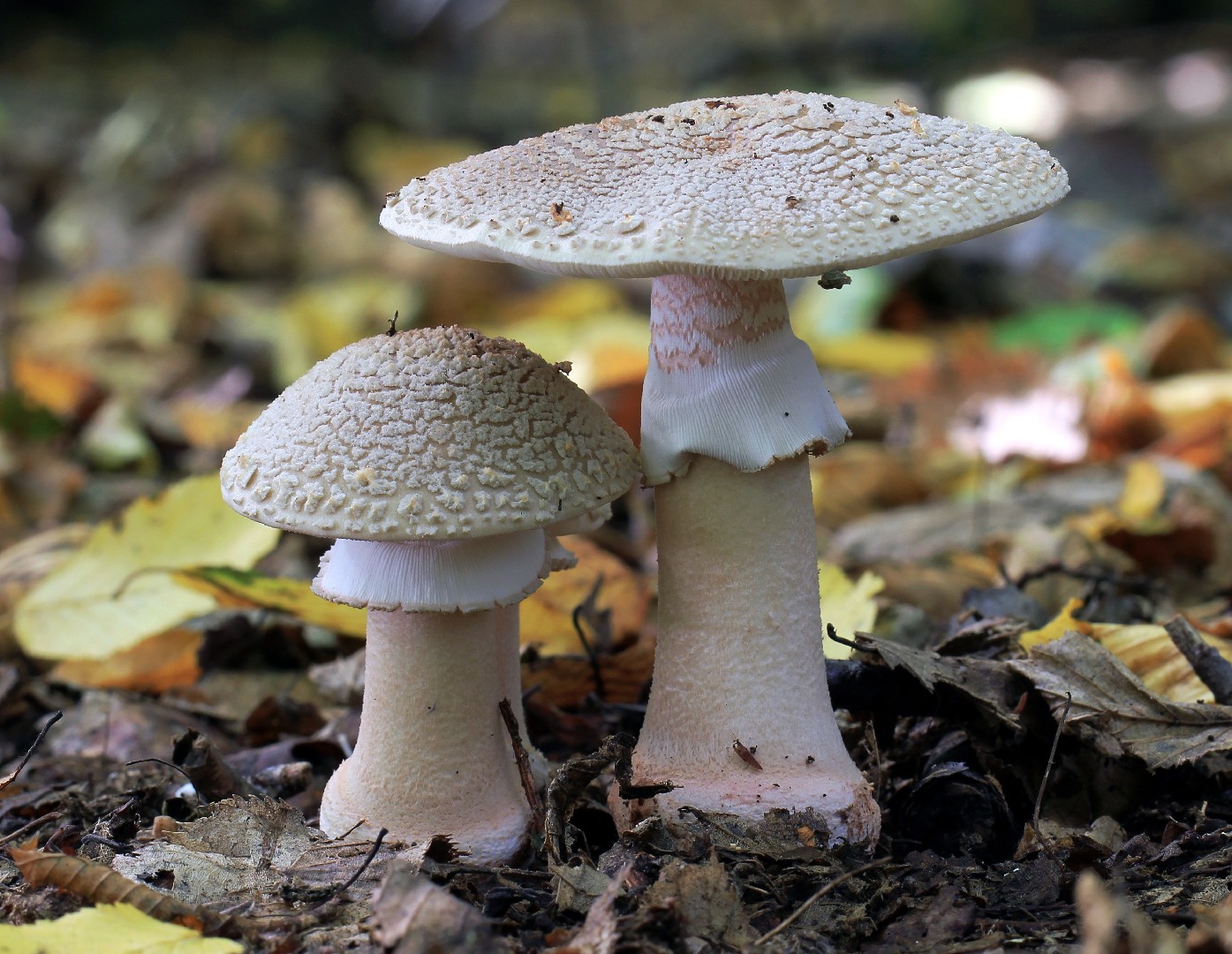
2. Blusher
The blusher mushroom is so named because it “blushes” to a pinkish red color when cut or bruised. It is found in many countries around the world, although it may not be native to the southern hemisphere. It contains a hemolytic toxin that can cause anemia if eaten.
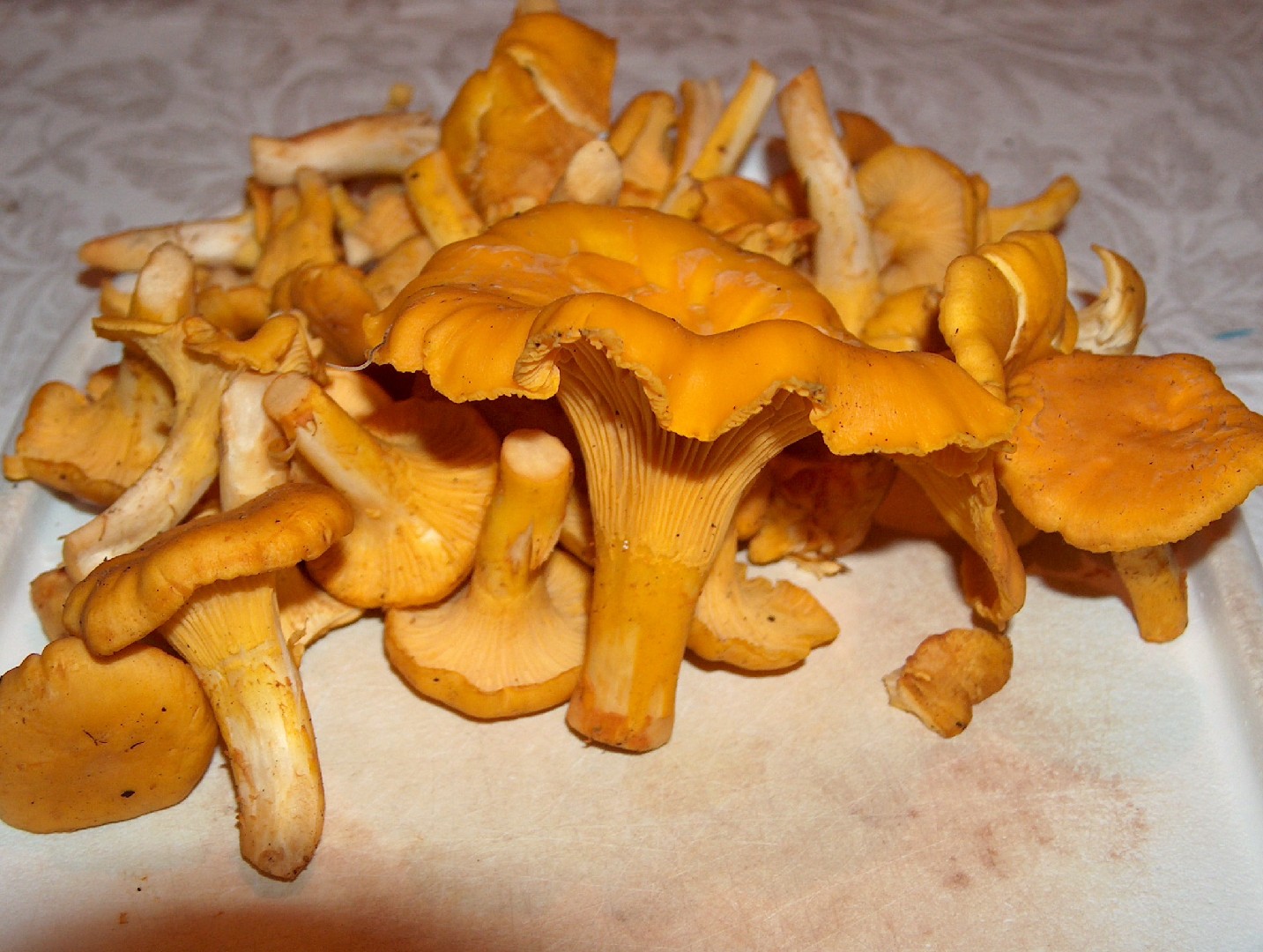
3. Golden chanterelle
Golden chanterelle mushrooms are popular in gourmet cuisine across Europe, where they grow wild during the warm (but not too hot) months. Similar species grow in other countries. Extremely popular with foragers, the golden chanterelle emits an apricot-like scent and contains an array of nutrients that benefit the human body. Several studies suggest consuming extremely large amounts may have detrimental effects on the eyes and muscles.
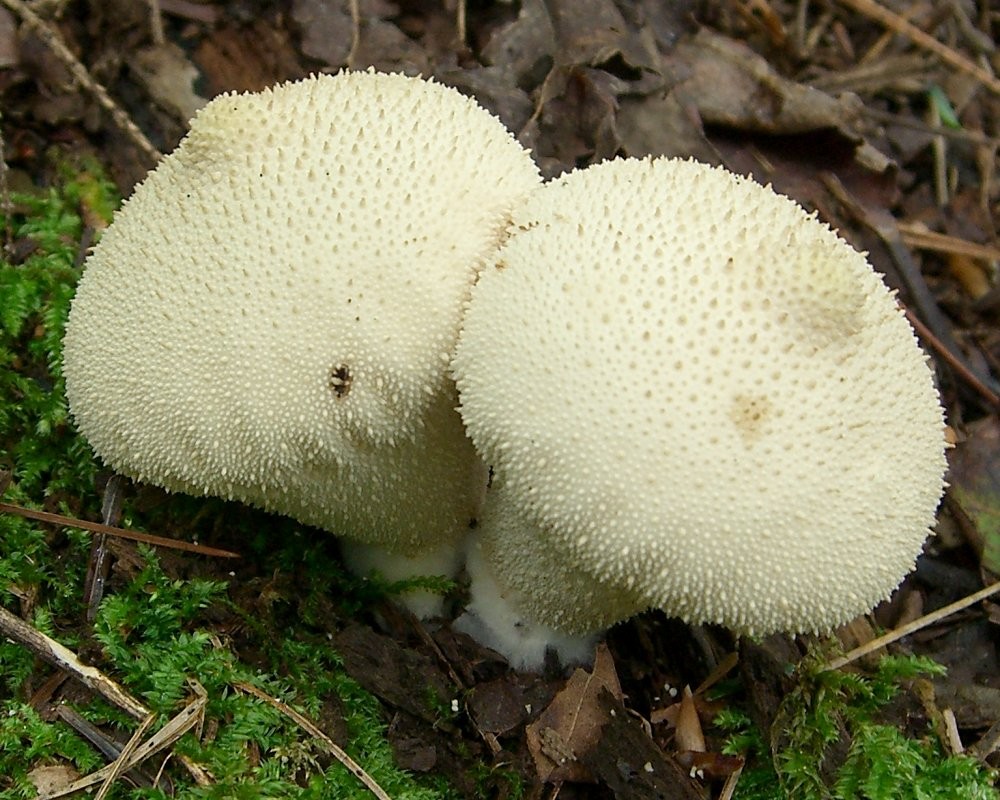
4. Common puffball
These puffy mushrooms grow in small groups on the forest floor. Once they're mature, common puffballs turn yellow and "puff out" smoke-like spore clouds when disturbed. Be very careful when identifying these mushrooms, as their young, immature form looks very similar to the lethal Deathcap.
5. Saffron milk cap
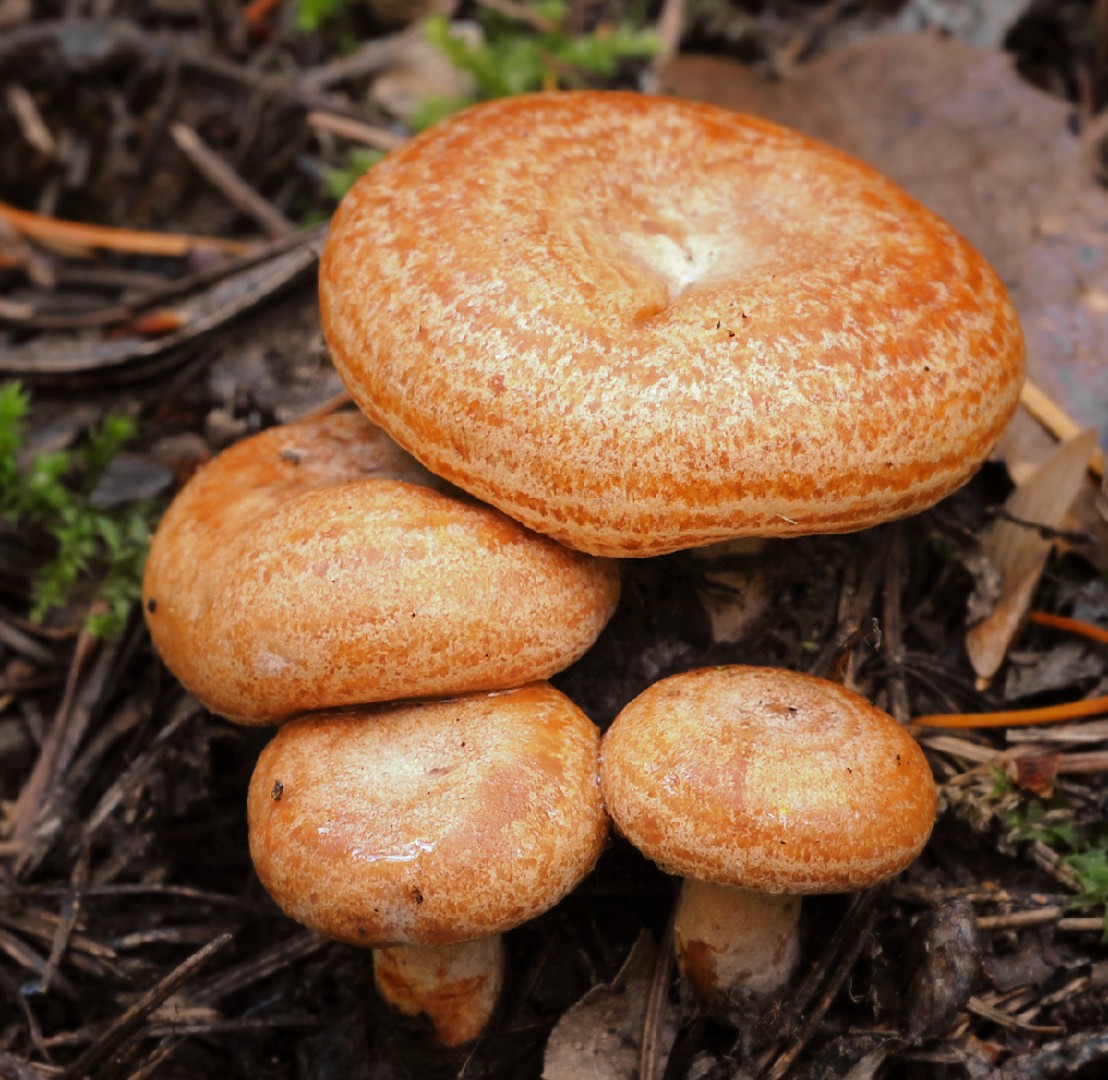
Growing wild in the northern hemisphere and introduced to Australia, the saffron milk cap is found in pine forests during autumn. As the name implies, these mushrooms have been harvested for cooking for a long time. They have been known to cause stomach upset in some individuals, however, and carry a risk of being contaminated with heavy metals, so forage with caution.
6. Parasol
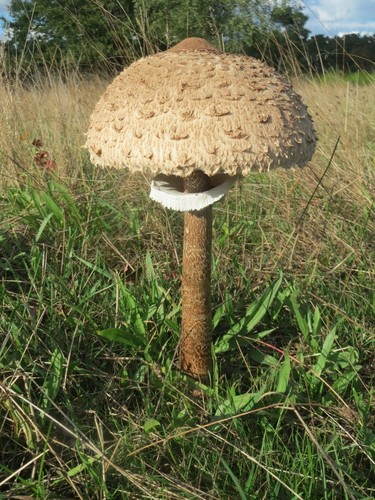
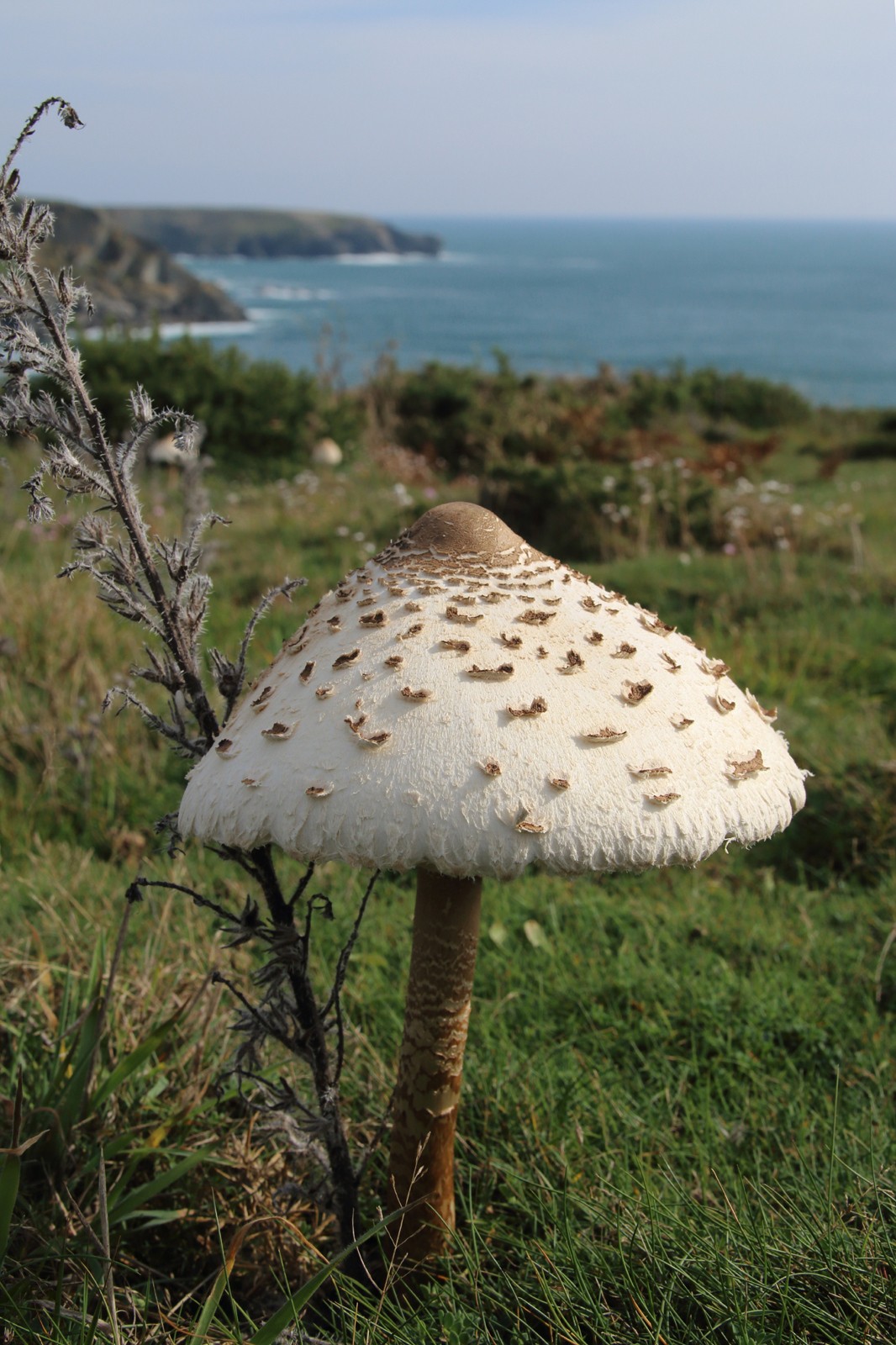
Found in clearings and grassy areas in late summer, the wild parasol mushroom has a snakeskin-patterned stem. The brown spots on its cap make it look a bit shaggy, but that name is reserved for its poisonous counterpart, the Shaggy Parasol (Chlorophyllum rhacodes). You can distinguish the two by the stems: the latter has a smooth stem and red flesh inside.
7. Redleg toughshank
8. Bulbous honey fungus
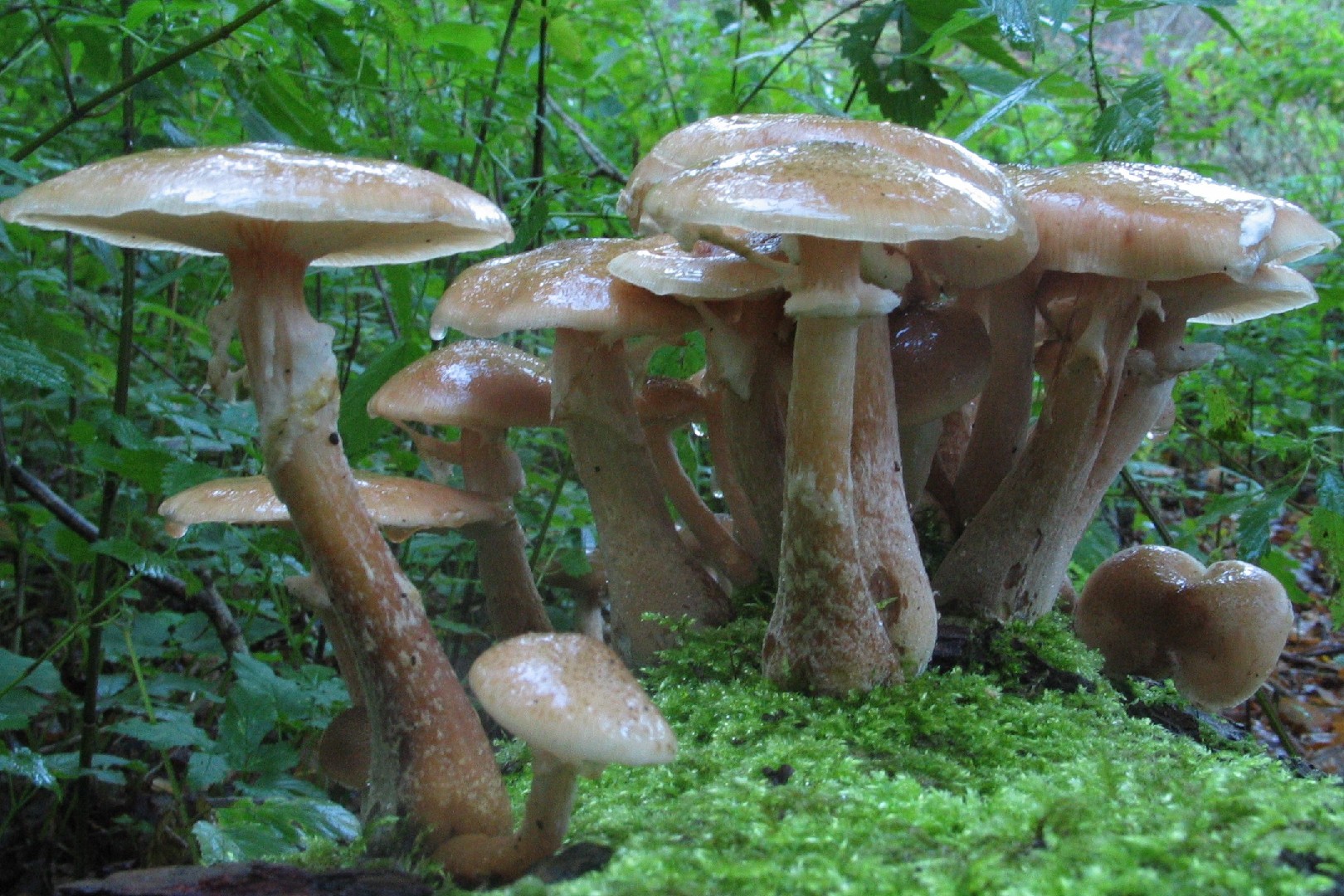
Bulbous honey fungus is characterized by bulbous or swollen stem bases in the fruiting mushrooms. Like all Armillarias, it occurs as a network of tendrils beneath the ground that produce visible mushrooms seasonally. A single organism can be thousands of years old and weigh over 1000 kg.
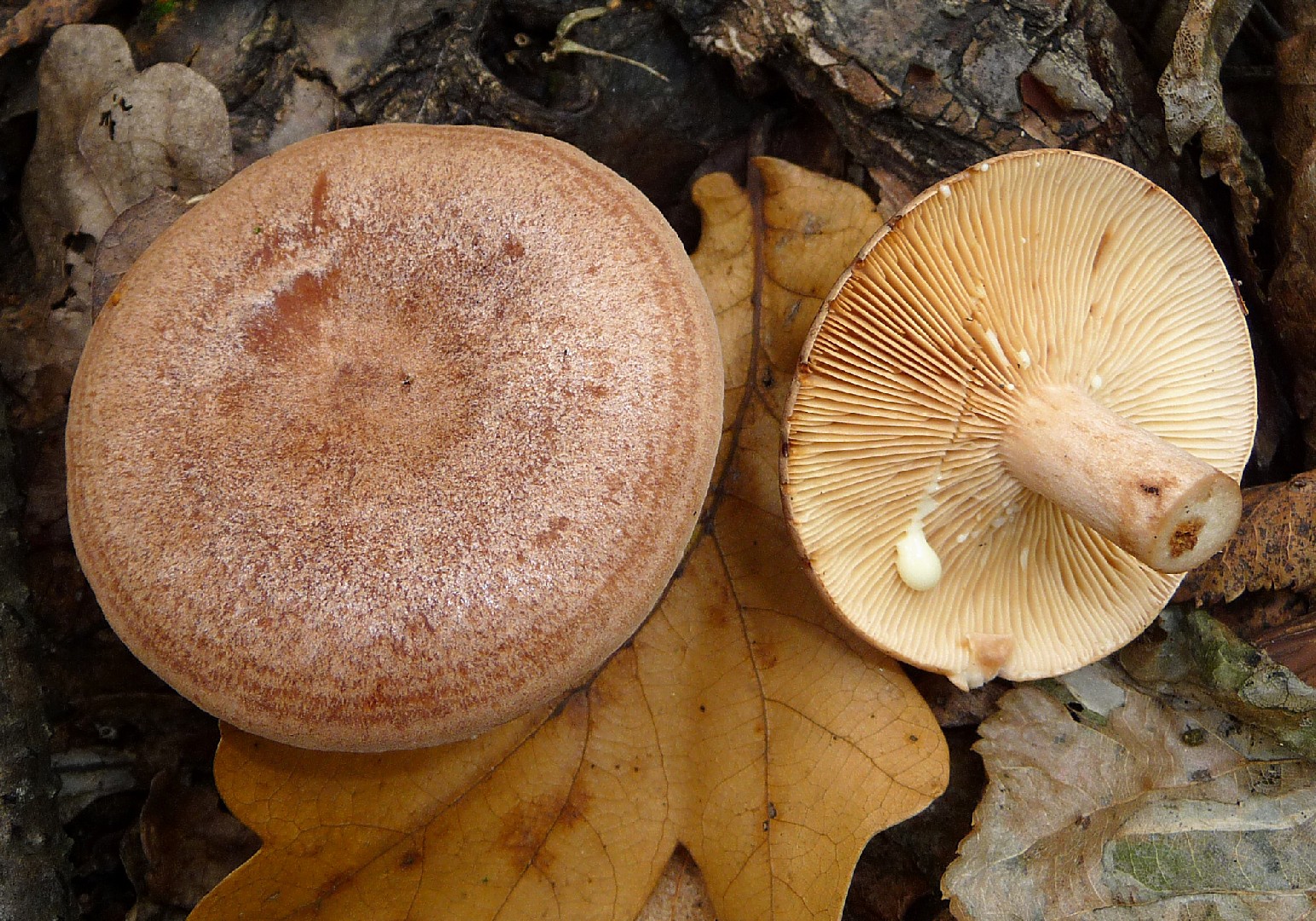
9. Oak milkcap
Oak milkcap (Lactarius quietus) is a mushroom known for its oily scent. It lives under oak trees, forming a mutually beneficial relationship with its host tree that helps both to thrive. When the gills are cut they produce a milky sap. This is referred to by the milkcap of its common name and Lactarius of its Latin name.
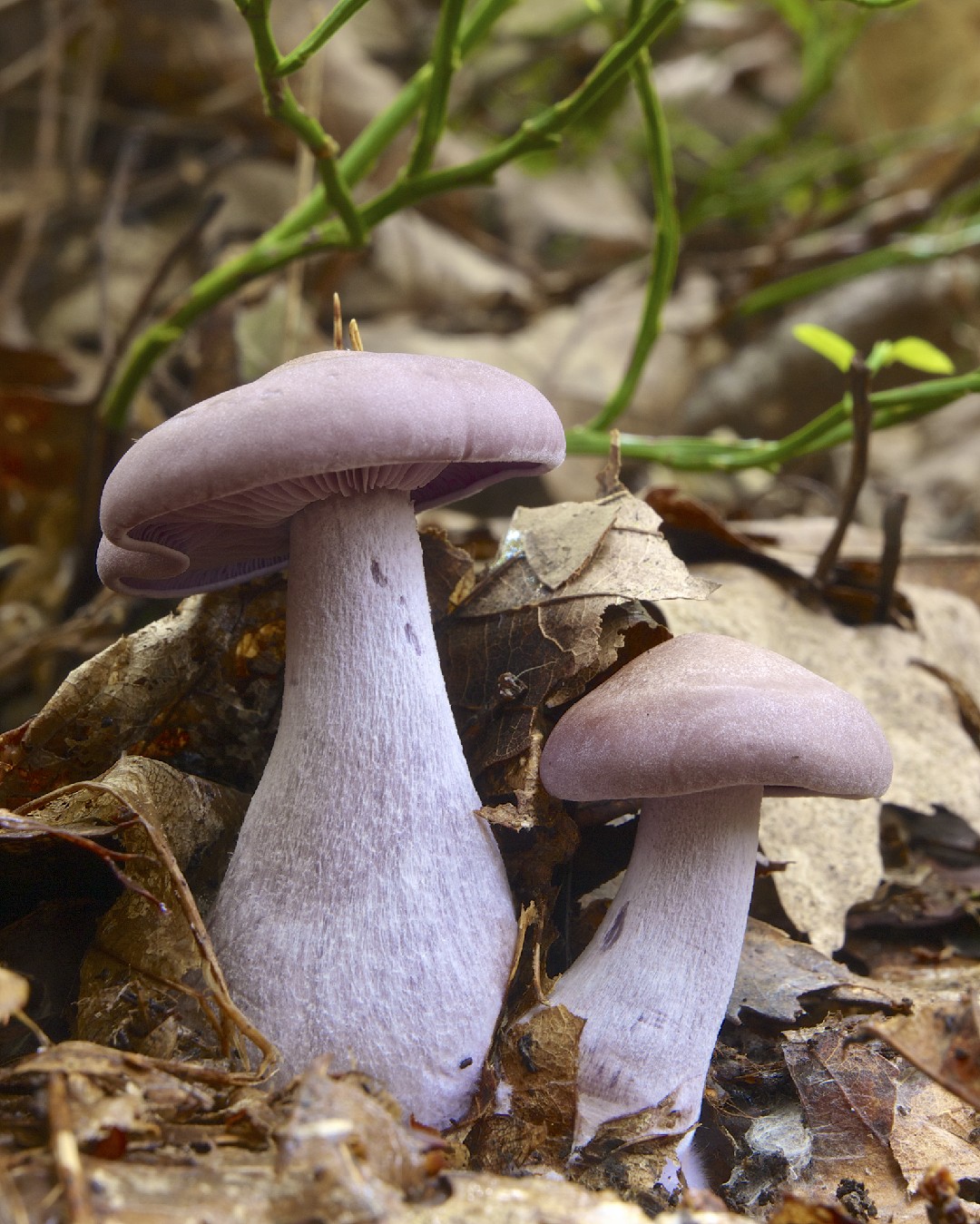
10. Blewit
The blewit mushroom grows in fallen leaves in autumn and winter, sometimes appearing in ‘fairy ring’ circles. It can be used to make a green dye when chopped and boiled in an iron pot. The scientific name, Lepista nuda, derives from Latin words meaning “bare goblet,” a reference to the shape and texture of the mushroom.

More







