




Top 16 Edible Mushrooms Popular in Singapore
Nestled amidst bustling city life and lush greenery, Singapore provides an ideal habitat for diverse species of edible mushrooms. In this guide, we explore the 16 most common varieties, unfolding their unique attributes - from captivating appearances to distinctive tastes and preferred habitats. Bountiful underfoot, these fungi serve more than just aesthetic purposes; their savory profiles are culinary delights to cooks and food lovers alike. By understanding their varied characteristics, you not only broaden your ecological knowledge but can also discover their culinary potential.
* Disclaimer: Content feedback CAN NOT be used as any basis for EATING ANY PLANTS. Some plants can be VERY POISONOUS, please purchase edible plants through regular channels.

Most Popular Edible Mushrooms
1. Fan-shaped jelly-fungus
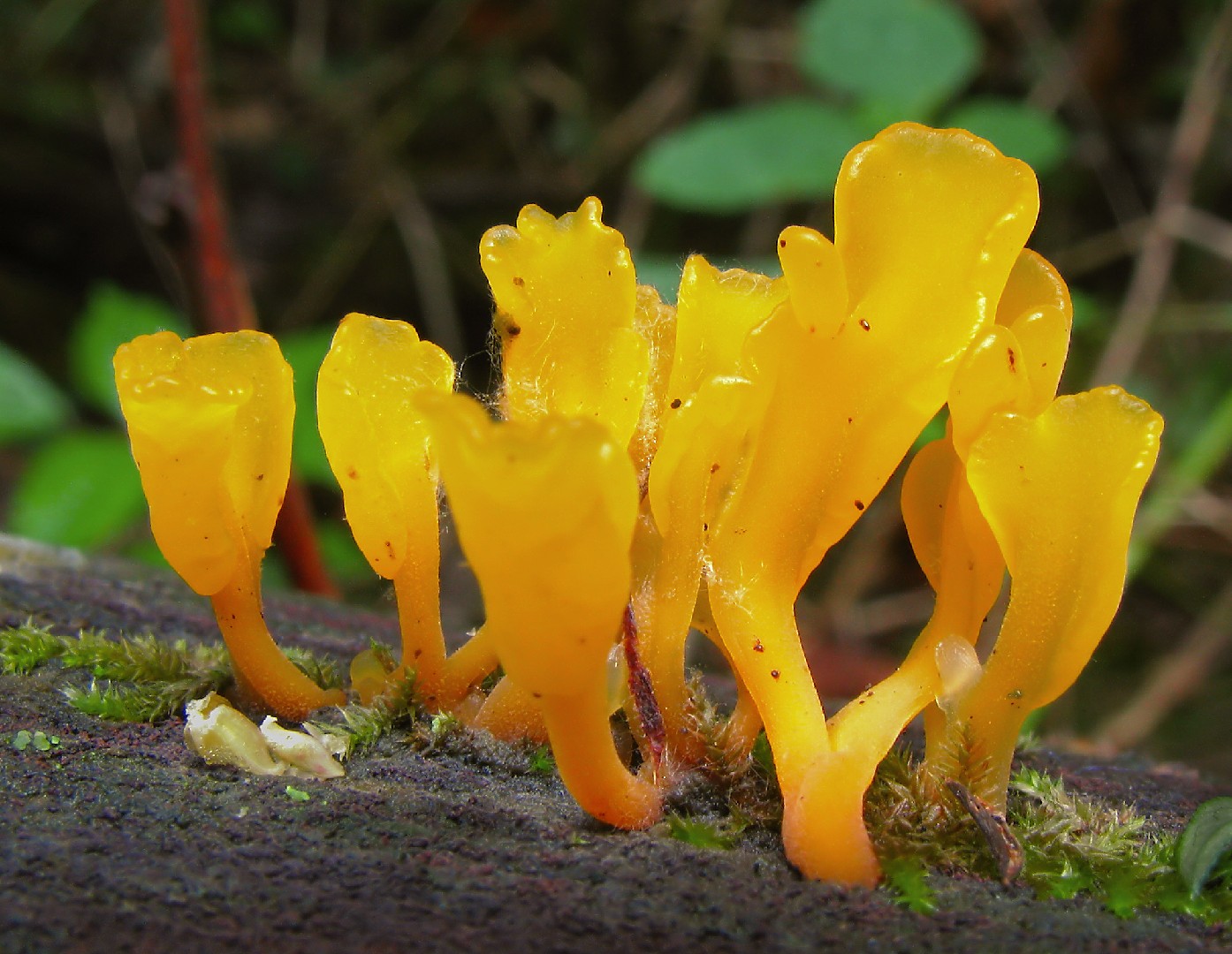
Just as its Latin and the common English names suggest, the fan-shaped jelly-fungus (Dacryopinax spathularia) is a fan-shaped or spatula-shaped jelly-like mushroom. It commonly grows in wood cracks and it sometimes even appears in the cracks of the processed wood and lumber. Despite the word "jelly" in its name, the fan-shaped jelly-fungus is not considered edible.
2. White-rot fungus
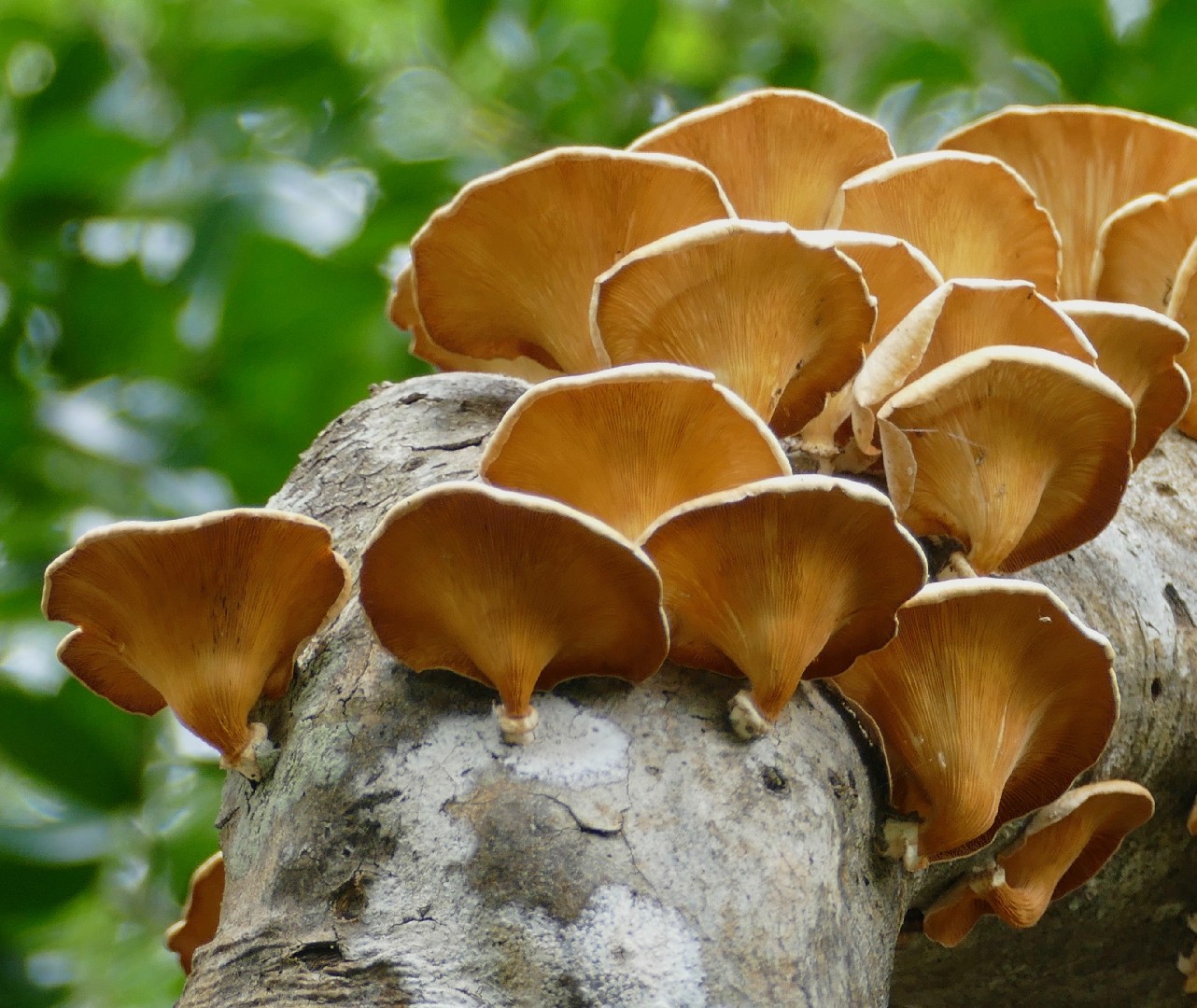
The white-rot fungus is known as a white-rot fungus and it's usually found growing on dead wood. When young, the mushroom is soft and leathery, but it becomes extremely tough as it matures, obtaining a funnel-shaped fruiting body.
3. Snow fungus
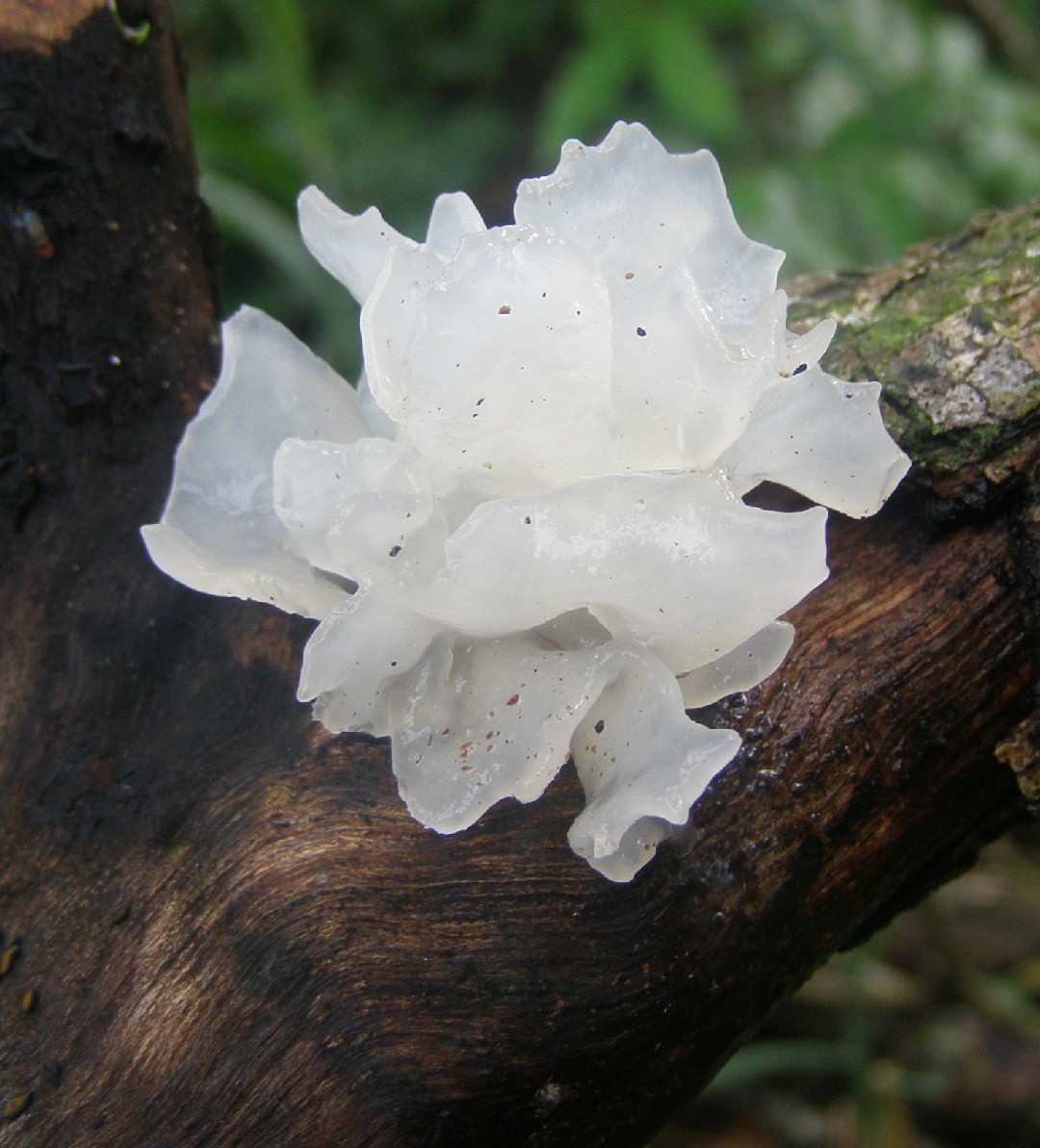
Snow fungus (Tremella fuciformis) is so-named not because it is associated with winter, but, rather, because its fruitbodies look like little piles of snow fungus on the ground. This fungus actually inhabits very warm - tropical and subtropical - locations around the globe. Snow fungus does not have much taste, but it is cultivated for culinary use across East Asia, where it is often added to thicken soups and desserts.
4. Bridal veil stinkhorn
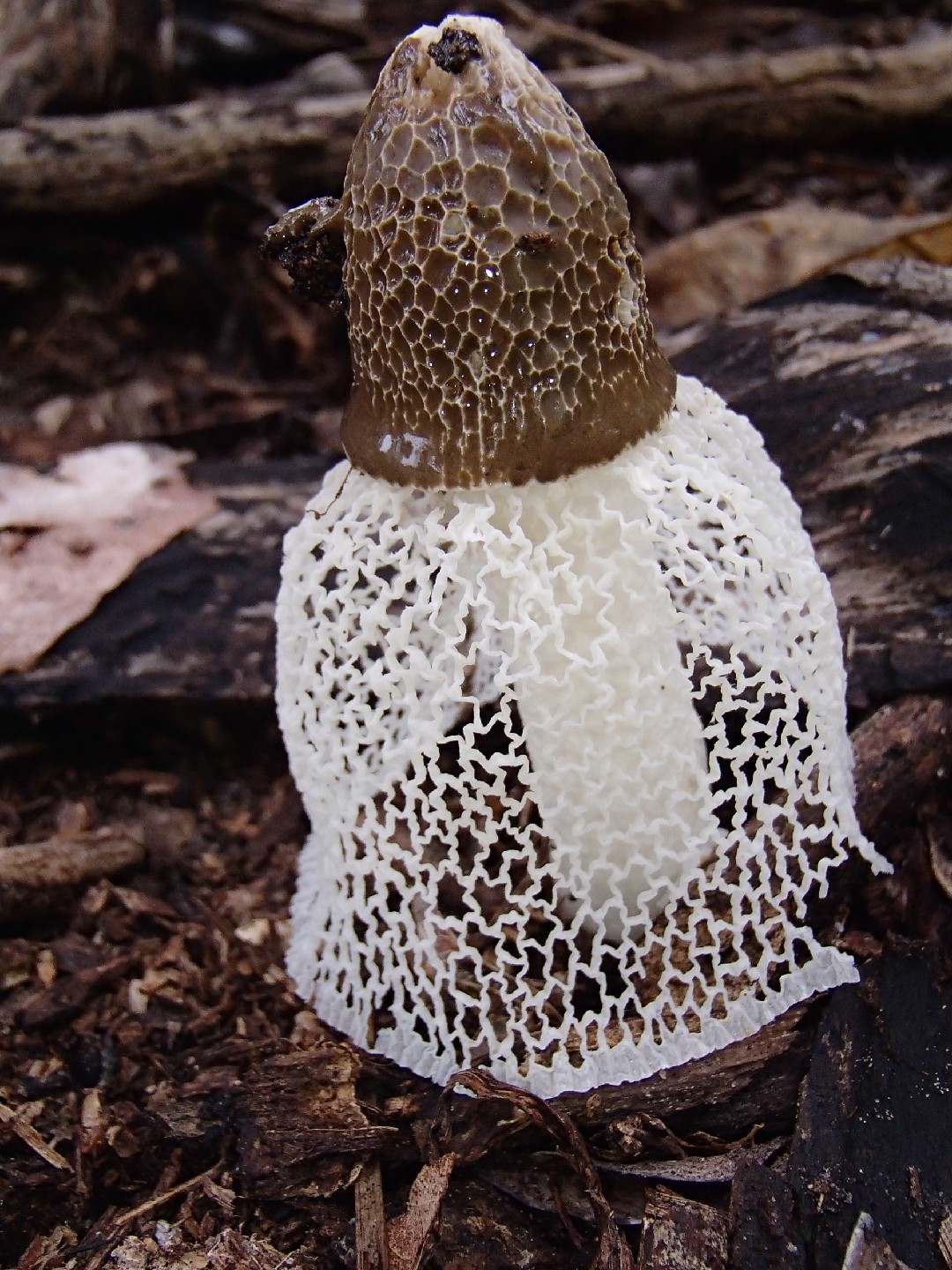
Bridal veil stinkhorn (Phallus indusiatus) can be found rising up from the ground in tropical forests around the world. A distinctive netted fringe “skirt” descends from the cap along the length of the stalk. A type of “stinkhorn,” the fruitbodies of this species produce scents that vary between sickly-sweet to just plain unpleasant. The odor is meant to attract insects that usually lay their eggs in carrion.
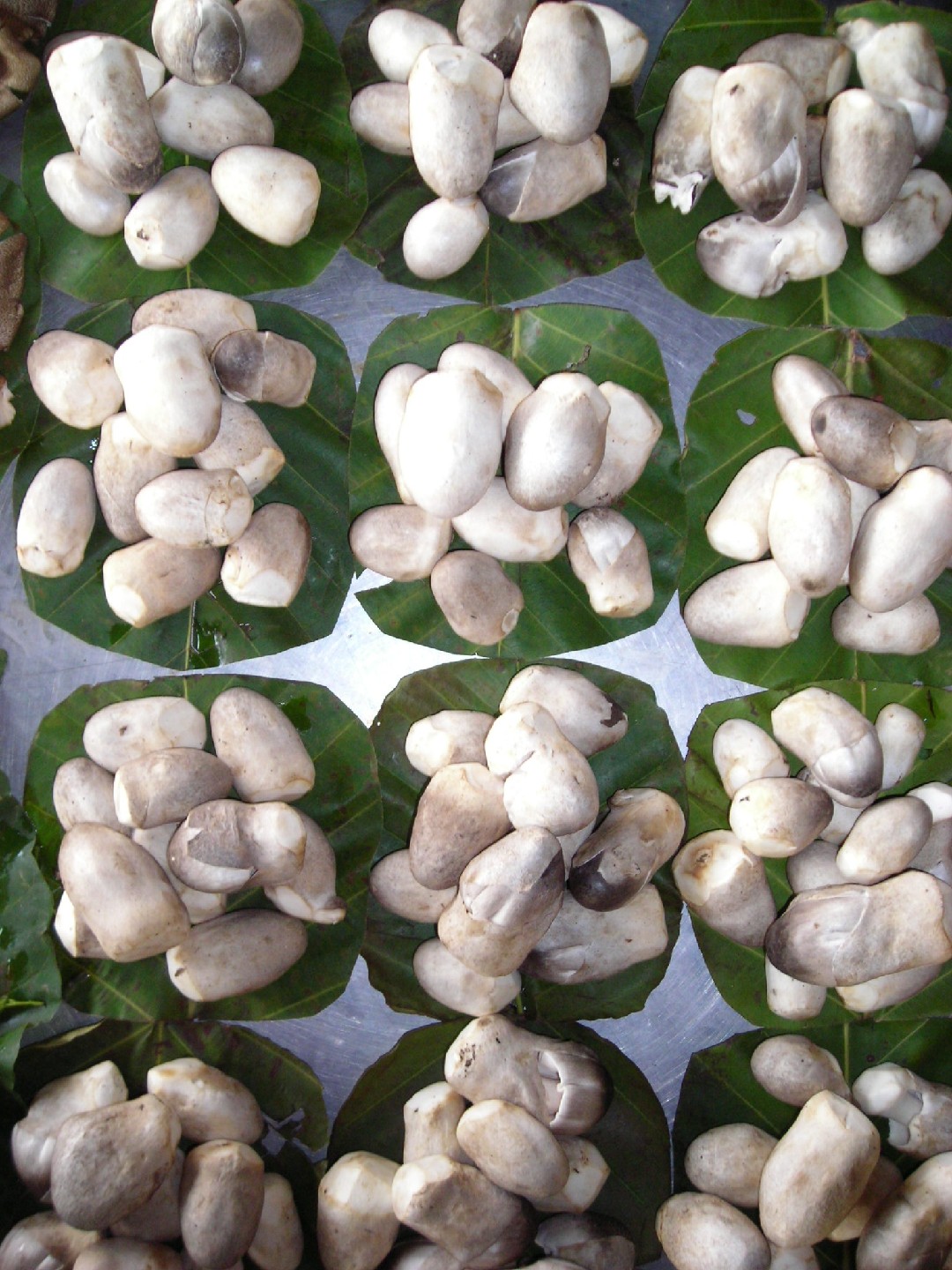
5. Paddy straw mushroom
The paddy straw mushroom is a highly popular mushroom, regularly cultivated on rice straw in East and Southeast Asia. Highly nutritious, it is the third most-eaten mushroom in the world, though mostly available in canned form. It's an important part of many Asian cuisines, particularly Thai.
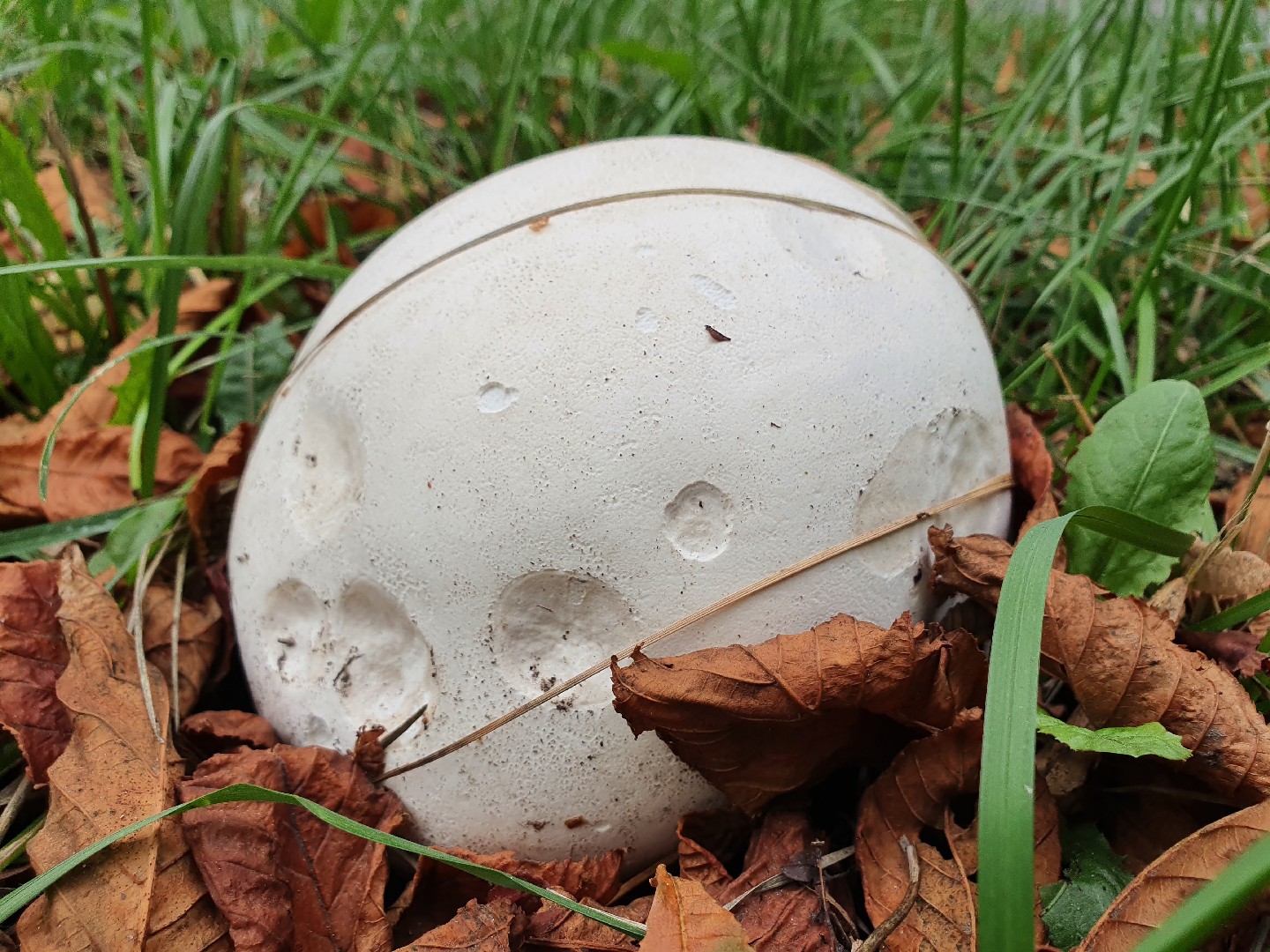
6. Giant puffball
These distinctive round, white fungi appear around the world in fields and at the edges of wooded areas. Living up to its name, a single giant puffball can grow as large as a watermelon. They have no stems, and produce trillions of spores that release into the air through holes in “puffs.” They have been used as slow-burning tinder and produce copious smoke when set aflame. Giant puffballs are technically edible, but should only be consumed when the mushroom is young and firm.
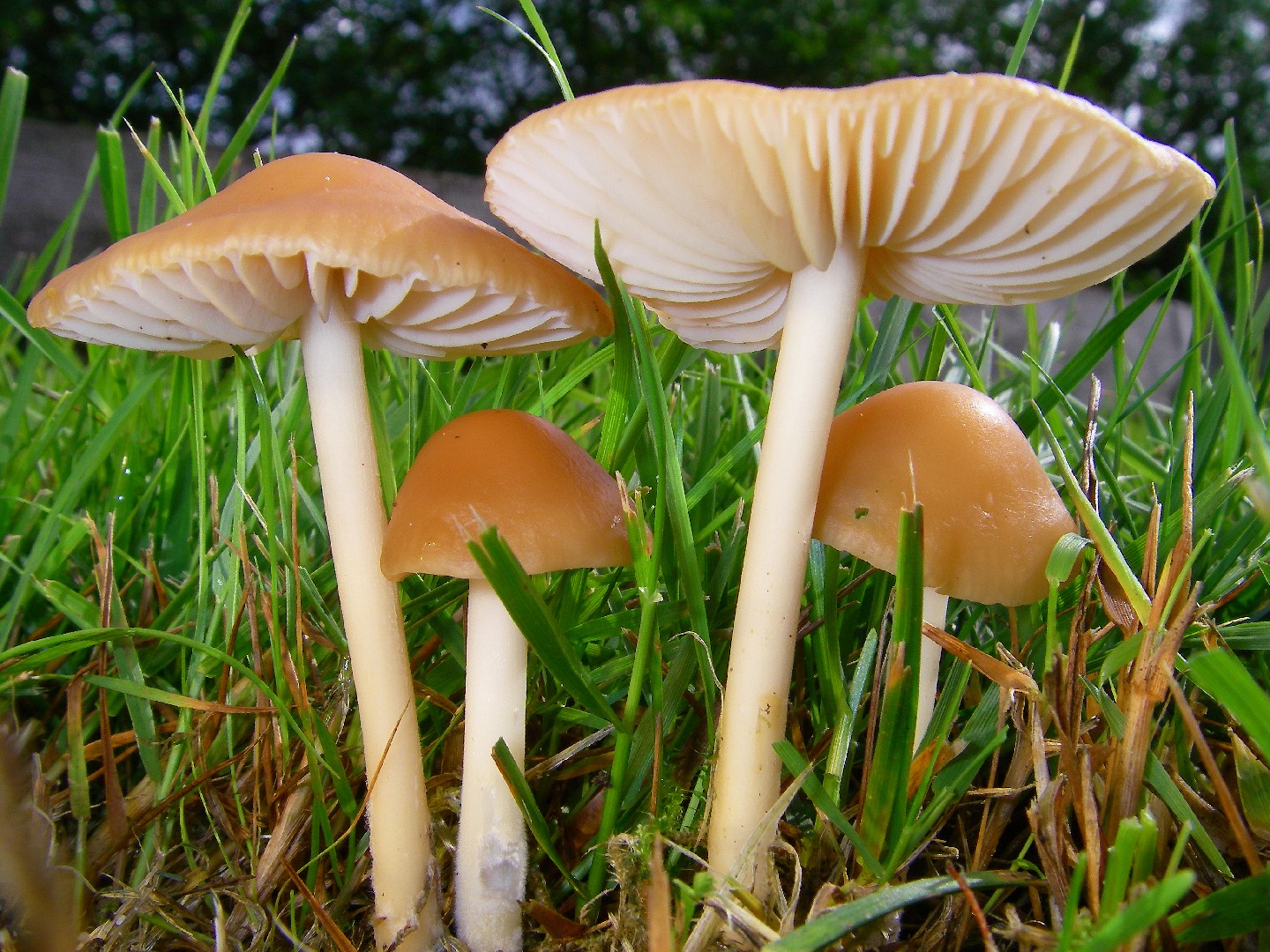
7. Fairy ring mushroom
Fairy ring mushrooms may dry out completely in the sun, but will “resurrect” during the next rain and regain their ability to make new spores. This is due to a sugar called trehalose which protects their cells. They appear in lawns and fields, sometimes in “fairy ring” configurations.
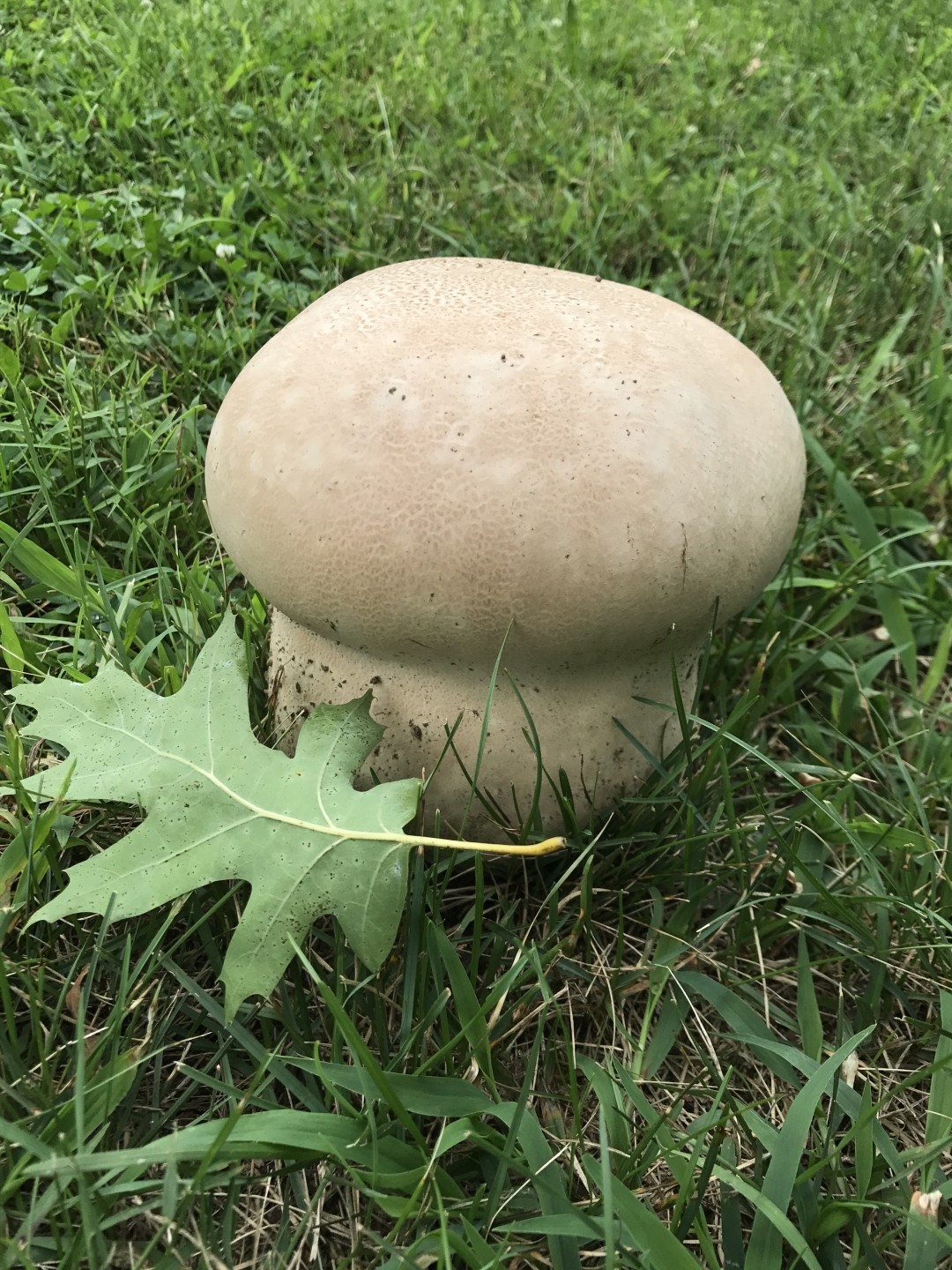
8. Purple-spored puffball
It's hard to mistake this mushroom for another. The aptly-named purple-spored puffball has a large, round, or pear-shaped fruiting body and is purple or chocolate-brown in color (with spores to match). Purple-spored puffballs are found in prairies and meadows across North America and Australia.
9. Fan-shaped jelly-fungus
Just as its Latin and the common English names suggest, the fan-shaped jelly-fungus (Dacryopinax spathularia) is a fan-shaped or spatula-shaped jelly-like mushroom. It commonly grows in wood cracks and it sometimes even appears in the cracks of the processed wood and lumber. Despite the word "jelly" in its name, the fan-shaped jelly-fungus is not considered edible.
10. White-rot fungus
The white-rot fungus is known as a white-rot fungus and it's usually found growing on dead wood. When young, the mushroom is soft and leathery, but it becomes extremely tough as it matures, obtaining a funnel-shaped fruiting body.
More







