




Top 20 Edible Mushrooms Popular in Kamensk-Ural'skiy
Immerse yourself in the diverse world of fungi flourishing in Kamensk-Ural'skiy, a region blessed with varied terrains and climactic conditions - a perfect breeding ground for edible mushrooms. Here, we'll explore the top 20 most common edible mushrooms, shedding light on their distinctive features, taste, habitat, and potential for culinary magic. This journey through the undergrowth promises an enlightening and educational experience, rooted in firm scientific facts - welcome to the mesmerizing mycological realm of Kamensk-Ural'skiy.
* Disclaimer: Content feedback CAN NOT be used as any basis for EATING ANY PLANTS. Some plants can be VERY POISONOUS, please purchase edible plants through regular channels.

Most Popular Edible Mushrooms
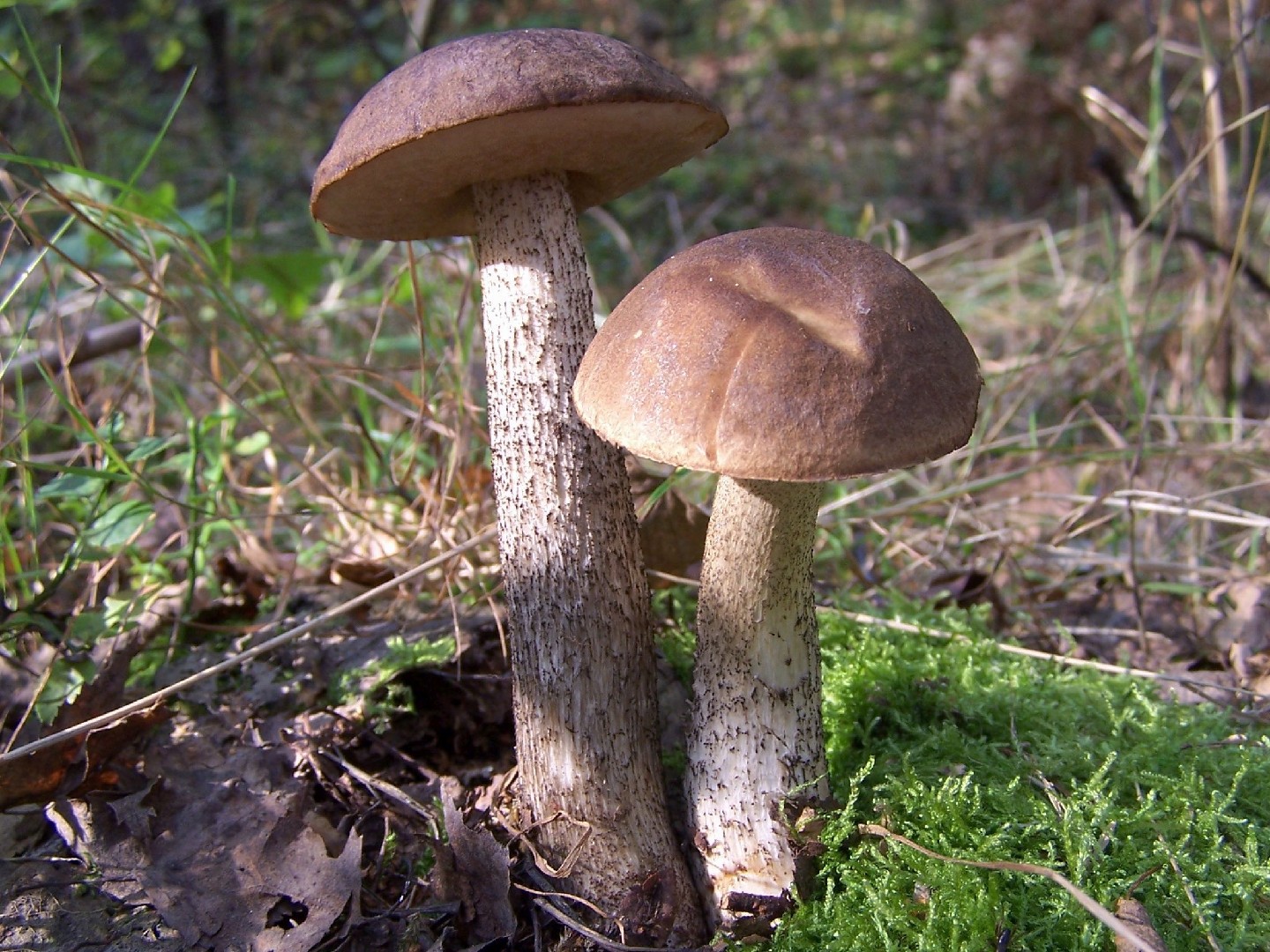
1. Brown birch-bolete
The brown birch-bolete is common around the northern hemisphere. It grows beneath birch trees and is usually easy to identify by its brown cap and scaly stem, the latter of which is referenced in its scientific name Leccinum scabrum. Occasionally, however, it can be found sporting a white cap.
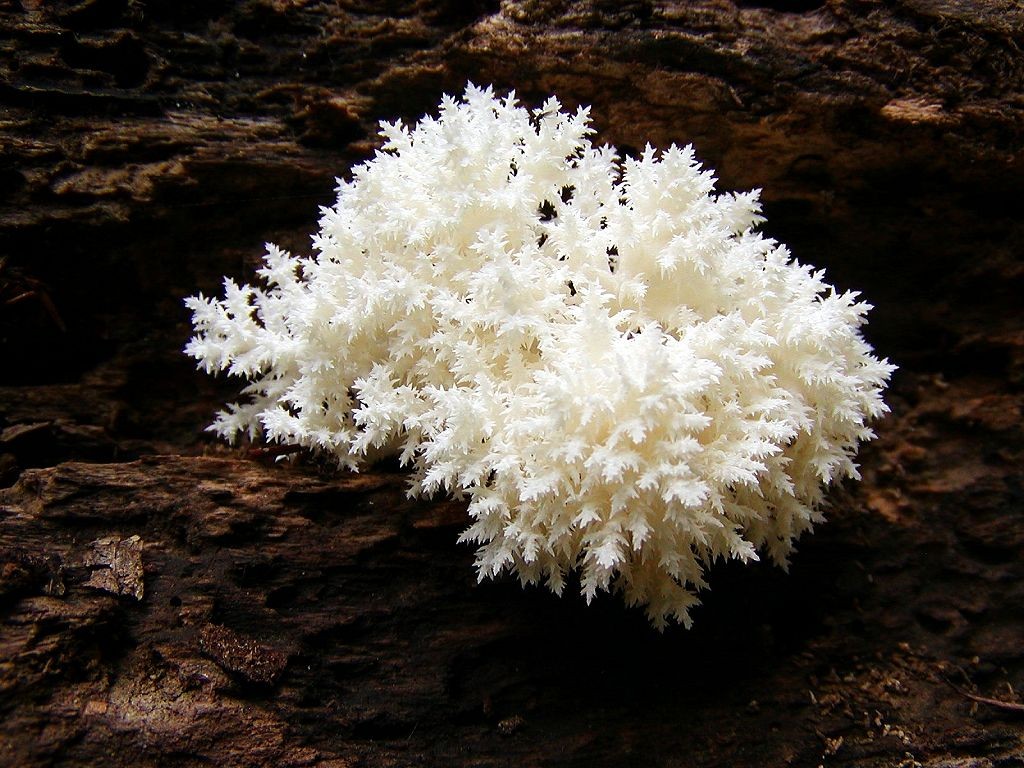
2. Coral tooth fungus
Coral tooth fungus (Hericium coralloides) is a species of coral mushroom most frequently sighted on dead or decaying hardwoods. Generally, younger specimens are white and become increasingly yellowish as they mature. Found around the world, the Māori refer to this species as pekepekekiore.
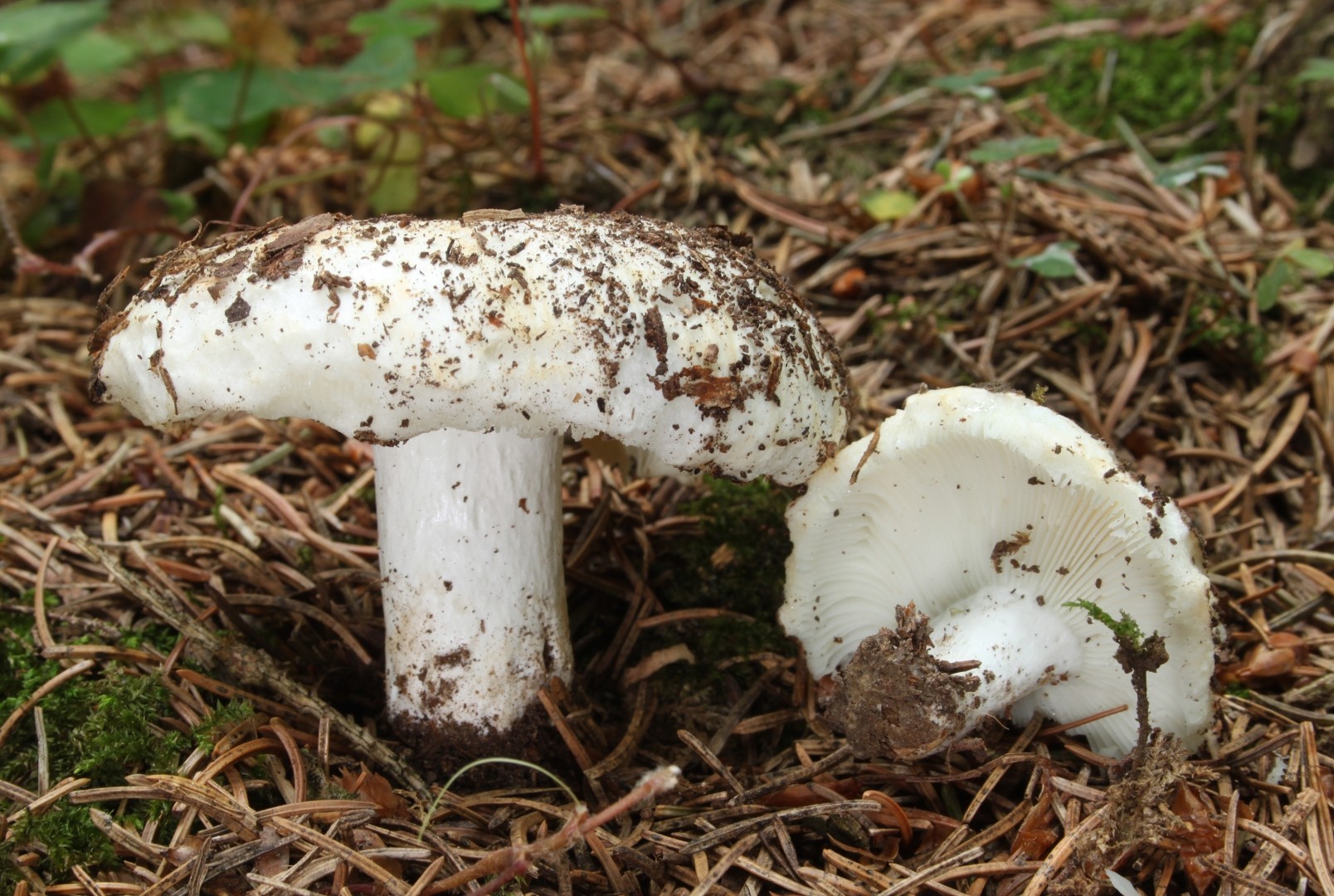
3. Milk-white brittlegill
Fruitbodies of the large milk-white brittlegill (Russula delica) arise from the forest floor already quite formed, a fact which results in dirty and pockmarked caps. “Delica” means “without milk,” and this mushroom can be most readily distinguished from the lookalike Fleecy Milkcap by its lack of milky latex exudate.
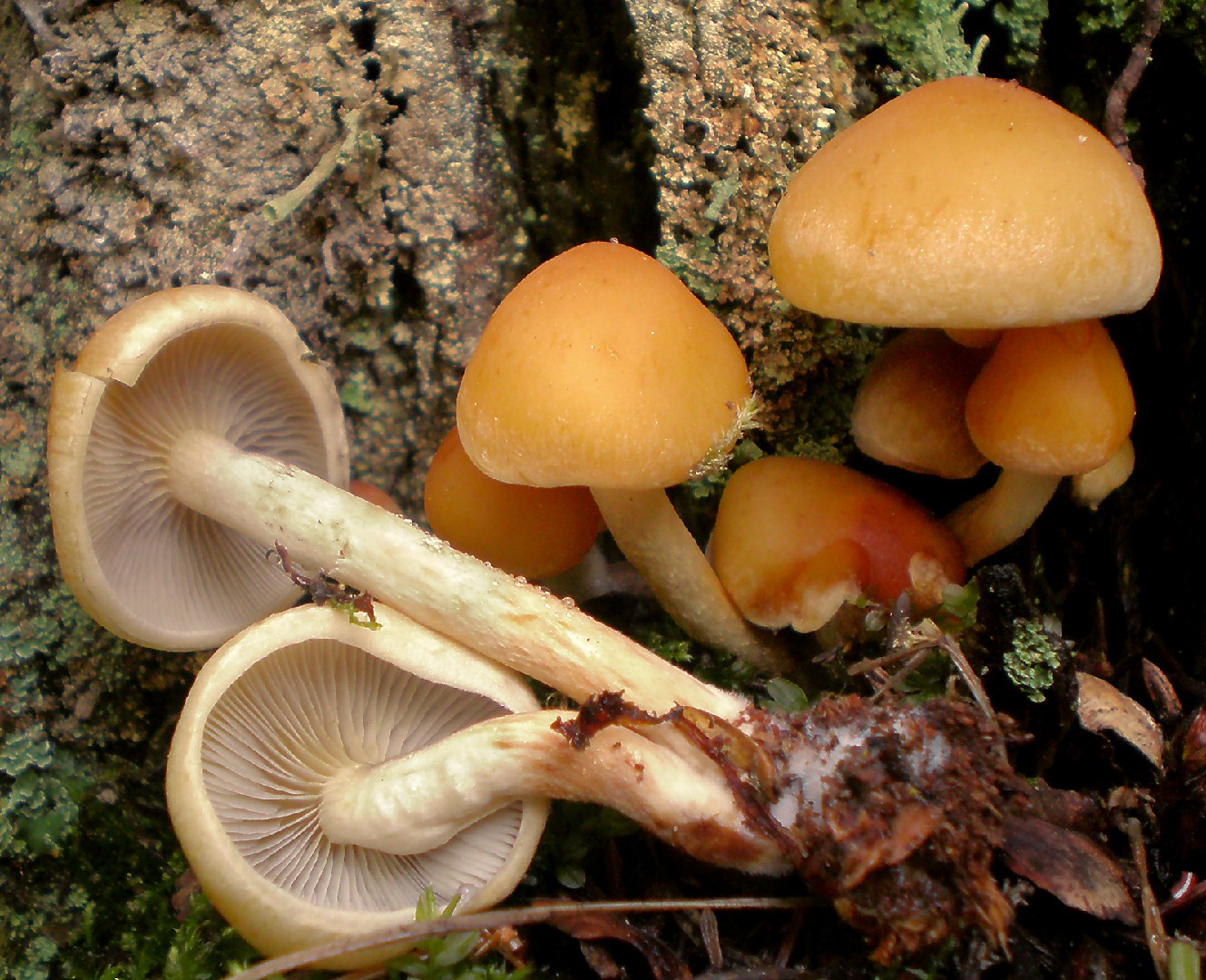
4. Conifer tuft
As its common name implies, the conifer tuft grows on dead conifers, either singly or in groups. It can be found around the northern hemisphere in the autumn season. Take care to distinguish this species from the highly toxic Sulphur Tuft. Inspect the gills closely; those of the conifer tuft are pale grey, and never green.
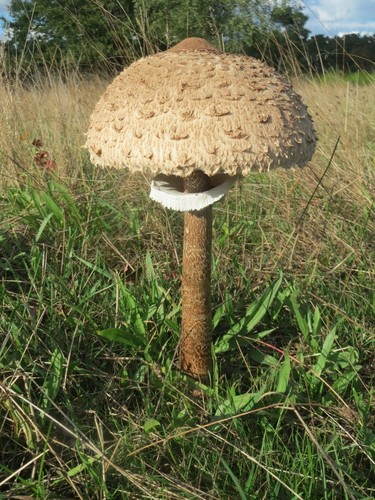
5. Parasol
Found in clearings and grassy areas in late summer, the wild parasol mushroom has a snakeskin-patterned stem. The brown spots on its cap make it look a bit shaggy, but that name is reserved for its poisonous counterpart, the Shaggy Parasol (Chlorophyllum rhacodes). You can distinguish the two by the stems: the latter has a smooth stem and red flesh inside.
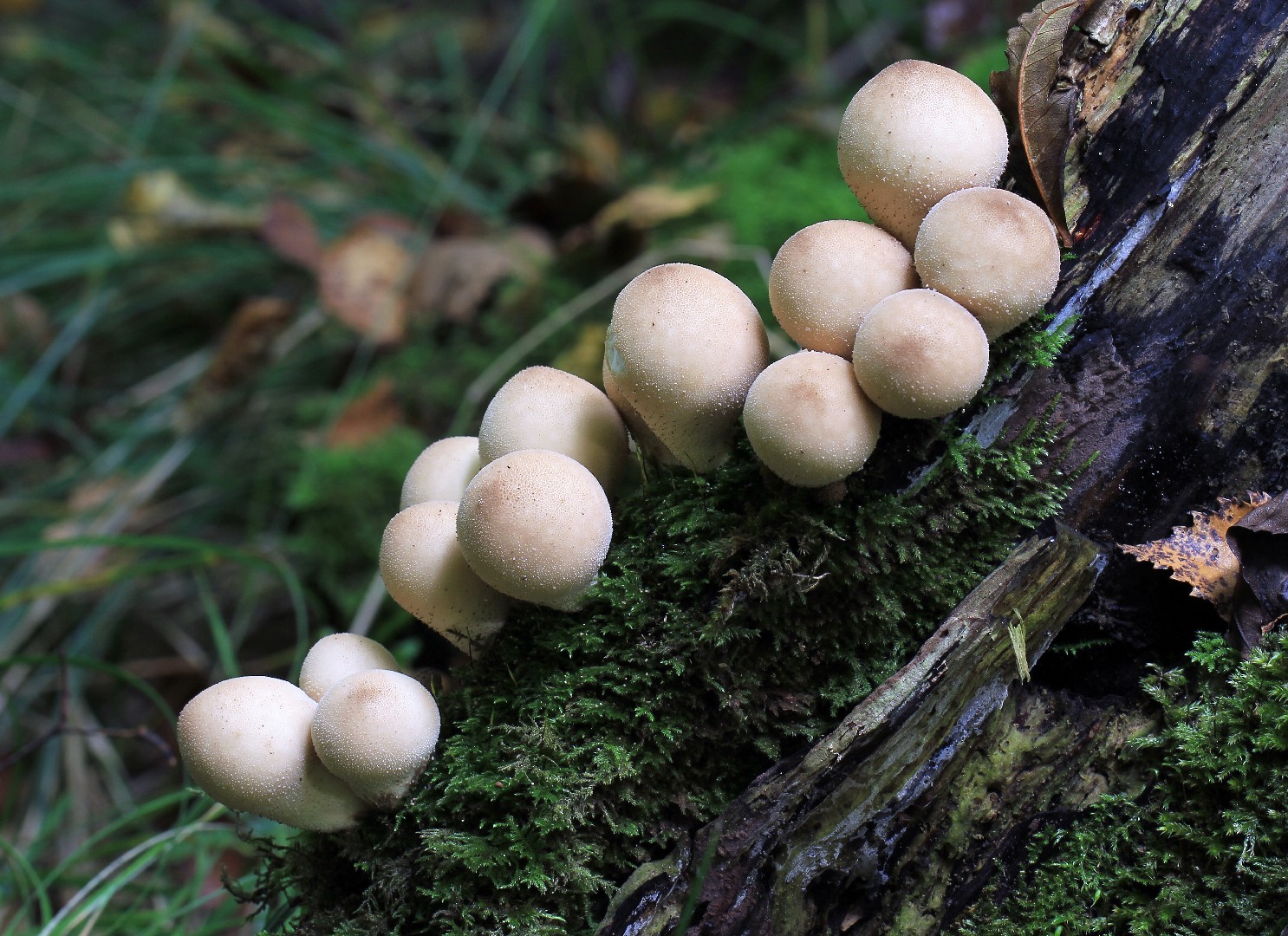
6. Pear-shaped puffball
The mushrooms of this species grow in such tight clusters that they may cover fallen trees and stumps almost entirely in a brownish, puffy coat. Pear-shaped puffballs appear all around the northern hemisphere on decaying hardwoods from fall through winter.
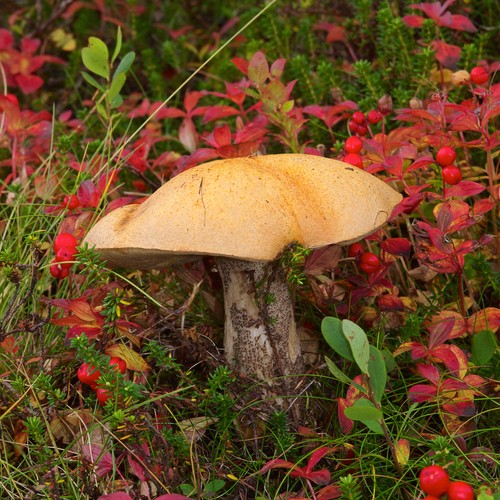
7. Orange birch bolete
You may not be particularly surprised to learn that the orange birch bolete (Leccinum versipelle) is an orange-capped bolete that commonly associates with birch trees. The species has a classic bolete form, boasting a large, bulbous cap, a thick, shaggy stalk, and a sponge-like pore surface. When cut and exposed to air, the flesh of this mushroom will turn blue.
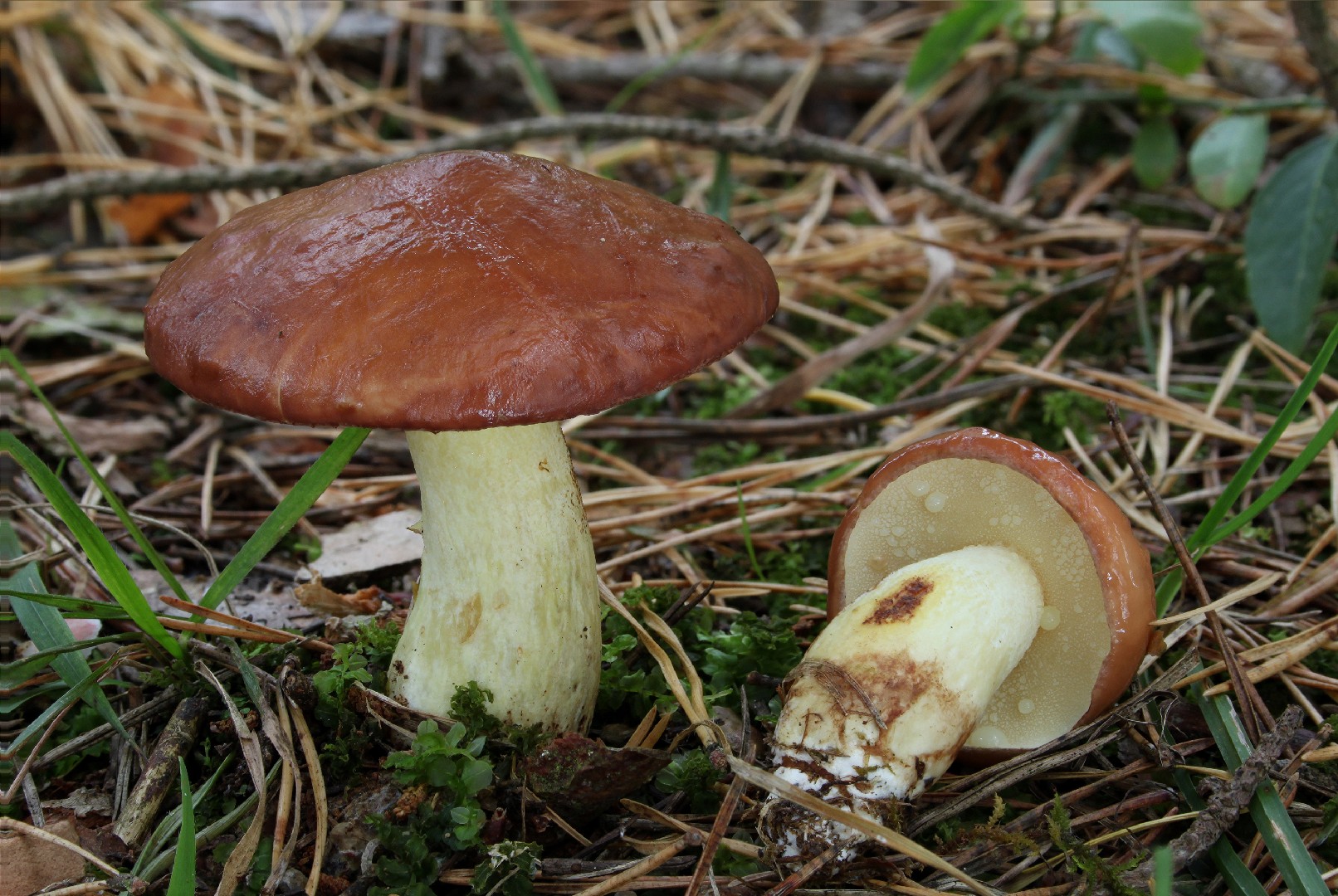
8. Weeping bolete
The weeping bolete features a greasy, sticky cap surface. When young, milky droplets are released through pores on its surface. It appears most commonly beneath Scots pine or other coniferous trees and forms a mutually beneficial relationship with its host.

9. Shaggy mane
The shaggy mane mushroom is commonly found in North American and European grasslands. Some peoples foraged for its young egg-shaped caps, but it has more recently been found to be a bioaccumulator of heavy metals, meaning it pulls toxic metals up from the soil where it grows. As a result, shaggy manes should not be eaten. The mushrooms usually appear in clusters or “fairy rings.”
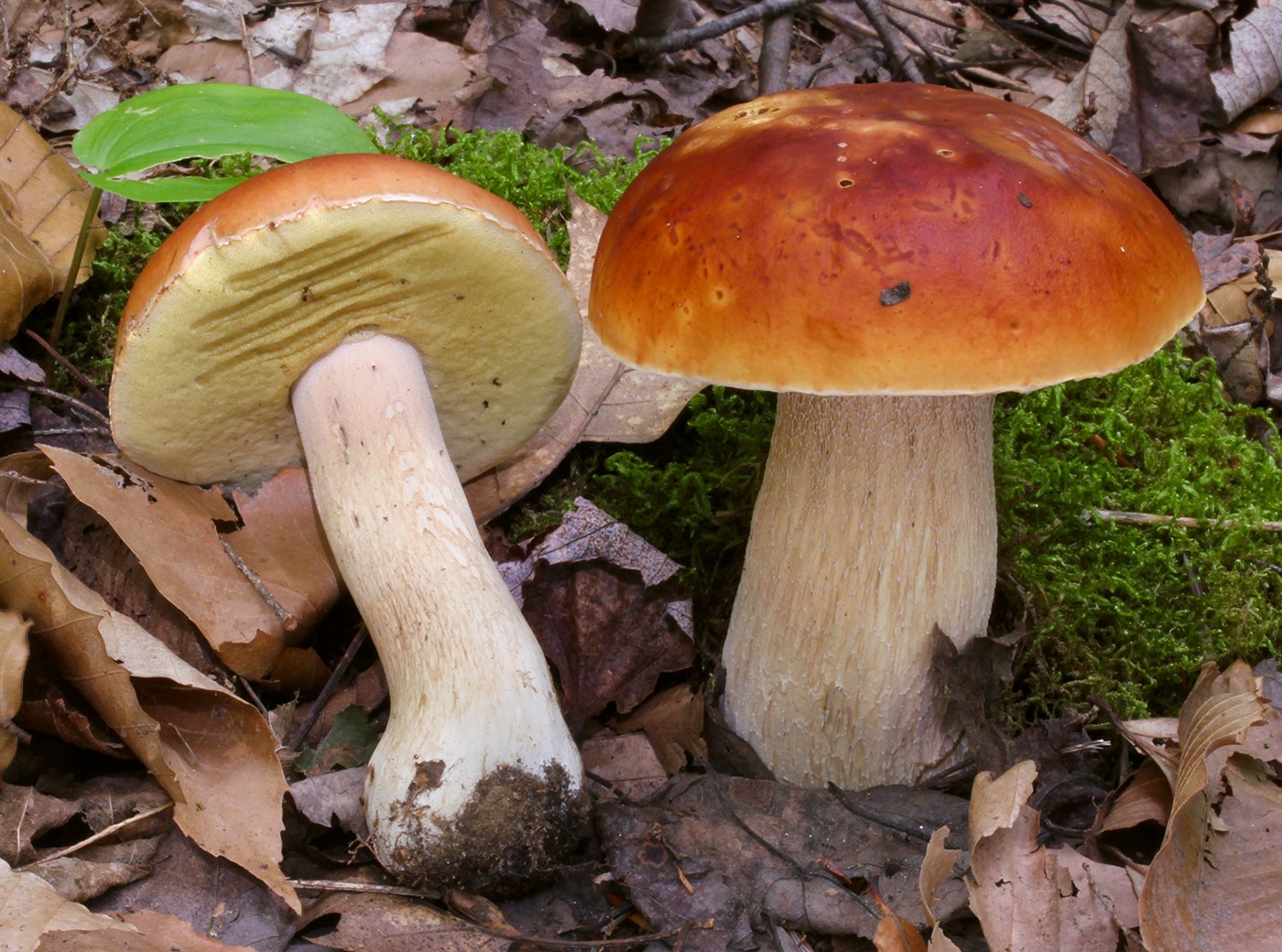
10. King bolete
Extremely popular in many cuisines, this edible wild mushroom grows around the world near the roots of forest trees. In some regions, king bolete mushrooms are collected in great enough volumes that their sale can support entire families during the harvest season. King boletes are reported to be high in fiber, vitamins B and C, calcium, potassium, magnesium, zinc, and several antioxidants.
More







