




Top 20 Edible Mushrooms Popular in Olsztyn
Discover the fabulous world of fungi in Olsztyn, a region blessed with diverse habitats, ideal for mushroom growth. In this guide, we profile the top 20 commonly harvested edible mushrooms, detailing their unique features, flavor profiles, natural habitats, and culinary applications. This informative journey will explore the trenches of forest floors and unmarked trails, revealing the captivating world beneath.
* Disclaimer: Content feedback CAN NOT be used as any basis for EATING ANY PLANTS. Some plants can be VERY POISONOUS, please purchase edible plants through regular channels.

Most Popular Edible Mushrooms
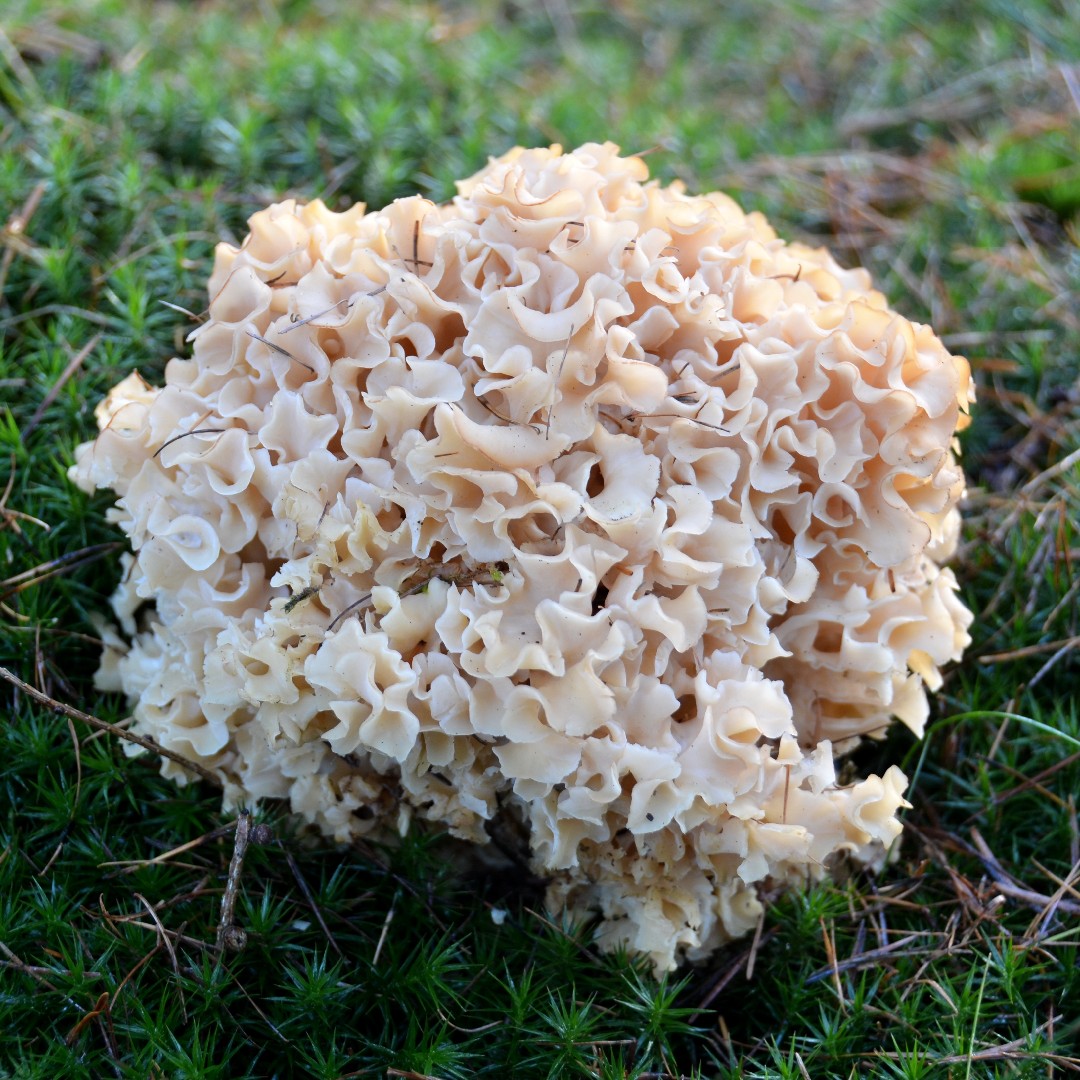
1. Cauliflower mushroom
Instantly recognizable and highly sought-after, cauliflower mushroom (Sparassis crispa) forms a distinct-looking fruitbody that can be found across temperate North America and Europe. The species resembles cauliflower in both color and overall shape, although instead of bearing florets, its appendages look more like wavy, partially-cooked pasta.
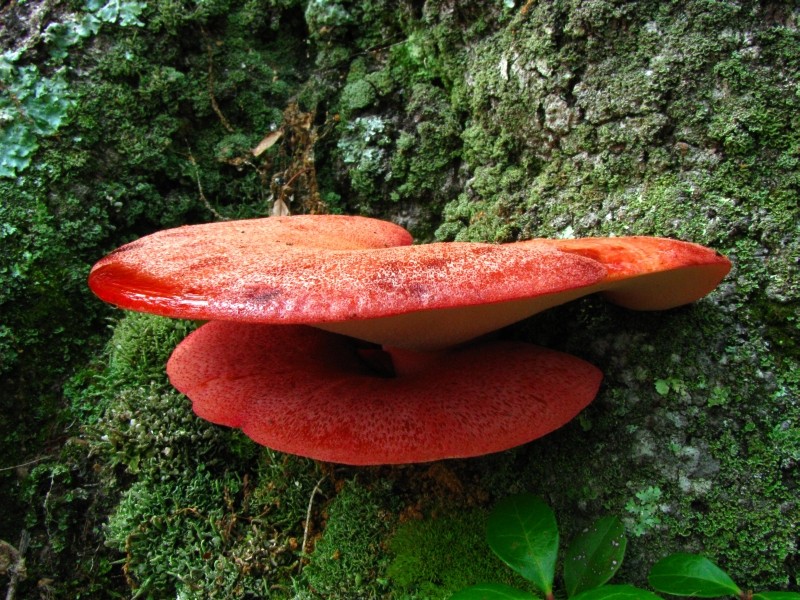
2. Beefsteak fungus
Beefsteak fungus(Fistulina hepatica) is an unusual fungus that visually resembles a slab of raw meat; cutting into it will cause a discharge of thick red liquid resembling blood, adding to this resemblance.
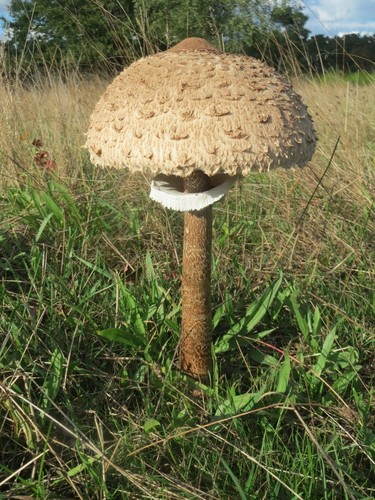
3. Parasol
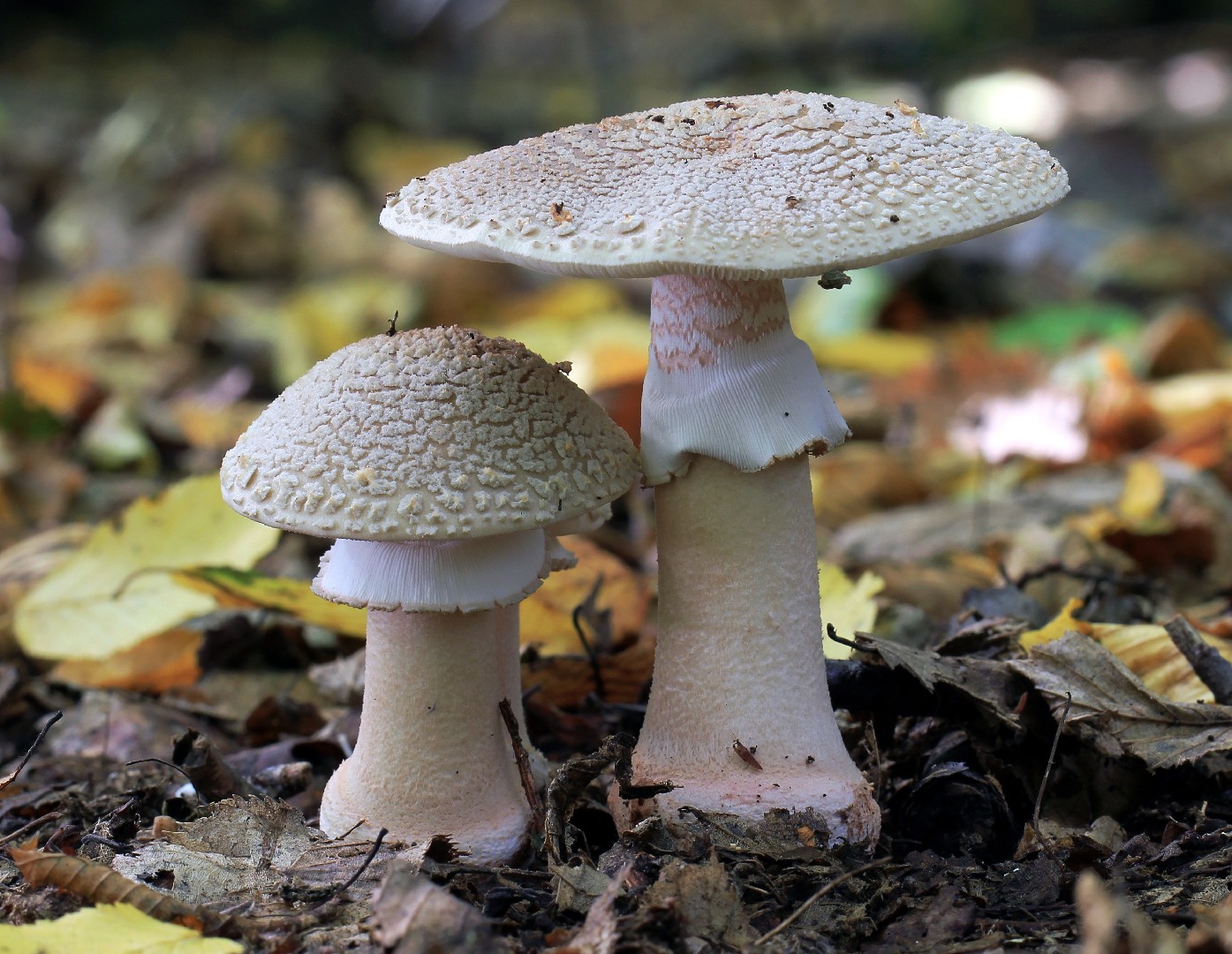
Found in clearings and grassy areas in late summer, the wild parasol mushroom has a snakeskin-patterned stem. The brown spots on its cap make it look a bit shaggy, but that name is reserved for its poisonous counterpart, the Shaggy Parasol (Chlorophyllum rhacodes). You can distinguish the two by the stems: the latter has a smooth stem and red flesh inside.
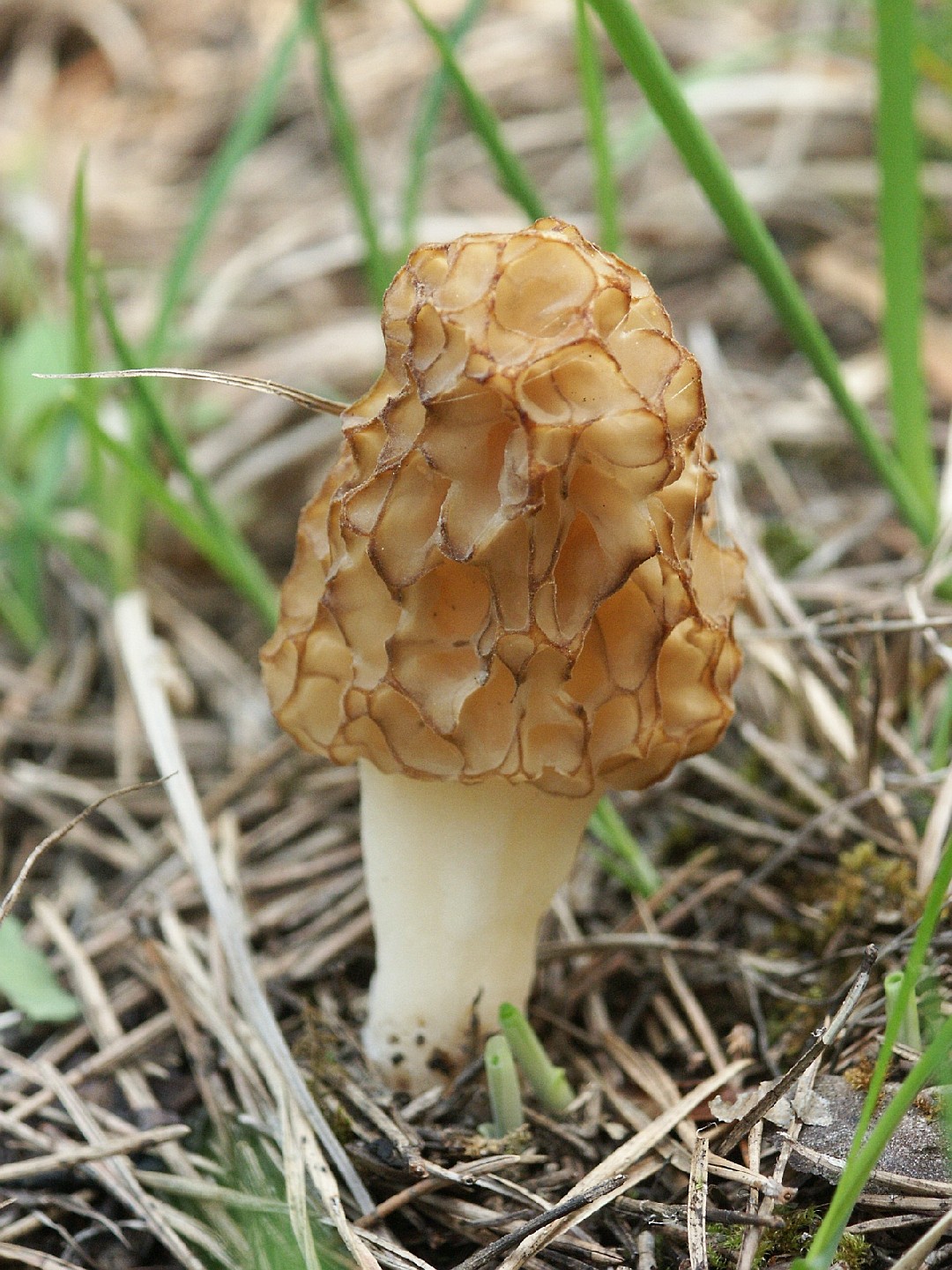
4. Yellow morel
The yellow morel (Morchella esculenta) is one of the most iconic and sought-after species of edible mushrooms. It is often one of the first species that novice mushroom gatherers will hunt for. Yellow morels have elongated caps that are "honeycombed", being filled with roughly polygonal holes. Splitting them down the middle reveals them to be hollow on the inside, a key feature that distinguishes them from toxic false morels. Experts recommend cooking or boiling this mushroom before consumption, as raw morels may cause an upset stomach.
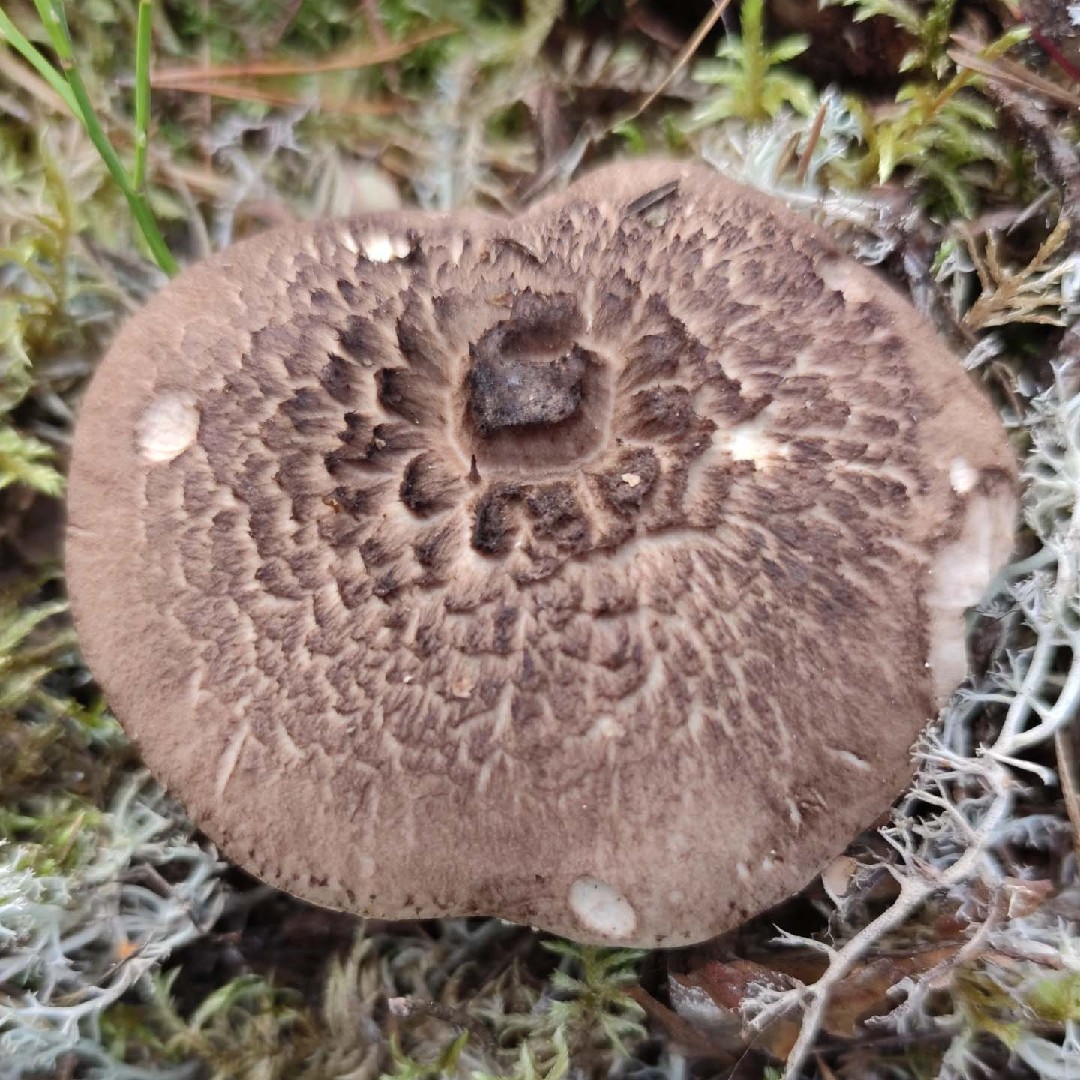
5. Scaly tooth
Found in the pine forests of Europe and North America, the scaly tooth has a blue pigment that can be used to dye textiles. This large mushroom got its name, scaly tooth, from its coarse and scaly, brown cap. It has a mealy scent.
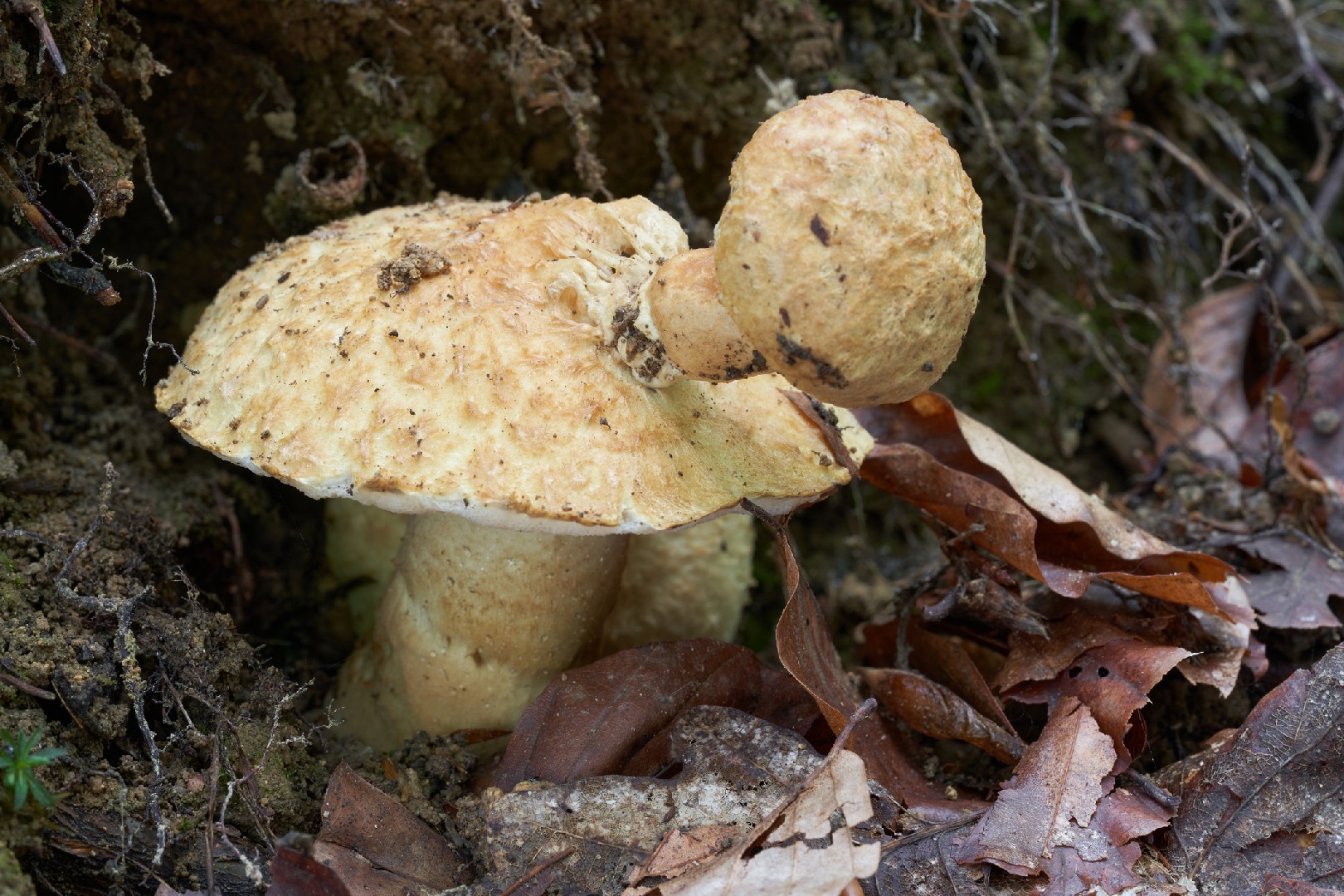
6. Bluing bolete
The Cornflower Bolete is known for its remarkable habit of changing color very quickly when bruised; all parts of the mushroom can turn a bright cornflower blue. It grows in a symbiotic relationship with various trees and, unlike many mushrooms, bluing bolete can associate with both conifers and hardwoods.
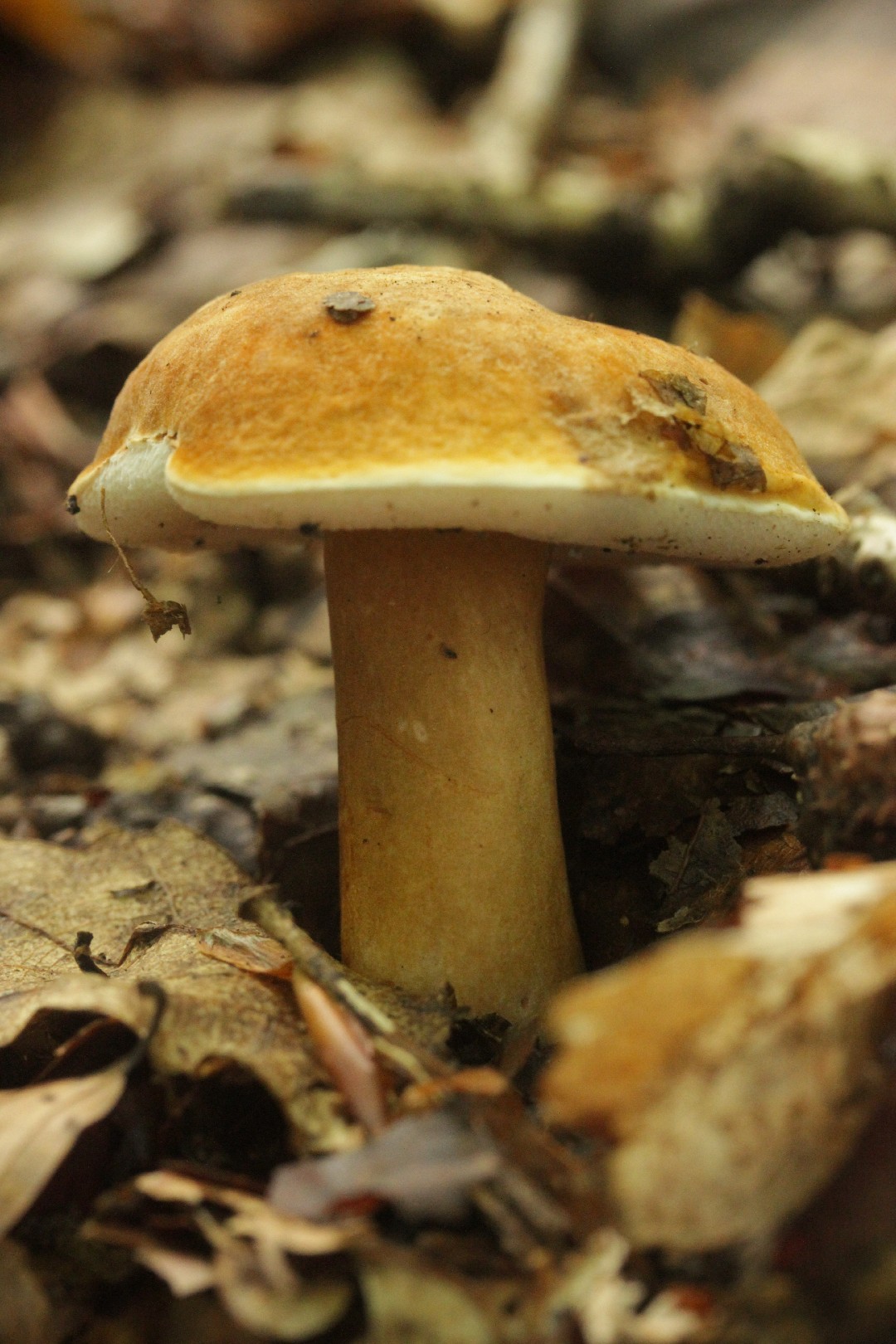
7. Chestnut bolete
Chestnut bolete(Gyroporus castaneus) is most readily identified by its cap, which tends to split and flare as the mushroom grows older. It often grows in groups, particularly in the presence of oaks, and its stem is hollow--one of its most salient features. It is found in Europe and eastern North America.
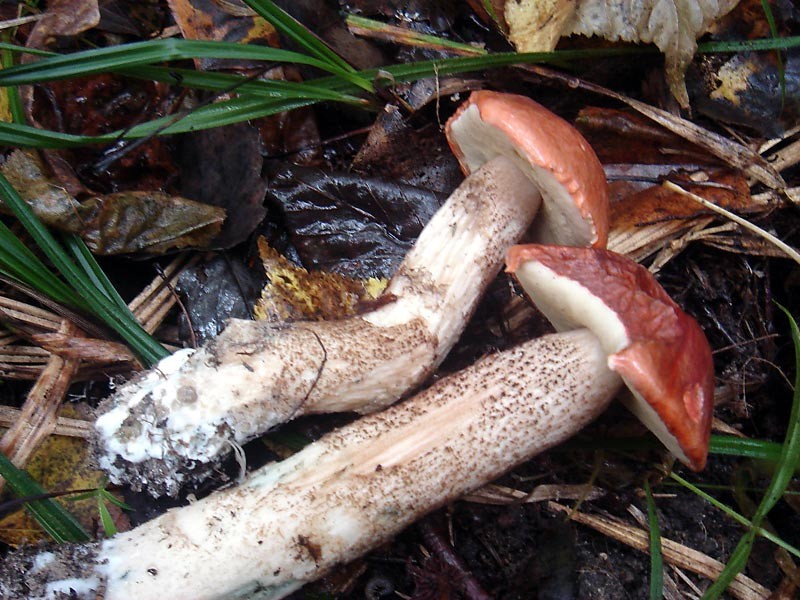
8. Foxy bolete
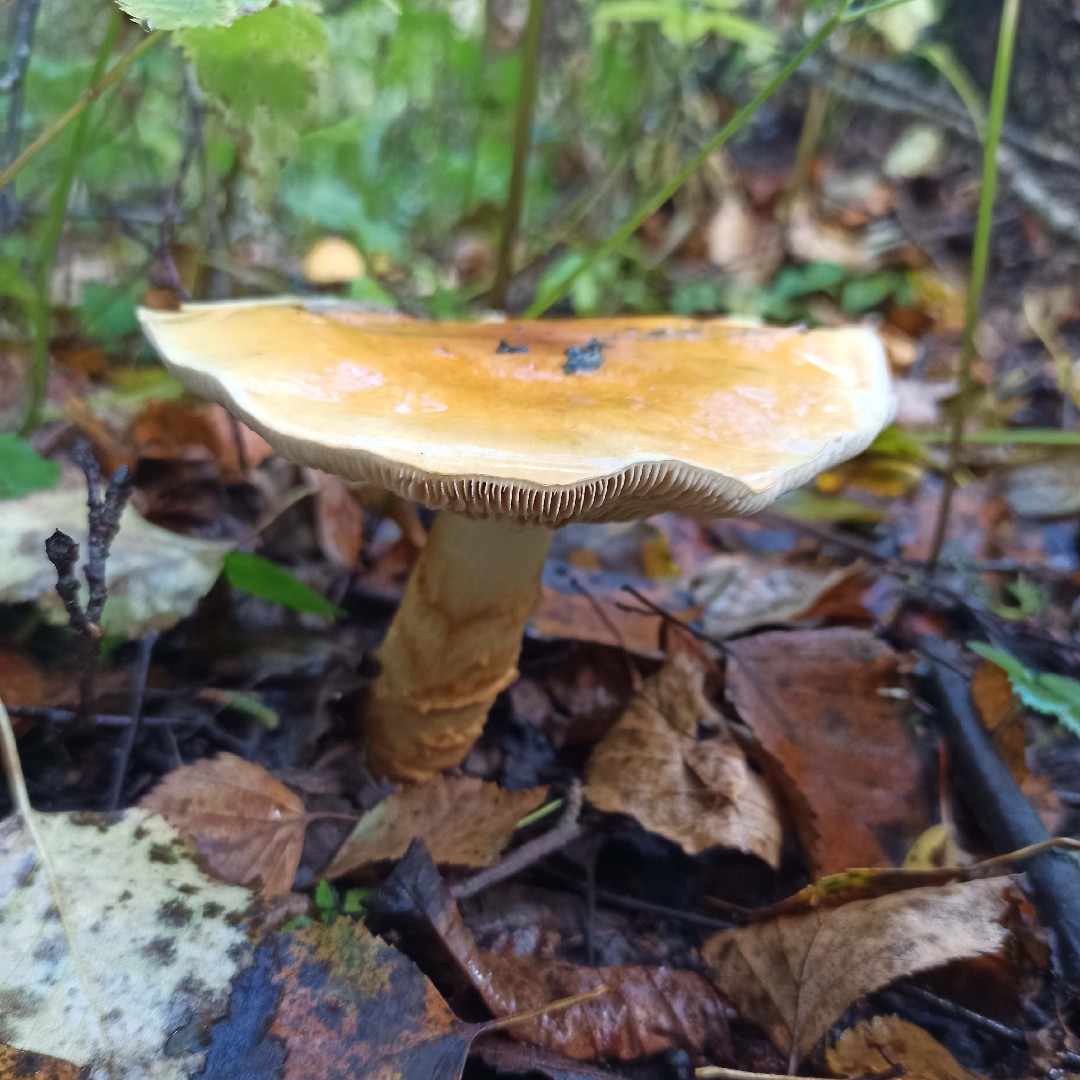
9. Birch webcap
Birch webcap is a striking yellow mushroom that is uncommon but stands out because of its bright, 'triumphant' color. It can be found in deciduous woodlands. Yellow girdled webcap derives its name from its yellow color and the yellow ring on its stem which serves as a distinct feature that helps to identify this mushroom.
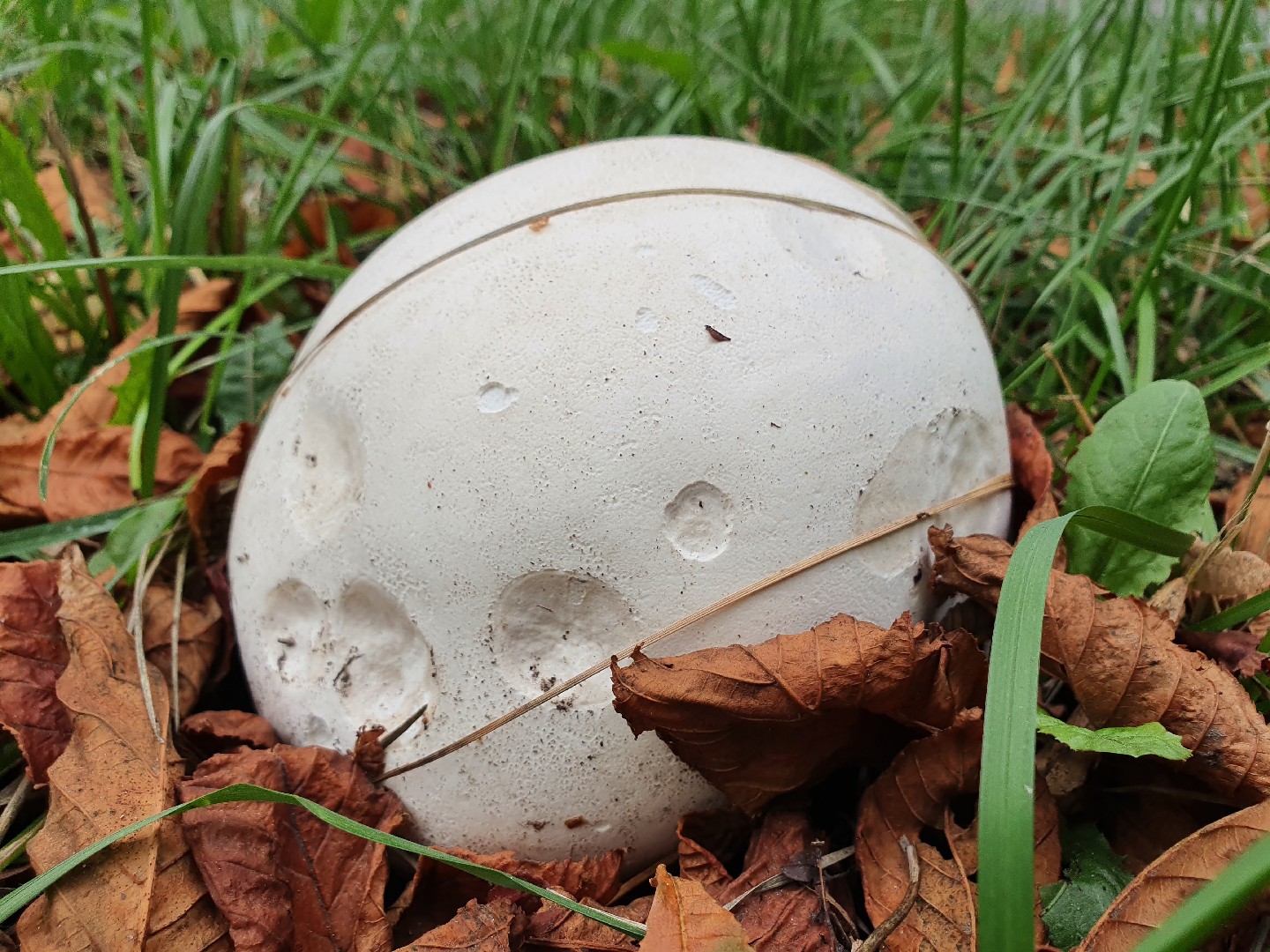
10. Giant puffball
These distinctive round, white fungi appear around the world in fields and at the edges of wooded areas. Living up to its name, a single giant puffball can grow as large as a watermelon. They have no stems, and produce trillions of spores that release into the air through holes in “puffs.” They have been used as slow-burning tinder and produce copious smoke when set aflame. Giant puffballs are technically edible, but should only be consumed when the mushroom is young and firm.


More







