




Top 20 Edible Mushrooms Popular in Jasien
Immerse yourself in the wonderful world of fungi discovered in the unique landscapes of Jasien. Blessed with diverse biospheres, from lush forests to damp meadows, this region furnishes a prime habitat for a myriad of culinary satisfying mushrooms. In this guide, we unveil the 20 most common edible mushrooms of Jasien: a tapestry of alluring tastes, textures, and aesthetics. We'll delve into details about their appearance, delicious flavors, natural habitats, and versatile culinary usage, assuring both novice foragers and gourmet enthusiasts a flavorful adventure in the realm of mycology.
* Disclaimer: Content feedback CAN NOT be used as any basis for EATING ANY PLANTS. Some plants can be VERY POISONOUS, please purchase edible plants through regular channels.

Most Popular Edible Mushrooms
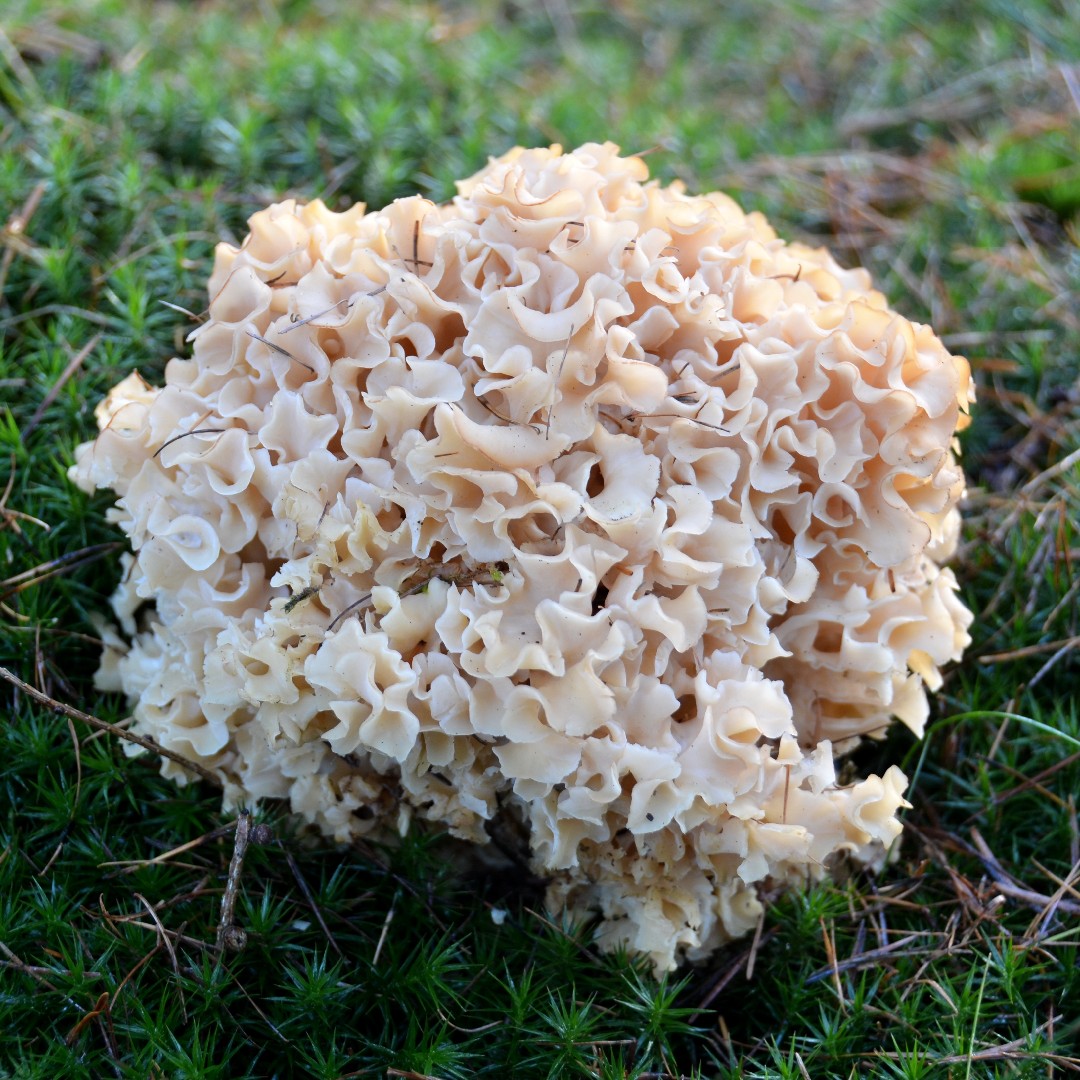
1. Cauliflower mushroom
Instantly recognizable and highly sought-after, cauliflower mushroom (Sparassis crispa) forms a distinct-looking fruitbody that can be found across temperate North America and Europe. The species resembles cauliflower in both color and overall shape, although instead of bearing florets, its appendages look more like wavy, partially-cooked pasta.
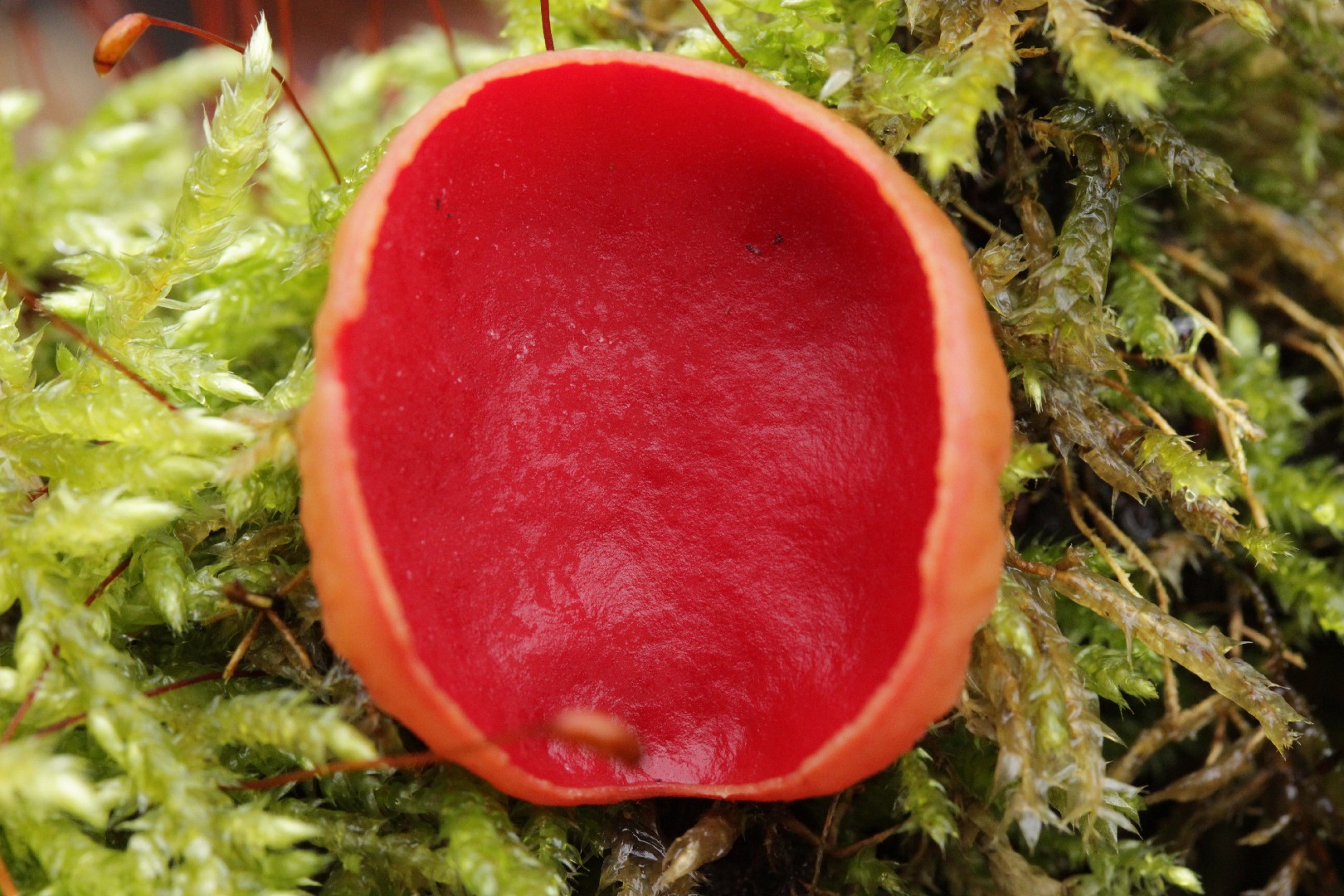
2. Scarlet cup
One of the first mushrooms to appear in the spring, the scarlet cup sometimes pops out of snow. Definitely a cool-season mushroom, the scarlet cup also prefers areas with high rainfall. It forms large colonies and it's very abundant. Slugs and various rodents like to feed on this mushroom.
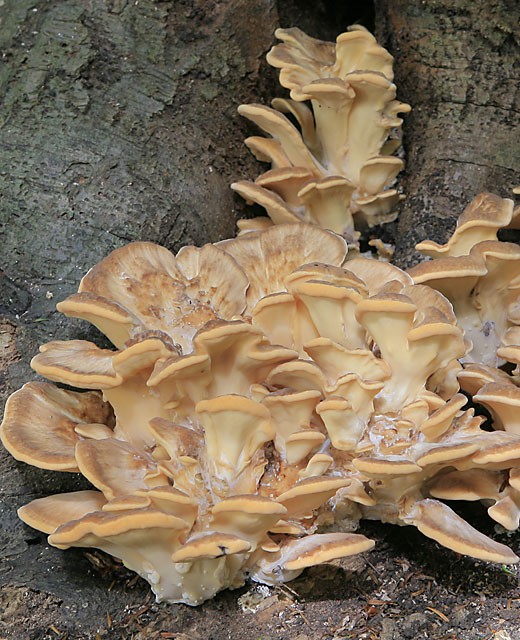
3. Giant polypore
The giant polypore (Meripilus giganteus) is a tough-fleshed shelf or bracket fungus that can be found parasitizing the roots, branches or boles of trees - especially hardwoods - across temperate regions of Europe and Asia (a very closely related species, Meripilus sumstenei, is distributed across North America - some sources list these two species as synonymous).
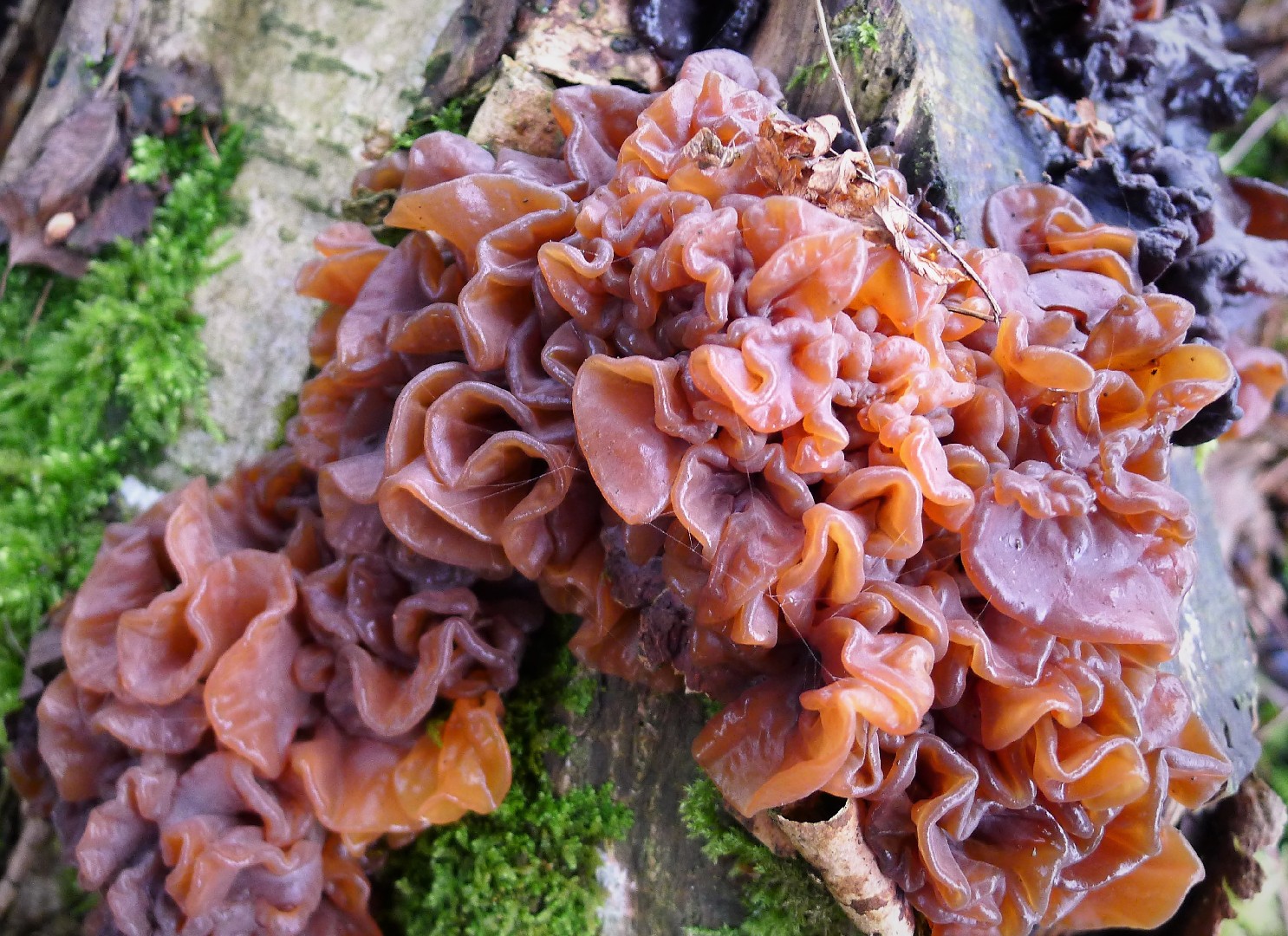
4. Leafy brain
Leafy brain is a parasitic slime mold that feeds off mushrooms. As hinted by its name, it has distinct lobes that start off leaflike and become more wrinkled and brain-like with age. This slime mold shrivels into black crusts when dry but can perk up again after rain.
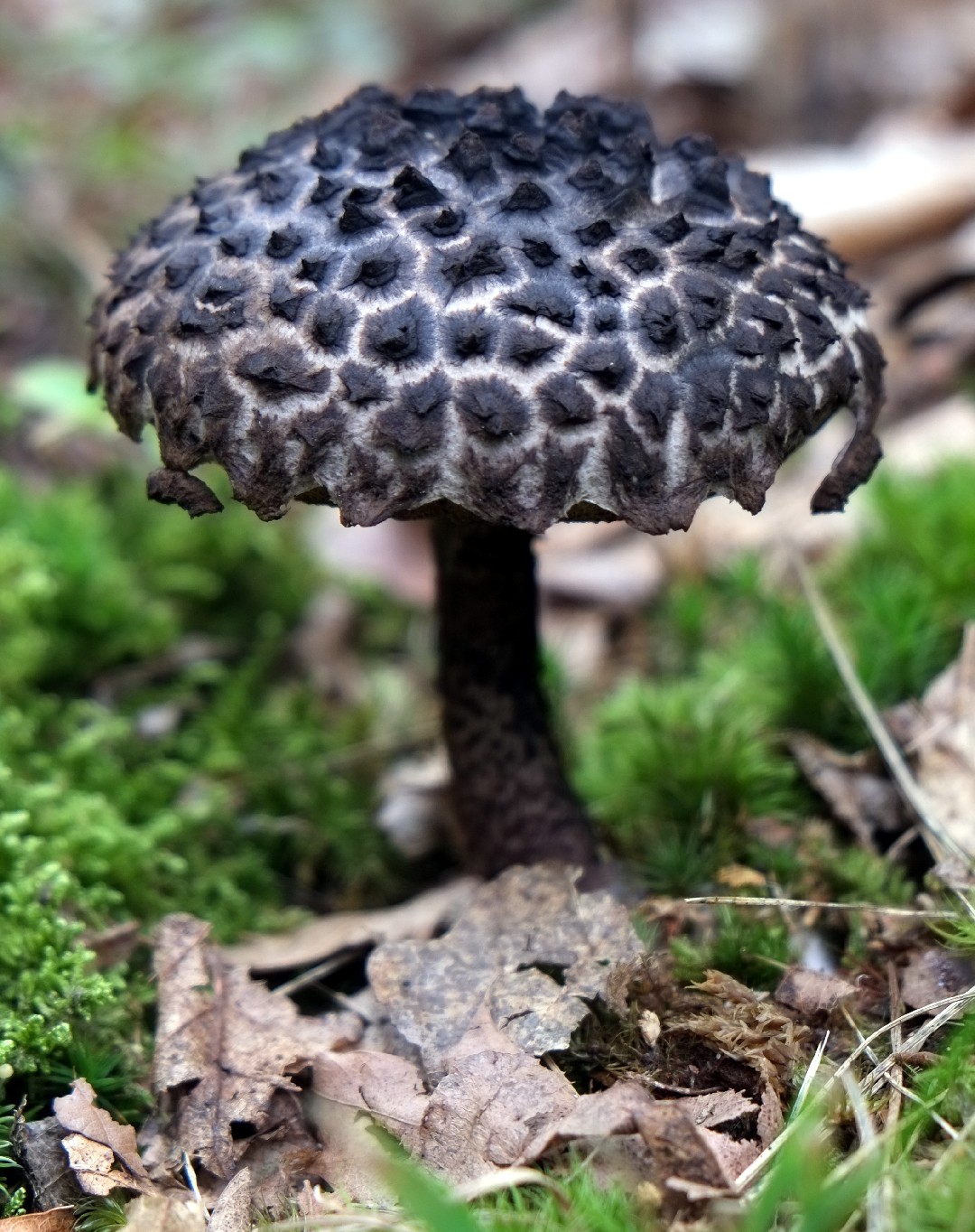
5. Old man of the woods
Native to Europe and North America, old man of the woods(Strobilomyces strobilaceus) is notable for its unusual coloring and texture, which visually resembles dark, overlapping scales against a white base. Interestingly, this mushroom has been depicted on a Swiss postal stamp worth fifty centimes.
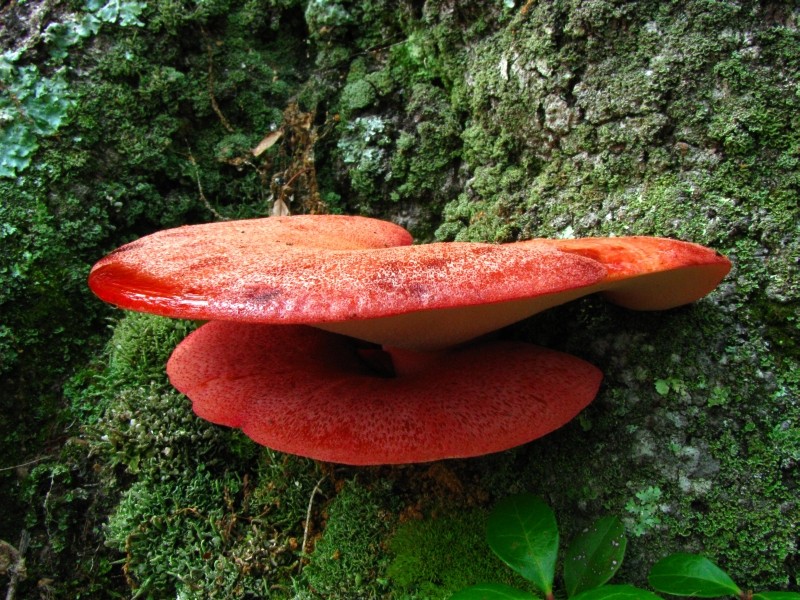
6. Beefsteak fungus
Beefsteak fungus(Fistulina hepatica) is an unusual fungus that visually resembles a slab of raw meat; cutting into it will cause a discharge of thick red liquid resembling blood, adding to this resemblance.
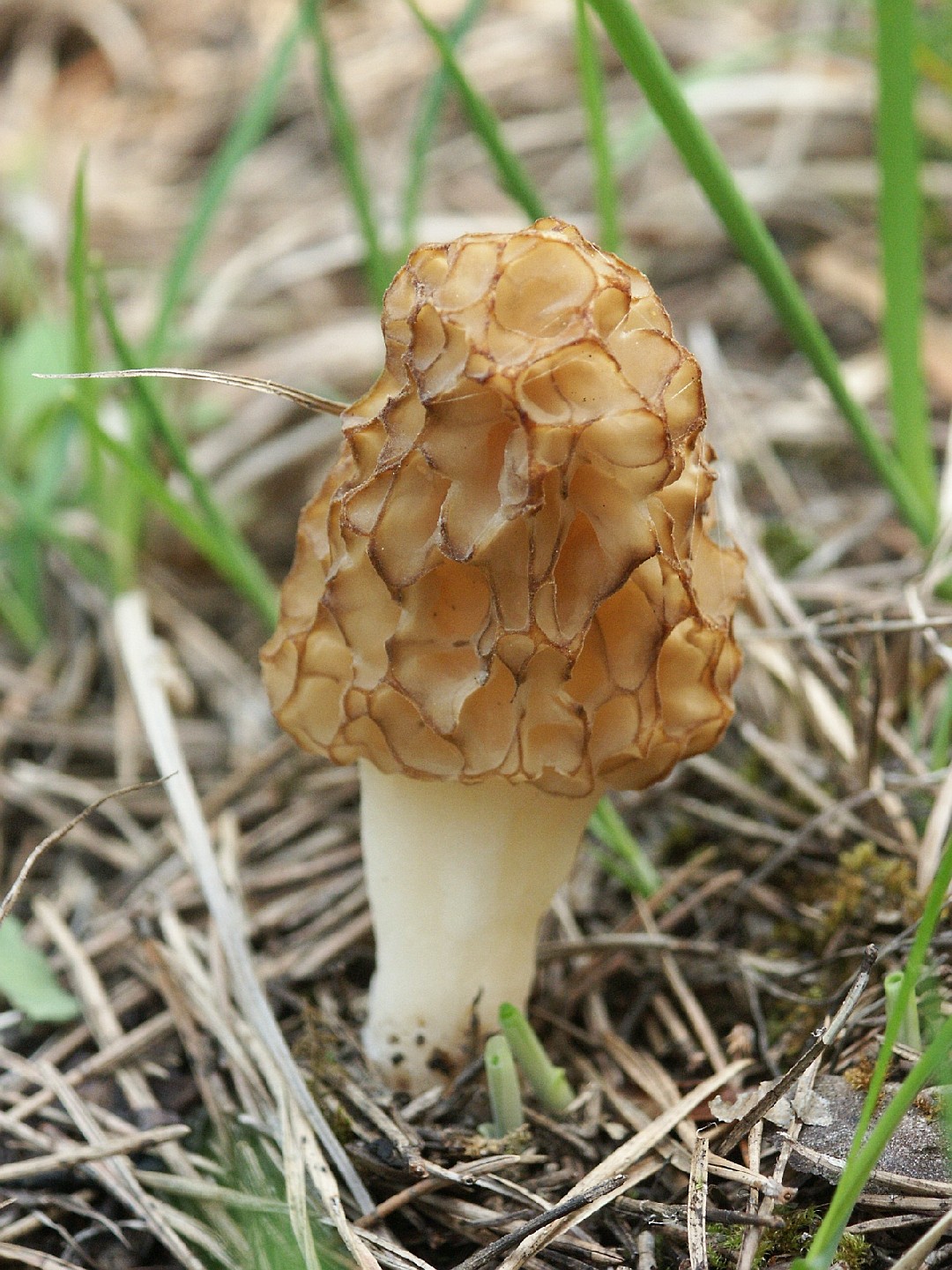
7. Yellow morel
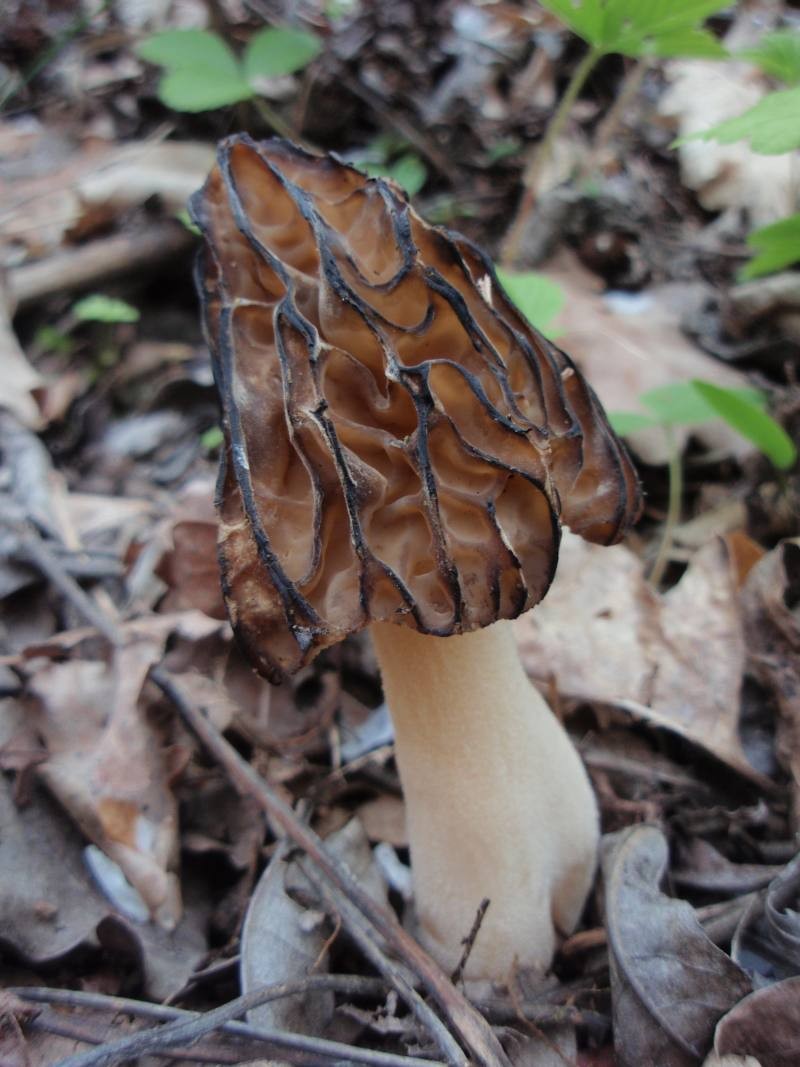
The yellow morel (Morchella esculenta) is one of the most iconic and sought-after species of edible mushrooms. It is often one of the first species that novice mushroom gatherers will hunt for. Yellow morels have elongated caps that are "honeycombed", being filled with roughly polygonal holes. Splitting them down the middle reveals them to be hollow on the inside, a key feature that distinguishes them from toxic false morels. Experts recommend cooking or boiling this mushroom before consumption, as raw morels may cause an upset stomach.
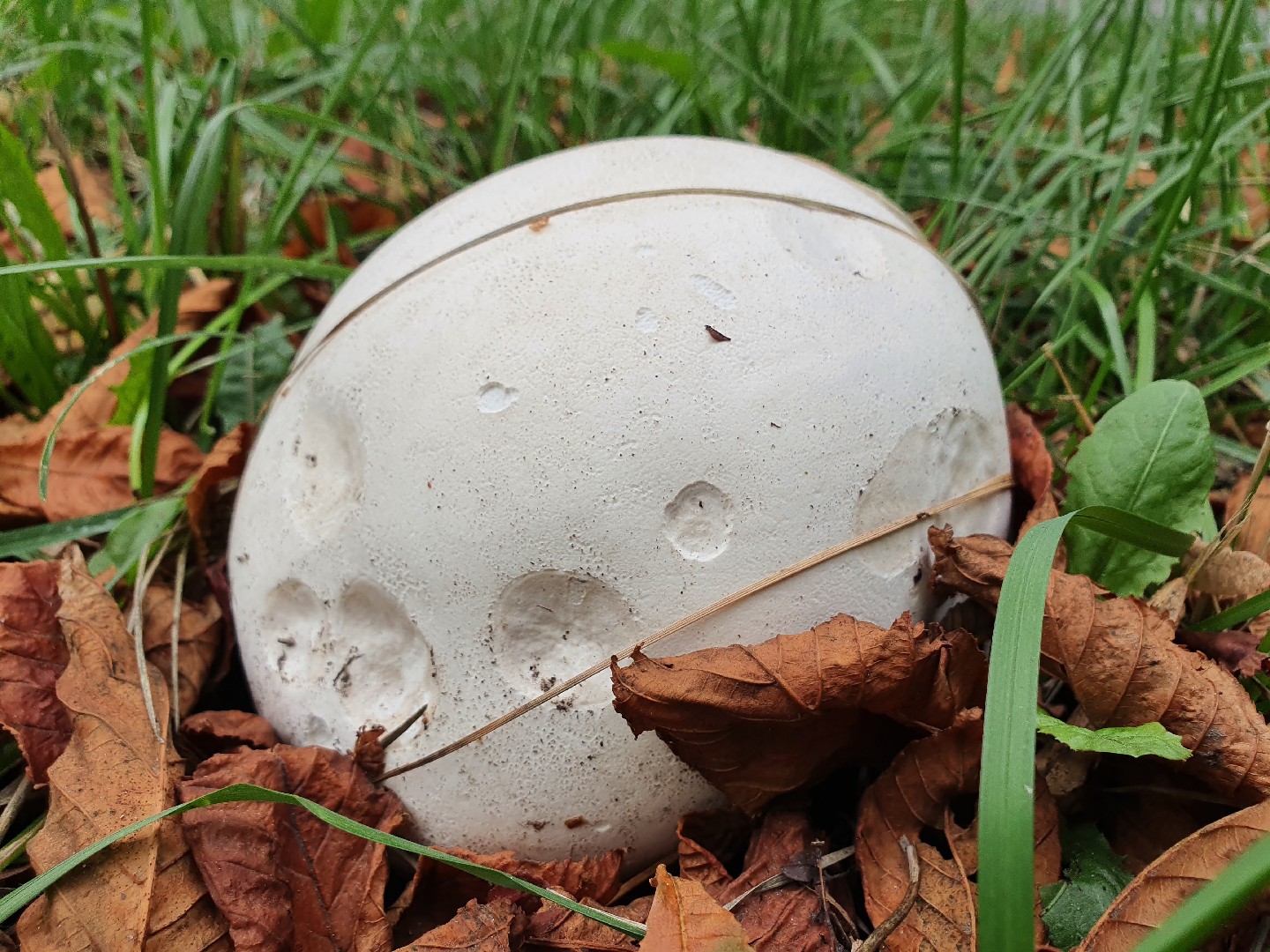
8. Giant puffball
These distinctive round, white fungi appear around the world in fields and at the edges of wooded areas. Living up to its name, a single giant puffball can grow as large as a watermelon. They have no stems, and produce trillions of spores that release into the air through holes in “puffs.” They have been used as slow-burning tinder and produce copious smoke when set aflame. Giant puffballs are technically edible, but should only be consumed when the mushroom is young and firm.
9. Golden-gilled bolete
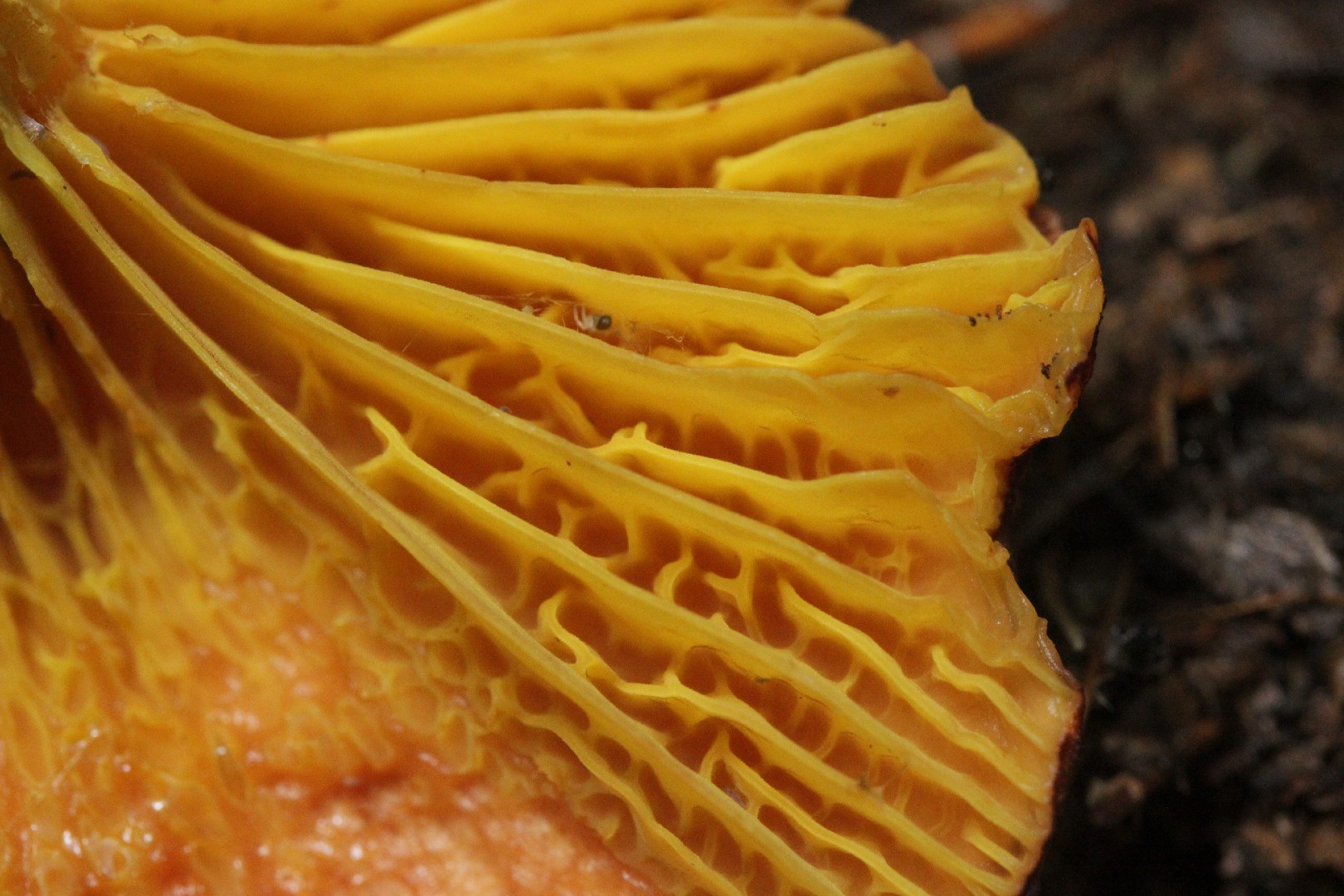
The underside of the its cap bears lamellae (gill-like structures) rather than the pores common in the Boletales. The reddish, domed cap is smooth with a velvety texture, while the lamellae are bright yellow. The stem supporting the cap is also yellow with a red-brown veil. 
10. Semifree morel
More







