




Top 18 Edible Mushrooms Popular in Acayucan
In the lush landscapes of Acayucan, a paradise for mycologists, 18 varieties of delectable mushrooms reign. The region offers perfect conditions for fungus growth, with its fertile ground, intimate woodlands, and favorable climate making it a hub for unique, edible species. This guide aims to expand your knowledge on these mushrooms, delving into their distinct appearances, flavors, habitat, and the diverse ways they grace our plates. Explore the rich tapestry of fungi in Acayucan, where every mushroom has a story to tell.
* Disclaimer: Content feedback CAN NOT be used as any basis for EATING ANY PLANTS. Some plants can be VERY POISONOUS, please purchase edible plants through regular channels.

Most Popular Edible Mushrooms
1. Indigo milk cap
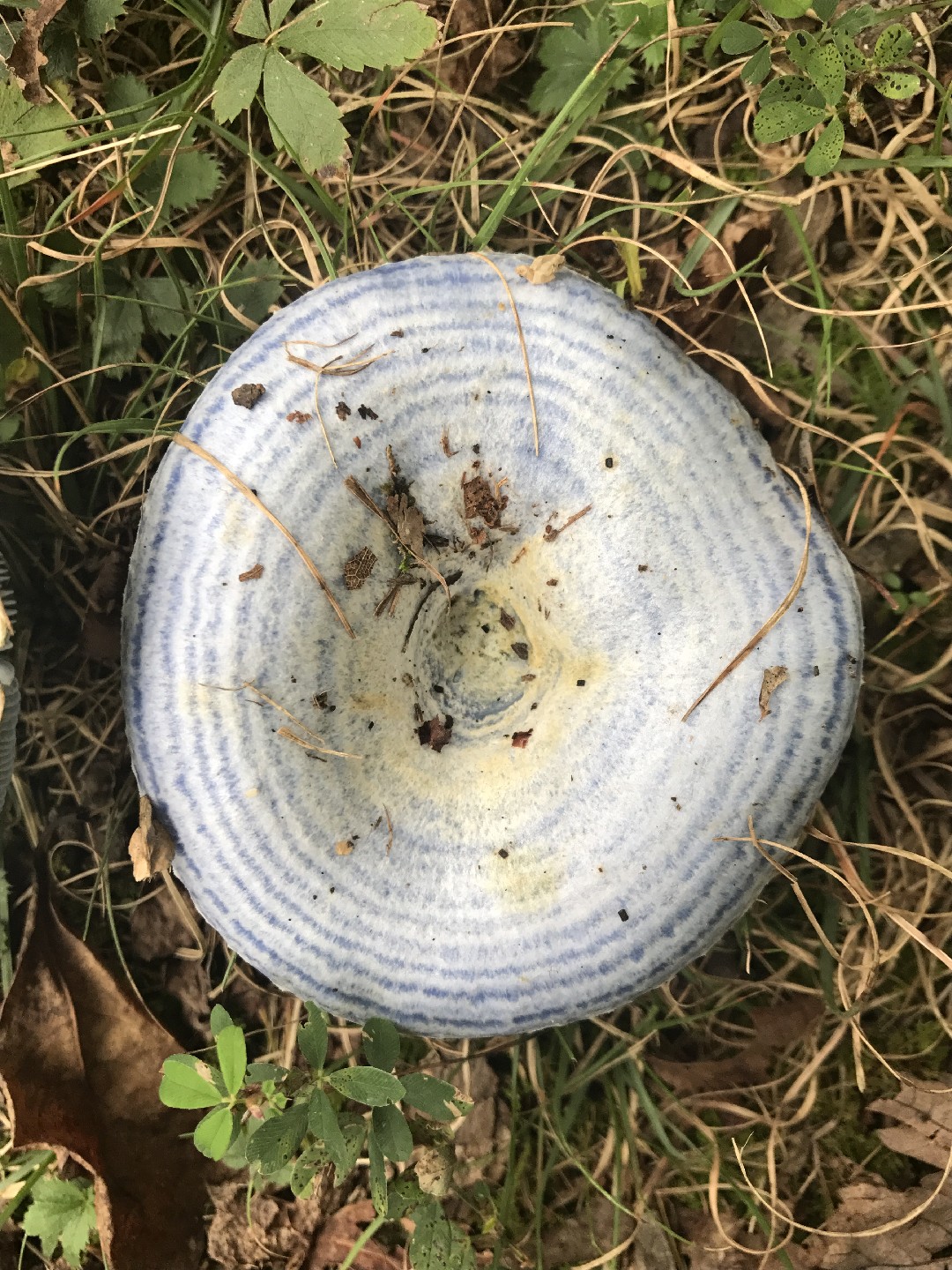
This gorgeous species is unlike any other. The indigo milk cap, a member of the often-drab russula family, is deep blue in color. Like other milk caps, it bleeds a latex-like substance when cut or damaged, but instead of the usual white this species bleeds deep blue.
2. Bridal veil stinkhorn
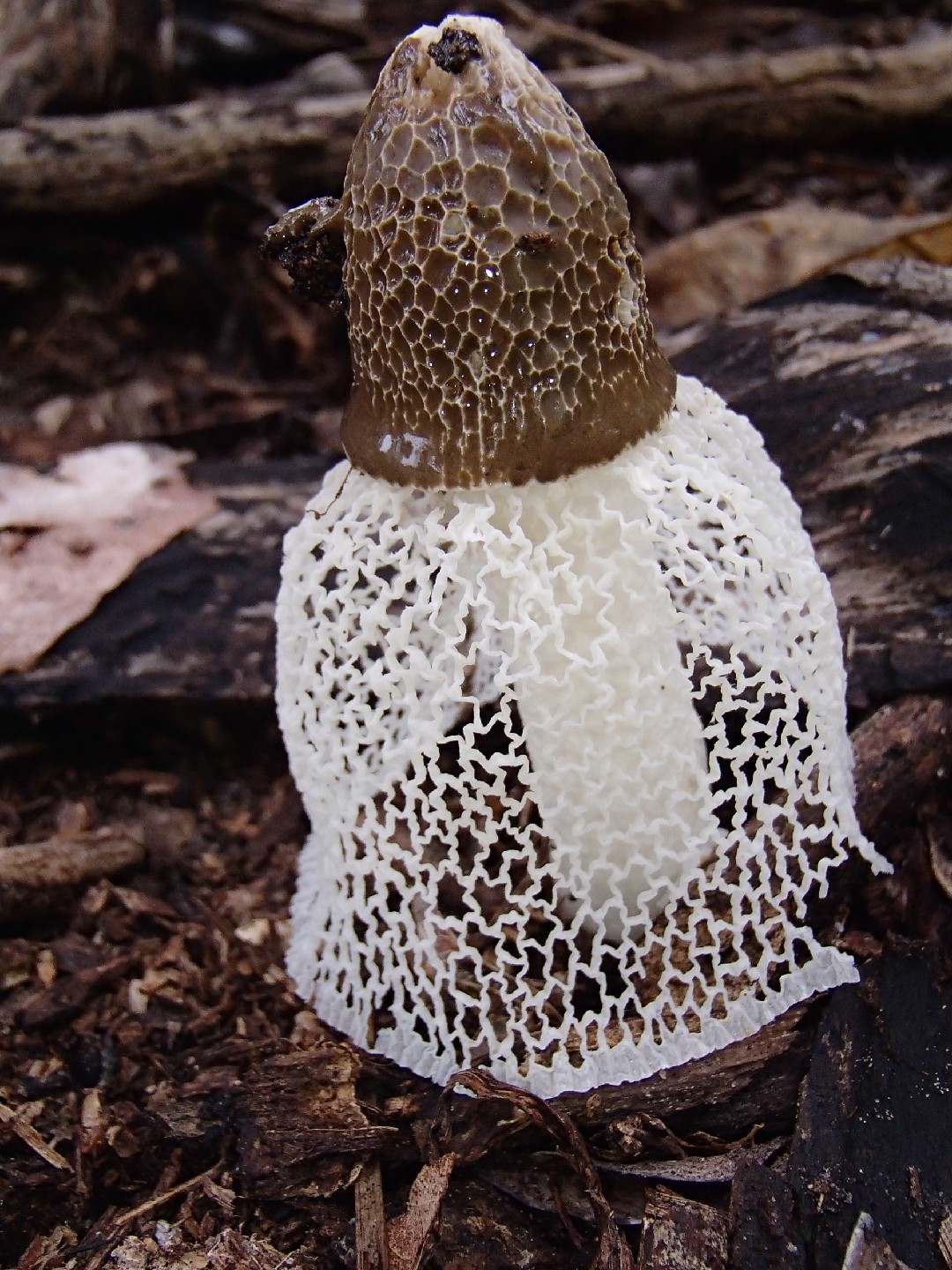
Bridal veil stinkhorn (Phallus indusiatus) can be found rising up from the ground in tropical forests around the world. A distinctive netted fringe “skirt” descends from the cap along the length of the stalk. A type of “stinkhorn,” the fruitbodies of this species produce scents that vary between sickly-sweet to just plain unpleasant. The odor is meant to attract insects that usually lay their eggs in carrion.
3. Veiled oyster
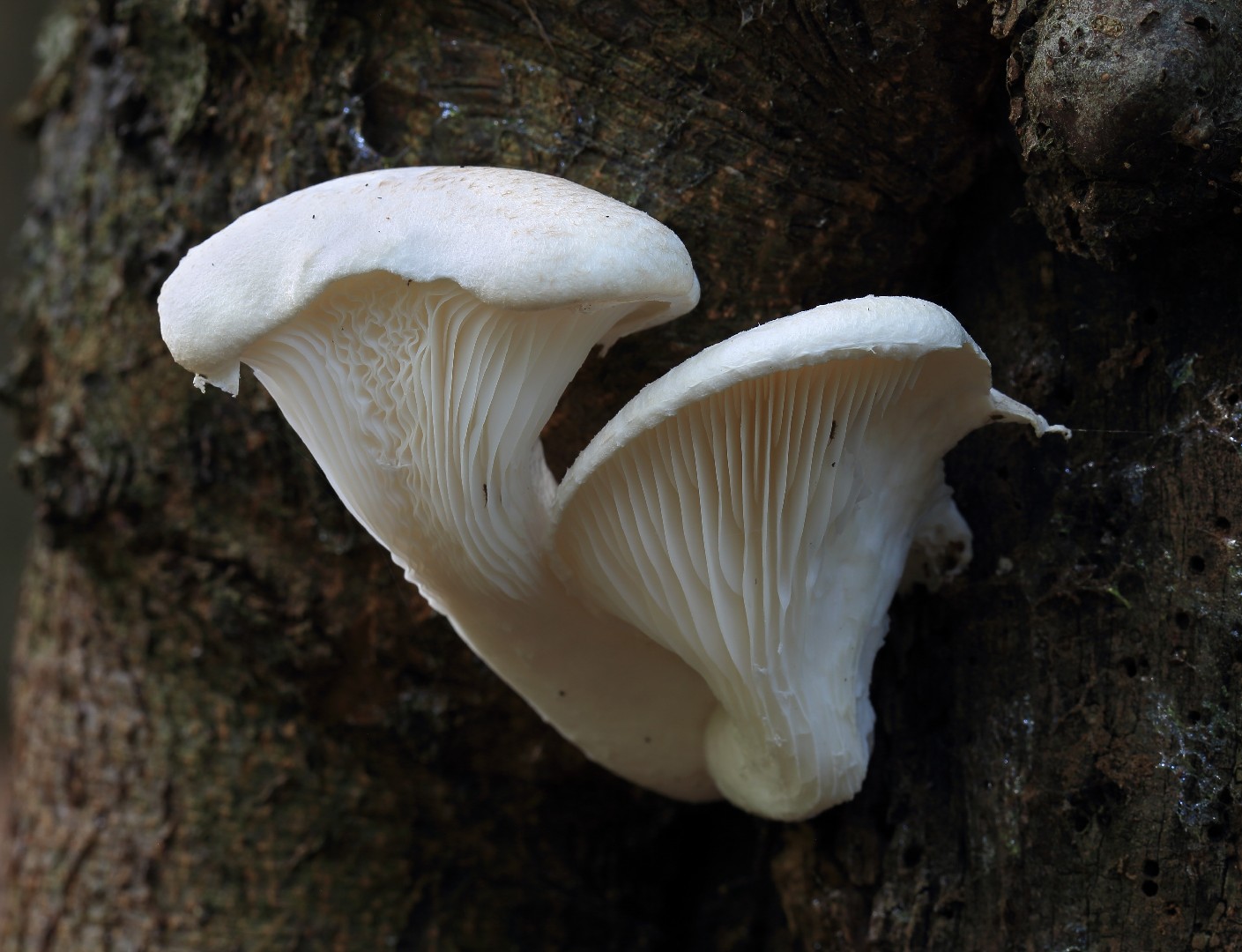
Veiled oyster(Pleurotus dryinus) becomes increasingly yellowish with age, and it may sprout on either dead or living wood (bearing a noted relationship with oaks). This species eschews others of its kind, most commonly appearing alone or in small groups. Foraging for consumption is not recommended.
4. Corn smut
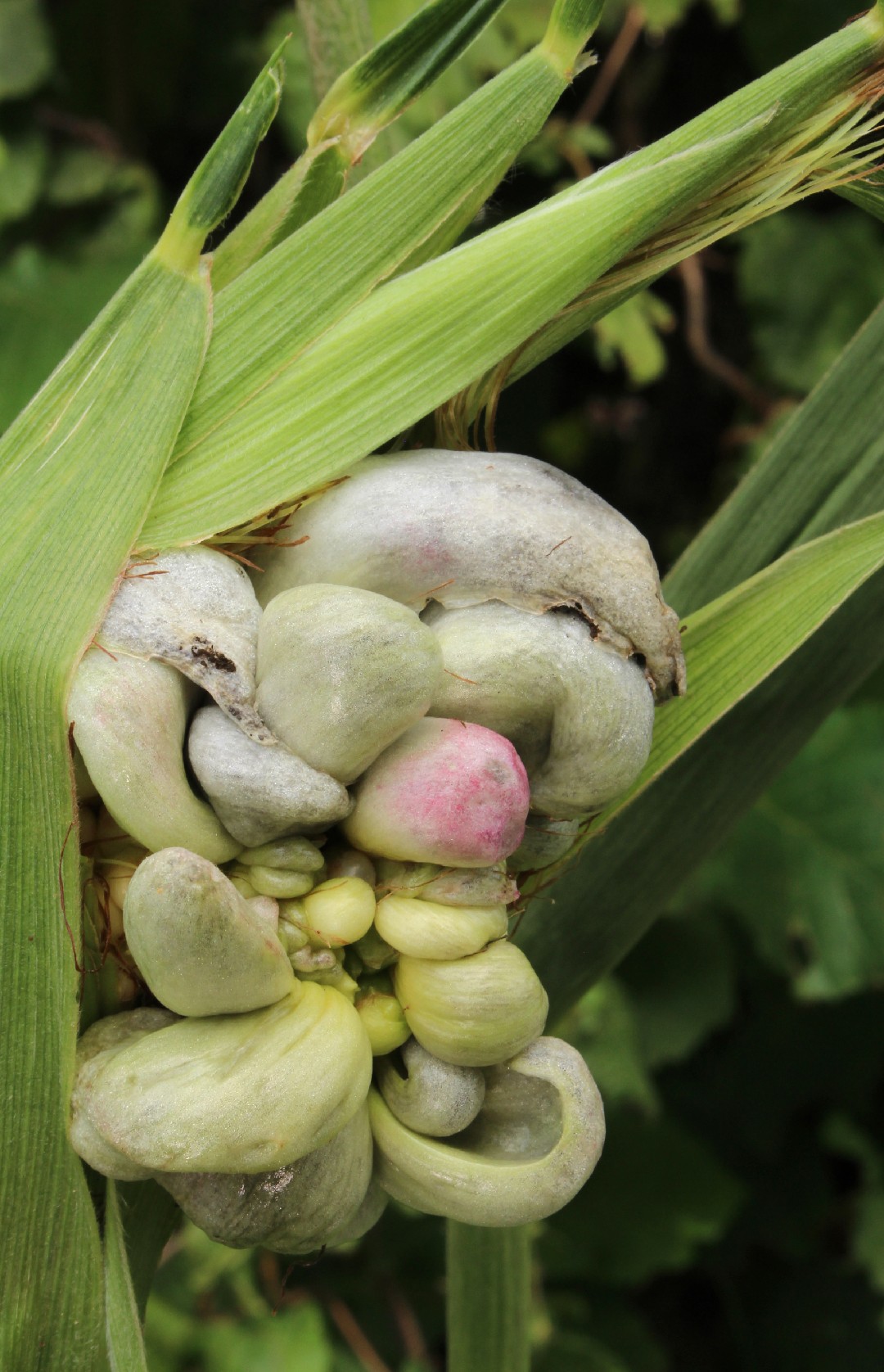
With a common name such as "corn smut," it is easy to guess that the most common place to find this crop-devastating fungus is on corn plants. The gall-shaped growths of corn smut (Ustilago maydis) are black in color with hues of grey and white closer to where they attach to the host plant. The corn will develop a scorched appearance, which is actually the smut rot.
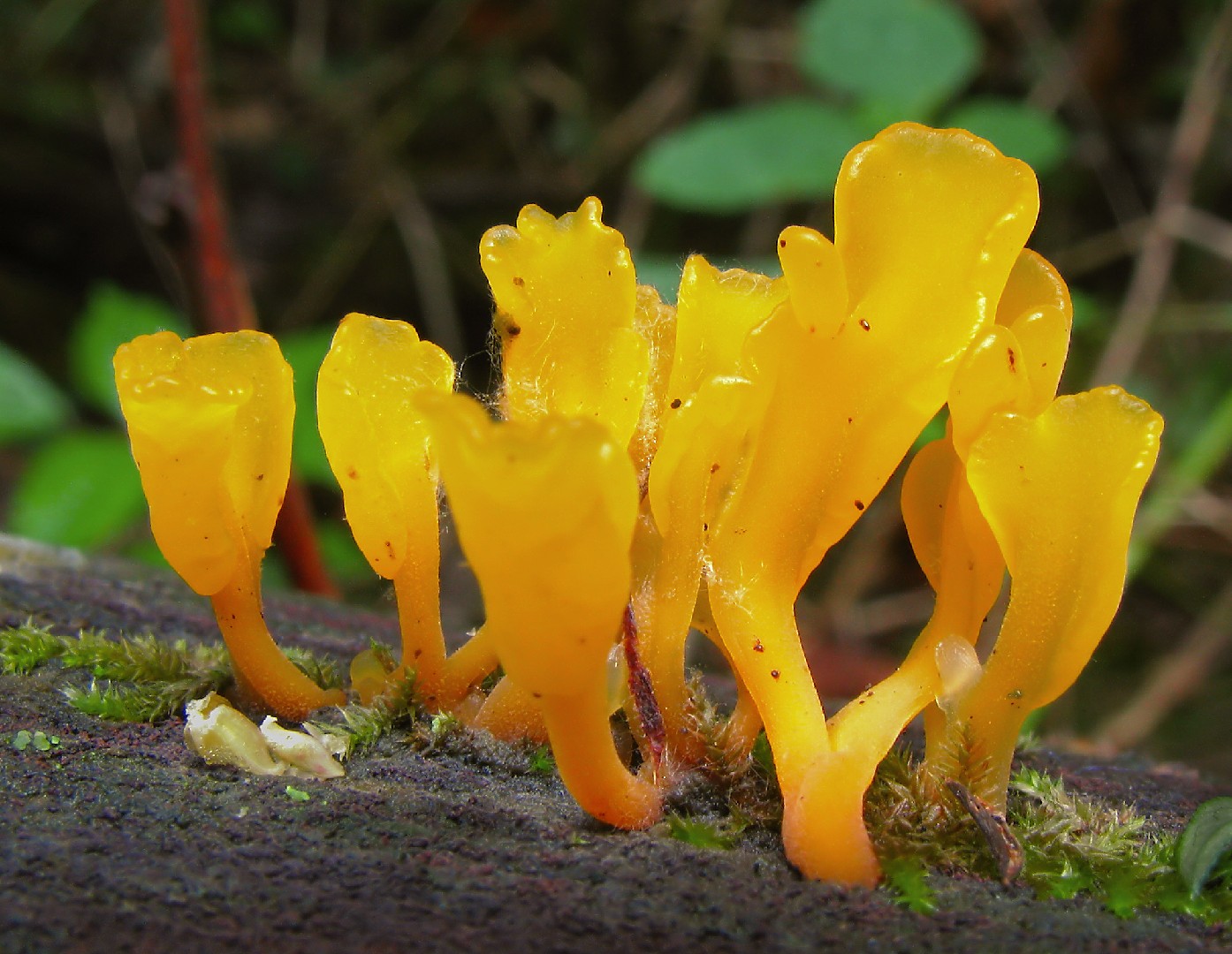
5. Fan-shaped jelly-fungus
Just as its Latin and the common English names suggest, the fan-shaped jelly-fungus (Dacryopinax spathularia) is a fan-shaped or spatula-shaped jelly-like mushroom. It commonly grows in wood cracks and it sometimes even appears in the cracks of the processed wood and lumber. Despite the word "jelly" in its name, the fan-shaped jelly-fungus is not considered edible.
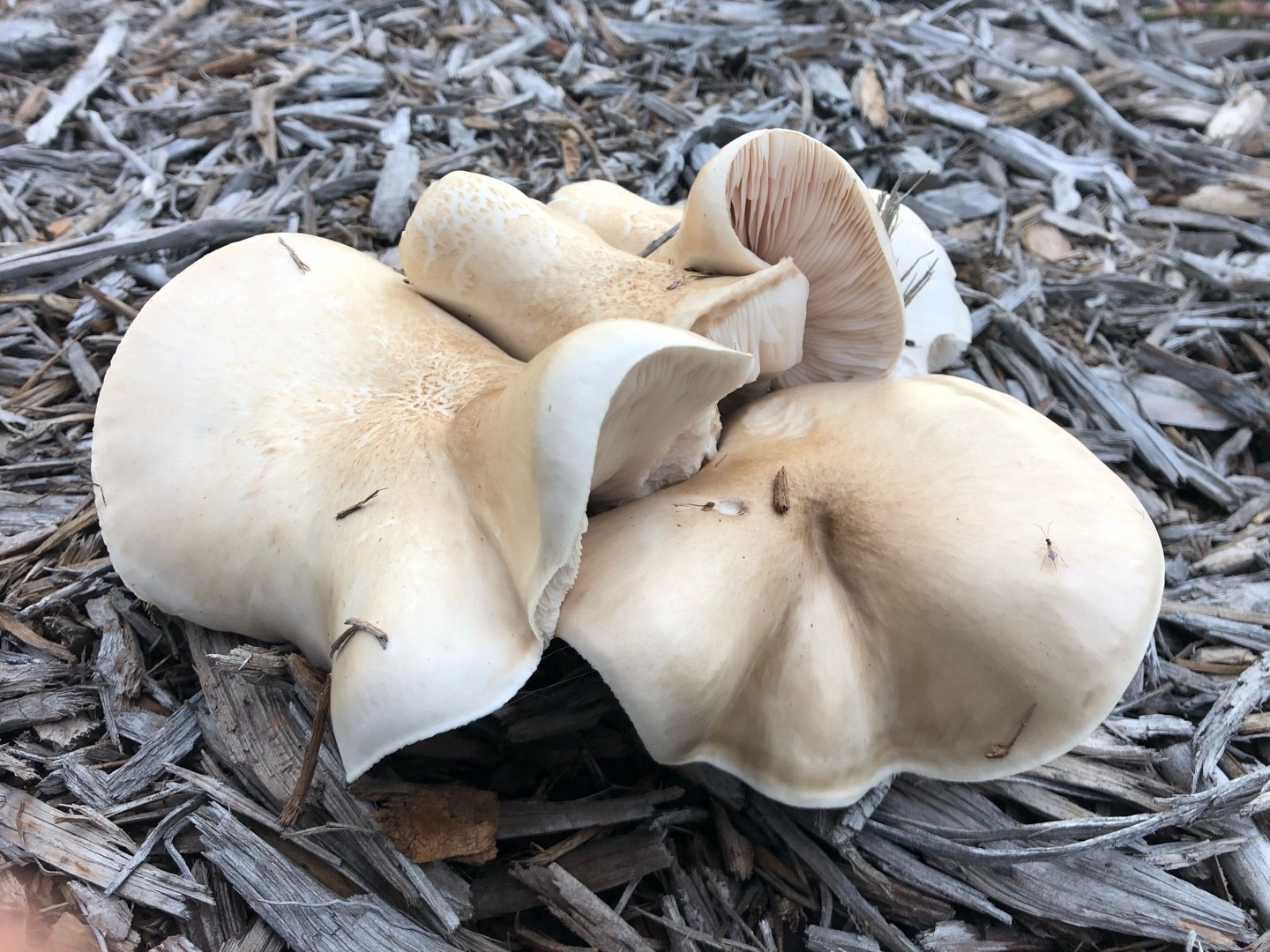
6. Scaly shield
The medium-sized fruitbodies of the scaly shield can be found across much of eastern North America. As it is fond of growing in mulch or woodchips, it is most commonly encountered in parks, yards, and gardens. The species is easily confused with its close cousin, Pluteus cervinus (also known as the "deer mushroom"), though Pluteus petasatus usually develops a distinct pinkish hue on its gills, wheras P. cervinus does not.
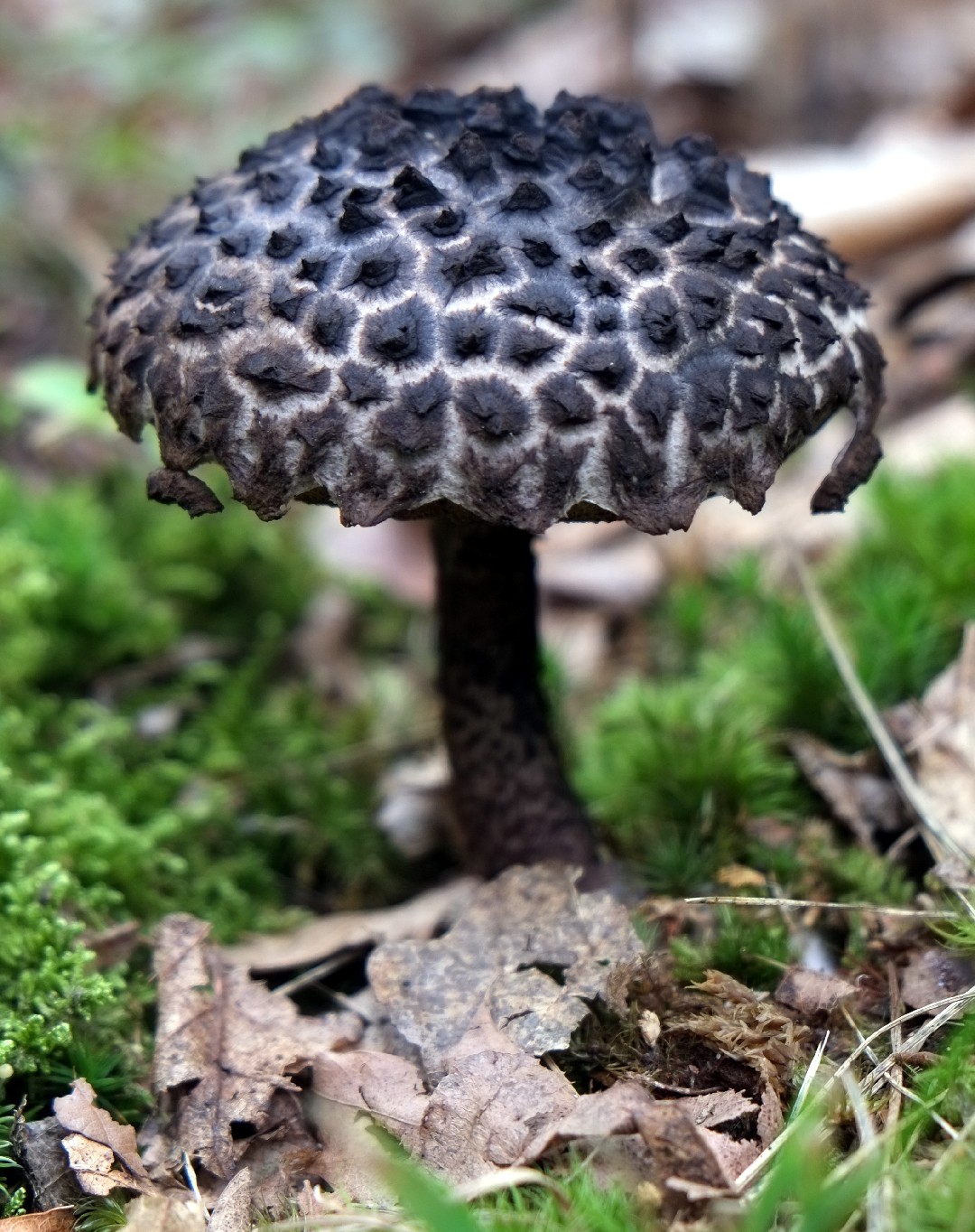
7. Old man of the woods
Native to Europe and North America, old man of the woods(Strobilomyces strobilaceus) is notable for its unusual coloring and texture, which visually resembles dark, overlapping scales against a white base. Interestingly, this mushroom has been depicted on a Swiss postal stamp worth fifty centimes.
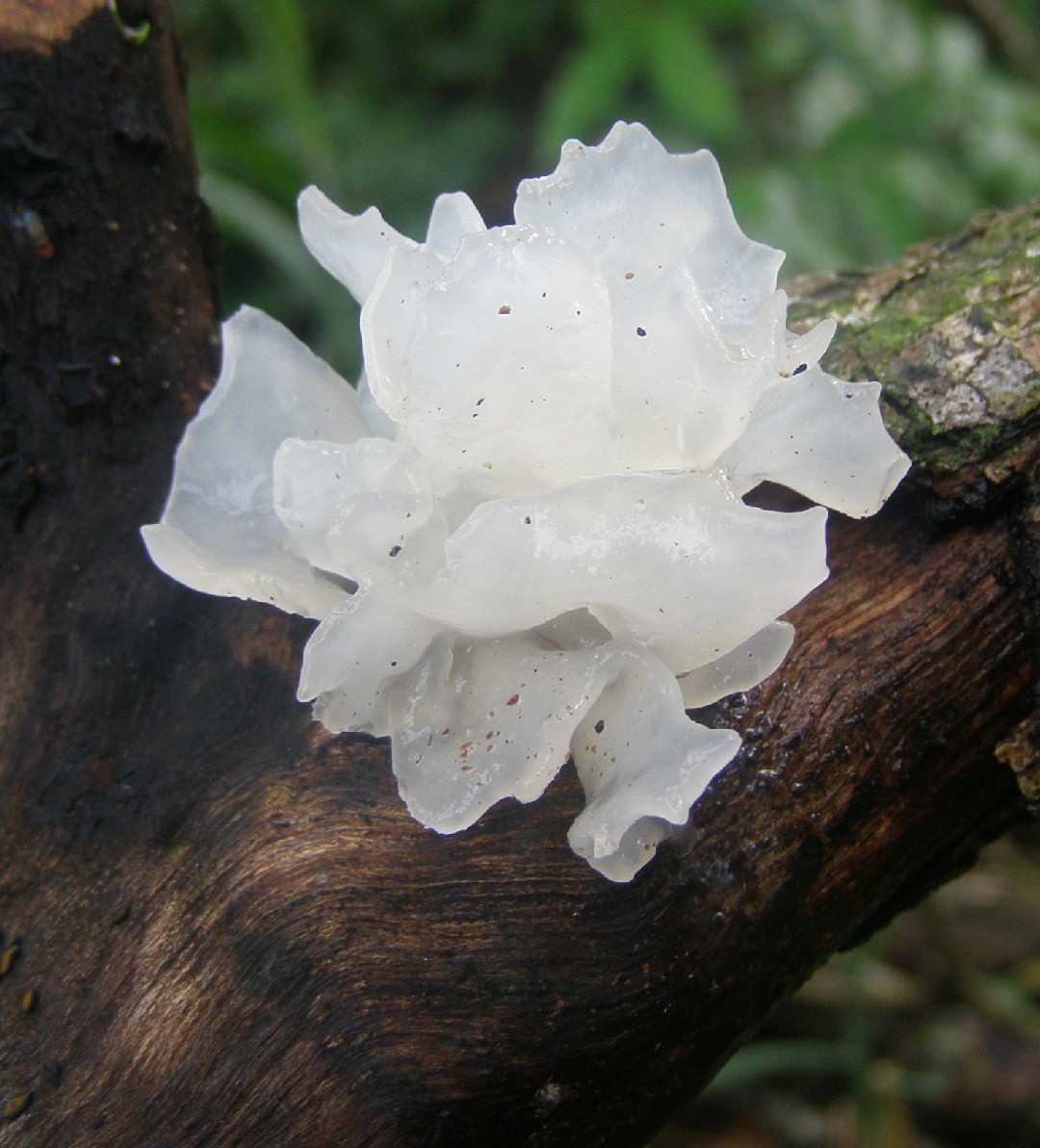
8. Snow fungus
Snow fungus (Tremella fuciformis) is so-named not because it is associated with winter, but, rather, because its fruitbodies look like little piles of snow fungus on the ground. This fungus actually inhabits very warm - tropical and subtropical - locations around the globe. Snow fungus does not have much taste, but it is cultivated for culinary use across East Asia, where it is often added to thicken soups and desserts.
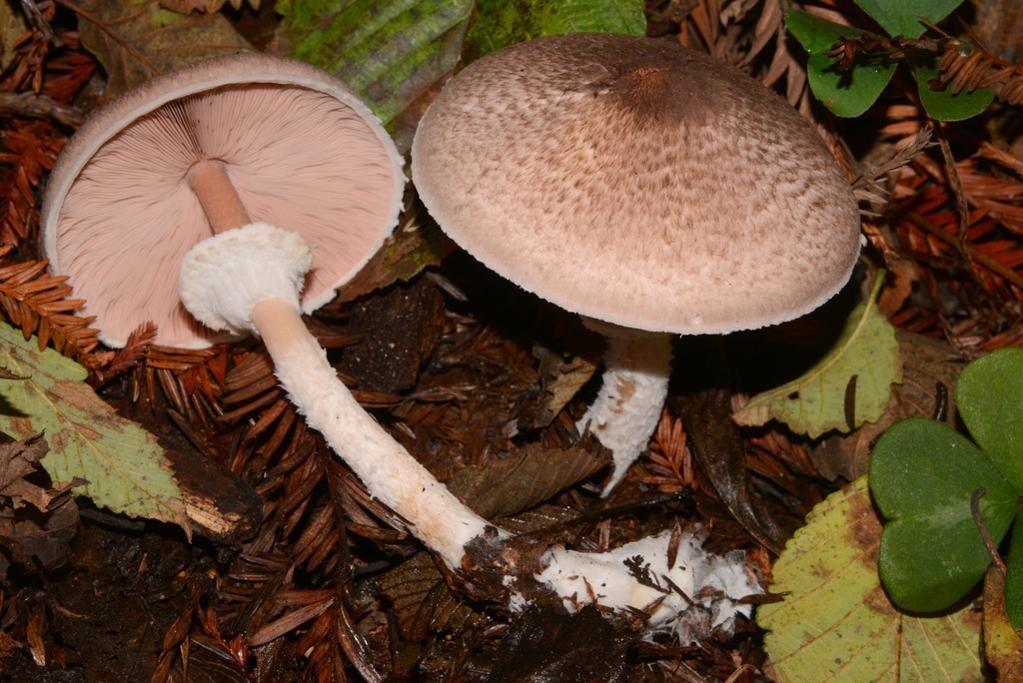
9. Wine-colored Agaric
Much like many other Agaricus, the wine-colored Agaric (Agaricus subrutilescens) lives happily on the floors of conifer forests but can be identified by its dark burnt-maroon color and shaggy appearance of the stem. They are distinguished by their delightful, fruity fragrance. Don't be too tempted by the smell, however; these mushrooms can cause severe gastric issues in those who consume them.
10. Indigo milk cap
This gorgeous species is unlike any other. The indigo milk cap, a member of the often-drab russula family, is deep blue in color. Like other milk caps, it bleeds a latex-like substance when cut or damaged, but instead of the usual white this species bleeds deep blue.
More







