




Top 14 Edible Mushrooms Popular in Ono
Nestled in the heartland of Japan, Ono is a verdant treasure trove teeming with fungi. From its dense forest trails to its mist-shrouded mountains, this region provides a perfect habitat for an abundance of mushrooms. In this guide, we'll delve into the 14 most common edible mushrooms you'll find here, unveiling their unique characteristics, flavors, and culinary potential. Dedicated to mushroom enthusiasts and foodies alike, our informative compilation will serve as your comprehensive guide to Ono's world of fungi.
* Disclaimer: Content feedback CAN NOT be used as any basis for EATING ANY PLANTS. Some plants can be VERY POISONOUS, please purchase edible plants through regular channels.

Most Popular Edible Mushrooms
1. Vinegar cup
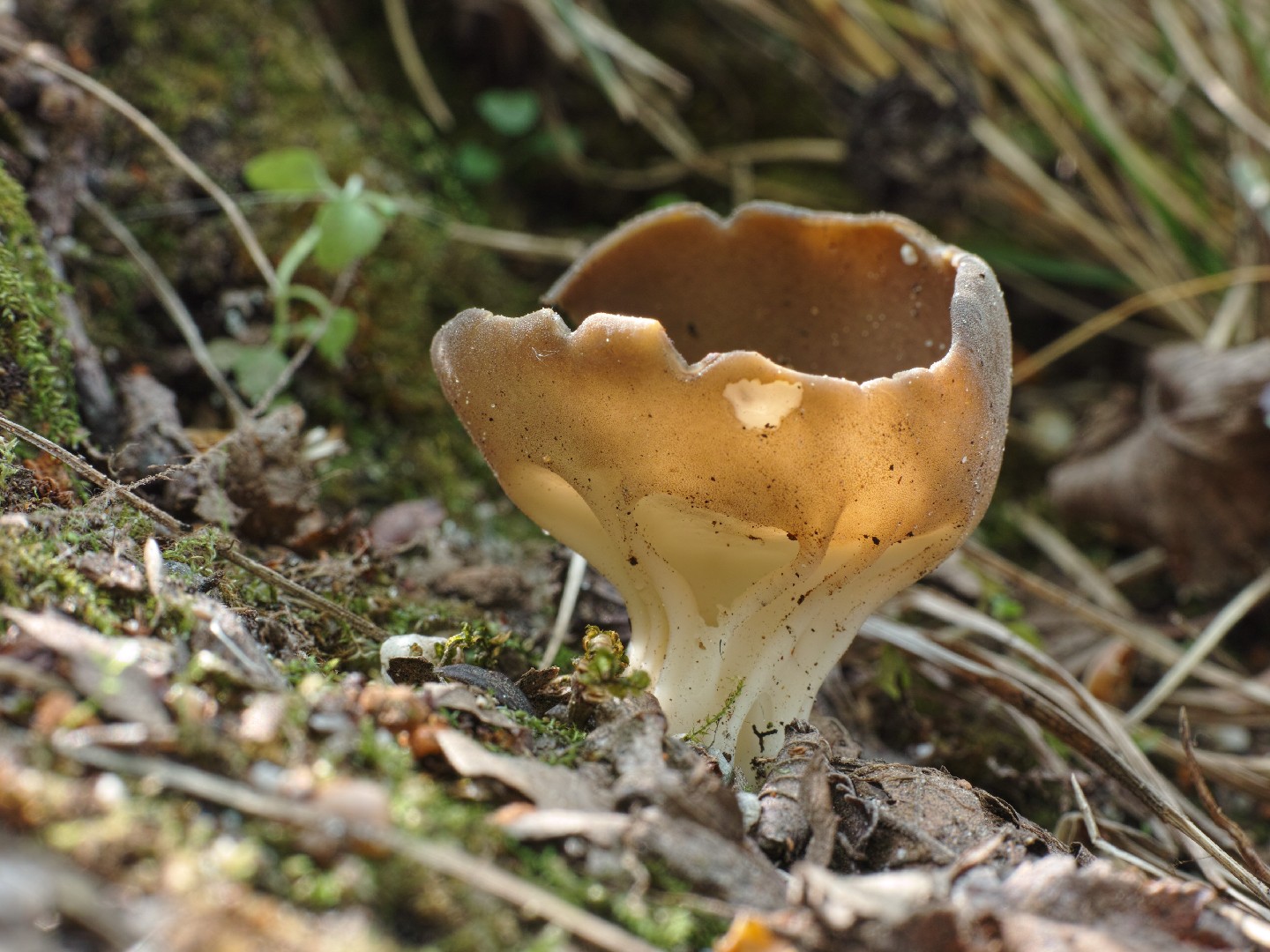
The vinegar cup (Helvella acetabulum) forms fruitbodies in the shape of vases or chalices with deeply convex caps. Its distinguishing feature is the way the stem’s ribs extend all the way up the sides of the “cup,” in some specimens resembling the folds of cabbage leaves. Common name aside, it is not considered edible.
2. Deer mushroom
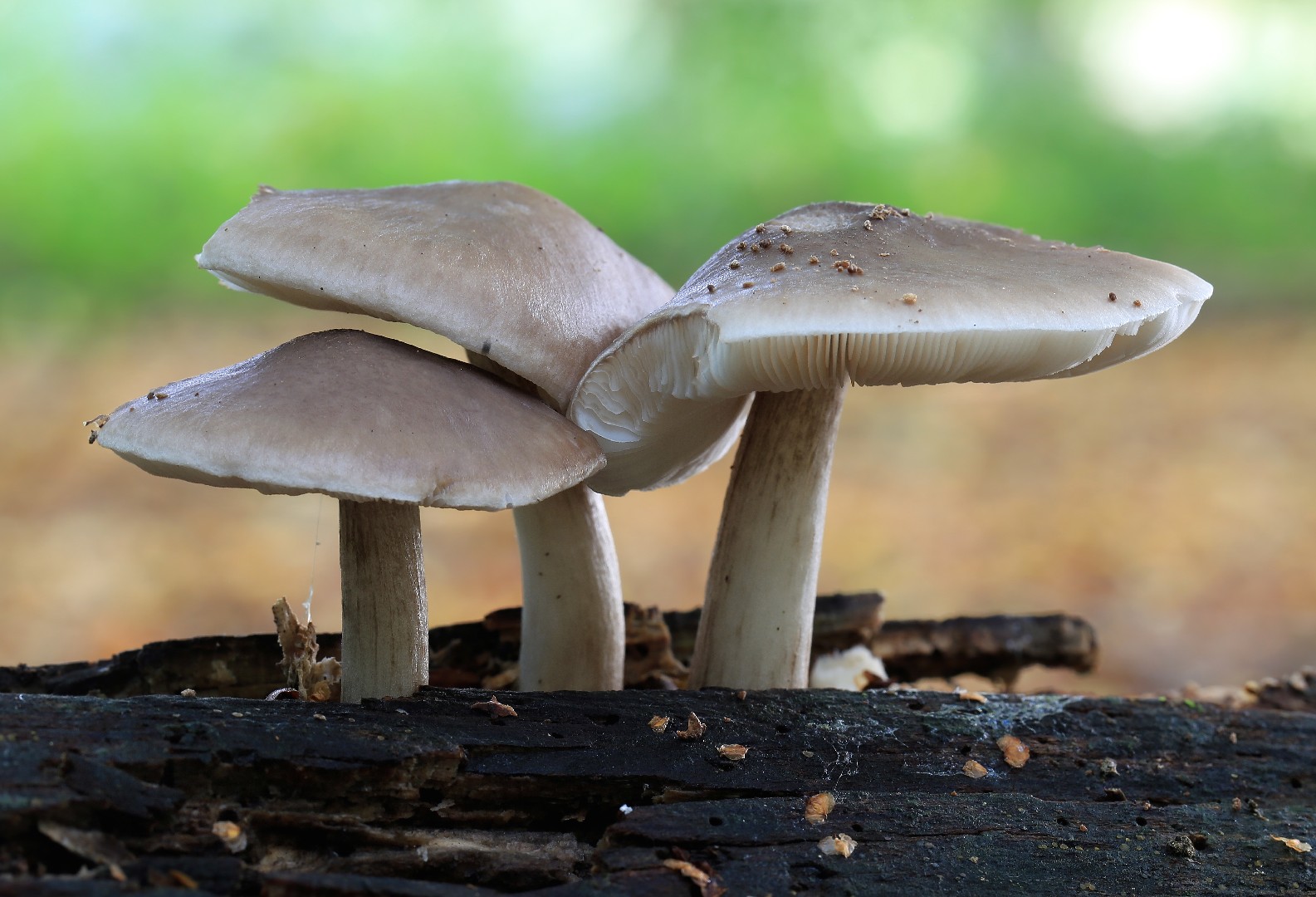
The deer mushroom is can be found sprouting up from rotting logs, branches, and roots, and while it may have a preference for hardwoods it isn't very picky. Unlike many other mushroom species, the fruitbodies can be found blooming across a wide range of seasons. They have a faint, radish-like odor.
3. Fan-shaped jelly-fungus
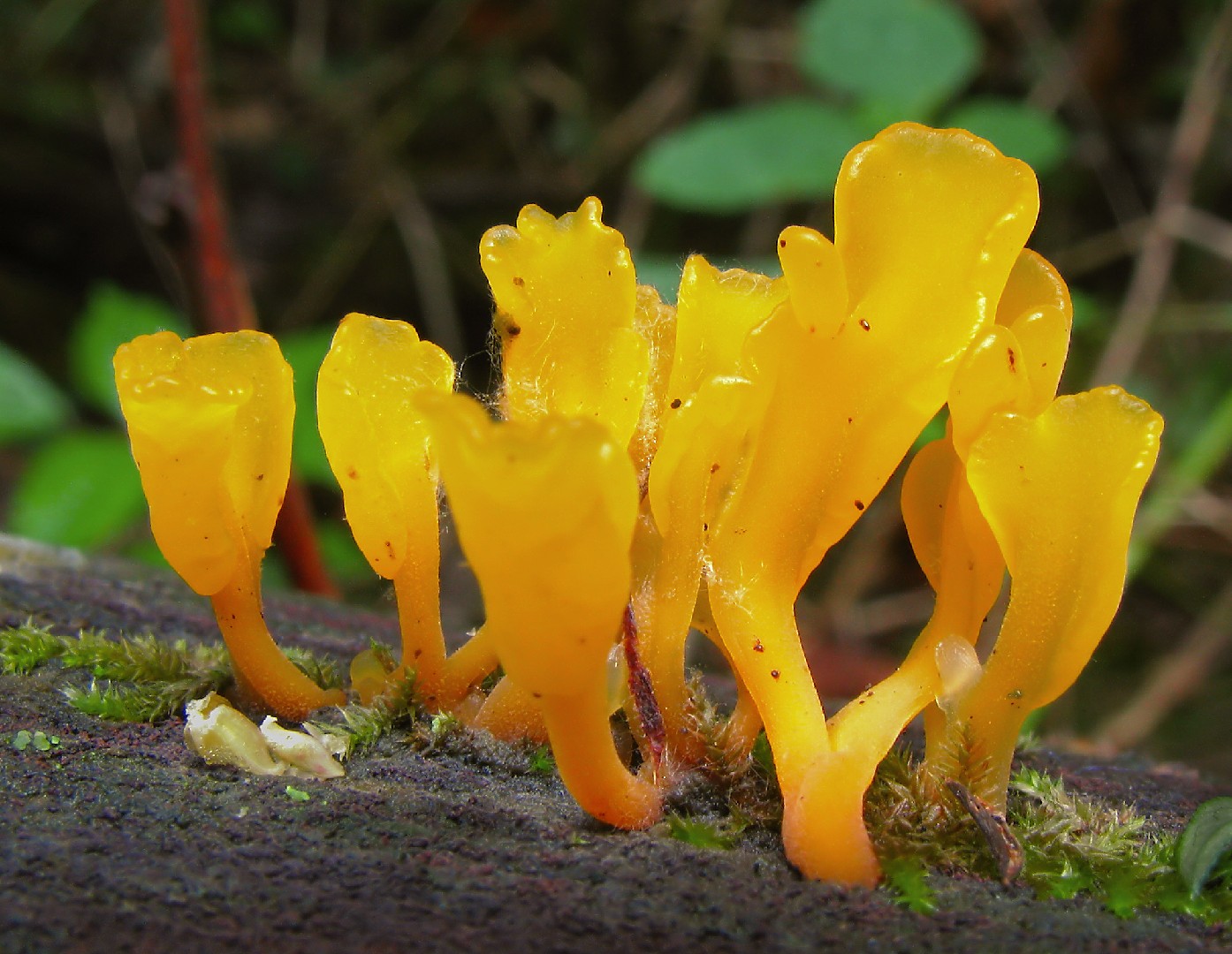
Just as its Latin and the common English names suggest, the fan-shaped jelly-fungus (Dacryopinax spathularia) is a fan-shaped or spatula-shaped jelly-like mushroom. It commonly grows in wood cracks and it sometimes even appears in the cracks of the processed wood and lumber. Despite the word "jelly" in its name, the fan-shaped jelly-fungus is not considered edible.
4. Veined shield

5. Shaggy mane
The shaggy mane mushroom is commonly found in North American and European grasslands. Some peoples foraged for its young egg-shaped caps, but it has more recently been found to be a bioaccumulator of heavy metals, meaning it pulls toxic metals up from the soil where it grows. As a result, shaggy manes should not be eaten. The mushrooms usually appear in clusters or “fairy rings.”
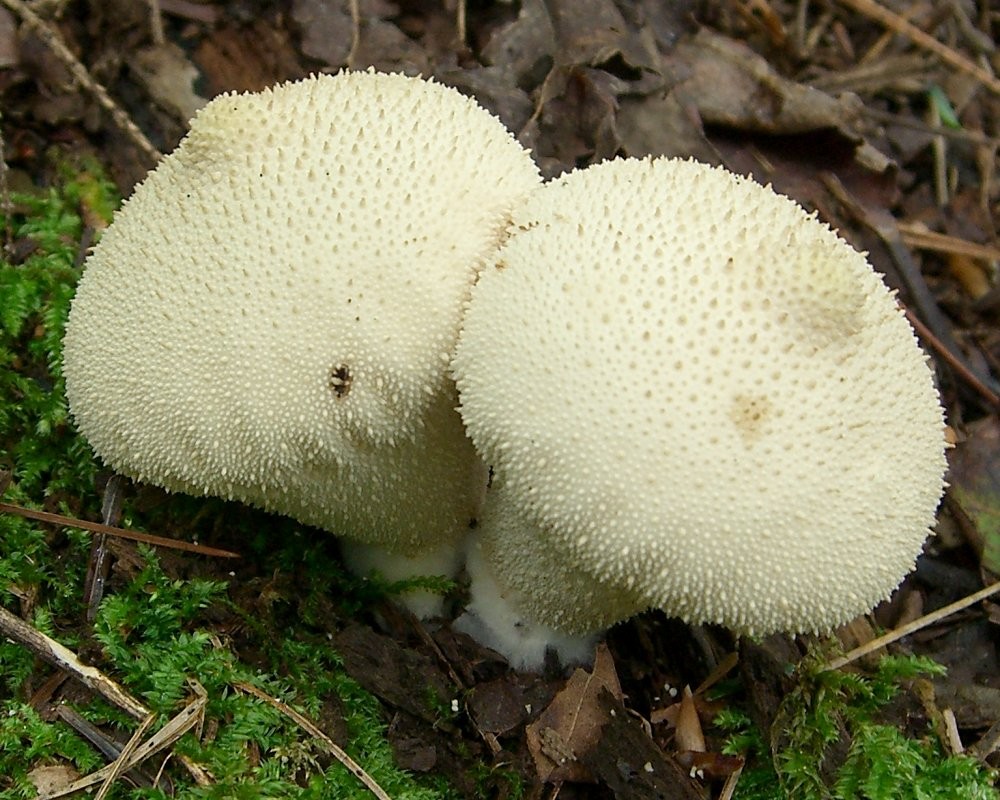
6. Common puffball
These puffy mushrooms grow in small groups on the forest floor. Once they're mature, common puffballs turn yellow and "puff out" smoke-like spore clouds when disturbed. Be very careful when identifying these mushrooms, as their young, immature form looks very similar to the lethal Deathcap.

7. Felt saddle fungus
8. Vinegar cup
The vinegar cup (Helvella acetabulum) forms fruitbodies in the shape of vases or chalices with deeply convex caps. Its distinguishing feature is the way the stem’s ribs extend all the way up the sides of the “cup,” in some specimens resembling the folds of cabbage leaves. Common name aside, it is not considered edible.
9. Deer mushroom
The deer mushroom is can be found sprouting up from rotting logs, branches, and roots, and while it may have a preference for hardwoods it isn't very picky. Unlike many other mushroom species, the fruitbodies can be found blooming across a wide range of seasons. They have a faint, radish-like odor.
10. Fan-shaped jelly-fungus
Just as its Latin and the common English names suggest, the fan-shaped jelly-fungus (Dacryopinax spathularia) is a fan-shaped or spatula-shaped jelly-like mushroom. It commonly grows in wood cracks and it sometimes even appears in the cracks of the processed wood and lumber. Despite the word "jelly" in its name, the fan-shaped jelly-fungus is not considered edible.
More







