




Top 10 Edible Mushrooms Popular in La Mana
Nestled amidst the spectacular landscapes of La Mana, you'll find a diverse array of edible mushrooms, each brimming with unique flavors, colors, and culinary possibilities. From the decaying wood to the lush undergrowth, the habitats here serve as a paradise for fungal life. In this list, we’re going to explore the top 10 most common edible mushrooms found in La Mana, detailing their appearance, distinctive taste, suitable habitats, and delectable uses in the kitchen. An enlightening journey is ahead for all mycologists and culinary enthusiasts!
* Disclaimer: Content feedback CAN NOT be used as any basis for EATING ANY PLANTS. Some plants can be VERY POISONOUS, please purchase edible plants through regular channels.

Most Popular Edible Mushrooms
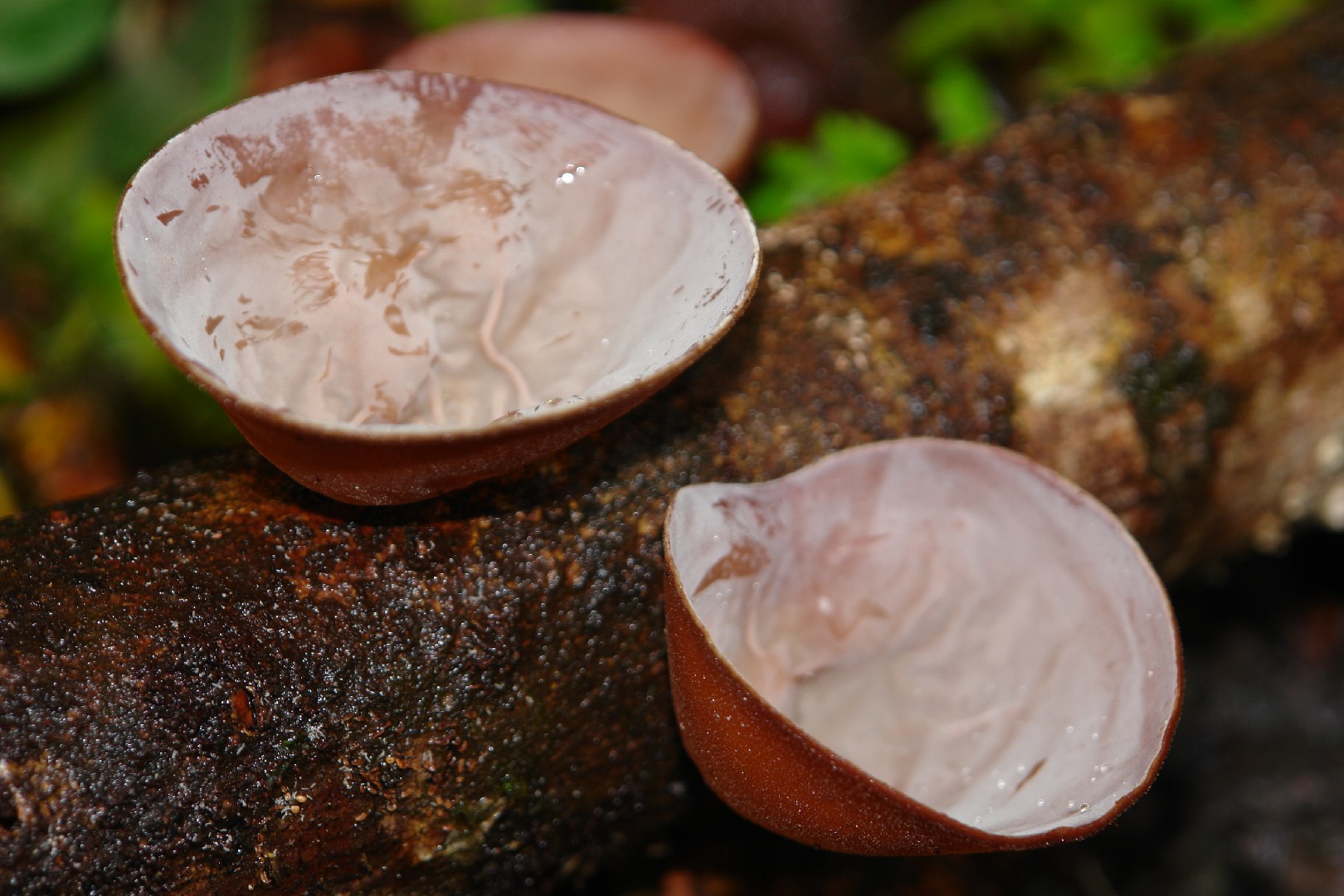
1. Wood ear
The fuzzy surface of the wood ear (Auricularia cornea) is a distinguishable characteristic of this wood-loving mushroom. The hairy, ear-shaped body transforms in color when exposed to moisture and can range from chocolate brown to dull gray.
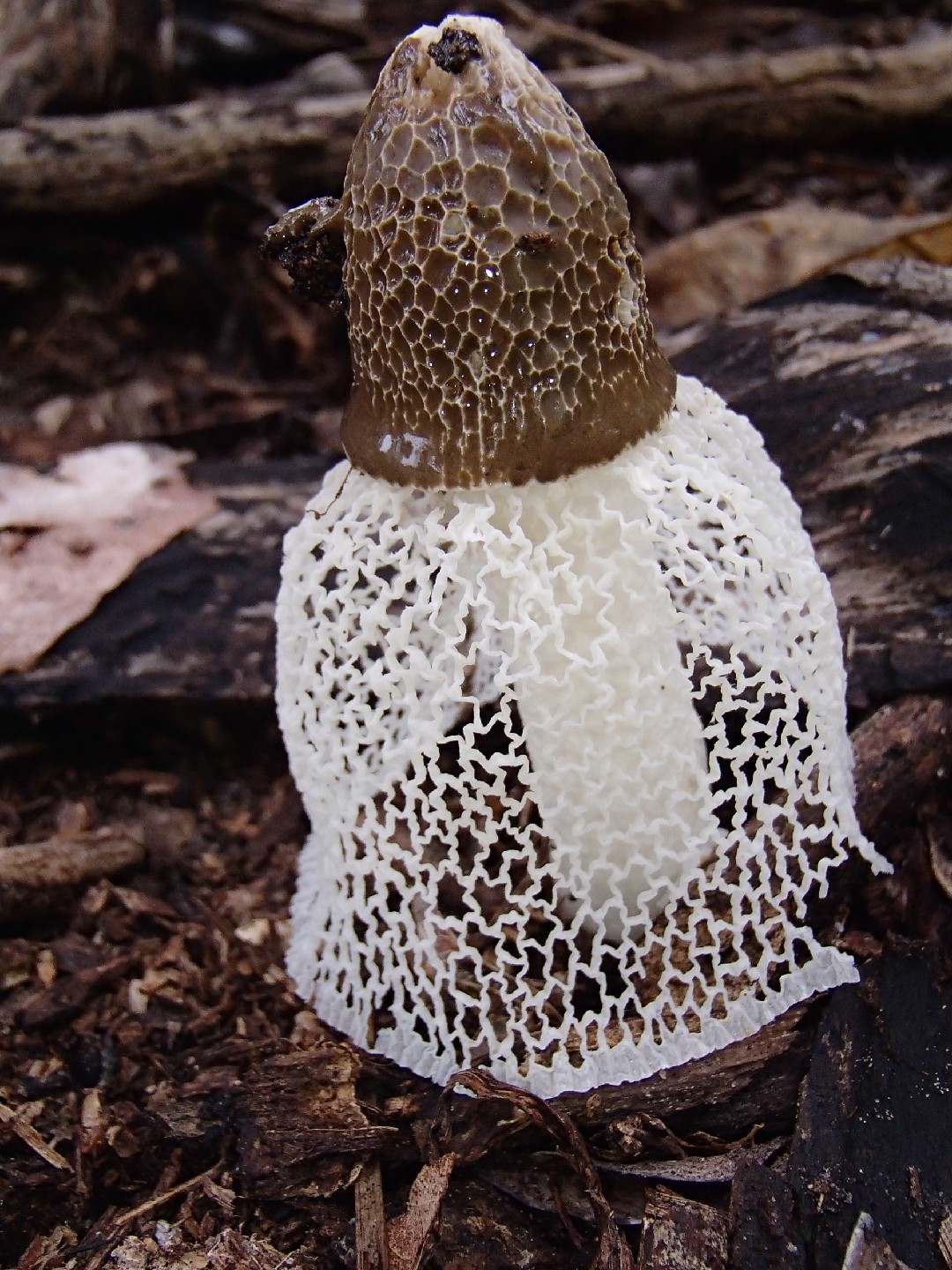
2. Bridal veil stinkhorn
Bridal veil stinkhorn (Phallus indusiatus) can be found rising up from the ground in tropical forests around the world. A distinctive netted fringe “skirt” descends from the cap along the length of the stalk. A type of “stinkhorn,” the fruitbodies of this species produce scents that vary between sickly-sweet to just plain unpleasant. The odor is meant to attract insects that usually lay their eggs in carrion.
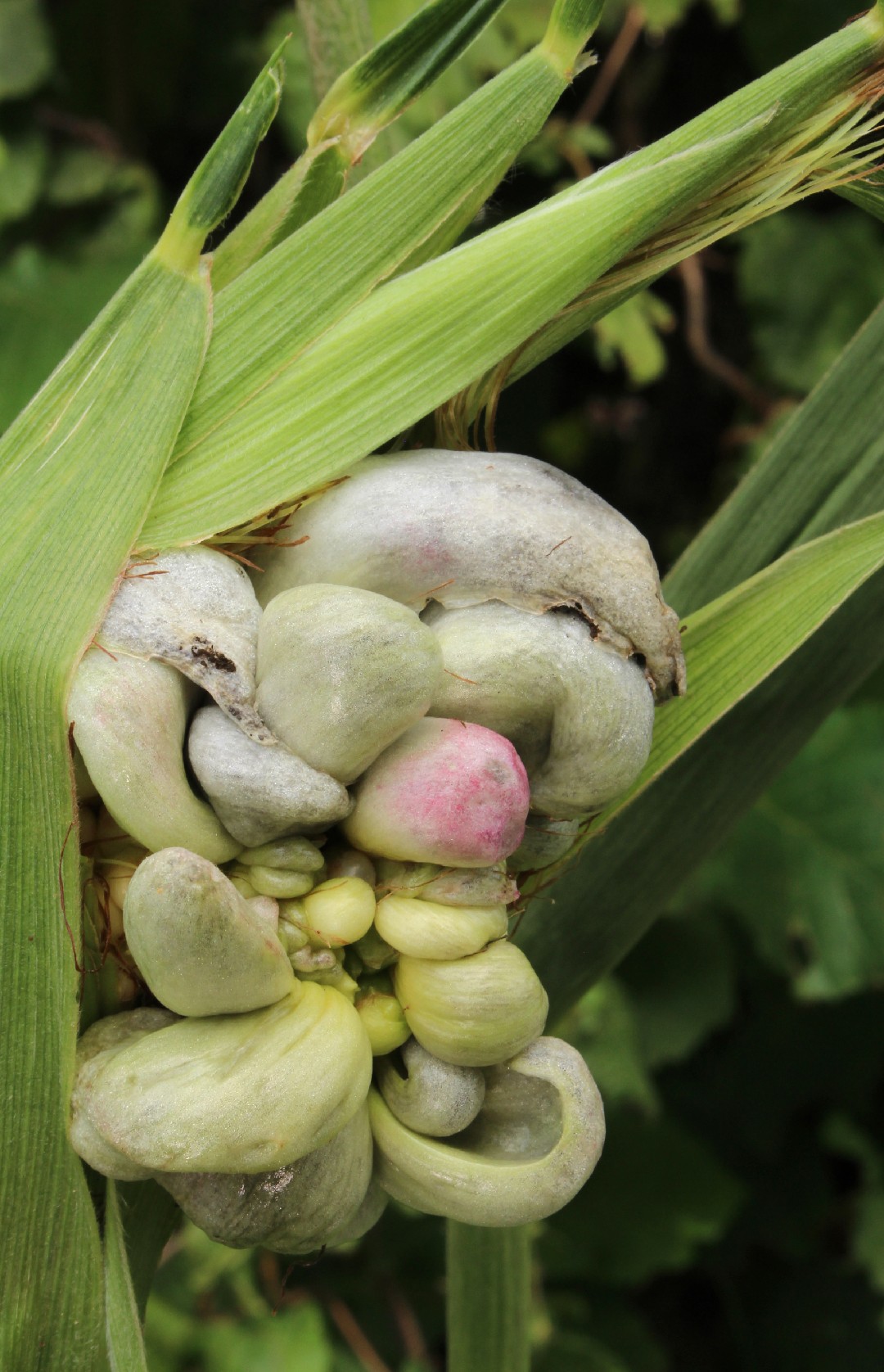
3. Corn smut
With a common name such as "corn smut," it is easy to guess that the most common place to find this crop-devastating fungus is on corn plants. The gall-shaped growths of corn smut (Ustilago maydis) are black in color with hues of grey and white closer to where they attach to the host plant. The corn will develop a scorched appearance, which is actually the smut rot.
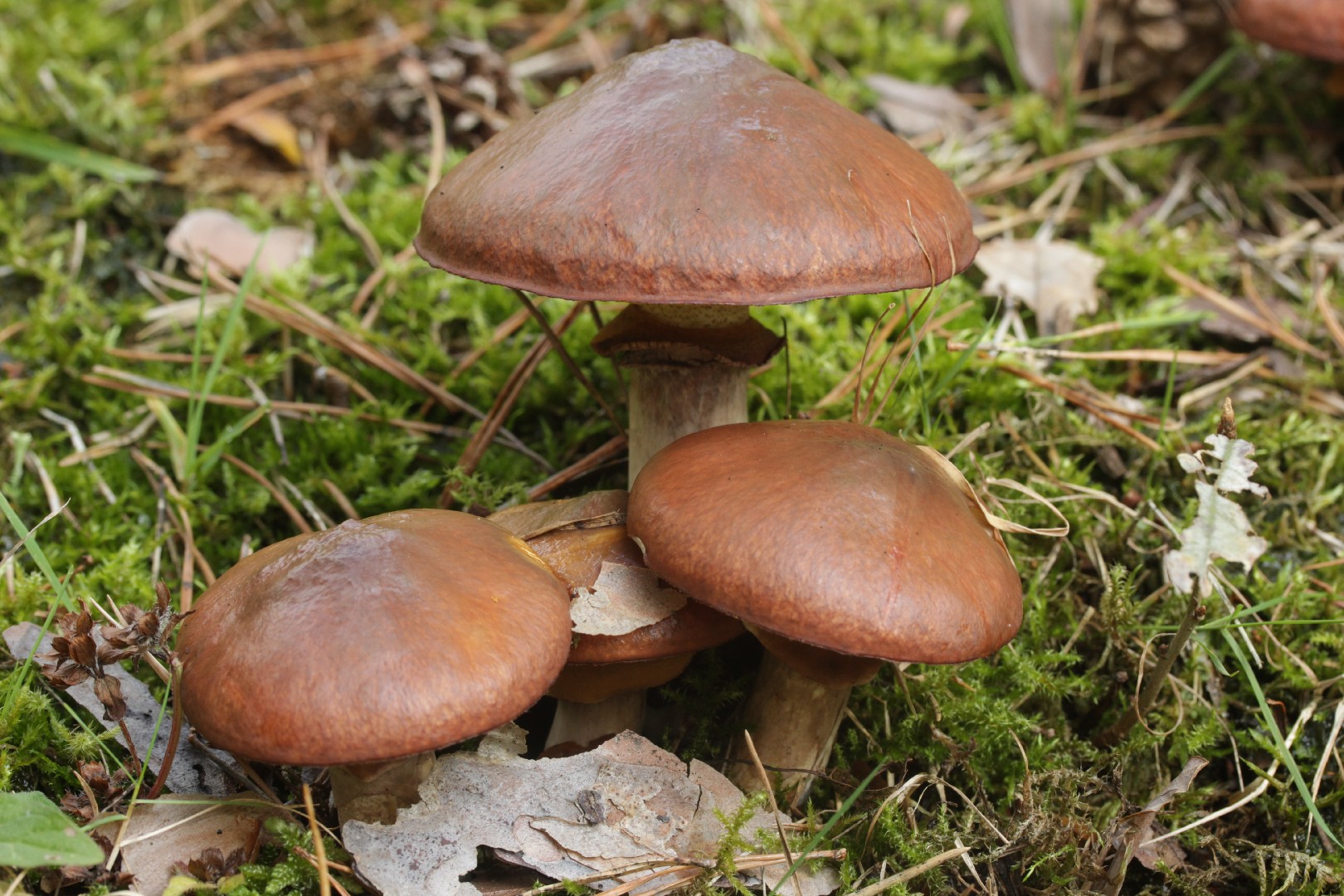
4. Slippery jack
This mushroom blooms in summer and autumn, usually near or beneath pine trees. It does well in cold climates, but can also be found further south all around the northern hemisphere. During moist weather, the slippery jack's caps become quite slimy, leading to their common name.
5. Snow fungus
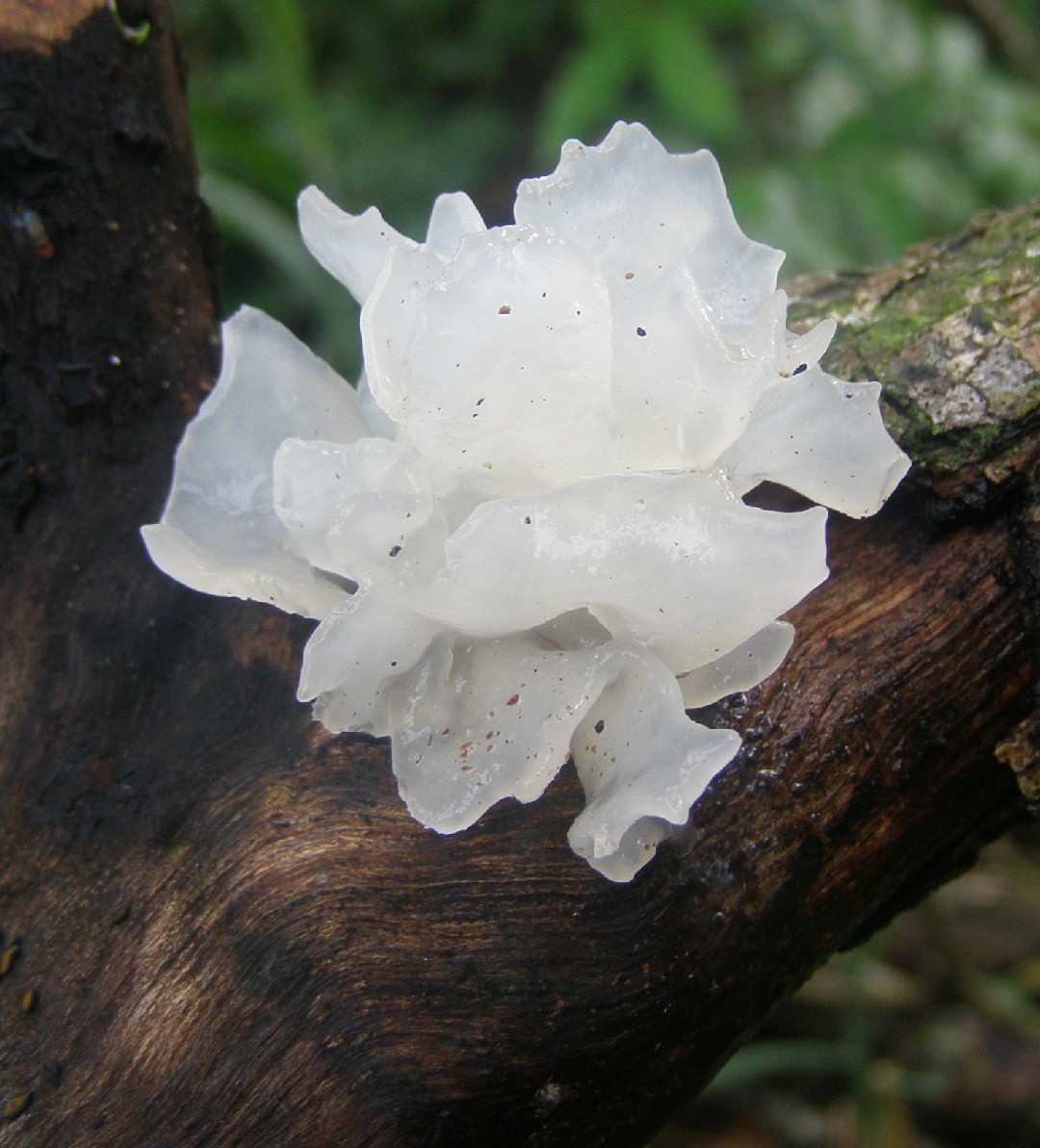
Snow fungus (Tremella fuciformis) is so-named not because it is associated with winter, but, rather, because its fruitbodies look like little piles of snow fungus on the ground. This fungus actually inhabits very warm - tropical and subtropical - locations around the globe. Snow fungus does not have much taste, but it is cultivated for culinary use across East Asia, where it is often added to thicken soups and desserts.
6. Wood ear
The fuzzy surface of the wood ear (Auricularia cornea) is a distinguishable characteristic of this wood-loving mushroom. The hairy, ear-shaped body transforms in color when exposed to moisture and can range from chocolate brown to dull gray.
7. Bridal veil stinkhorn
Bridal veil stinkhorn (Phallus indusiatus) can be found rising up from the ground in tropical forests around the world. A distinctive netted fringe “skirt” descends from the cap along the length of the stalk. A type of “stinkhorn,” the fruitbodies of this species produce scents that vary between sickly-sweet to just plain unpleasant. The odor is meant to attract insects that usually lay their eggs in carrion.
8. Corn smut
With a common name such as "corn smut," it is easy to guess that the most common place to find this crop-devastating fungus is on corn plants. The gall-shaped growths of corn smut (Ustilago maydis) are black in color with hues of grey and white closer to where they attach to the host plant. The corn will develop a scorched appearance, which is actually the smut rot.
9. Slippery jack
This mushroom blooms in summer and autumn, usually near or beneath pine trees. It does well in cold climates, but can also be found further south all around the northern hemisphere. During moist weather, the slippery jack's caps become quite slimy, leading to their common name.
10. Snow fungus
Snow fungus (Tremella fuciformis) is so-named not because it is associated with winter, but, rather, because its fruitbodies look like little piles of snow fungus on the ground. This fungus actually inhabits very warm - tropical and subtropical - locations around the globe. Snow fungus does not have much taste, but it is cultivated for culinary use across East Asia, where it is often added to thicken soups and desserts.







