




Top 20 Edible Mushrooms Popular in Sibenik
Embracing the diverse and fascinating world of mycology, let's explore the top 20 most common edible mushrooms thriving in Sibenik. Renowned for its vast expanses of woodland and fertile soil, this region offers ideal mushroom-growing conditions, creating a countless array of mycorrhizal partnerships. Each mushroom in our list will offer insights into its distinctive appearance, delectable taste, particular habitat, and the culinary uses that make it unique. Join us on this exciting journey into the heart of Sibenik, getting acquainted with its rich fungal biodiversity.
* Disclaimer: Content feedback CAN NOT be used as any basis for EATING ANY PLANTS. Some plants can be VERY POISONOUS, please purchase edible plants through regular channels.

Most Popular Edible Mushrooms
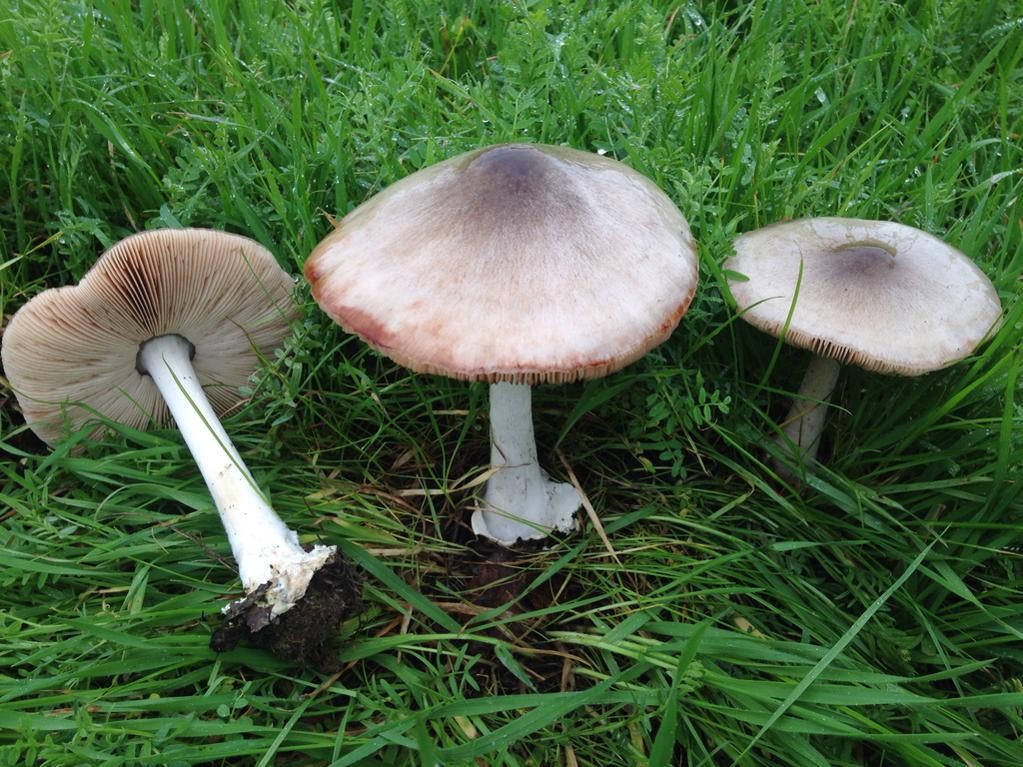
1. Big sheath mushroom
These large white mushrooms bloom all over cleared, harvested fields, as well as pastures and roadsides. The scientific species name comes from Greek words meaning “glue” (glioio) and “head” (cephalus), in reference to the sticky surface of this mushroom’s cap. The big sheath mushroom looks so similar to the poisonous Deathcap and Destroying Angel mushrooms that it should always be left alone.
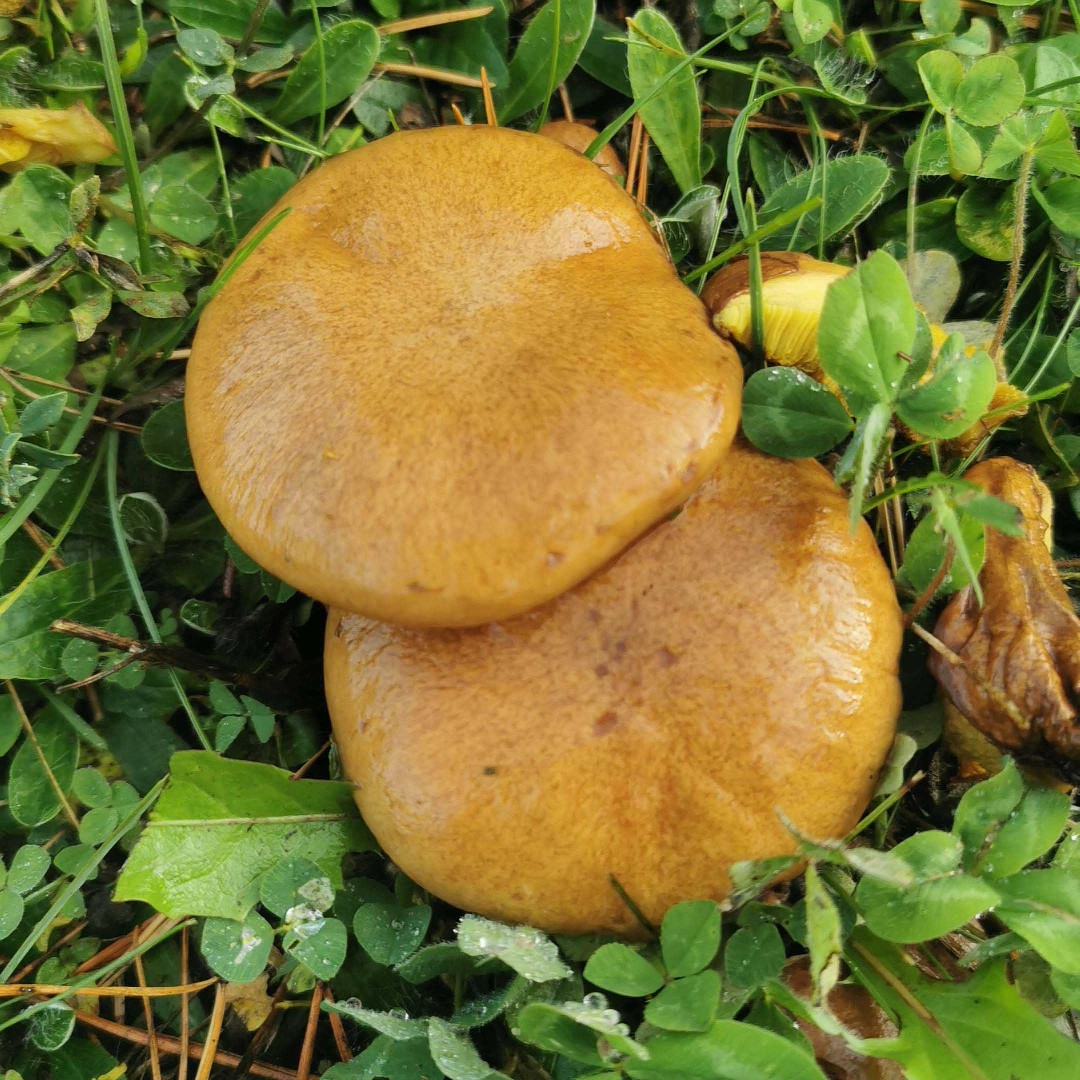
2. Suillus collinitus
Suillus collinitus is a mushroom that grows in a symbiotic relationship with pine trees, particularly the Aleppo pine. This fungus is sometimes introduced to young pine trees to help them to become established in poor soils. It was listed as an endangered species in the United Kingdom, but its 'vulnerable' classification was removed from that nation's Red Data List in 2006.
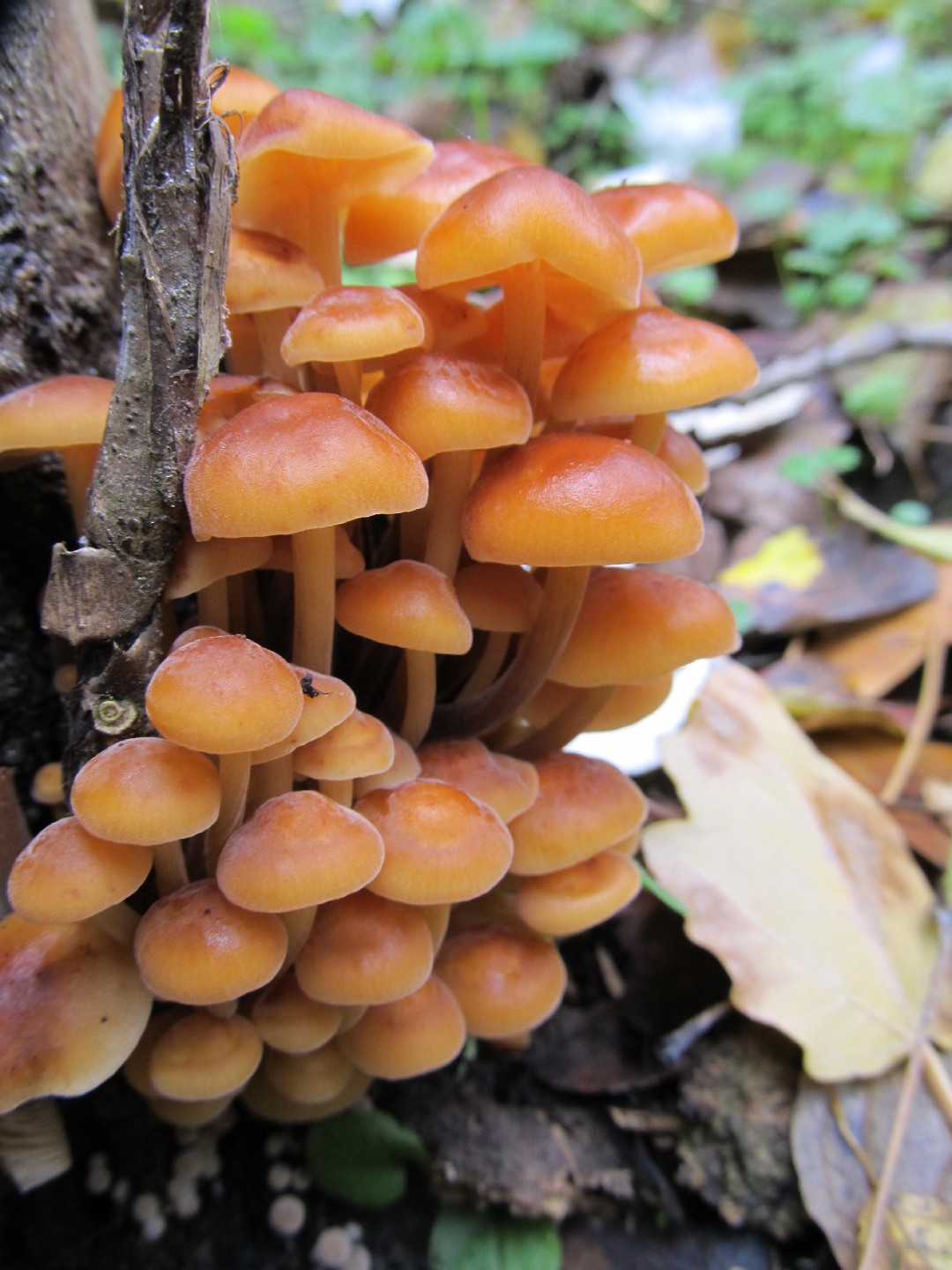
3. Enoki
The enoki grows wild on dead elm trees, and is also cultivated for human use. This flavorful species (Flammulina velutipes) has been used in dishes around the world for generations, being particularly high in nutrients. Though store-bought enoki are often plain white, wild ones can be found in a range of colors.
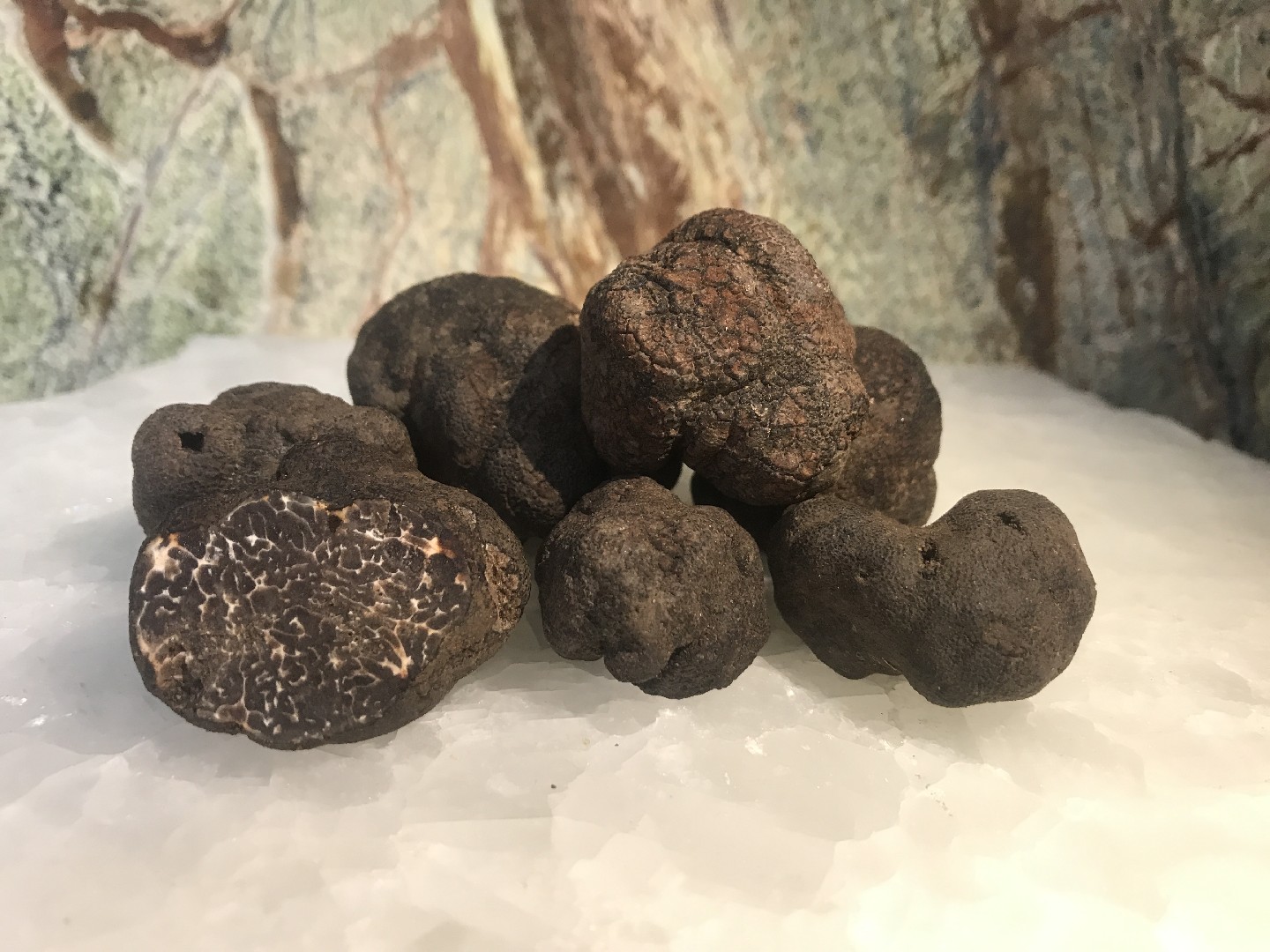
4. Black truffle
Black truffle is considered a culinary delicacy, and is consequently one of the most expensive mushrooms in the world. They can fetch a price of thousands of dollars per kilogram. This European native is highly prized and has traditionally been located in the wild with the help of specially-trained dogs and pigs. In 2010 scientists published the complete genome of the black truffle.
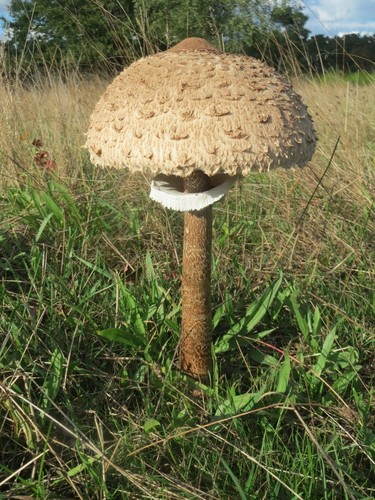
5. Parasol
Found in clearings and grassy areas in late summer, the wild parasol mushroom has a snakeskin-patterned stem. The brown spots on its cap make it look a bit shaggy, but that name is reserved for its poisonous counterpart, the Shaggy Parasol (Chlorophyllum rhacodes). You can distinguish the two by the stems: the latter has a smooth stem and red flesh inside.
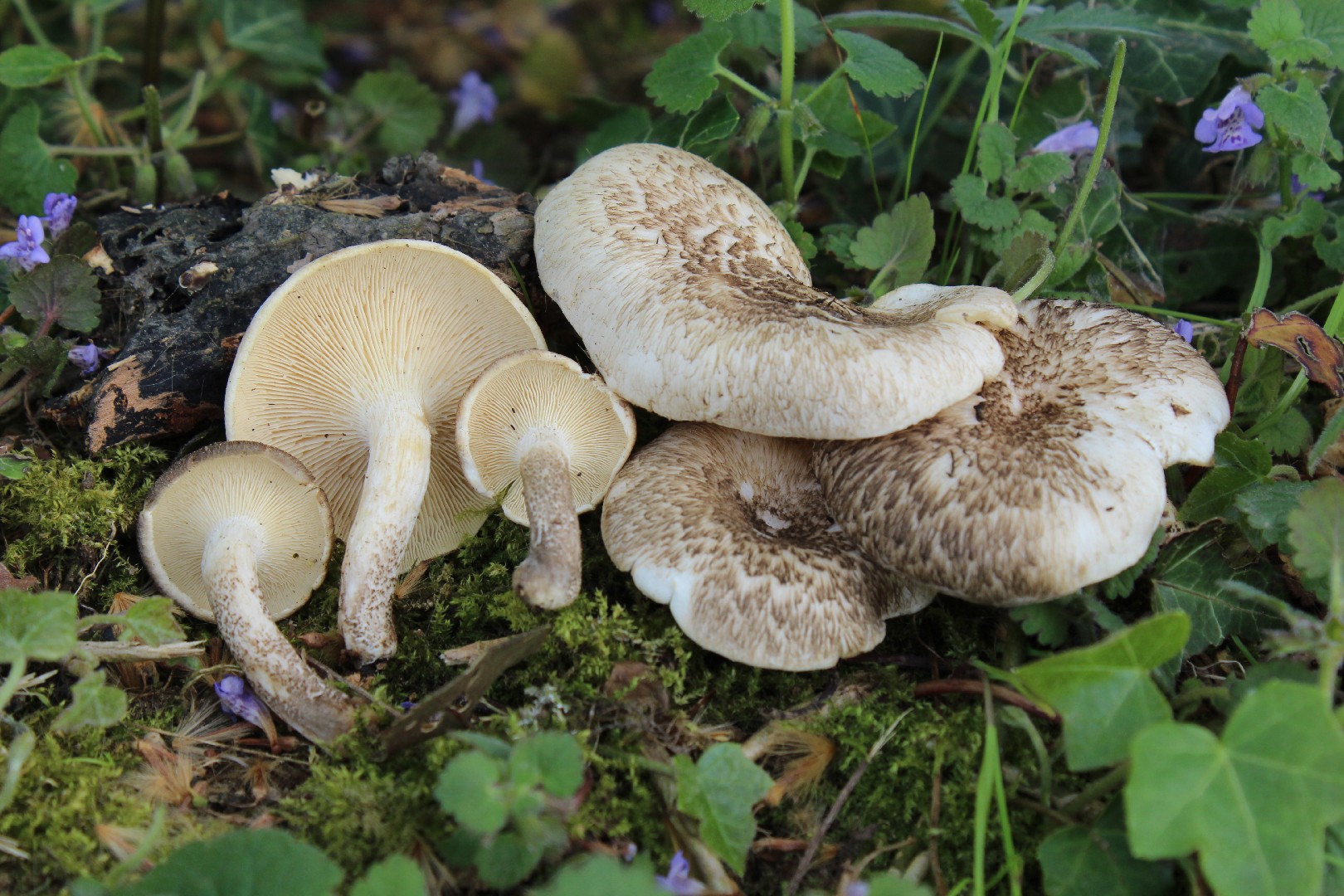
6. Tiger sawgill
The tiger sawgill (Lentinus tigrinus) is a small mushroom with a name that is not particularly accurate. Sporting neither the color nor the pattern that we commonly associate with the tiger, it has a subdued, pale cap that is usually covered in brown patches. The eighteenth-century European that named the species may have been thinking of a leopard.
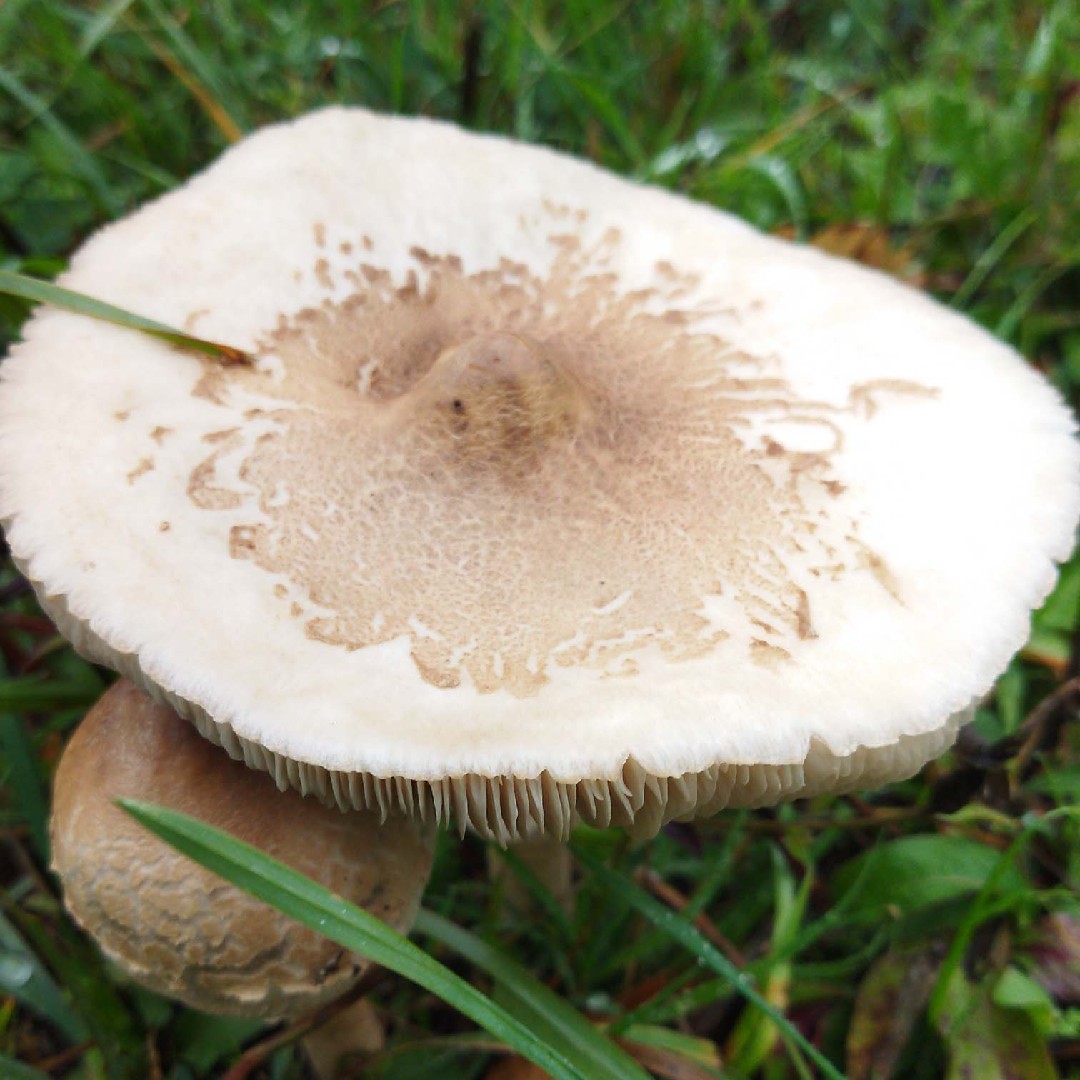
7. Slender parasol
Slender parasol (Macrolepiota mastoidea) is a large and quite common white mushroom that is characterized by a double ring usually present on its stem. The Latin name mastoidea means breast-like and refers to the raised nipple-like point on the top of the crown. This mushroom prefers calcareous soils.
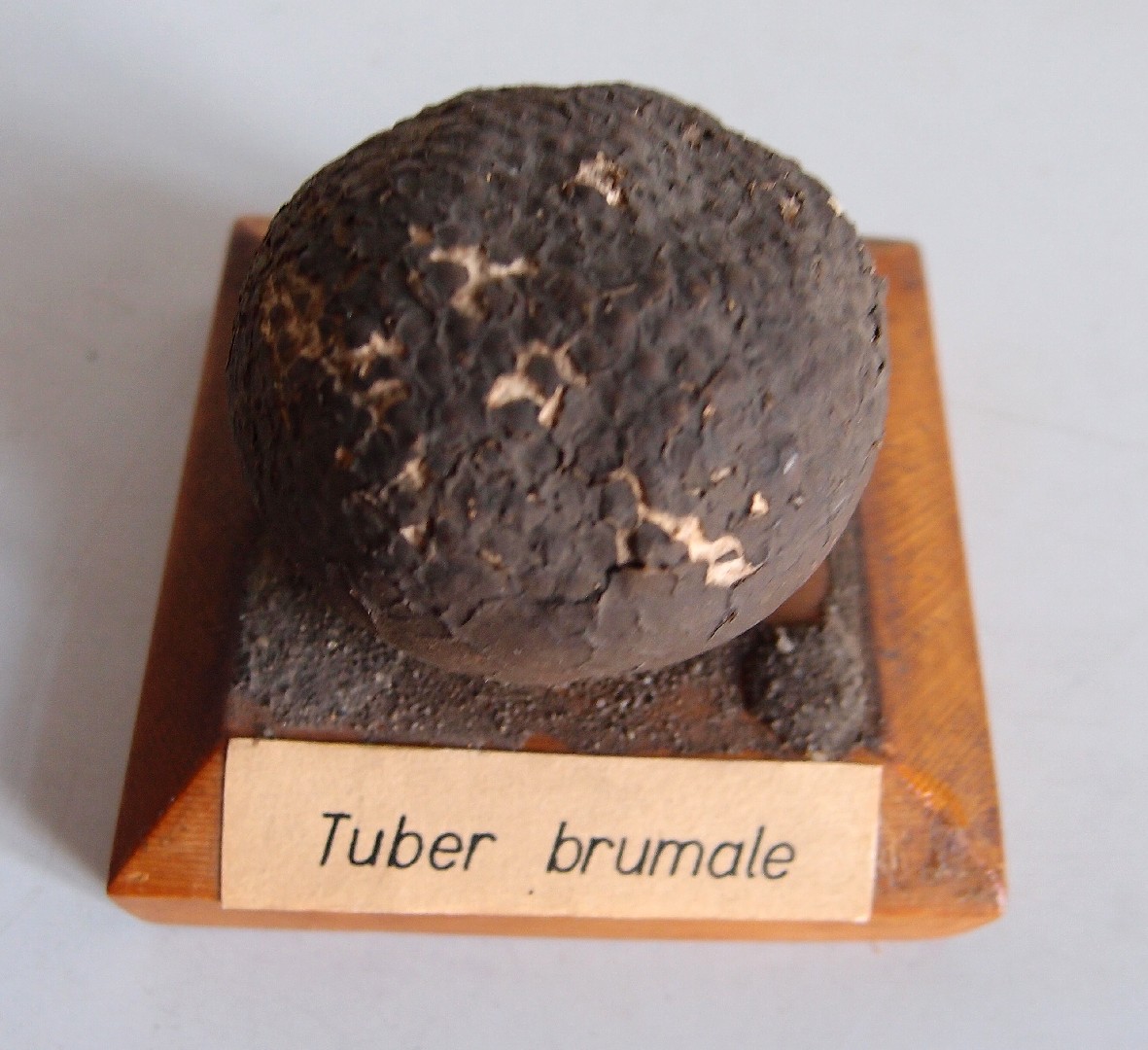
8. Muscat truffle
The winter truffle is collected at the same time as the black truffle, looks the same on the outside and is quite rare. The braid of broad veins is less dense than that of the black truffle. Smell and taste are also less intensive.
9. Snowy waxcap
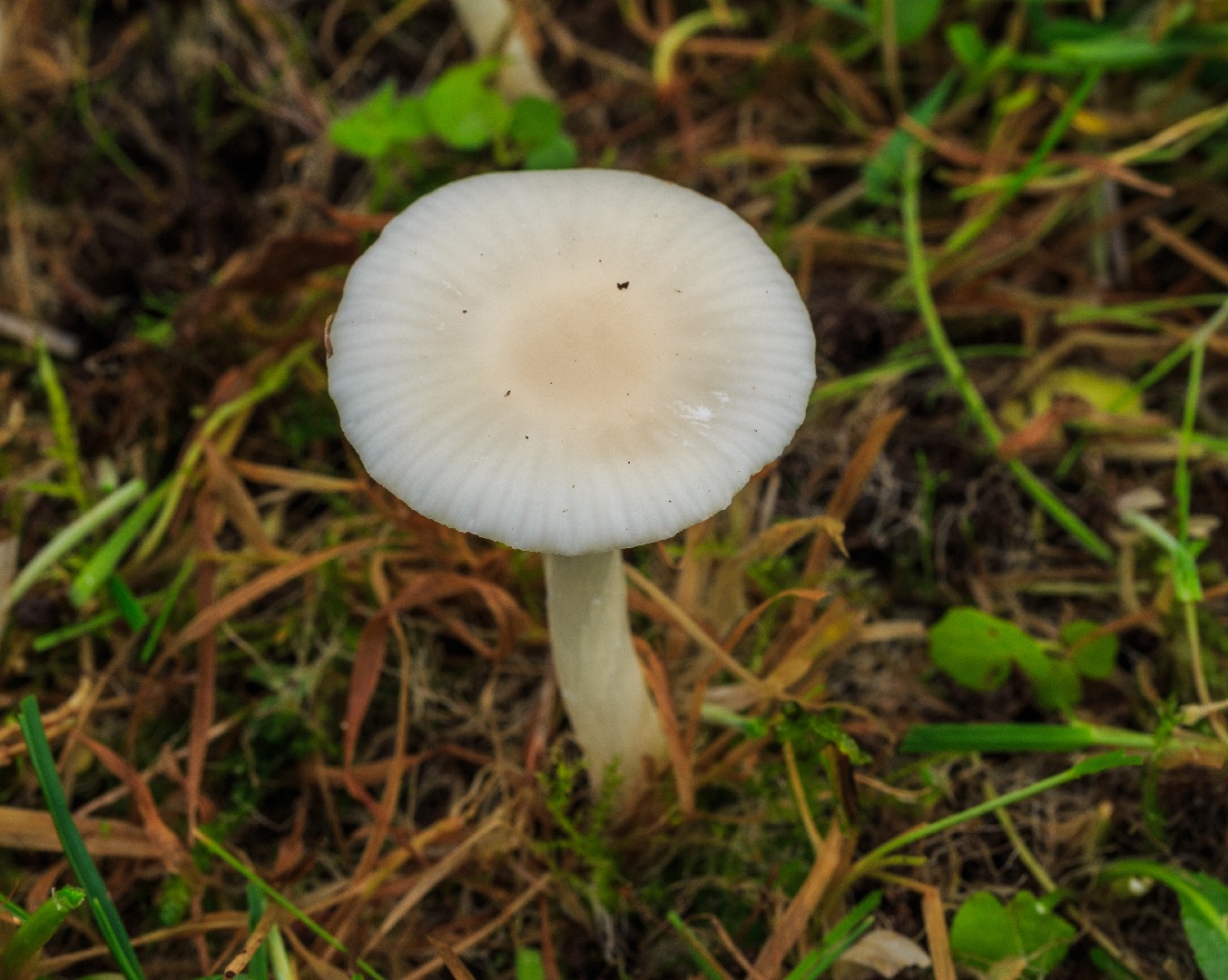
The snowy waxcap is so-named because its stalk, cap, and gills are often uniformly white; however, tinges of tan or peach may occur with age, especially on the center of the cap. The species can be found in temperate grasslands and woodlands across the northern hemisphere, and in some parts of Australia.
10. Blewit
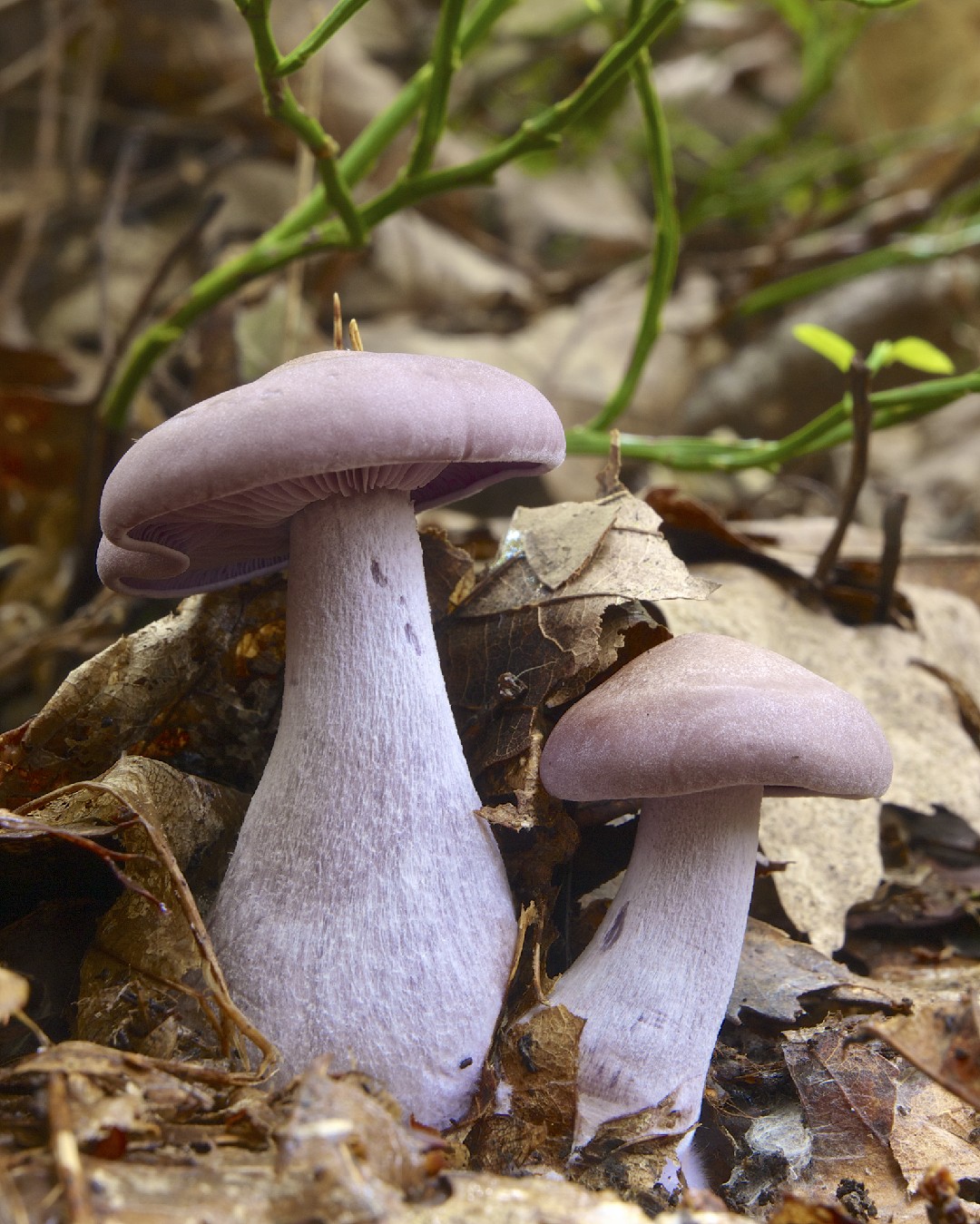
The blewit mushroom grows in fallen leaves in autumn and winter, sometimes appearing in ‘fairy ring’ circles. It can be used to make a green dye when chopped and boiled in an iron pot. The scientific name, Lepista nuda, derives from Latin words meaning “bare goblet,” a reference to the shape and texture of the mushroom.
More







