




Top 20 Edible Mushrooms Popular in Yunnan
Dive into the wilderness of Yunnan, a landscape brimming with fungal diversity. This region boasts an array of lands from verdant forests to towering mountains, creating the perfect playground for mycologists. Discover the top 20 most common edible mushrooms native to this wonderland. Learn about their unique features, enticing flavors, and various uses in the culinary world while understanding their natural habitats within Yunnan. You're in for a treat as we explore these admirable gifts of nature. Stay curious and explore responsibly!
* Disclaimer: Content feedback CAN NOT be used as any basis for EATING ANY PLANTS. Some plants can be VERY POISONOUS, please purchase edible plants through regular channels.

Most Popular Edible Mushrooms
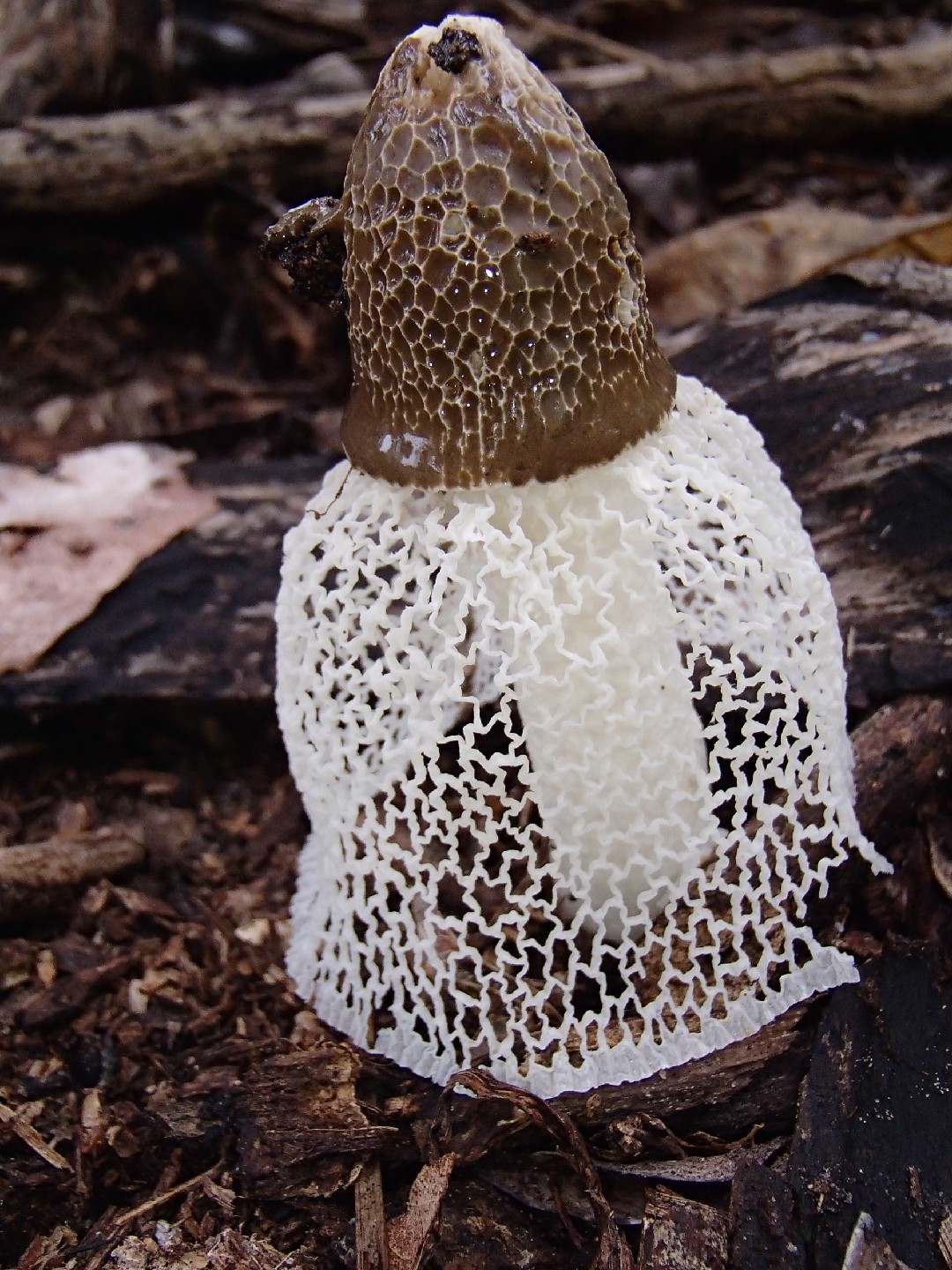
1. Bridal veil stinkhorn
Bridal veil stinkhorn (Phallus indusiatus) can be found rising up from the ground in tropical forests around the world. A distinctive netted fringe “skirt” descends from the cap along the length of the stalk. A type of “stinkhorn,” the fruitbodies of this species produce scents that vary between sickly-sweet to just plain unpleasant. The odor is meant to attract insects that usually lay their eggs in carrion.
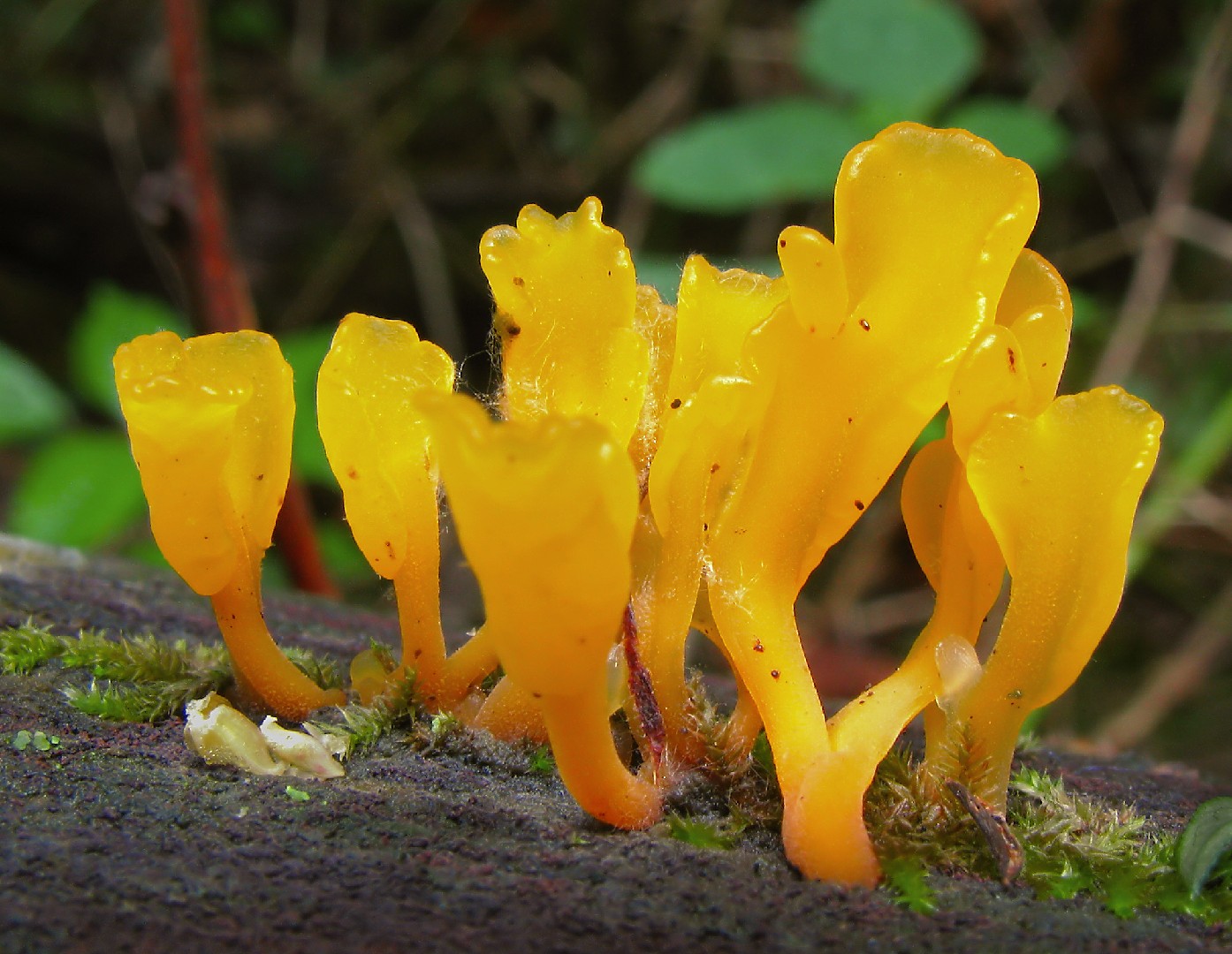
2. Fan-shaped jelly-fungus
Just as its Latin and the common English names suggest, the fan-shaped jelly-fungus (Dacryopinax spathularia) is a fan-shaped or spatula-shaped jelly-like mushroom. It commonly grows in wood cracks and it sometimes even appears in the cracks of the processed wood and lumber. Despite the word "jelly" in its name, the fan-shaped jelly-fungus is not considered edible.
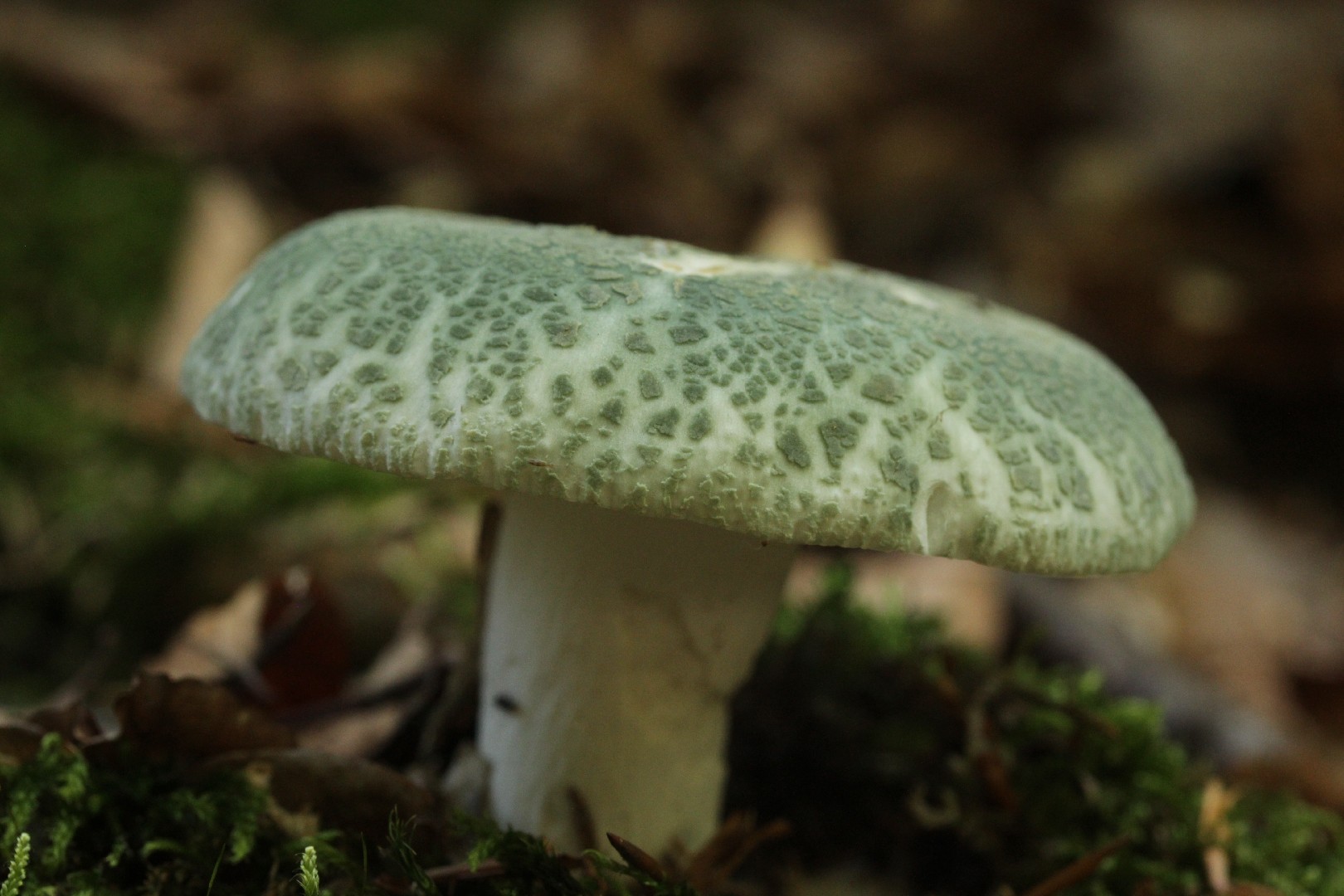
3. Green-cracking russula
Green-cracking russula (Russula virescens) is easily recognized by its pale green cap and its preference for deciduous and mixed forests. An Old World species, its presence in North America has not yet been confirmed due to several cases of potentially mistaken identity with R. parvovirescens and R. crustosa, which are visually similar to Russula virescens.
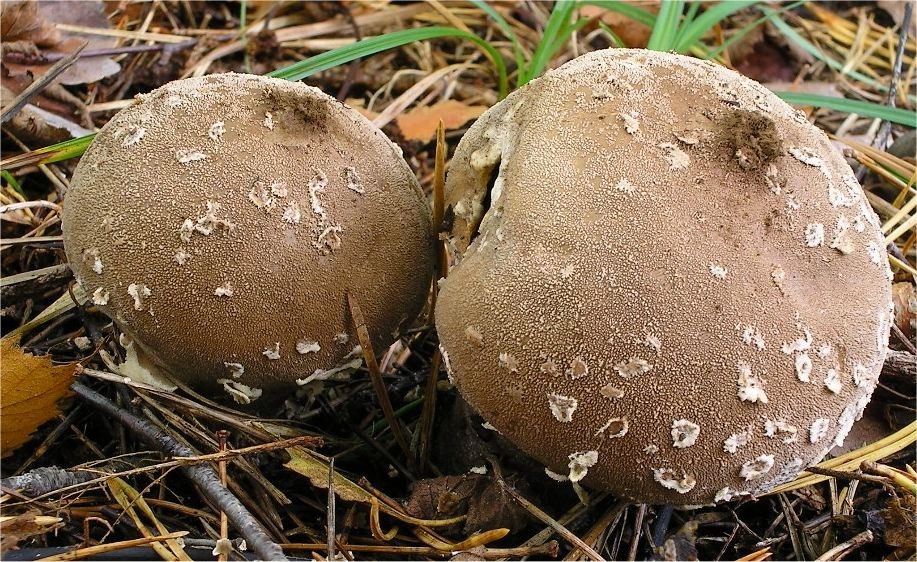
4. Flaky puffball
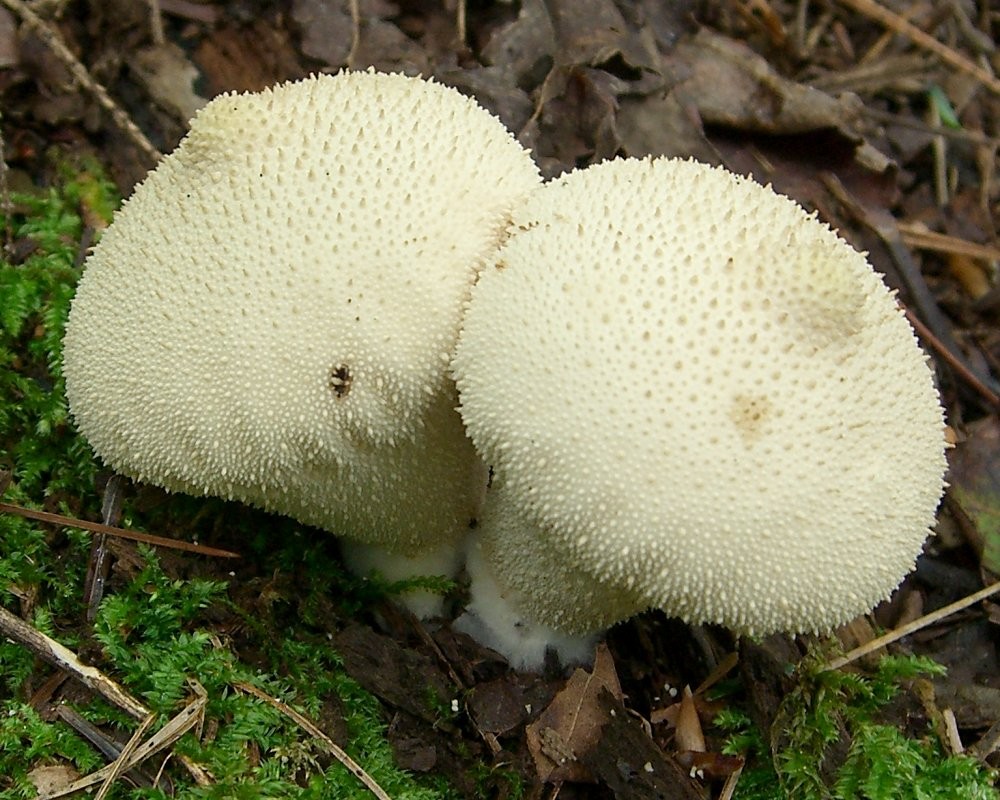
5. Common puffball
These puffy mushrooms grow in small groups on the forest floor. Once they're mature, common puffballs turn yellow and "puff out" smoke-like spore clouds when disturbed. Be very careful when identifying these mushrooms, as their young, immature form looks very similar to the lethal Deathcap.
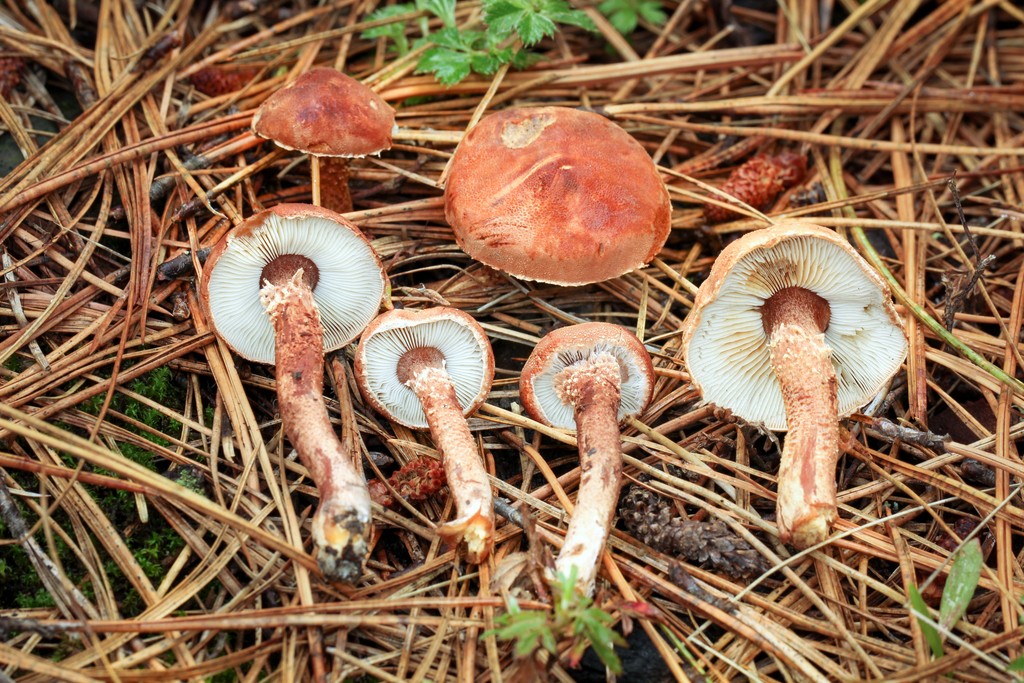
6. Cystodermella granulosa
The fruits of cystodermella granulosa can usually be spotted beneath young fir trees. It may be identified using its granulated reddish-brown cap. Cystodermella granulosa can be mistaken for the more slender C. Amianthinum.

7. American slippery jack
A common sight underneath white pines in the summertime, the american slippery jack lives up to its name with its slimy cap, reminiscent of chicken fat's consistency. The subdued, yellow-brown hue is also the same color.
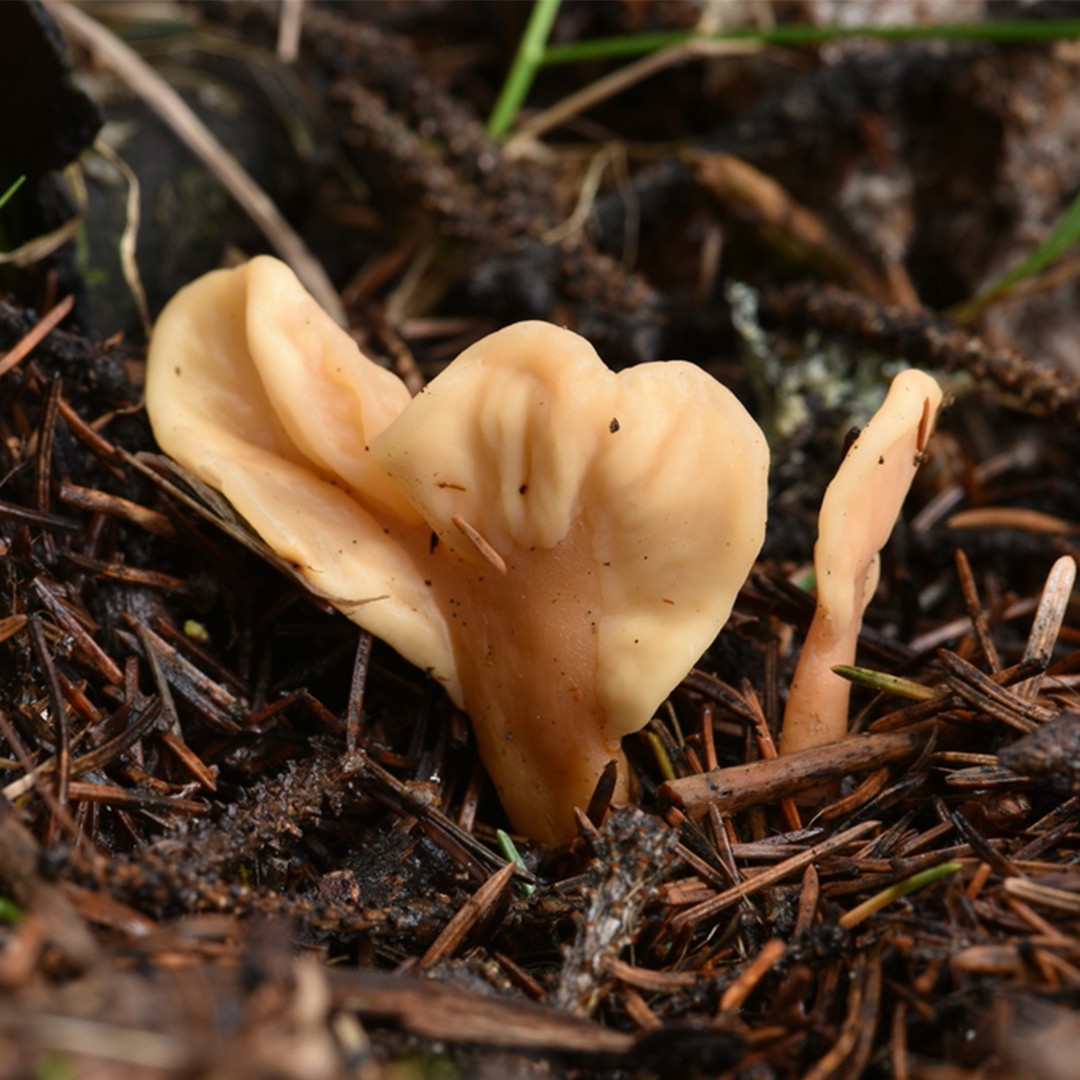
8. Yellow fan
The fan- or spoon-shaped fruit bodies of S. flavida may be up to 8 cm (3.1 in) high, although a range between 2–5 cm (0.8–2.0 in) is more typical. Occasionally, fruit bodies are produced with the "head" split into two separate lobes. The color is light to strong yellow, the flattened fertile area at times paler; the color tends to deepen with the age of the fruit body. The fertile area (the region that produces spores) is often irregularly wrinkled and sometimes notched at apex, and is up to 2 cm (0.8 in) wide; it tapers down the length of either side of the stem (i.e., decurrently) from a half to a third of the total stem length. The division between the head and the stem is sharply defined. The stem is hollow, smooth (glabrous), and has a white to yellowish mycelium at its base. The flesh of the fruit body is whitish, but becomes yellowish-brown when dry. The edibility of Spathularia flavida is variously described as untested, unknown, or "edible, but rather tough". The small size would likely discourage table use. The odor and taste are not distinctive. 

9. Shaggy mane
The shaggy mane mushroom is commonly found in North American and European grasslands. Some peoples foraged for its young egg-shaped caps, but it has more recently been found to be a bioaccumulator of heavy metals, meaning it pulls toxic metals up from the soil where it grows. As a result, shaggy manes should not be eaten. The mushrooms usually appear in clusters or “fairy rings.”
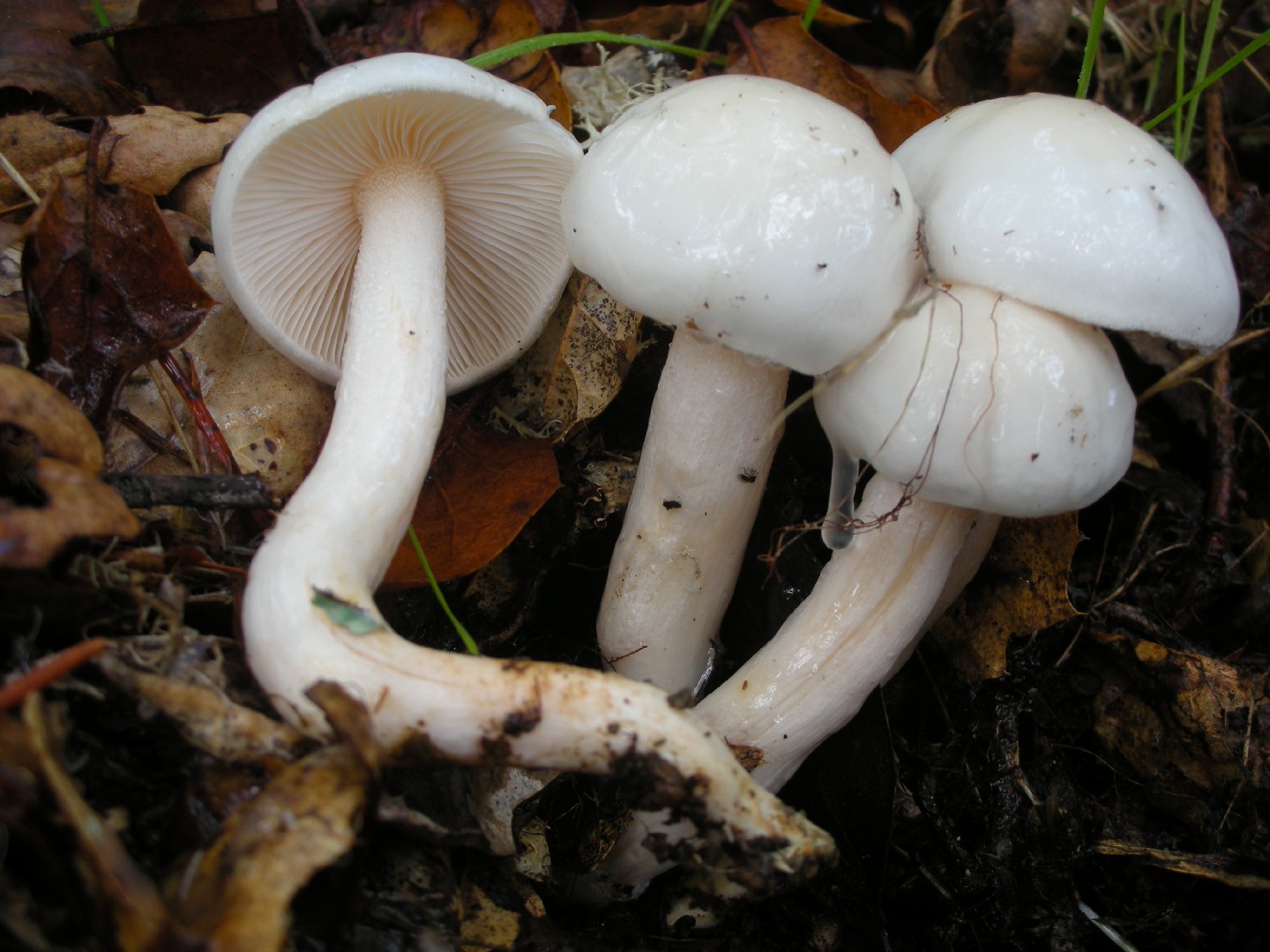
10. Ivory woodwax
Ivory woodwax (Hygrophorus eburneus) prefers to sprout in moist and loamy soil. Common to thickets and similarly grassy areas, this species is easily identifiable due to its color and its slimy, almost waxlike coating. Specimens have been recorded in Europe, North American and Northern Africa.
More







