




Top 20 Edible Mushrooms Popular in Saskatchewan
Renowned for its expansive boreal forests, Saskatchewan offers an ideal setting for mushroom enthusiasts. Discover the top 20 most prevalent edible fungi found here. You'll learn about each species' unique features including their distinct visual markers, exquisite flavors, natural habitats, and popular culinary applications. Whether you're foraging for dinner or expanding your knowledge, these edible fungi play a vital role in Saskatchewan's ecosystem and cuisine. Stay tuned for a fascinating, educational journey in the world of mushrooms.
* Disclaimer: Content feedback CAN NOT be used as any basis for EATING ANY PLANTS. Some plants can be VERY POISONOUS, please purchase edible plants through regular channels.

Most Popular Edible Mushrooms

1. Shaggy mane
The shaggy mane mushroom is commonly found in North American and European grasslands. Some peoples foraged for its young egg-shaped caps, but it has more recently been found to be a bioaccumulator of heavy metals, meaning it pulls toxic metals up from the soil where it grows. As a result, shaggy manes should not be eaten. The mushrooms usually appear in clusters or “fairy rings.”
2. Elm oyster
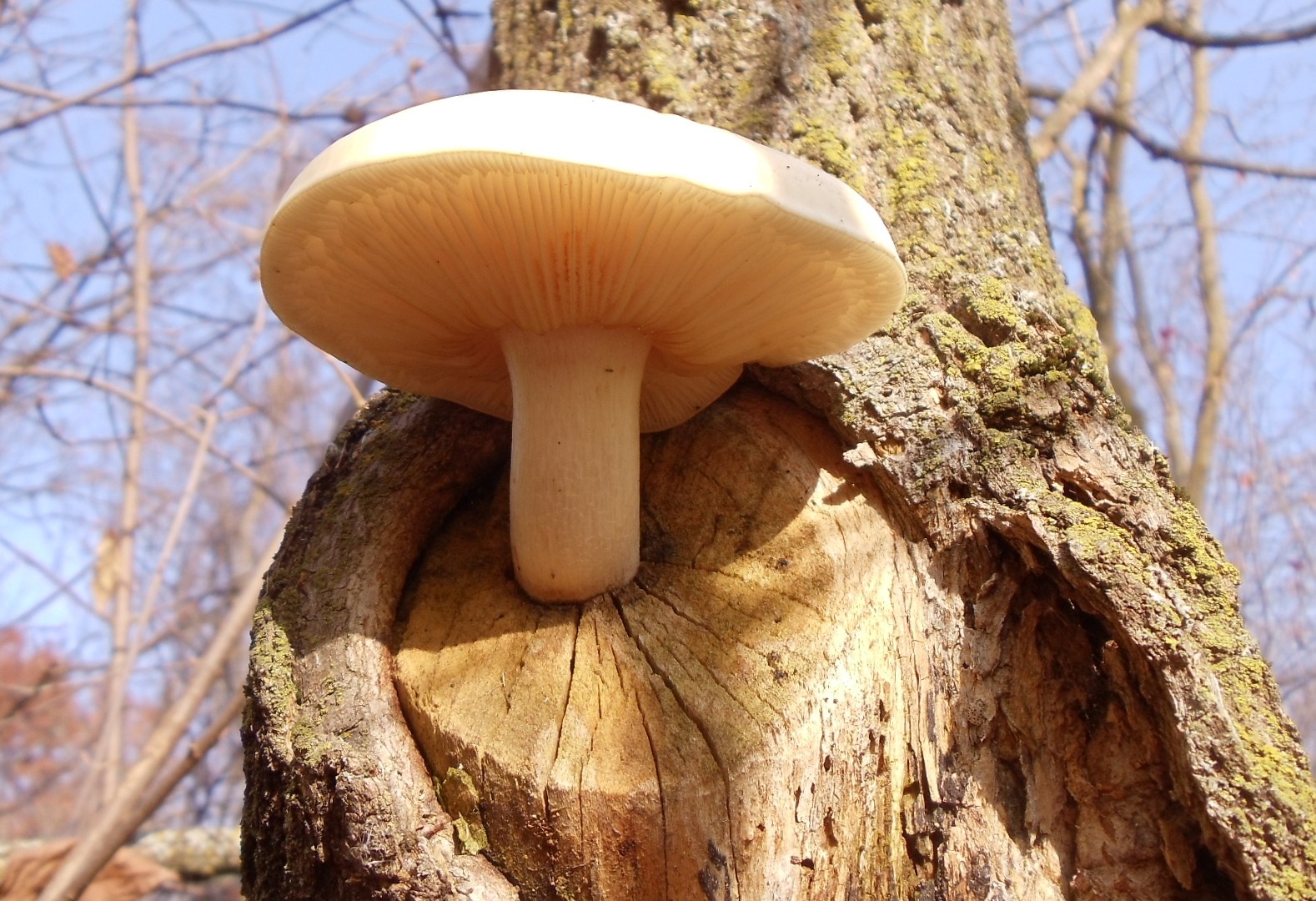
As its common name suggests, the elm oyster(Hypsizygus ulmarius) is most commonly found fruiting on elm trees. Its scientific name references its tendency to position itself in the higher points of any individual tree. The fruit bodies may grow alone or in small clusters of two or three, and rarely more.
3. Coral tooth fungus
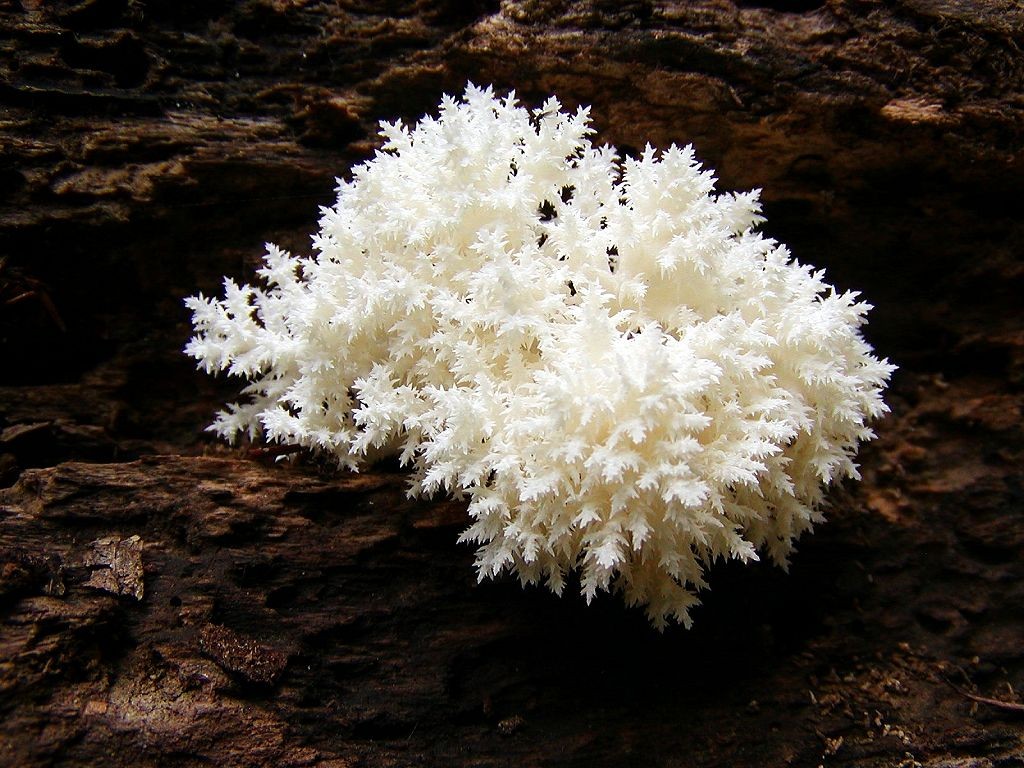
Coral tooth fungus (Hericium coralloides) is a species of coral mushroom most frequently sighted on dead or decaying hardwoods. Generally, younger specimens are white and become increasingly yellowish as they mature. Found around the world, the Māori refer to this species as pekepekekiore.
4. Enoki
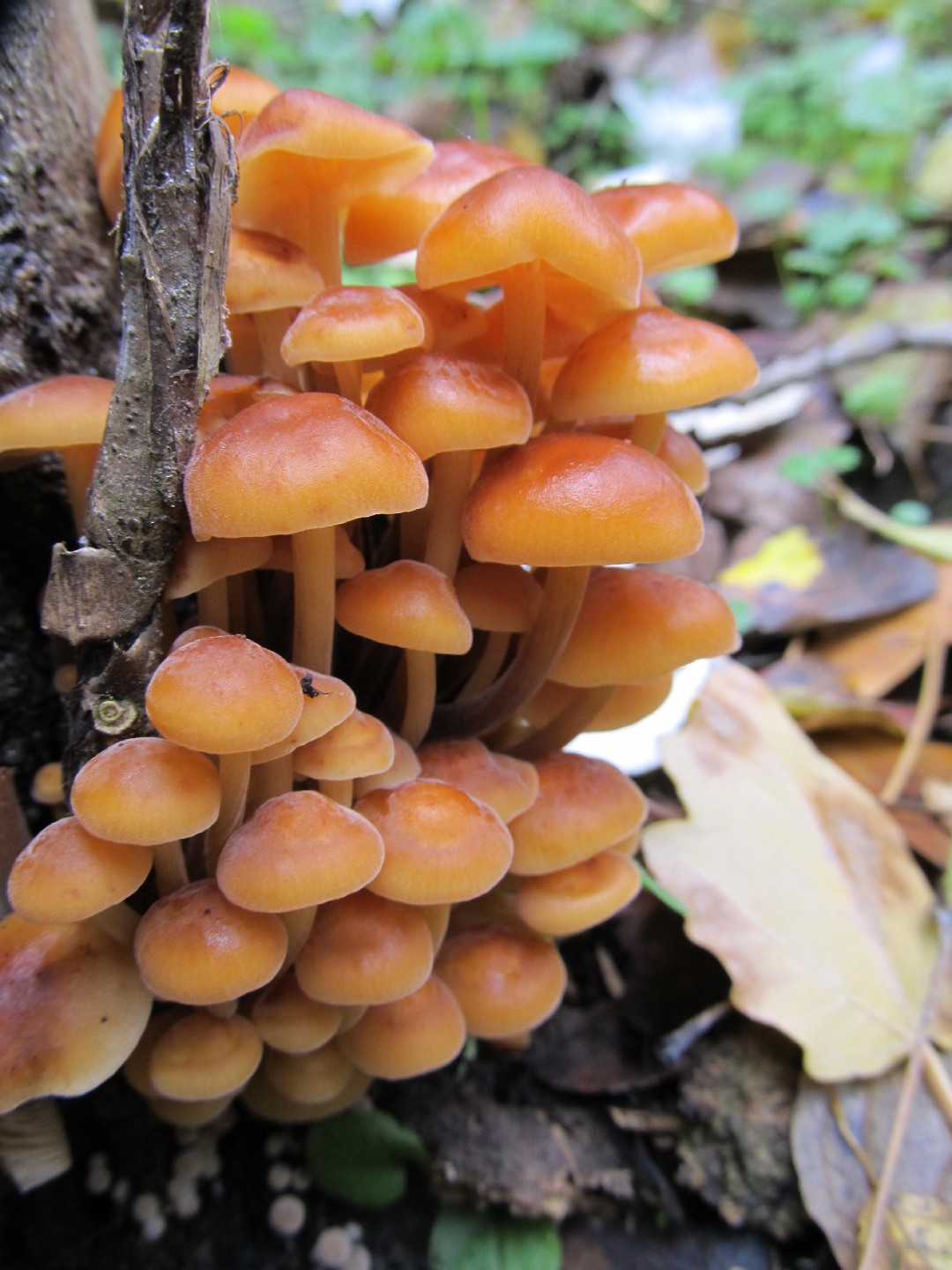
The enoki grows wild on dead elm trees, and is also cultivated for human use. This flavorful species (Flammulina velutipes) has been used in dishes around the world for generations, being particularly high in nutrients. Though store-bought enoki are often plain white, wild ones can be found in a range of colors.
5. Meadow mushroom
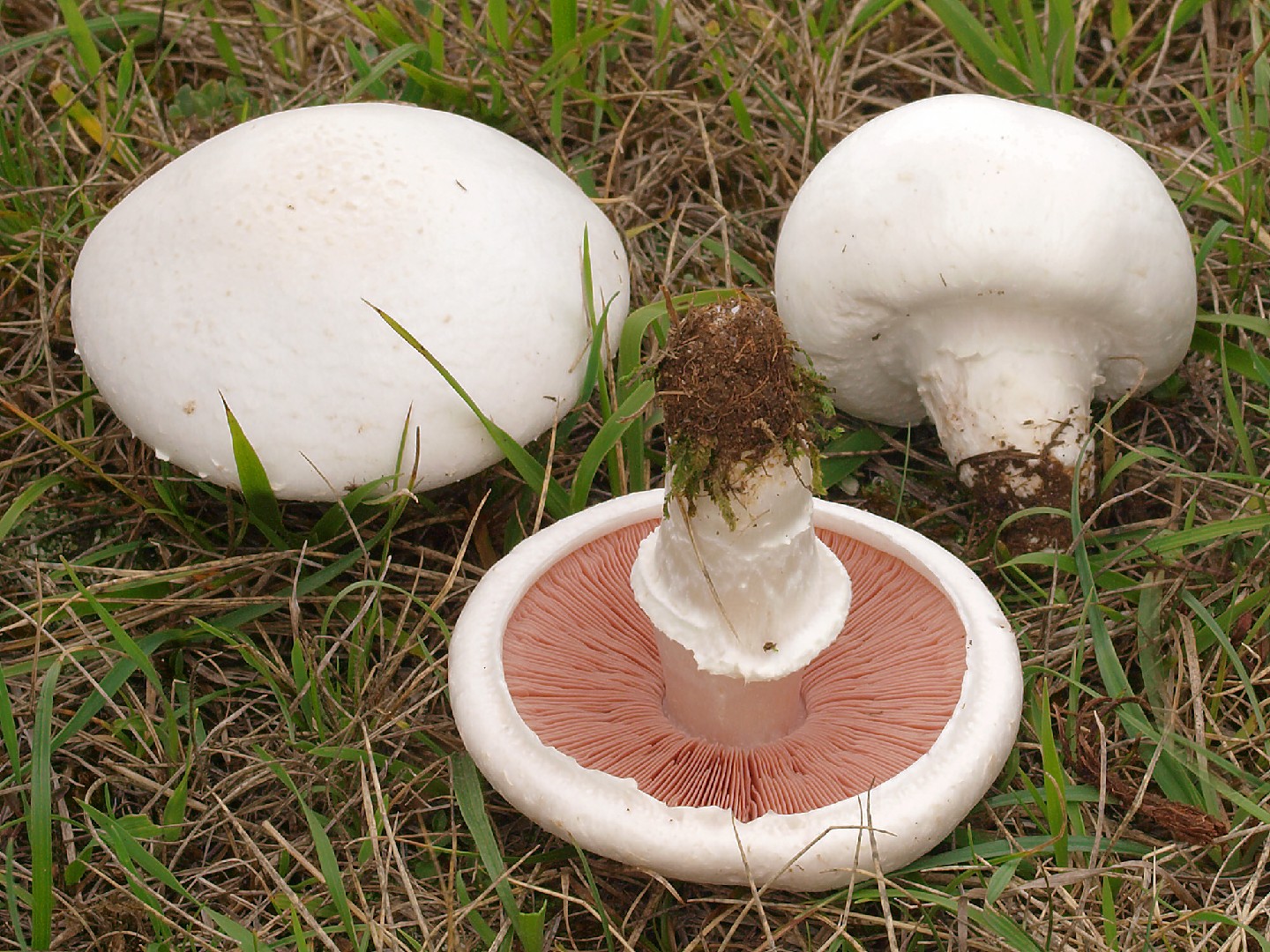
The meadow mushroom grows in meadows and pastures around the world—especially those rich in manure—when the weather is warm and wet. They are known to appear in “fairy ring” shapes. Originally identified in Europe, it is possible that North American specimens identified as meadow mushrooms may genetically belong to other species.
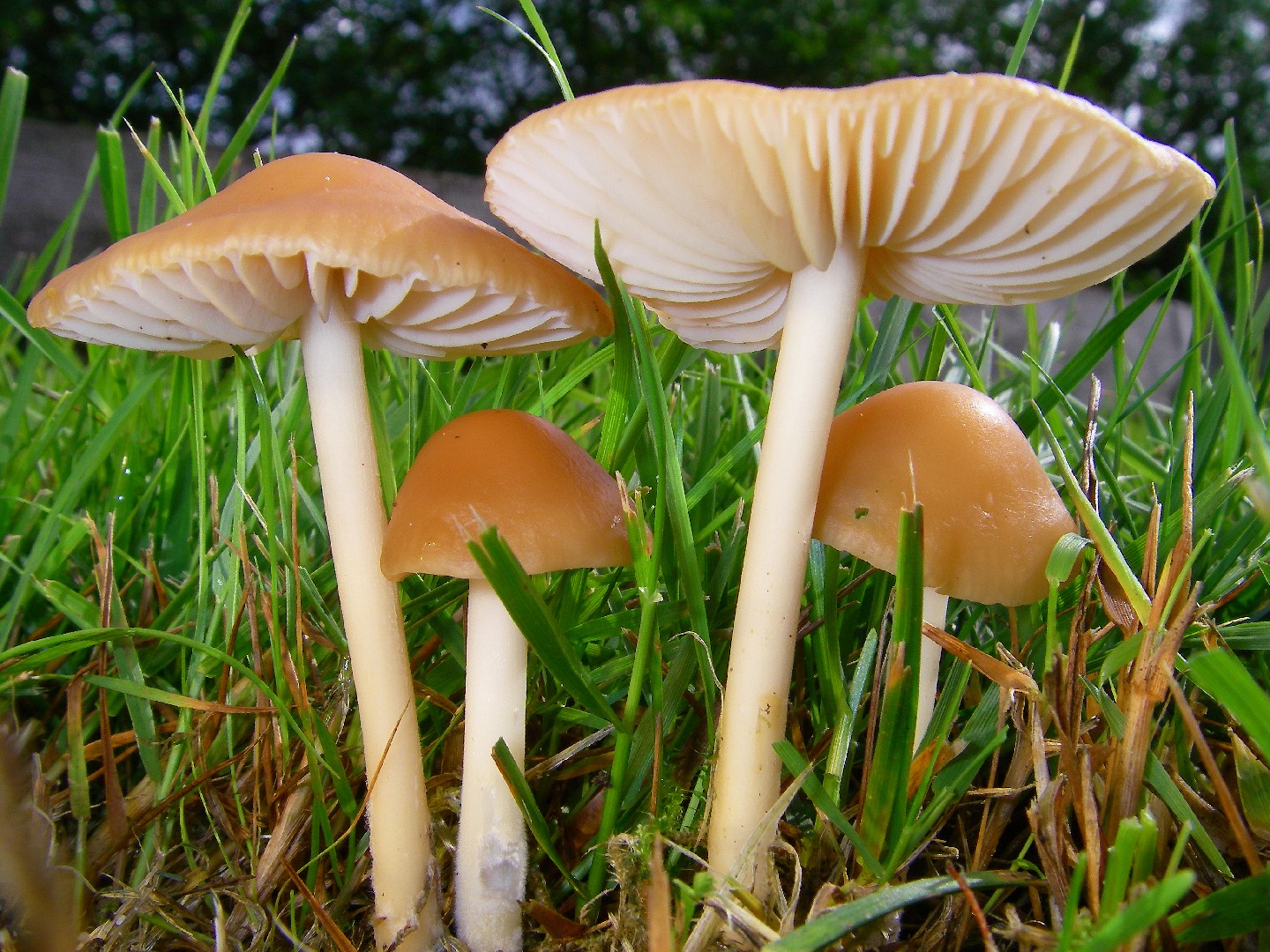
6. Fairy ring mushroom
Fairy ring mushrooms may dry out completely in the sun, but will “resurrect” during the next rain and regain their ability to make new spores. This is due to a sugar called trehalose which protects their cells. They appear in lawns and fields, sometimes in “fairy ring” configurations.
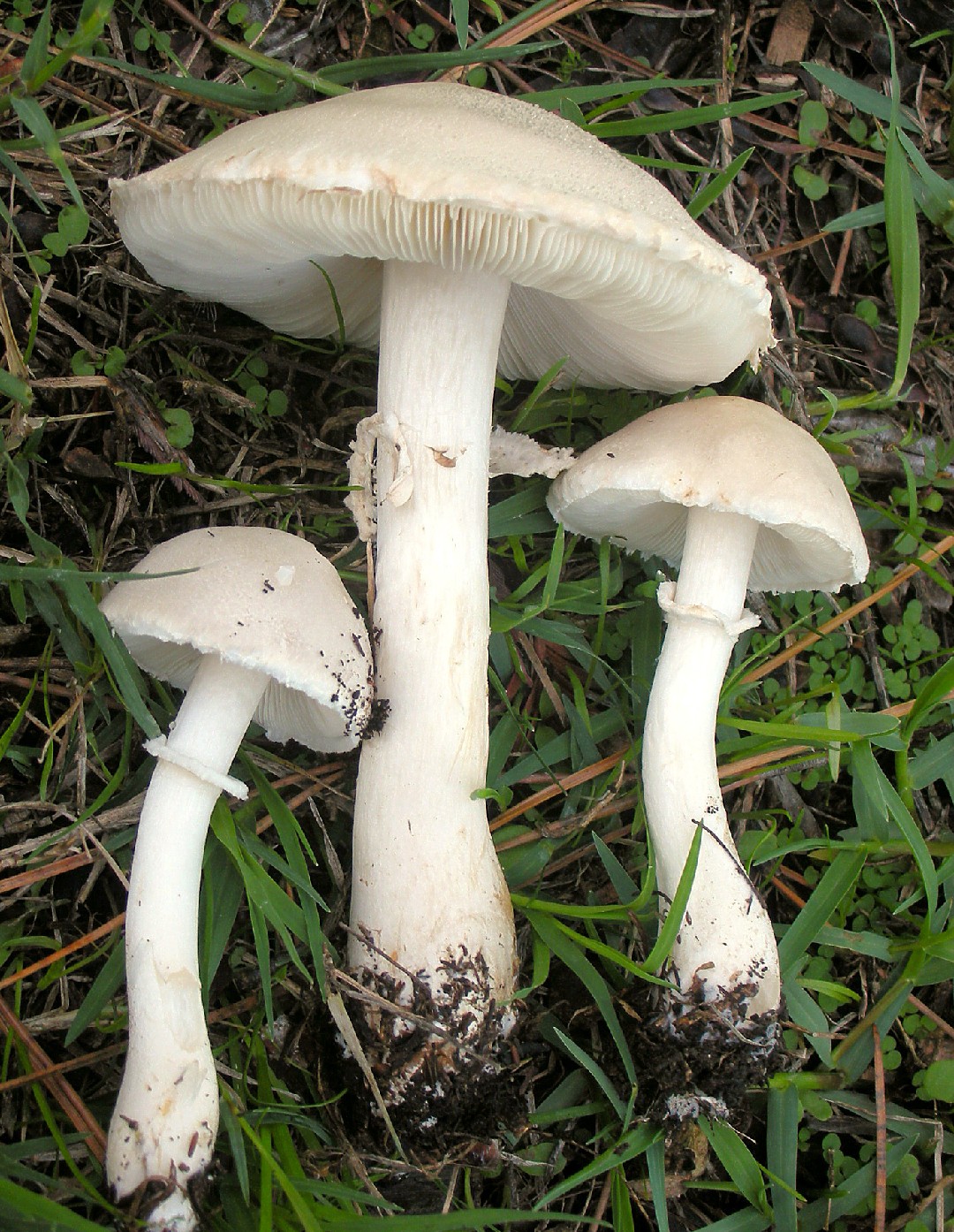
7. White dapperling
White dapperling mushrooms grow in scattered groups across open fields in the northern hemisphere. They can occasionally cause toxic reactions in humans, and their similarity to extremely poisonous lookalikes like Deathcap and Destroying Angel make them hazardous to handle.
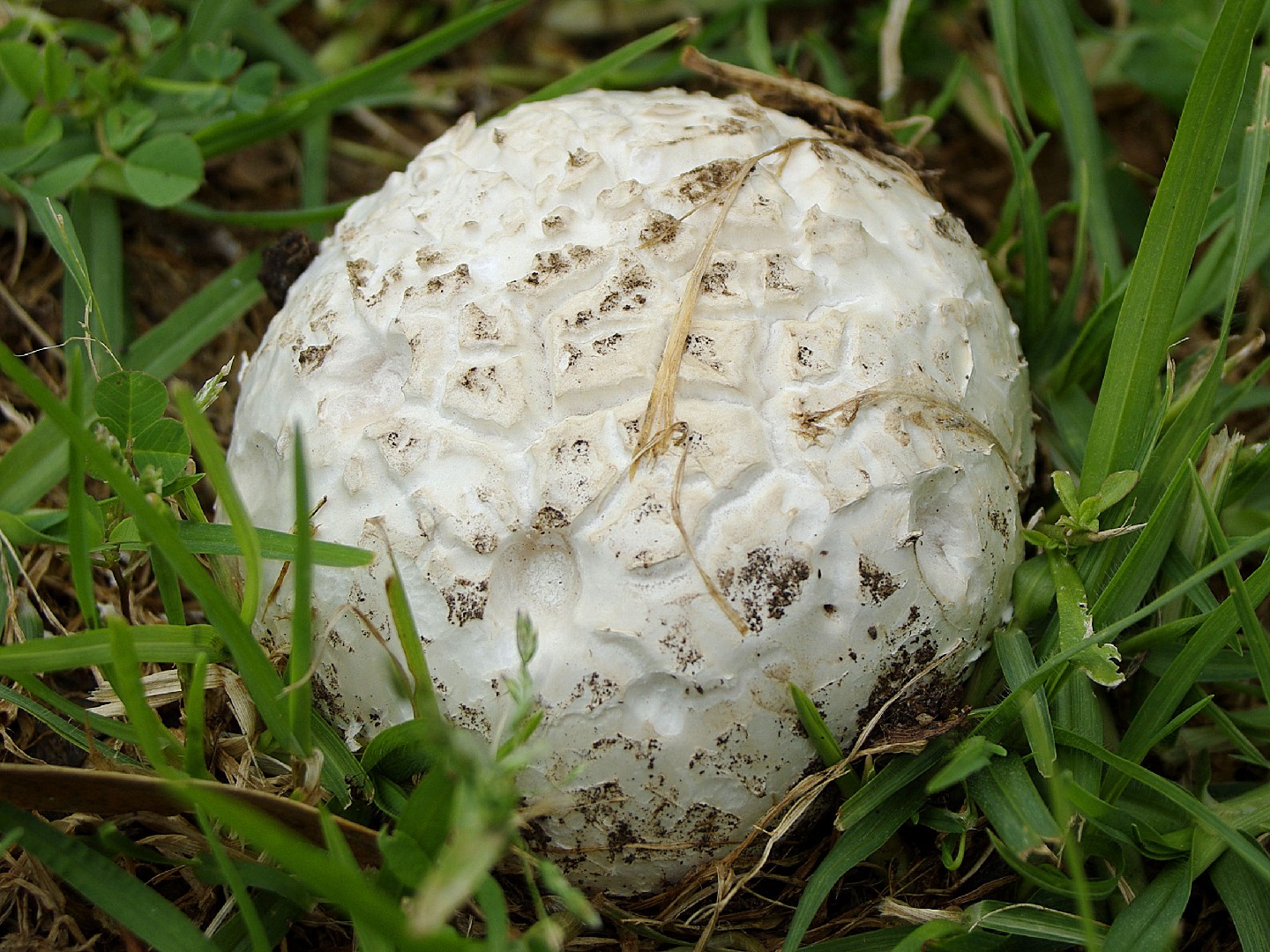
8. Western giant puffball
The western giant puffball is the largest puffball in North America, reaching up to 70 cm in diameter. It is as large as its European counterpart the Giant puffball (Calvatia gigantea), although it features a more irregular shape than its European cousin.
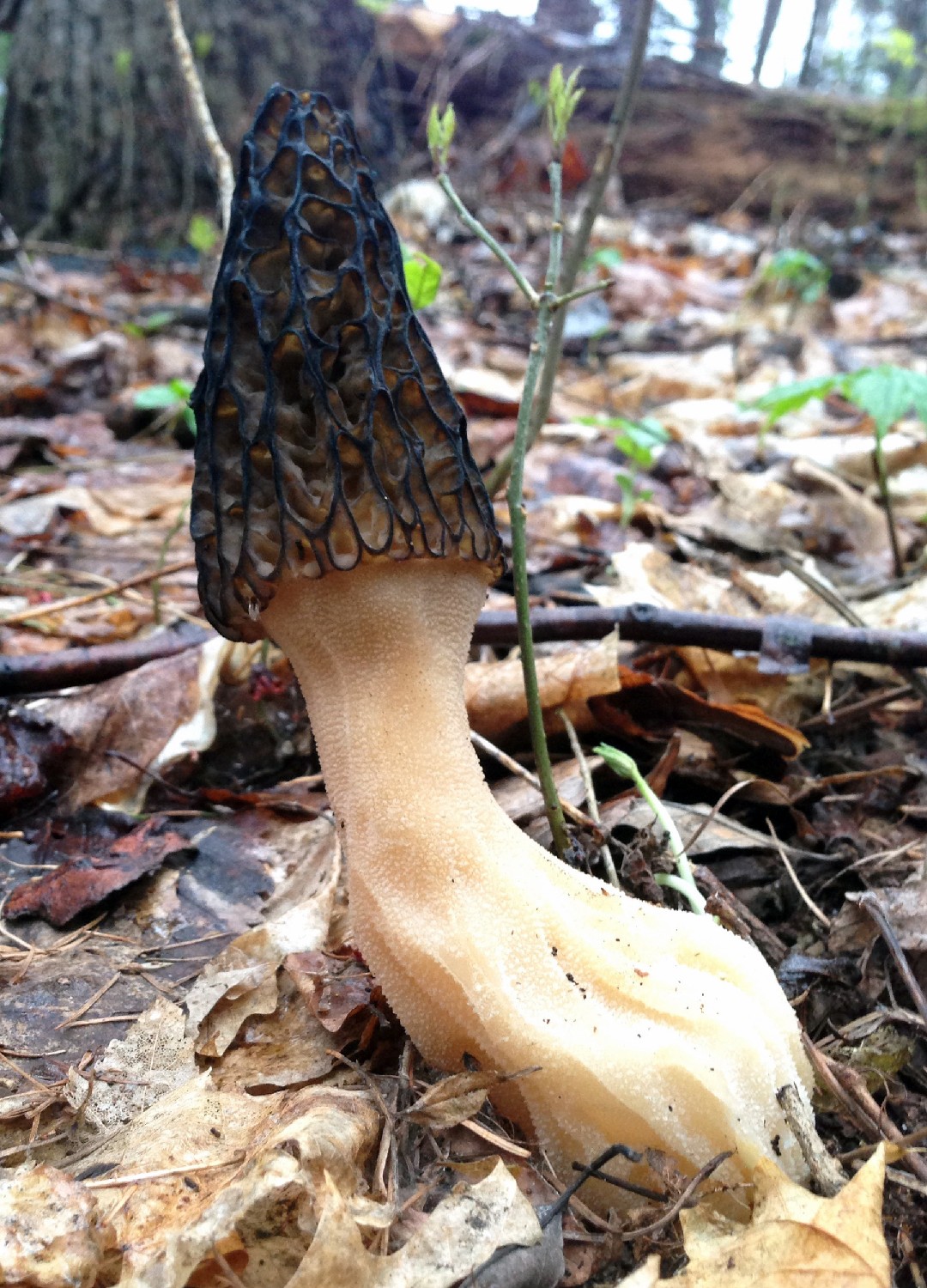
9. Black morel
The most widespread of all morels in North America, black morel doesn't grow in burn sites or on wood, which is the main characteristic of all morel species. It occurs early in the season, before yellow morels. Black morels can be distinguished from yellow morels due to their ridges being darker than their pits.
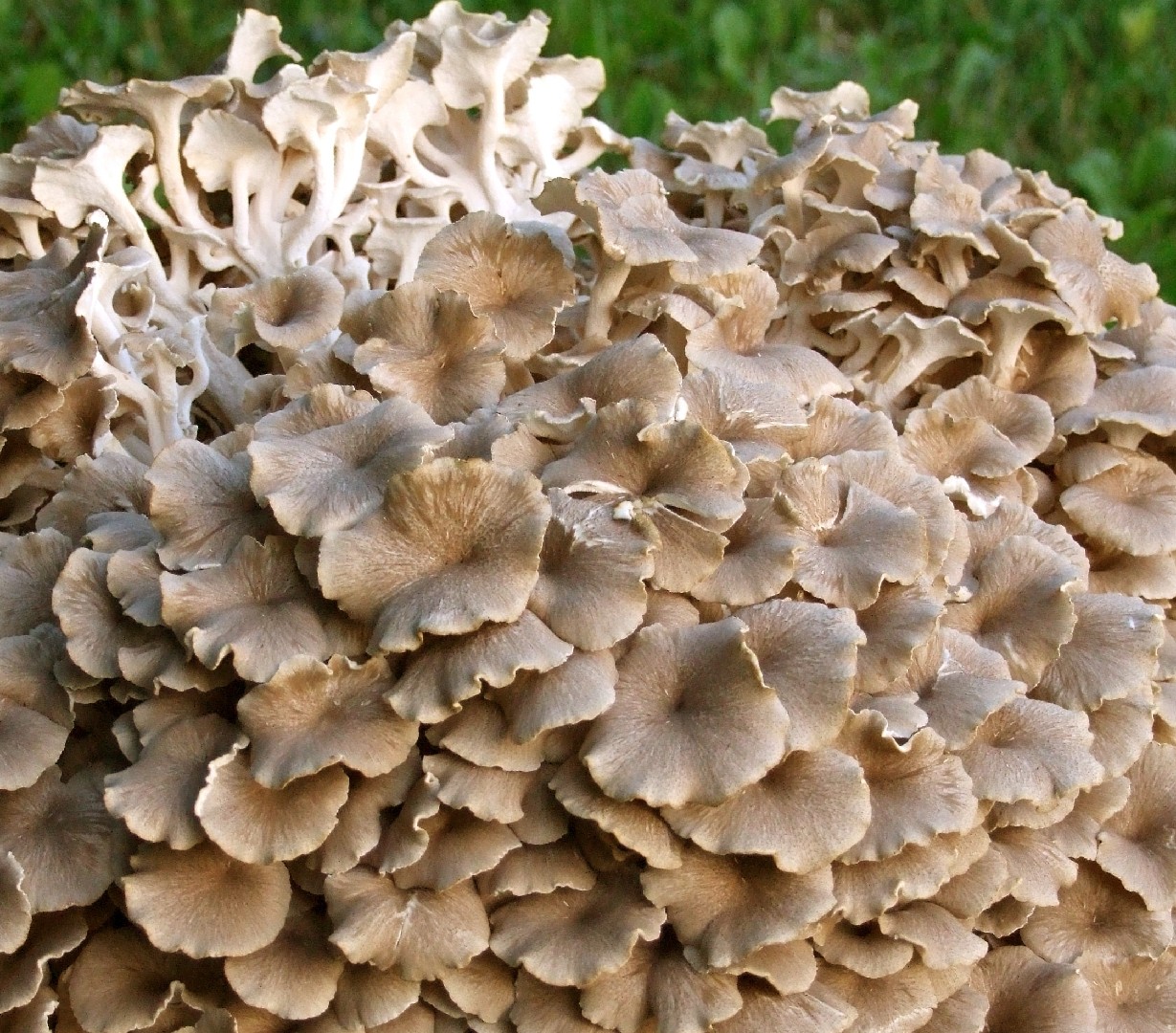
10. Umbrella polypore
The ball of clustered caps produced by the umbrella polypore (Polyporus umbellatus) resembles an extremely large hydrangea flower, blooming at the base of a tree infected by this white-rot fungus. This parasite will usually reappear in summer or autumn in the same place for several years, as long as the host tree stays alive.
More







