




Top 20 Edible Mushrooms Popular in Bhutan
Blessed with diverse elevations and abundant monsoons, Bhutan provides a plush habitat for varied edible mushrooms, coveted in regional cuisine. Discover our compilation of 20 most common fungi from this mountain kingdom. From delicious Matsutakes, with their distinctive spicy-aromatic odor and firm texture, to Morels, boasting a nutty flavor and honeycomb structure - each potato exquisite in taste, habitat, and usability. Dive in, as we explore these mycological marvels deeply embedded in Bhutan's heritage and culinary traditions.
* Disclaimer: Content feedback CAN NOT be used as any basis for EATING ANY PLANTS. Some plants can be VERY POISONOUS, please purchase edible plants through regular channels.

Most Popular Edible Mushrooms
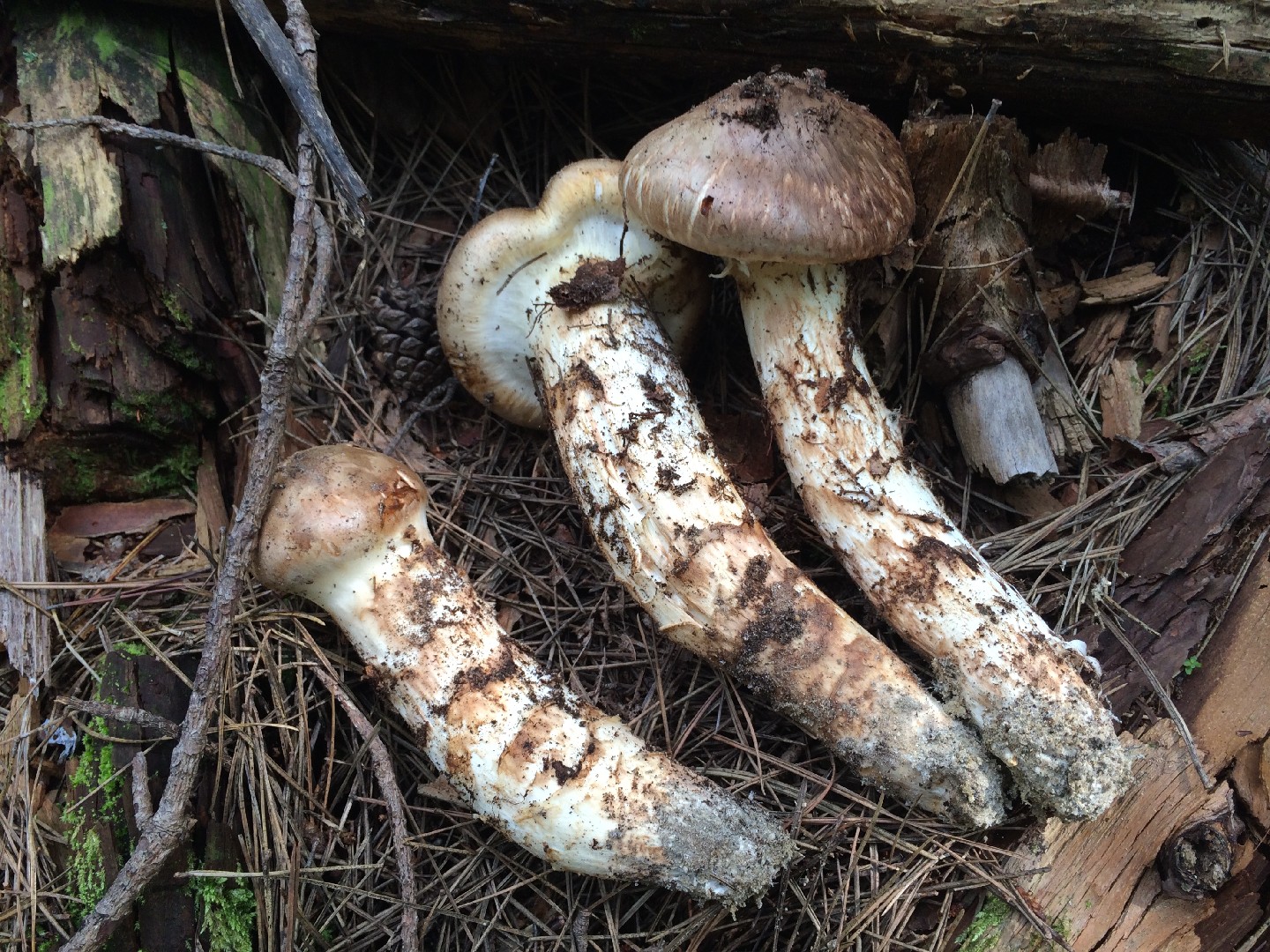
1. Matsutake
A part of many traditional Japanese dishes, this wild mushroom is threatened in its home region by the destruction of the islands' pine forests that play host to the matsutake. It also grows in North America, in large enough numbers to be harvested for commercial sale at extremely high prices. Attempts at specific cultivation have not been successful.
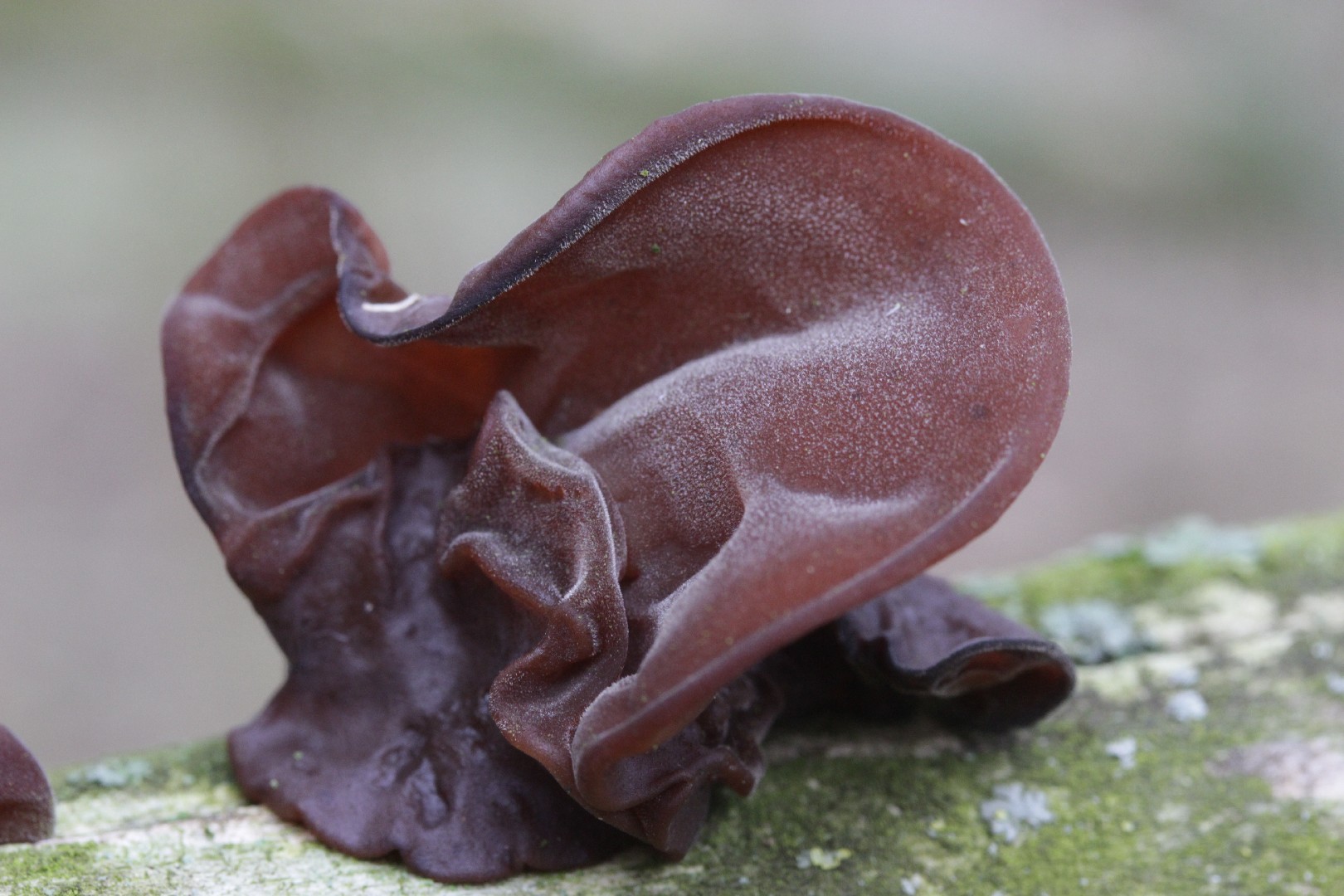
2. Jelly ear
The distinctive jelly ear grows mainly through winter and spring, mostly on the dead trunks and branches of elder trees. It occurs around the world and is often cooked into dishes in Asian countries. This ear-shaped jelly mushroom is often available in stores both fresh and dried.
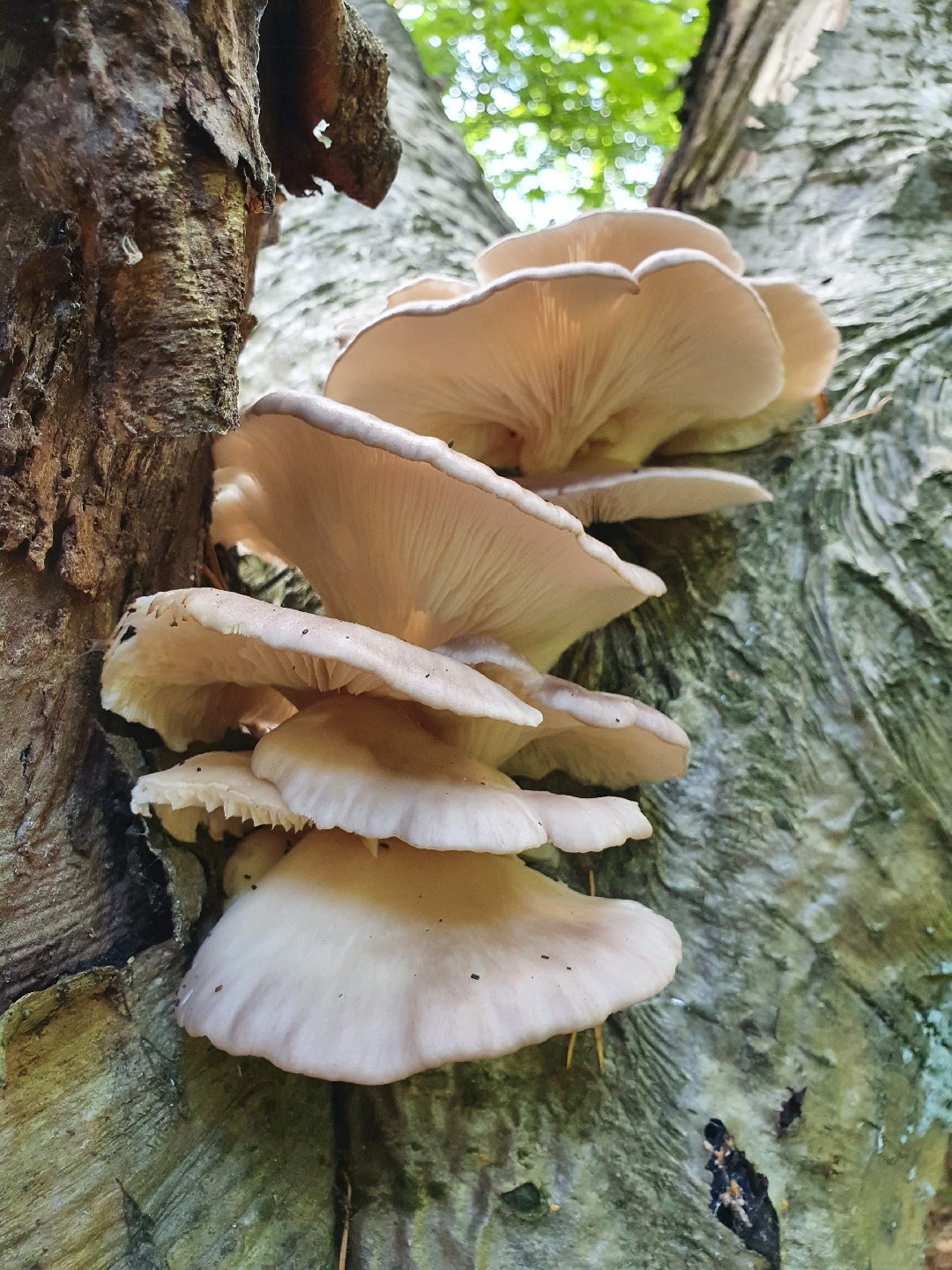
3. Oyster mushroom
Oyster mushrooms grow wild but are also cultivated for sale in supermarkets. They can even be cultivated at home. They will grow on coffee grounds and spent grain, and are occasionally even fashioned into an environmentally-friendly substitute for styrofoam. There are several toxic look-alike species, so it is best to buy these mushrooms at the store.

4. Common puffball
These puffy mushrooms grow in small groups on the forest floor. Once they're mature, common puffballs turn yellow and "puff out" smoke-like spore clouds when disturbed. Be very careful when identifying these mushrooms, as their young, immature form looks very similar to the lethal Deathcap.
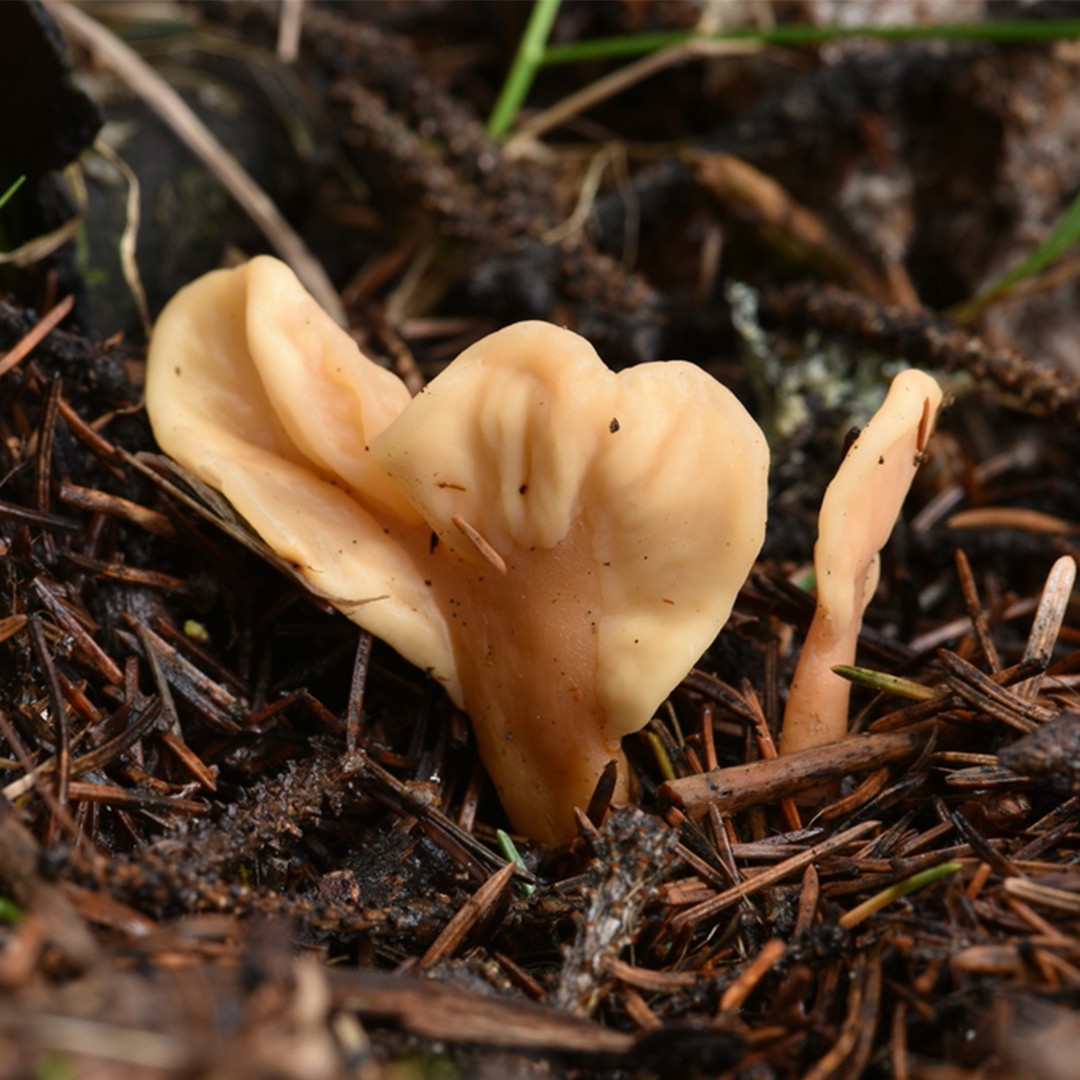
5. Yellow fan
The fan- or spoon-shaped fruit bodies of S. flavida may be up to 8 cm (3.1 in) high, although a range between 2–5 cm (0.8–2.0 in) is more typical. Occasionally, fruit bodies are produced with the "head" split into two separate lobes. The color is light to strong yellow, the flattened fertile area at times paler; the color tends to deepen with the age of the fruit body. The fertile area (the region that produces spores) is often irregularly wrinkled and sometimes notched at apex, and is up to 2 cm (0.8 in) wide; it tapers down the length of either side of the stem (i.e., decurrently) from a half to a third of the total stem length. The division between the head and the stem is sharply defined. The stem is hollow, smooth (glabrous), and has a white to yellowish mycelium at its base. The flesh of the fruit body is whitish, but becomes yellowish-brown when dry. The edibility of Spathularia flavida is variously described as untested, unknown, or "edible, but rather tough". The small size would likely discourage table use. The odor and taste are not distinctive. 
6. Milk-white brittlegill
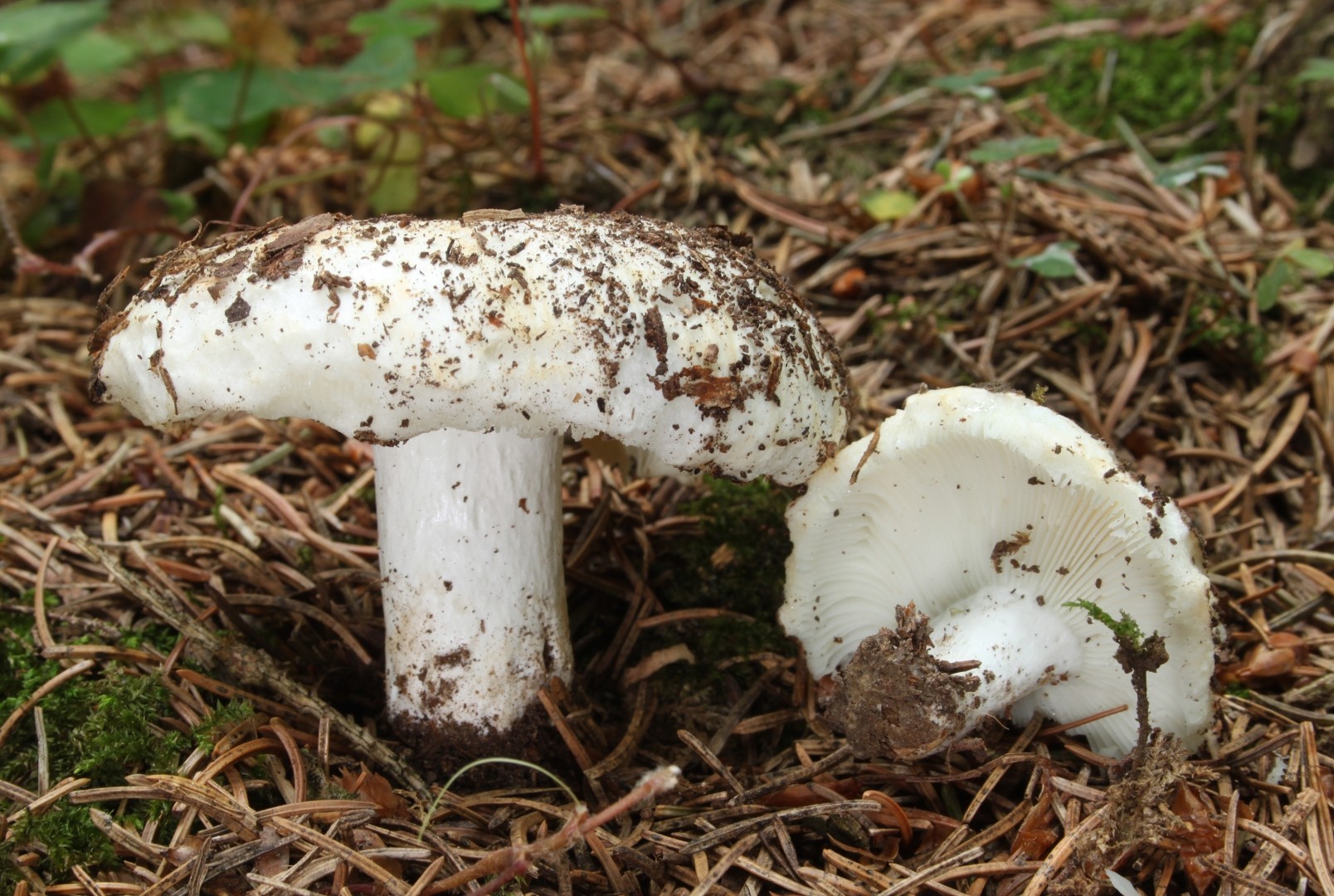
Fruitbodies of the large milk-white brittlegill (Russula delica) arise from the forest floor already quite formed, a fact which results in dirty and pockmarked caps. “Delica” means “without milk,” and this mushroom can be most readily distinguished from the lookalike Fleecy Milkcap by its lack of milky latex exudate.
7. Fan-shaped jelly-fungus
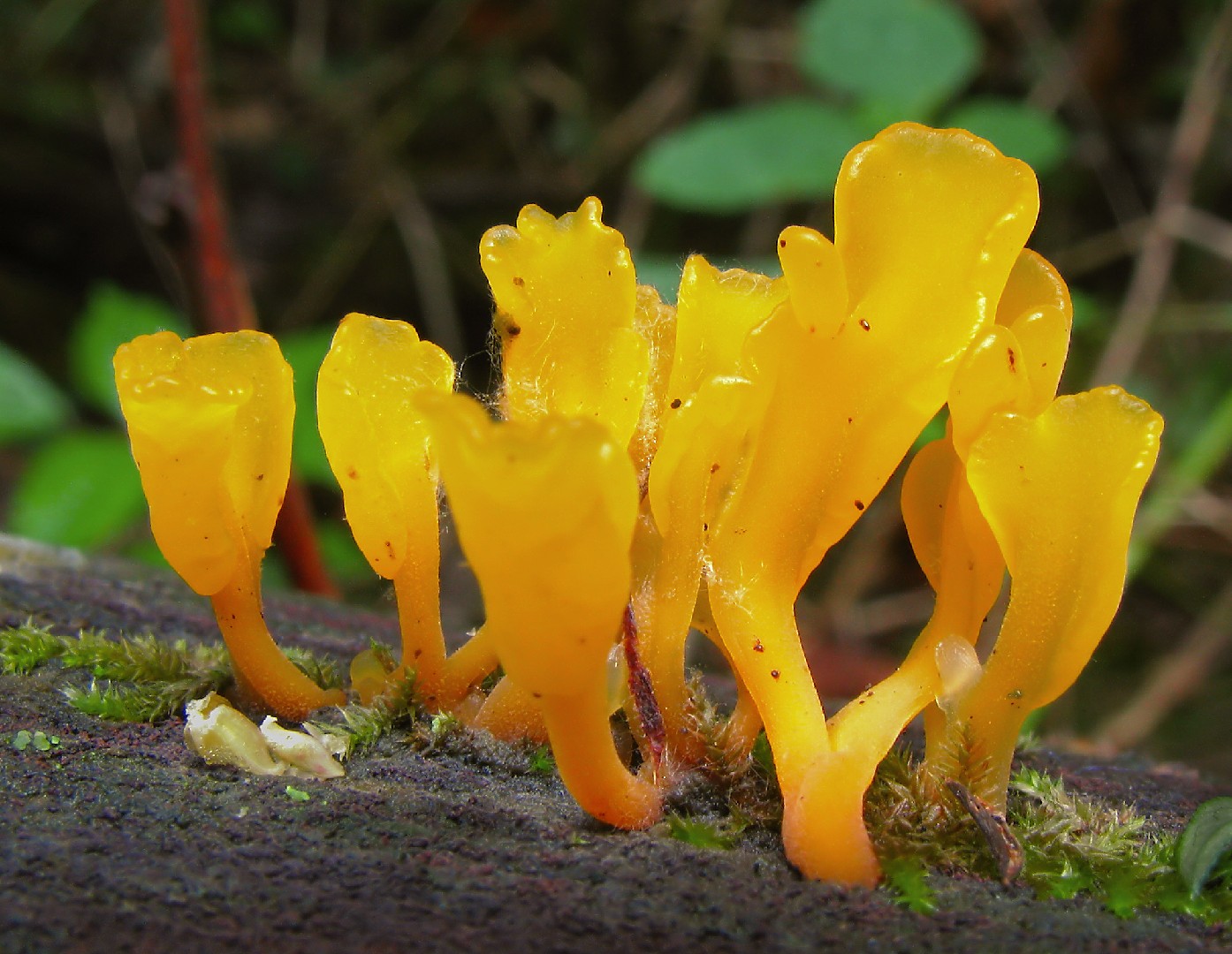
Just as its Latin and the common English names suggest, the fan-shaped jelly-fungus (Dacryopinax spathularia) is a fan-shaped or spatula-shaped jelly-like mushroom. It commonly grows in wood cracks and it sometimes even appears in the cracks of the processed wood and lumber. Despite the word "jelly" in its name, the fan-shaped jelly-fungus is not considered edible.
8. Meadow mushroom
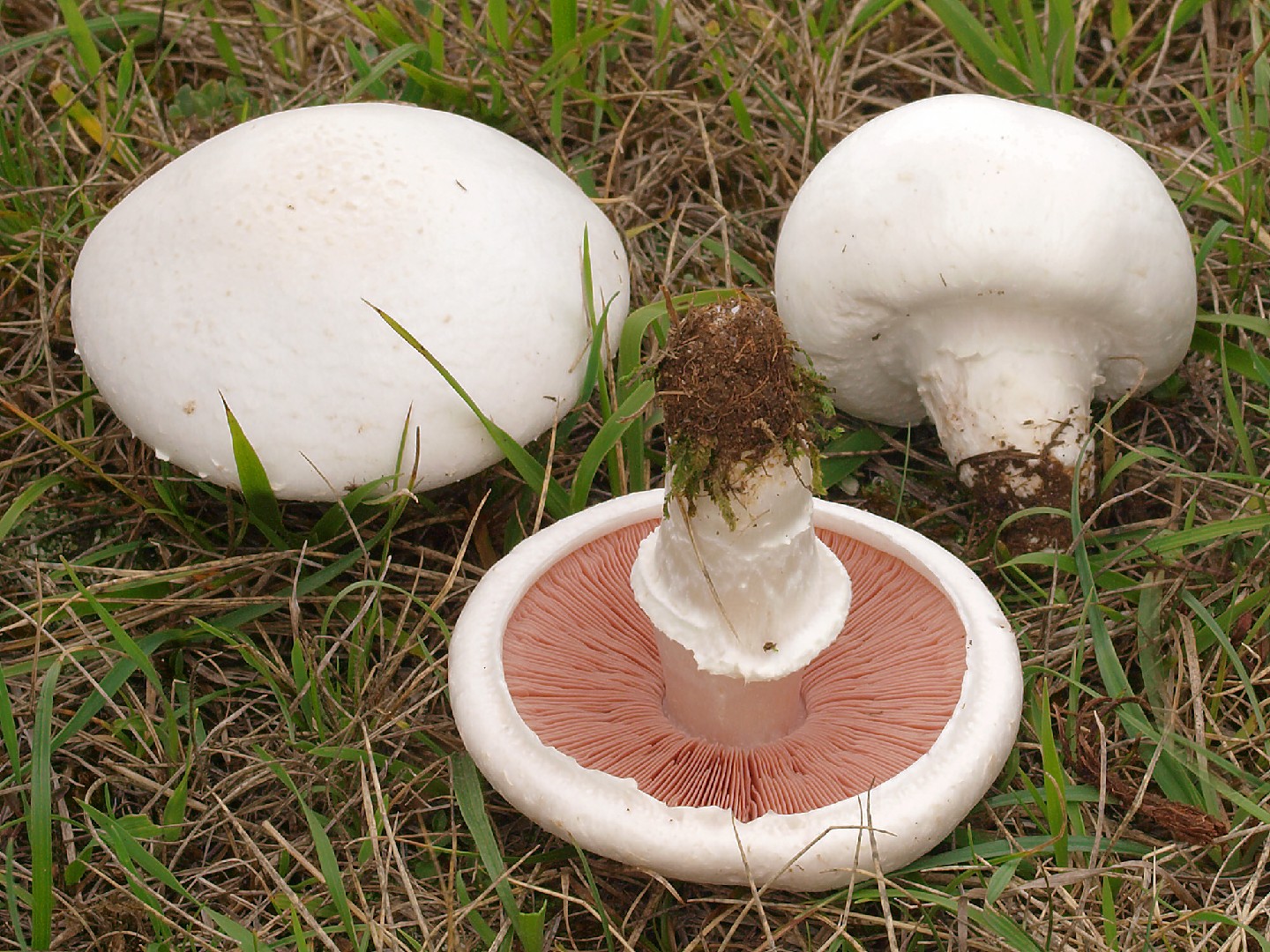
The meadow mushroom grows in meadows and pastures around the world—especially those rich in manure—when the weather is warm and wet. They are known to appear in “fairy ring” shapes. Originally identified in Europe, it is possible that North American specimens identified as meadow mushrooms may genetically belong to other species.

9. Shaggy mane
The shaggy mane mushroom is commonly found in North American and European grasslands. Some peoples foraged for its young egg-shaped caps, but it has more recently been found to be a bioaccumulator of heavy metals, meaning it pulls toxic metals up from the soil where it grows. As a result, shaggy manes should not be eaten. The mushrooms usually appear in clusters or “fairy rings.”
10. Button mushroom
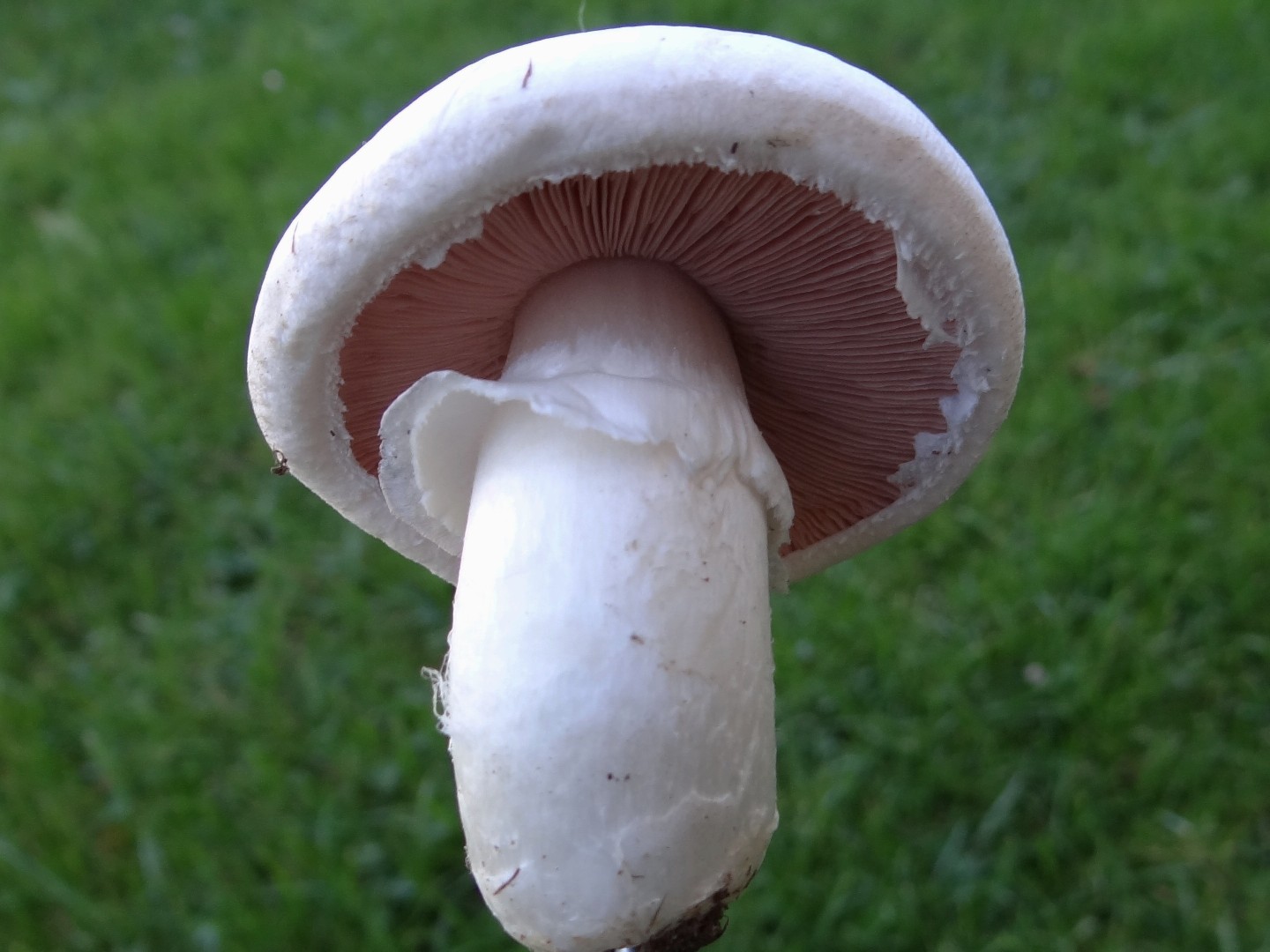
Most of the mushrooms sold in supermarkets in the US are cultivated forms of the button mushroom. The white variants are sold as "button mushrooms", the brown as "cremini" or "baby bellas", and full-grown caps as "portobellas." They occur quite infrequently in the wild, in grassy fields around the Northern Hemisphere.
More







