




Top 20 Most Common Mushrooms in Wyoming
Embracing the breathtaking natural beauty, Wyoming, or Wyoming, is a closed box full of surprises when it comes to mushroom species. Evidently, the varied geology, abundant precipitation, and the unique combination of climate conditions of Wyoming make it a thriving habitat. This exploration will reveal 20 of the most common mushrooms in Wyoming, telescoping the richness and diversity sensed within its borders.

Most Common Mushrooms
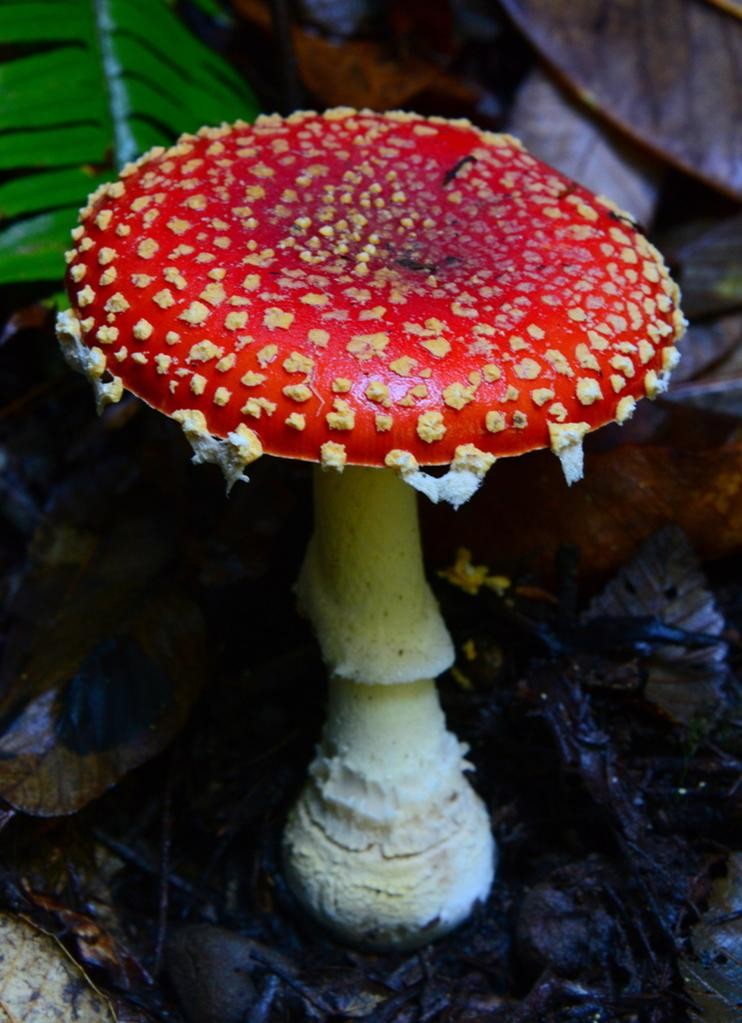
1. Fly agaric
In Northern Asia and Europe, fly agaric grows under trees near the winter solstice and is collected for ritual use tied to the season. Its characteristic shape and coloring are still ubiquitous in many European fairy tale illustrations and Christmas traditions. It is highly toxic.

2. Shaggy mane
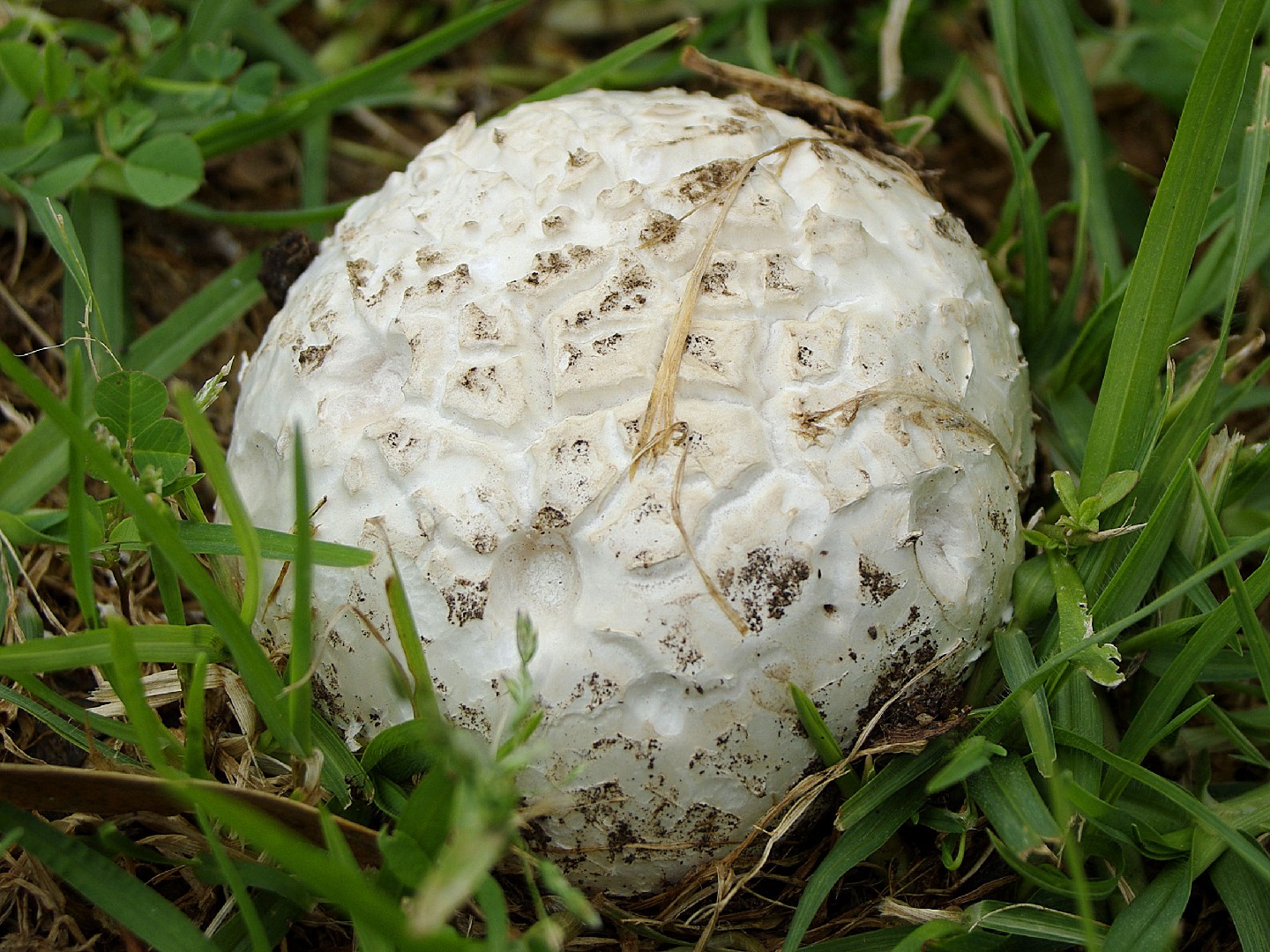
The shaggy mane mushroom is commonly found in North American and European grasslands. Some peoples foraged for its young egg-shaped caps, but it has more recently been found to be a bioaccumulator of heavy metals, meaning it pulls toxic metals up from the soil where it grows. As a result, shaggy manes should not be eaten. The mushrooms usually appear in clusters or “fairy rings.”
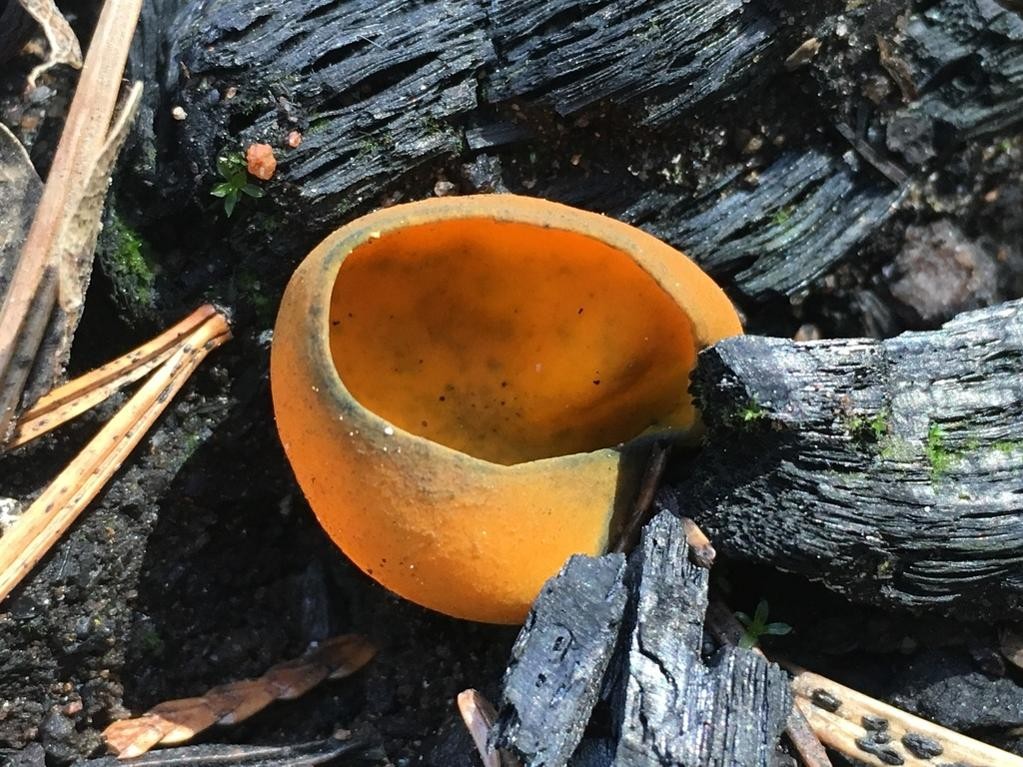
3. Spring orange peel fungus
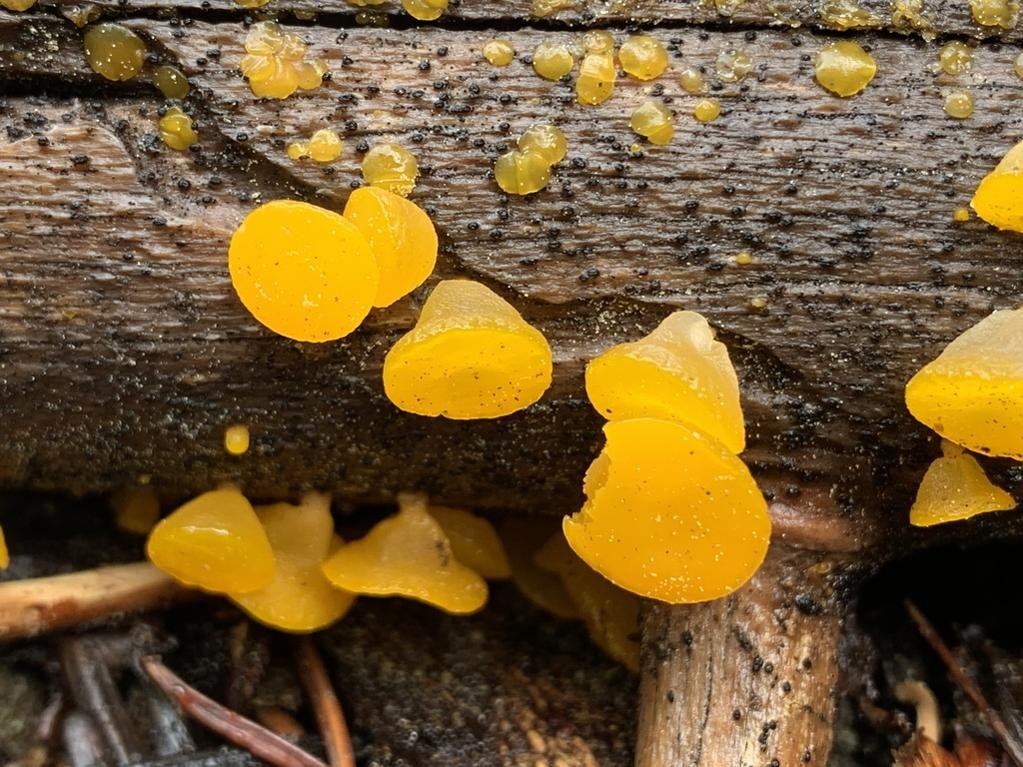
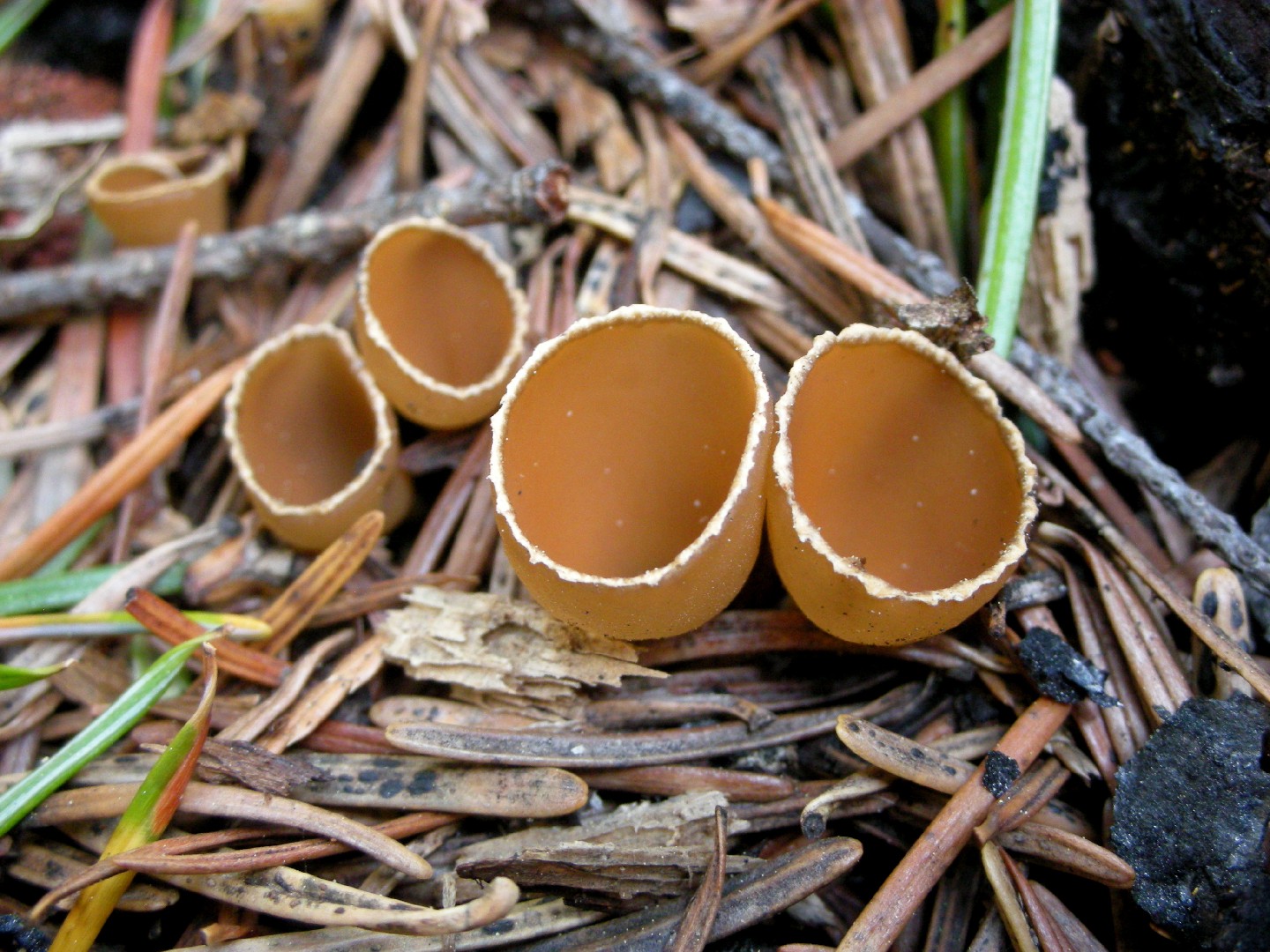
A rare albino mutant lacking orange pigment The fruiting body of C. fulgens is roughly cup-shaped, although the cup may be somewhat flattened, lopsided or split; the size is up to 4 centimetres (1.6 in) in diameter. The inner surface of the cup is orange-yellow, while the external surface is pale yellow. Either the margin around the rim or the entire outer surface may be stained olive-green. The green or bluish staining that occurs upon injury or with age is unique within the Pezizales order. The stem, if present, is rather short. The spore deposit is white. A single specimen of an albino form, 2 centimetres (0.8 in) in diameter, was discovered in Northern Idaho; it was found to be lacking the pigment responsible for staining the outer surface olive-green. The spores are translucent (hyaline), roughly spherical, thin-walled and smooth, with dimensions of 6–8 µm in diameter. The asci, the spore-bearing cells, are cylindrical and 80–100 by 7–8 µm; the paraphyses are thin and filamentous and contain orange granules. Edibility has not been recorded for this fungus. 
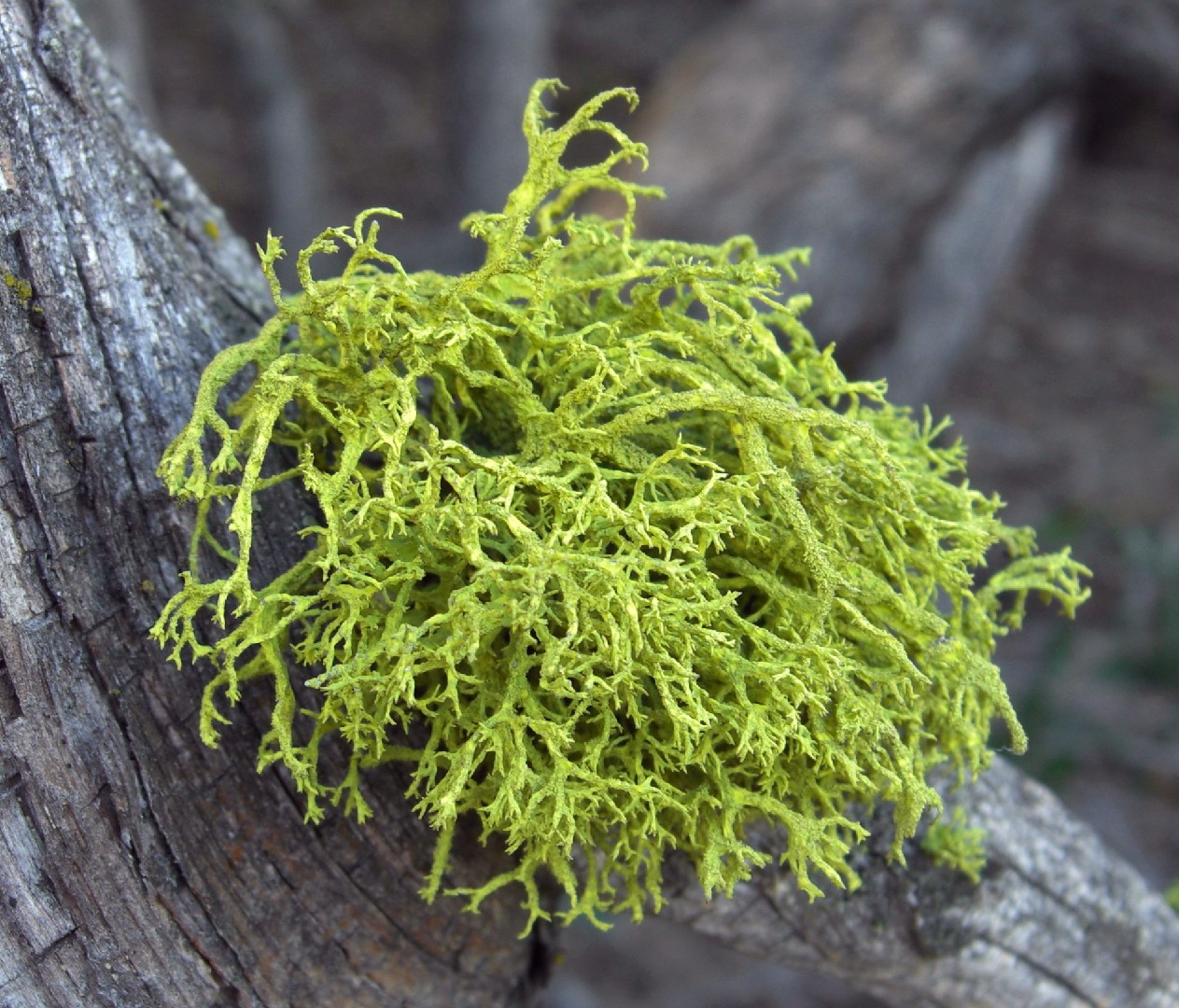
4. Wolf lichen
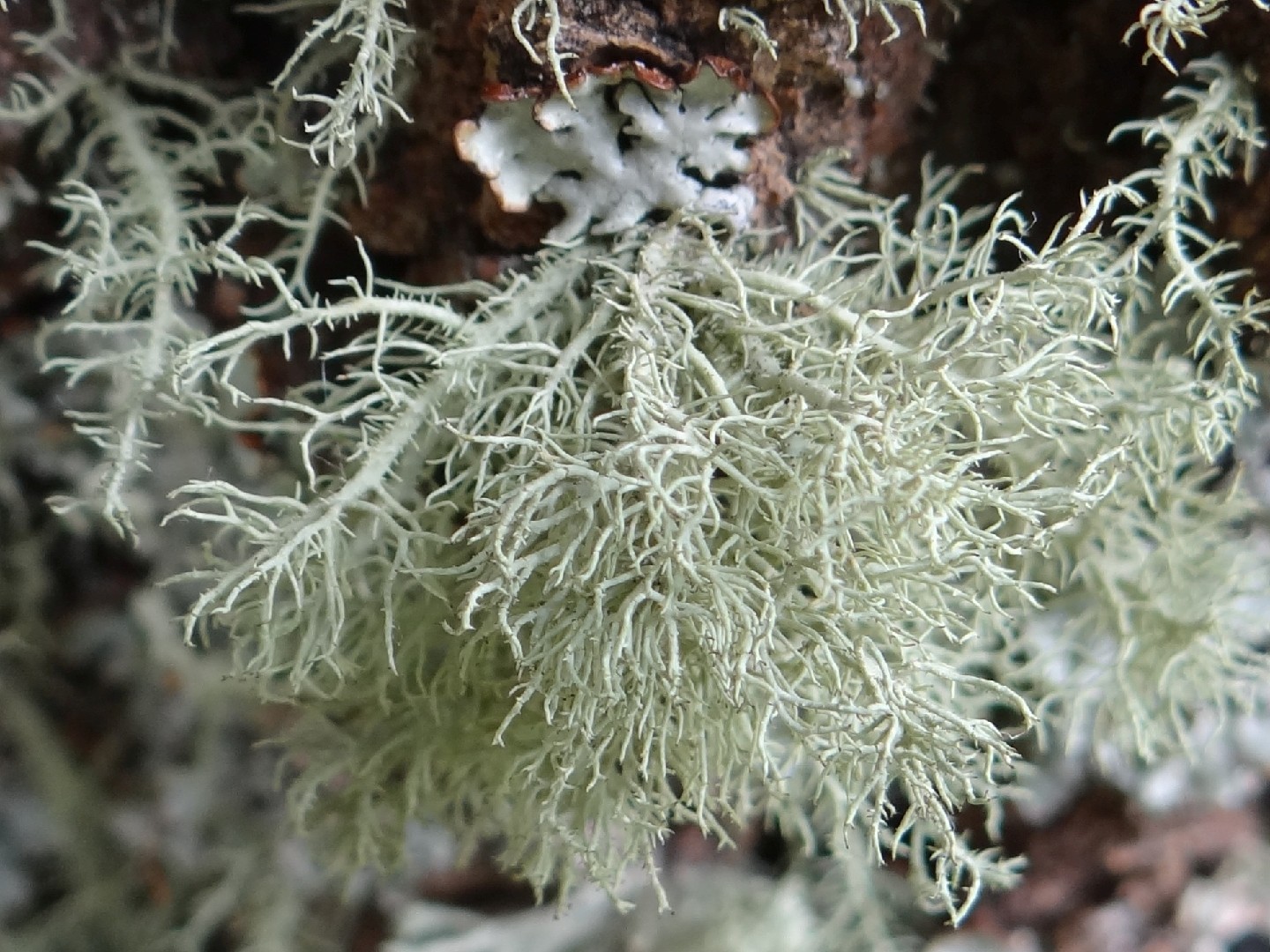
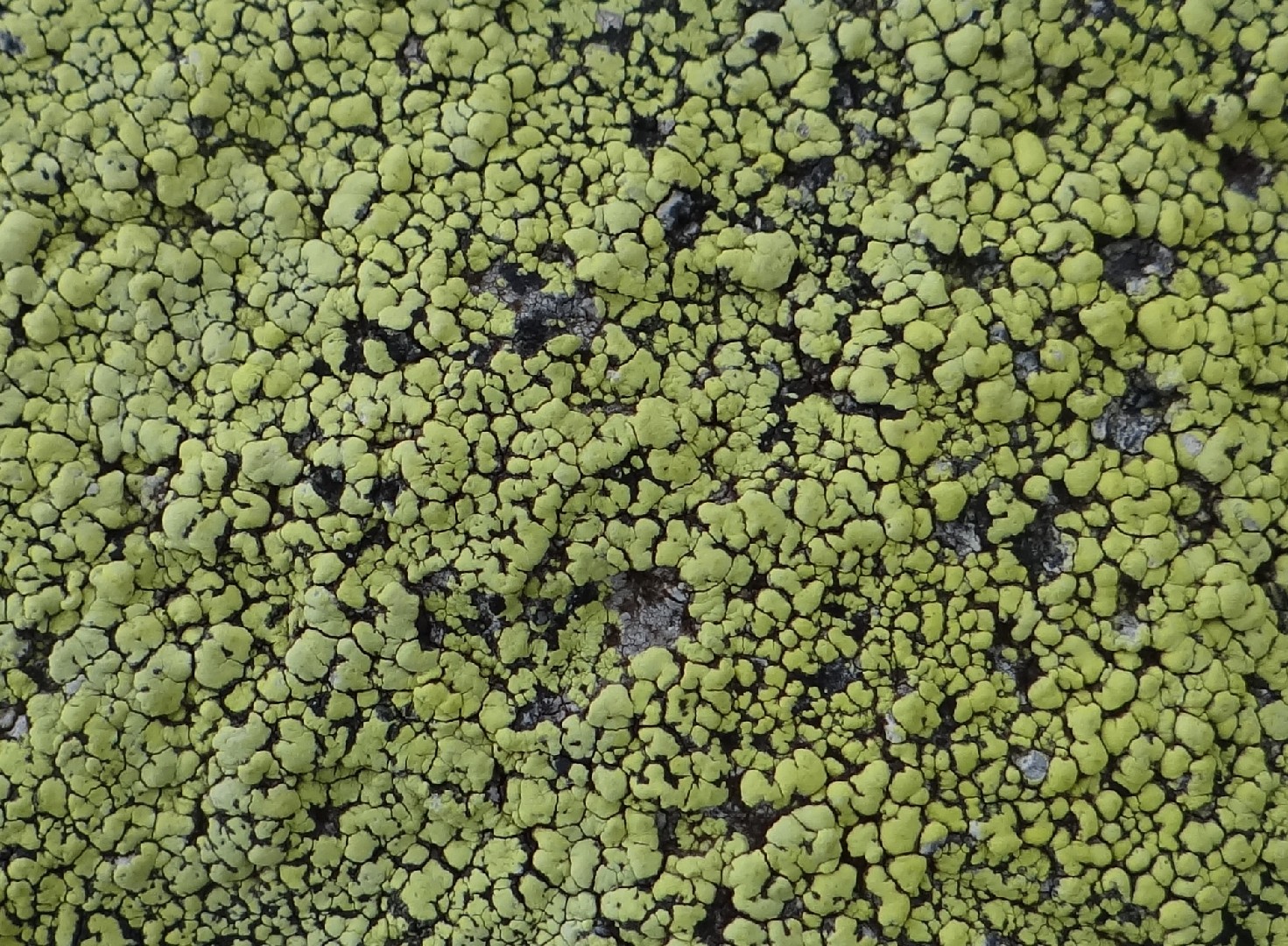
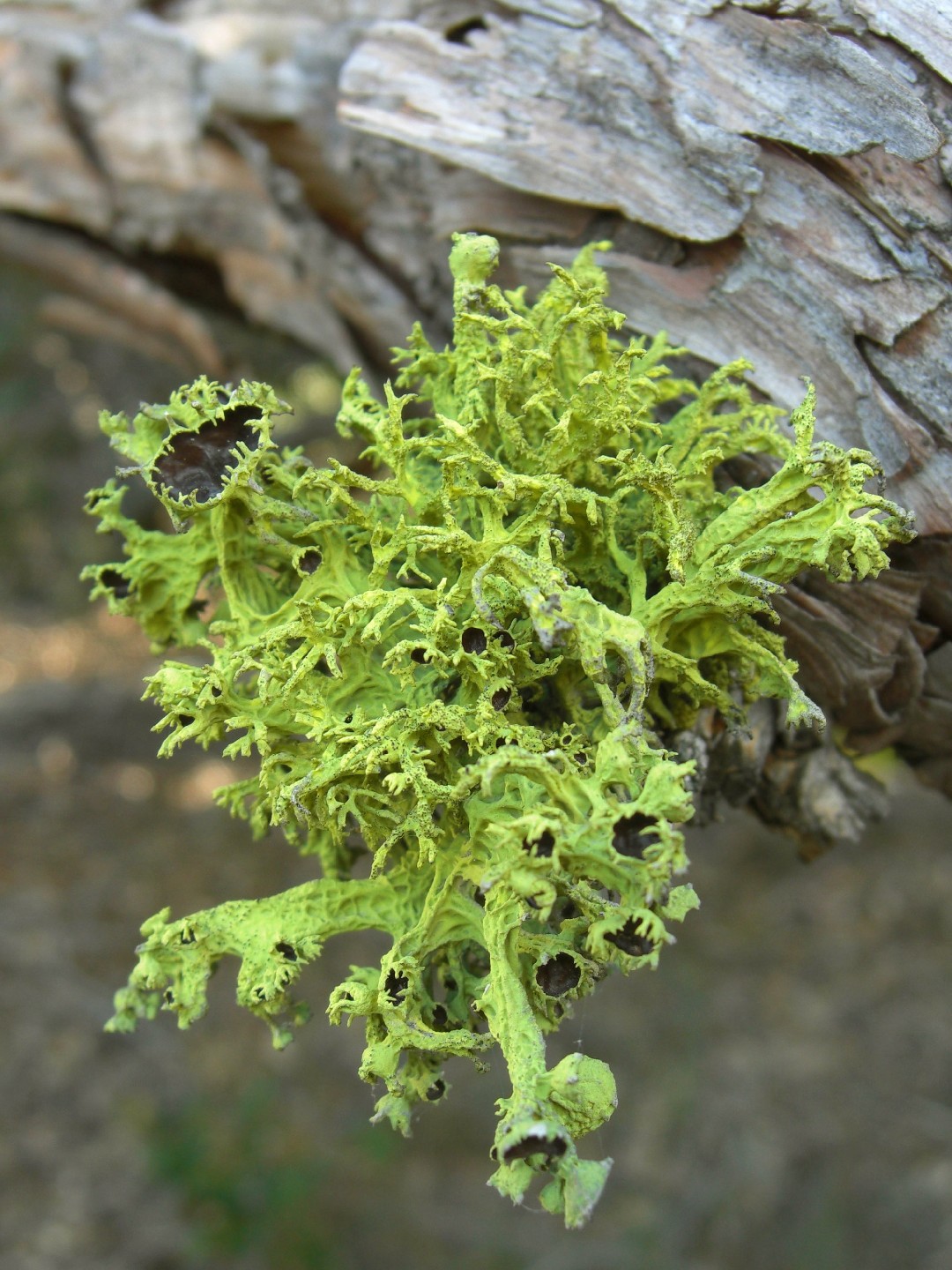
The thallus, or vegetative body, has a fructicose shape — that is, shrubby and densely branched — and a bright yellow to yellow-green, or chartreuse color, although the color will fade in drier specimens. Its dimensions are typically 2 to 7 cm (0.8 to 3 in) in diameter. The vegetative reproductive structures soredia and isidia are present on the surface of the thalli, often abundantly.
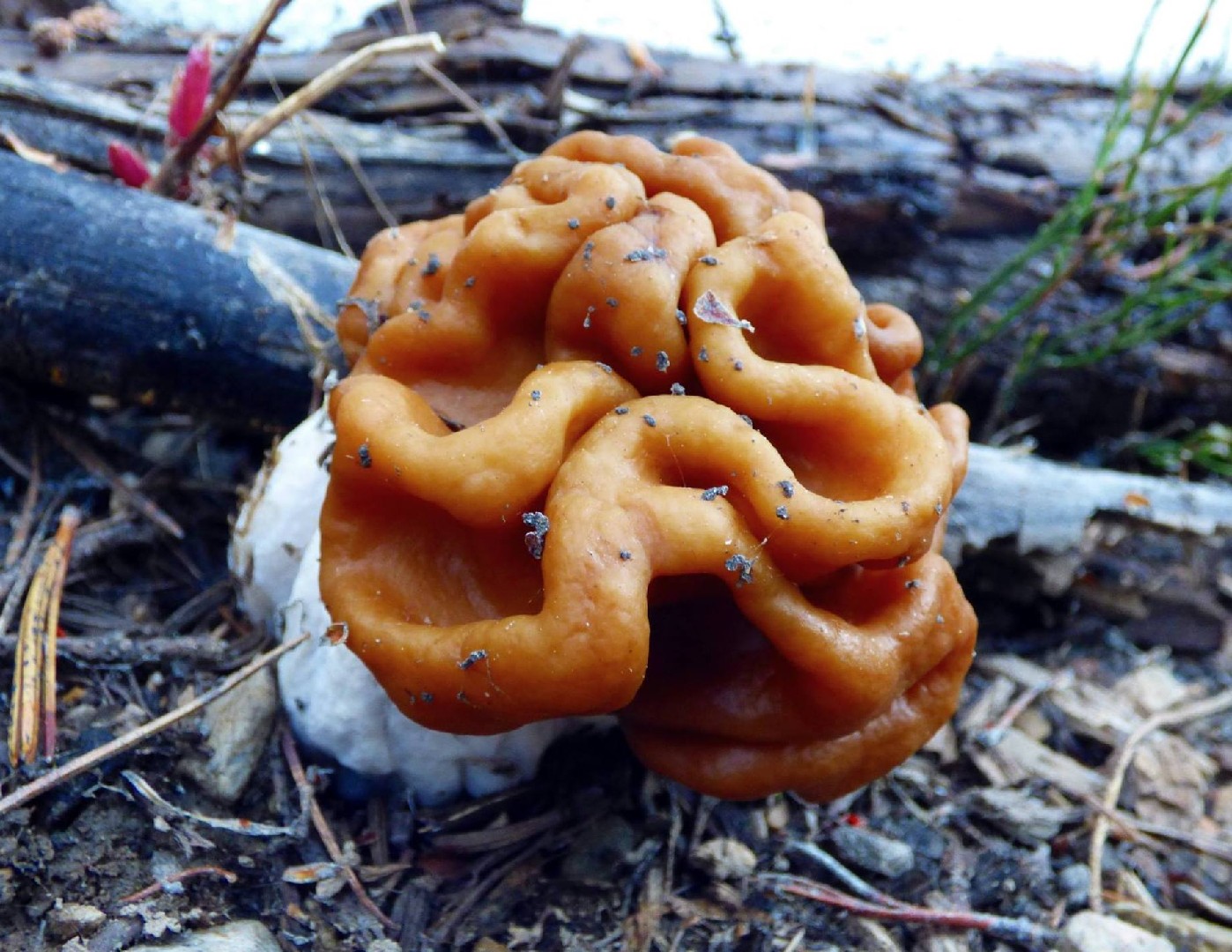
5. Discina montana
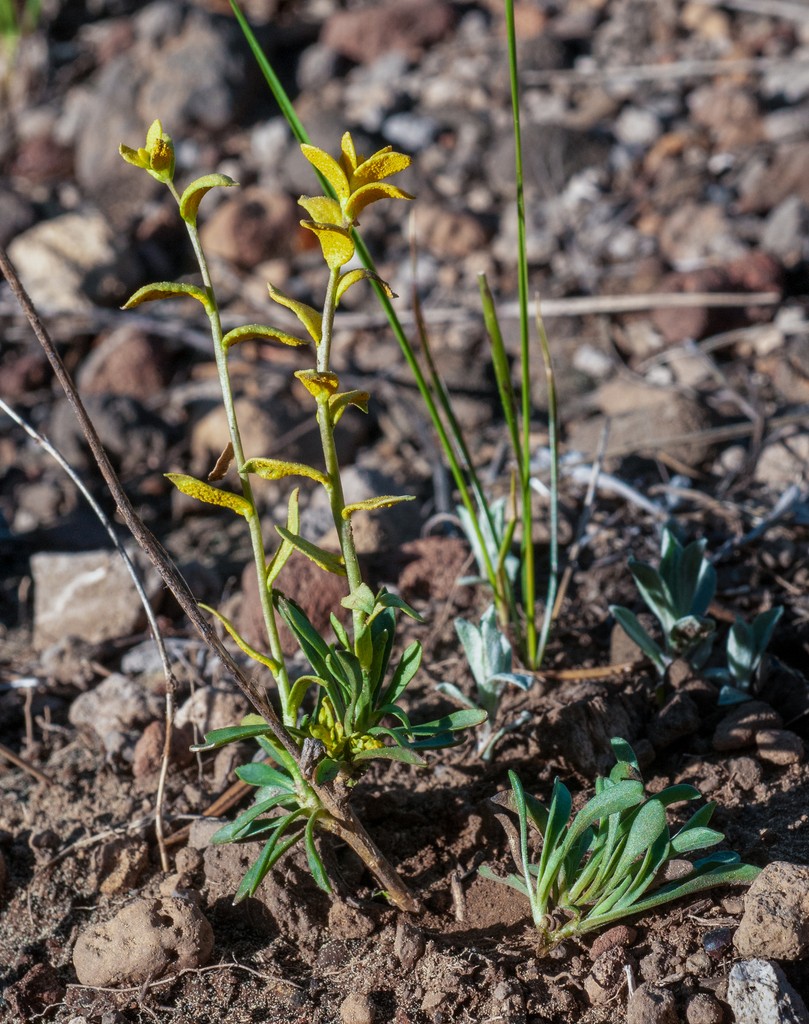
6. Mustard flower rust
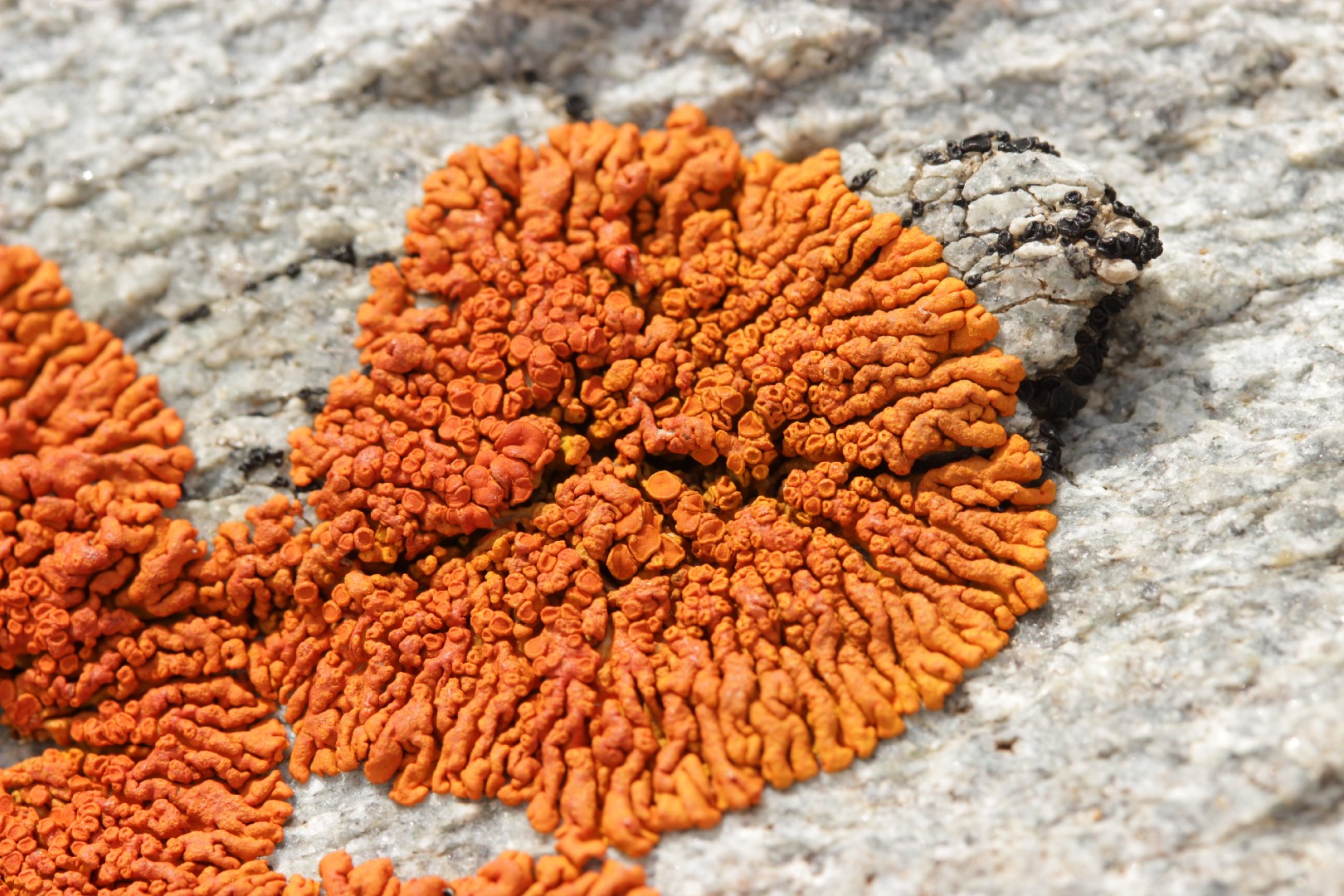
7. Elegant sunburst lichen
The thallus of this lichen is described as foliose, having the aspect of leaves, although the central portions of the thallus may appear nearly crustose. It is small, typically less than 5 cm (2 in) wide, with lobes less than 2 mm (0.08 in) broad, appressed to loosely appressed. The upper surface is some shade of orange while the lower surface is white, corticate, with short, sparse hapters (an attachment structure produced by some lichens). The vegetative propagules called soredia and isidia are absent, although apothecia are common. It has been described as possessing swollen, orange-yellow thalli (in streams), compact orange thalli (on boulders) or dark orange-red thalli on the driest rock faces. The variety X. elegans var. granulifera, characterized by having isidia-like vegetative propagules, has been reported from Greenland and Spitsbergen.
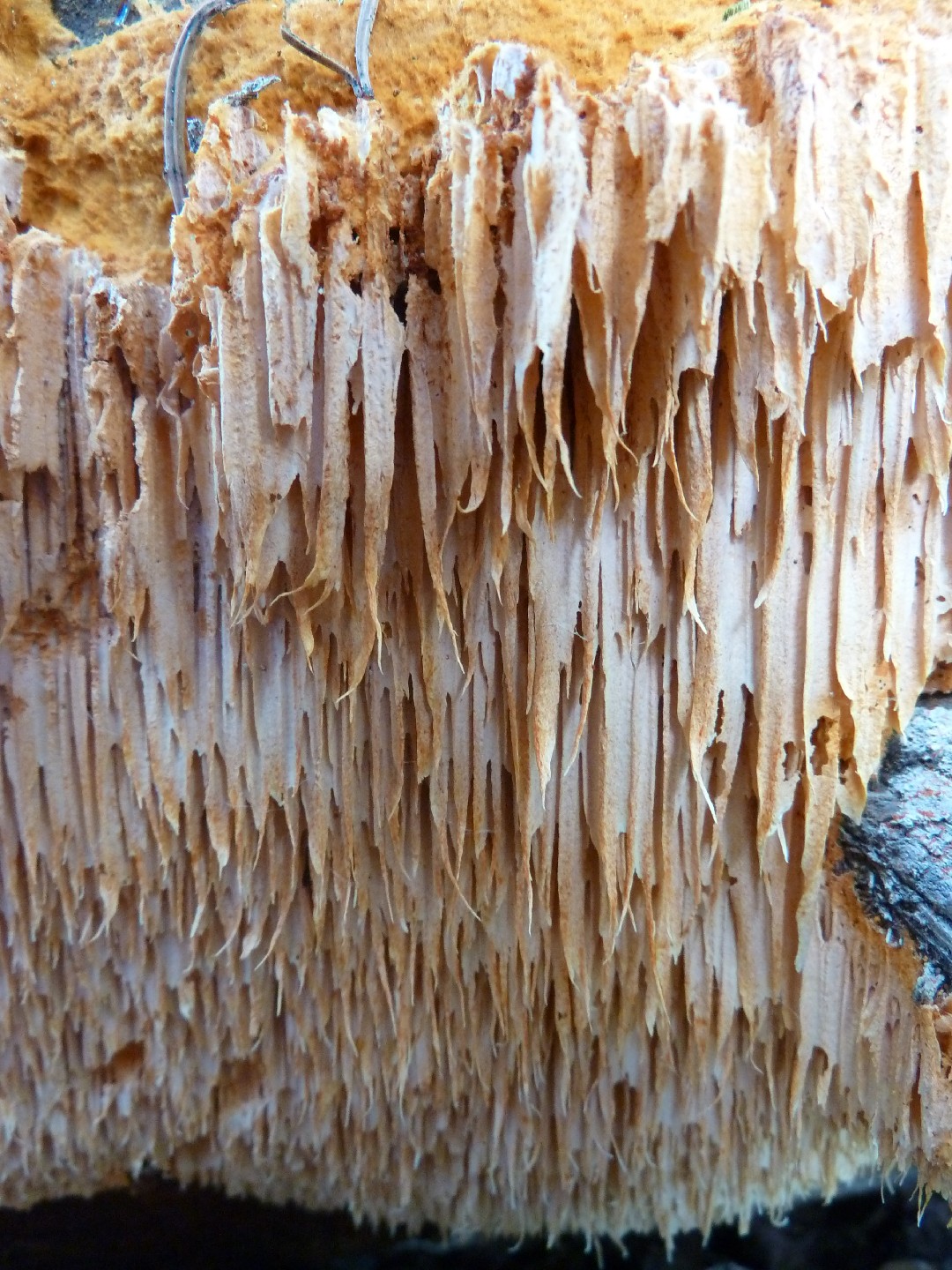
8. Orange sponge polypore
The distinctive orange sponge polypore is most notable for causing brown cubical rot of conifer wood. With no mushroom caps, the fruitbodies of this fungus appear as a collection of curtains hanging on the underside of the log. It was given the name "Orange spore polyphore" due to its bright orange, finely grooved, spongy fruitbodies with orange pores.
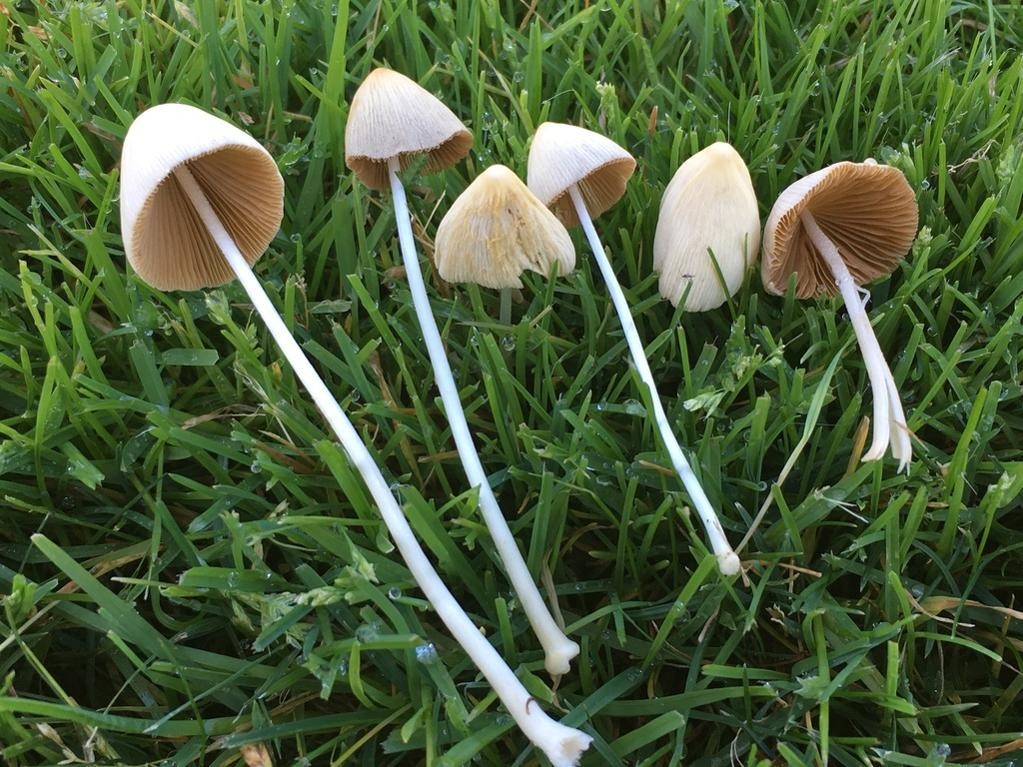
9. Milky conecap
A delicate little fairy-tale-looking mushroom, the milky conecap shows up in moist woodlands, fields, and lawns. The species' common name refers to its deep and pointed cap, which looks much like a garden gnome's hat. While the species is not known to be toxic, it is too small and delicate to bother with for culinary purposes.
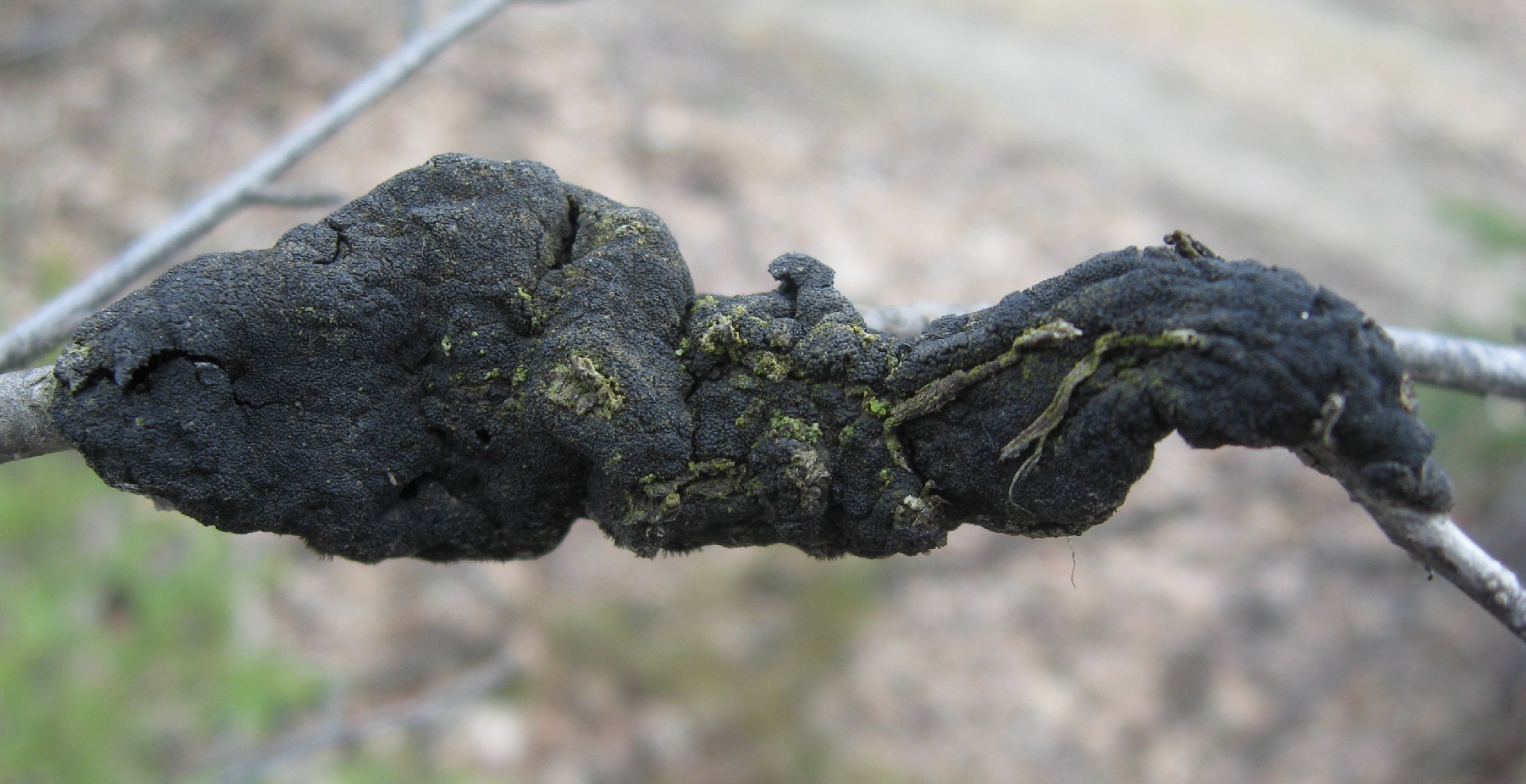
10. Black knot
The appearance of black knot (Apiosporina morbosa) is commonly found on various fruit-bearing trees and looks more like abnormally growing bark than it does a fungus. In youth, this bulbous growth is a lighter green but rapidly turns to dark brown and black. Black knot can kill trees and is not easily controllable using fungicides.
More







