




Top 13 Most Common Mushrooms in Gillette
Welcome to our vivid exploration of the 13 most commonly found mushrooms hidden within Gillette's sprawling landscapes. Characterized by a rich biodiversity, Gillette is an abounding trove of fungi, presenting a wide assortment of these intriguing organisms. The city has an ideal climate for mushroom growth, making it a mycologist's paradise. Let's delve into the fascinating world of Gillette's diverse mushroom species. }

Most Common Mushrooms
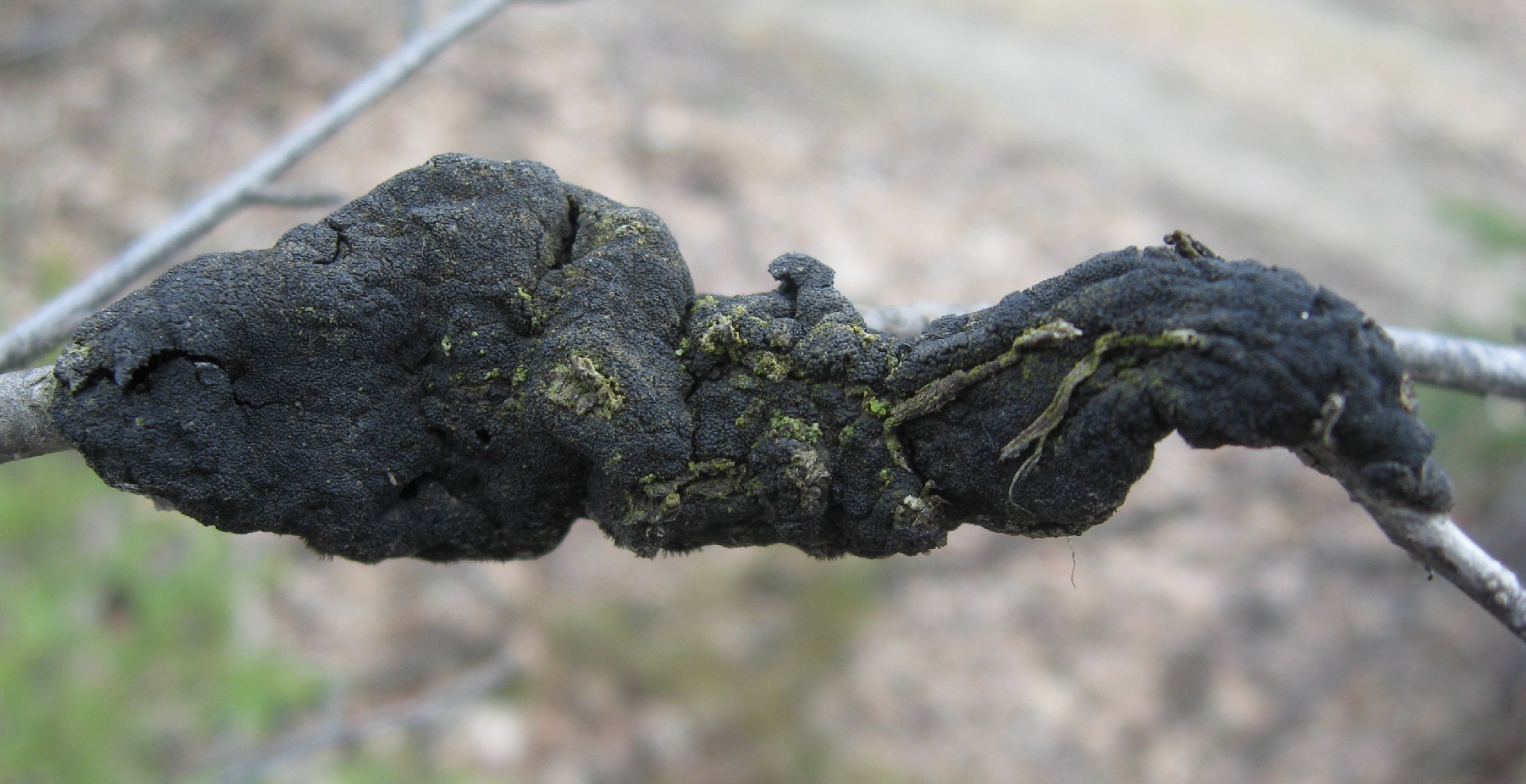
1. Black knot
The appearance of black knot (Apiosporina morbosa) is commonly found on various fruit-bearing trees and looks more like abnormally growing bark than it does a fungus. In youth, this bulbous growth is a lighter green but rapidly turns to dark brown and black. Black knot can kill trees and is not easily controllable using fungicides.
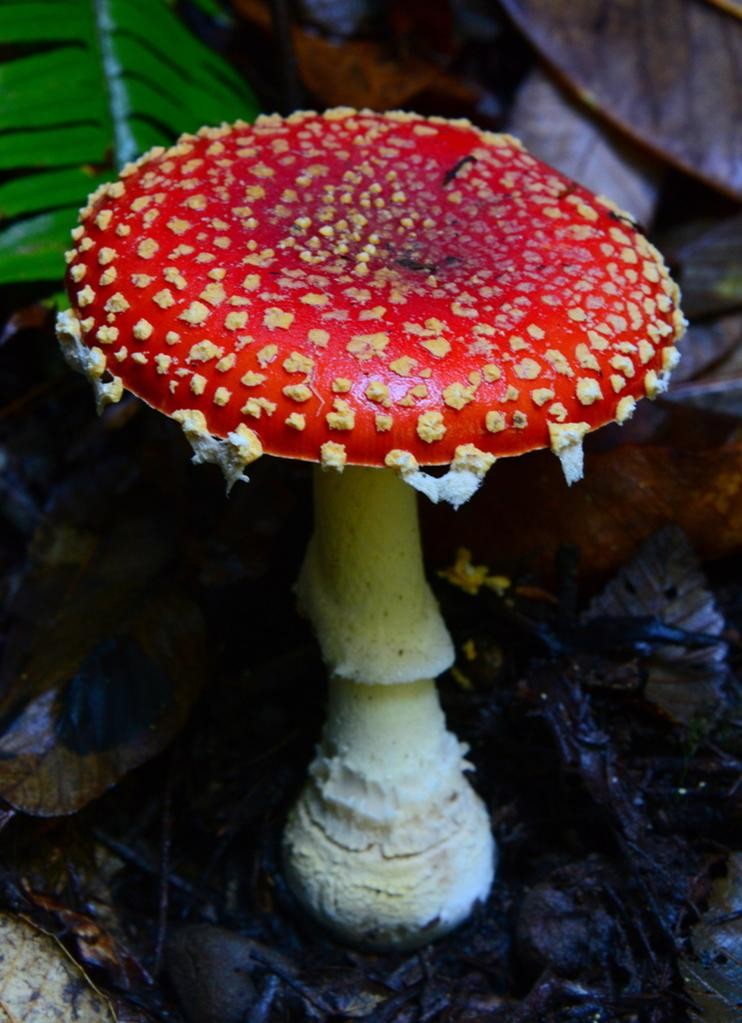
2. Fly agaric
In Northern Asia and Europe, fly agaric grows under trees near the winter solstice and is collected for ritual use tied to the season. Its characteristic shape and coloring are still ubiquitous in many European fairy tale illustrations and Christmas traditions. It is highly toxic.
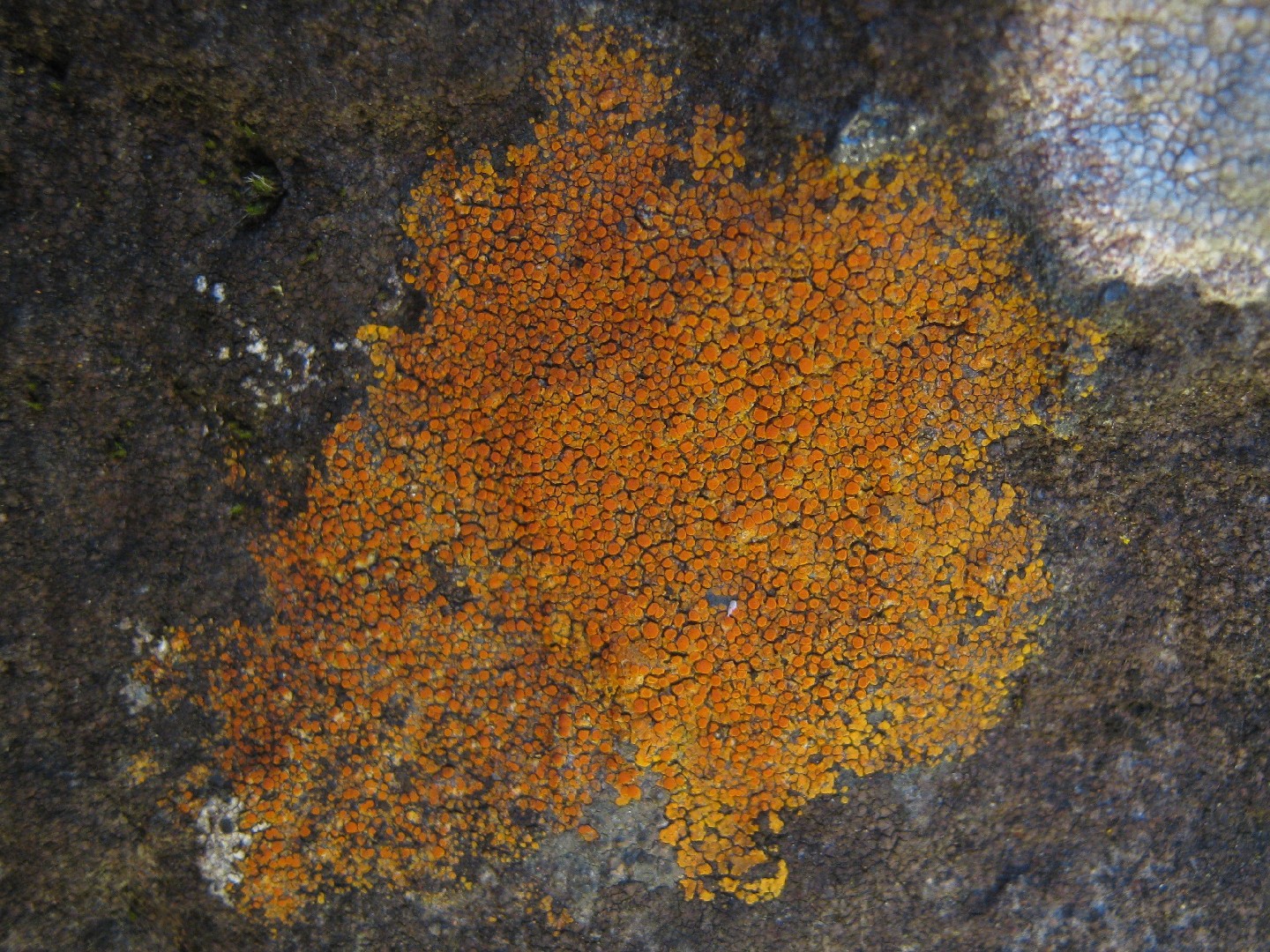
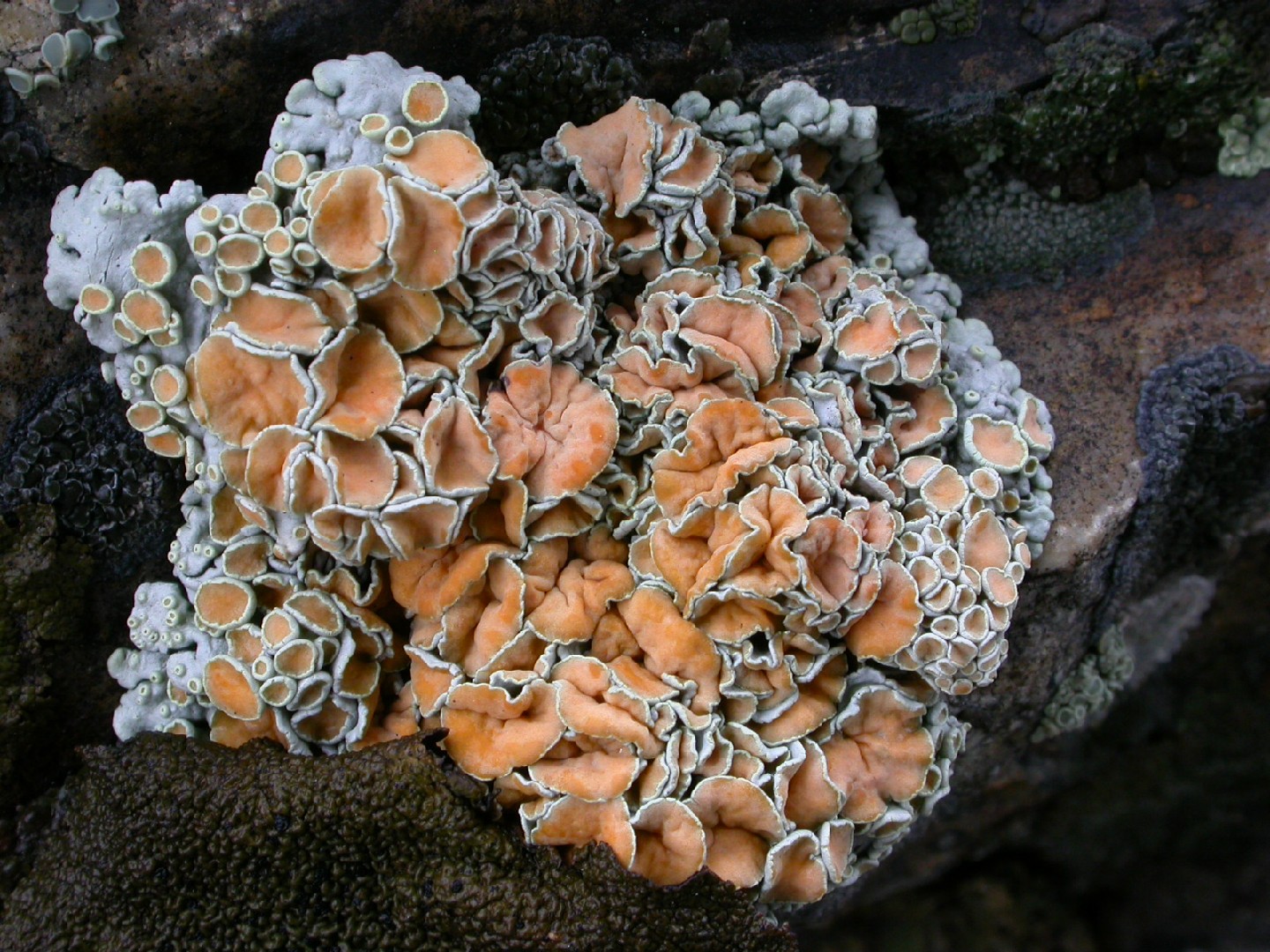
3. Orange lichen
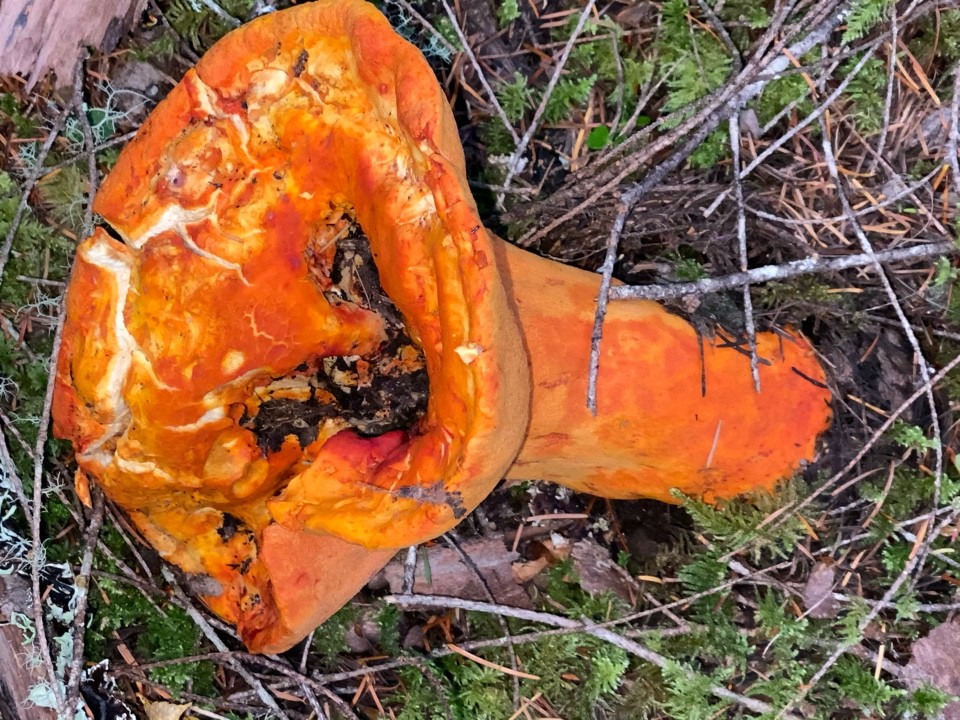
4. Lobster mushroom
The lobster mushroom is actually not a species of mushroom, per-se. When Hypomyces lactifluorum mold attacks one of several common species of Russula mushrooms, it transforms them into lobster mushrooms: they shrivel, harden slightly, and turn bright orange or vermillion. Surprisingly, this only makes them more flavorful. Lobster mushrooms are highly sought after for their distinctive, seafood-like flavor when cooked. Upset stomachs have been reported when eaten raw.
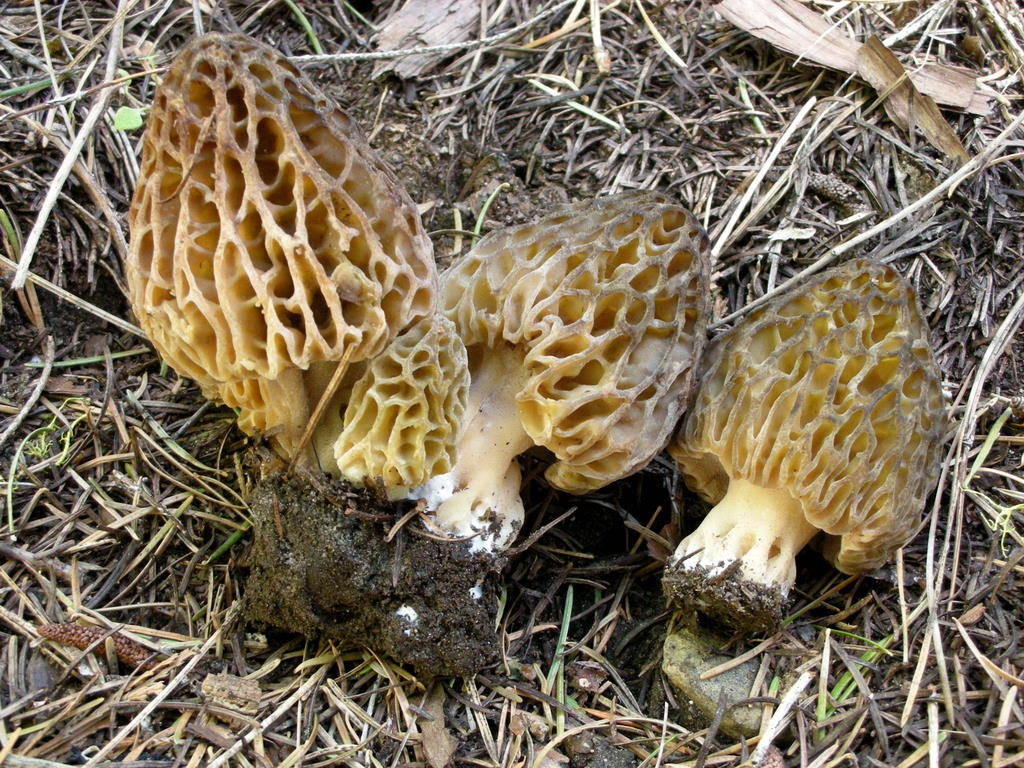
5. Snyder's morel
Snyder's morel is usually described as a ‘natural morel’ because it is abundant in non-burned mountain coniferous forests. Like most species of morel, its eye-catching conical cap with an intricate reticulated pattern gives it an appearance quite distinct from other fungi. It is difficult to cultivate, thus generally only found in the wild.
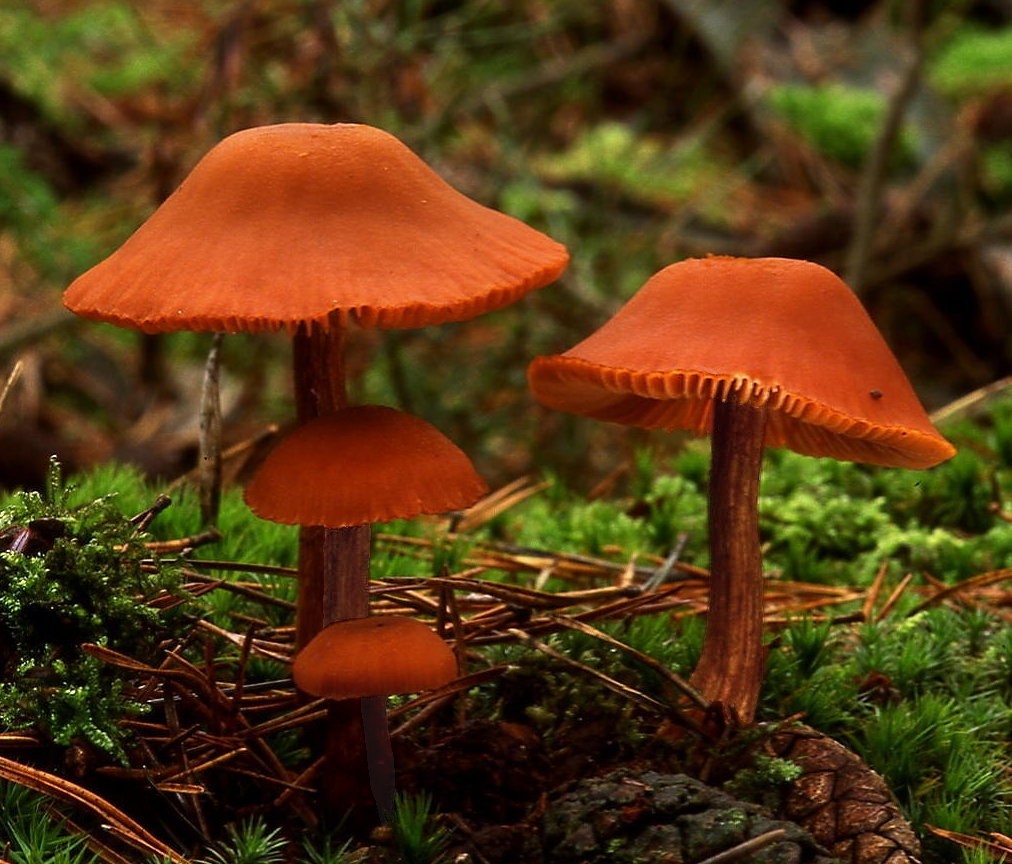
6. Common laccaria
Common laccaria may sound like a malevolent name for a mushroom, but fret not! This species is so-called because its appearance is highly variable, with individual caps taking on a whole host of colors, from whitish to pinkish to dark brown.
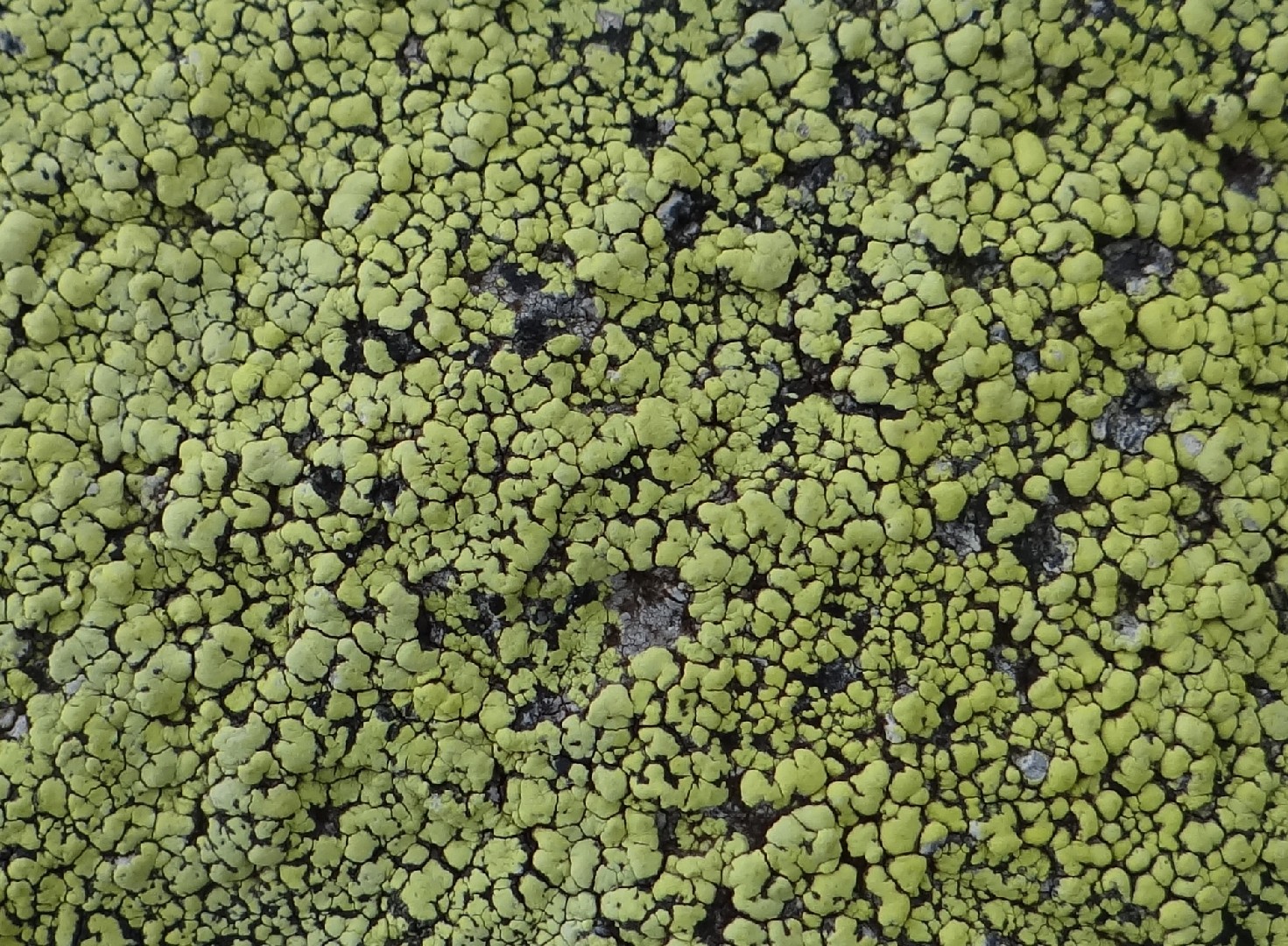
7. Map lichen
The map lichen is a crust lichen, the thallus lies close to the ground or grows through it. The species is bright yellow to olive green. It can cover large areas on stones. The lichen is divided into small angular fields, which are separated by a black border and pull through the lichen body. At the edge of the fields black edged fruiting bodies are sunk. The appearance of this structure is reminiscent of geographically separated areas on a map. Like many lichens, it has extremely slow growth. It grows depending on the location per year only 0.25-0.6 mm radially outward. It can reach an age of over 1,000 years and can be used to date the decline of glaciers. If the growth rate at a location is known, the last ice cover can be calculated from the largest specimens.
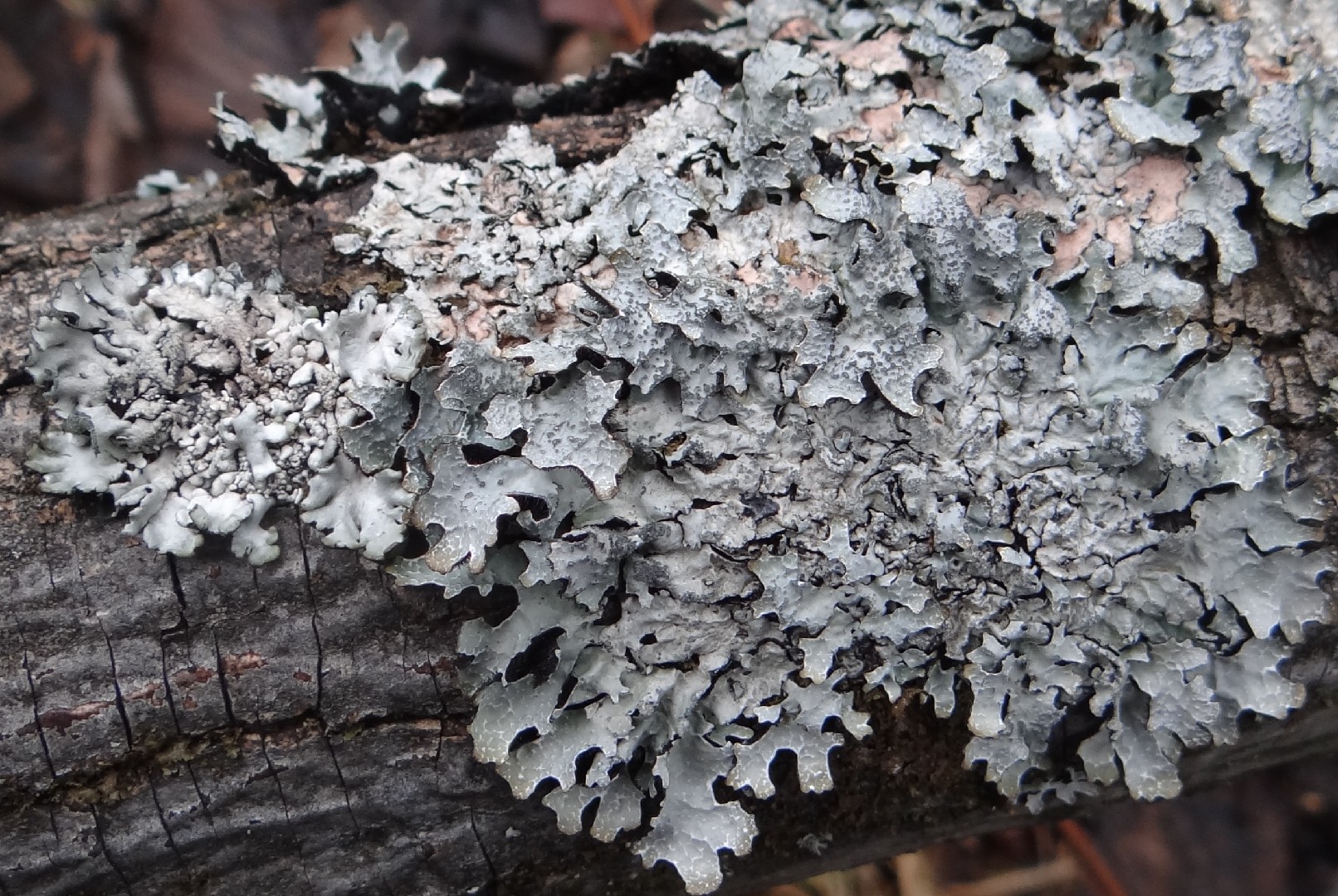
8. Hammered shield lichen
Hammered shield lichen is noted for its pollution tolerance. It is a widespread grey flat lichen that is mostly found upon tree bark and occasionally rocks. Hammered shield lichen is named for the depressions within the lobe which give it a hammered appearance.
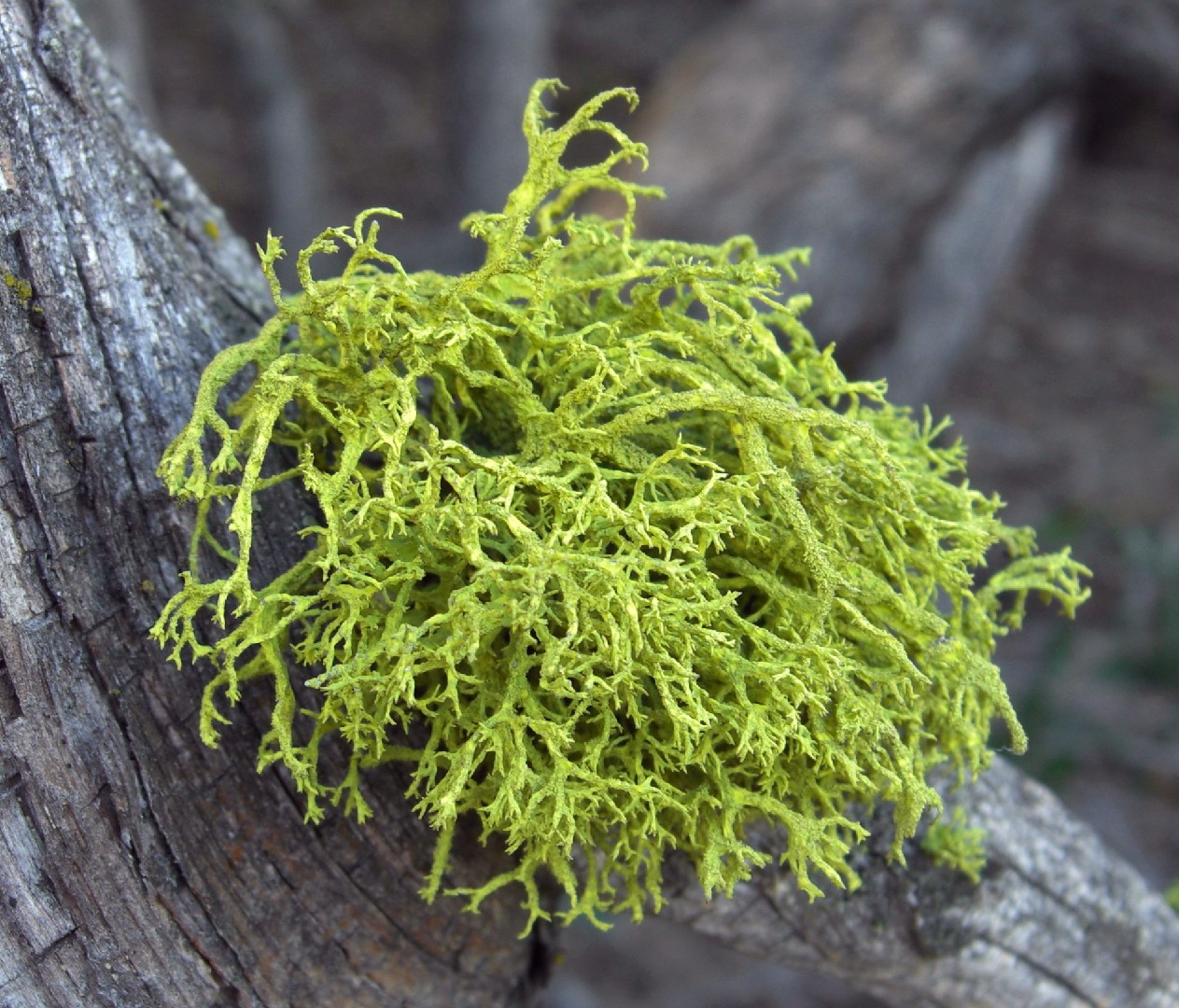
9. Wolf lichen
The thallus, or vegetative body, has a fructicose shape — that is, shrubby and densely branched — and a bright yellow to yellow-green, or chartreuse color, although the color will fade in drier specimens. Its dimensions are typically 2 to 7 cm (0.8 to 3 in) in diameter. The vegetative reproductive structures soredia and isidia are present on the surface of the thalli, often abundantly. 
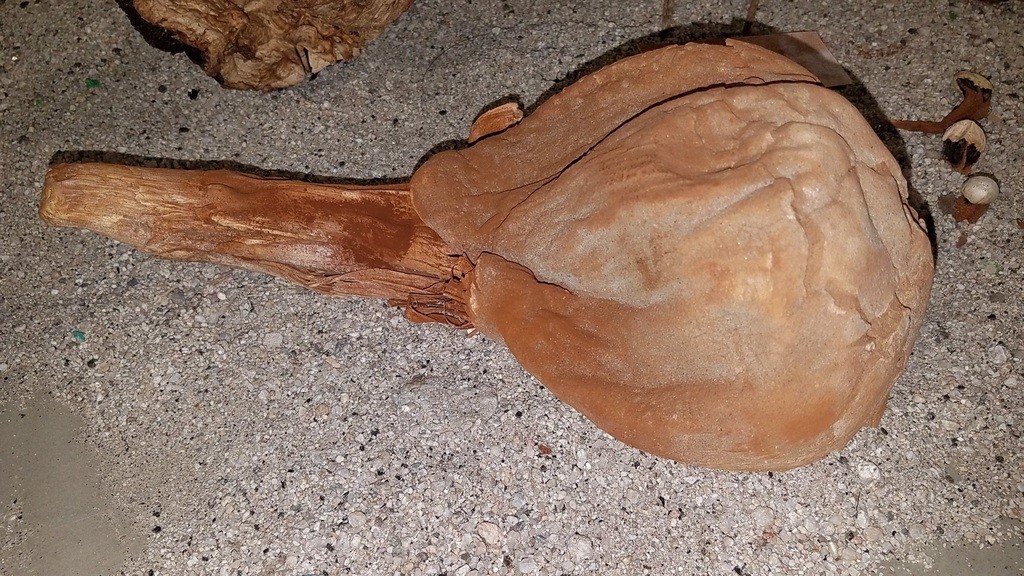
10. Dictyocephalos attenuatus
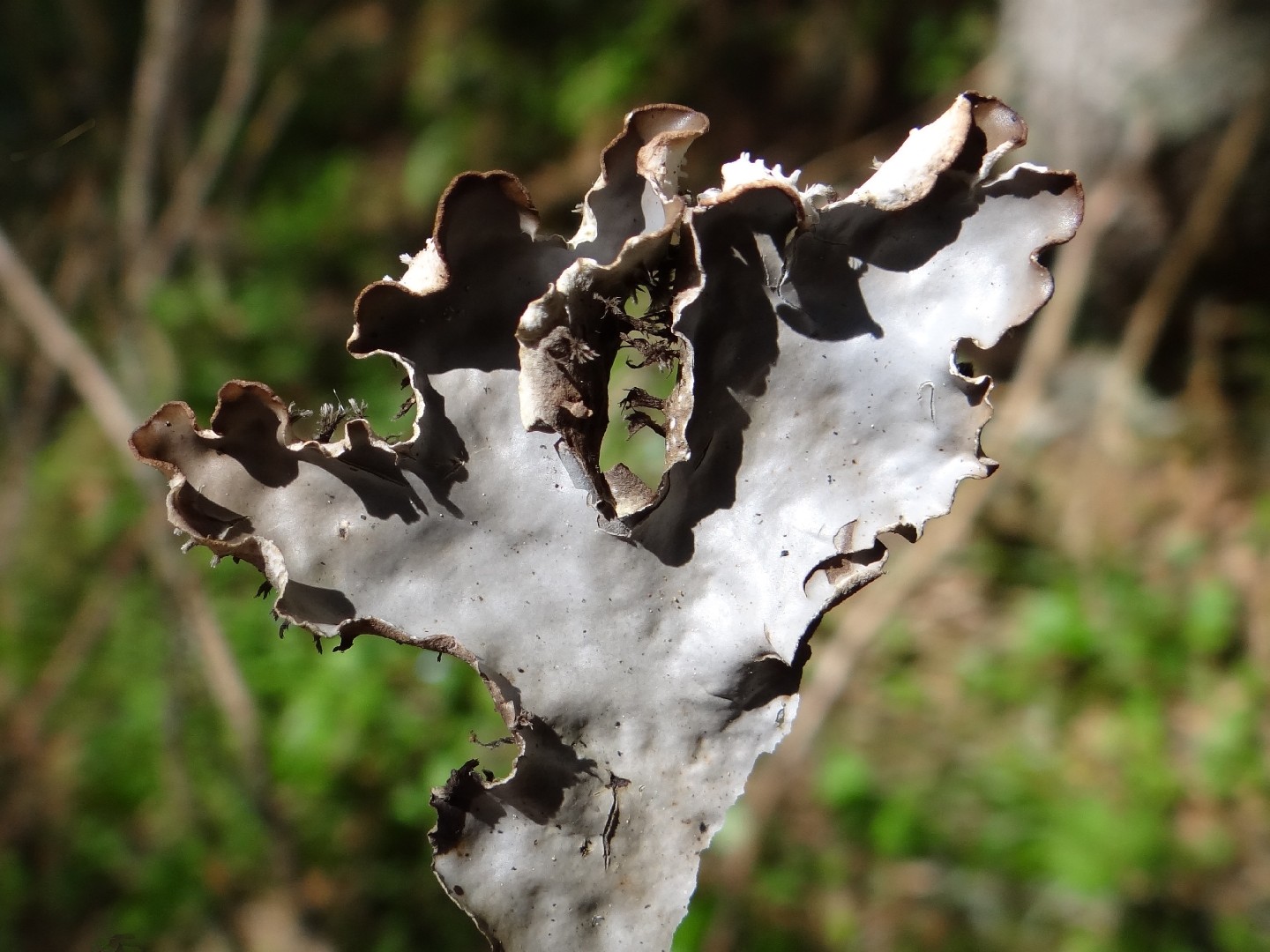
More







