




Top 20 Most Common Mushrooms in Wisconsin
Wisconsin, a picturesque state with diverse ecosystems, offers just the perfect habitat for fungi to flourish. A land where exceptionally fertile soils merge with serene woodlands, Wisconsin presents a veritable treasure trove of mushroom species. Uncover the top 20 most prevalent mushrooms and delve into the fruitful mycological panorama Wisconsin has to offer. This eclectic mix of mushroom species is sure to engage both novice gatherers and seasoned mycologists alike.

Most Common Mushrooms
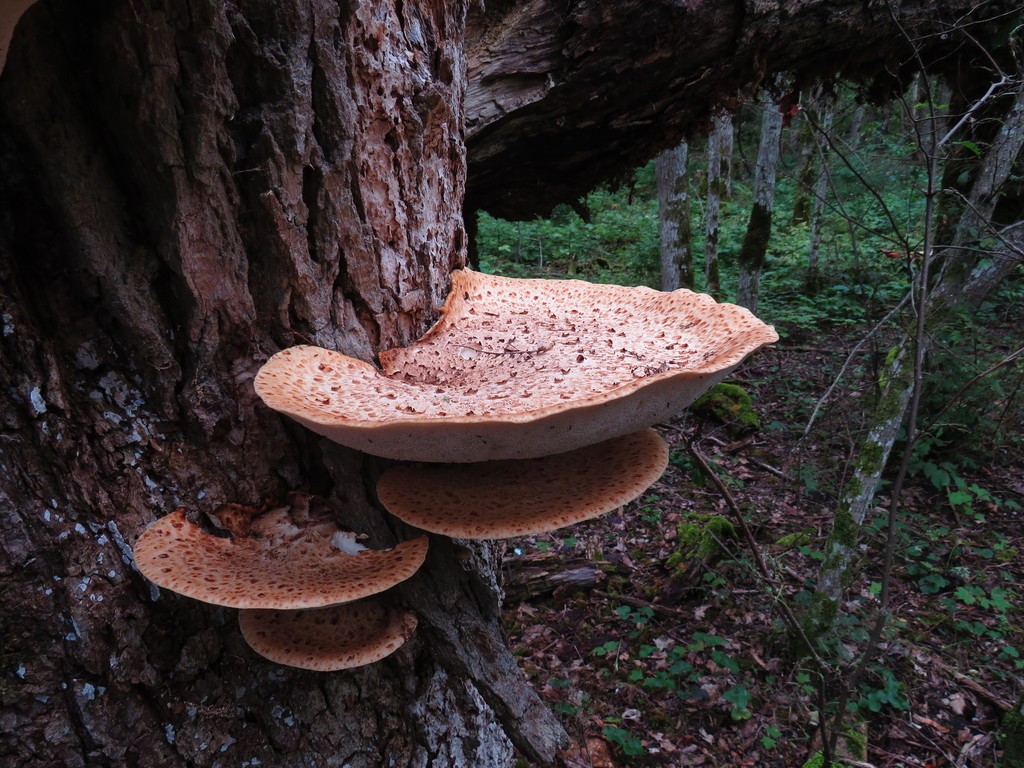
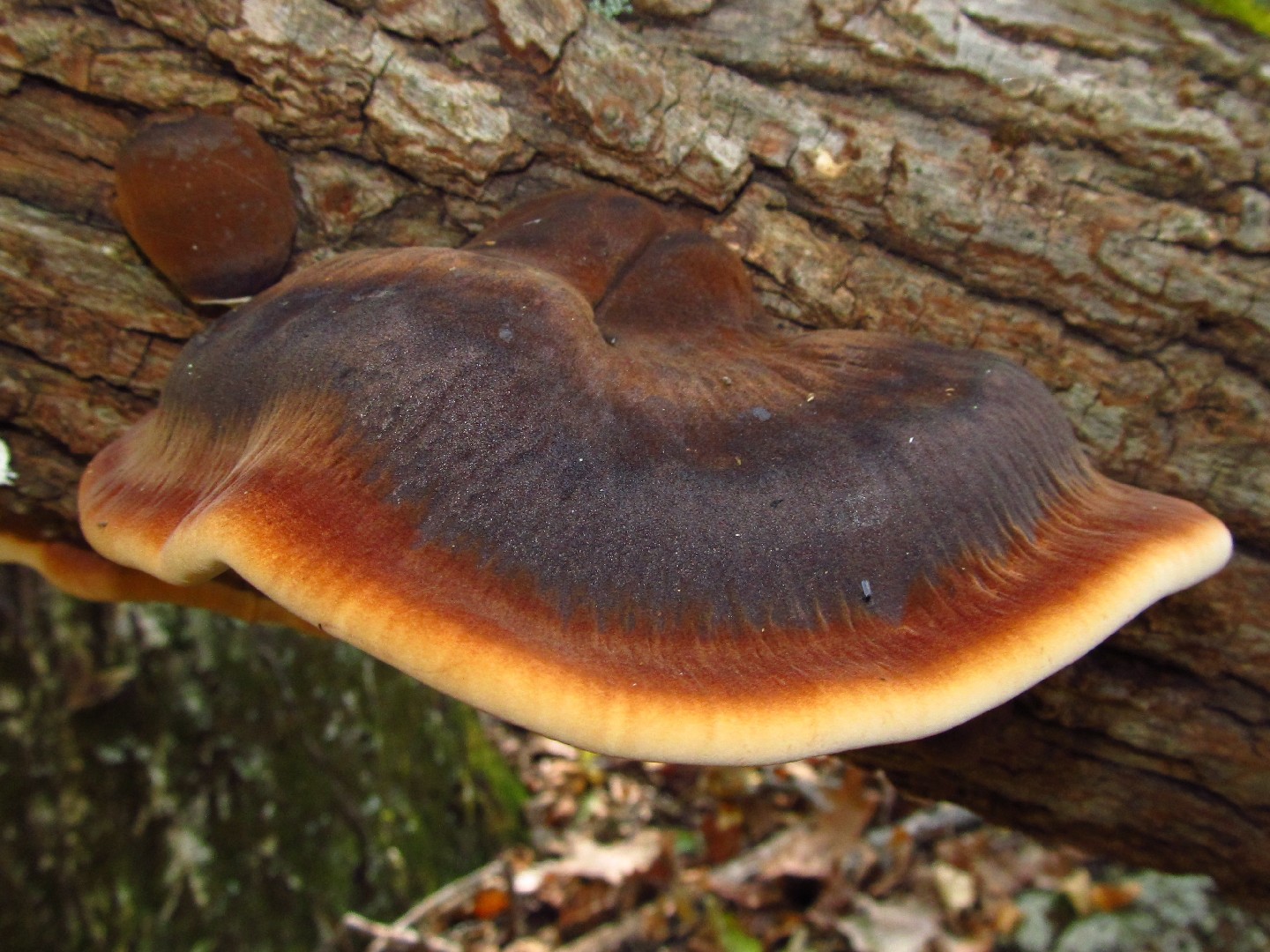
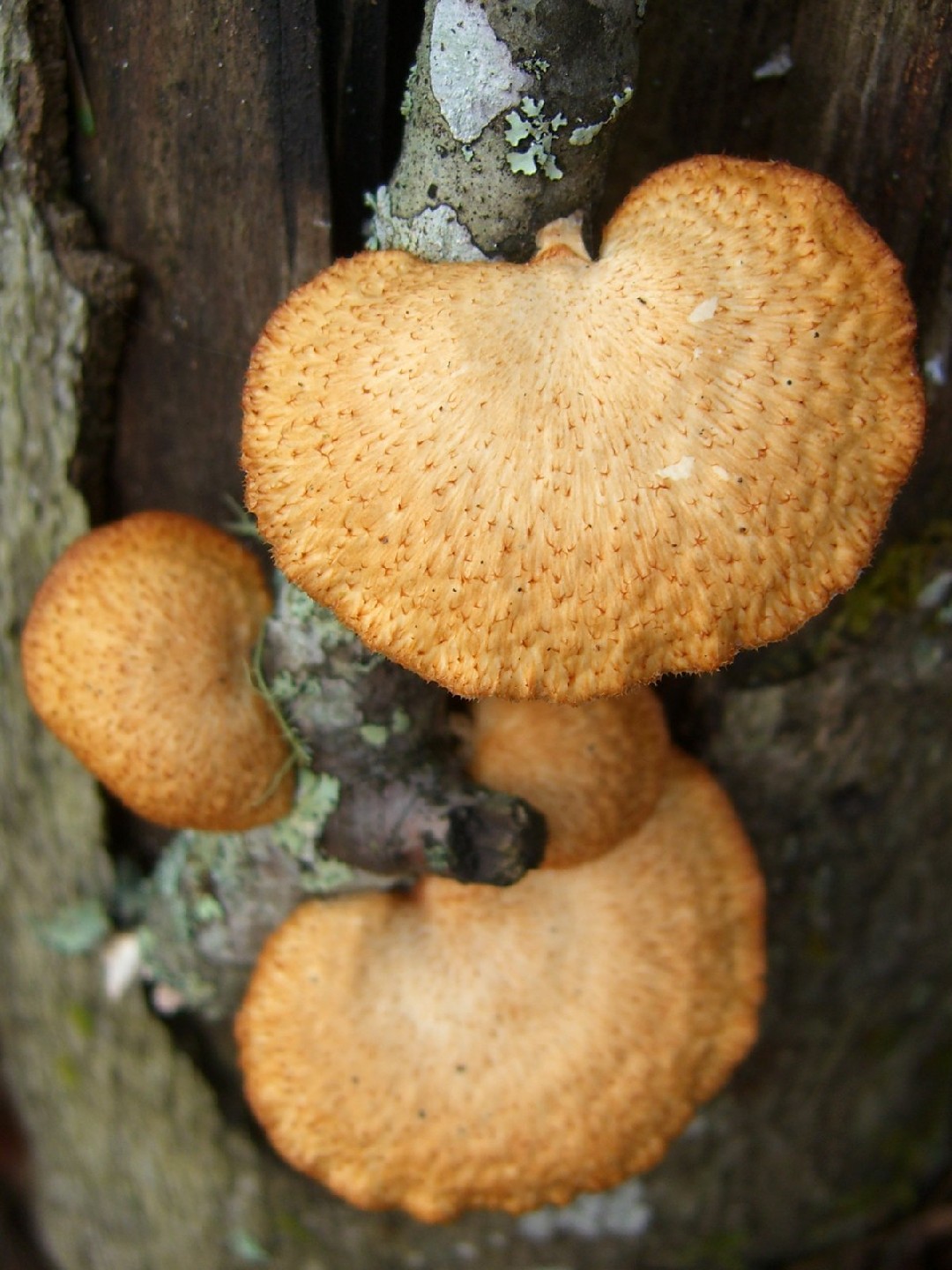
1. Dryad's saddle
A familiar sight to spring morel hunters, dryad's saddle is noteworthy for its large size, striking scales, and watermelon-like smell. Similar to other mushrooms in the bracket fungi family, dryad's saddle can be used to make paper. Younger mushrooms are better suited for this purpose due to their smaller and more consistent fibers.
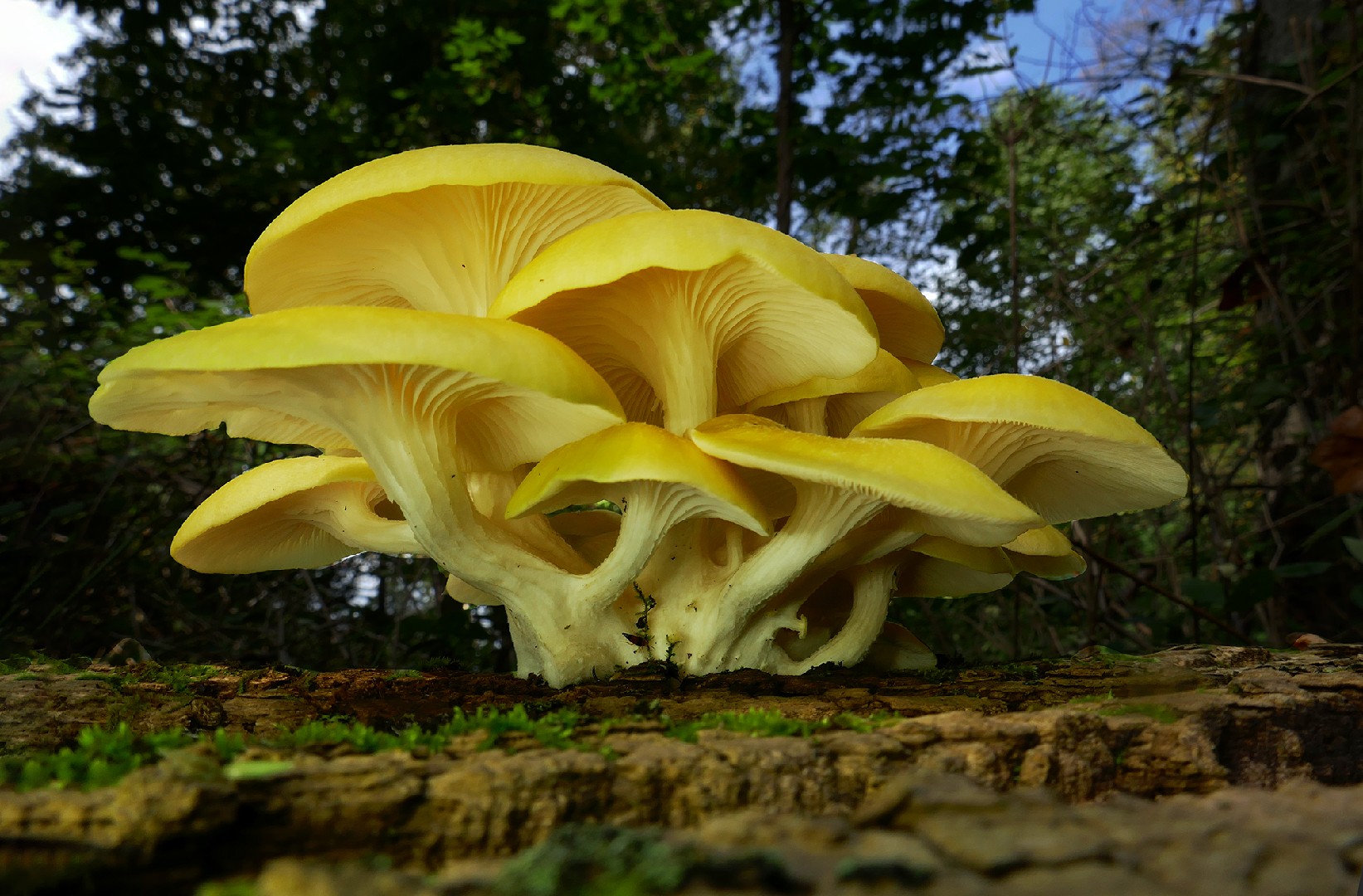
2. Golden oyster
The golden oyster(Pleurotus citrinopileatus) can be distinguished from other mushrooms by an iridescent butter-yellow cap that matures into the color of sunshine. As the color intensifies, the cap also becomes more brittle, making it very difficult to handle. The golden oyster is a delicious species that is highly desirable for culinary uses.
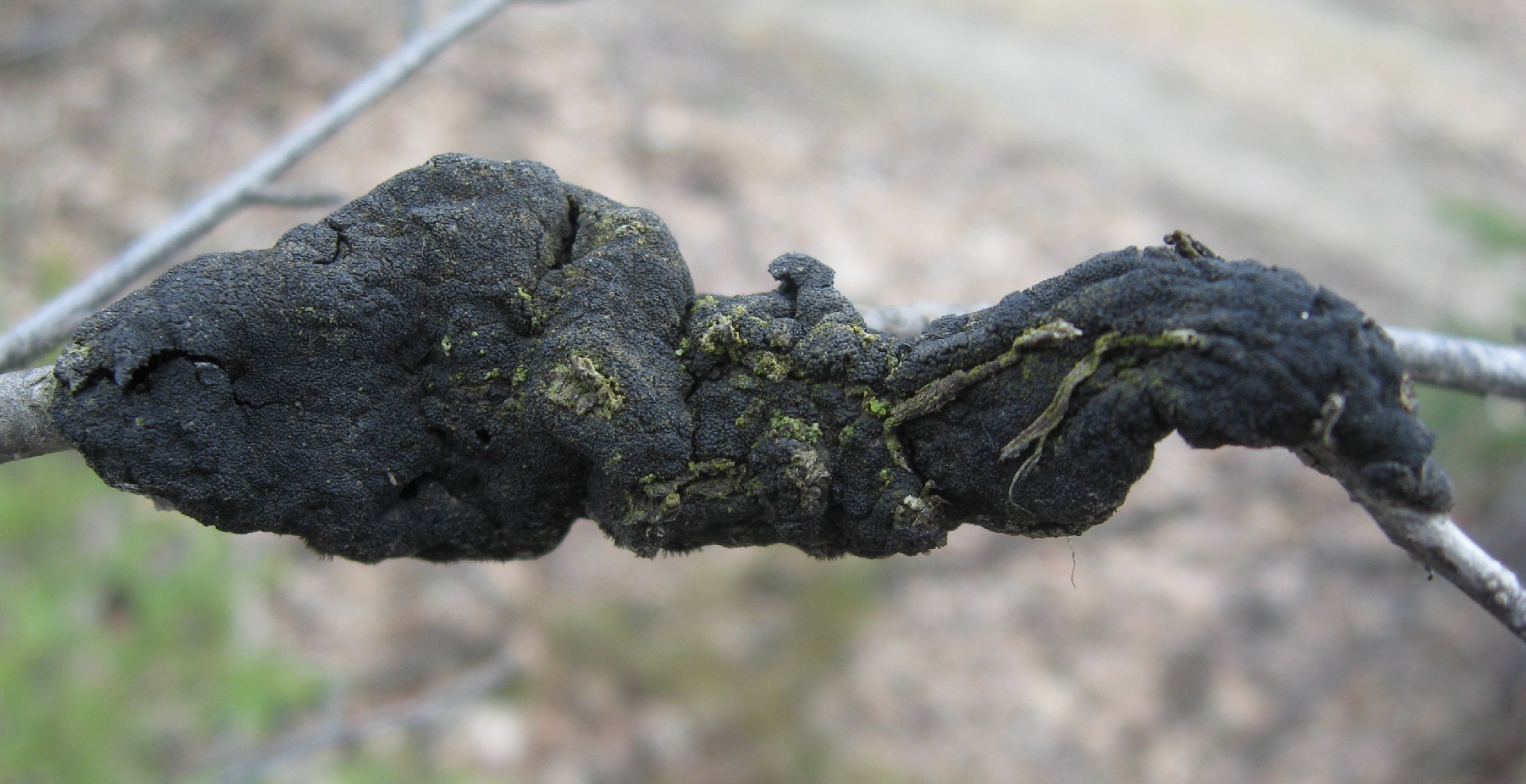
3. Black knot
The appearance of black knot (Apiosporina morbosa) is commonly found on various fruit-bearing trees and looks more like abnormally growing bark than it does a fungus. In youth, this bulbous growth is a lighter green but rapidly turns to dark brown and black. Black knot can kill trees and is not easily controllable using fungicides.
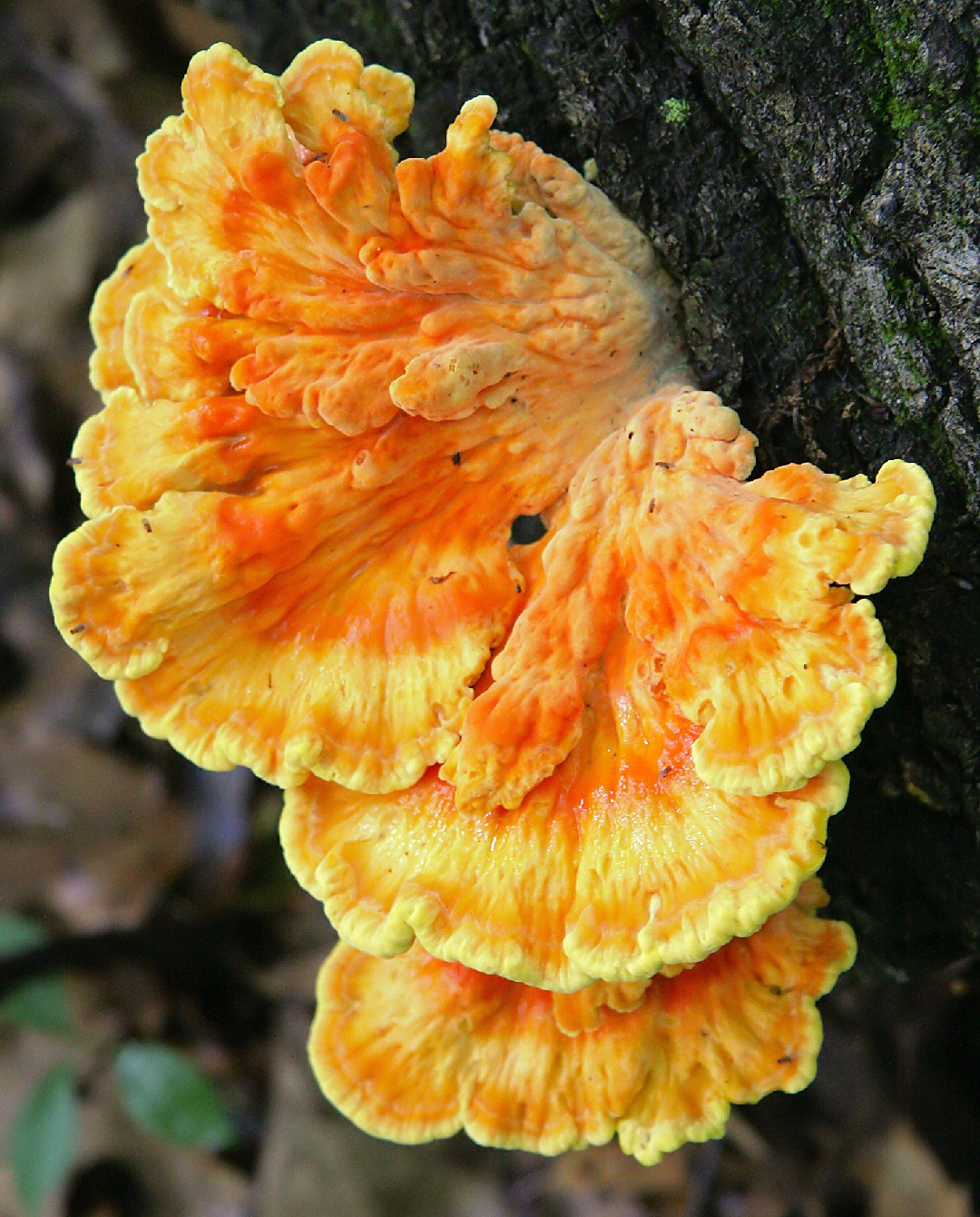
4. Chicken of the woods
Chicken of the woods is very noticeable in hardwood forests, appearing in clusters on standing tree trunks in bright orange and yellow hues that sometimes last through the entire winter. It is a parasite that causes an unfortunate brown heart rot, and is considered a particularly troublesome pest of Yew trees. If the fruitbodies can be seen, the tree is likely already beyond saving.
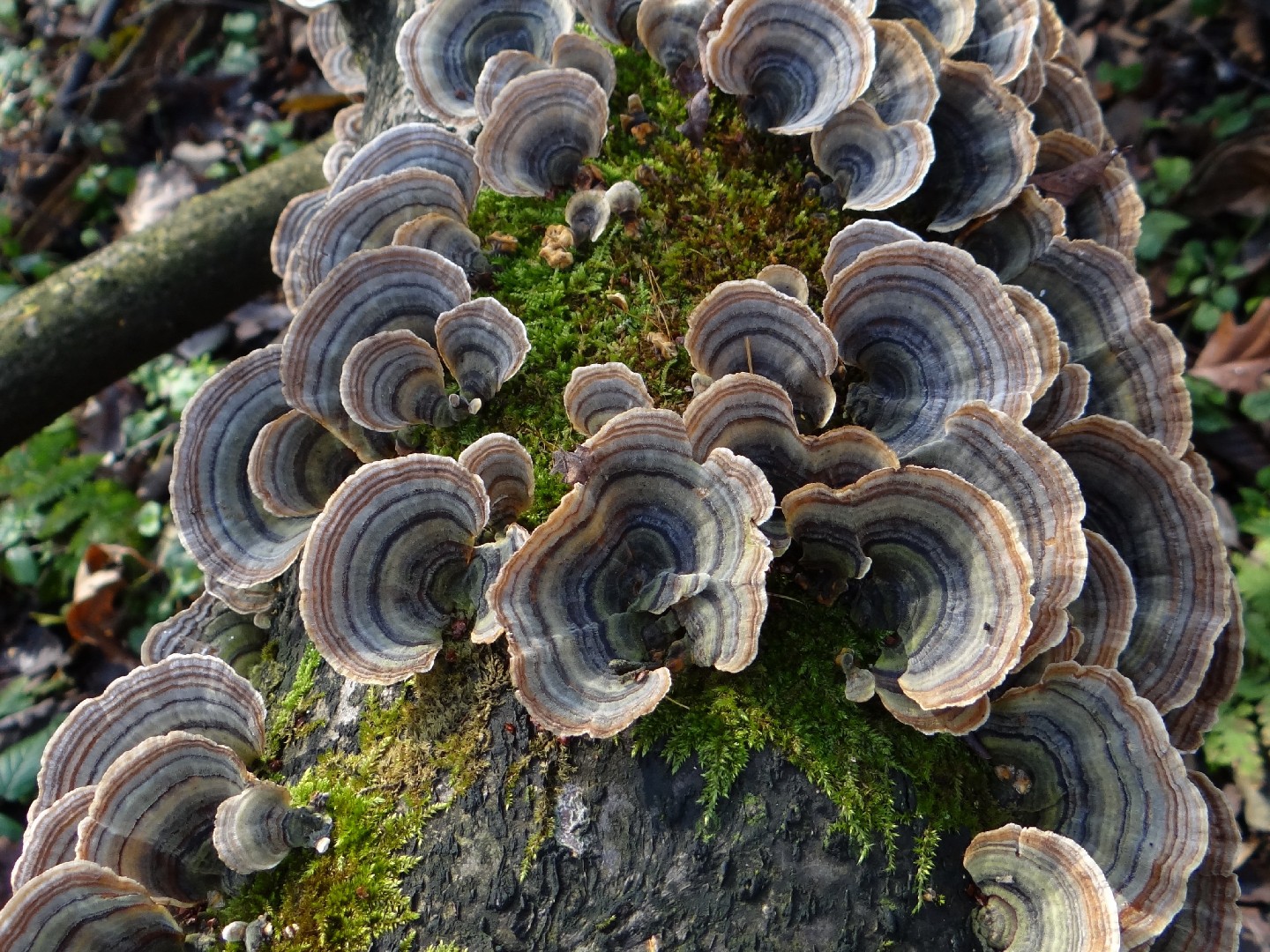
5. Turkey tail
The distinctively-striped turkey tail fungus grows on stumps and logs all over the forests of the northern hemisphere. It is, in fact, probably the most common species you will find. That doesn't mean this mushroom is plain, however; each cap is uniquely patterned. Look for bands of alternating textures as well as color.
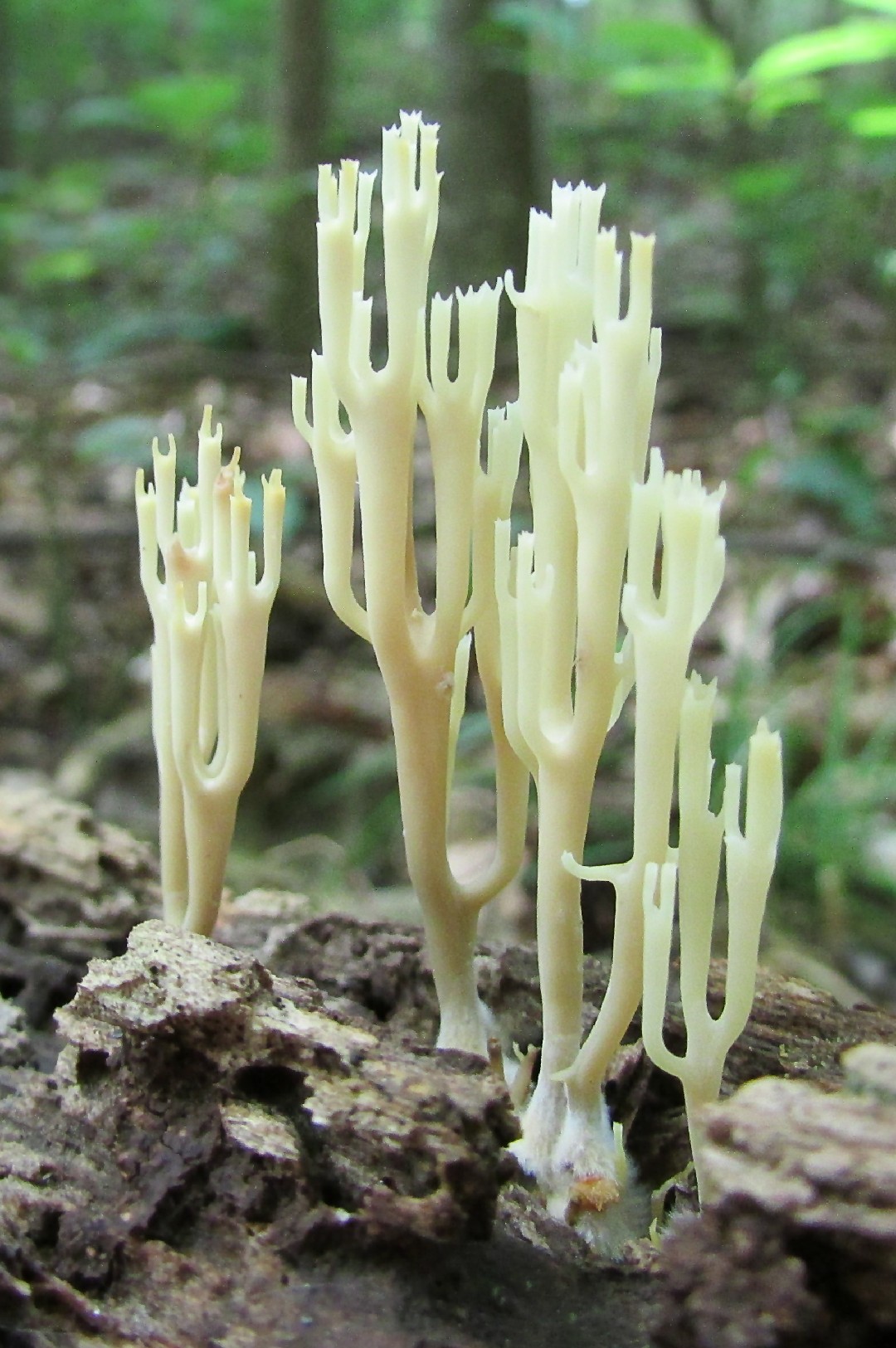
6. Crown-tipped coral
Crown-tipped coral(Artomyces pyxidatus) is a widespread but uncommon species in North America and Western Europe whose Latin name, meaning "box-like," is inspired by its structure. It is one of the few coral fungi to fruit on wood. After a period of absence lasting over a century, it has recently reappeared in Great Britain.
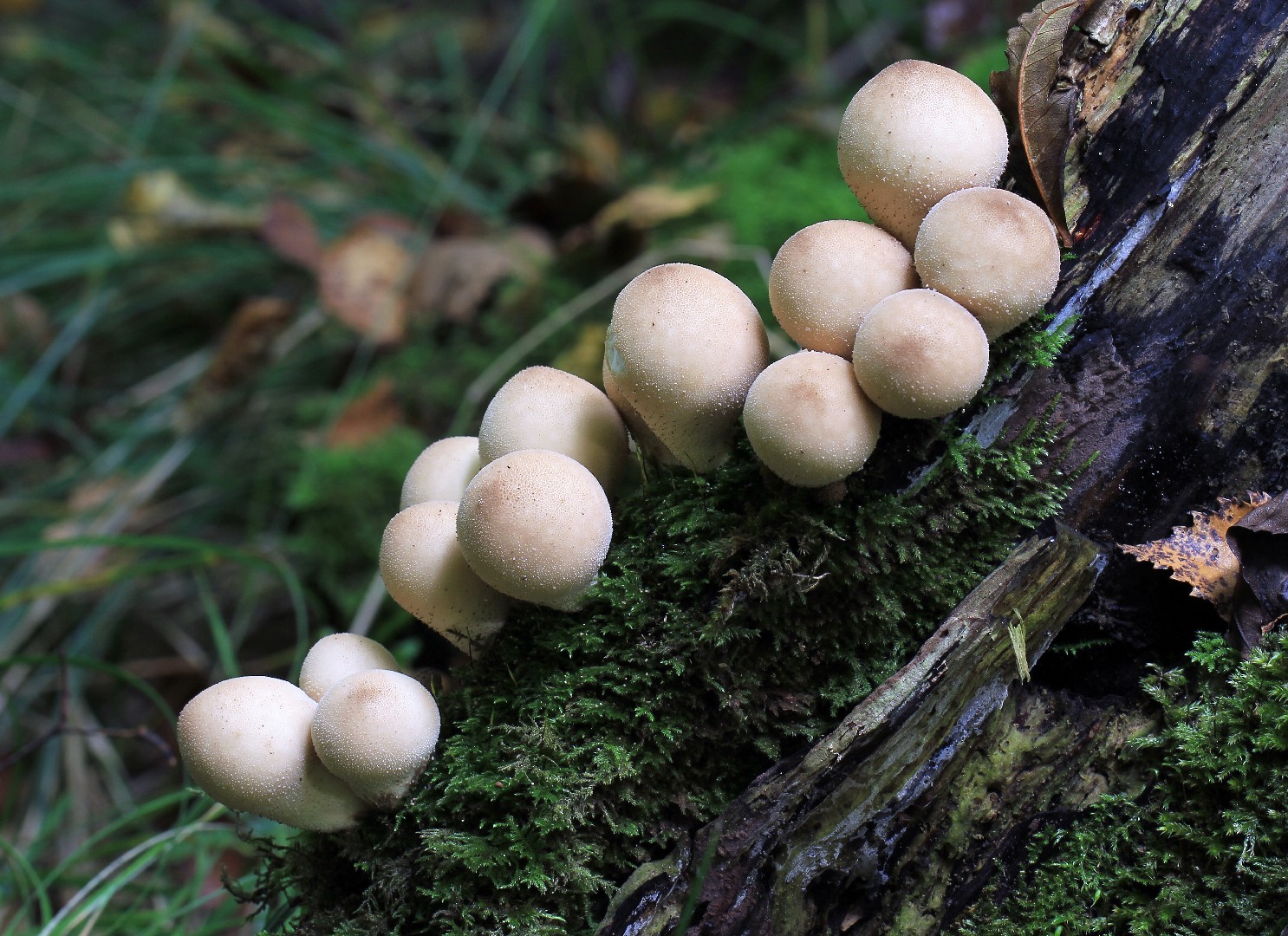
7. Pear-shaped puffball
The mushrooms of this species grow in such tight clusters that they may cover fallen trees and stumps almost entirely in a brownish, puffy coat. Pear-shaped puffballs appear all around the northern hemisphere on decaying hardwoods from fall through winter.
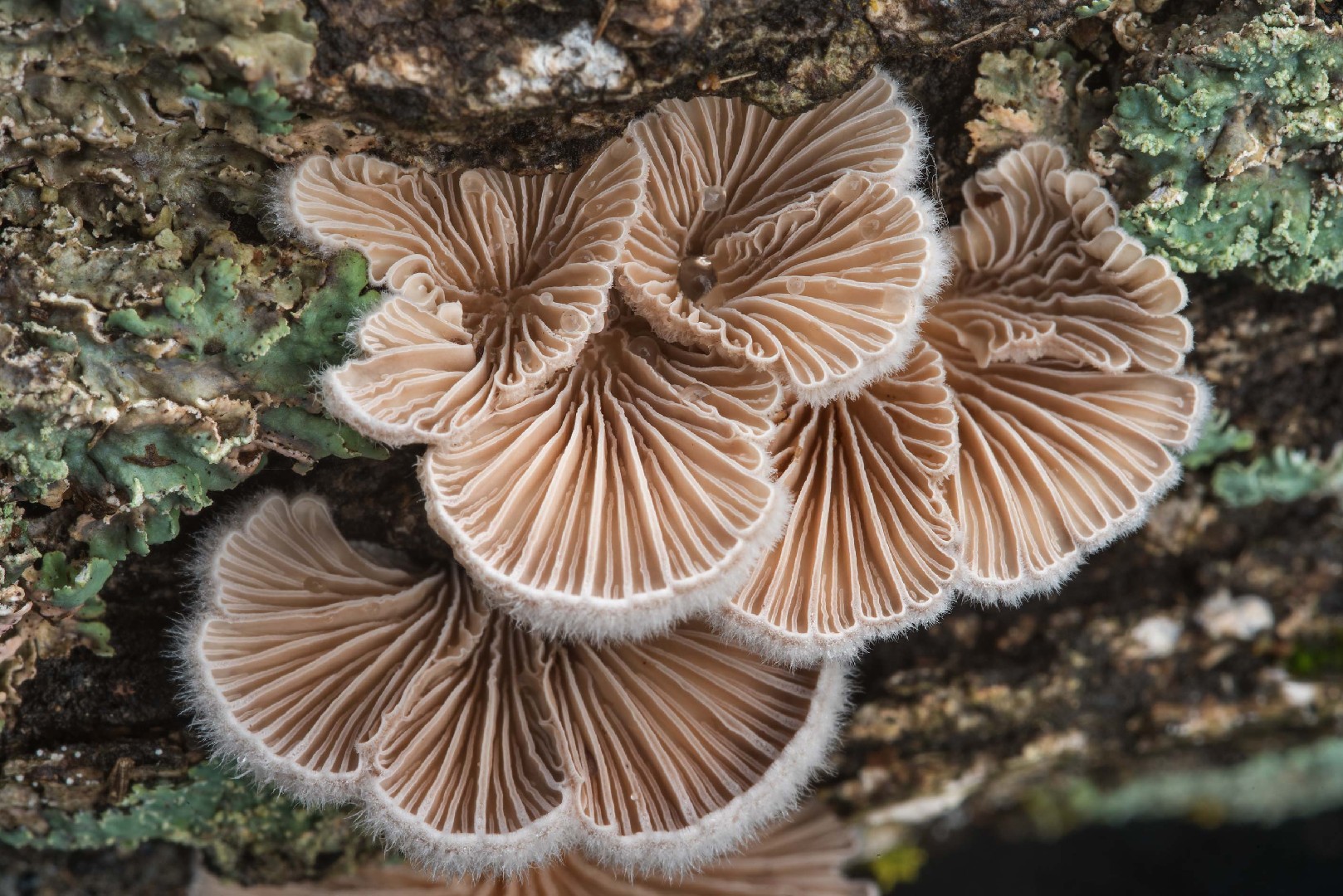
8. Split gill
Split gill(Schizophyllum commune) can be found across the globe. Uniquely, it is the only mushroom species known to display the capability to retract by movement. It is considered inedible, although not necessarily toxic. Furthermore, it is not recommended to smell this species, as the spores are capable of sprouting and growing in nasal passages.
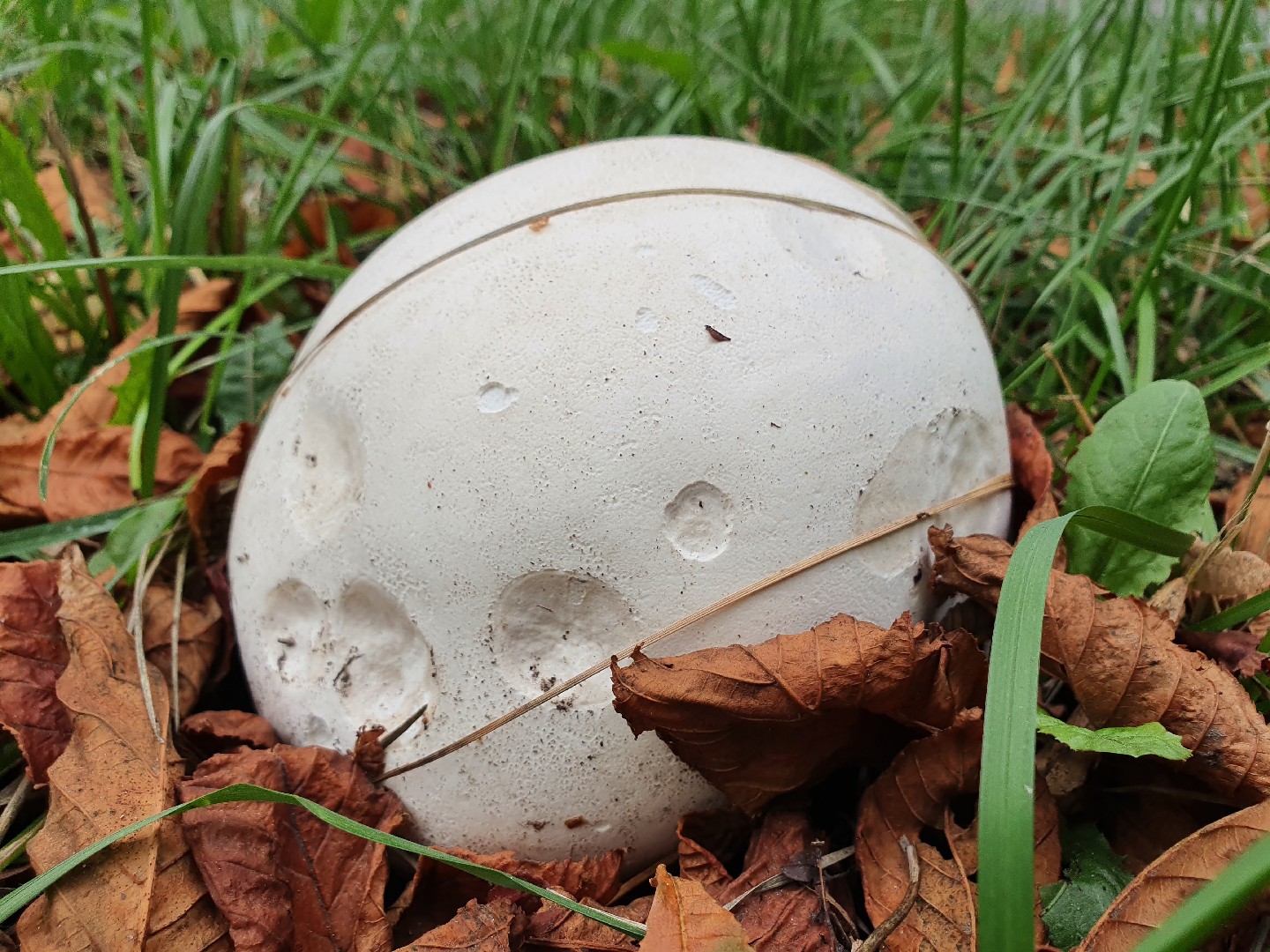
9. Giant puffball
These distinctive round, white fungi appear around the world in fields and at the edges of wooded areas. Living up to its name, a single giant puffball can grow as large as a watermelon. They have no stems, and produce trillions of spores that release into the air through holes in “puffs.” They have been used as slow-burning tinder and produce copious smoke when set aflame. Giant puffballs are technically edible, but should only be consumed when the mushroom is young and firm.
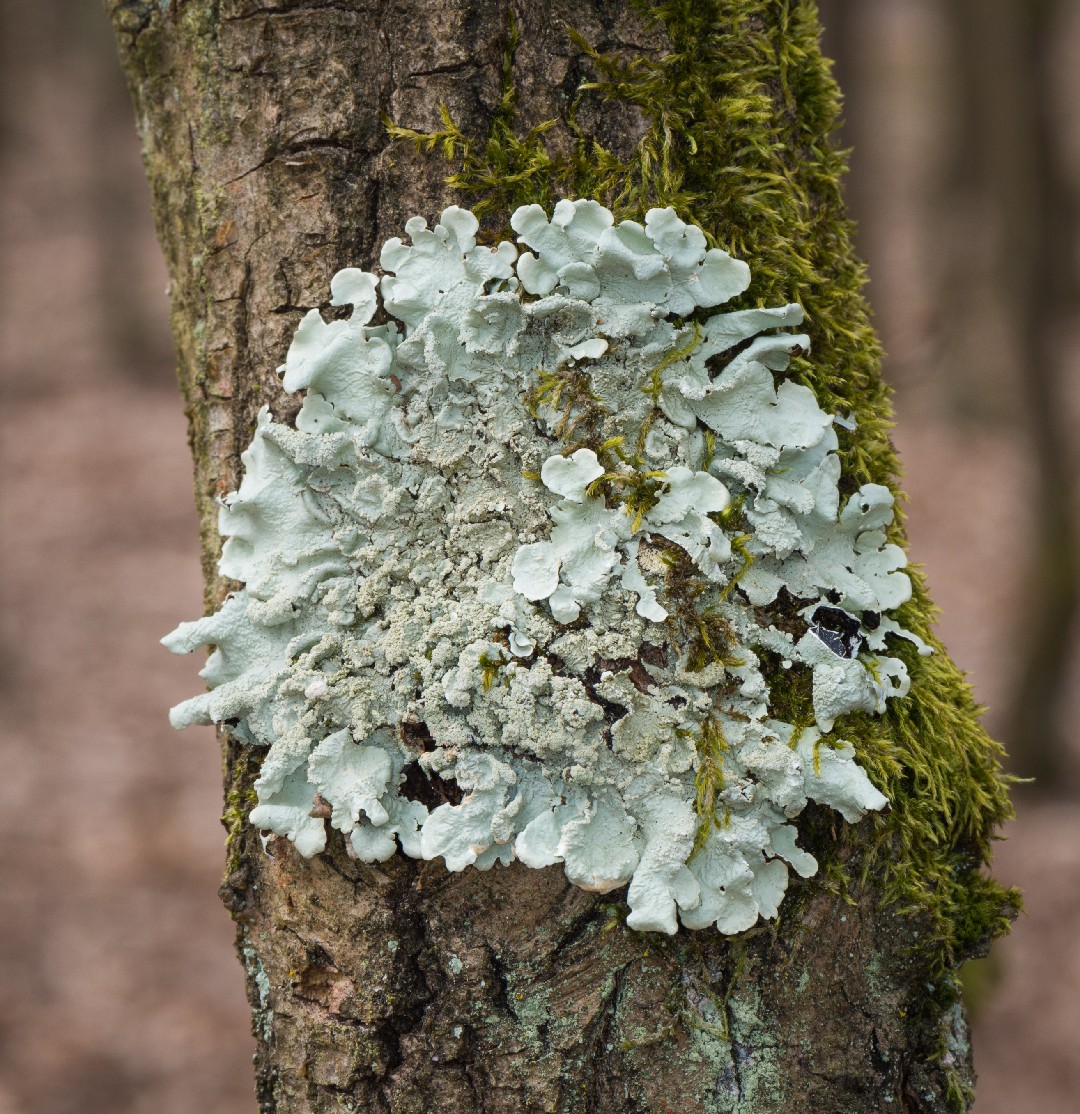
10. Common greenshield lichen
The common greenshield lichen is a familiar species in temperate forests around the world. It can be found growing on rock outcroppings and trees in a wide variety of habitats. Individuals can grow to be quite large and may be gregarious, forming large mats or sheets on suitable surfaces. Like other lichens, the common greenshield lichen will shrivel and harden when moisture is scarce.




More







