




Top 20 Most Common Mushrooms in North Ogden
Welcome to our web page aimed at uncovering the top 20 most prevalent mushroom species thriving in North Ogden. This beautiful locale, nestled within the spectacular landscape of mountain ranges, offers a perfect environment for mycelial growth. High amounts of rainfall, fertile soils, and a cool climate endow North Ogden with a diverse array of mushroom species. Immerse yourself in North Ogden's array of fungal secrets, from the mundane to the mystical with scientifically verified data. Stay tuned for a fascinating foray into North Ogden's mushroom-rich ecosystem.

Most Common Mushrooms

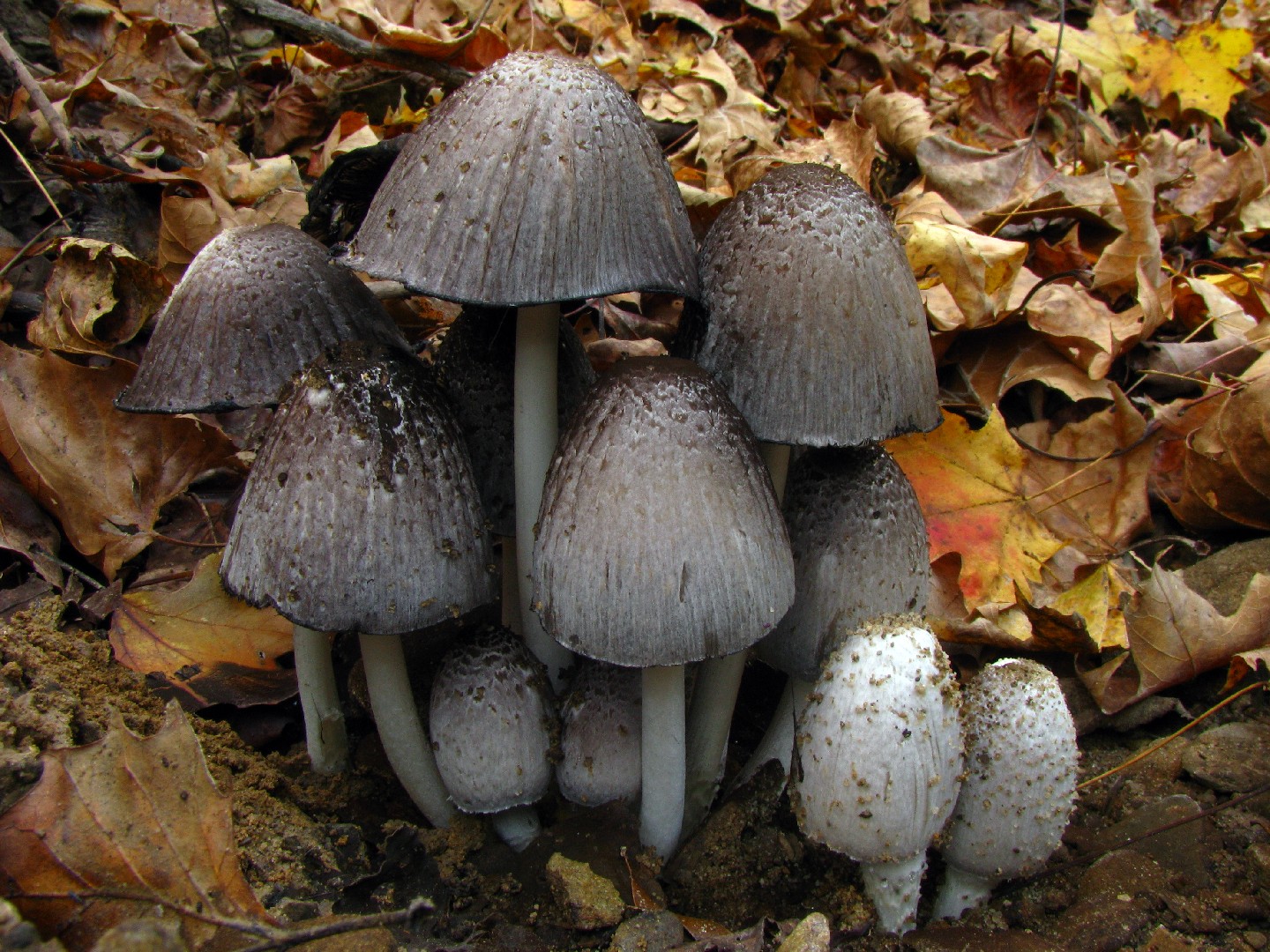
1. Shaggy mane
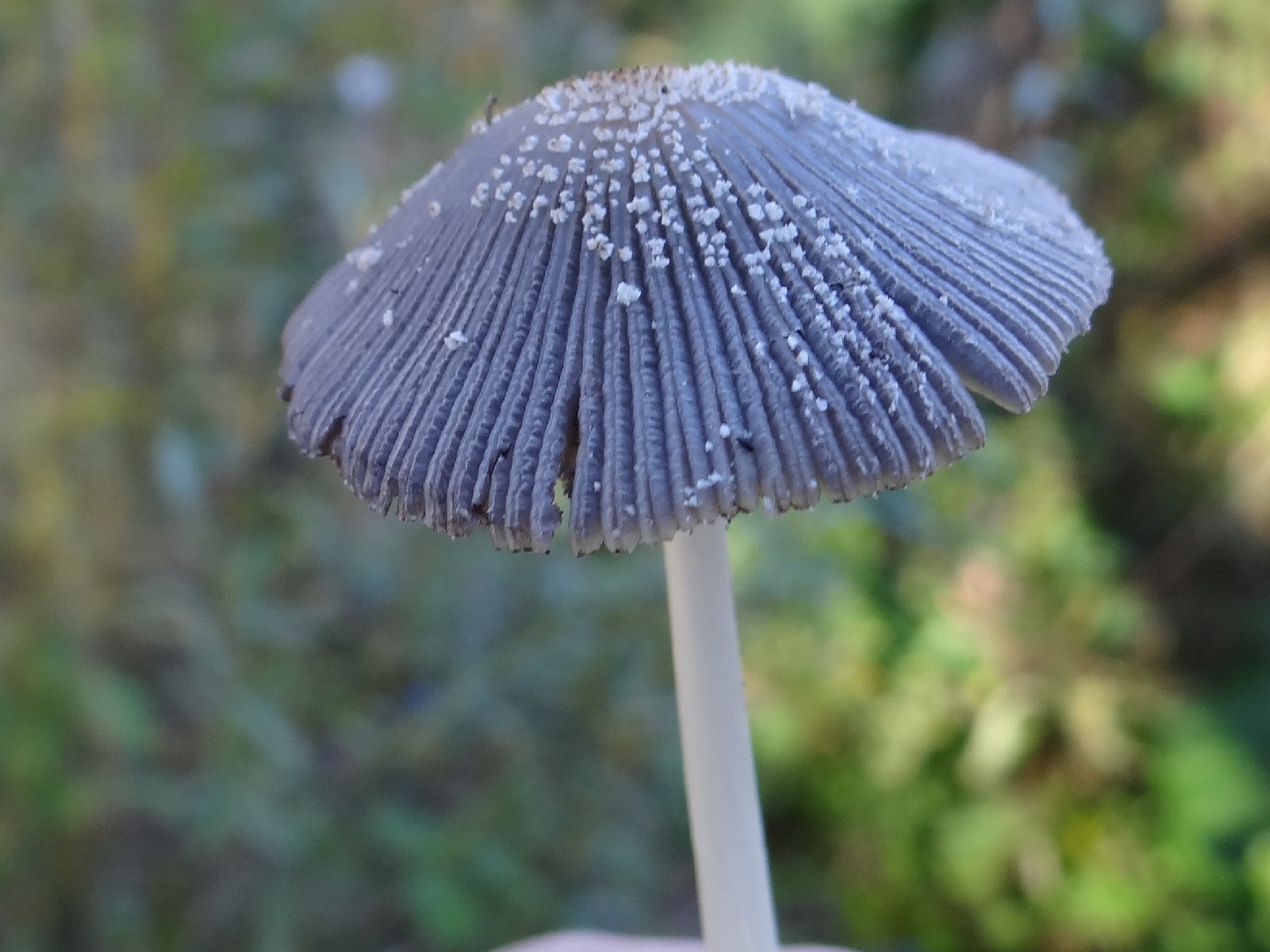
The shaggy mane mushroom is commonly found in North American and European grasslands. Some peoples foraged for its young egg-shaped caps, but it has more recently been found to be a bioaccumulator of heavy metals, meaning it pulls toxic metals up from the soil where it grows. As a result, shaggy manes should not be eaten. The mushrooms usually appear in clusters or “fairy rings.”
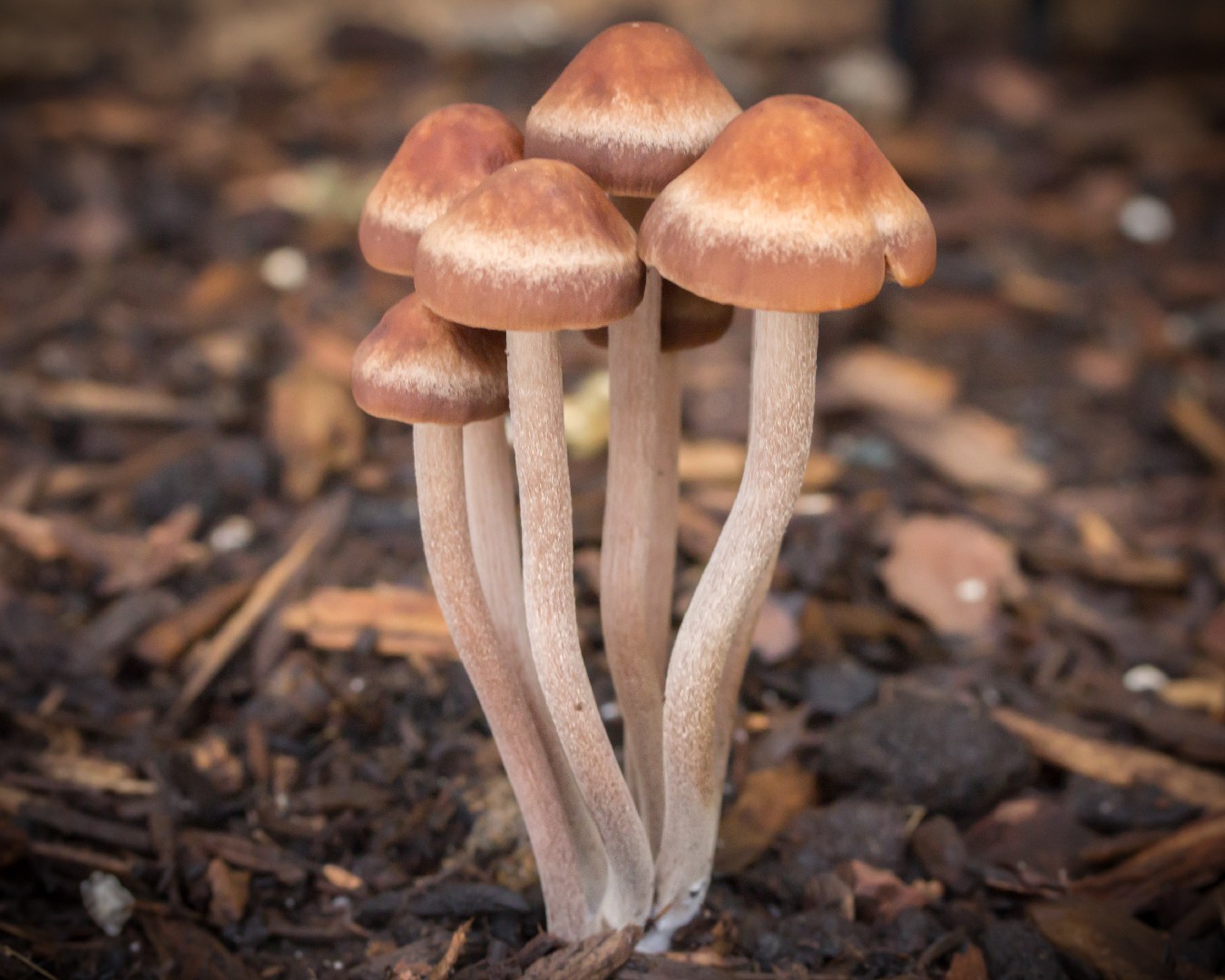
2. Banded mottlegill
The banded mottlegill (Panaeolus cinctulus) is a broad, semi-convexly capped mushroom that can change in color depending on the level of hydration. A dull reddish-tan color morphs from dark brown to almost black when wet. These mushrooms grow from compost piles and well-fertilized lawns. These mushrooms are poisonous.
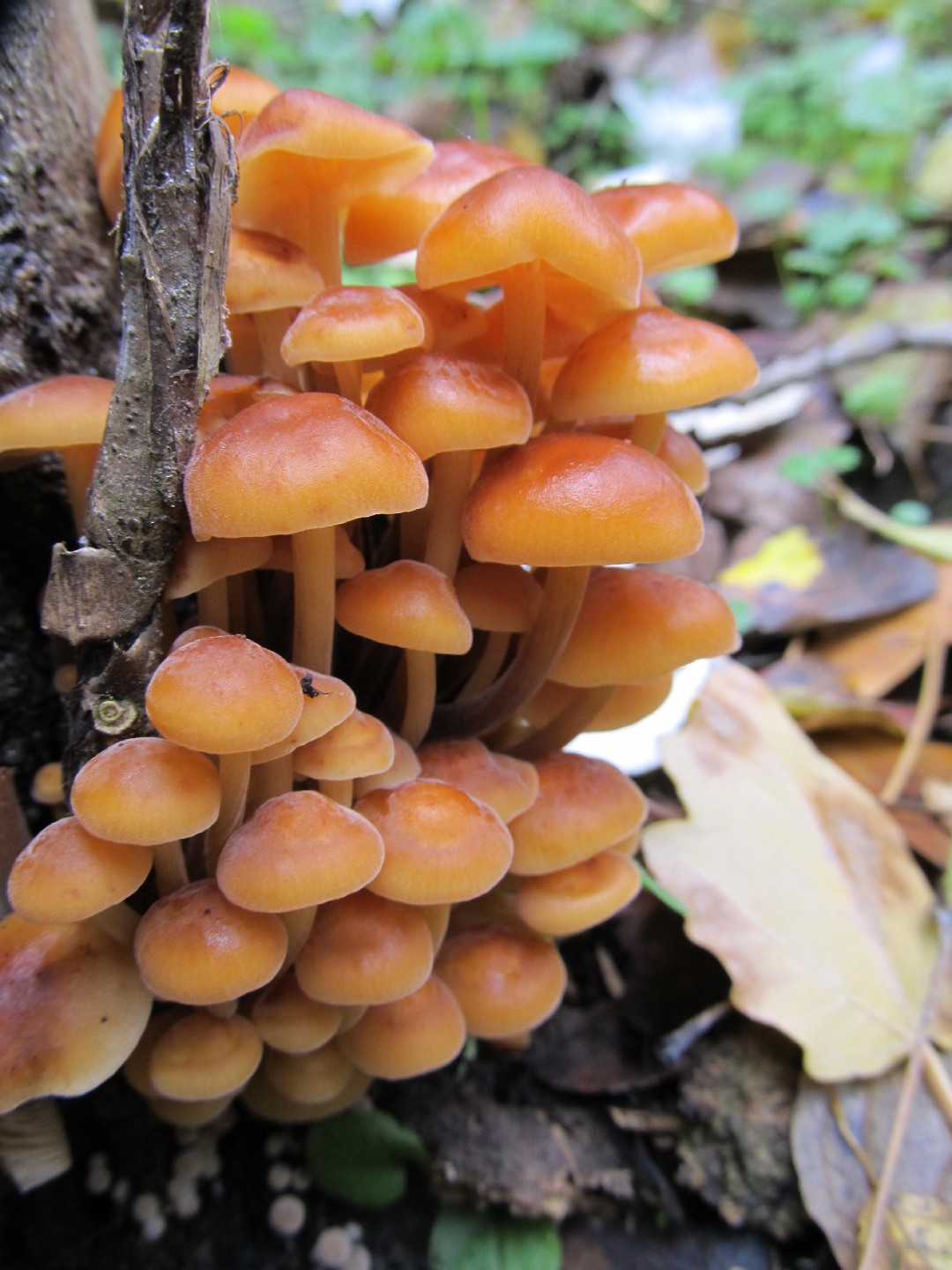
3. Enoki
The enoki grows wild on dead elm trees, and is also cultivated for human use. This flavorful species (Flammulina velutipes) has been used in dishes around the world for generations, being particularly high in nutrients. Though store-bought enoki are often plain white, wild ones can be found in a range of colors.
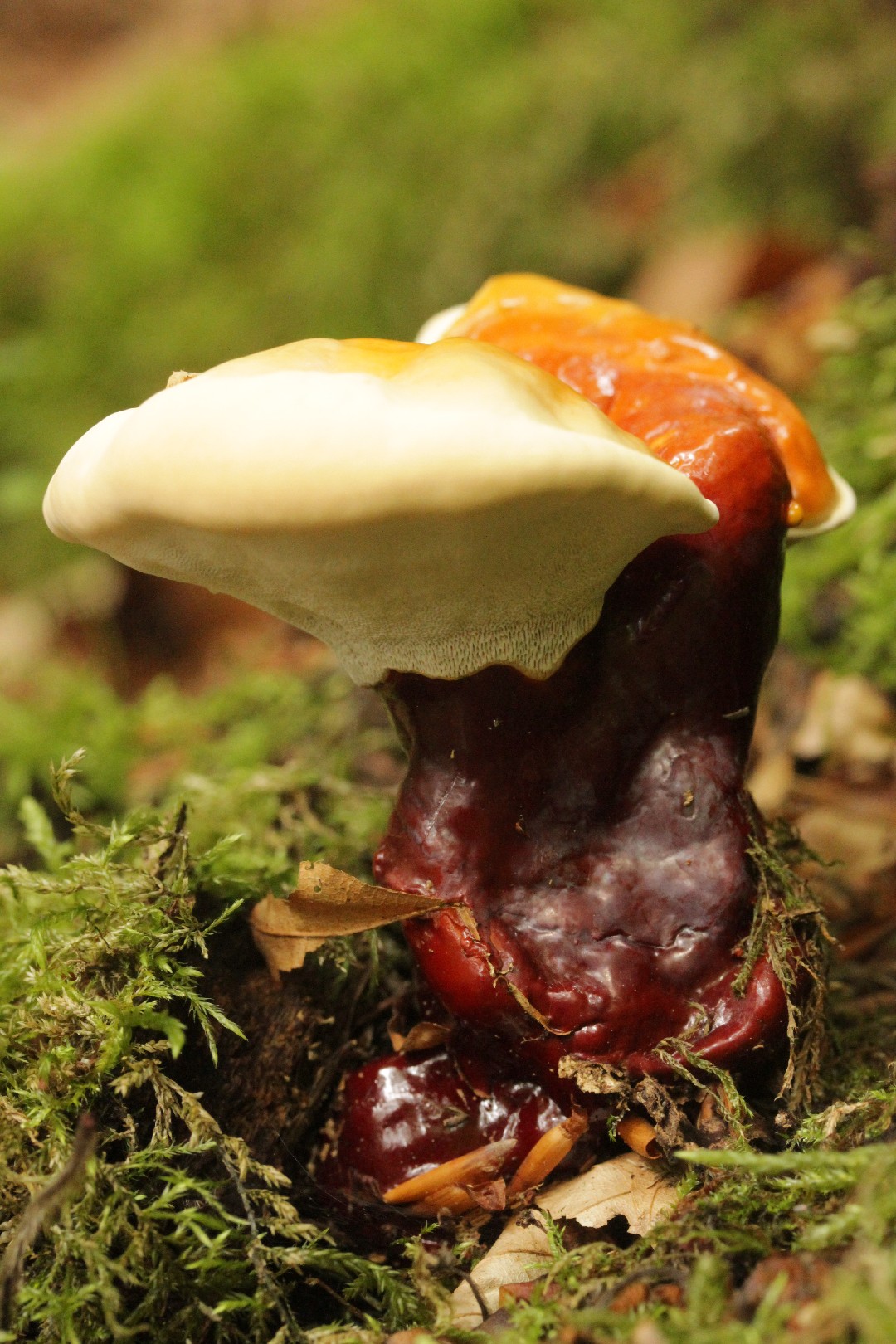
4. Reishi
The reishi (Ganoderma lucidum) is a large shelf fungus that grows as a bracket off the sides of trees, or occasionally as a rosette on the tops of stumps. Its surface is smooth and shiny. Growing wild from warm temperate zones to the subtropics, the reishi is also cultivated on grain and sawdust for commercial use. The mushroom has cultural significance in some Chinese cultures.
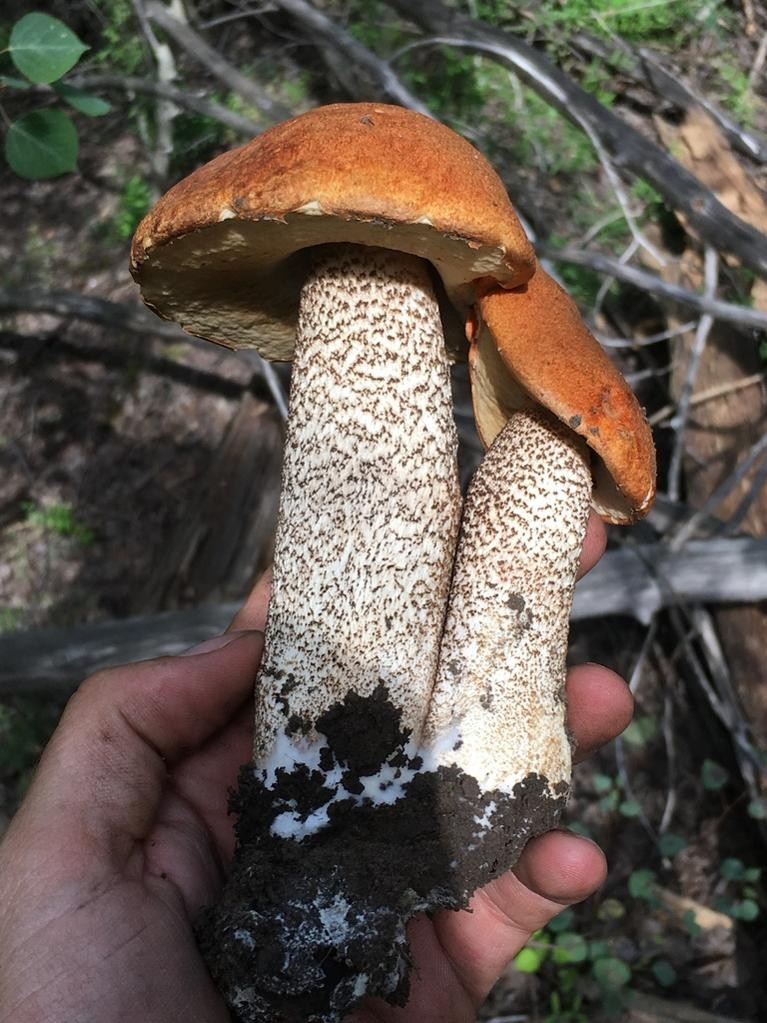
5. Aspen bolete
Even though mature mushrooms of this species have an orange-brown color and a semi-fibrillar texture, the aspen bolete (Leccinum insigne) is originally white. They are commonly found under aspen and possibly also under birch, widely scattered or in groups in woods and woodland edges.
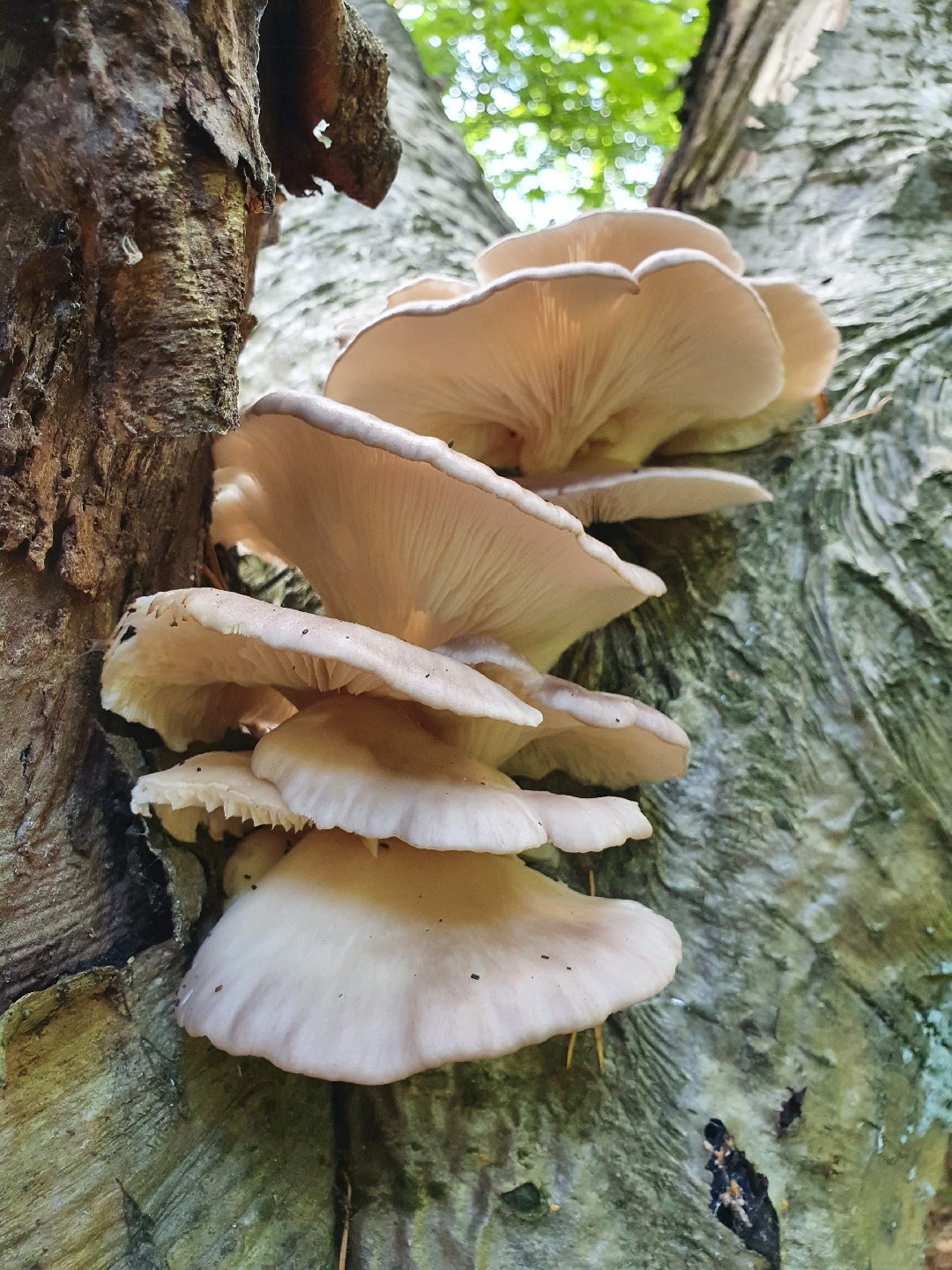
6. Oyster mushroom
Oyster mushrooms grow wild but are also cultivated for sale in supermarkets. They can even be cultivated at home. They will grow on coffee grounds and spent grain, and are occasionally even fashioned into an environmentally-friendly substitute for styrofoam. There are several toxic look-alike species, so it is best to buy these mushrooms at the store.
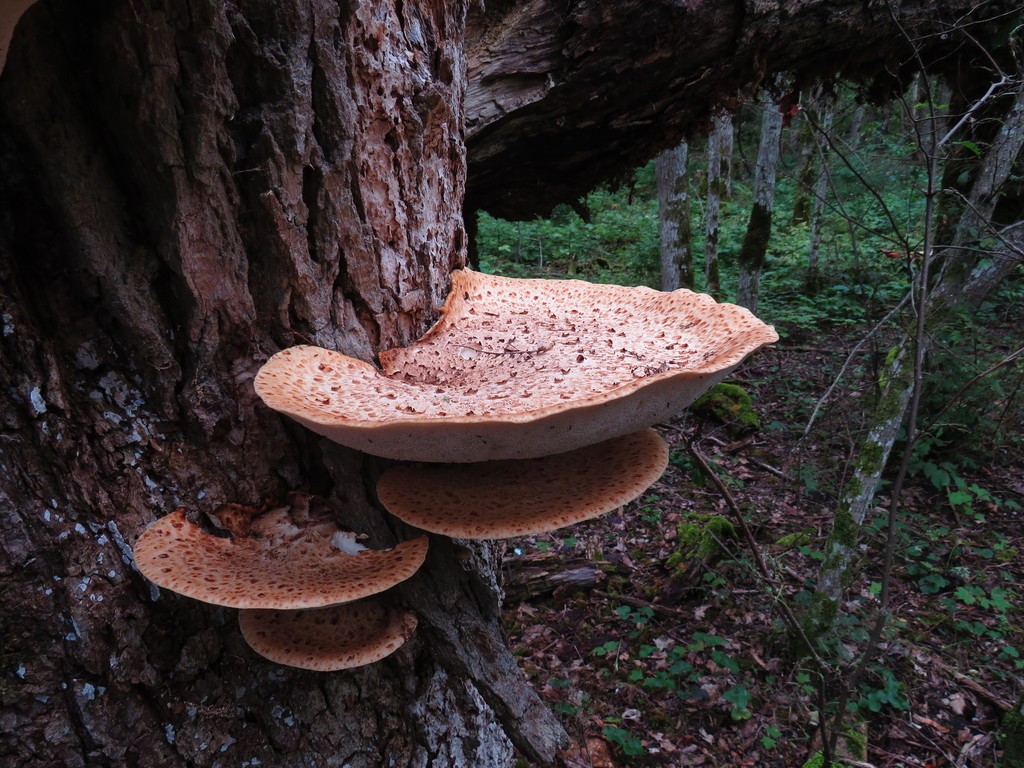
7. Dryad's saddle
A familiar sight to spring morel hunters, dryad's saddle is noteworthy for its large size, striking scales, and watermelon-like smell. Similar to other mushrooms in the bracket fungi family, dryad's saddle can be used to make paper. Younger mushrooms are better suited for this purpose due to their smaller and more consistent fibers.
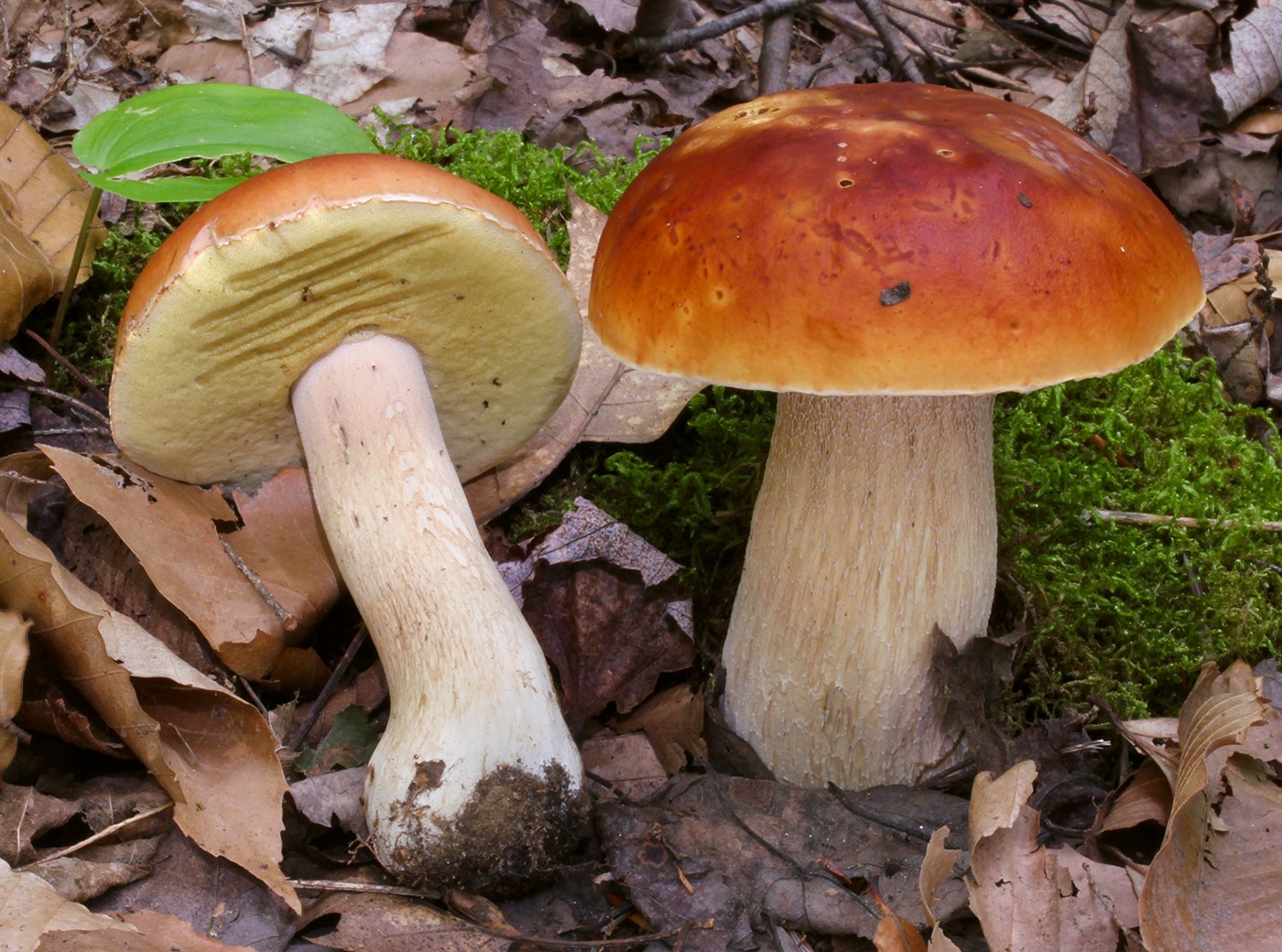
8. King bolete
Extremely popular in many cuisines, this edible wild mushroom grows around the world near the roots of forest trees. In some regions, king bolete mushrooms are collected in great enough volumes that their sale can support entire families during the harvest season. King boletes are reported to be high in fiber, vitamins B and C, calcium, potassium, magnesium, zinc, and several antioxidants.
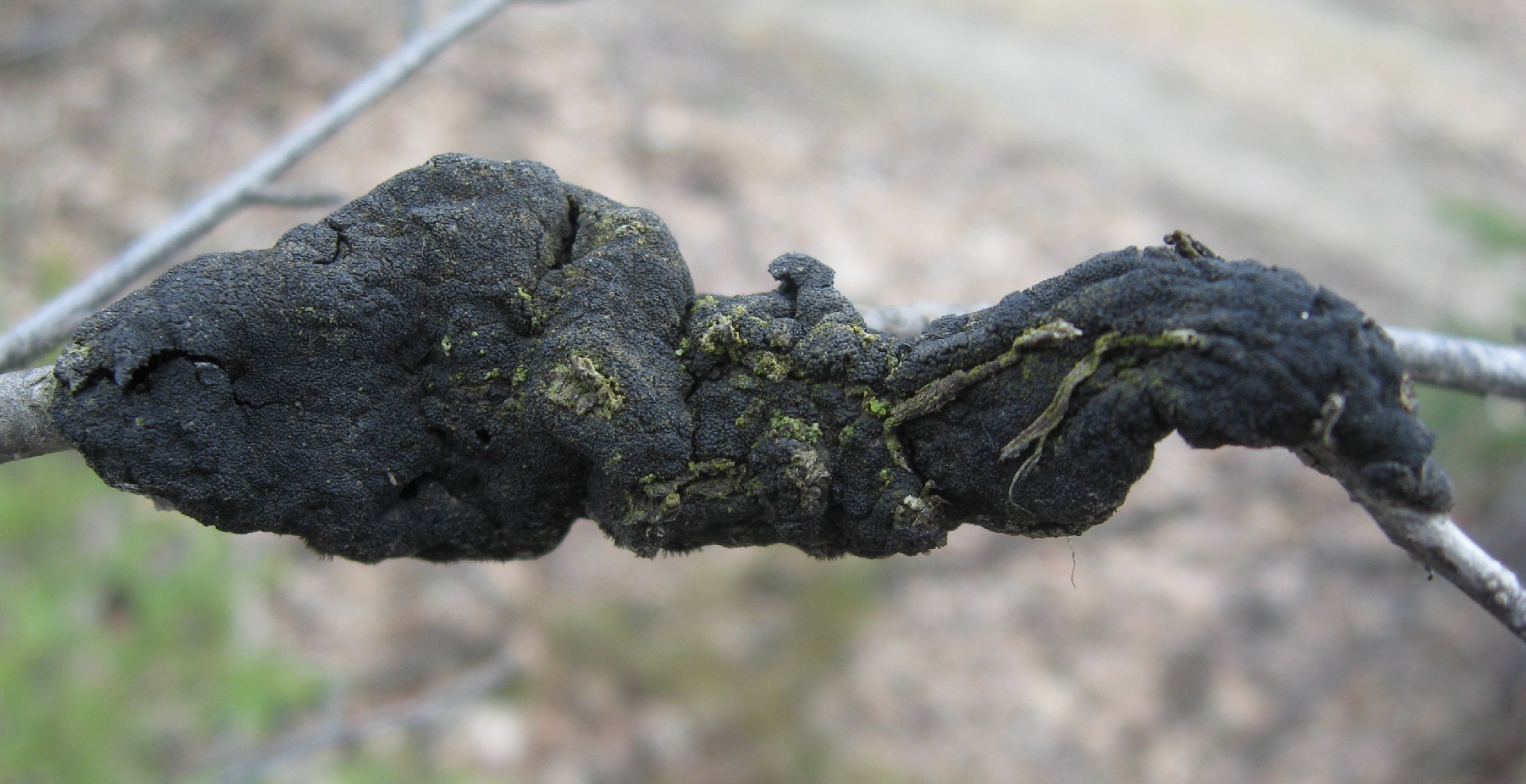
9. Black knot
The appearance of black knot (Apiosporina morbosa) is commonly found on various fruit-bearing trees and looks more like abnormally growing bark than it does a fungus. In youth, this bulbous growth is a lighter green but rapidly turns to dark brown and black. Black knot can kill trees and is not easily controllable using fungicides.

10. Morchella populiphila
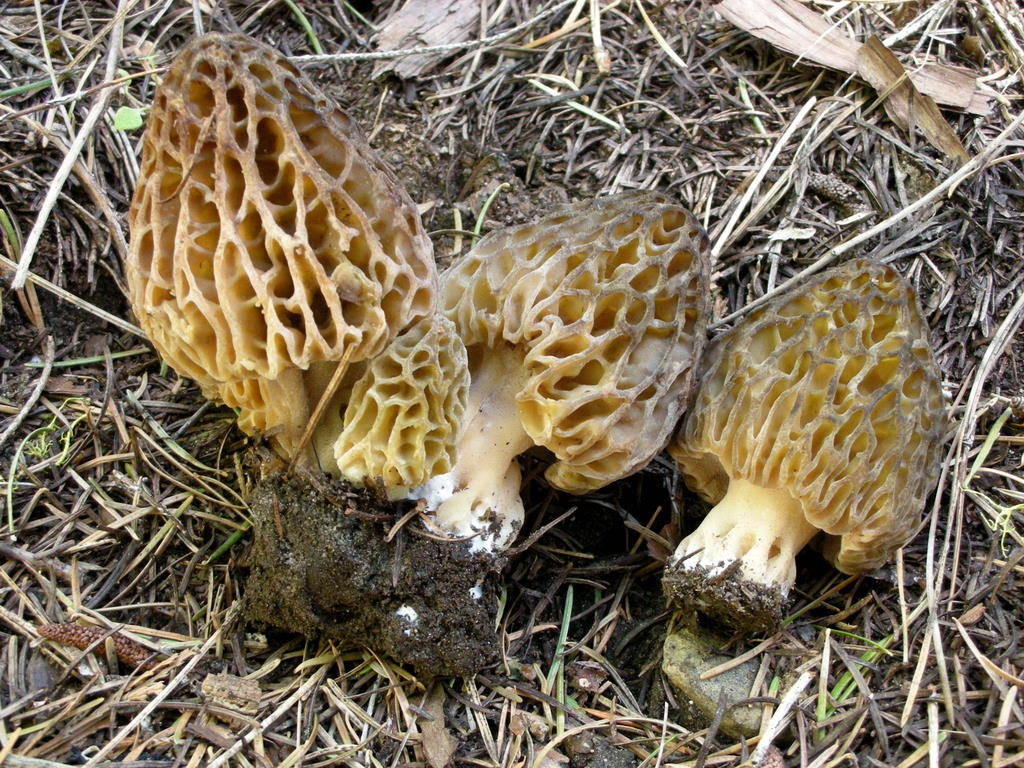
The fruit bodies are 4–15 cm (1.6–5.9 in) high with a conical cap that is 2–5 cm (0.8–2.0 in) tall and 2–5 cm (0.8–2.0 in) wide at the widest point. The cap surface has pits and ridges, formed by the intersection of 12–20 primary vertical ridges and infrequent shorter, secondary vertical ridges and transecting horizontal ridges. The cap is attached in a skirt-like manner to the stipe, roughly halfway from the top, with a sinus 1–2.5 cm (0.4–1.0 in) deep. The ridges are smooth and colored yellowish brown to honey brown when young, but darken in age to brown, dark brown or black. When young the ridges are up to 1 mm wide and flat with sharp edges but usually become rounded, sharp or eroded in age. The pits are smooth and vertically elongated. Initially whitish to pale brown when immature, they become brownish to yellowish or grayish brown at maturity. The fragile stipe measures 2.5–11 cm (1.0–4.3 in) tall by 1–5 cm (0.4–2.0 in) thick and is roughly the same width throughout its length, or tapered towards the top. It is often hidden by the cap when young but becomes longer as it matures, often developing shallow longitudinal furrows. In warm, wet conditions the stipe sometimes becomes inflated, especially near the base. White to whitish or watery brownish in color, its texture is occasionally nearly smooth but more commonly covered with mealy whitish granules that sometimes darken to brown. Orson K. Miller likened the stipe texture to that of a cow tongue. The fragile, whitish to watery tan flesh is 1–2 mm thick in the hollow cap, and sometimes forms chambers or layers near the base. The whitish to brownish sterile inner surface of the cap is covered in mealy granules. In deposit, the spores are bright yellowish orange. Ascospores are smooth, elliptical, and typically measure 20–25 by 12–16 µm. Asci (spore-bearing cells) are eight-spored, cylindrical, hyaline (translucent), and measure 225–325 by 15–22.5 µm. Paraphyses are septate, and cylindrical with tips that are rounded to club-shaped, and measure 150–275 by 7–15 µm. Hyphal cells on sterile ridges are septate, measuring 100–175 by 10–25 µm. They are tightly packed in an even layer. The terminal hyphae are club-shaped to somewhat rectangular with a flattened to broadly rounded tip. Although Morchella populiphila is an edible species, it is not as highly valued as other morels because of its fragile nature and its inferior flavor. 
More







