




Top 20 Most Common Mushrooms in South Dakota
Nestled amidst the prairies and rugged landscapes of South Dakota, a cornucopia of fungal flora awaits discovery. This region's unique geological features and varied climate provide an ideal habitat for diverse mushroom species. Surprisingly, South Dakota boasts a remarkable abundance of 20 commonly found mushrooms. This piece provides insights into these popular varieties, helping mushroom enthusiasts and foragers expand their knowledge and appreciation of the region's fungal biodiversity.

Most Common Mushrooms
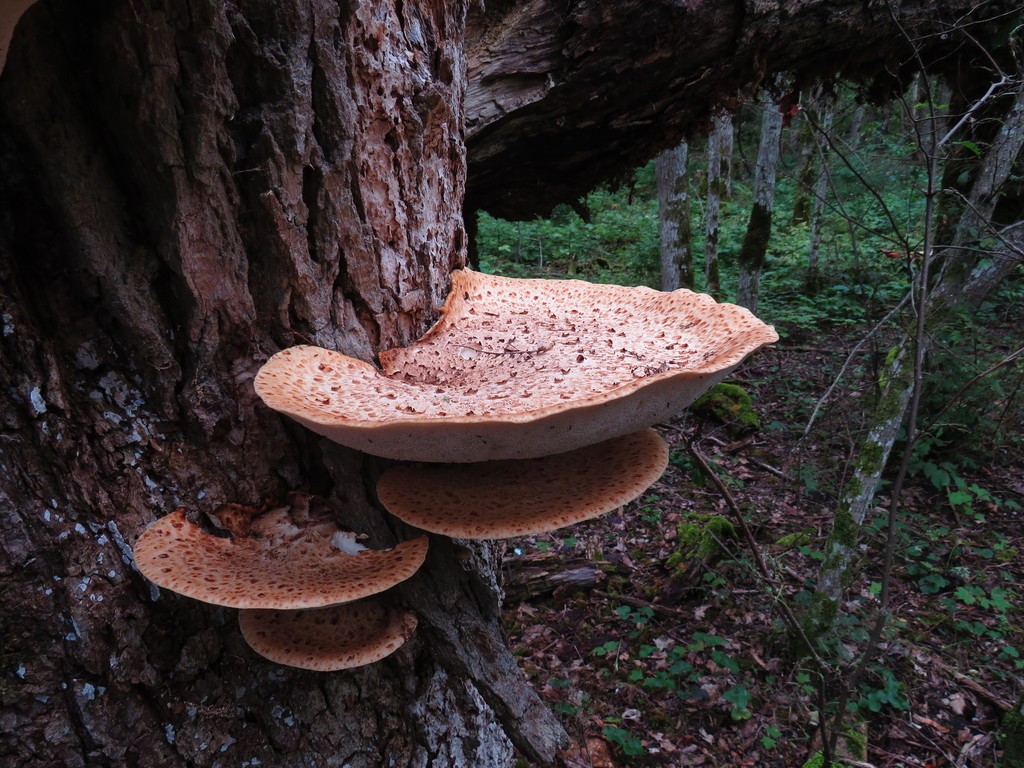
1. Dryad's saddle
A familiar sight to spring morel hunters, dryad's saddle is noteworthy for its large size, striking scales, and watermelon-like smell. Similar to other mushrooms in the bracket fungi family, dryad's saddle can be used to make paper. Younger mushrooms are better suited for this purpose due to their smaller and more consistent fibers.

2. Shaggy mane
The shaggy mane mushroom is commonly found in North American and European grasslands. Some peoples foraged for its young egg-shaped caps, but it has more recently been found to be a bioaccumulator of heavy metals, meaning it pulls toxic metals up from the soil where it grows. As a result, shaggy manes should not be eaten. The mushrooms usually appear in clusters or “fairy rings.”
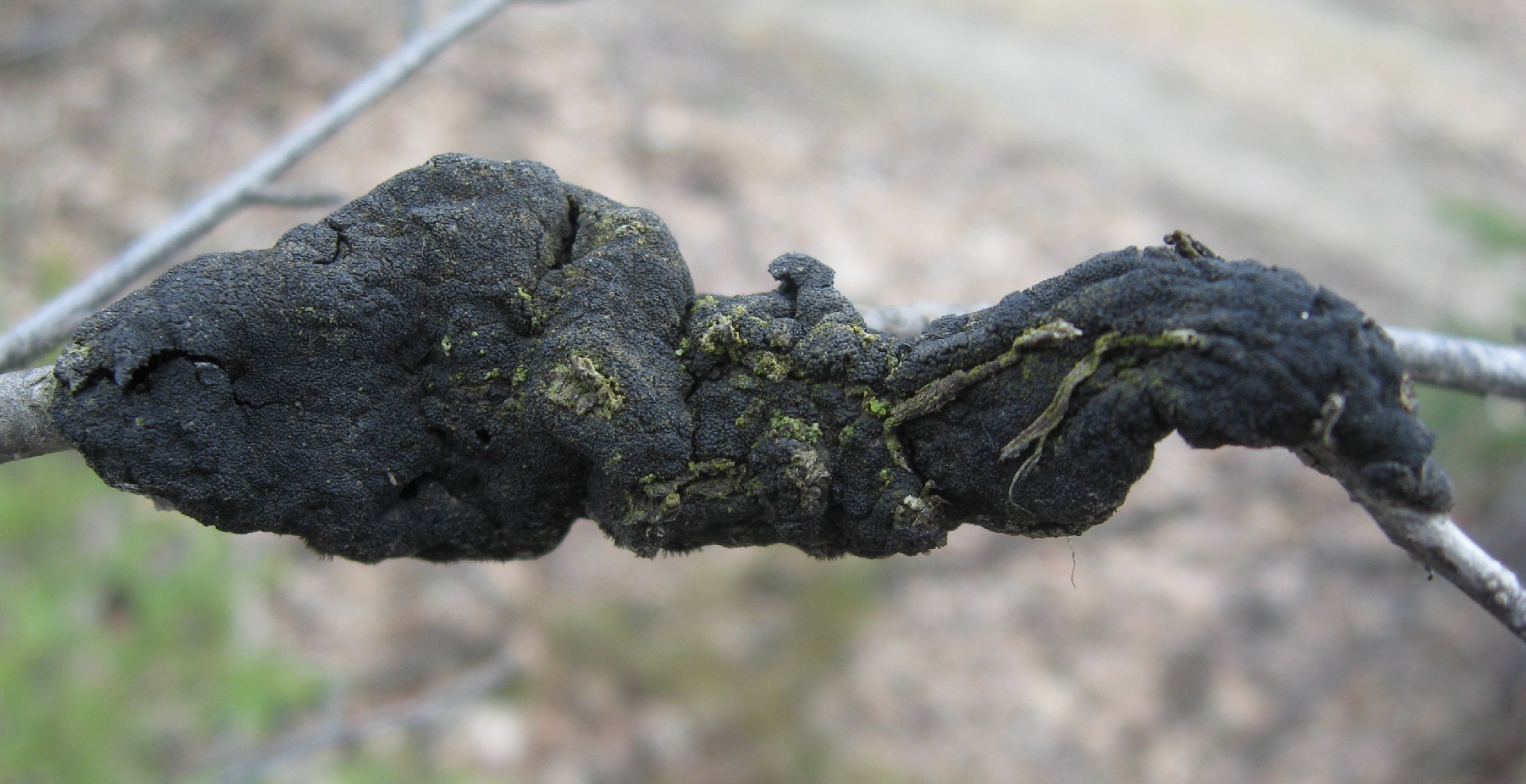
3. Black knot
The appearance of black knot (Apiosporina morbosa) is commonly found on various fruit-bearing trees and looks more like abnormally growing bark than it does a fungus. In youth, this bulbous growth is a lighter green but rapidly turns to dark brown and black. Black knot can kill trees and is not easily controllable using fungicides.
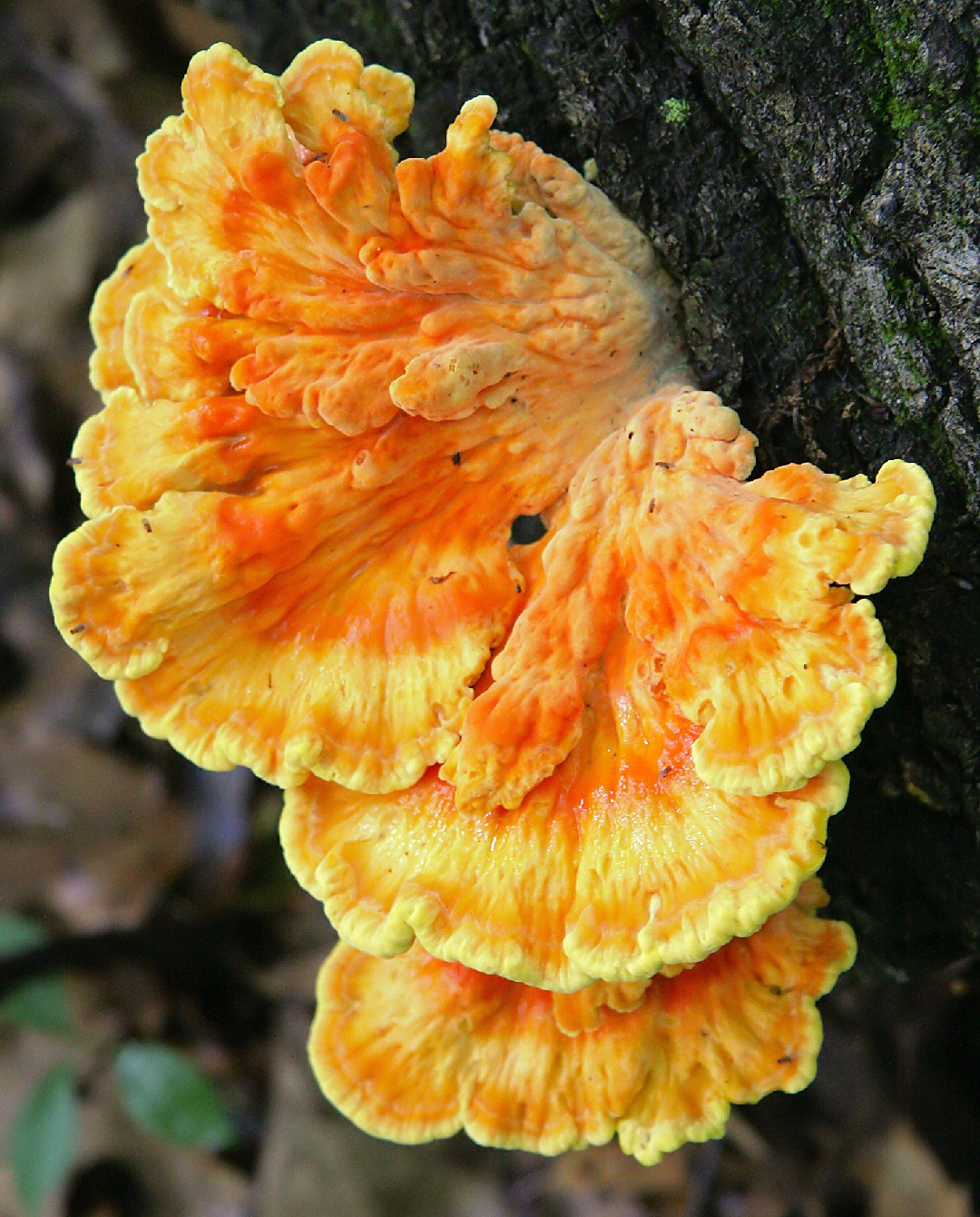
4. Chicken of the woods
Chicken of the woods is very noticeable in hardwood forests, appearing in clusters on standing tree trunks in bright orange and yellow hues that sometimes last through the entire winter. It is a parasite that causes an unfortunate brown heart rot, and is considered a particularly troublesome pest of Yew trees. If the fruitbodies can be seen, the tree is likely already beyond saving.
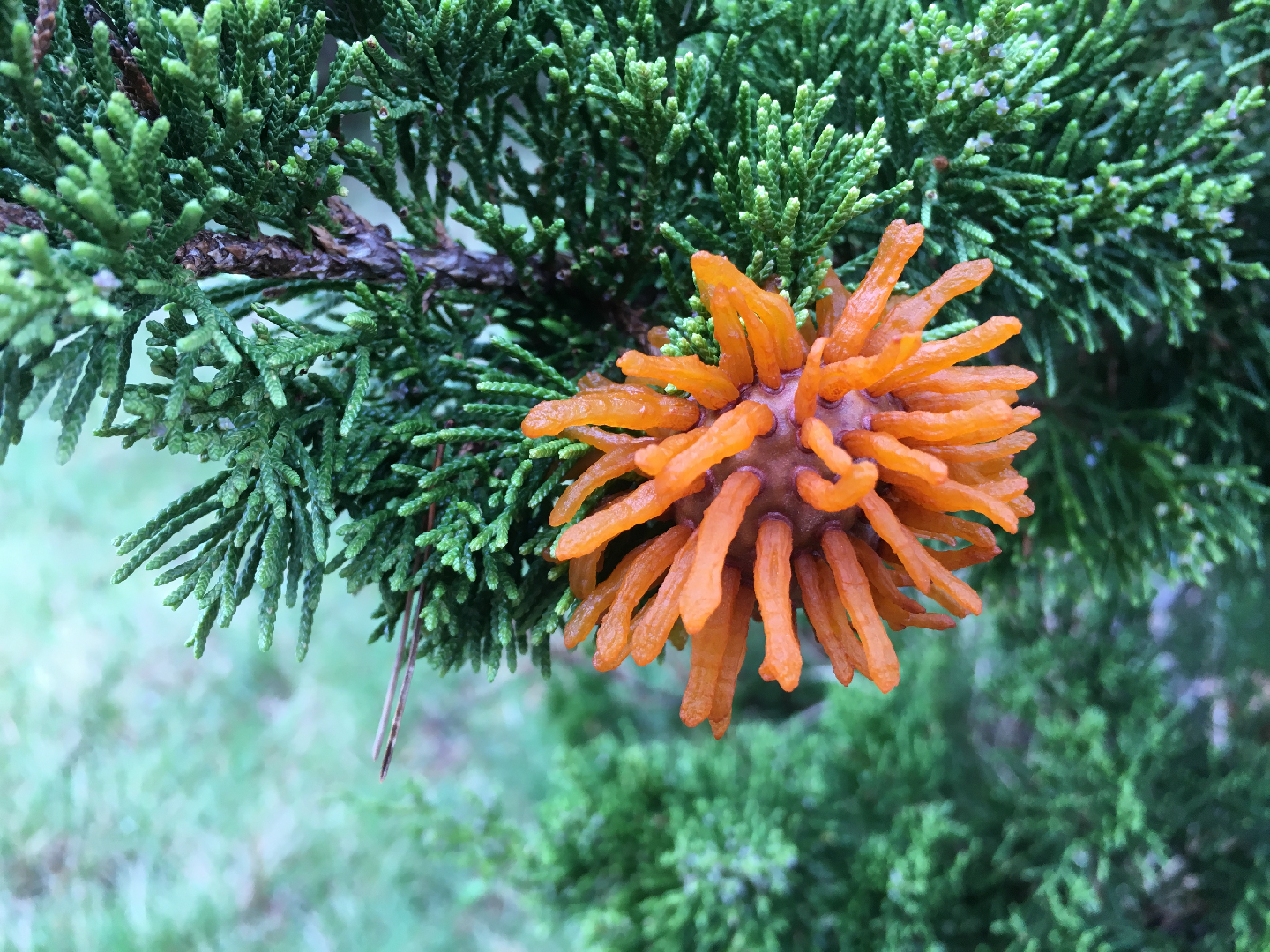
5. Cedar-apple rust
The vividly-colored fruitbodies of cedar-apple rust (Gymnosporangium juniperi-virginianae) might be mistaken for flowers, from a distance. Upon closer inspection they can be identified as fungal growths attacking the fruit of cedar trees. Their microscopic spores can travel up to an astounding 5 miles when carried on the wind and infect cedars quite far away, weakening the trees as they grow.
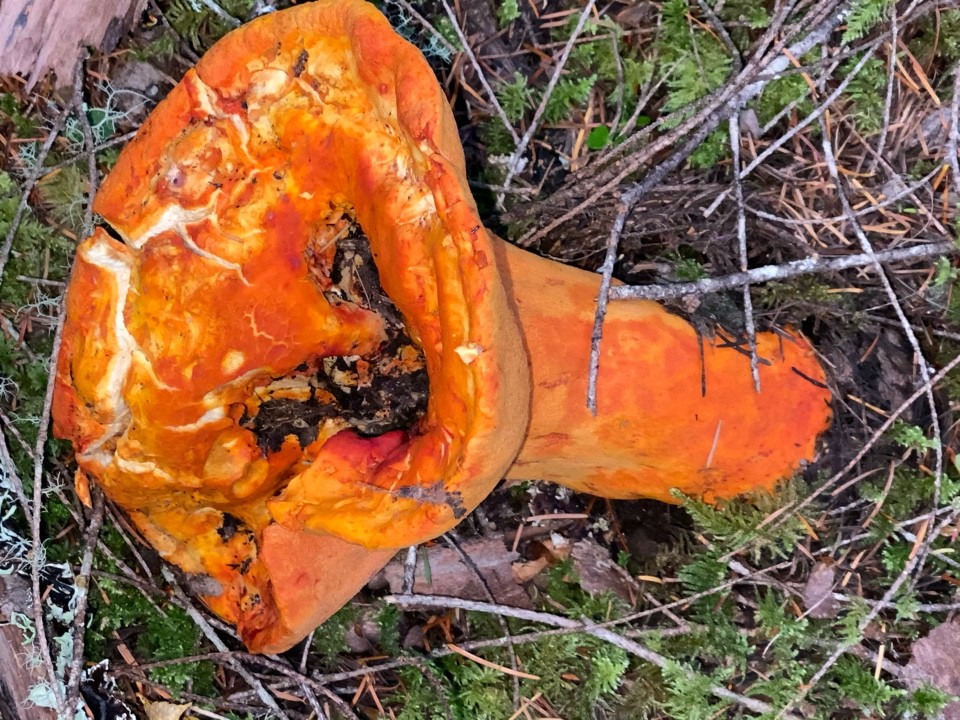
6. Lobster mushroom
The lobster mushroom is actually not a species of mushroom, per-se. When Hypomyces lactifluorum mold attacks one of several common species of Russula mushrooms, it transforms them into lobster mushrooms: they shrivel, harden slightly, and turn bright orange or vermillion. Surprisingly, this only makes them more flavorful. Lobster mushrooms are highly sought after for their distinctive, seafood-like flavor when cooked. Upset stomachs have been reported when eaten raw.
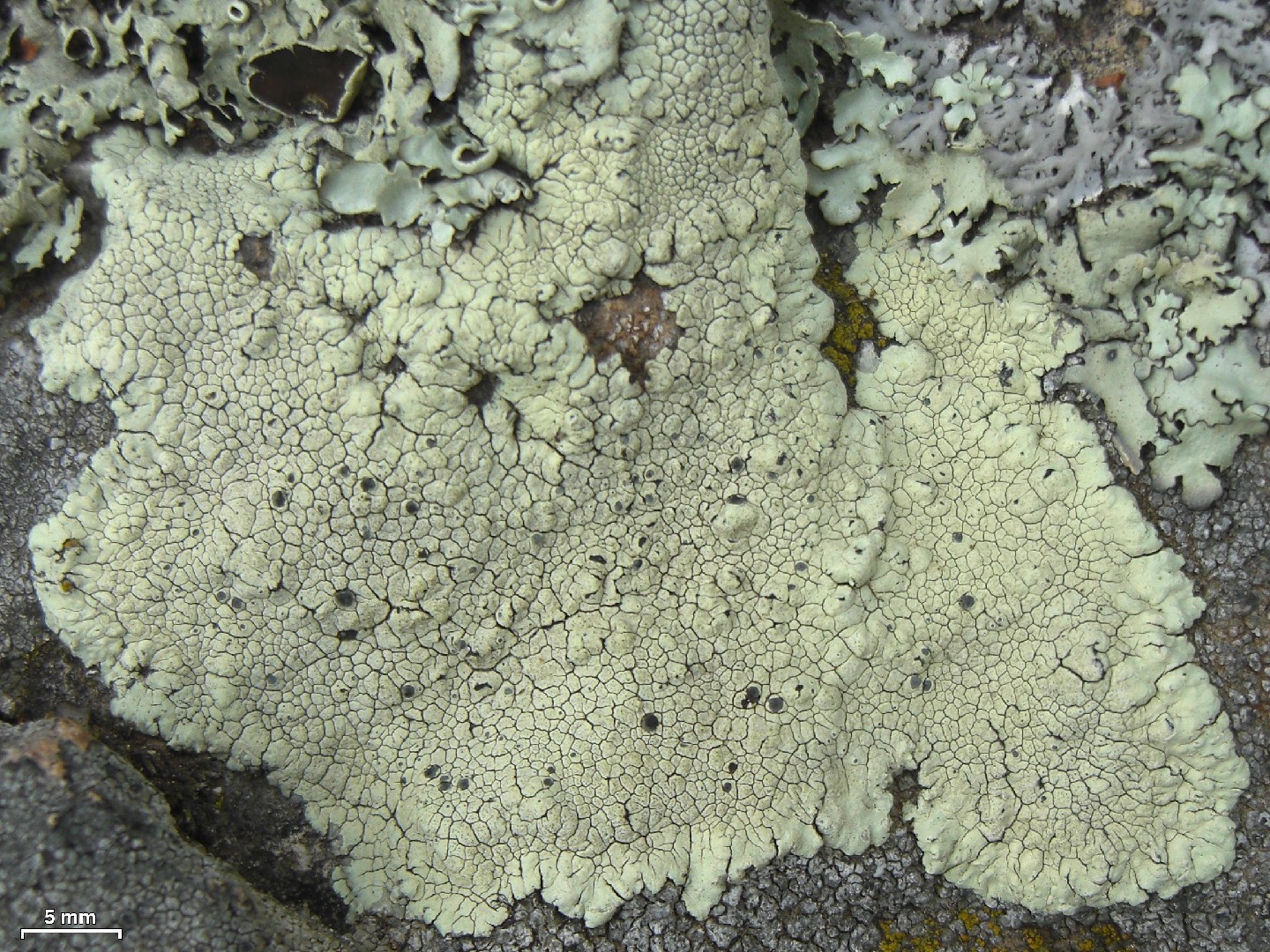
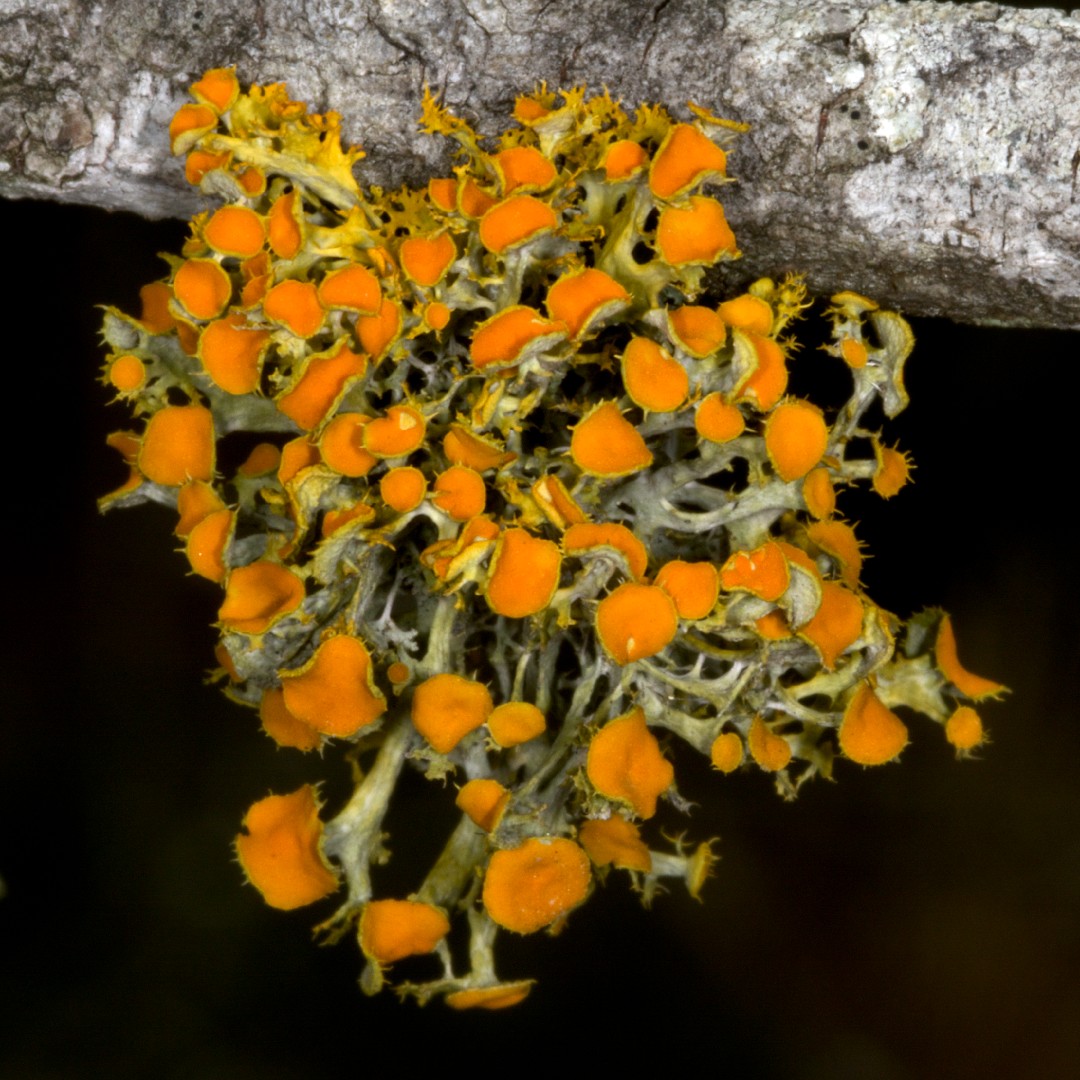
7. Golden moonglow lichen
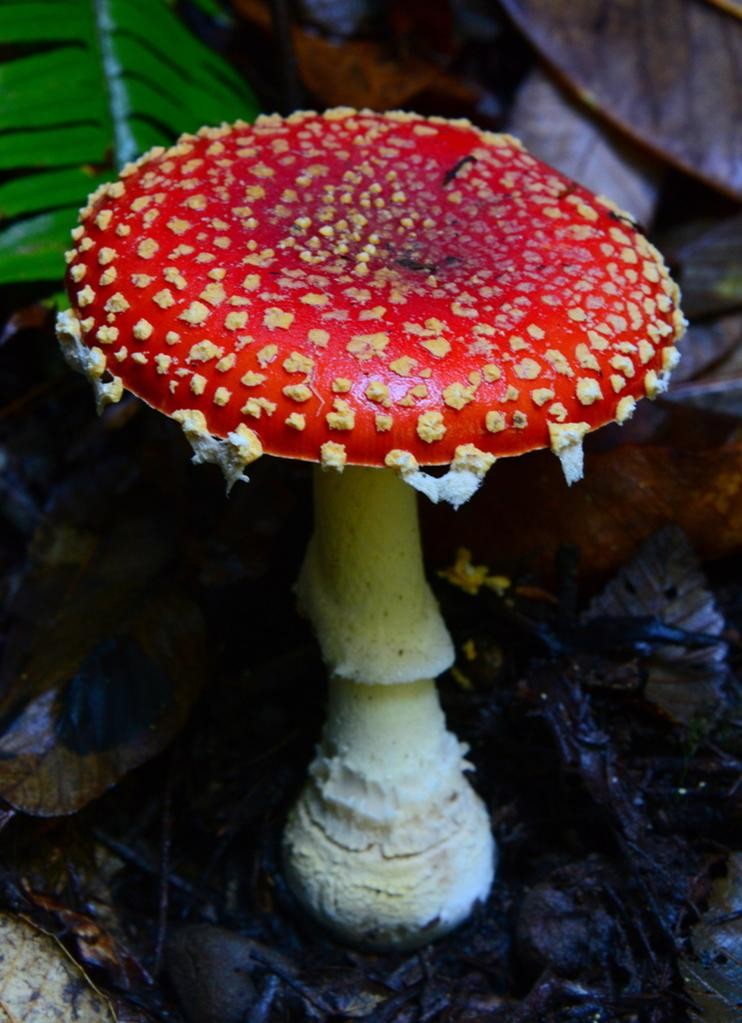
8. Fly agaric
In Northern Asia and Europe, fly agaric grows under trees near the winter solstice and is collected for ritual use tied to the season. Its characteristic shape and coloring are still ubiquitous in many European fairy tale illustrations and Christmas traditions. It is highly toxic.
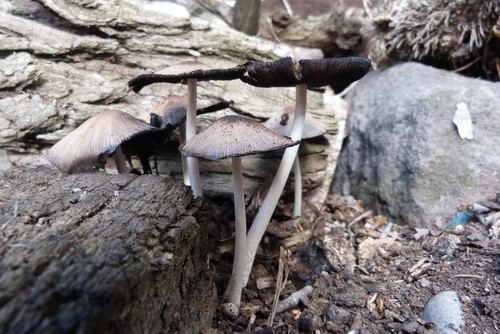
9. Mica cap
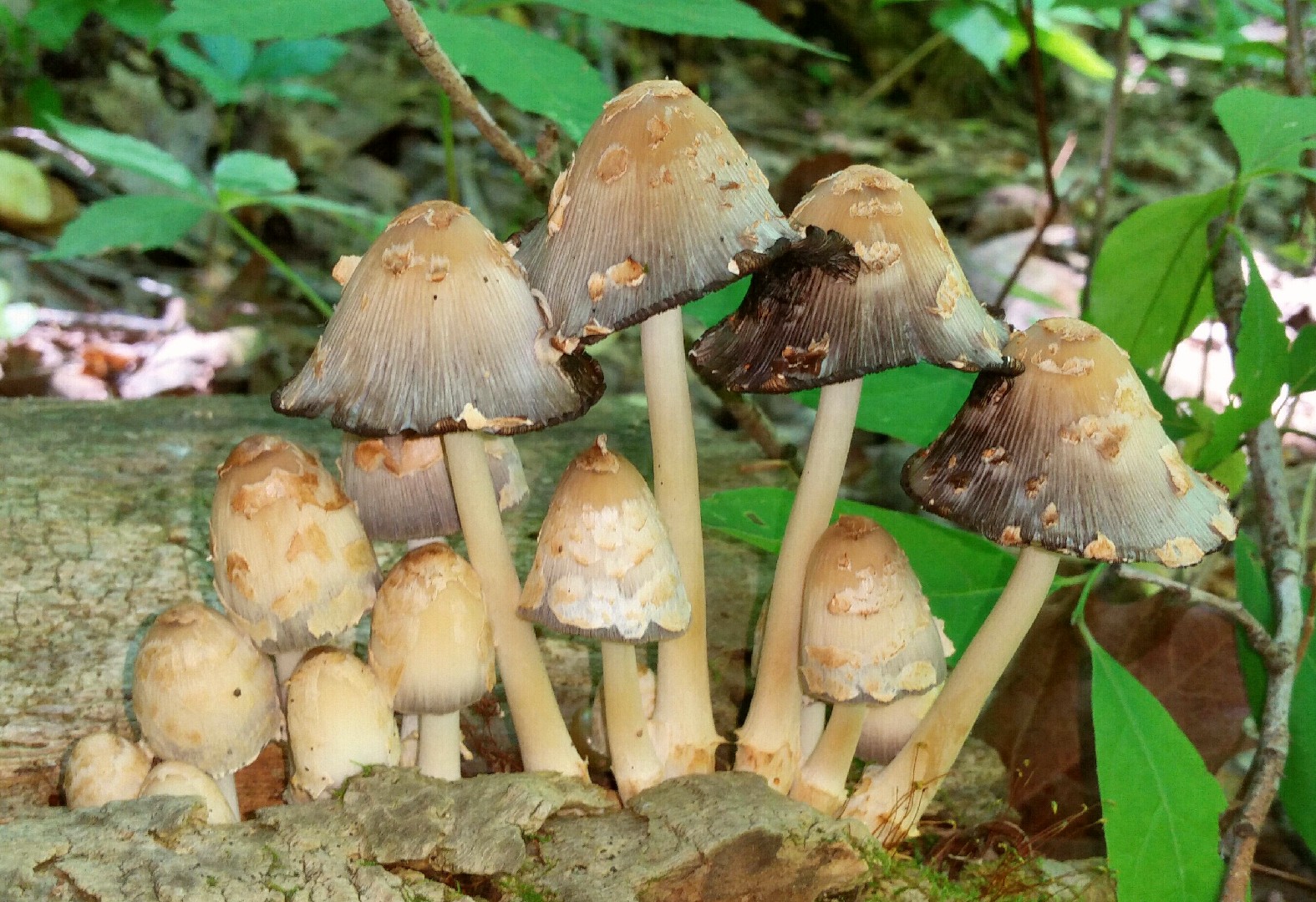
The bell-shaped mica cap mushrooms grow in clusters on wood debris and stumps, from spring to autumn. The caps appear wet and inky once they mature and begin to release spores. At that point, they can be boiled with cloves to create a useful black ink.
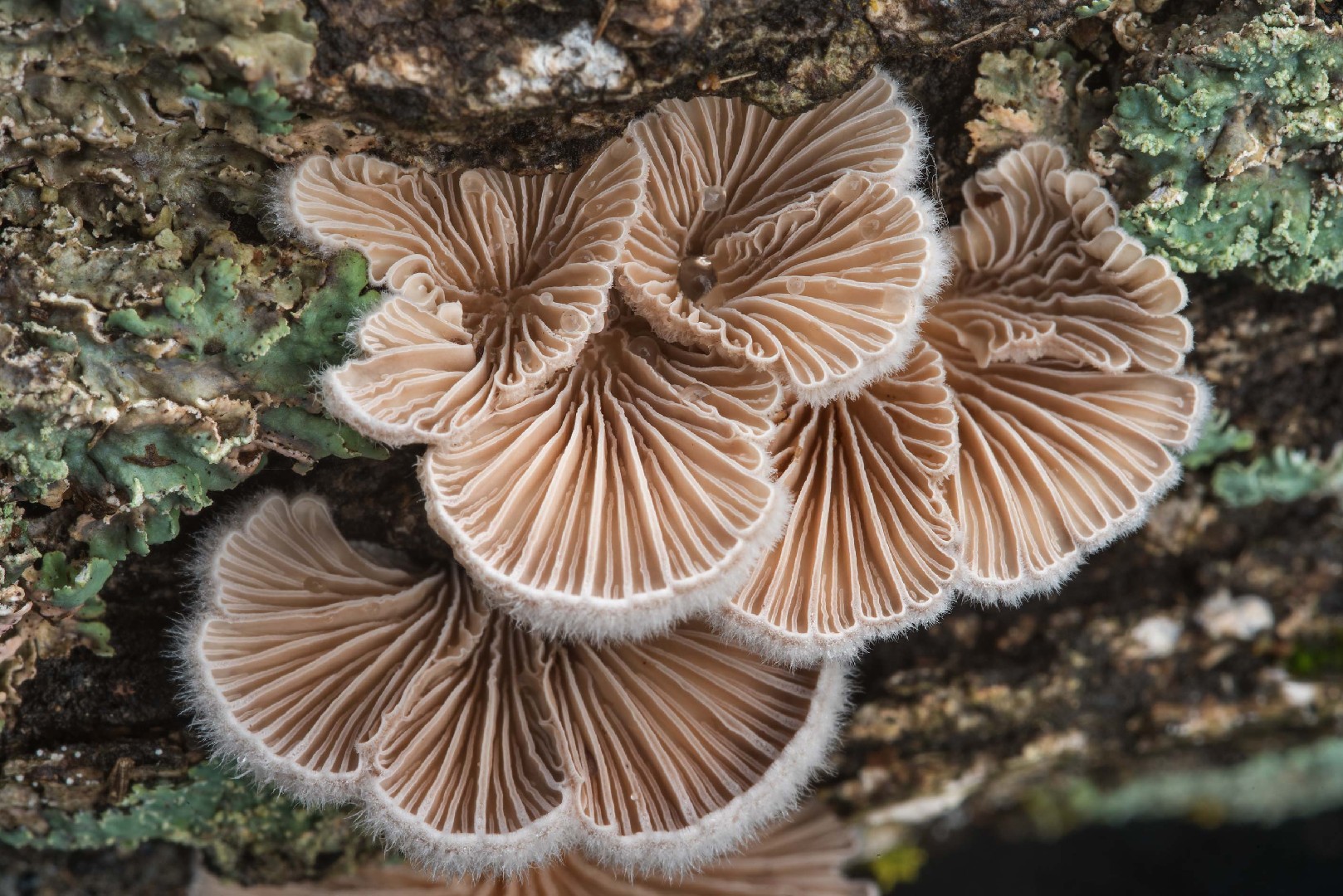
10. Split gill
Split gill(Schizophyllum commune) can be found across the globe. Uniquely, it is the only mushroom species known to display the capability to retract by movement. It is considered inedible, although not necessarily toxic. Furthermore, it is not recommended to smell this species, as the spores are capable of sprouting and growing in nasal passages.


More







