




Top 20 Most Common Mushrooms in Reno
Welcome to our guide on the top 20 most frequent mushroom varieties gracing the diverse environment of Reno. As a city boasting an eclectic blend of desert warmth and mountain coolness, Reno provides a fertile breeding ground for plentiful mushroom varieties. Our deep dive will unravel the mysteries of these fungal inhabitants, showcasing their beauty and importance in Reno's unique ecosystem. Explore, learn, and gain a new perspective on the world of mushrooms in Reno.

Most Common Mushrooms
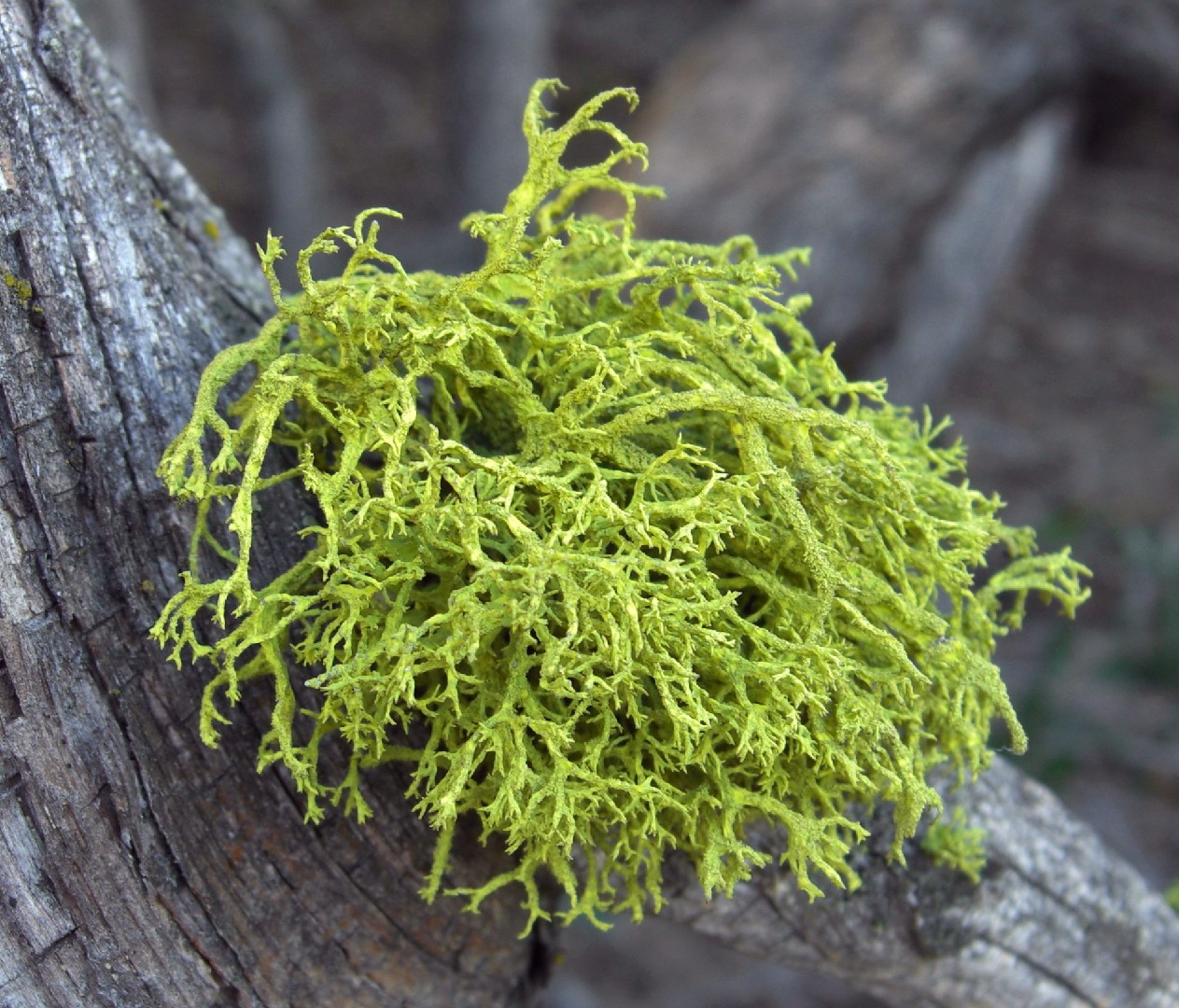
1. Wolf lichen
The thallus, or vegetative body, has a fructicose shape — that is, shrubby and densely branched — and a bright yellow to yellow-green, or chartreuse color, although the color will fade in drier specimens. Its dimensions are typically 2 to 7 cm (0.8 to 3 in) in diameter. The vegetative reproductive structures soredia and isidia are present on the surface of the thalli, often abundantly. 
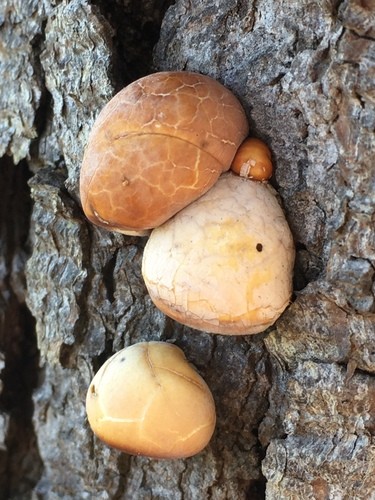
2. Veiled polypore
If you've ever gone on a walk through the woods where dead conifers are present, there's a good chance you've seen a veiled polypore. The fungus' name comes from the fact that it's pores are "veiled" by a rounded piece of tissue. Indeed, rather than growing in sheet-like formations like other polypores, the veiled polypore can be nearly spherical. These mushrooms are especially prevalent in pine stands that have been ravaged by fire or beetles.
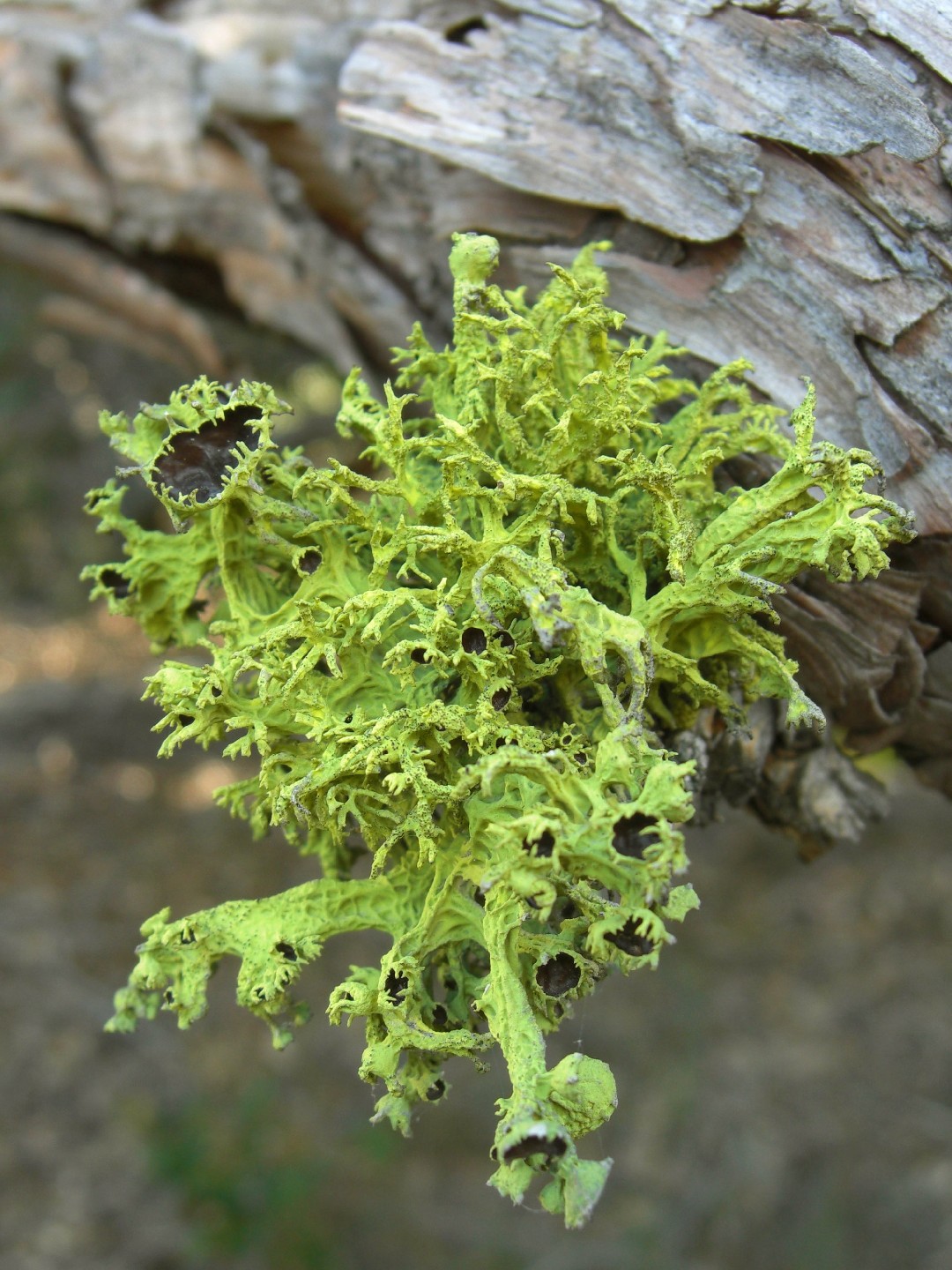
3. Brown-eyed wolf lichen
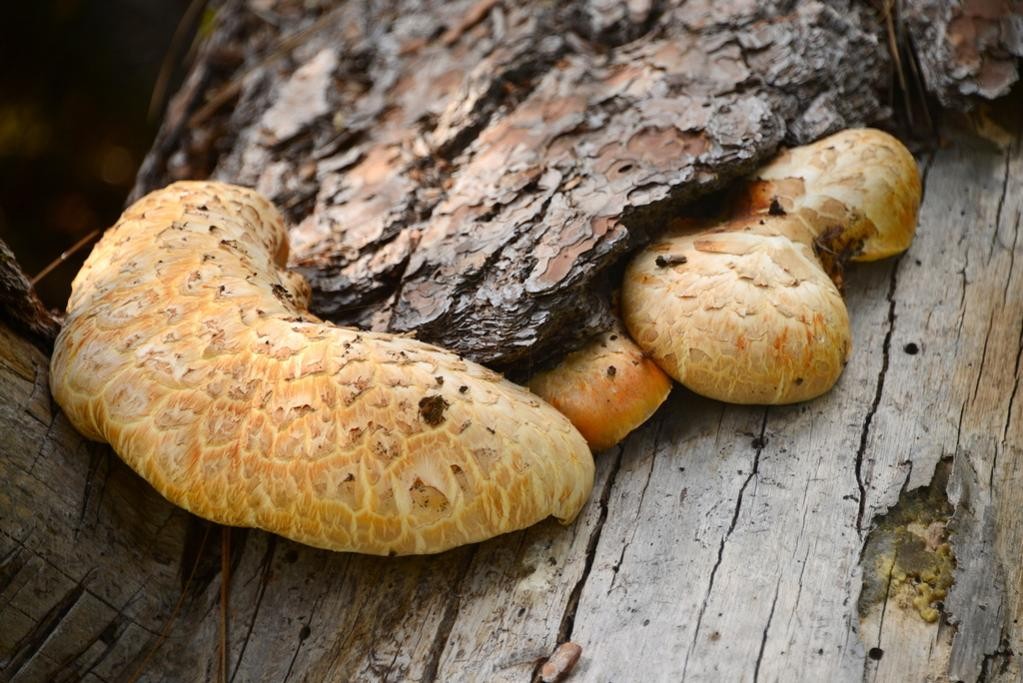
4. Giant sawgill
The impressively large caps of the giant sawgill (Neolentinus ponderosus) can spread up 30 cm across and encompass entire decaying stumps and logs. Unlike other mushrooms, the giant sawgill thrives in the hotter, drier months. Look for them near Ponderosa Pines.
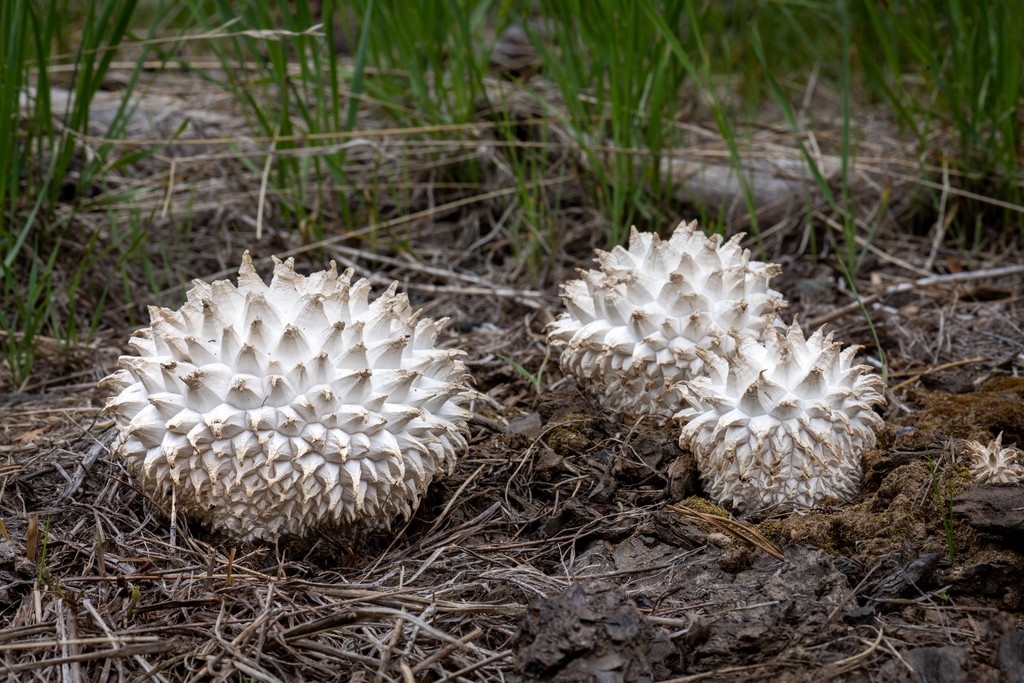
5. Sculpted puffball
Sculpted puffball is an eye-catching and unique puffball that appears to have been sculpted with pyramidal warts, giving rise to its name. Sculpted puffball fruits during the late spring/early summer in the soil of conifer forests at altitude. It can be mistaken for the larger C. subsculpta.
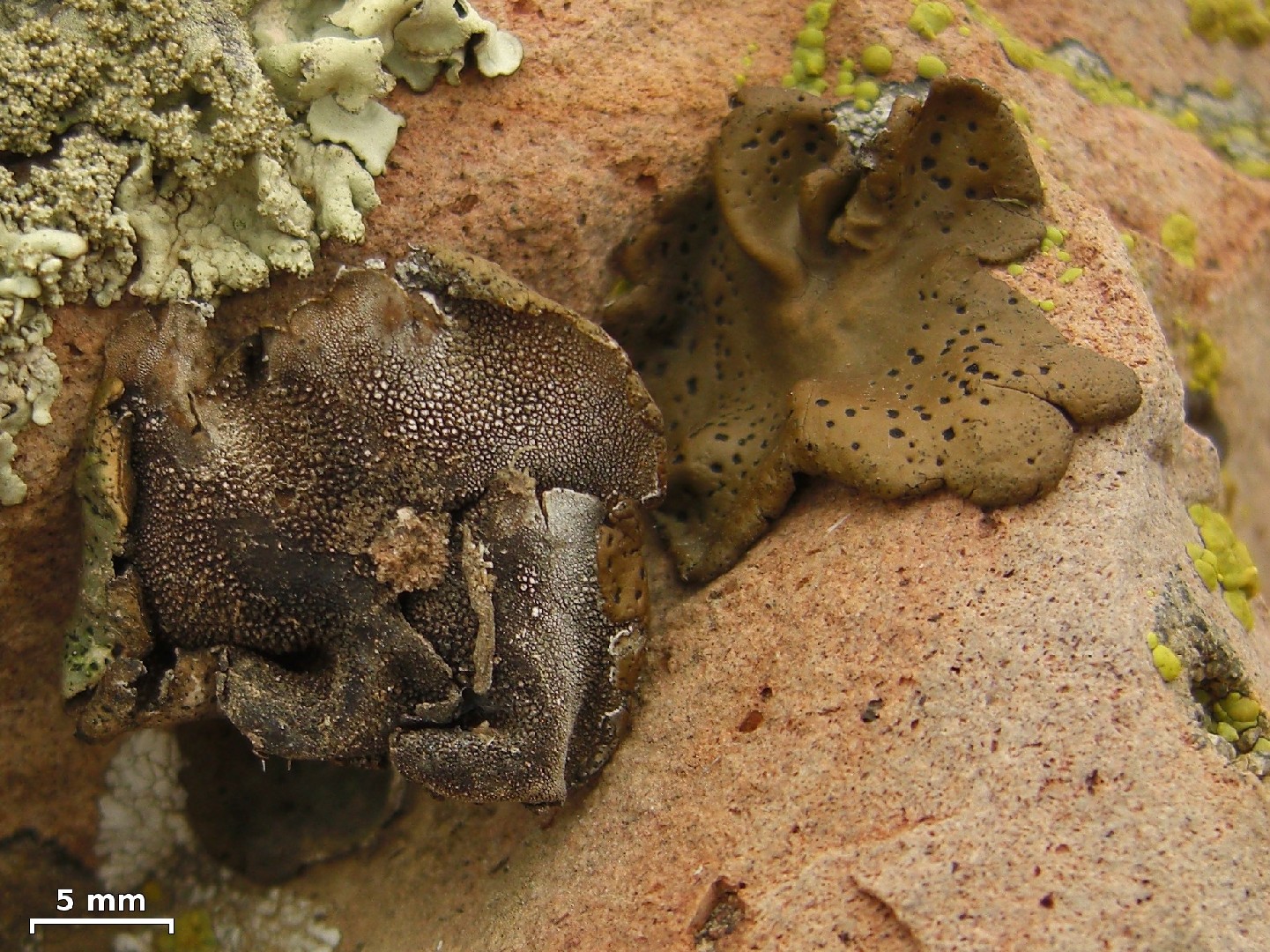
6. Emery rock tripe
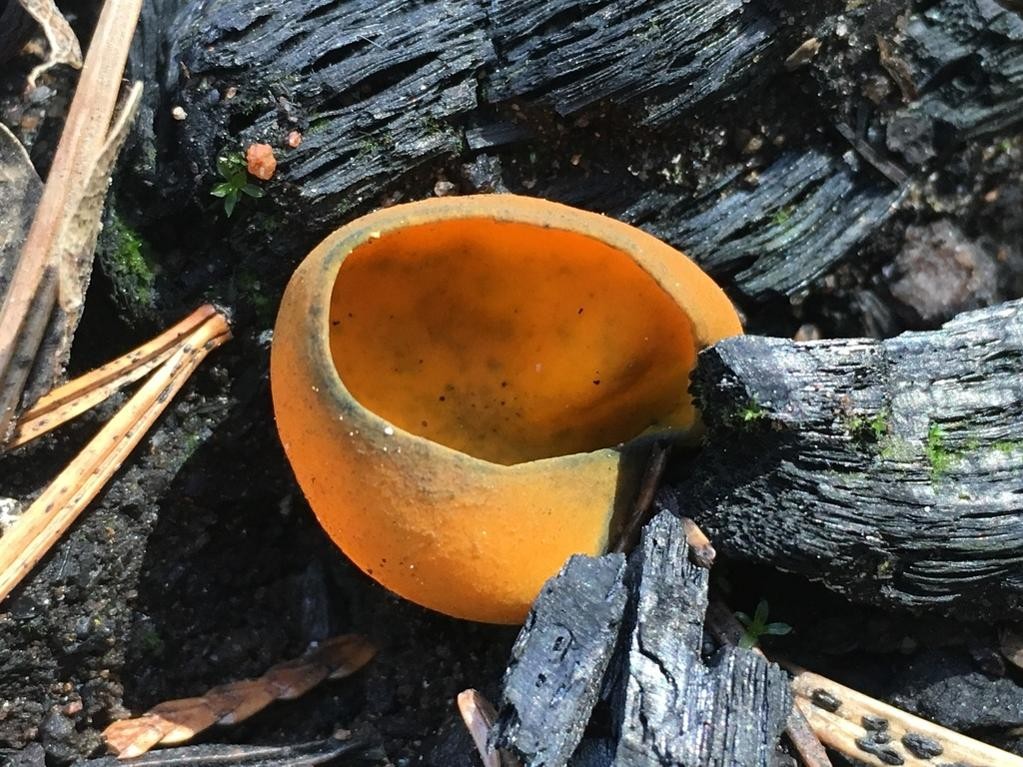
7. Spring orange peel fungus
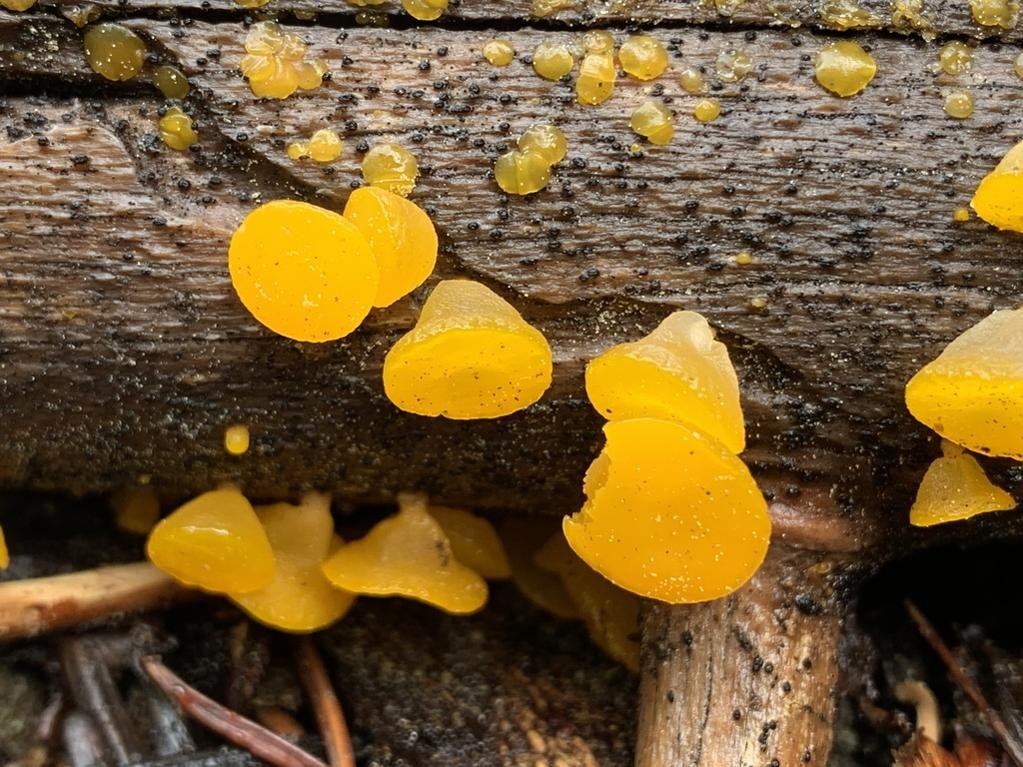
A rare albino mutant lacking orange pigment The fruiting body of C. fulgens is roughly cup-shaped, although the cup may be somewhat flattened, lopsided or split; the size is up to 4 centimetres (1.6 in) in diameter. The inner surface of the cup is orange-yellow, while the external surface is pale yellow. Either the margin around the rim or the entire outer surface may be stained olive-green. The green or bluish staining that occurs upon injury or with age is unique within the Pezizales order. The stem, if present, is rather short. The spore deposit is white. A single specimen of an albino form, 2 centimetres (0.8 in) in diameter, was discovered in Northern Idaho; it was found to be lacking the pigment responsible for staining the outer surface olive-green. The spores are translucent (hyaline), roughly spherical, thin-walled and smooth, with dimensions of 6–8 µm in diameter. The asci, the spore-bearing cells, are cylindrical and 80–100 by 7–8 µm; the paraphyses are thin and filamentous and contain orange granules. Edibility has not been recorded for this fungus.
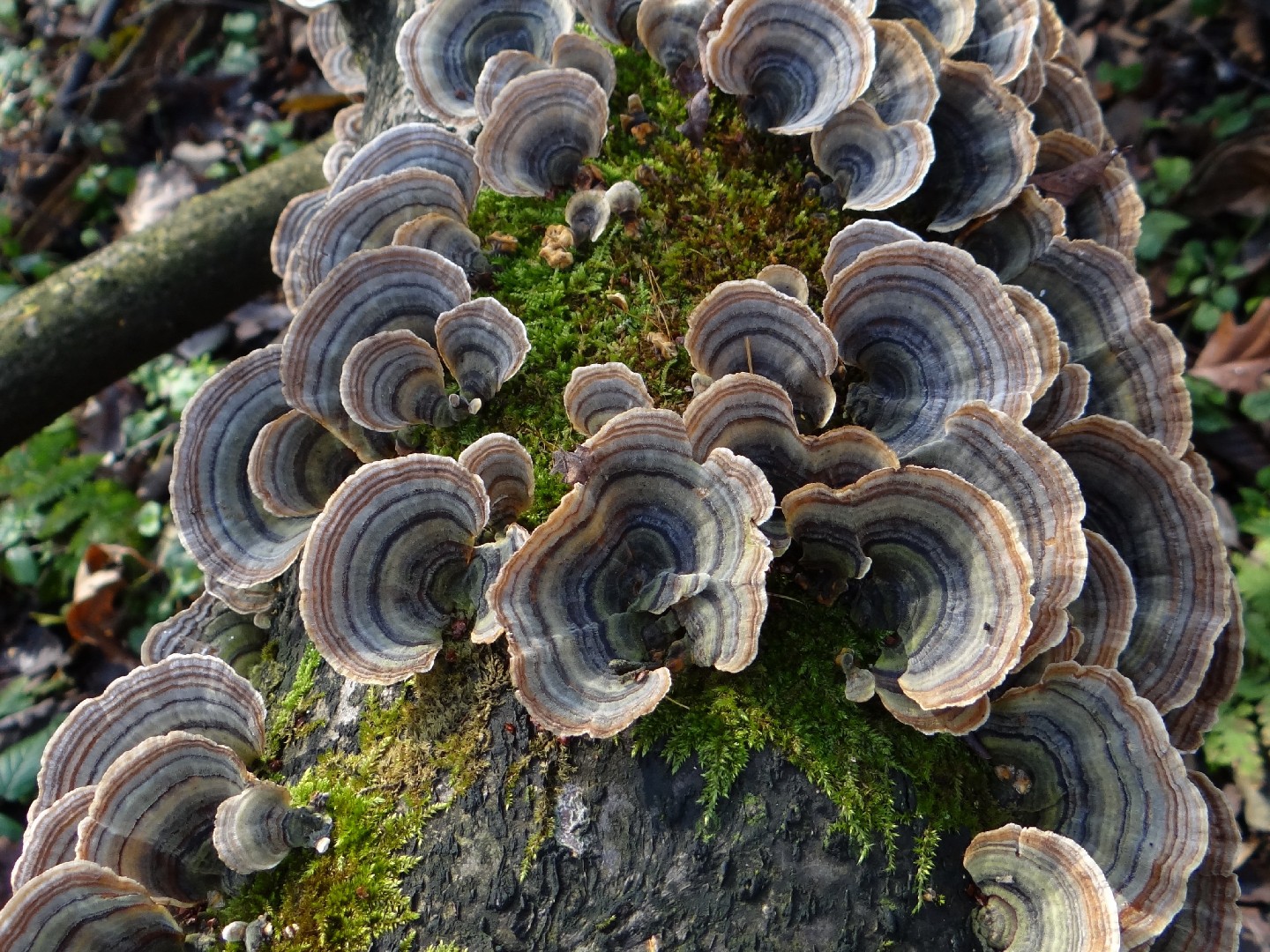
8. Turkey tail
The distinctively-striped turkey tail fungus grows on stumps and logs all over the forests of the northern hemisphere. It is, in fact, probably the most common species you will find. That doesn't mean this mushroom is plain, however; each cap is uniquely patterned. Look for bands of alternating textures as well as color.
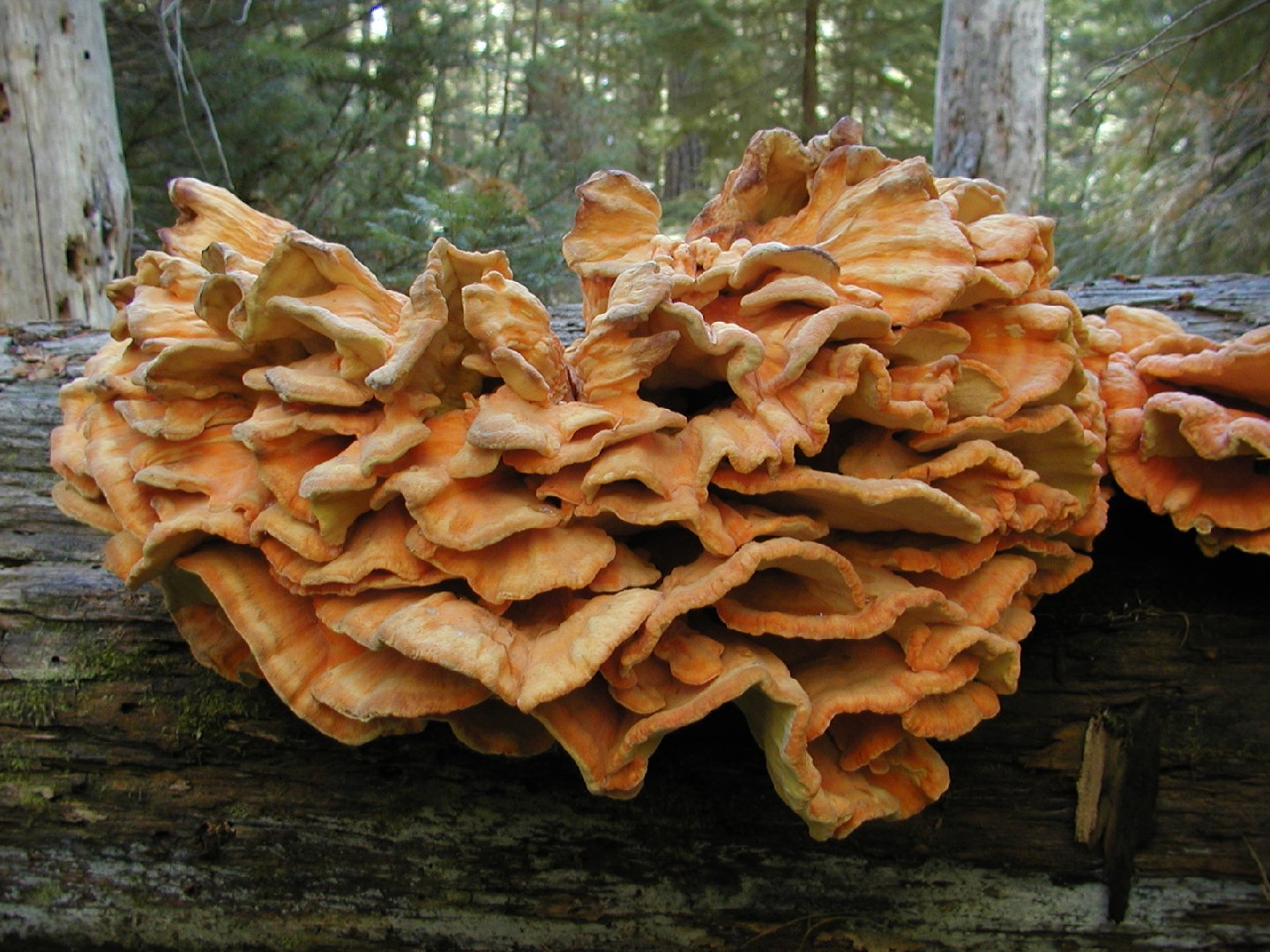
9. Conifer sulfur shelf
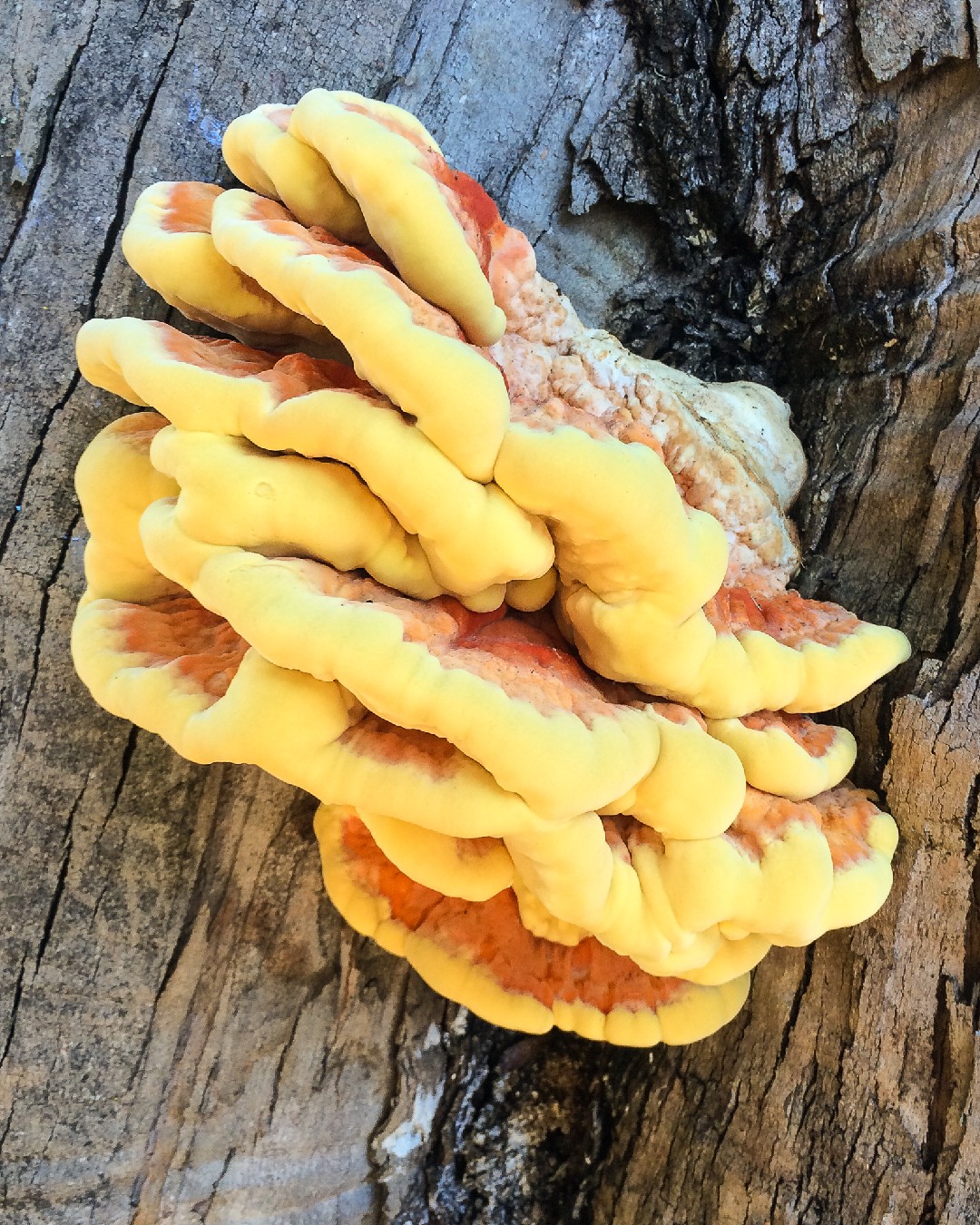
Conifer sulfur shelf (Laetiporus conifericola) may sound like a goofy name, but this mushroom is one to take very seriously. There have been reports that people have died after consuming just a few bites! Not all people have adverse reactions, but it is better not to take the risk. This mushroom's striking color can easily be seen from afar when fresh, but fades over time.

10. Coccora
Although the coccora is one of the few Amanitas that are considered to be nonpoisonous, it is suggested a "look but don't touch" policy be applied to the entire genus, due to the extreme toxicity of some of its members, like Amanita phalloides (the Death cap). The coccora is reported to feature a distinct fishy smell.


More







