




Top 20 Most Common Mushrooms in Ocala
Welcome to our deep dive into the world of fungi, where we explore the top 20 most abundant mushrooms sprouting forth in Ocala. Nestled within nature's bounty, Ocala is notable for its diverse ecology, characterized by verdant forests and lush landscapes, providing a favorable environment for mushrooms. Experience the profusion of our fungal friends in Ocala, a fungi forager's paradise, brimming with captivating species that take center stage within the nation's mushroom milieu.

Most Common Mushrooms
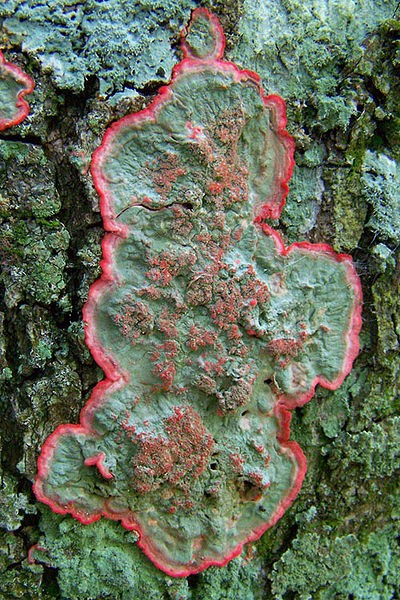
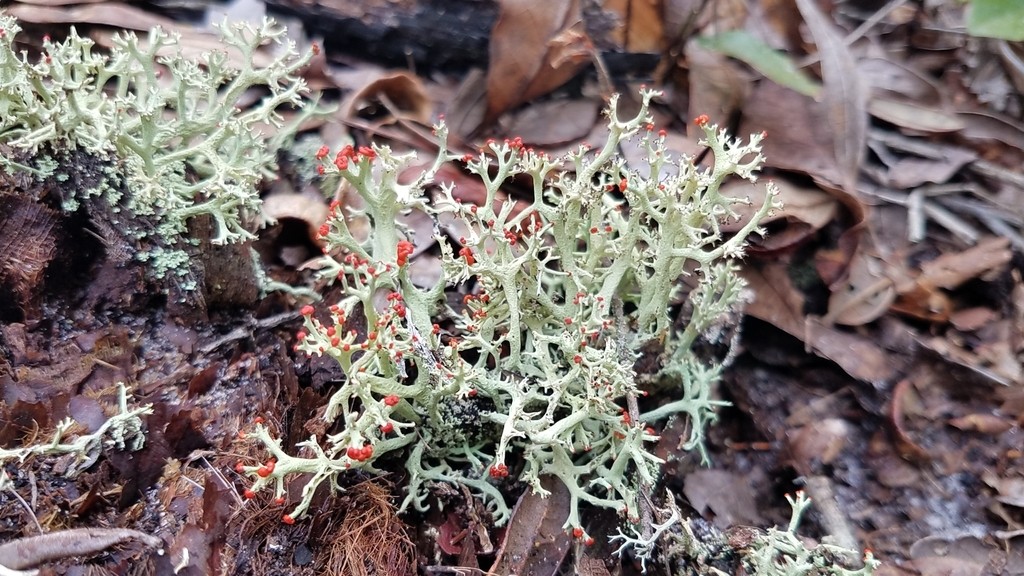
1. Christmas lichen
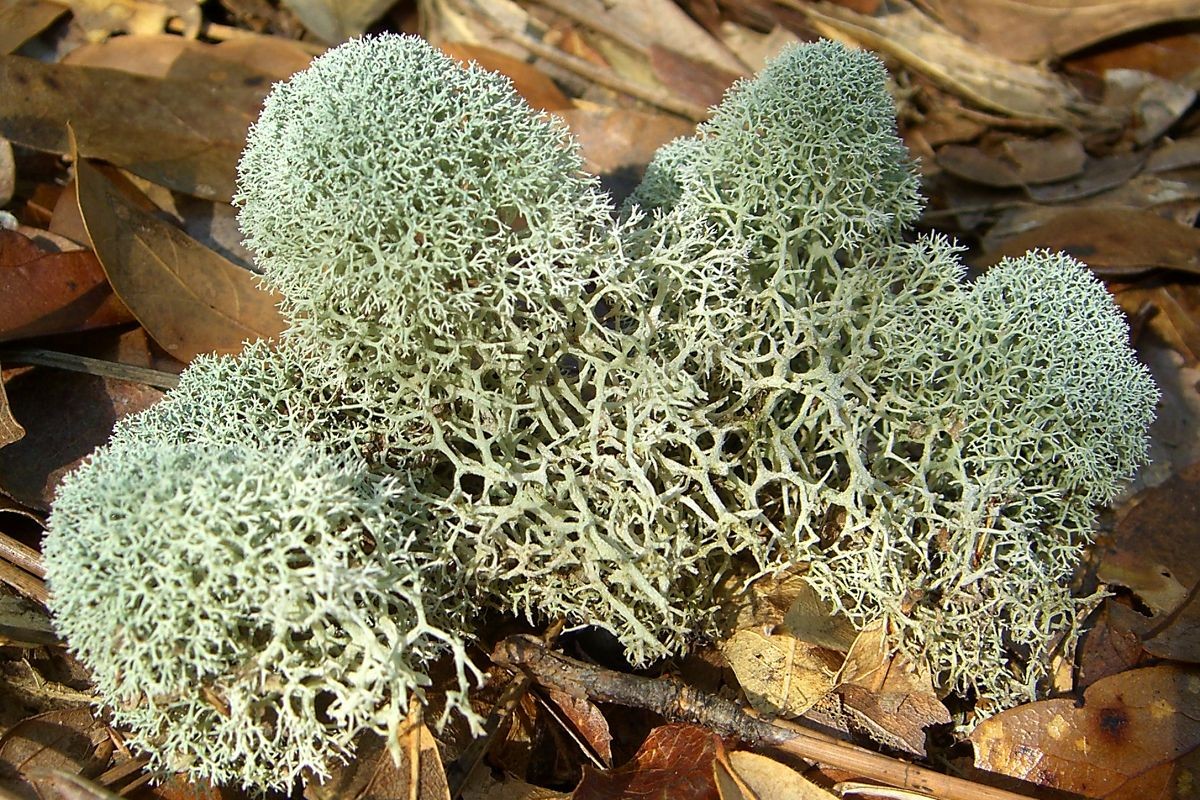
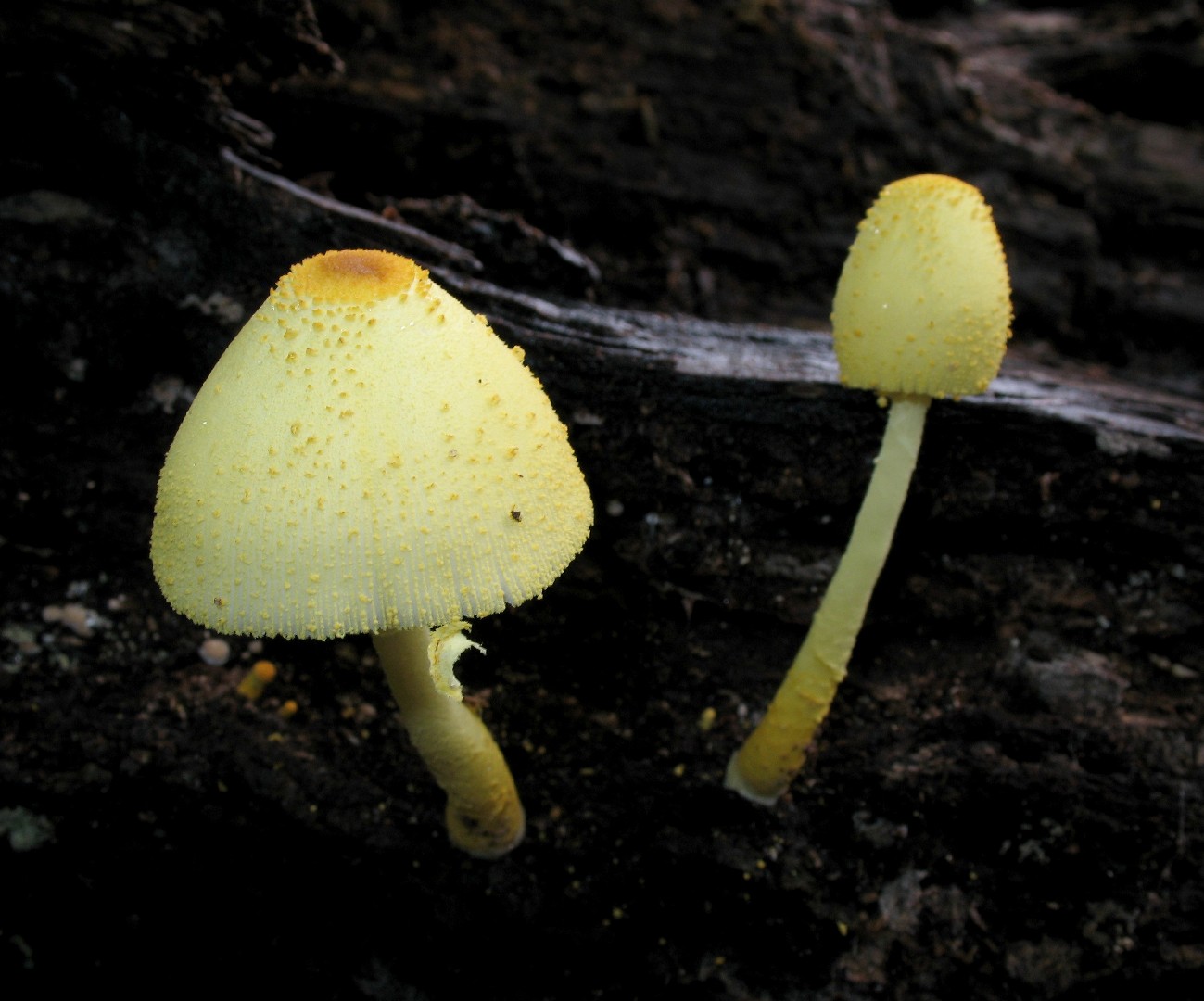
2. Powder-puff lichen
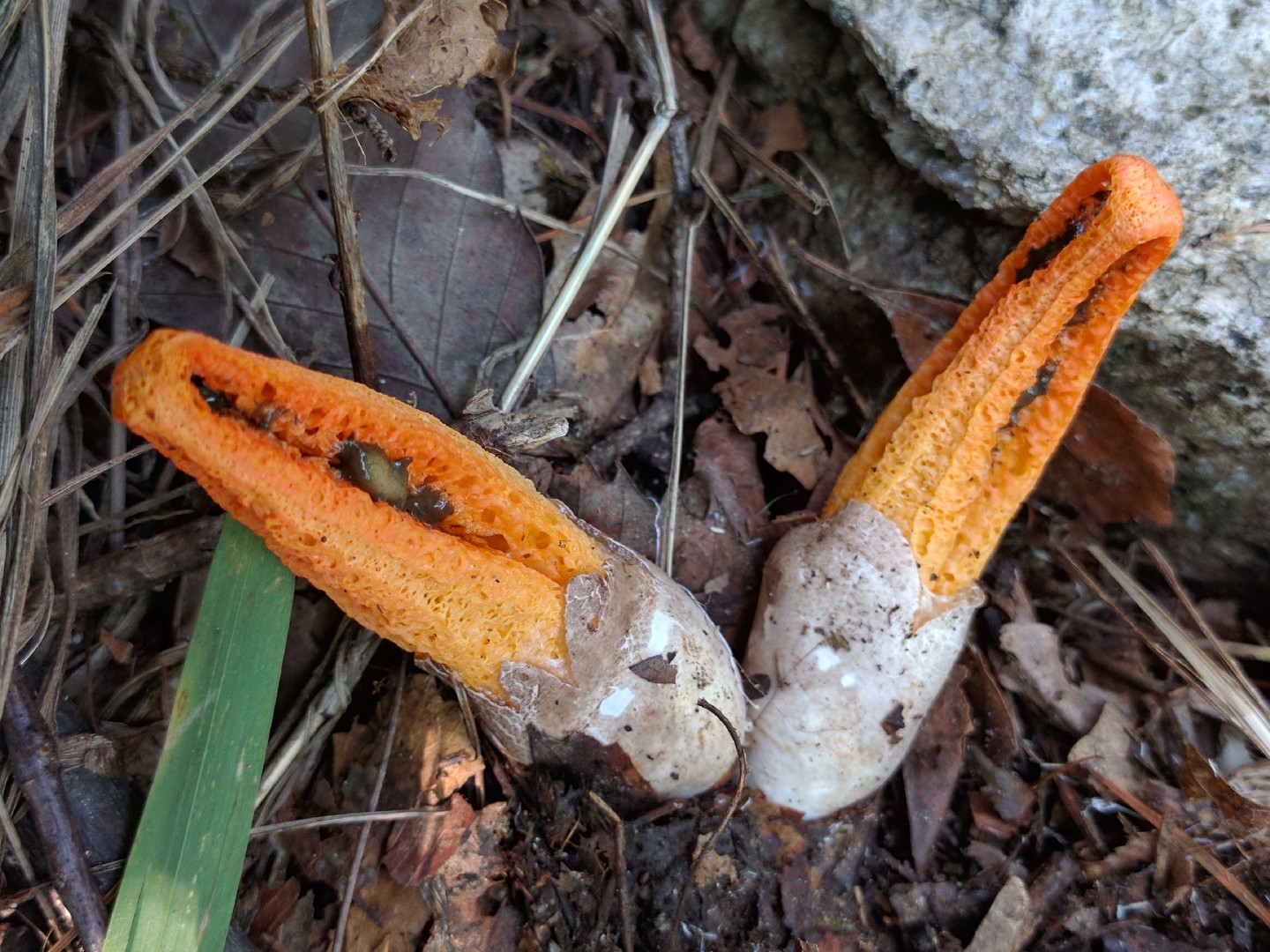
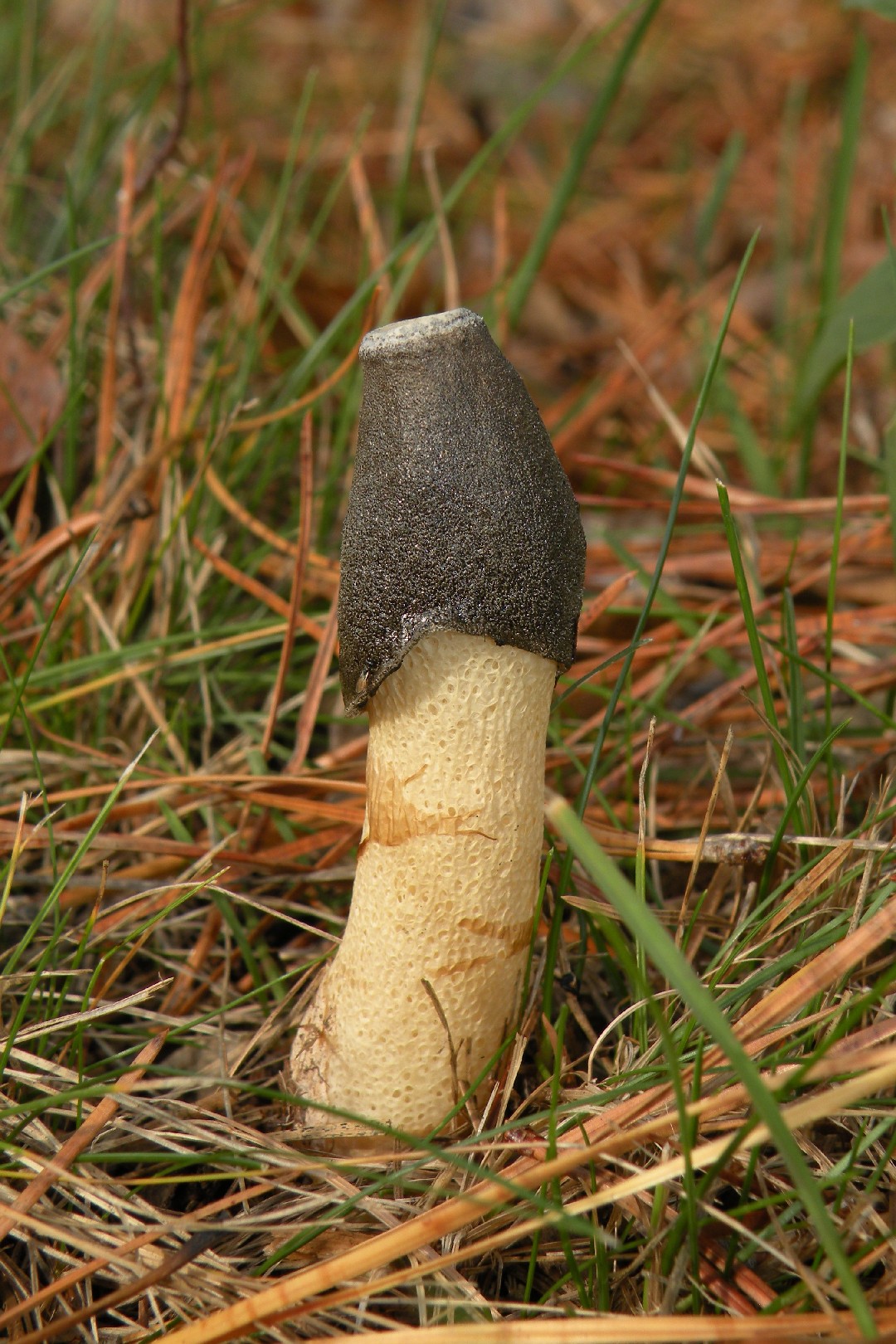
3. Column stinkhorn
The slime of the column stinkhorn emits an extremely foul odour, but many insects, particularly flies, find this slime very attractive. Attracting flies is the fungus' method for spreading its spores. This warm climate fungus has been introduced to North America, probably together with exotic plants.
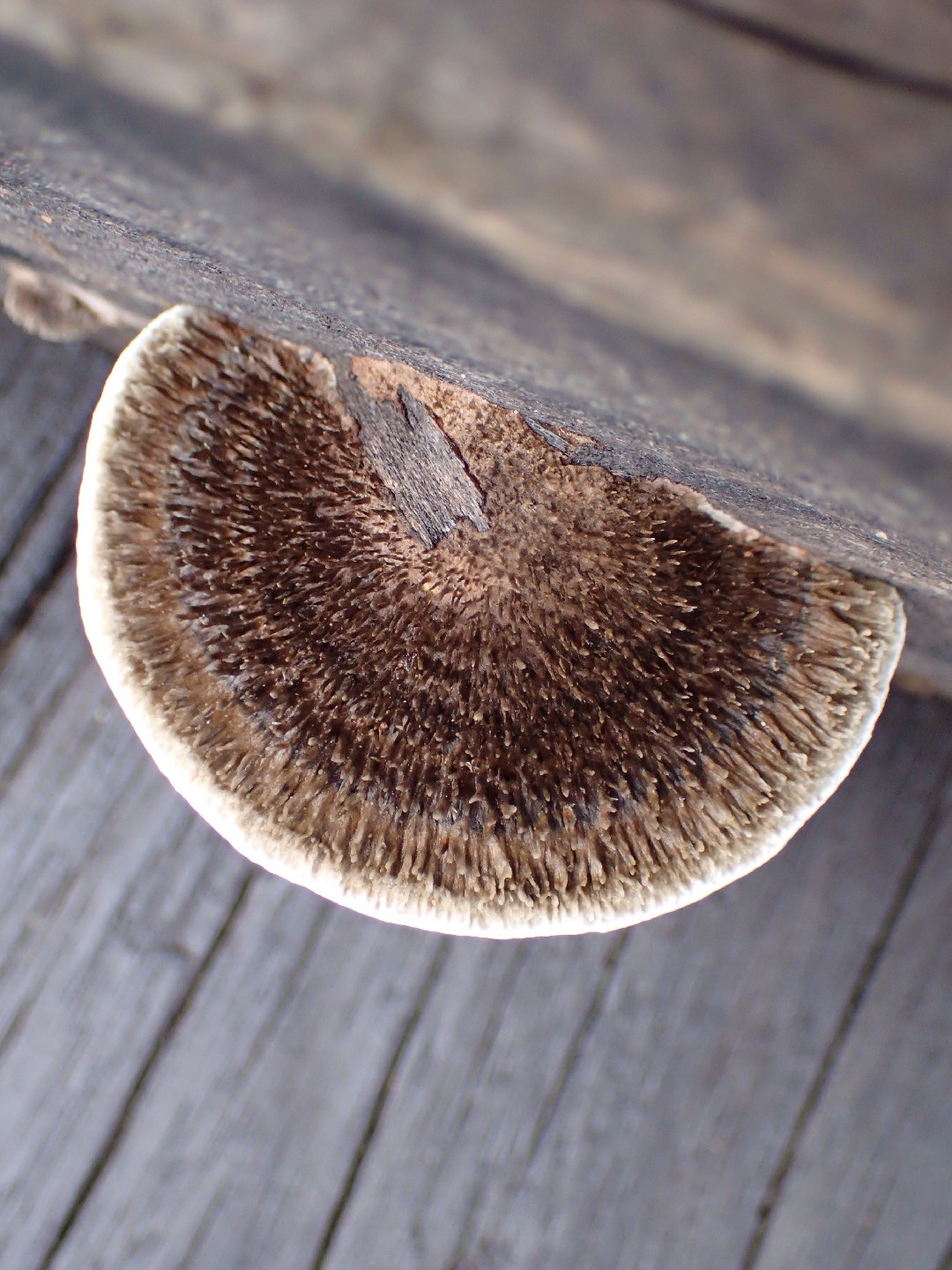
4. Hairy hexagonia
The hairy hexagonia (Hexagonia hydnoides) is not the most common mushroom you'll find, but has very distinctive qualities. Stiff, dark brown, bristle-like hairs emerge from an ochre flat cap and are found growing from a decaying tree stump or wood. The large pores on the cap's underside create an almost sponge-like appearance, and the stem is otherwise not visible.
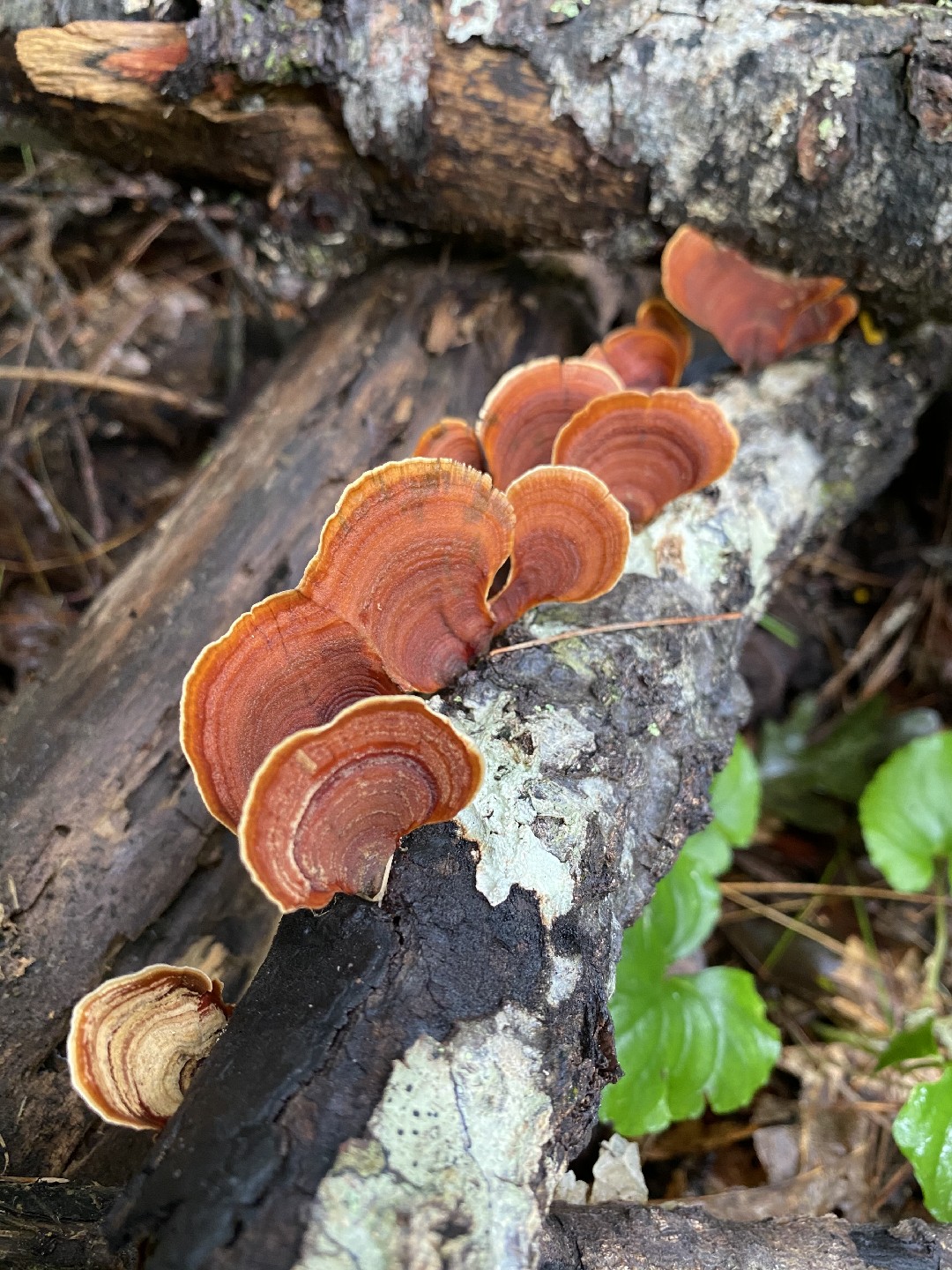
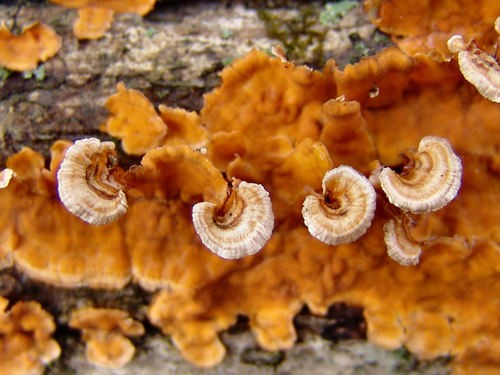
5. False turkey-tail
A common woodland fungus found across North America, the false turkey-tail thrives in wet environs and can be found in copious quantities on decaying wood. The species is so-called because it looks similar the also-common Turkey Tail (Tremetes versicolor) - both species grow in thin, roughly semi-circular sheets. False turkey-tails have tough, woody bodies and are considered to be inedible.
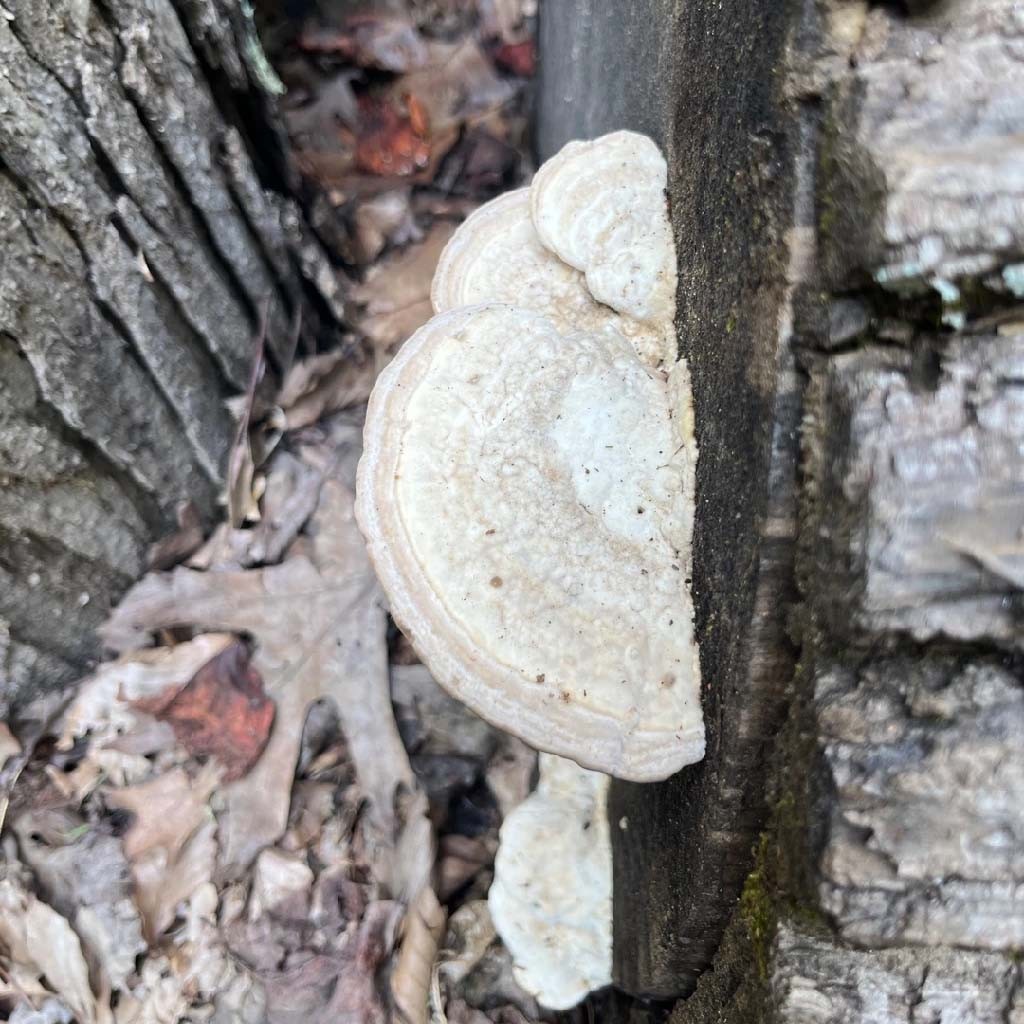
6. Leiotrametes lactinea
Leiotrametes lactinea thrives in warmer climates growing on decaying and dead trees, stumps, and branches. The white-rot fungus provides an important ecological service by aiding in the decay of dead wood by removing lignin, which is the organic material in the tree’s cell walls that prevent it from decaying.
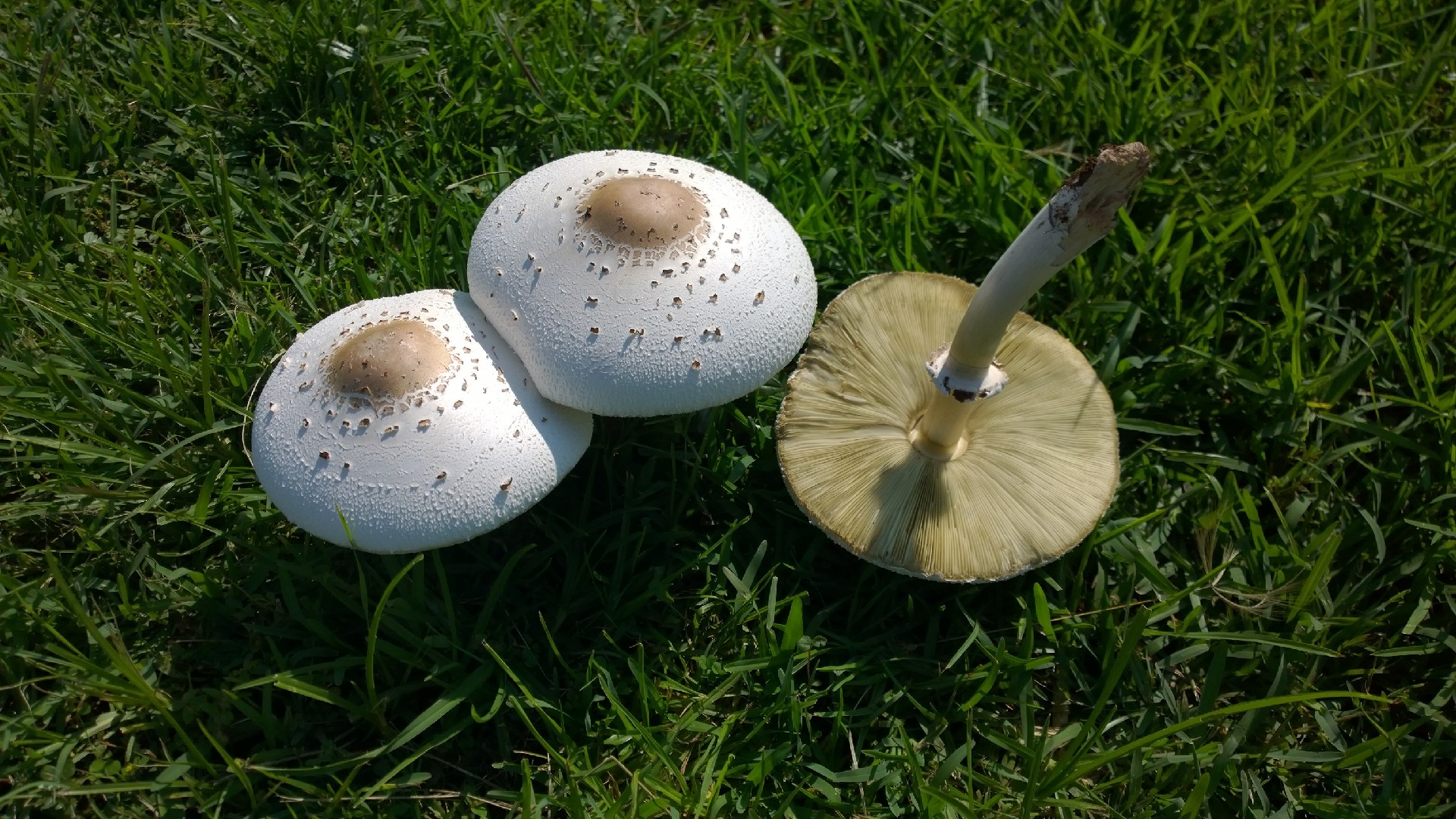
7. False parasol
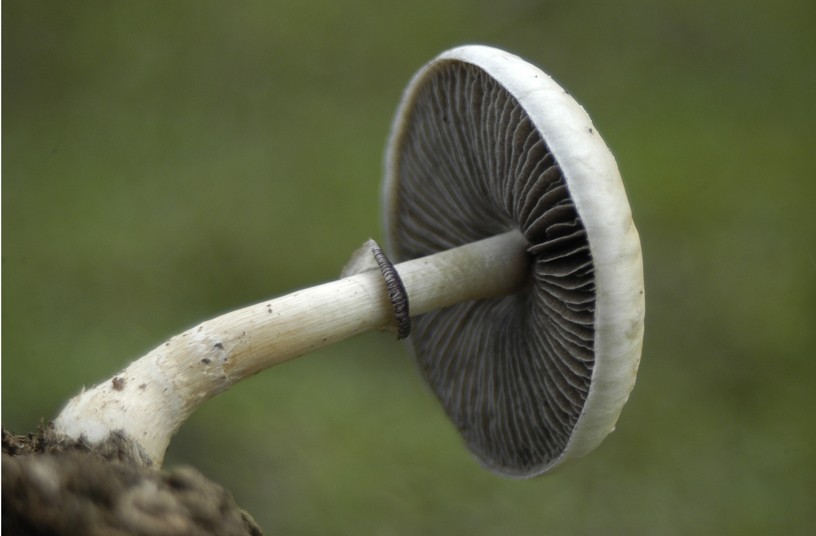
Though the false parasol appears unassuming, the species is famous—or, infamous—for its toxicity. It looks unfortunately similar to Agericus campestrus, a commonly eaten mushroom, but the false parasol can be distinguished by its highly unusual green spore print. Although they are no good to eat, they can be pretty to look at. The species may grow in ring-shaped groups in meadows and on forest floors in what are sometimes called "fairy circles."
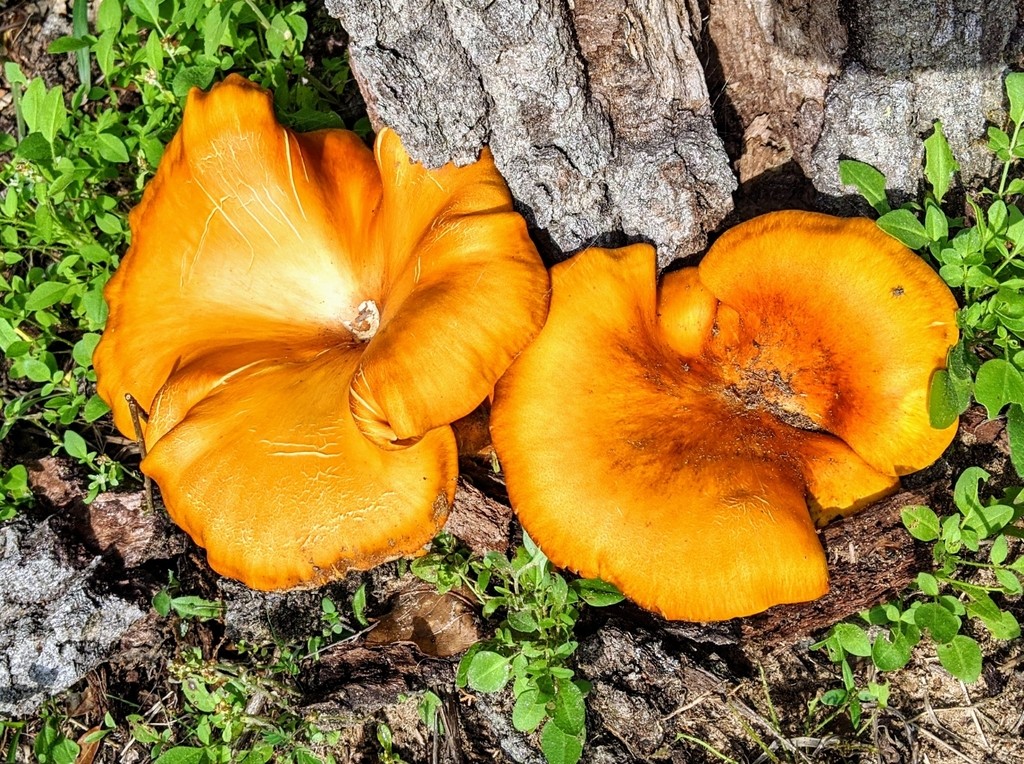
8. Southern jack o'lantern
As the name implies, the Southern jack o'lantern is not only a striking pumpkin-like orange color, but it also has the ability to glow in the dark — resembling carved Halloween jack o'lanterns with candles in them. This phenomenon that the southern jack o'lantern produces is called bioluminescence and is most evident at the peak of spore production.
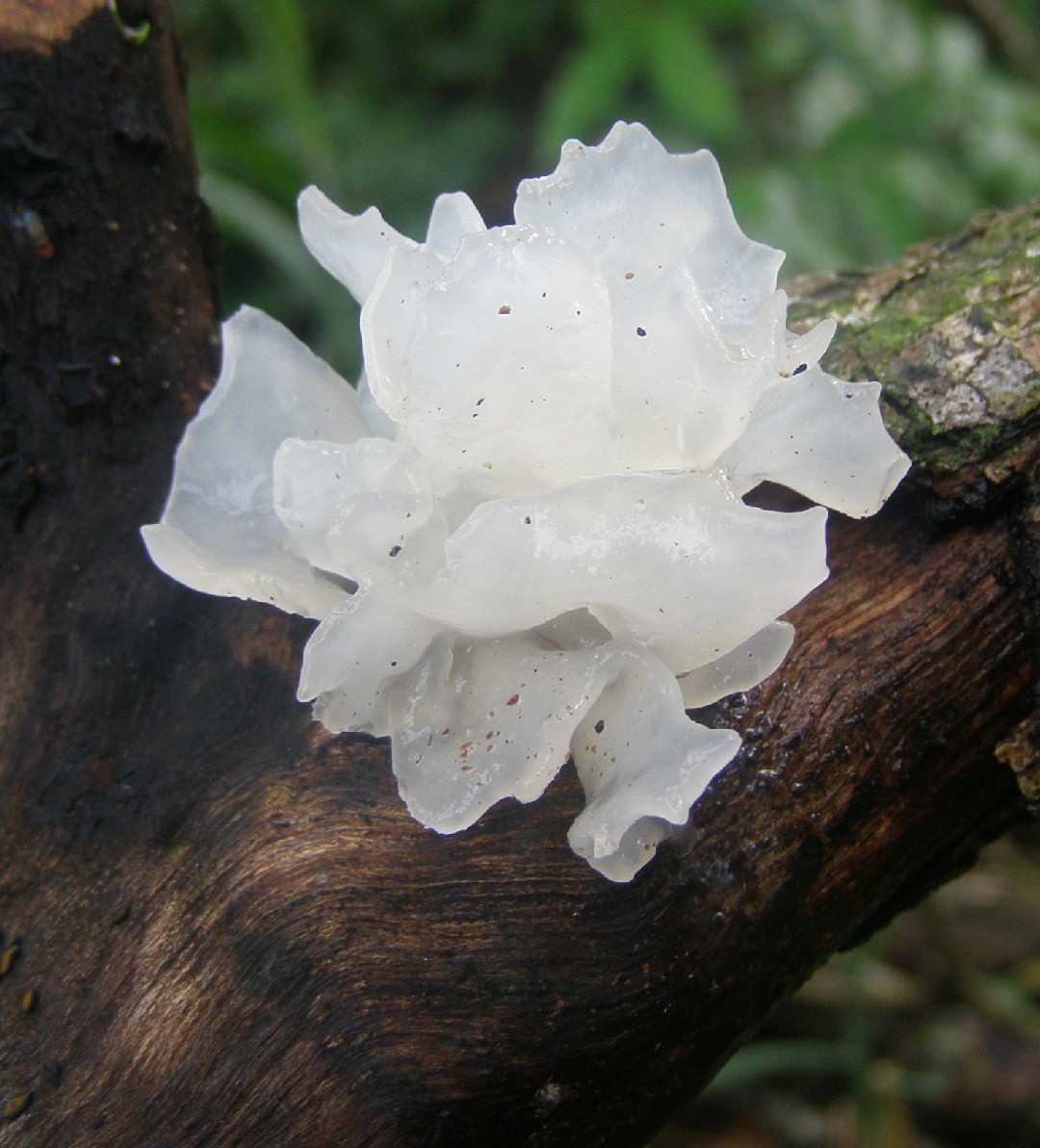
9. Snow fungus
Snow fungus (Tremella fuciformis) is so-named not because it is associated with winter, but, rather, because its fruitbodies look like little piles of snow fungus on the ground. This fungus actually inhabits very warm - tropical and subtropical - locations around the globe. Snow fungus does not have much taste, but it is cultivated for culinary use across East Asia, where it is often added to thicken soups and desserts.
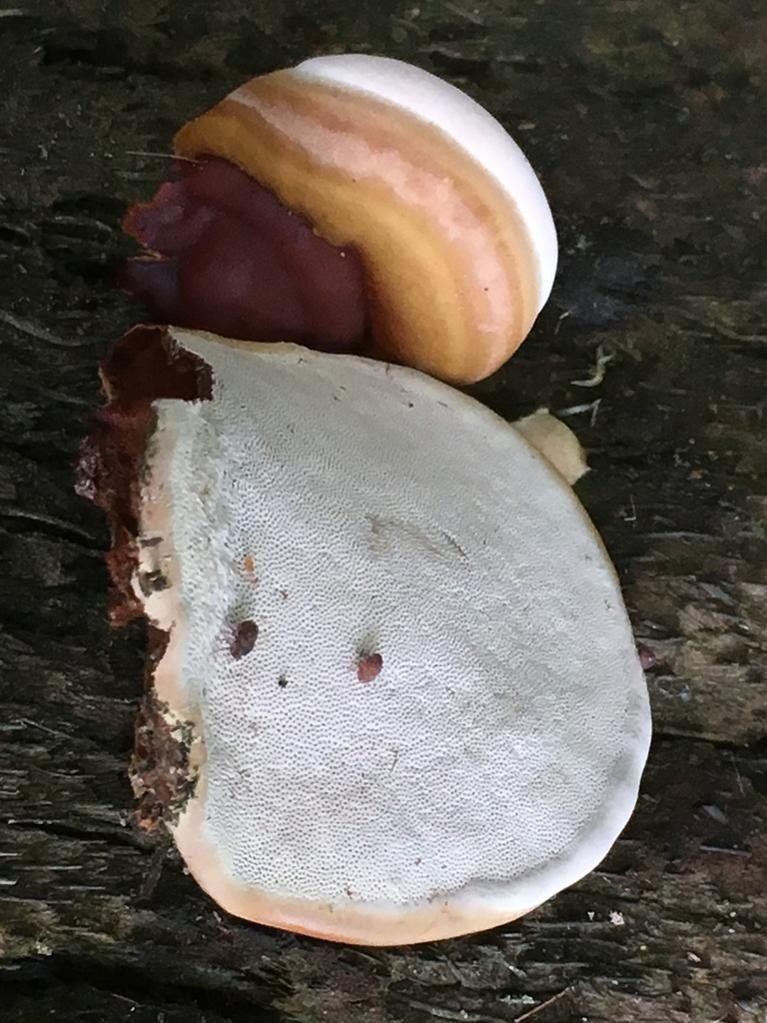
10. Ganoderma butt rot
More







