




Top 20 Most Common Mushrooms in Jupiter Farms
Welcome to Jupiter Farms, a haven for mycophiles with a remarkable variety of fungi. Jupiter Farms ranks high on the chart for America's top 20 most commonly found mushroom species. Nestled in lush verdant landscapes, this enclave enjoys a mushroom-rich environment attributed to its unique climate and fertile soil, offering a delightful playground for mushroom enthusiasts.

Most Common Mushrooms
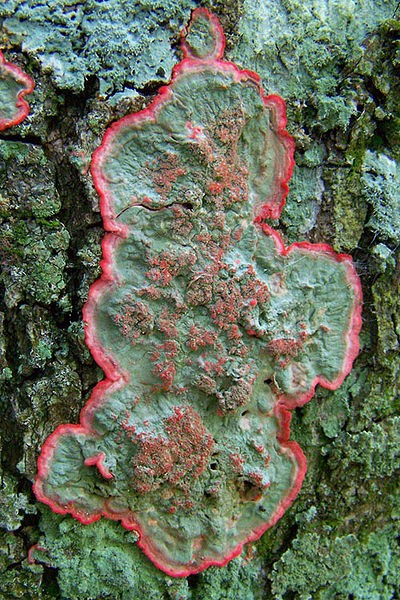
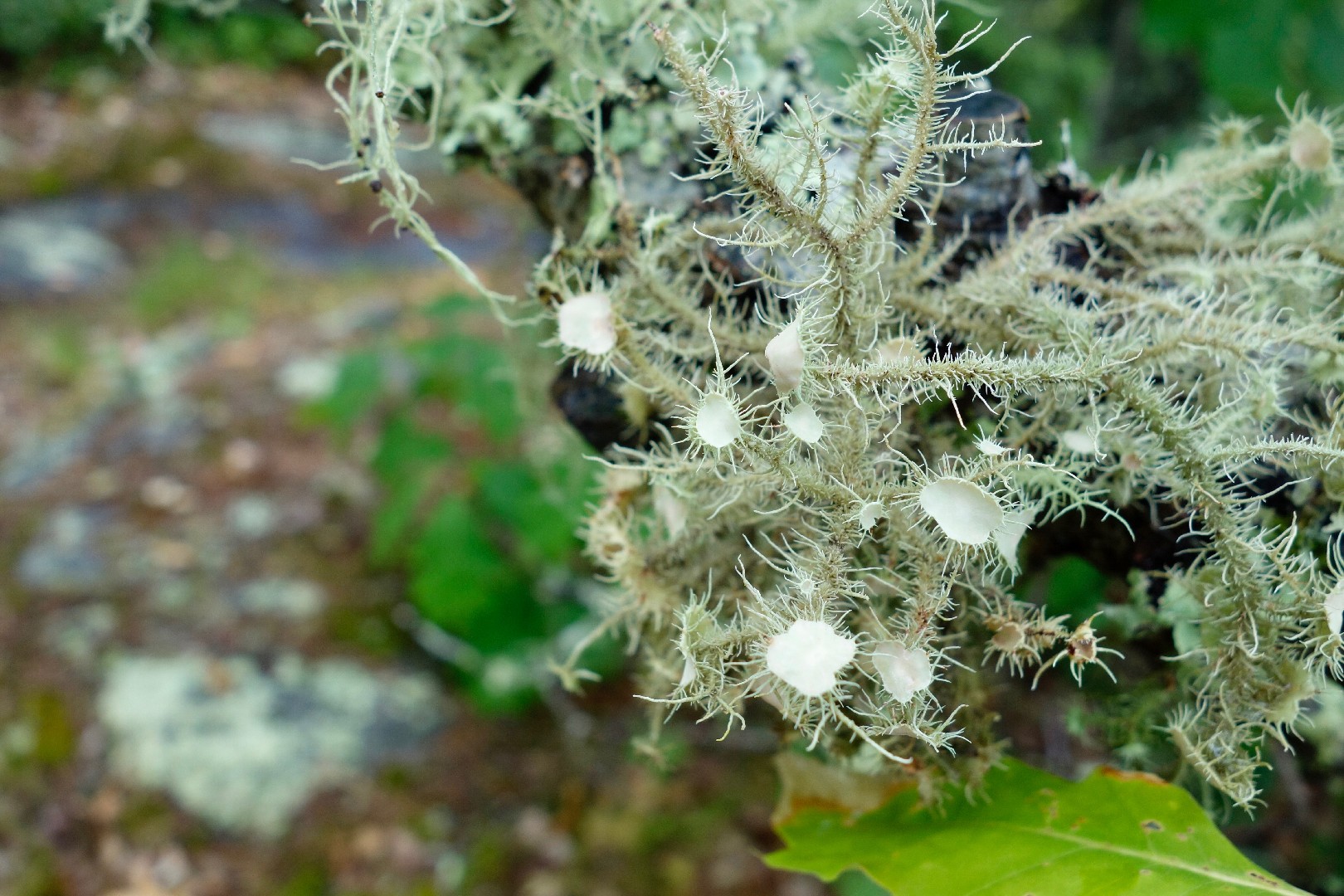
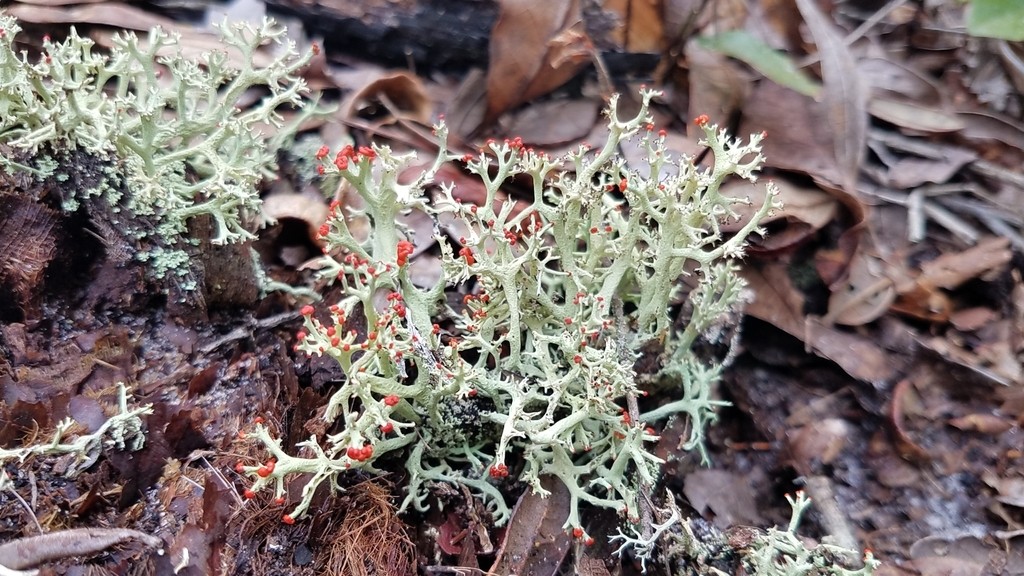
1. Christmas lichen
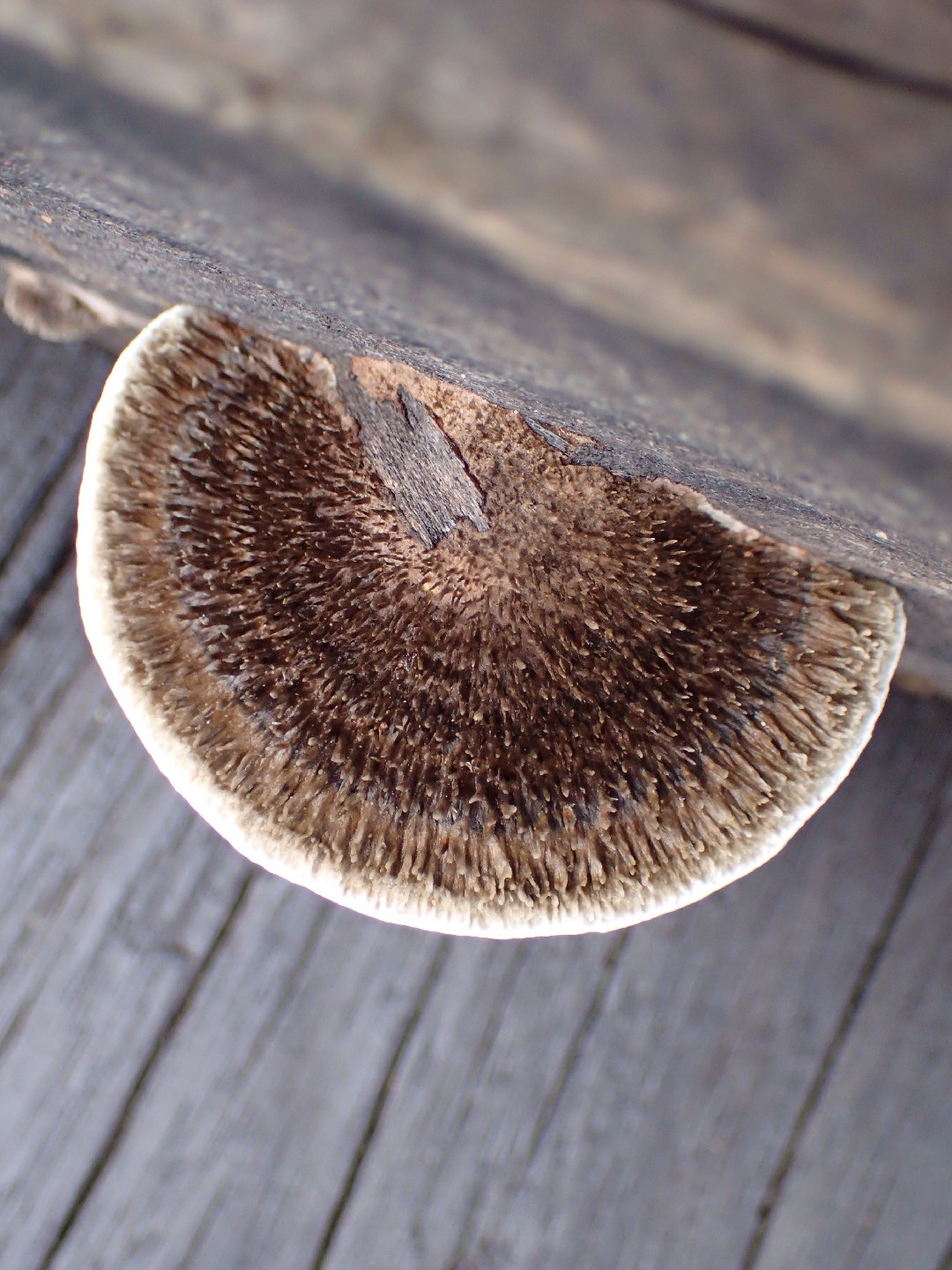
2. Hairy hexagonia
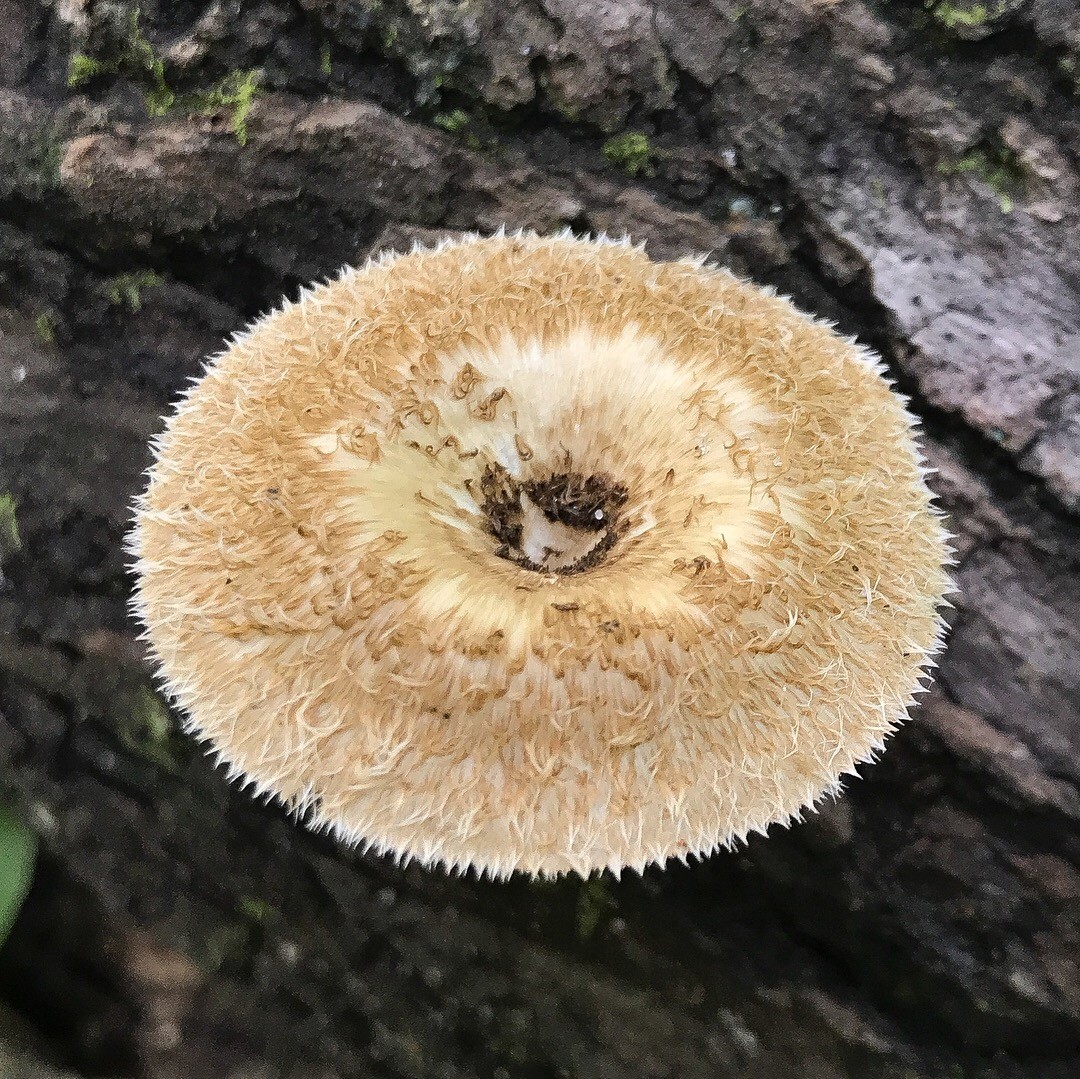
The hairy hexagonia (Hexagonia hydnoides) is not the most common mushroom you'll find, but has very distinctive qualities. Stiff, dark brown, bristle-like hairs emerge from an ochre flat cap and are found growing from a decaying tree stump or wood. The large pores on the cap's underside create an almost sponge-like appearance, and the stem is otherwise not visible.
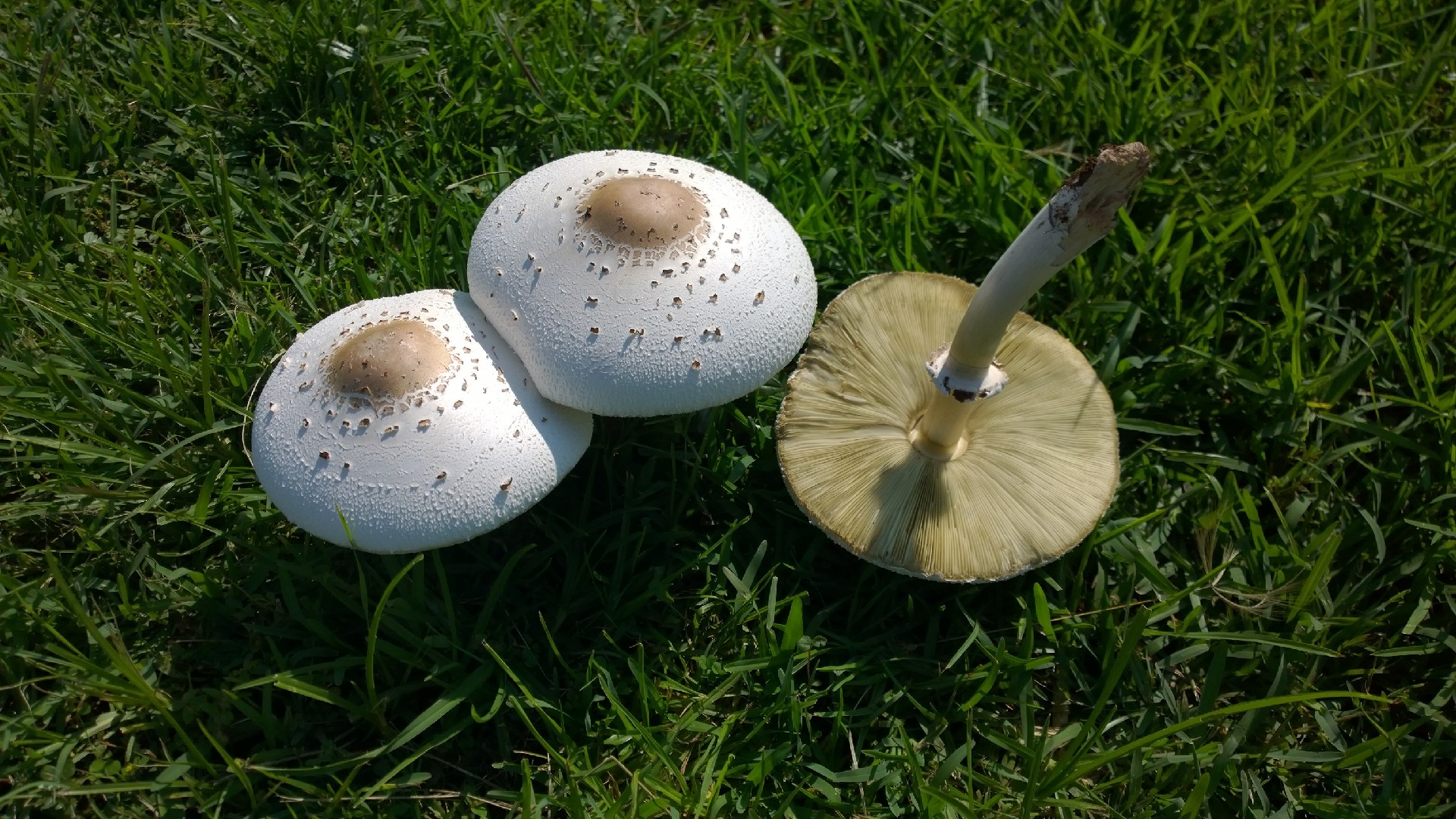
3. False parasol
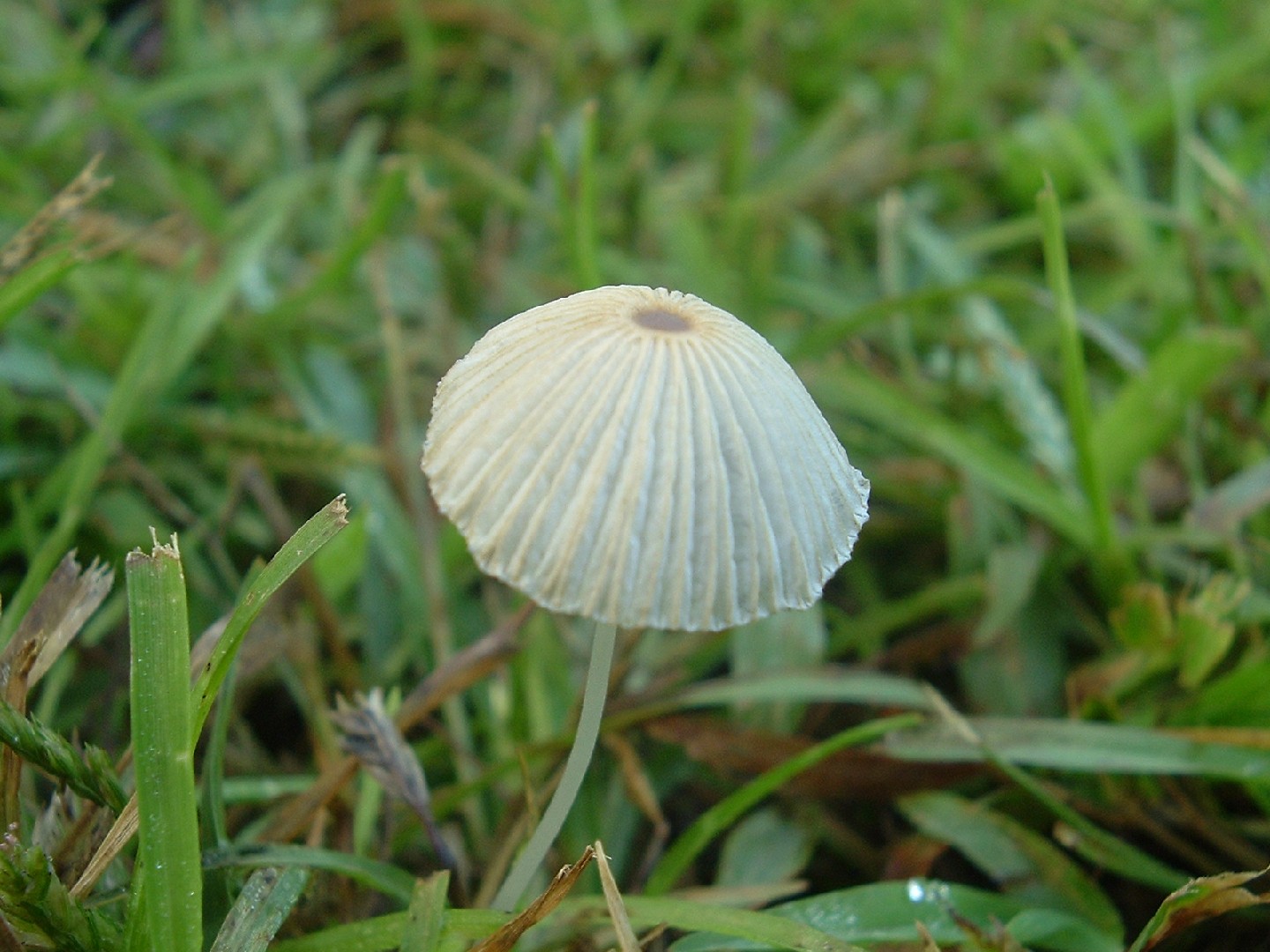
Though the false parasol appears unassuming, the species is famous—or, infamous—for its toxicity. It looks unfortunately similar to Agericus campestrus, a commonly eaten mushroom, but the false parasol can be distinguished by its highly unusual green spore print. Although they are no good to eat, they can be pretty to look at. The species may grow in ring-shaped groups in meadows and on forest floors in what are sometimes called "fairy circles."
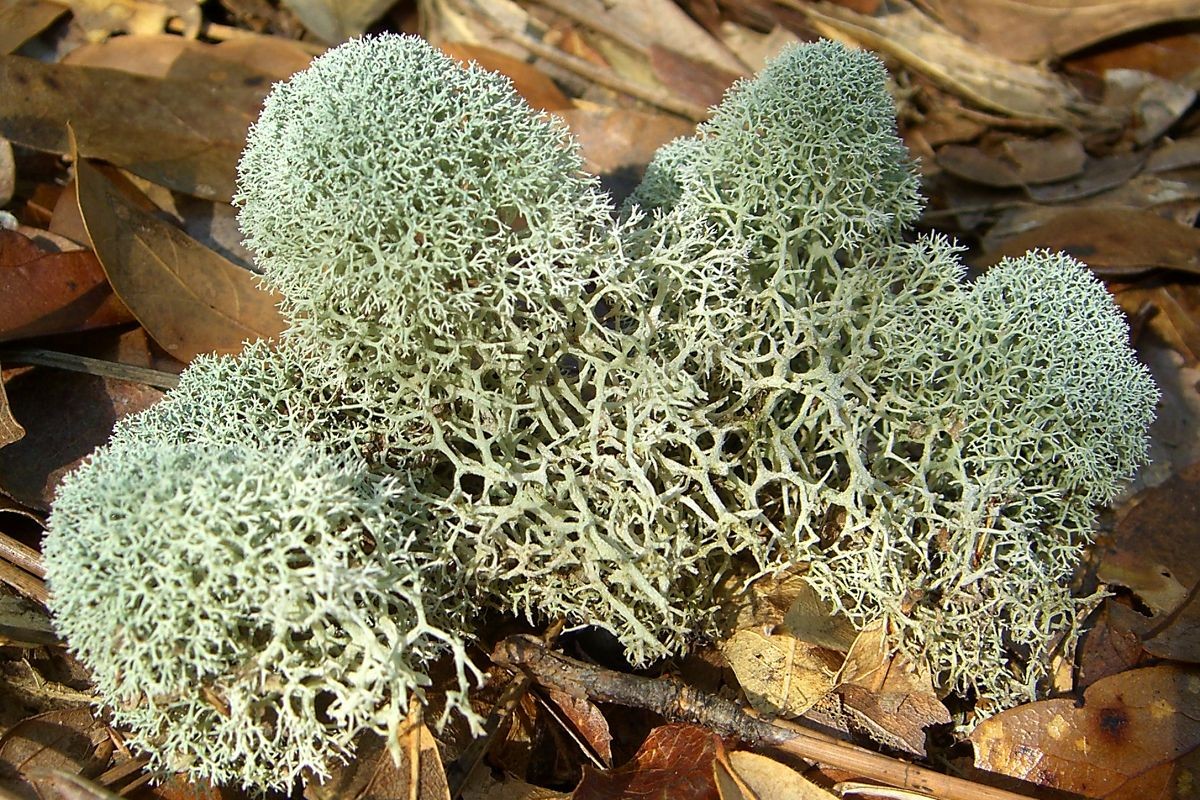
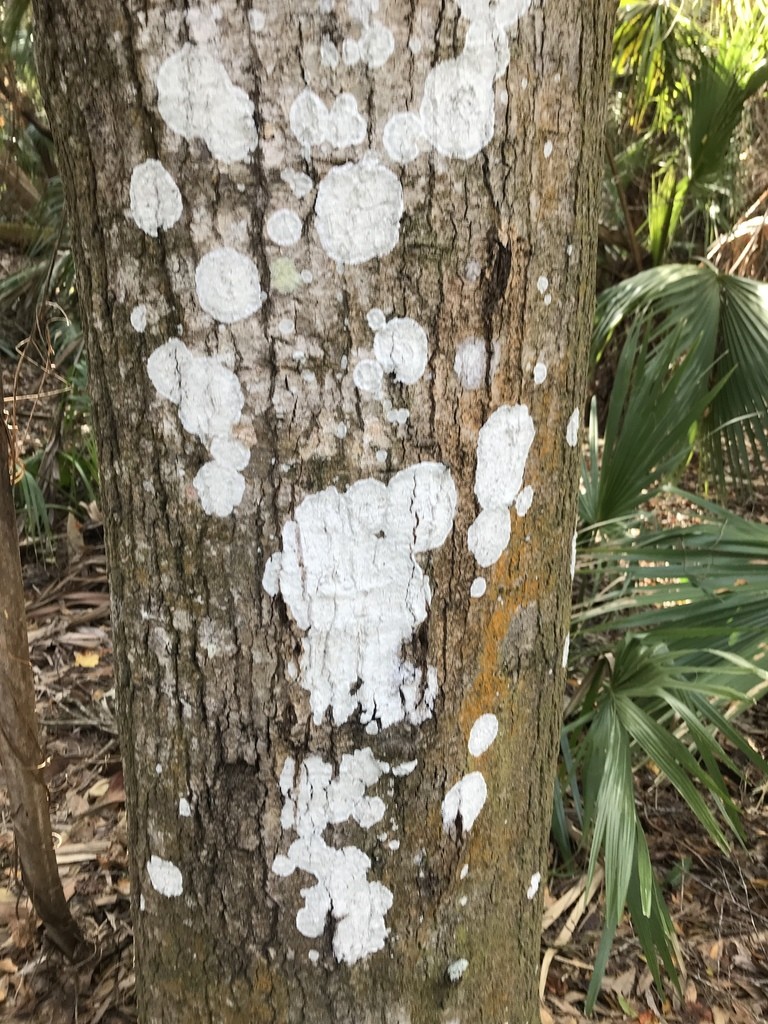
4. Powder-puff lichen
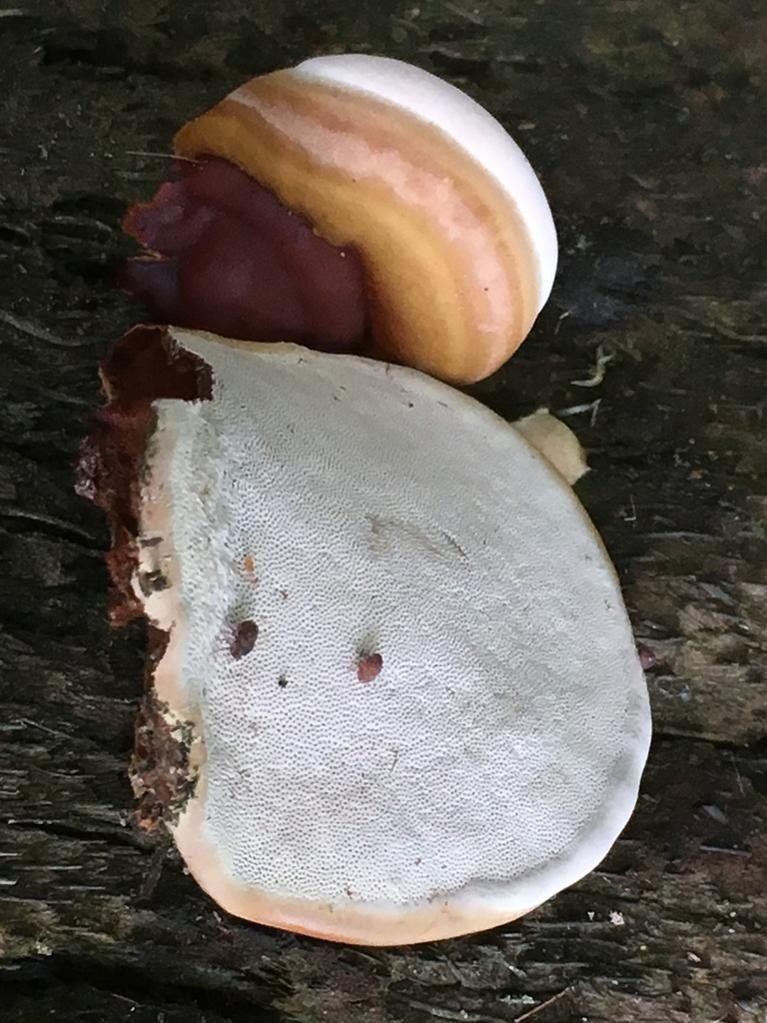
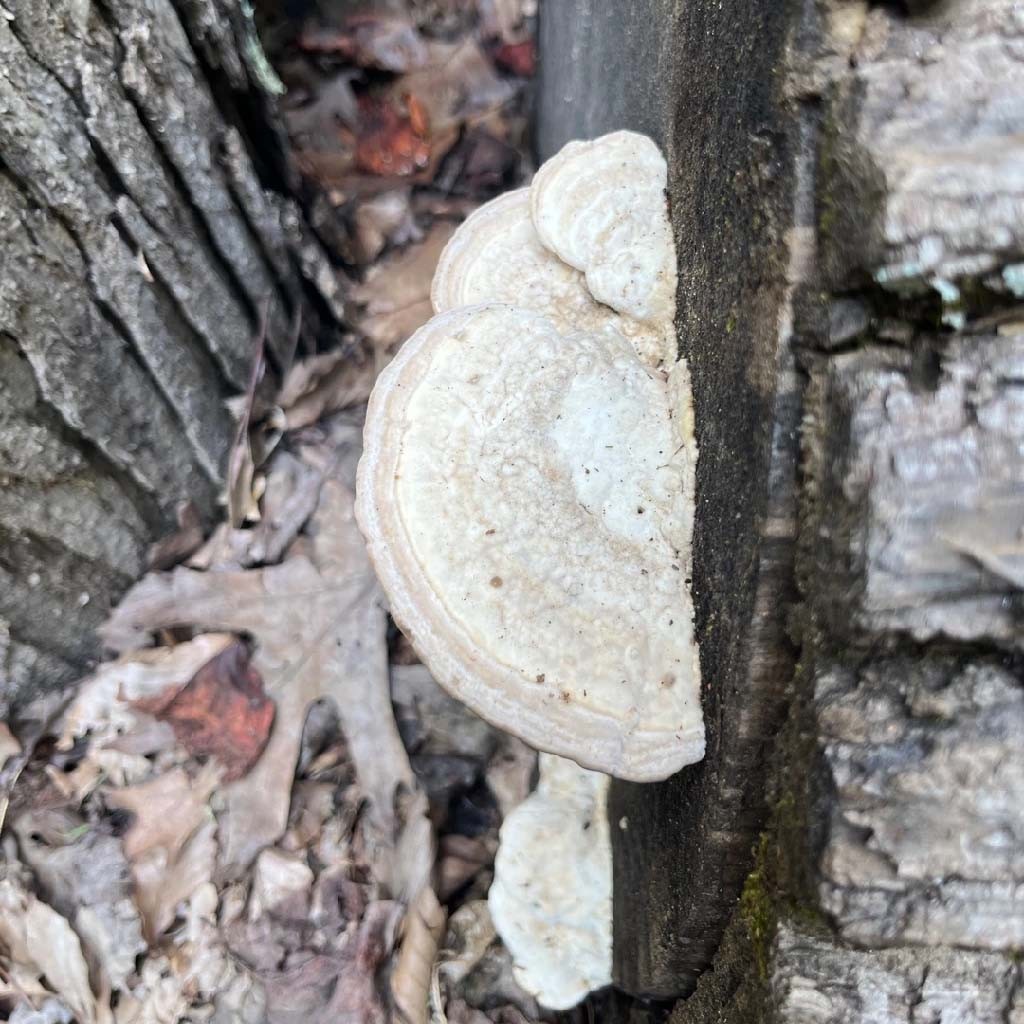
5. Ganoderma butt rot
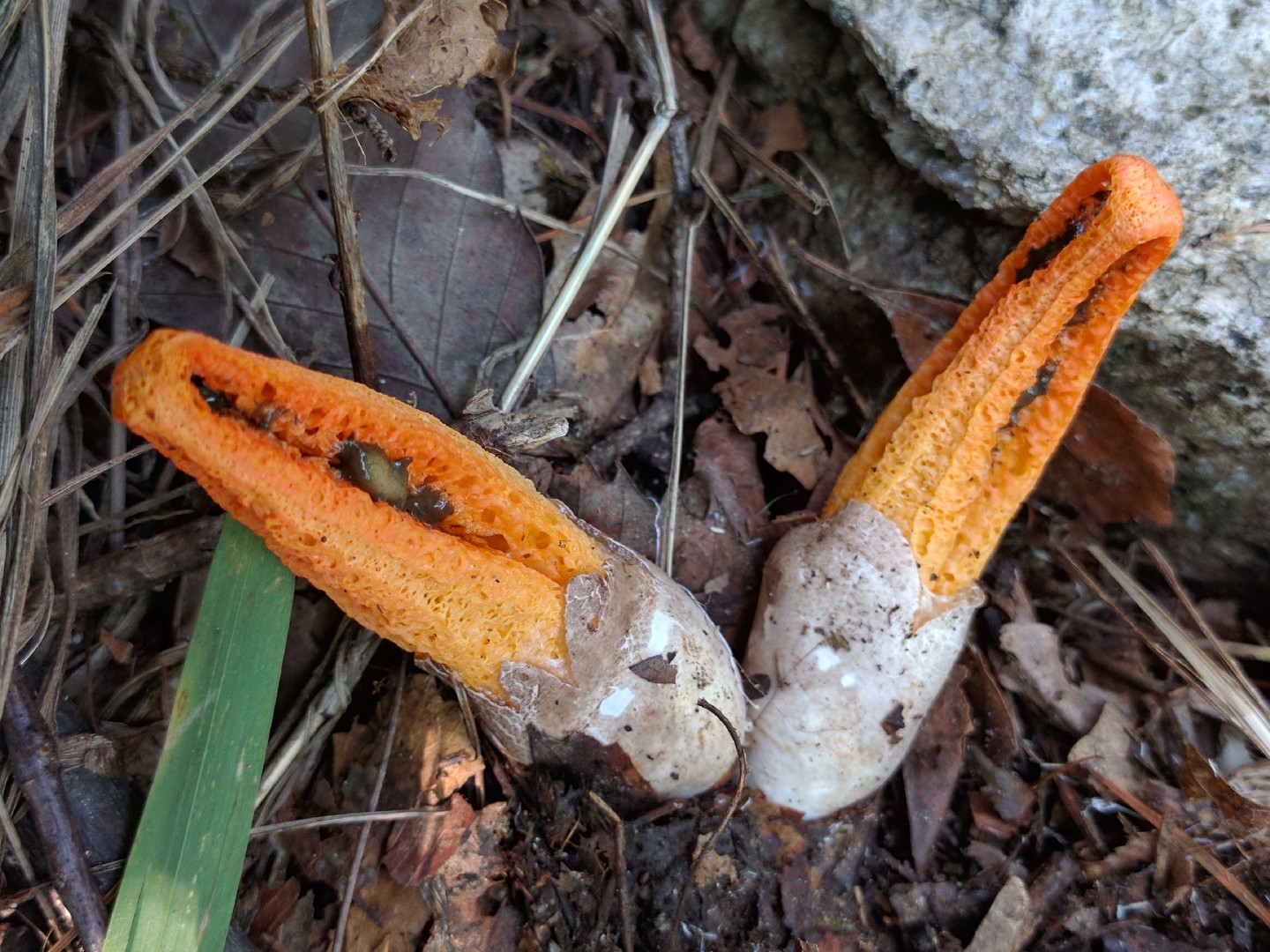
6. Column stinkhorn
The slime of the column stinkhorn emits an extremely foul odour, but many insects, particularly flies, find this slime very attractive. Attracting flies is the fungus' method for spreading its spores. This warm climate fungus has been introduced to North America, probably together with exotic plants.
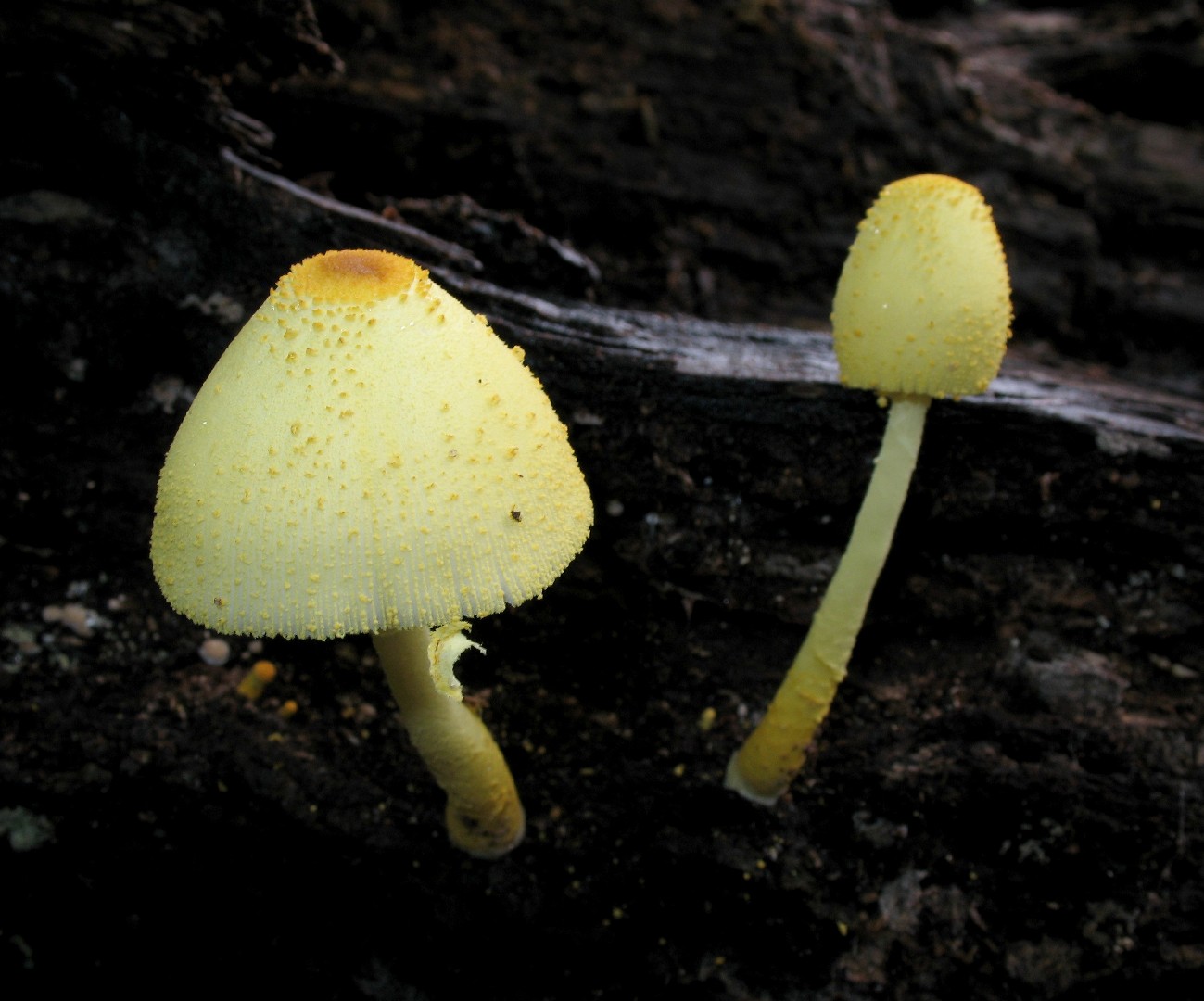
7. Flowerpot parasol
This tropical/subtropical mushroom is known to be toxic. If eaten it causes a very unpleasant stomachache with the risk of fatal complications. In temperate zones, flowerpot parasol is only found in hothouses and greenhouses, so the risk of accidental foraging is low, but it may occur with potted plants and indoor landscaping and pose a risk to curious children.
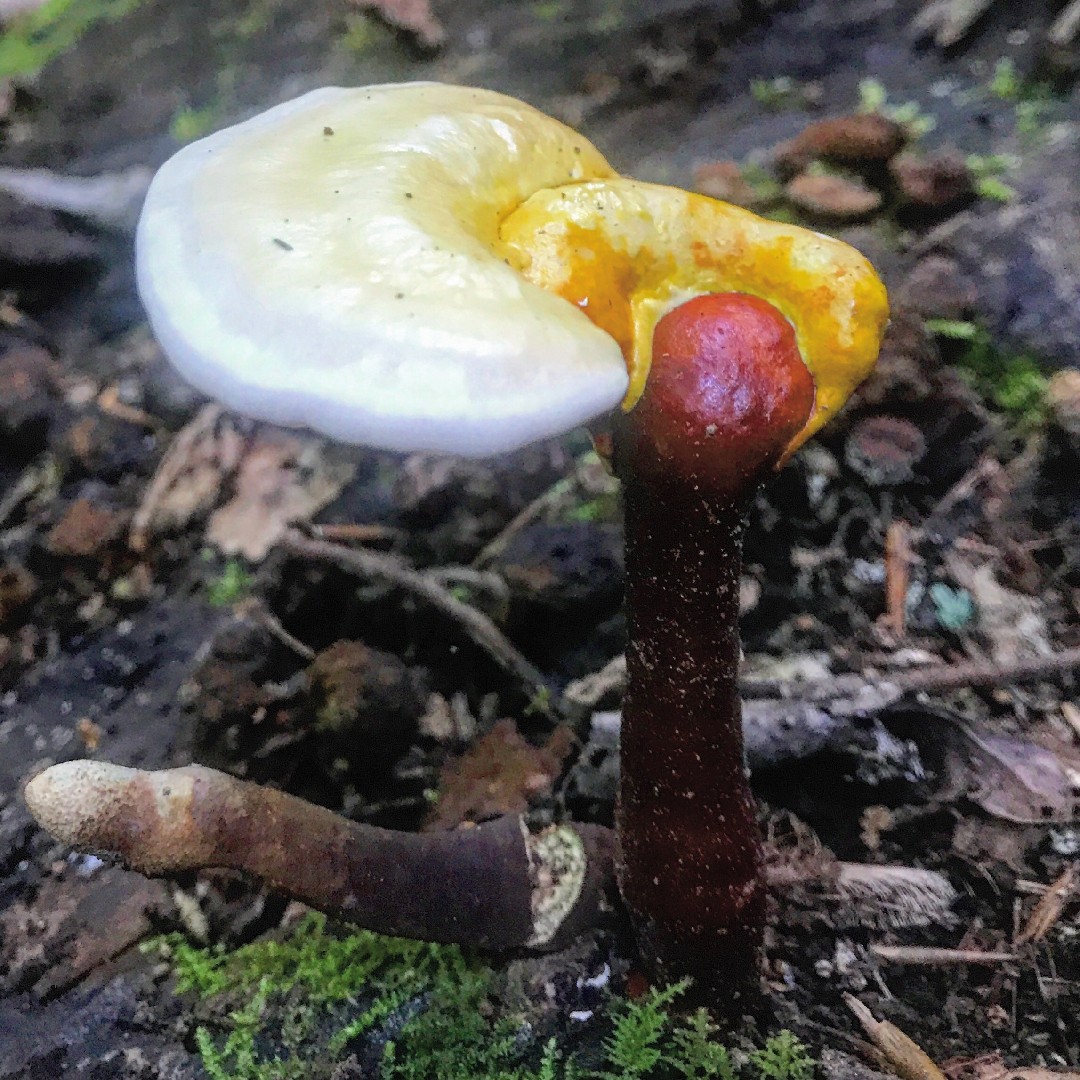
8. Golden reishi
The golden reishi is a tough-fleshed fungus that can be found on dead or live hardwoods, and sometimes conifers, sporting deep shades of red, orange or yellow, although some can be quite pale. While some claim that the golden reishi may convey health benefits, there is no evidence to support this, and the species is considered inedible.
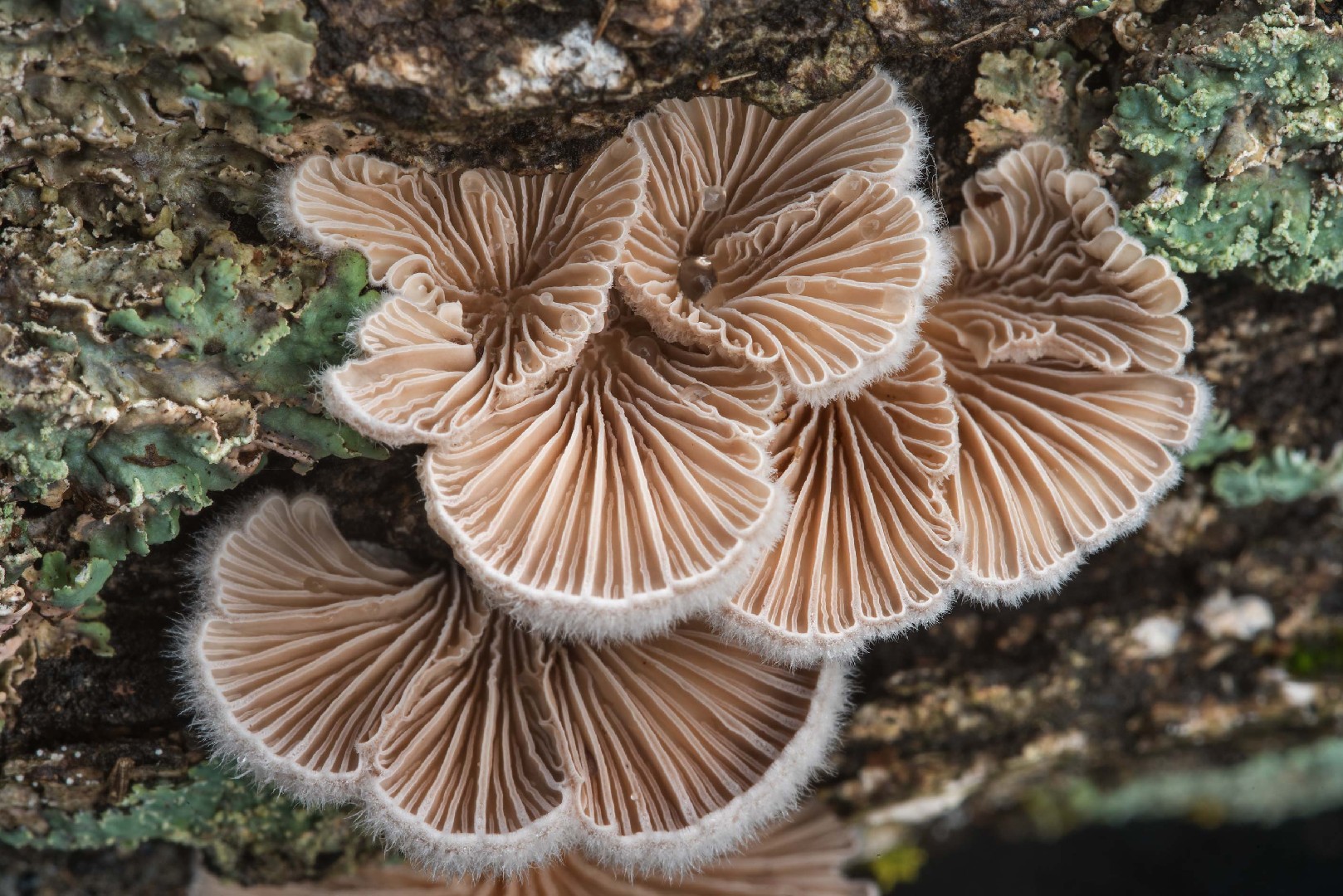
9. Split gill
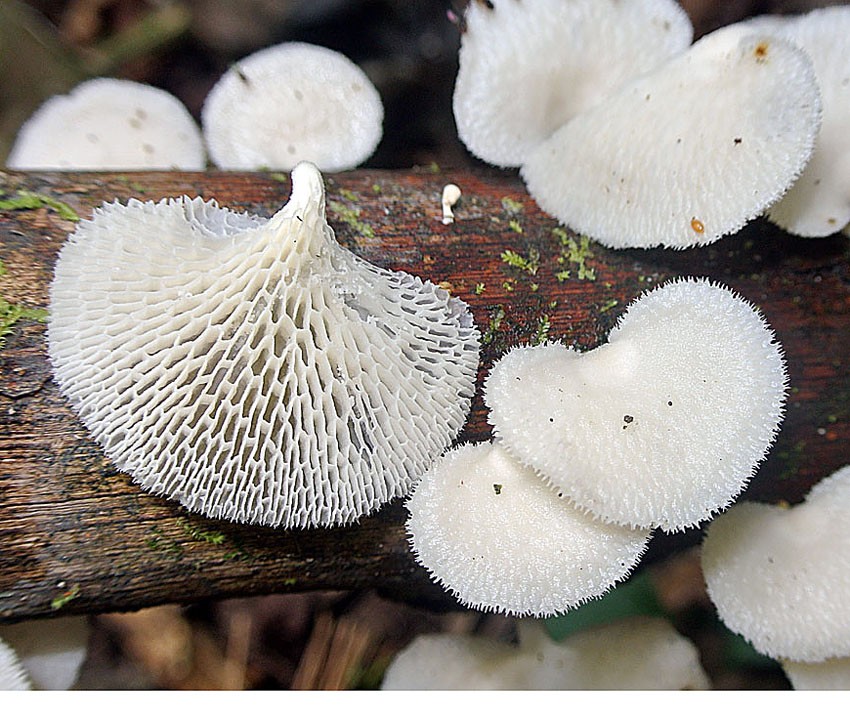
Split gill(Schizophyllum commune) can be found across the globe. Uniquely, it is the only mushroom species known to display the capability to retract by movement. It is considered inedible, although not necessarily toxic. Furthermore, it is not recommended to smell this species, as the spores are capable of sprouting and growing in nasal passages.
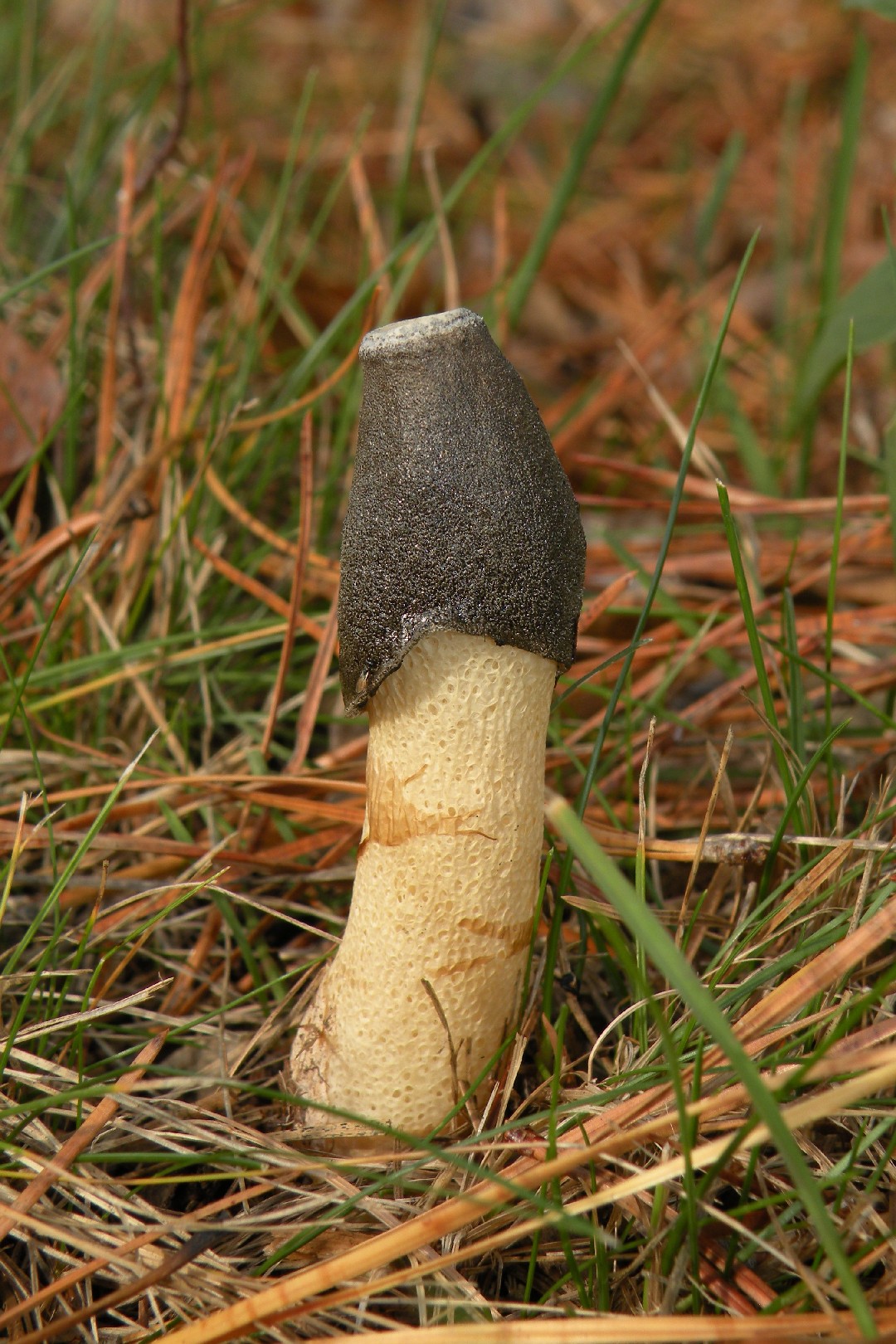
10. Ravenel's stinkhorn
Ravenel's stinkhorn (Phallus ravenelii), as its quite evocative common name may suggest, is easily identified by the pungent odor that emanates from this diminutive mushroom. The elongated, spongy cap towers over a plain white stem. The cap itself secretes not only a strong scent but also a slime that attracts various insects. The repulsive smell makes it inedible and extremely undesirable.
More







