




Top 20 Most Common Mushrooms in Canon City
Canon City, known for its mild climate and fertile soil, fosters an impressive diversity of fungal life. This region boasts a host of earthy delights, especially the 20 most common mushroom species in the United States. Savor these fun-facts and get set to explore the captivating world of mushrooms in Canon City.

Most Common Mushrooms
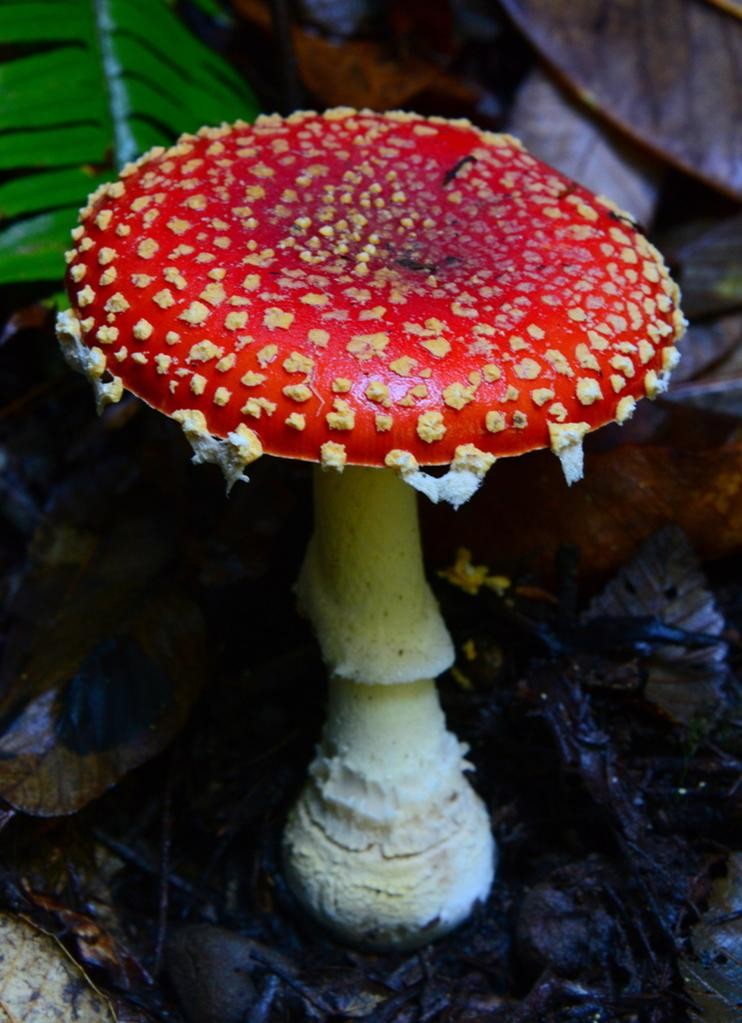
1. Fly agaric
In Northern Asia and Europe, fly agaric grows under trees near the winter solstice and is collected for ritual use tied to the season. Its characteristic shape and coloring are still ubiquitous in many European fairy tale illustrations and Christmas traditions. It is highly toxic.
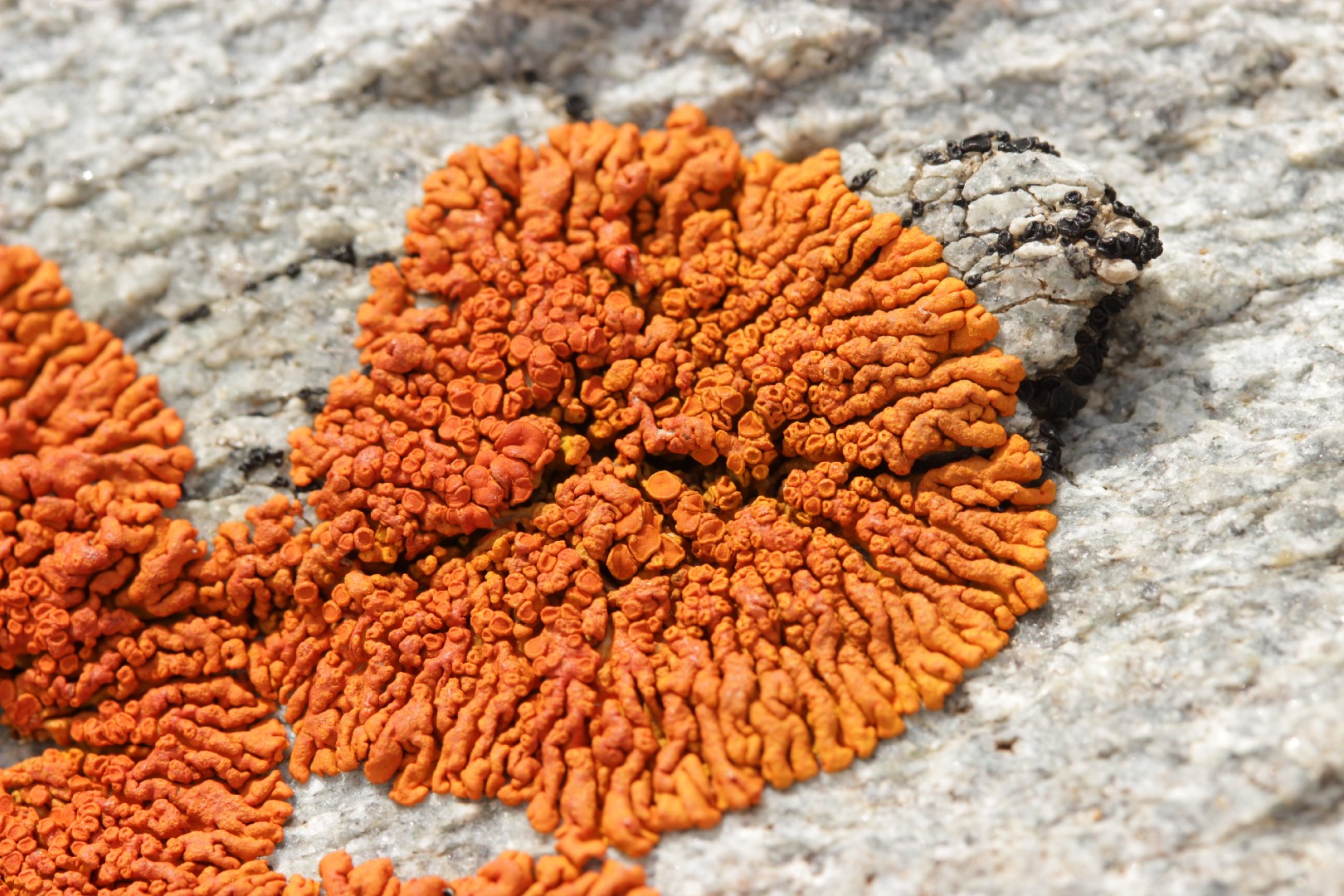
2. Elegant sunburst lichen
The thallus of this lichen is described as foliose, having the aspect of leaves, although the central portions of the thallus may appear nearly crustose. It is small, typically less than 5 cm (2 in) wide, with lobes less than 2 mm (0.08 in) broad, appressed to loosely appressed. The upper surface is some shade of orange while the lower surface is white, corticate, with short, sparse hapters (an attachment structure produced by some lichens). The vegetative propagules called soredia and isidia are absent, although apothecia are common. It has been described as possessing swollen, orange-yellow thalli (in streams), compact orange thalli (on boulders) or dark orange-red thalli on the driest rock faces. The variety X. elegans var. granulifera, characterized by having isidia-like vegetative propagules, has been reported from Greenland and Spitsbergen. 
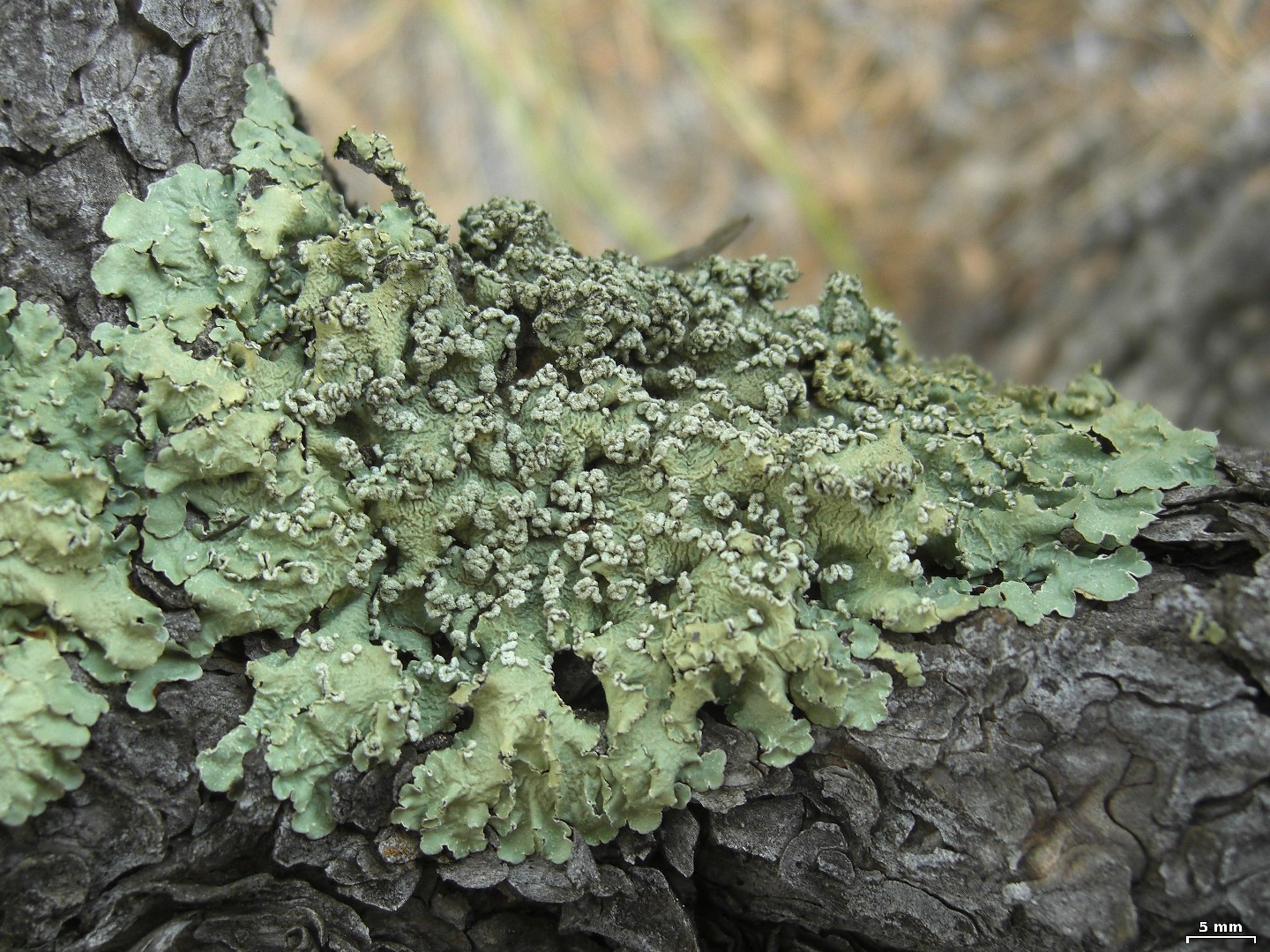
3. Powder-edged speckled greenshield
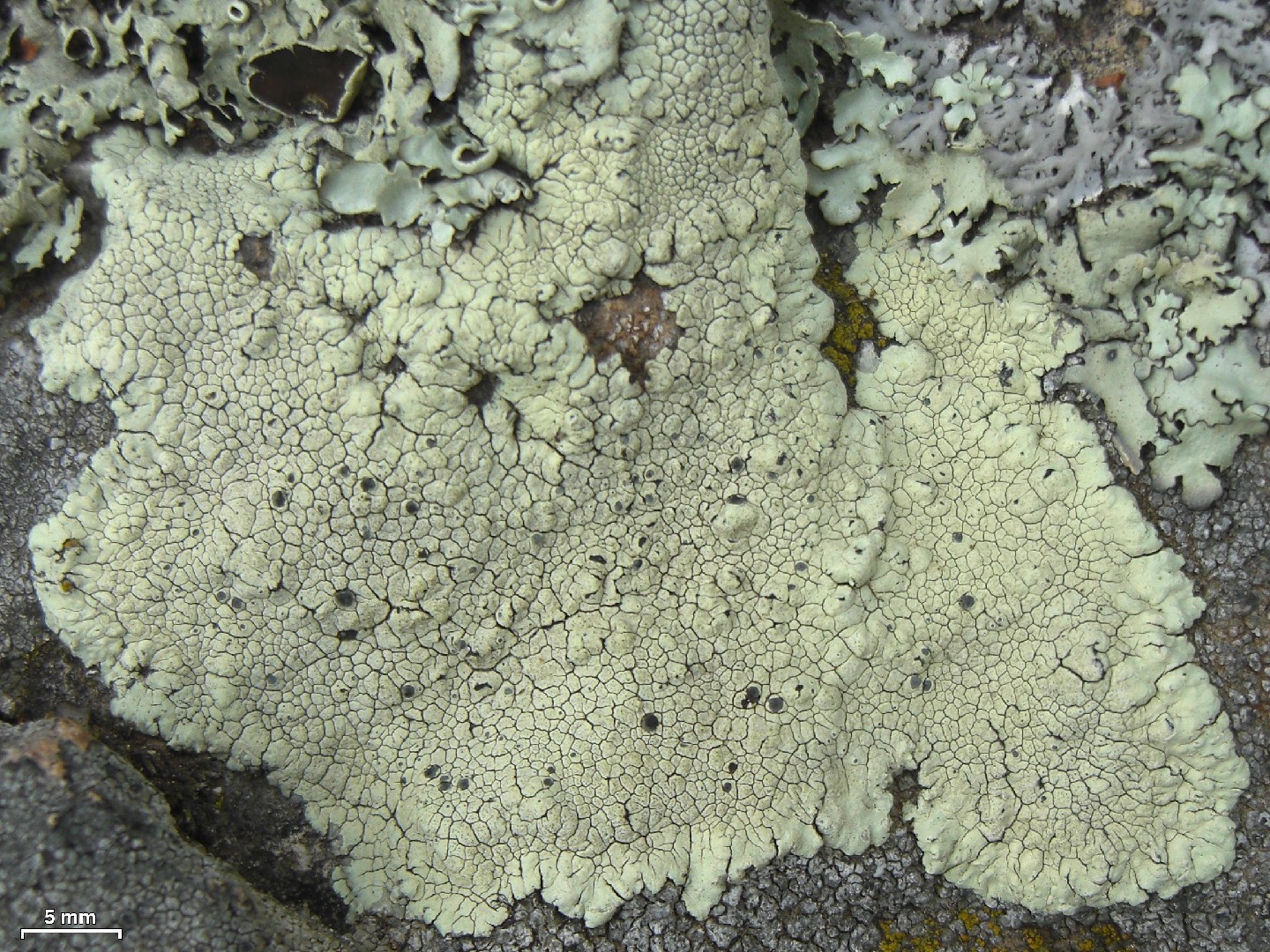
4. Golden moonglow lichen
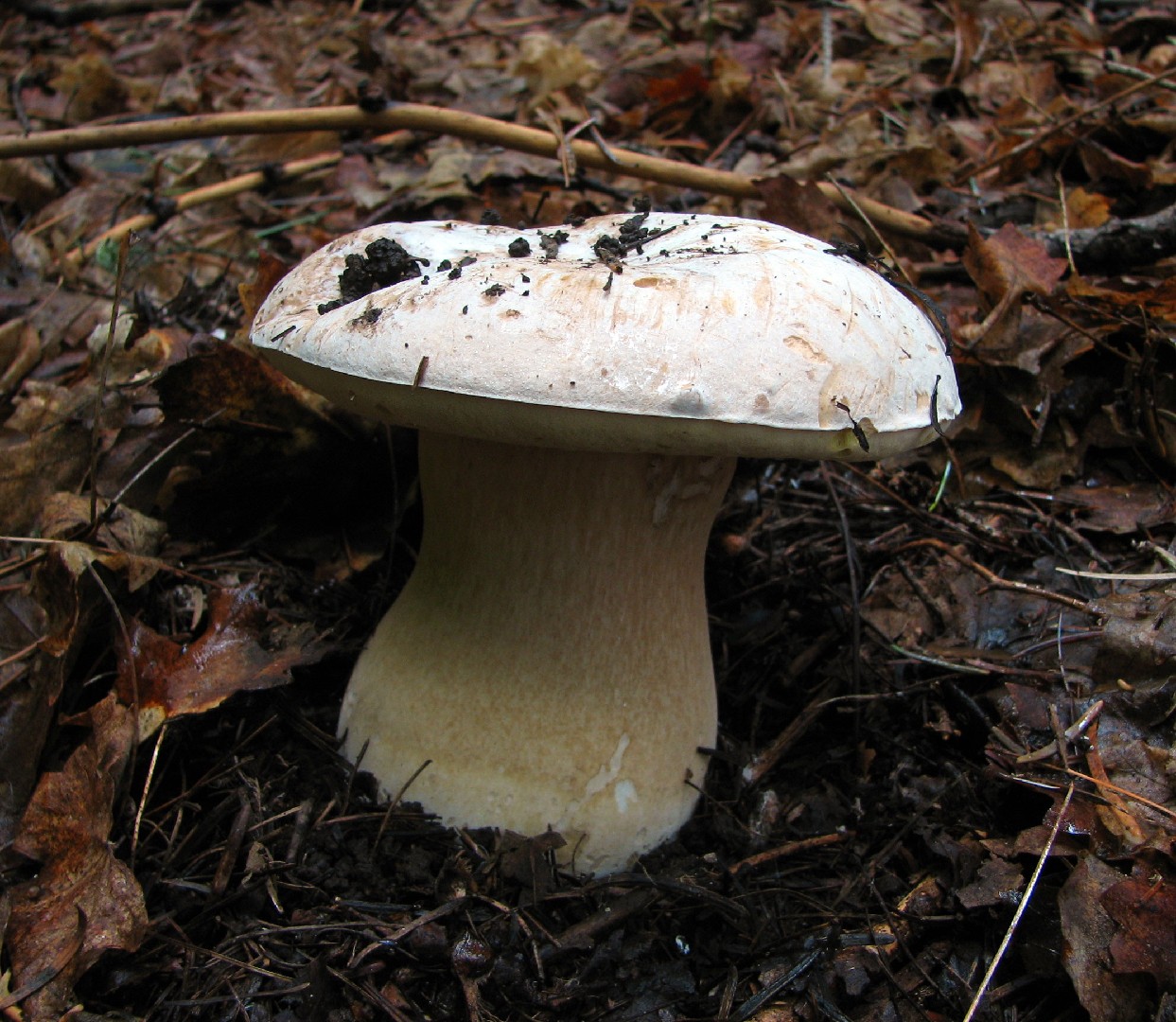
5. White king bolete
The habitat of the white king bolete is restricted to southwestern North America, but being a warm-weather species, it is most abundant in Arizona and New Mexico. The mushroom was given its scientific name Boletus barrowsii after the self-taught amateur mycologist Charles "Chuck" Barrows, who discovered the species just a few decades ago.
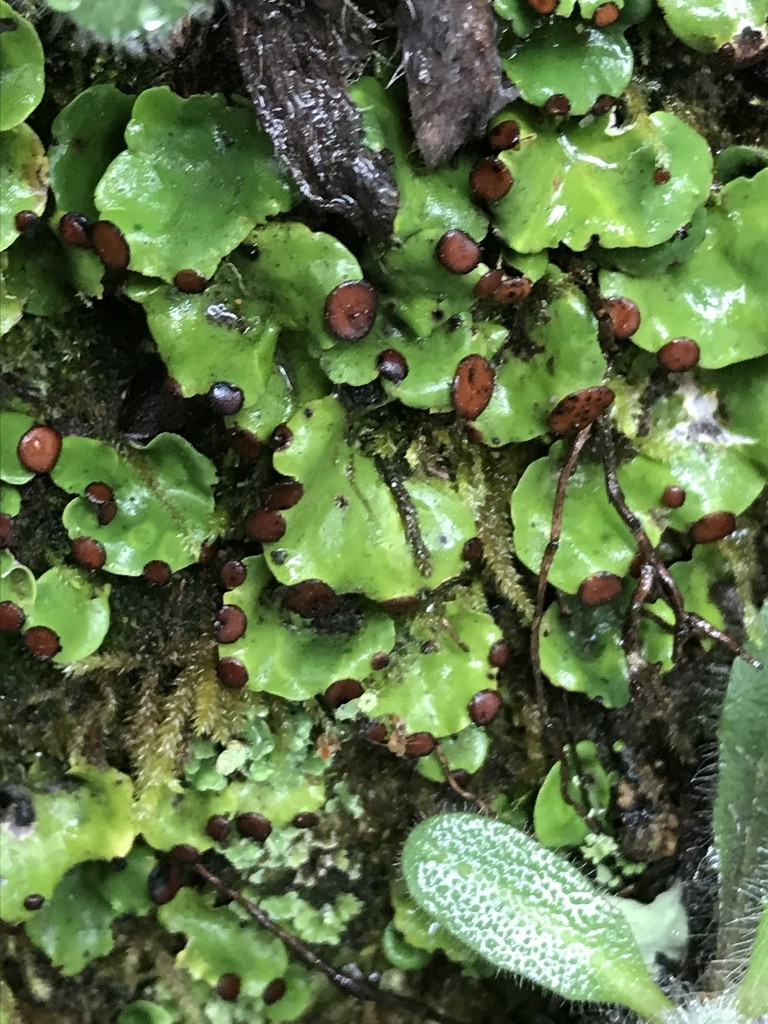
6. Fan pelt lichen
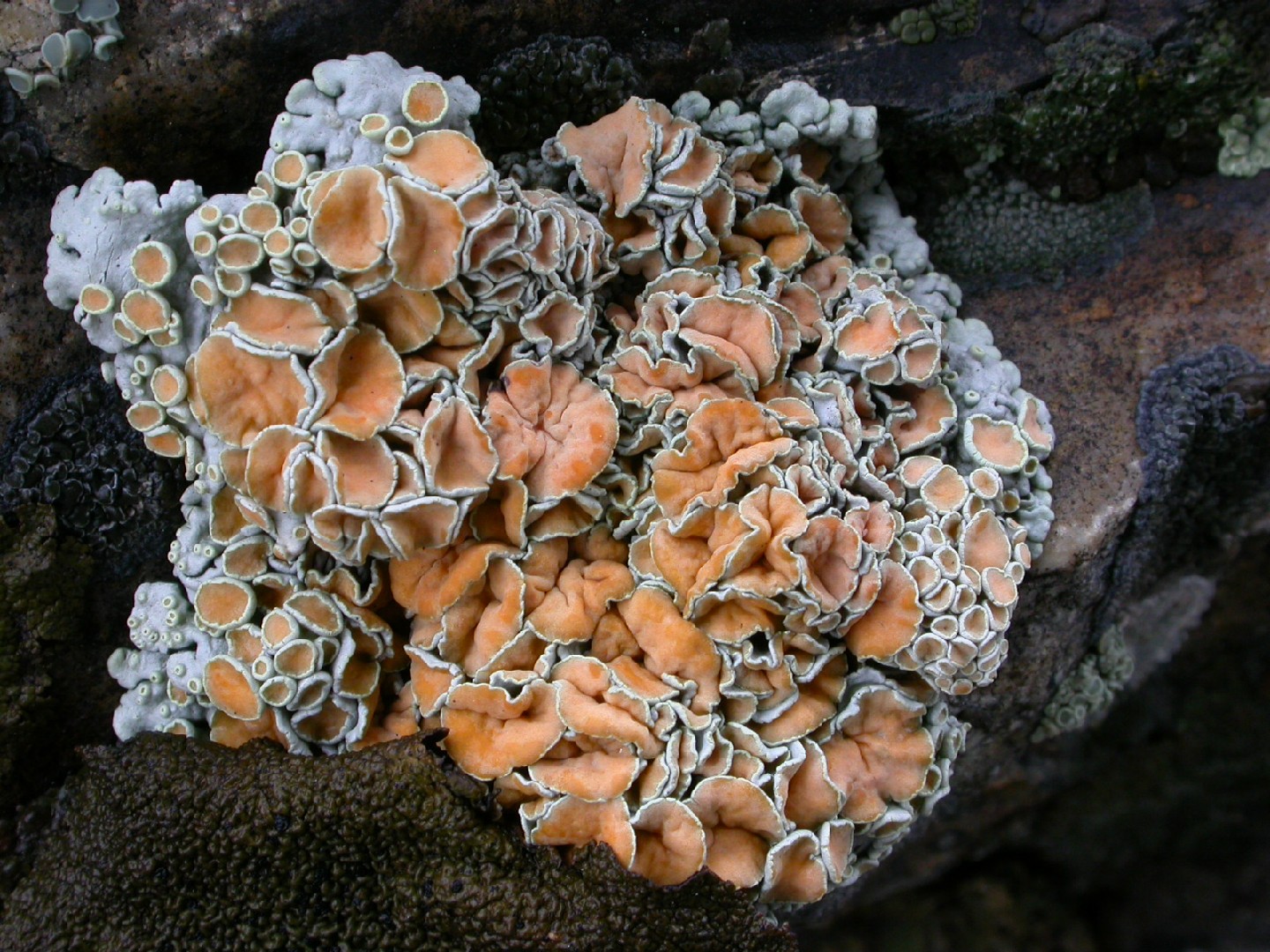
7. Rock-posy lichen
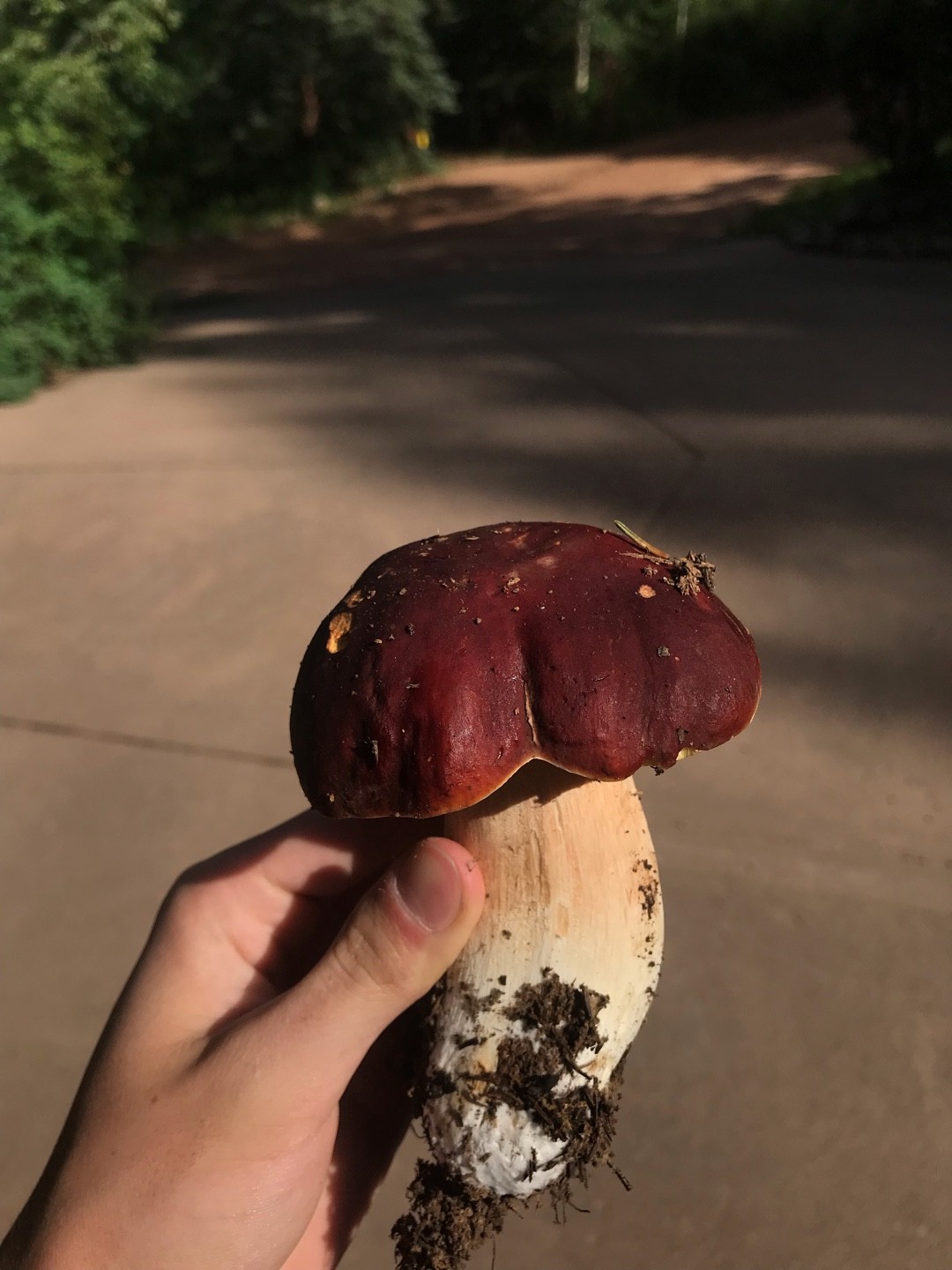
8. Rocky mountain red
Rocky mountain red is a bold mushroom that is easy to identify. Only recently classified in 2014, this reddish-brown capped bolete is found in the Rocky Mountains beneath spruces. It has been observed to have a symbiotic relationship with Engelmann Spruce. Rocky mountain red was previously classed under B. Edulis and mature specimens can host small fly larvae.
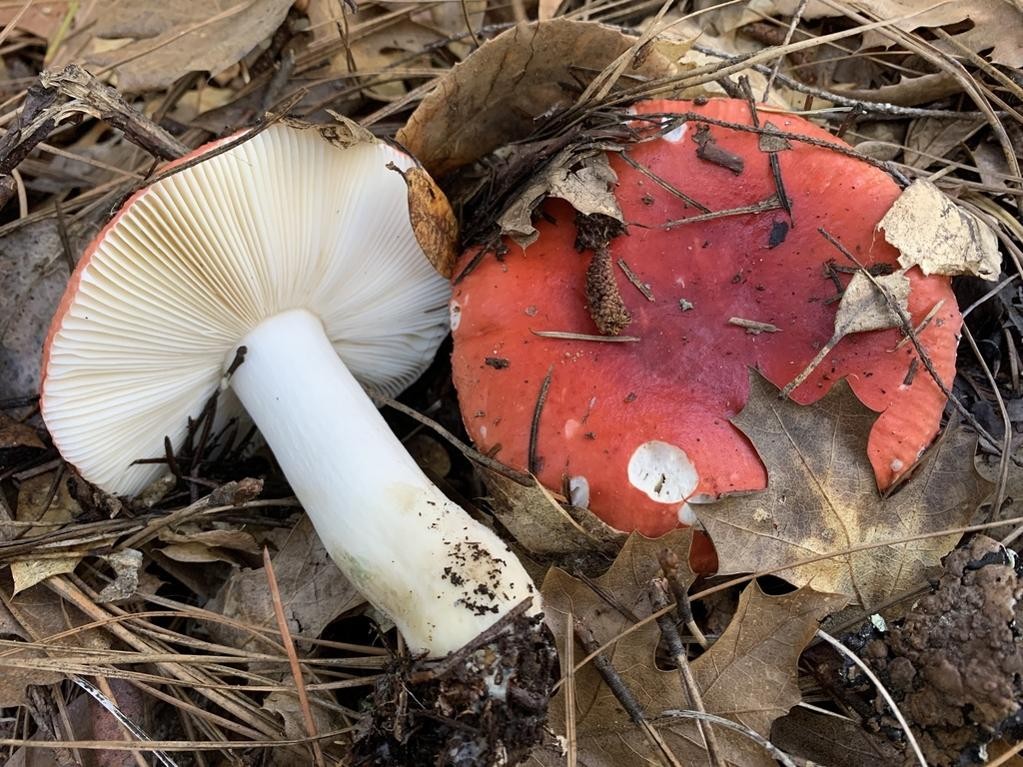
9. Creamy russula
The creamy russula is so-called because is one of the unusual species that fruits during winter. The species' range, the wet, northwestern coast of the United States, stays cool but rarely dips below freezing during this time. Red-capped and white-gilled, creamy russulas look very similar to a host of other russala species; this species is just bitter-tasting, but some of its look-alikes are toxic.

10. Armillaria solidipes

More







