




Top 20 Most Common Mushrooms in Auburn
Welcome to our online exploration of the top 20 most common mushrooms found in Auburn. This city is a treasure trove of mycological diversity, boasting a vast variety of fungal species, primarily due to its unique eco-balance. Dive in as we delve into the fungi's fascinating world, unearth hidden mushroom gems, and learn what makes Auburn's undergrowth so special.

Most Common Mushrooms
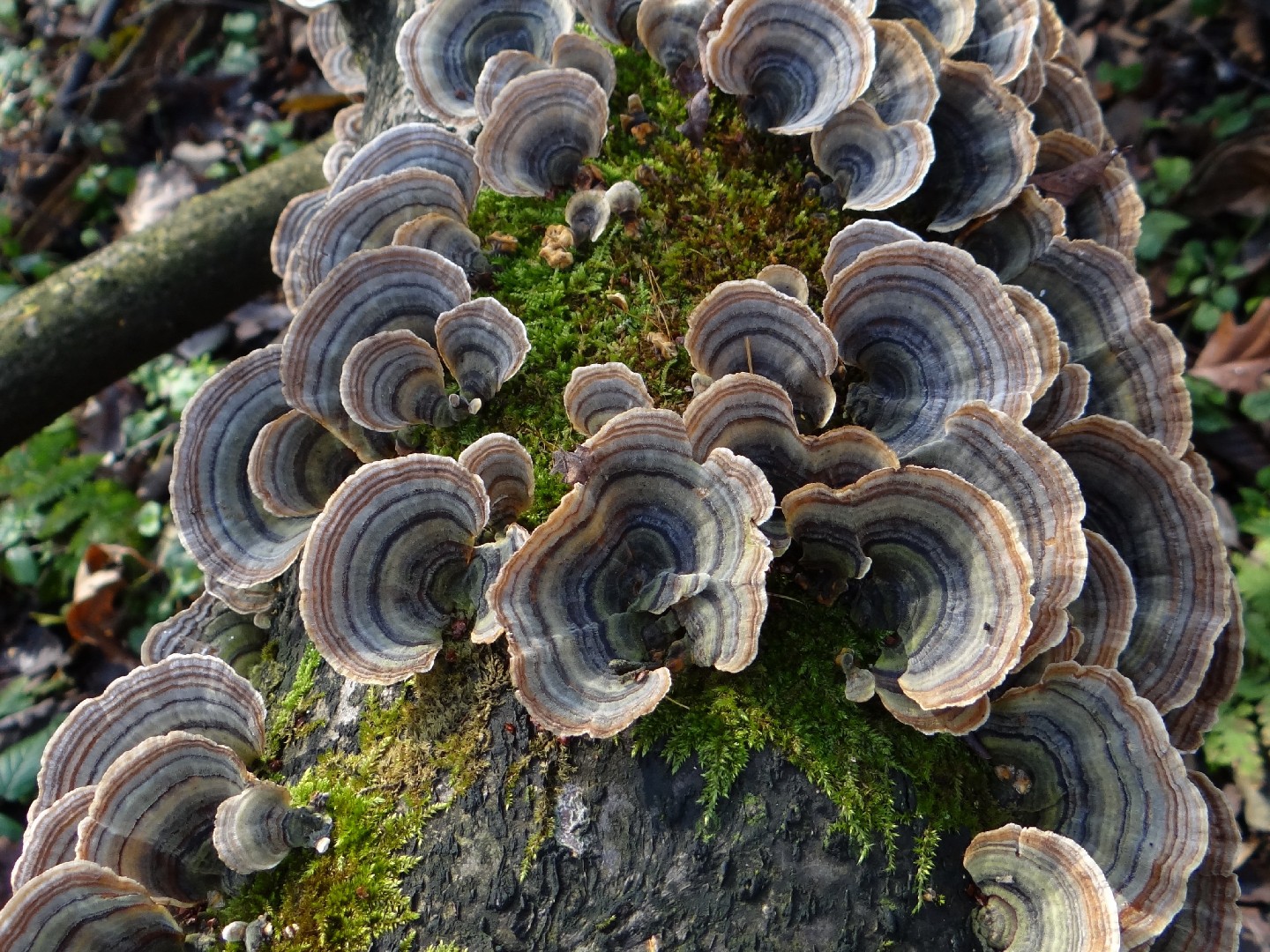
1. Turkey tail
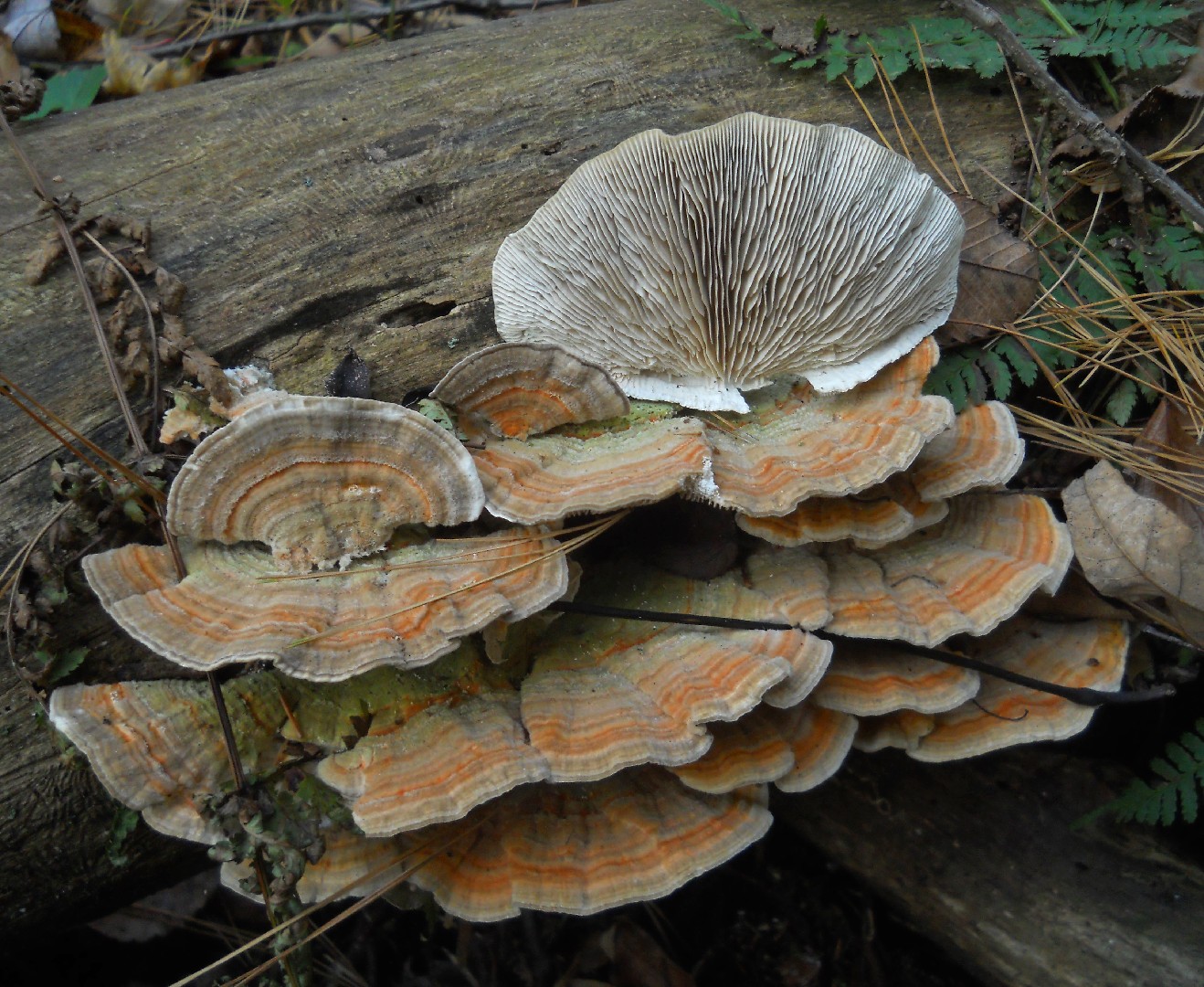
The distinctively-striped turkey tail fungus grows on stumps and logs all over the forests of the northern hemisphere. It is, in fact, probably the most common species you will find. That doesn't mean this mushroom is plain, however; each cap is uniquely patterned. Look for bands of alternating textures as well as color.
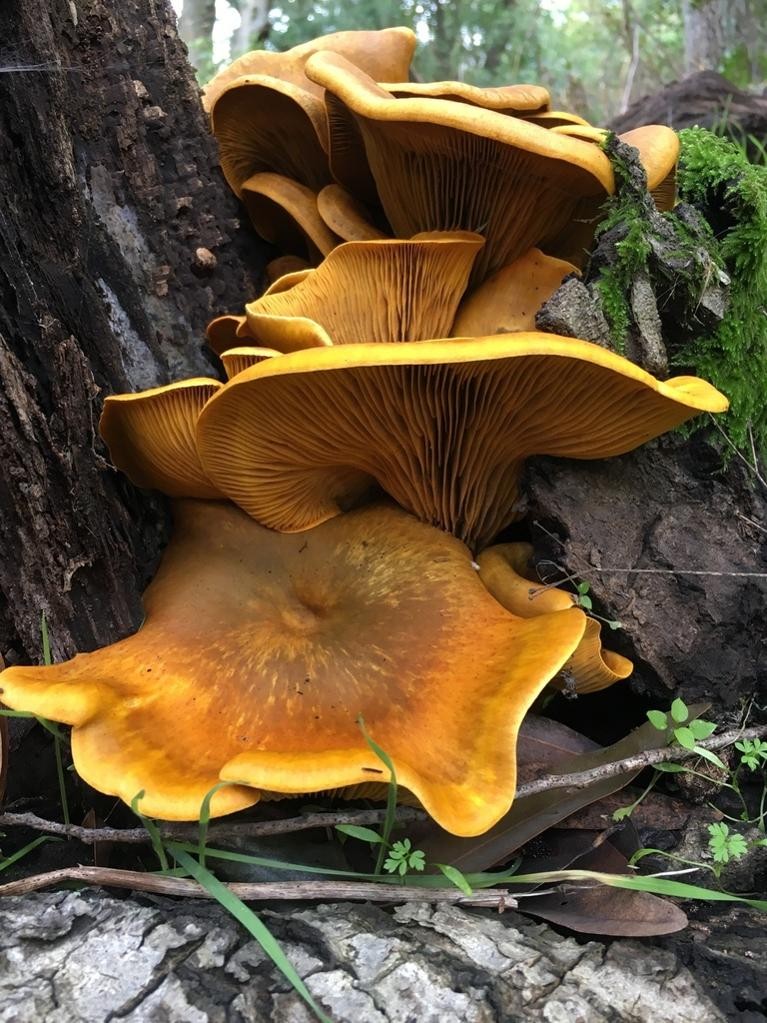
2. Western jack-o'-lantern mushroom
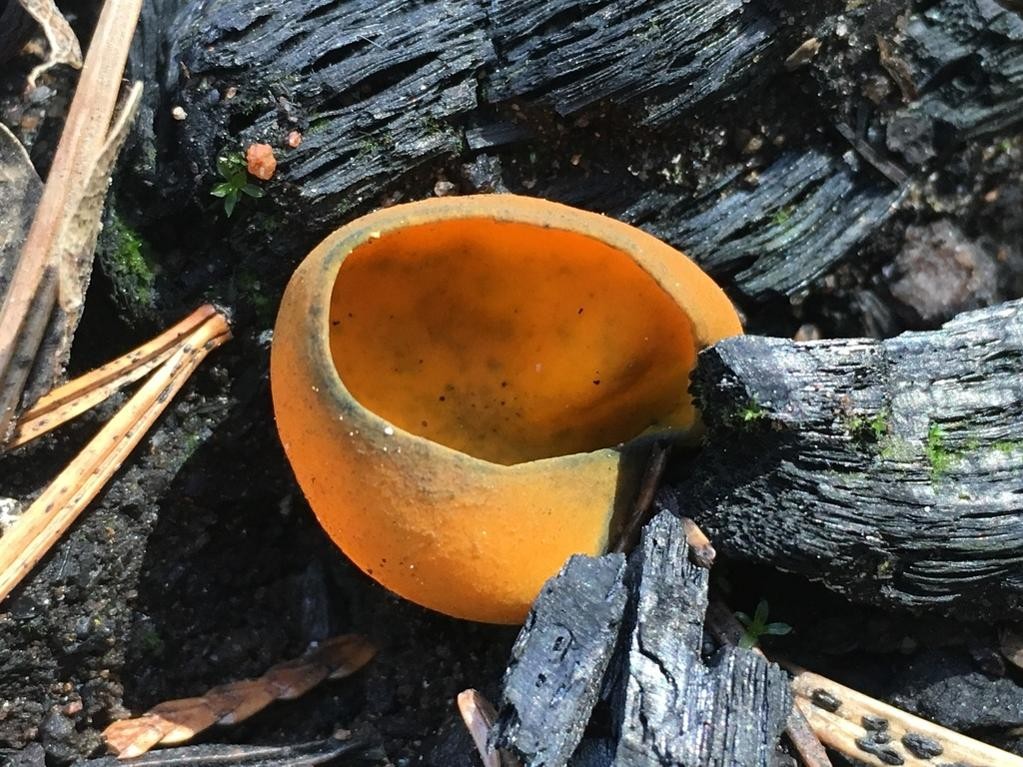
The western jack-o'-lantern mushroom (Omphalotus olivascens) may be the most visually striking mushroom of the forest during day and night. During the day, brilliant large orange flat caps grow from both the ground and decaying stumps. At night, these mushrooms may glow in the dark, depending on location and maturity.
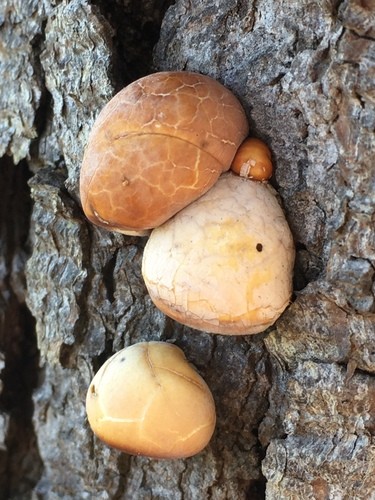
3. Veiled polypore
If you've ever gone on a walk through the woods where dead conifers are present, there's a good chance you've seen a veiled polypore. The fungus' name comes from the fact that it's pores are "veiled" by a rounded piece of tissue. Indeed, rather than growing in sheet-like formations like other polypores, the veiled polypore can be nearly spherical. These mushrooms are especially prevalent in pine stands that have been ravaged by fire or beetles.
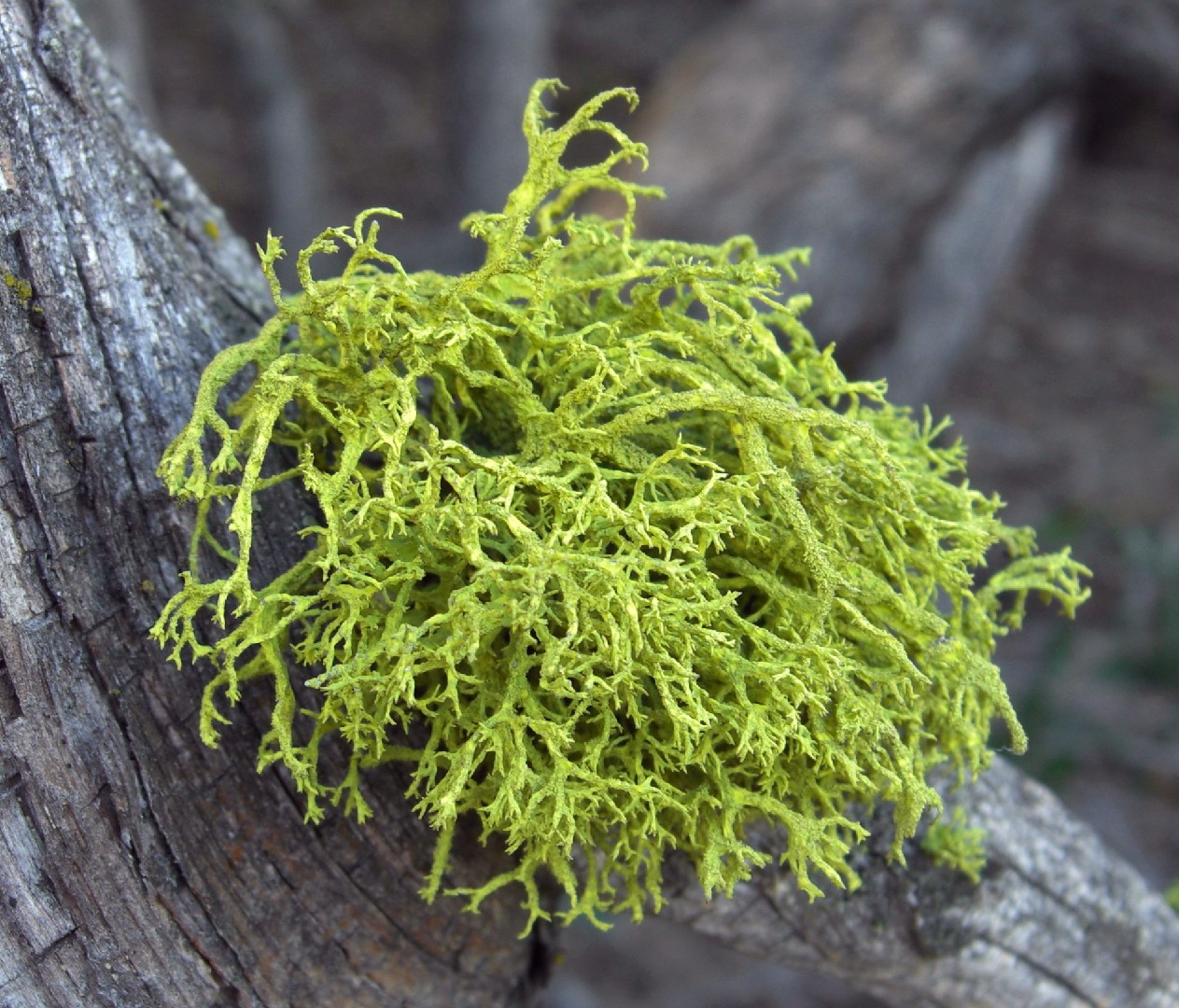
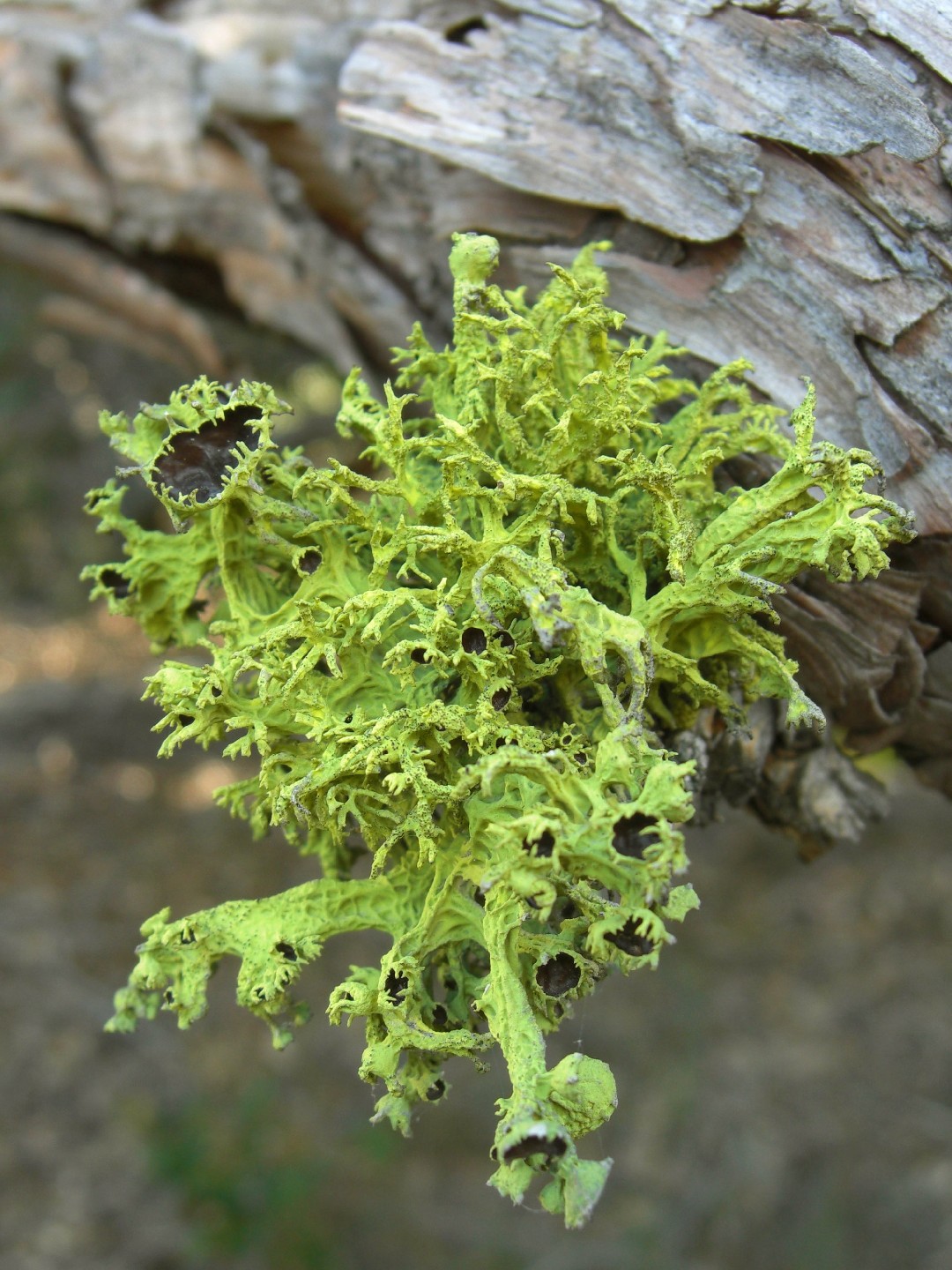
4. Wolf lichen
The thallus, or vegetative body, has a fructicose shape — that is, shrubby and densely branched — and a bright yellow to yellow-green, or chartreuse color, although the color will fade in drier specimens. Its dimensions are typically 2 to 7 cm (0.8 to 3 in) in diameter. The vegetative reproductive structures soredia and isidia are present on the surface of the thalli, often abundantly. 
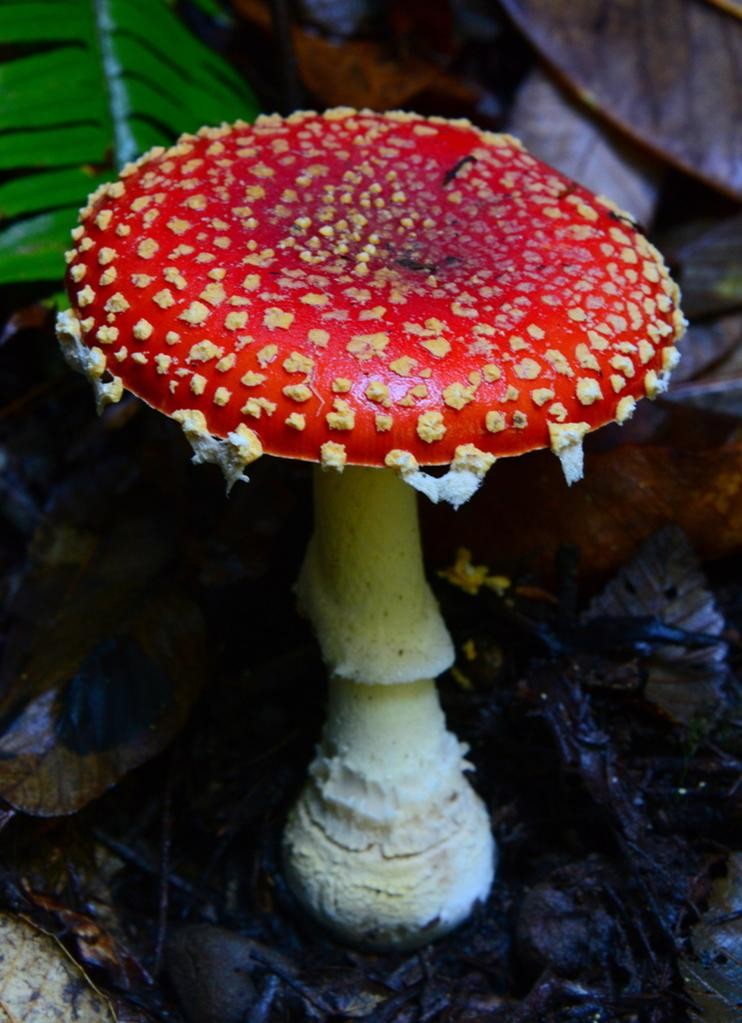
5. Fly agaric
In Northern Asia and Europe, fly agaric grows under trees near the winter solstice and is collected for ritual use tied to the season. Its characteristic shape and coloring are still ubiquitous in many European fairy tale illustrations and Christmas traditions. It is highly toxic.
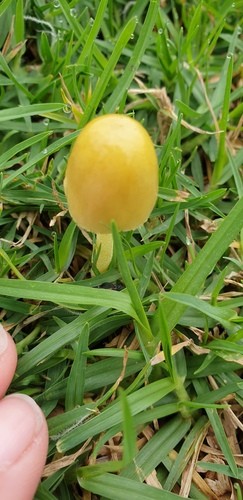
6. Yellow fieldcap
Yellow fieldcap can be found across Europe and North America, with dung patties or heavily-manured fields being its favorite fruiting habitat. The species sometimes goes by the common name Yellow Fieldcap because its young cap sports a bold yellow or golden hue (that color often fades as the mushroom cap matures and flattens). Yellow fieldcap is not know to be edible.
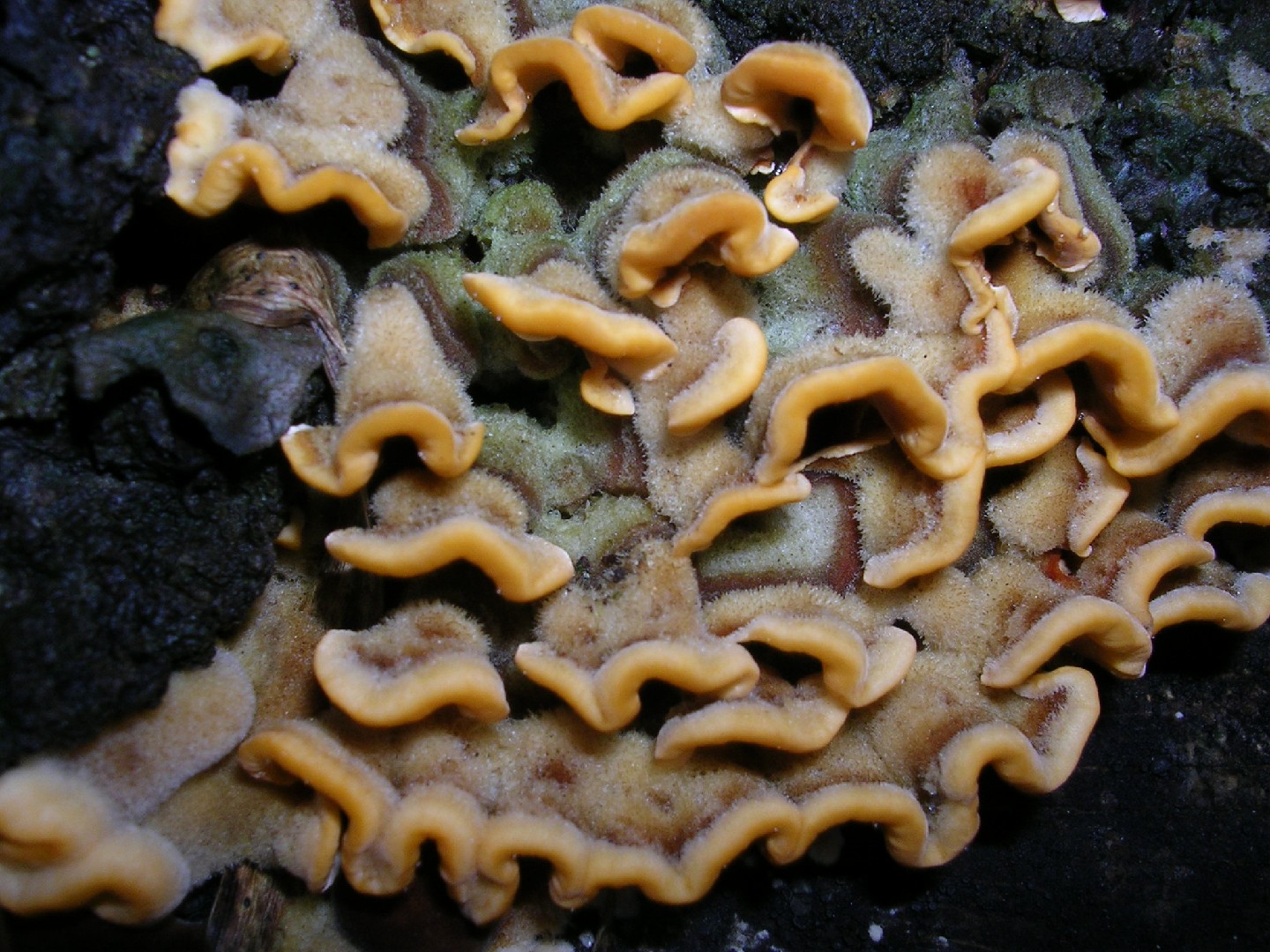
7. Hairy curtain crust
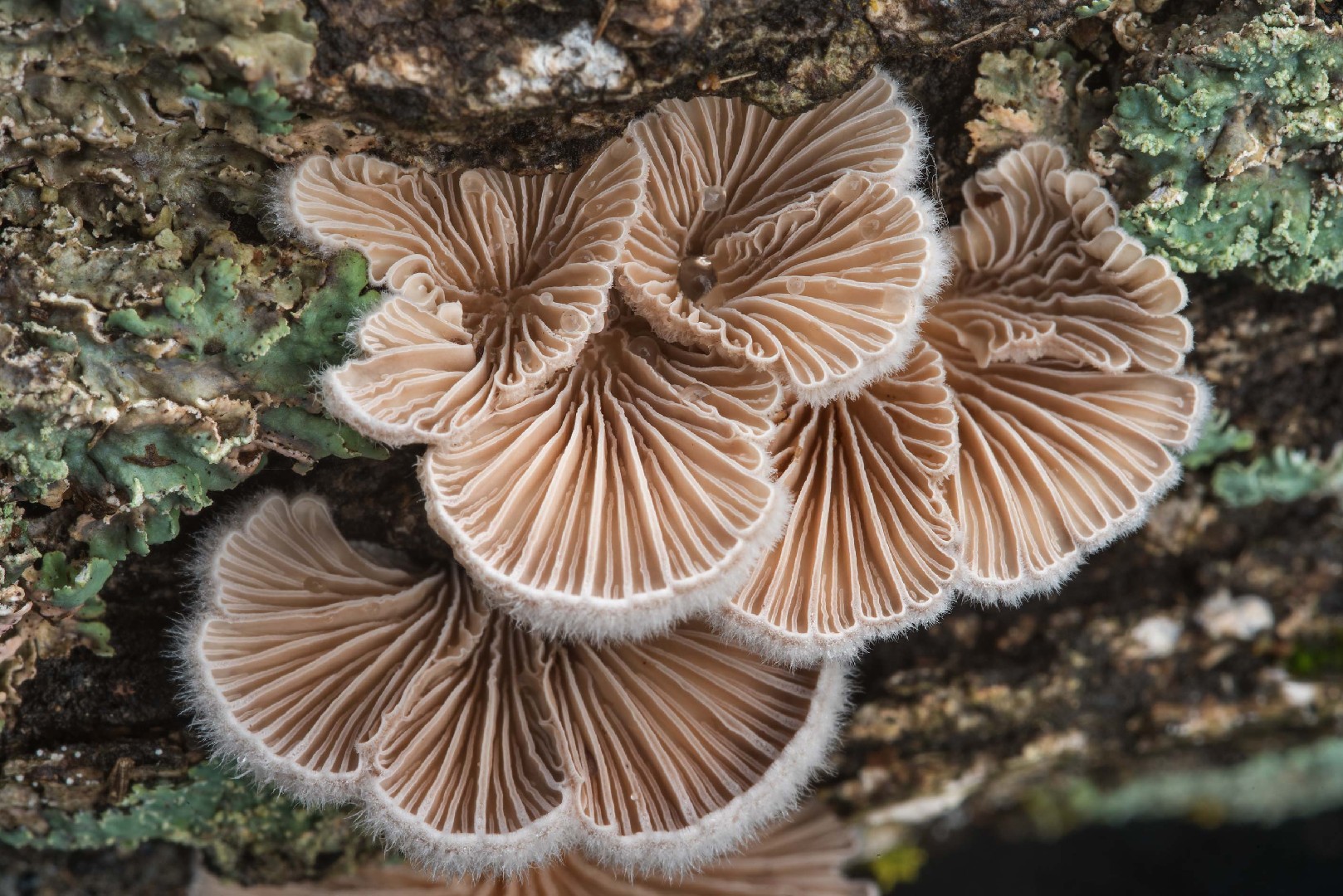
This clustered, overlapping fungus is found all over the world, and is considered native across both the northern and southern hemispheres. Both its common name, hairy curtain crust, and its scientific name, Stereum hirsutum, aptly describe its most obvious features: it is quite tough (stereum) and the younger fruitbodies are notably hairy (hirsutum).
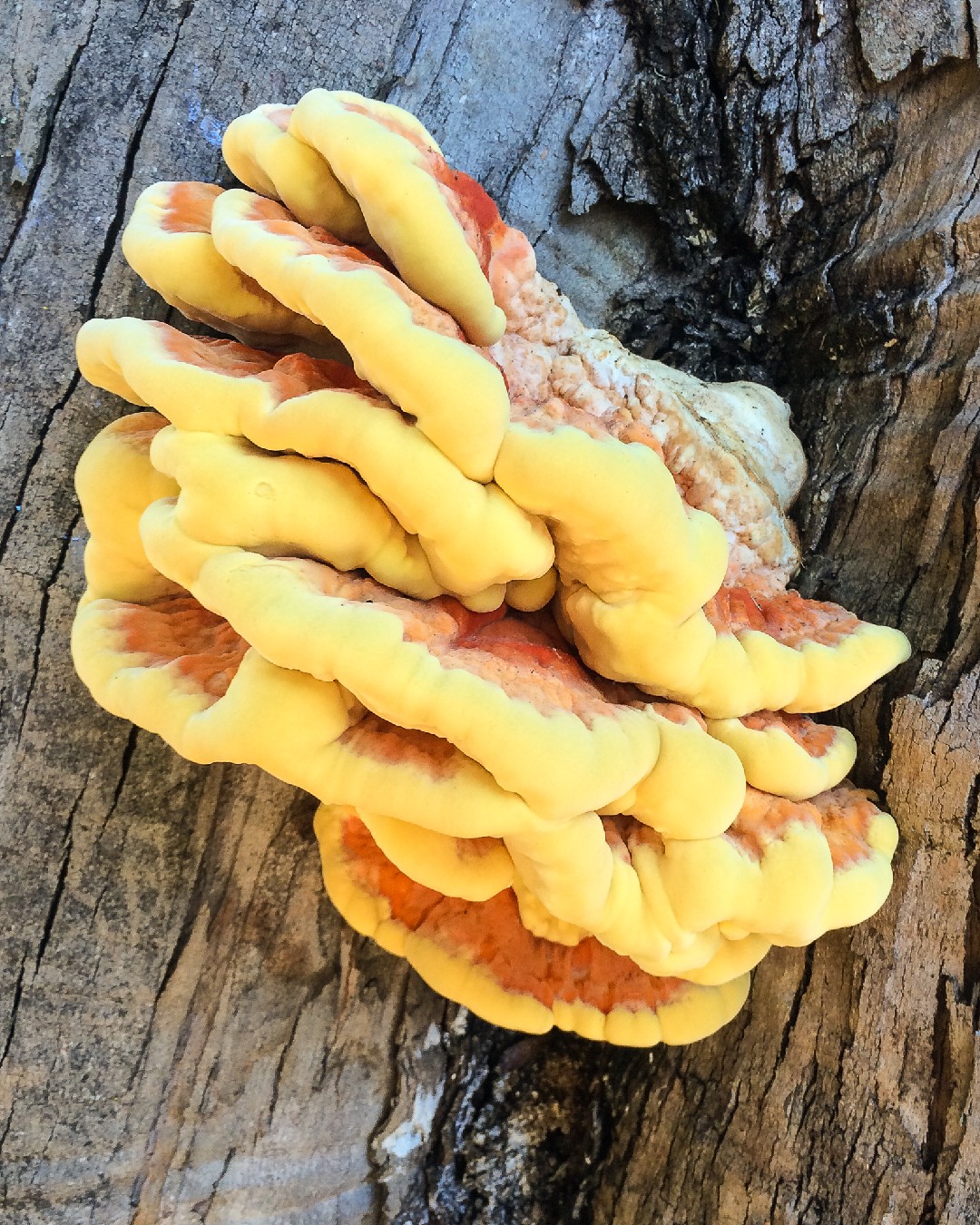
8. Chicken-of-the-woods
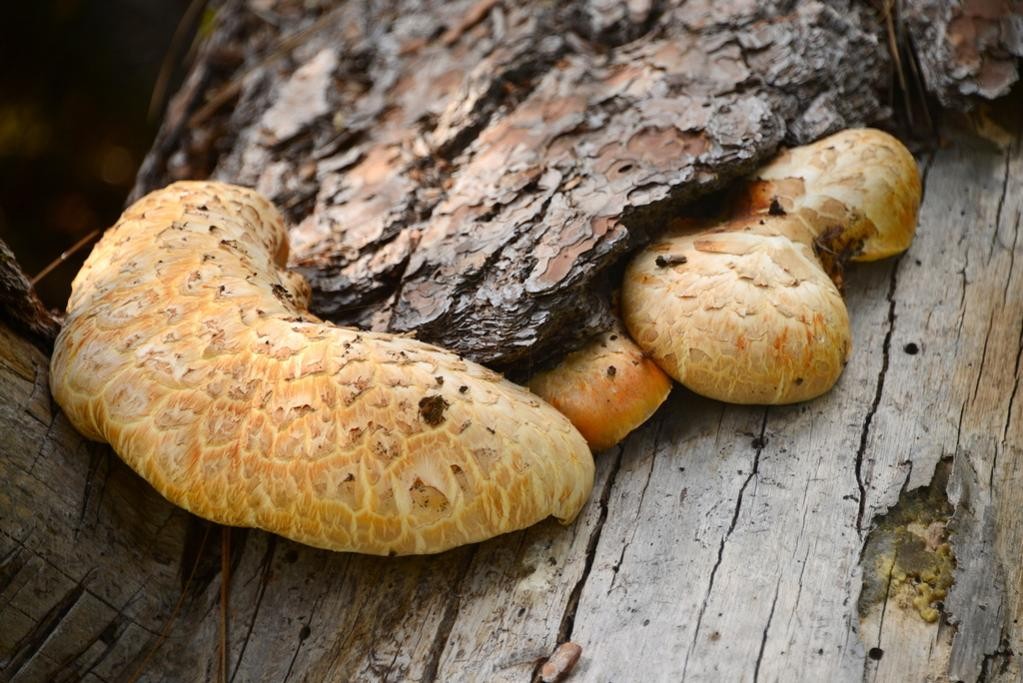
Chicken-of-the-woods is a brightly-colored polypore related to the famed Chicken-of-the-Woods (Laetiporus sulphereus). The species are so closely related, that it was not until the 2000s that mycologists considered them to be distinct. Unlike its famed relative, the species is not considered a choice edible - there are conflicting reports as to its edibility, with some probable cases of gastrointestinal distress noted.
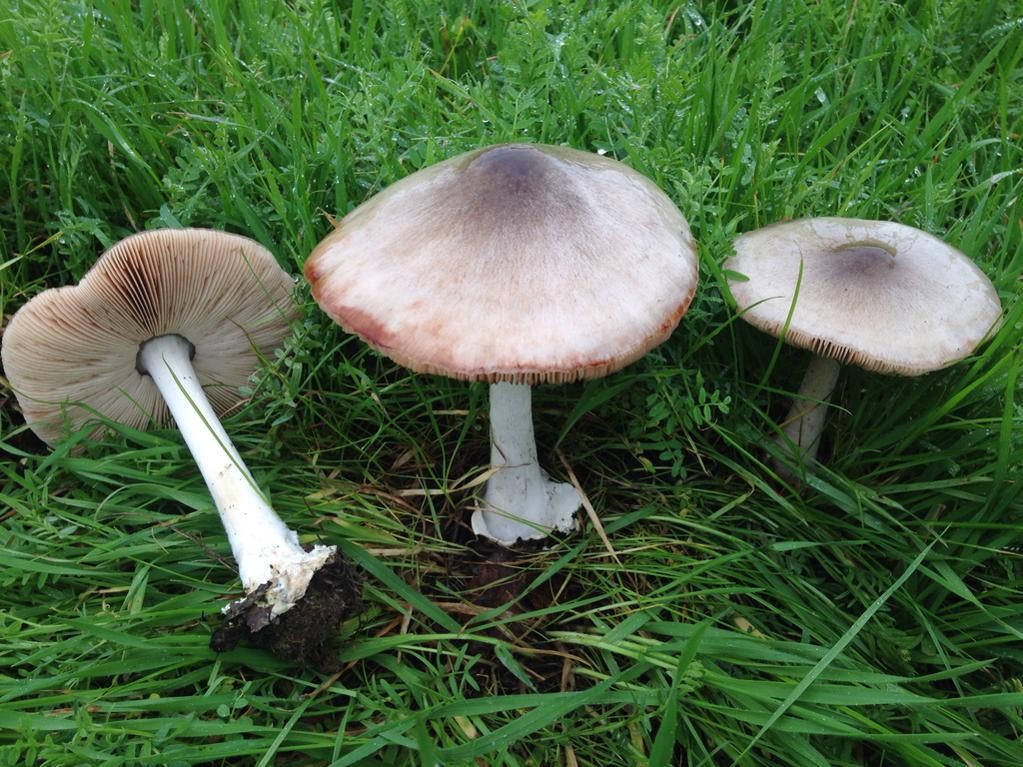
9. Big sheath mushroom
These large white mushrooms bloom all over cleared, harvested fields, as well as pastures and roadsides. The scientific species name comes from Greek words meaning “glue” (glioio) and “head” (cephalus), in reference to the sticky surface of this mushroom’s cap. The big sheath mushroom looks so similar to the poisonous Deathcap and Destroying Angel mushrooms that it should always be left alone.
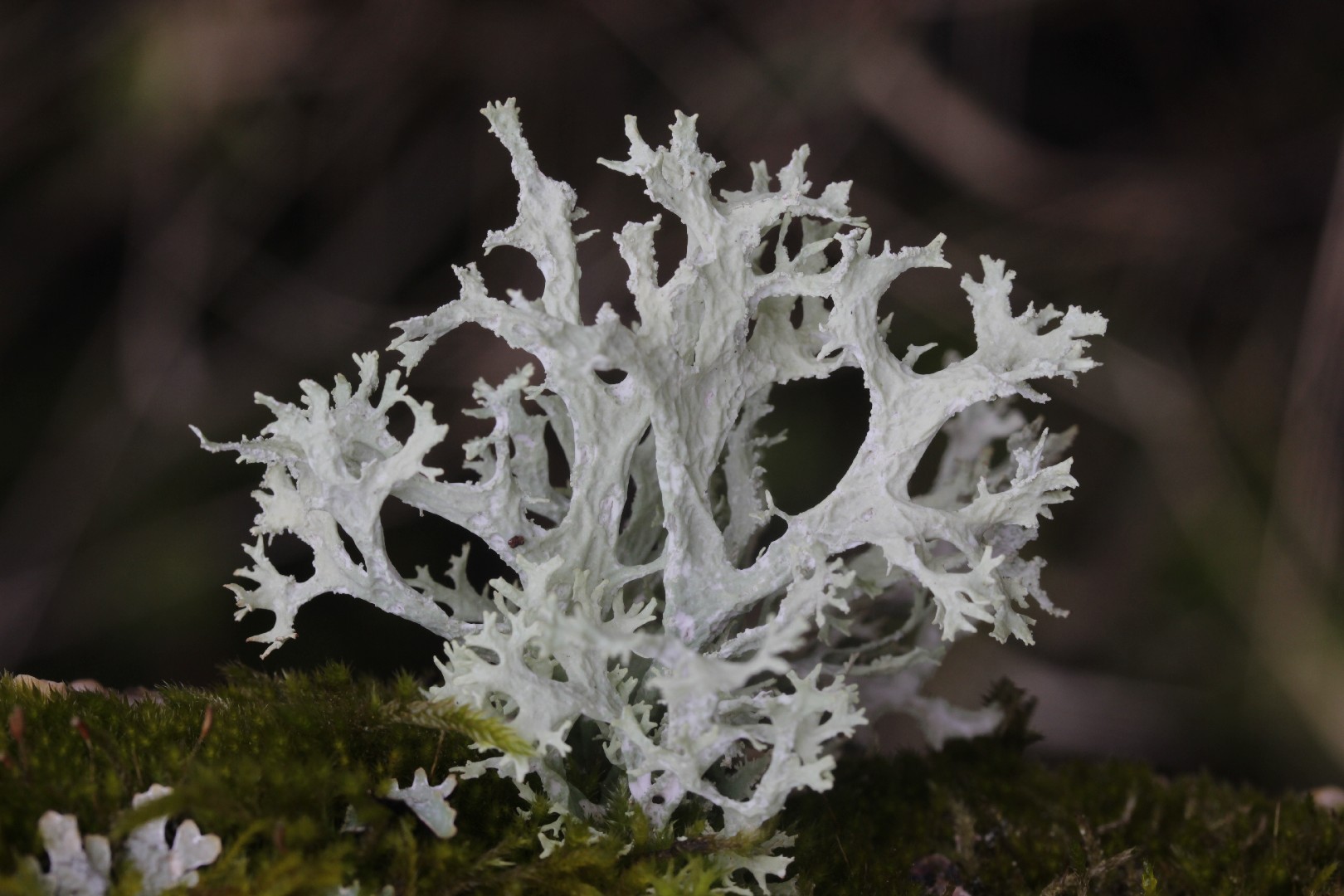
10. Oakmoss
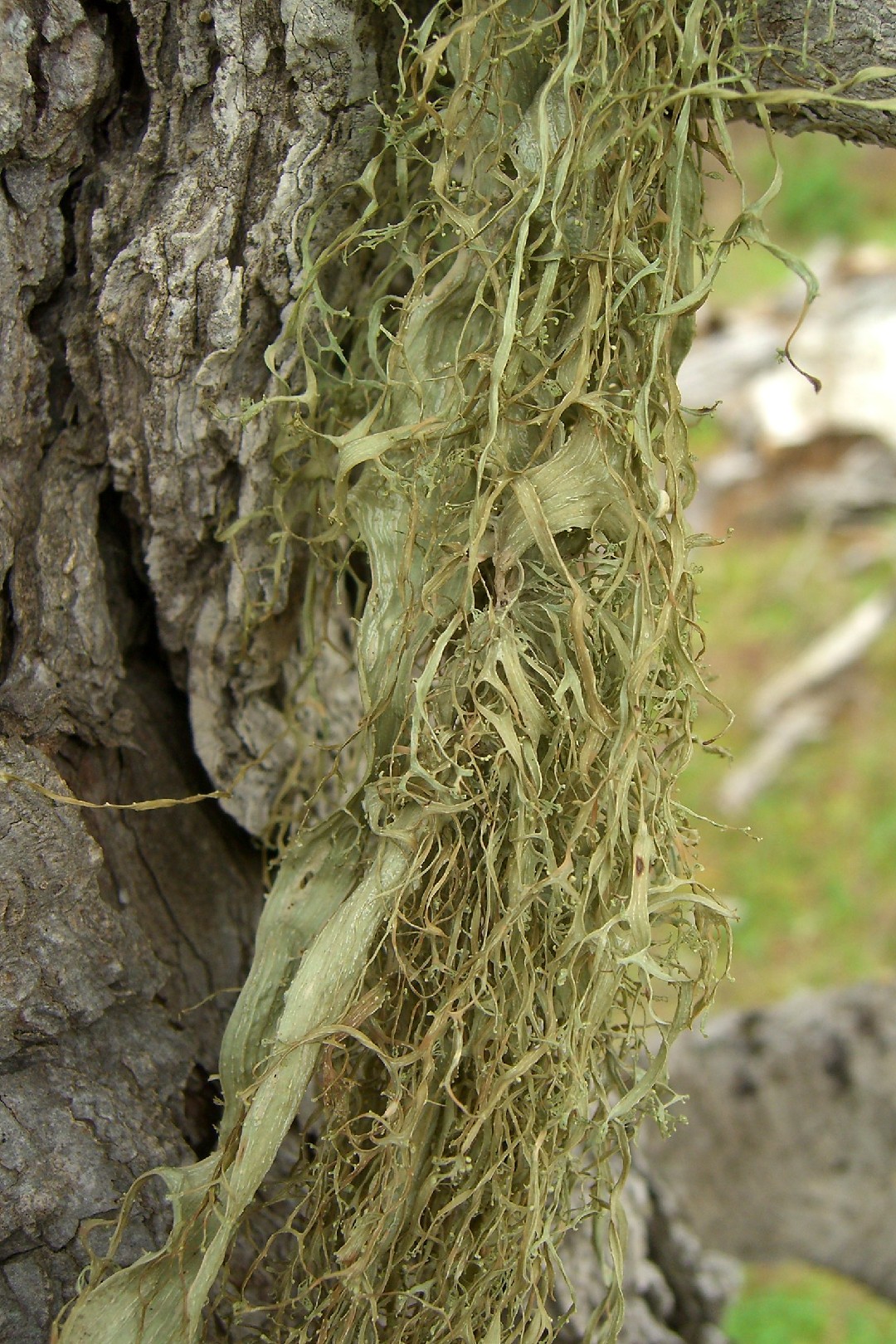
Evernia prunastri grows shrubby on trees. The yellow-green lichen grows up to 10 cm. It consists of up to five millimeters wide shrubby branched bands with a light underside. At the edges of these open dusty (Sorale). Apothecias (with shiny brown disc) are rarely formed.

More







