




Top 20 Most Common Mushrooms in Anchorage
Welcome to our comprehensive guide on the top 20 most prevalent mushrooms found in the diverse landscape of Anchorage. Known for its northern climate, vast forests and wild spaces, Anchorage is a true haven for fungi enthusiasts. Here, mushrooms enjoy a rich, healthy growth due to the city's unique climate and geographical features. Let’s dive into the world of Anchorage’s fascinating fungi.

Most Common Mushrooms
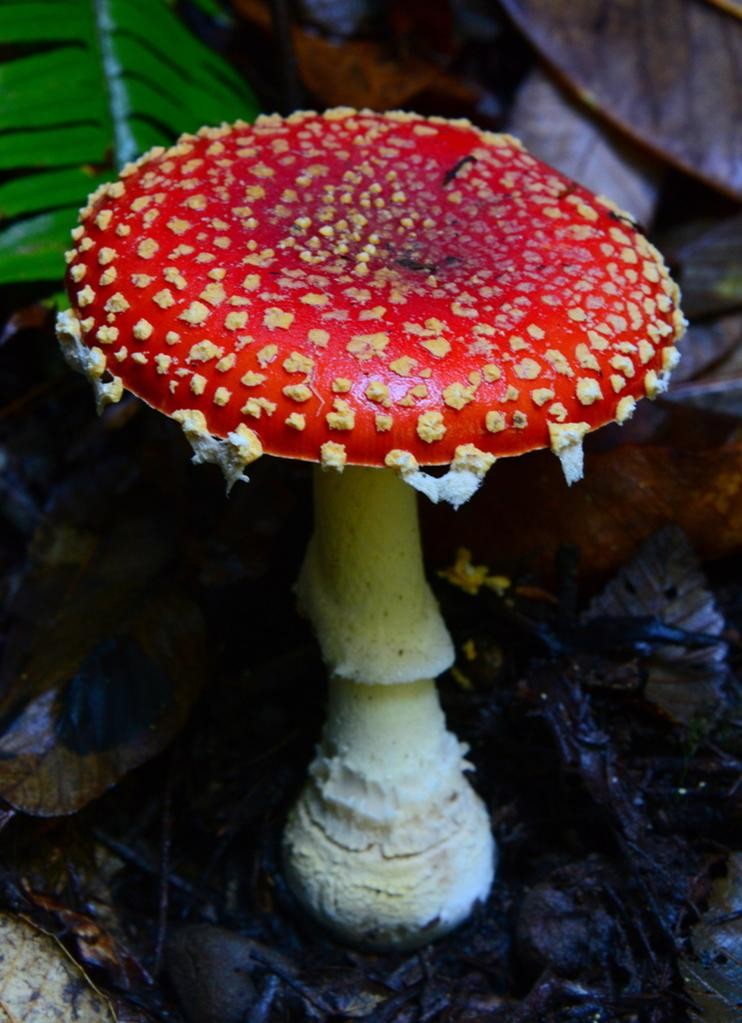
1. Fly agaric
In Northern Asia and Europe, fly agaric grows under trees near the winter solstice and is collected for ritual use tied to the season. Its characteristic shape and coloring are still ubiquitous in many European fairy tale illustrations and Christmas traditions. It is highly toxic.
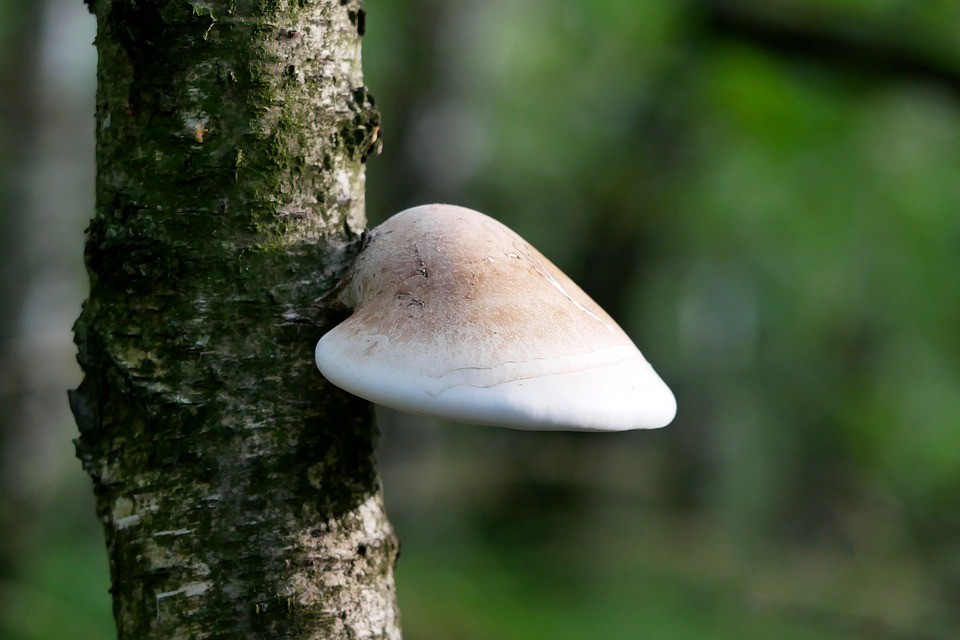
2. Birch polypore
The birch polypore has a variety of applications. Its thick skin has been used by barbers as a razor sharpener and as a mount for insect collectors. When dried, this mushroom was also used to carry fire over long distances because it burns slowly. The historical use of birch polypore doesn't stop there; pieces of this mushroom were found being carried by the five-thousand-year-old mummy Ötzi the Iceman.
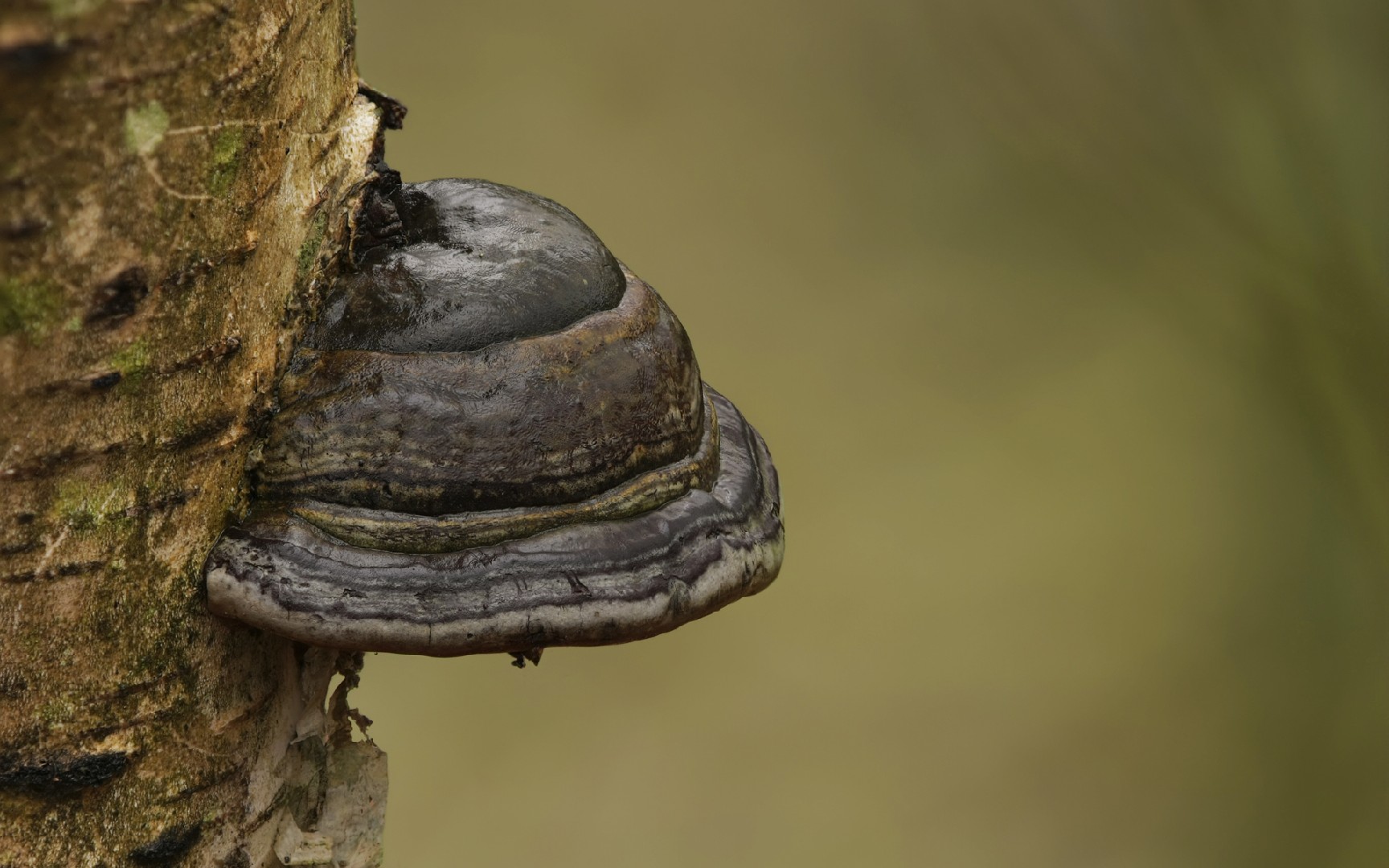
3. Tinder fungus
This large, tough shelf fungus can be found attached to birch, beech, and sycamore trees. It gets its common name, tinder fungus, from the fact that it burns quite slowly and can thus be used effectively for lighting fires. Dried pieces can also be a useful desiccant. A piece of this fungus was found in the possession of Otzi the Iceman, indicating that its usefulness has been known for millenia.
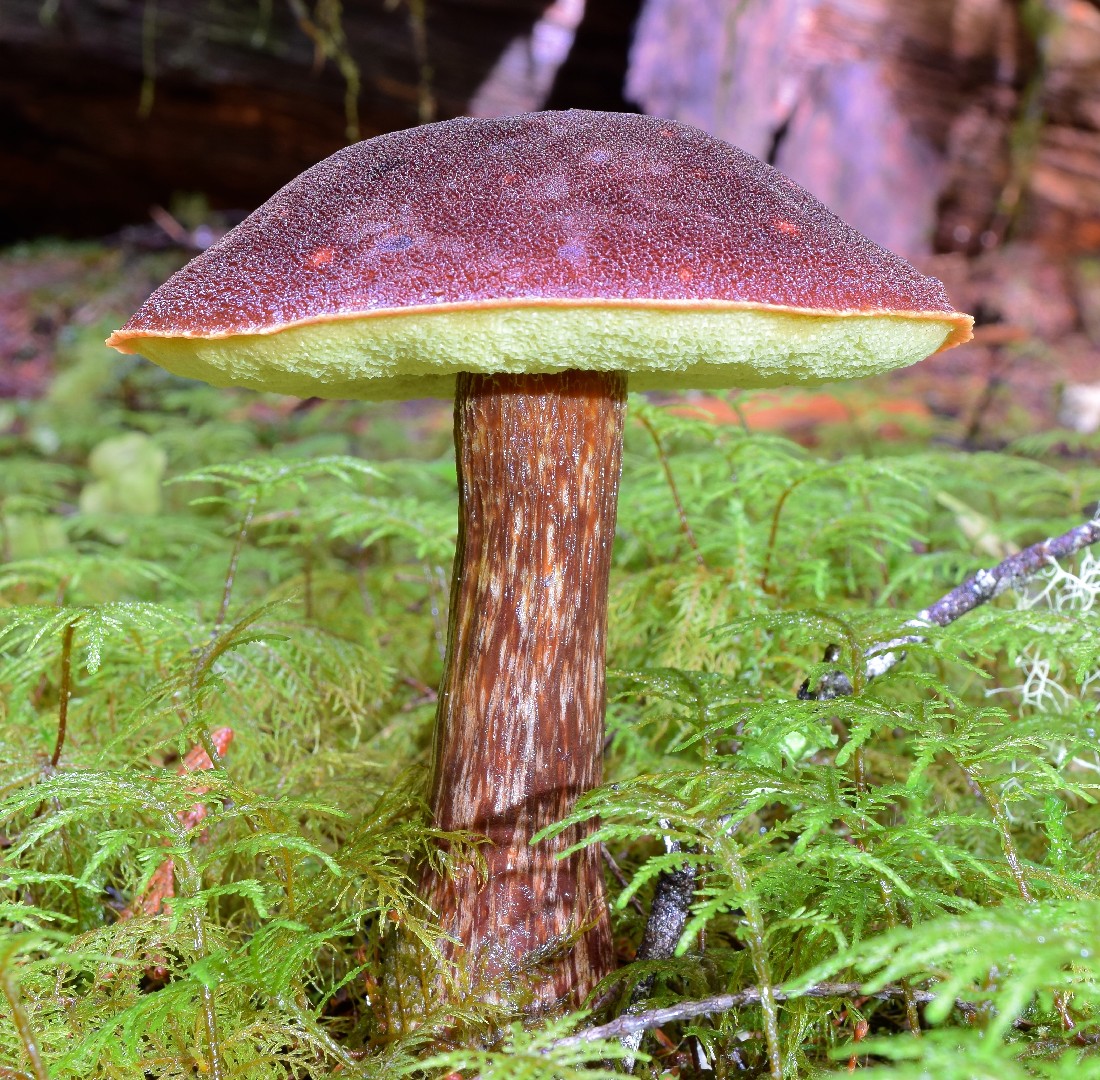
4. Admirable bolete
The admirable bolete (Aureoboletus mirabilis) is one of many mushrooms that have recently been reclassified; it was given its own taxonomy after rigorous DNA testing. They thrive exclusively in the fallen needles from the majestic hemlocks of the Pacific Northwest. The cap is a favorite snack for insects of the forest floor and is often found riddled with worms!
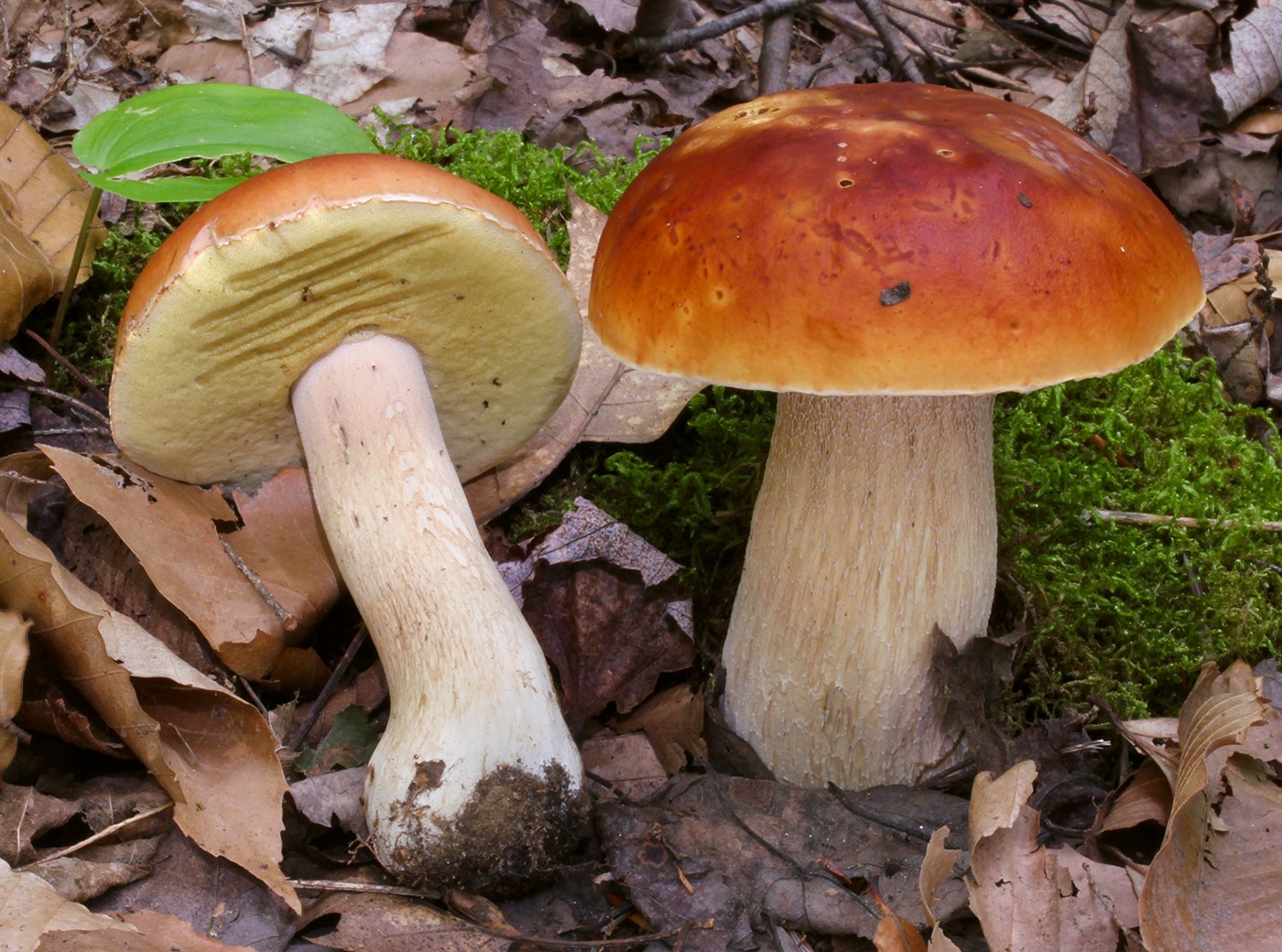
5. King bolete
Extremely popular in many cuisines, this edible wild mushroom grows around the world near the roots of forest trees. In some regions, king bolete mushrooms are collected in great enough volumes that their sale can support entire families during the harvest season. King boletes are reported to be high in fiber, vitamins B and C, calcium, potassium, magnesium, zinc, and several antioxidants.
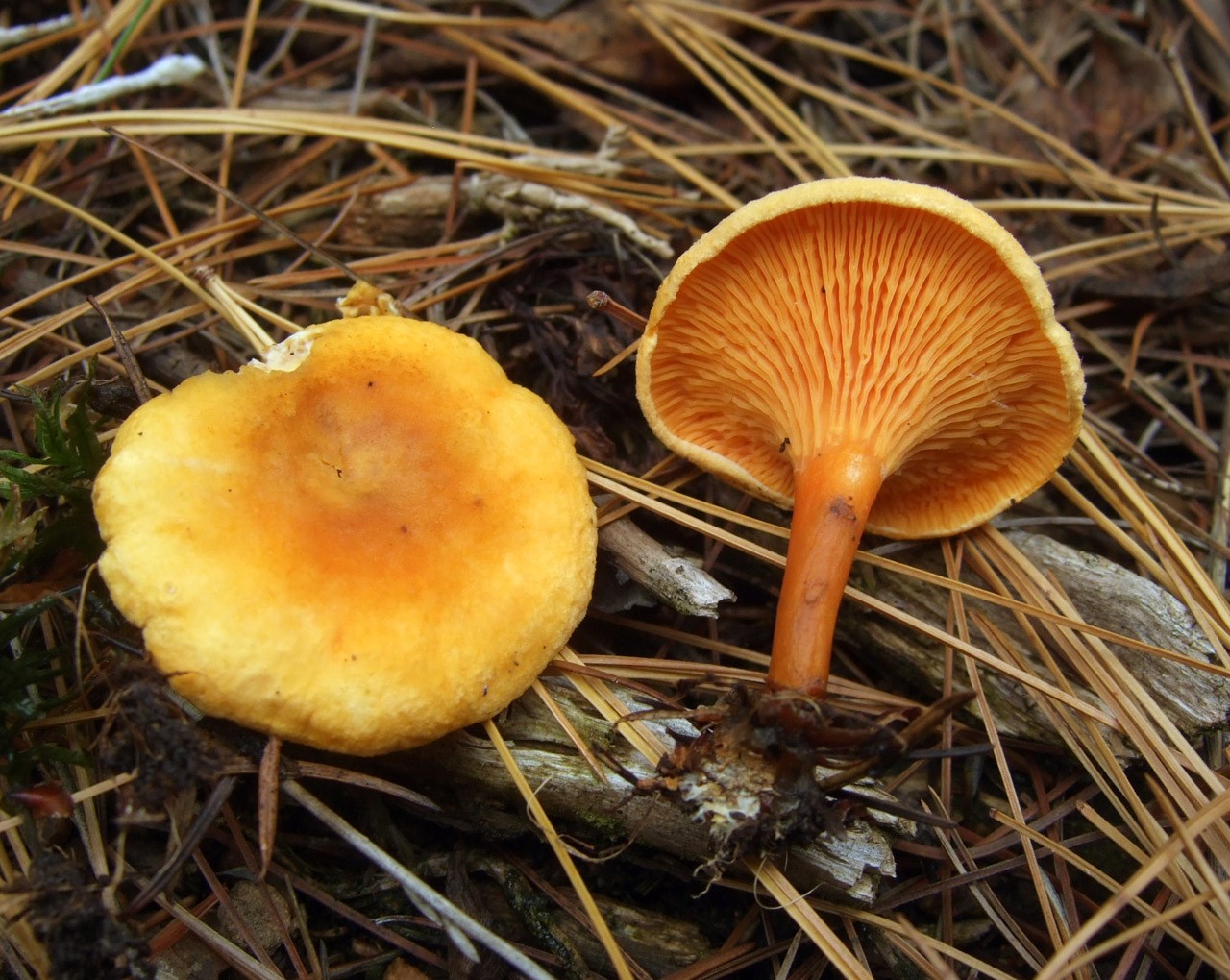
6. False chanterelle
The common name of this mushroom refers to the fact that it looks very similar to the edible and highly prized Chanterelle. This species, however, tastes bitter and may cause poisoning symptoms. False chanterelle occurs around the northern hemisphere in autumn and winter, growing on coniferous detritus, and is more likely to fruit in dry conditions rather than the usual wet.
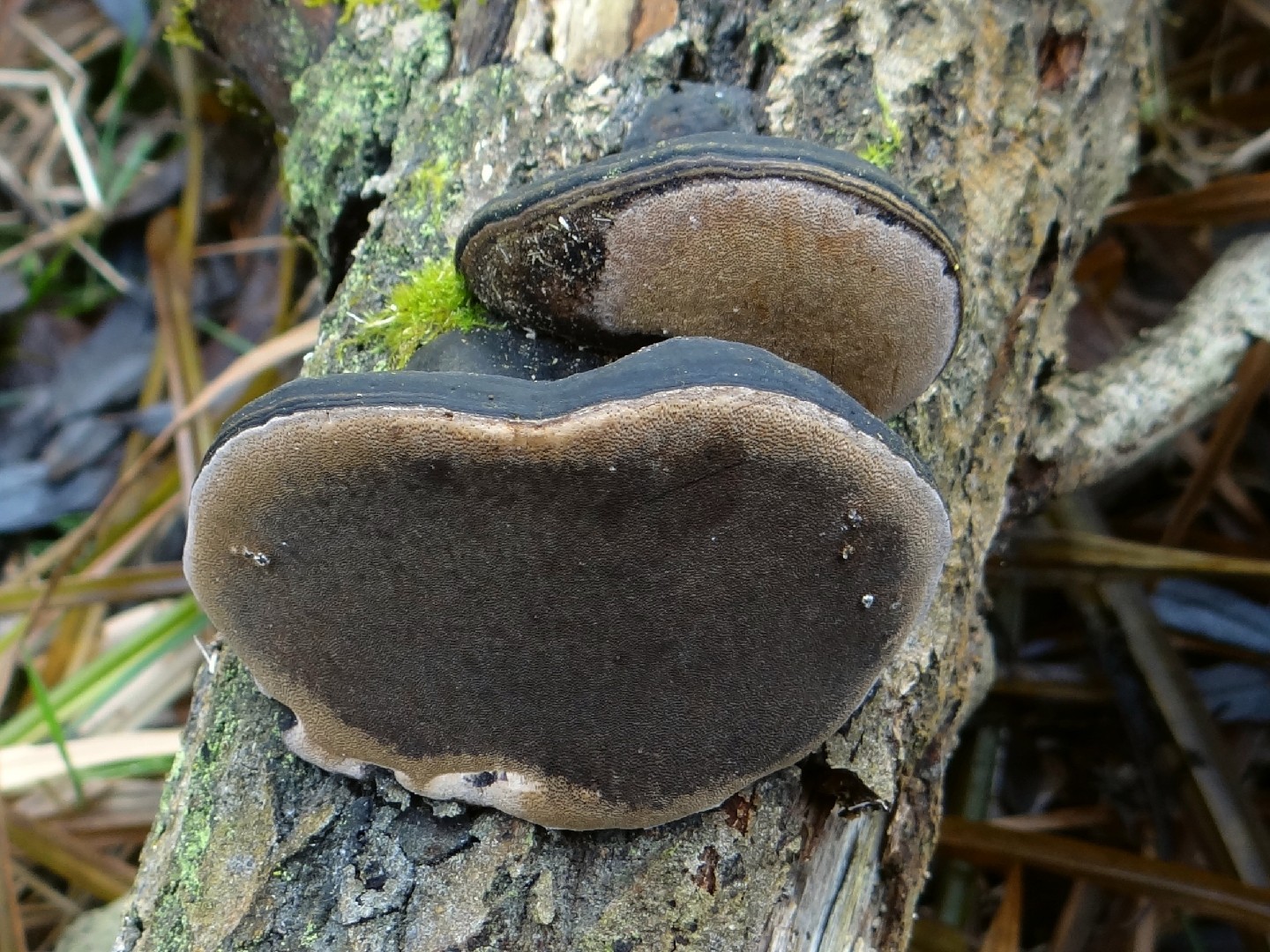
7. Willow bracket
A tough, woody, conk-like fungus, the willow bracket can be found sprouting from either dead or live hardwood trees, with willow trees (unsurprisingly), being a favorite host. While totally inedible, this fungus is not without usefulness. Another common name for the species is the "fire sponge", and this is because the willow bracket, when shredded, makes fantastic kindling.

8. Shaggy mane
The shaggy mane mushroom is commonly found in North American and European grasslands. Some peoples foraged for its young egg-shaped caps, but it has more recently been found to be a bioaccumulator of heavy metals, meaning it pulls toxic metals up from the soil where it grows. As a result, shaggy manes should not be eaten. The mushrooms usually appear in clusters or “fairy rings.”
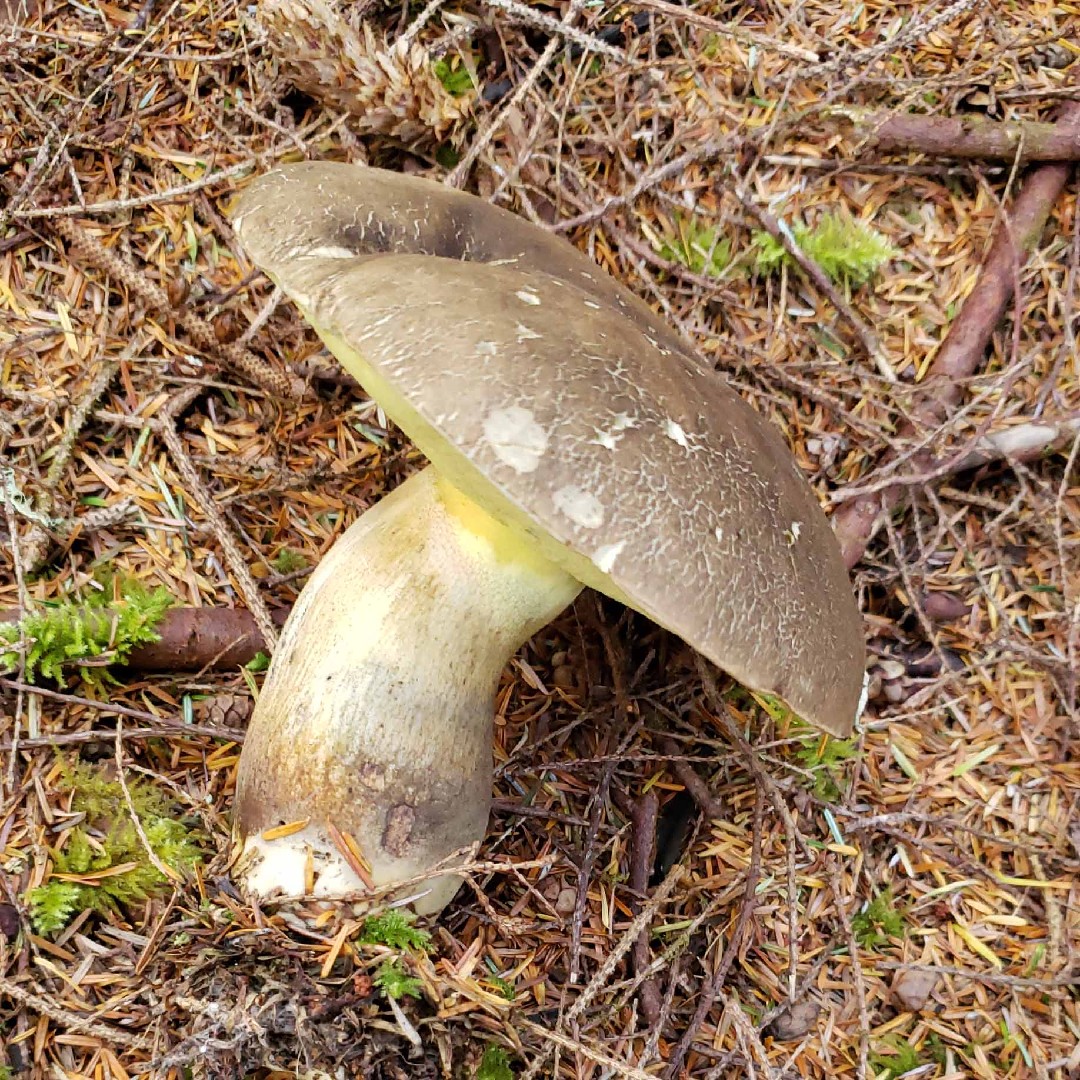
9. Dark bitter bolete
The flesh of the dark bitter bolete is rock-hard when its young, but becomes firm as it ages. The pores under its cap will bruise blue if pressure is applied. Dark bitter bolete is one of the few mushrooms that can grow to be over 30 cm in diameter.
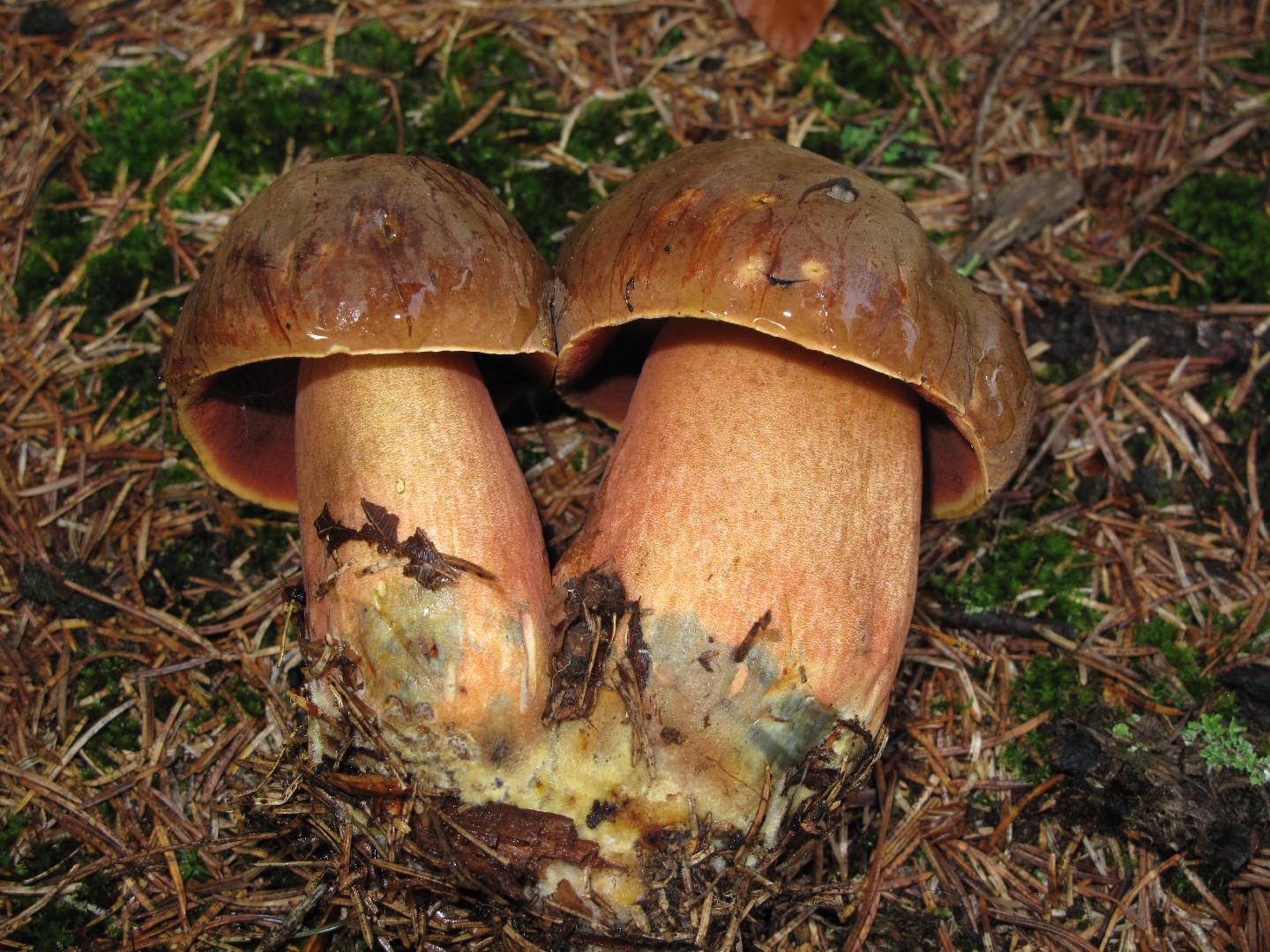
10. Scarletina bolete
The scarletina bolete is a robust and multi-colored bolete that associates with spruce and can be found growing across North America and northern Europe. The species sports a deep red stalk, an orange or vermillion pore surface, and a brown or brownish yellow circular cap. Like many other species of bolete, the scarletina bolete's flesh will quickly turn blue after being exposed to the air.

More







