




Top 20 Most Common Mushrooms in Birkenhead

Most Common Mushrooms
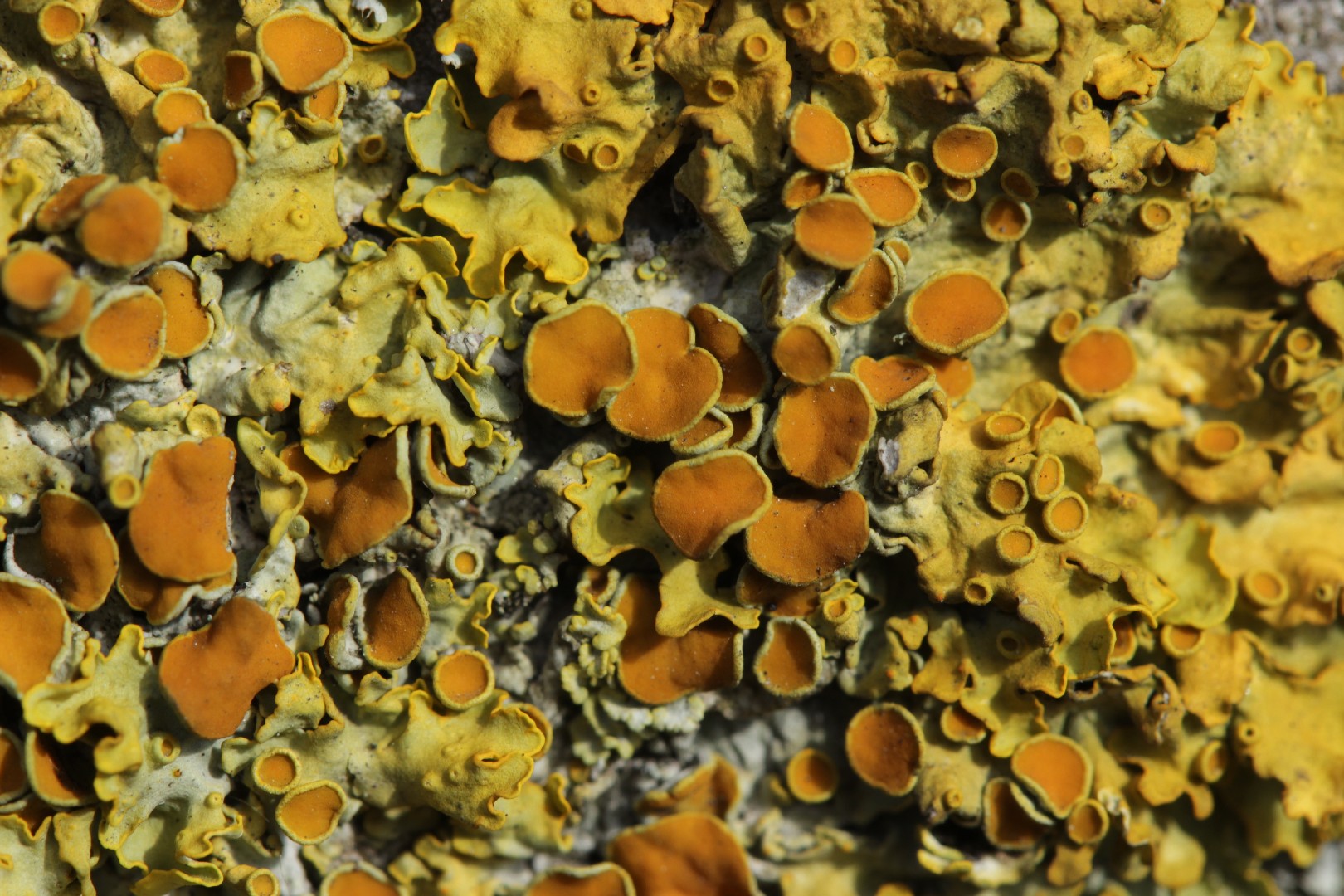
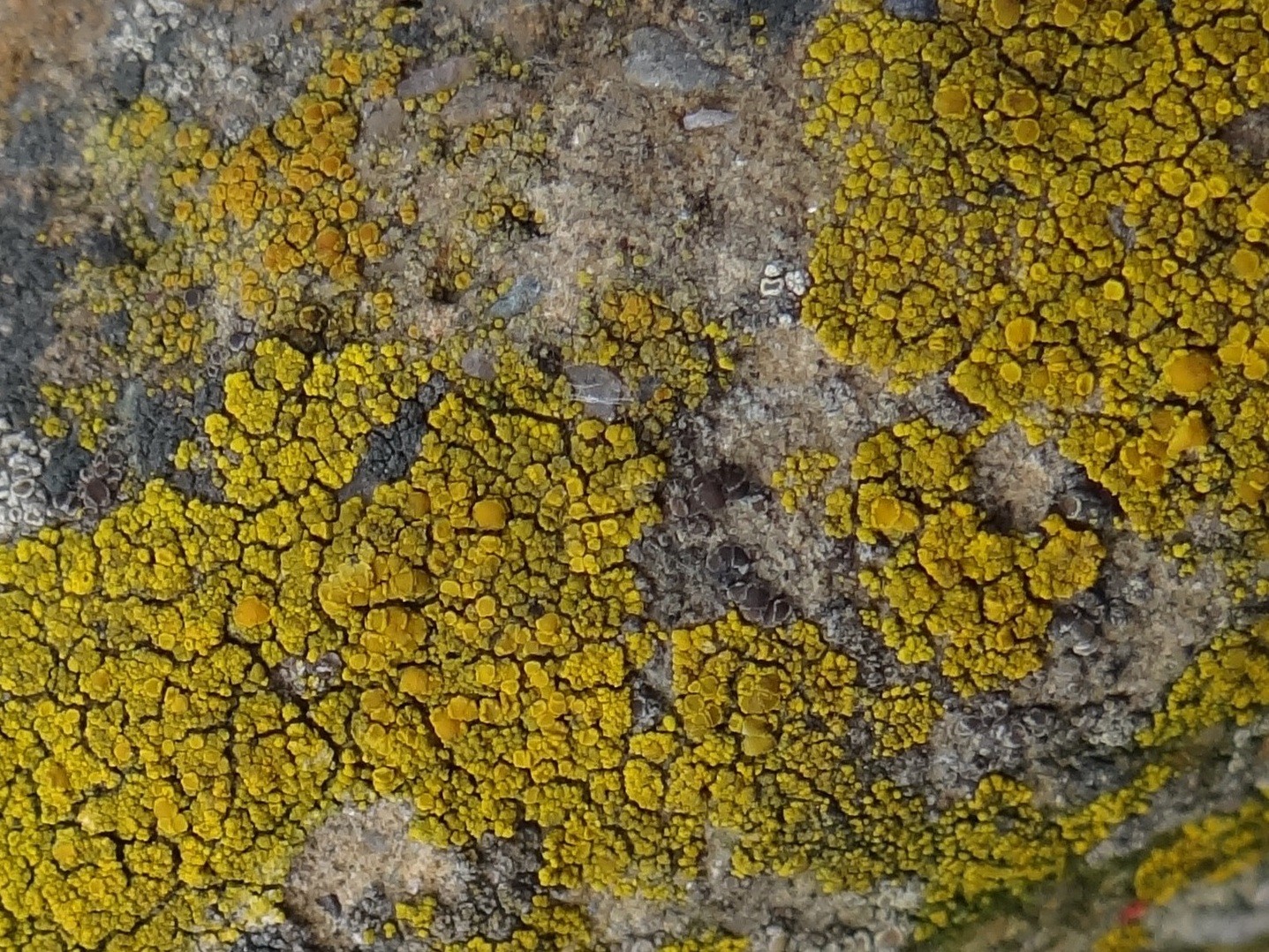
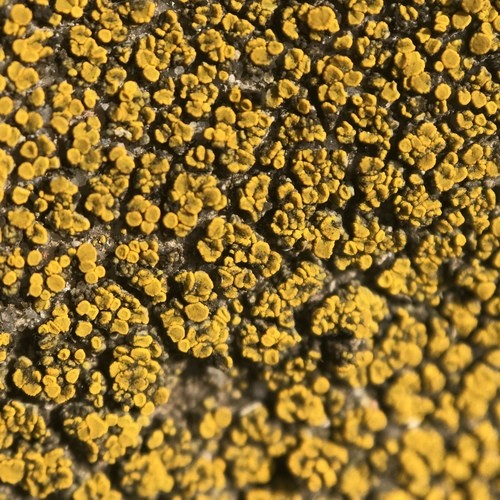
1. Common orange lichen
Common orange lichen was selected in 2006 by the United States Department of Energy as a model for genomic sequencing. Its widespread dispersal and bright yellow-orange color give the lichen its common name. It is primarily found growing on rocks, walls, and tree bark.
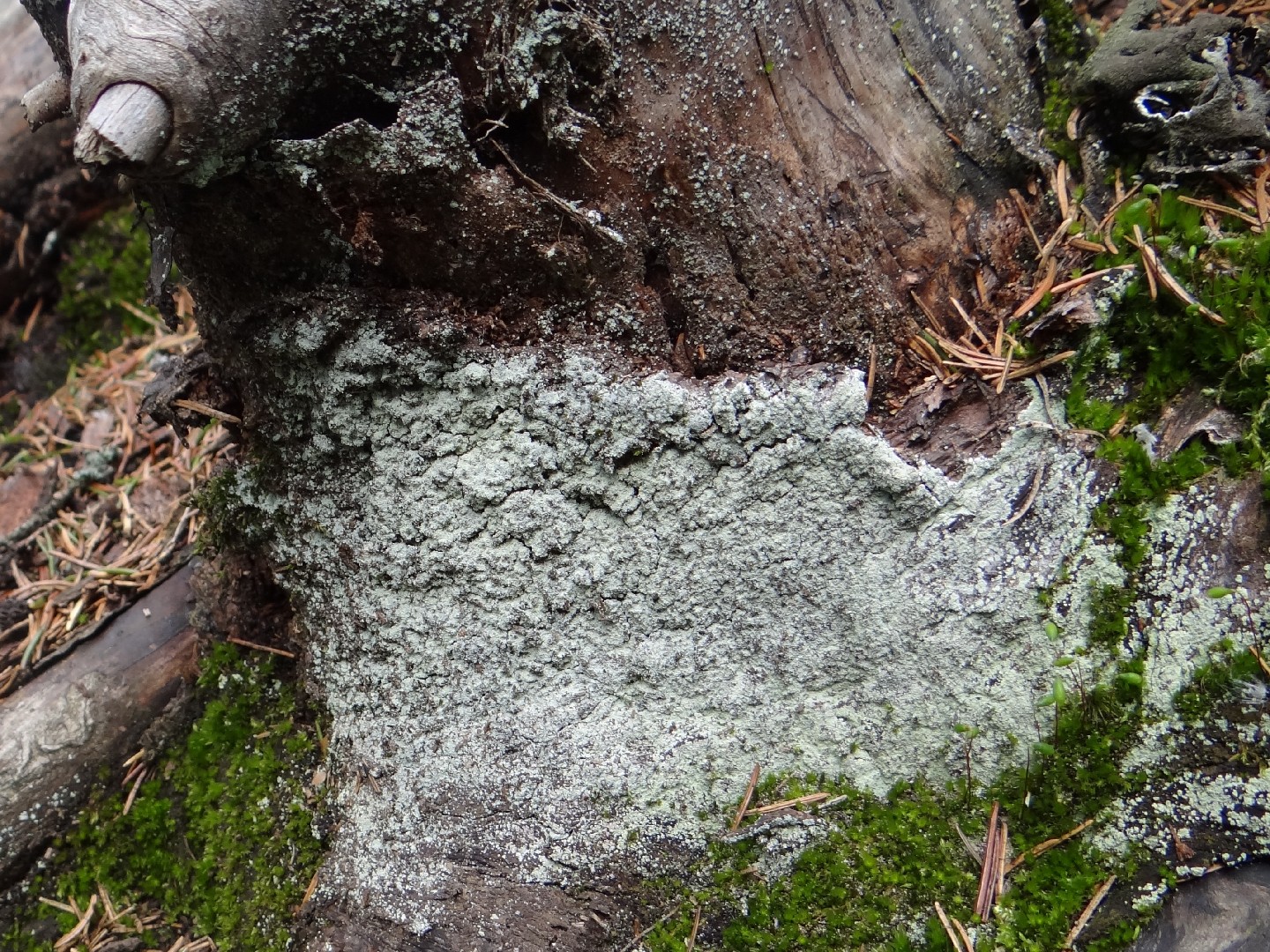
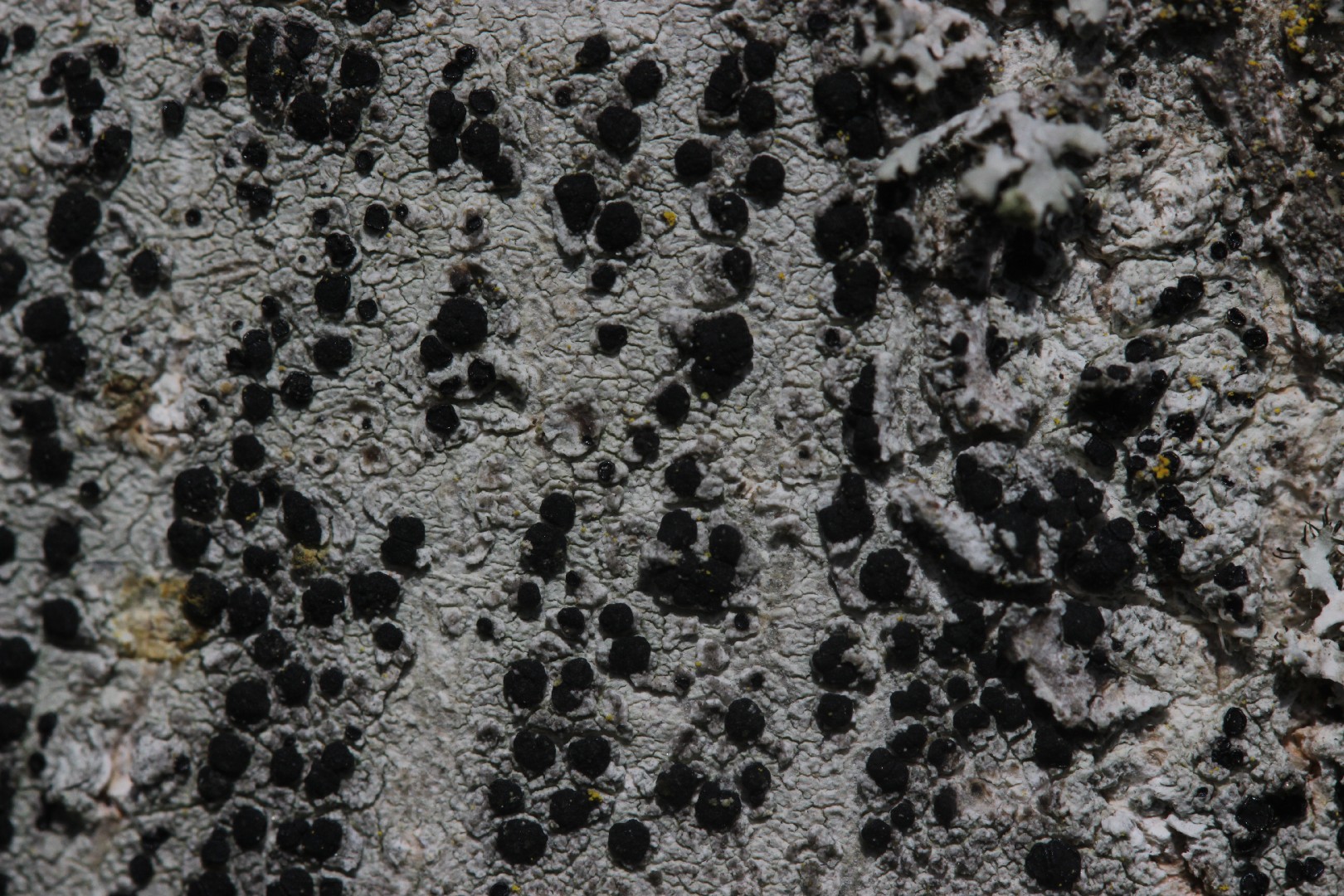
2. Dust lichen
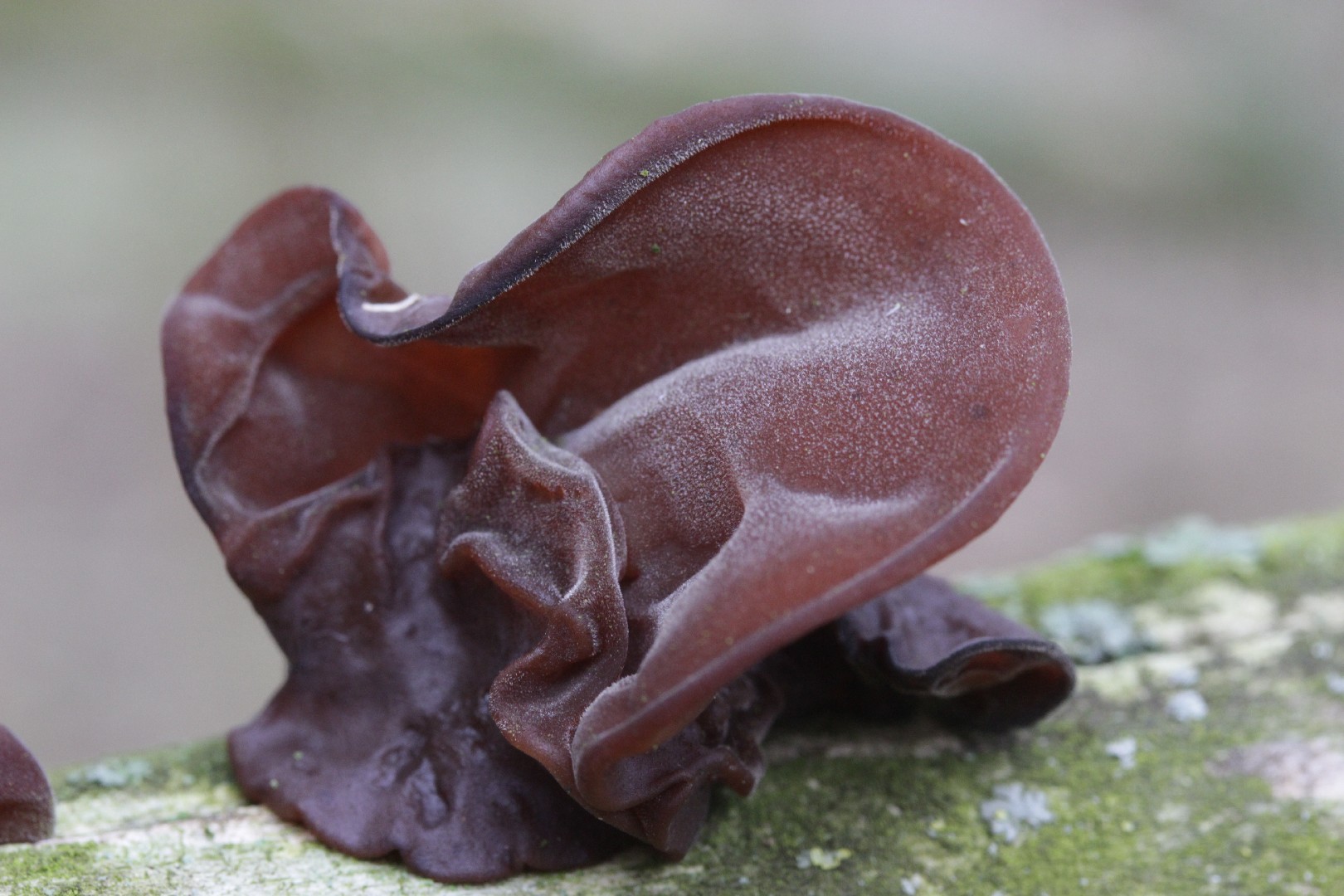
3. Jelly ear
The distinctive jelly ear grows mainly through winter and spring, mostly on the dead trunks and branches of elder trees. It occurs around the world and is often cooked into dishes in Asian countries. This ear-shaped jelly mushroom is often available in stores both fresh and dried.
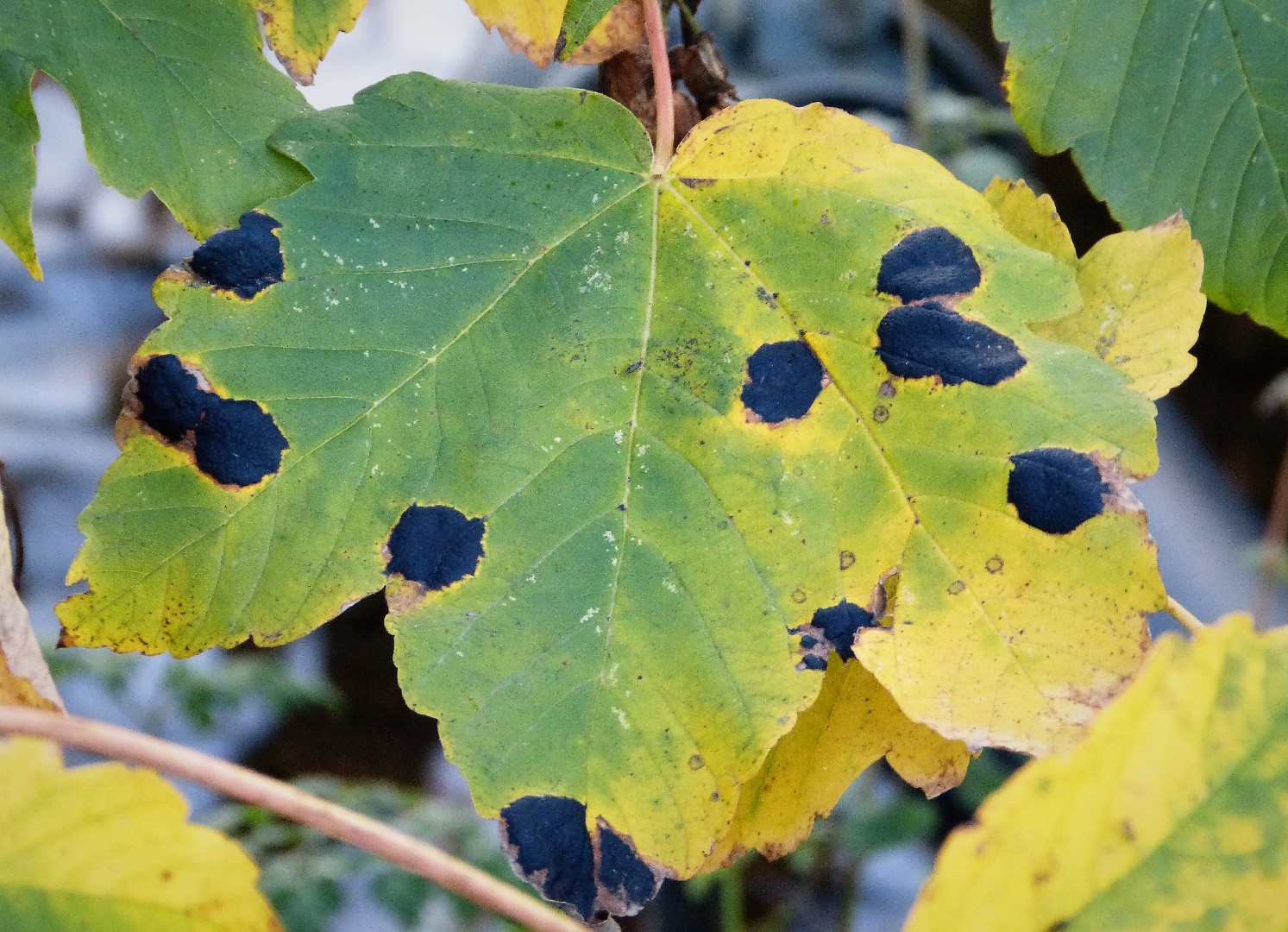
4. Tar spot
The tar spot is a pathogen fungus that attacks the trees of the Acer genus (Maples). The first symptoms of the fungal infections caused by Rhytisma acerinum are black spots on the leaves and an early leaf drop. The fungus doesn't affect an infected tree's health in the long term, but it makes an unpleasant sight.
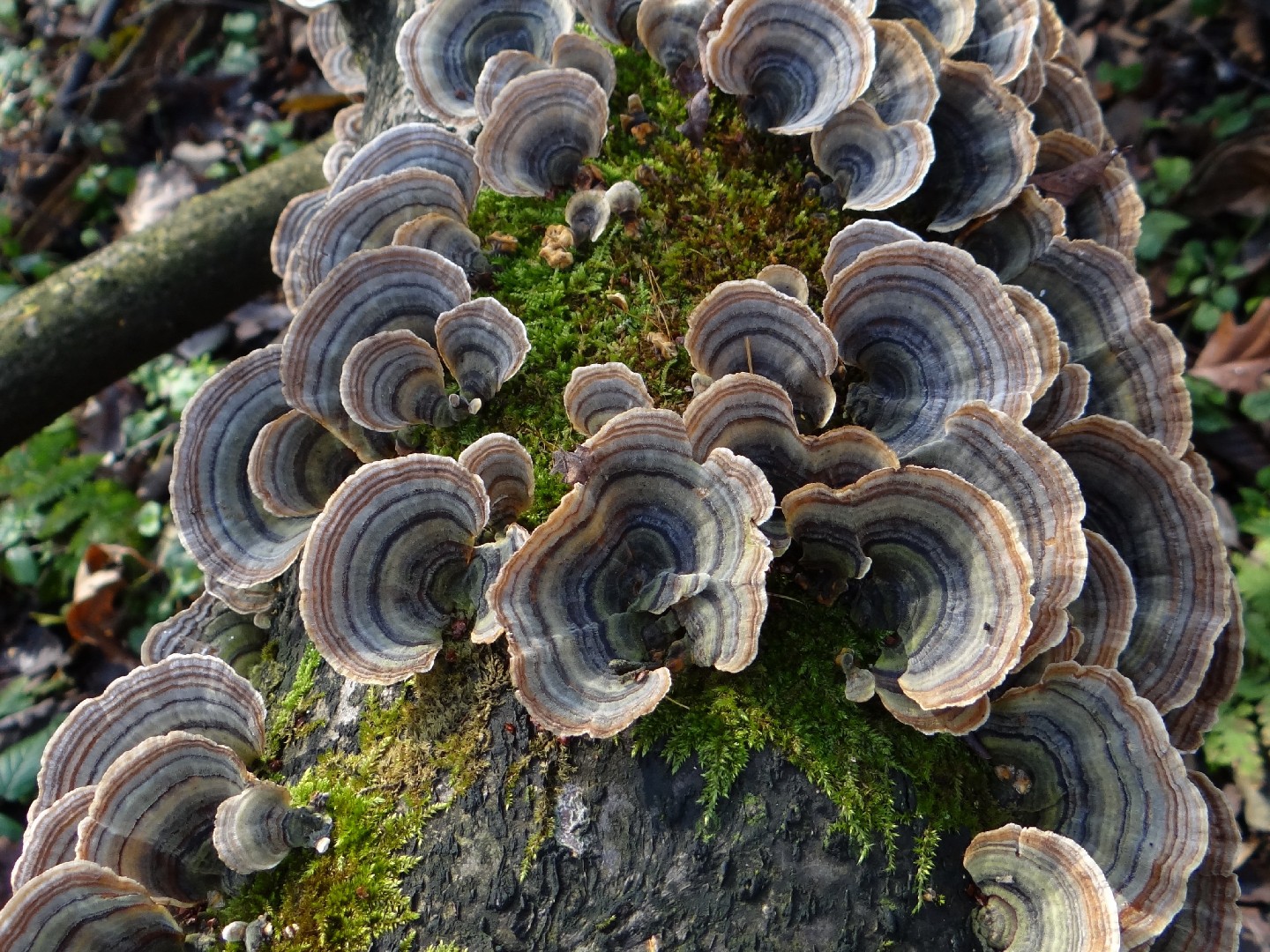
5. Turkey tail
The distinctively-striped turkey tail fungus grows on stumps and logs all over the forests of the northern hemisphere. It is, in fact, probably the most common species you will find. That doesn't mean this mushroom is plain, however; each cap is uniquely patterned. Look for bands of alternating textures as well as color.
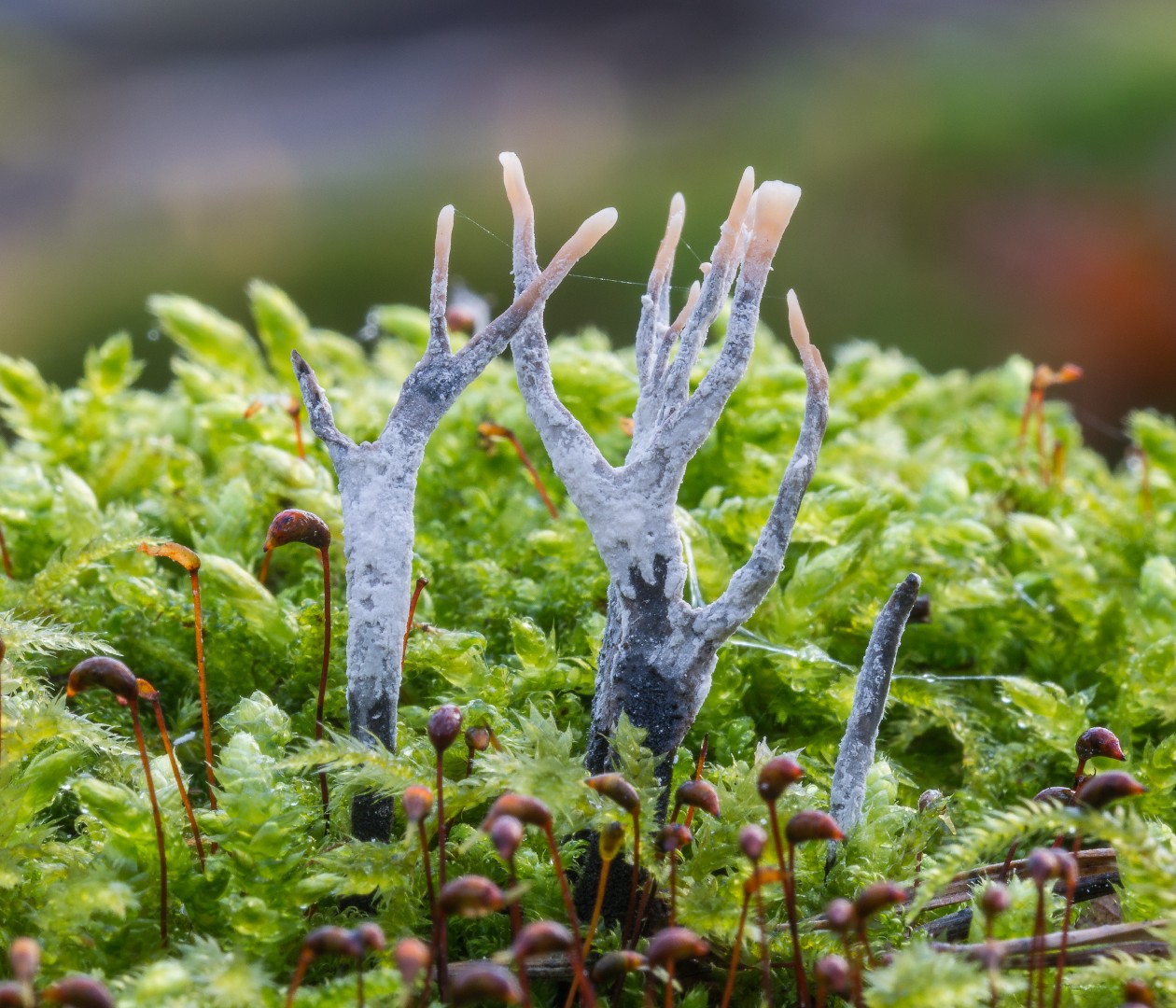
6. Candlesnuff fungus
The bizarre shape of the candlesnuff fungus (Xylaria hypoxylon) is one that you'll never forget. Finger-like growths explode from decaying wood, and look more like stalagmites or antlers than they do mushrooms. The shaft is black at the base, fading dramatically to bright white at the tip.
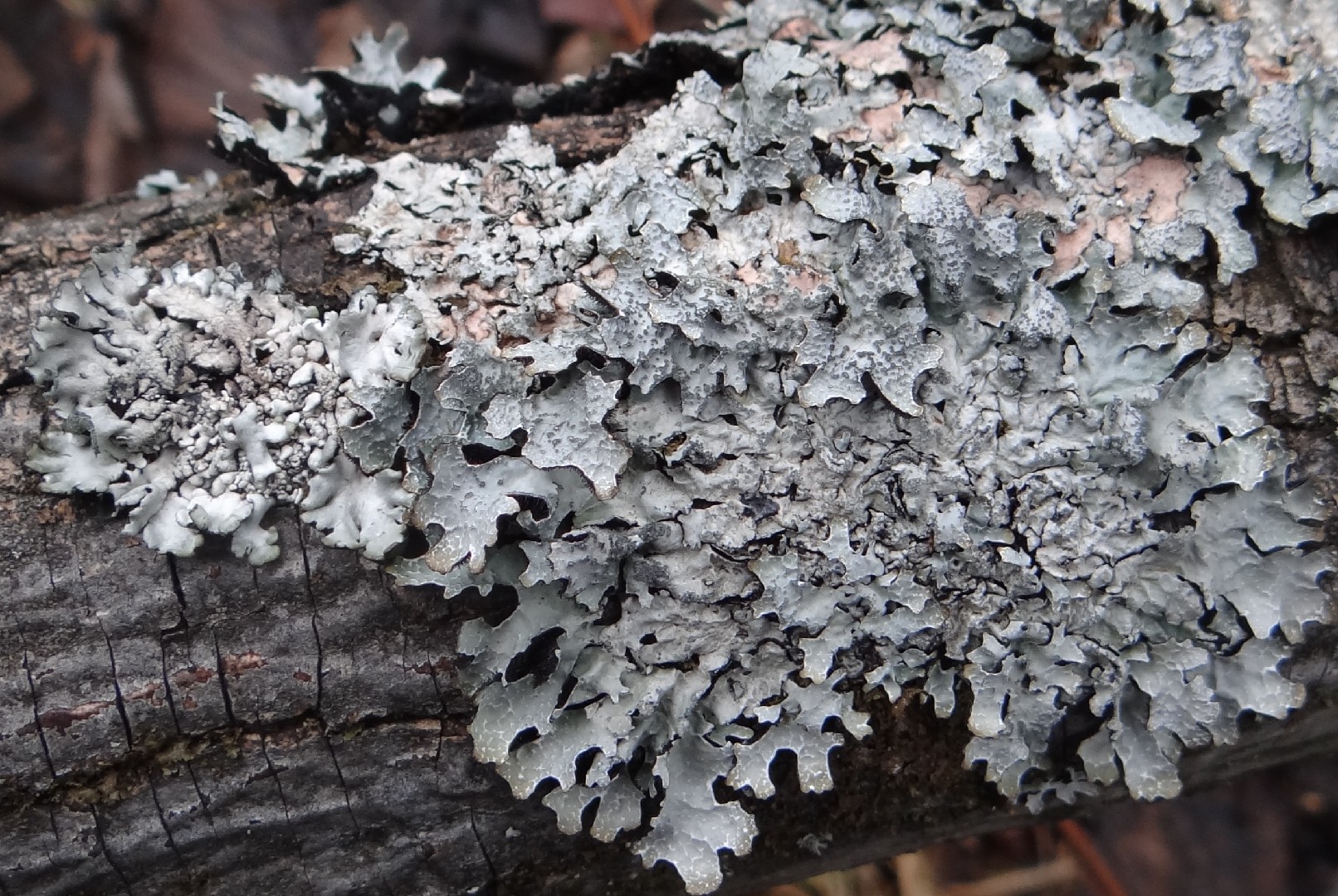
7. Hammered shield lichen
Hammered shield lichen is noted for its pollution tolerance. It is a widespread grey flat lichen that is mostly found upon tree bark and occasionally rocks. Hammered shield lichen is named for the depressions within the lobe which give it a hammered appearance.
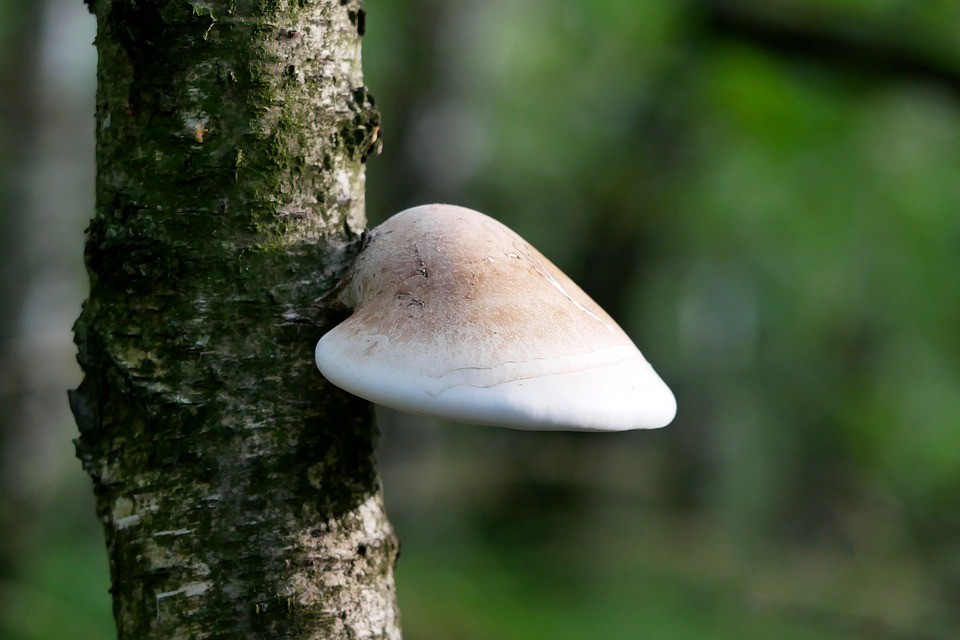
8. Birch polypore
The birch polypore has a variety of applications. Its thick skin has been used by barbers as a razor sharpener and as a mount for insect collectors. When dried, this mushroom was also used to carry fire over long distances because it burns slowly. The historical use of birch polypore doesn't stop there; pieces of this mushroom were found being carried by the five-thousand-year-old mummy Ötzi the Iceman.
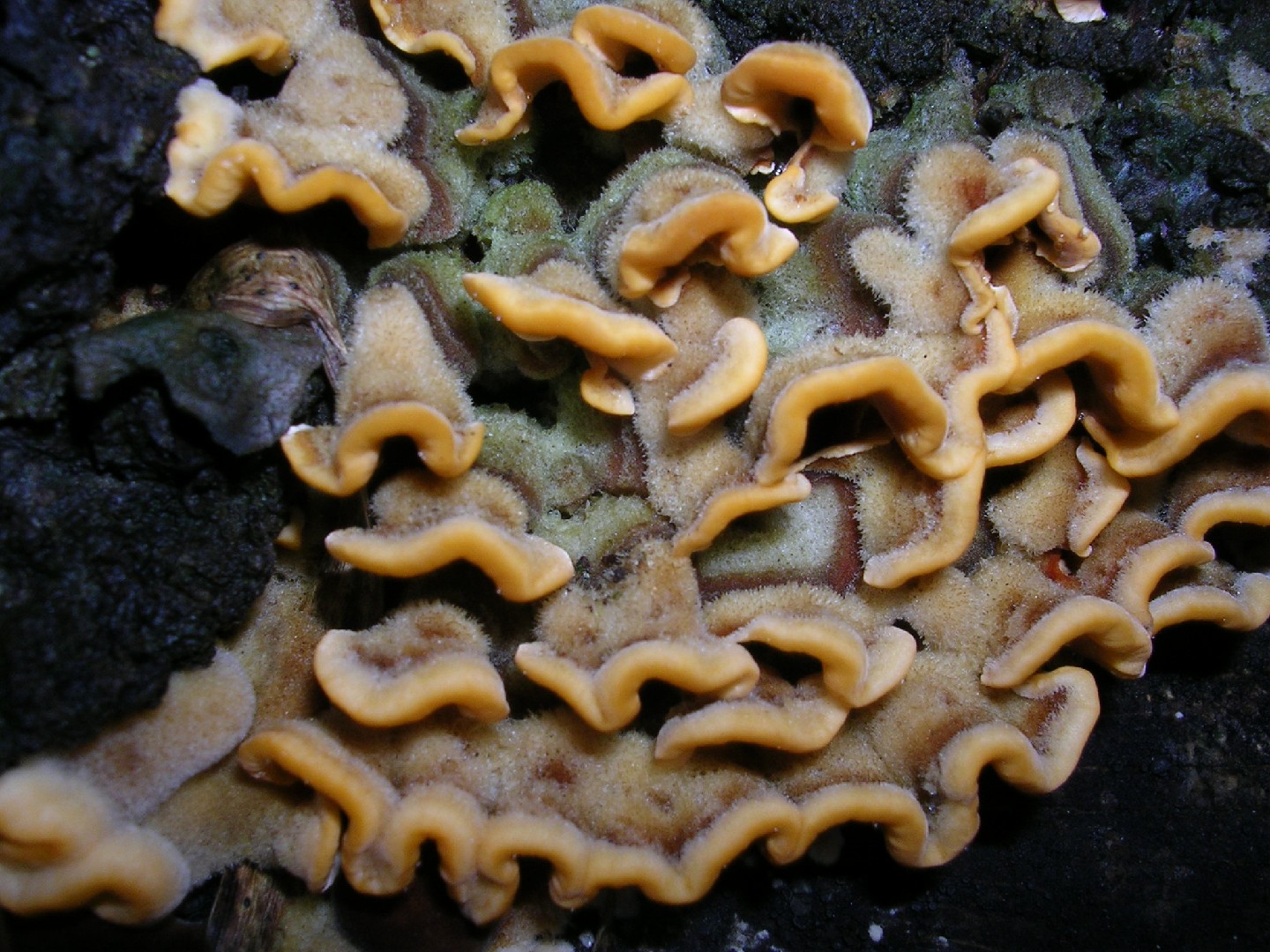
9. Hairy curtain crust
This clustered, overlapping fungus is found all over the world, and is considered native across both the northern and southern hemispheres. Both its common name, hairy curtain crust, and its scientific name, Stereum hirsutum, aptly describe its most obvious features: it is quite tough (stereum) and the younger fruitbodies are notably hairy (hirsutum).
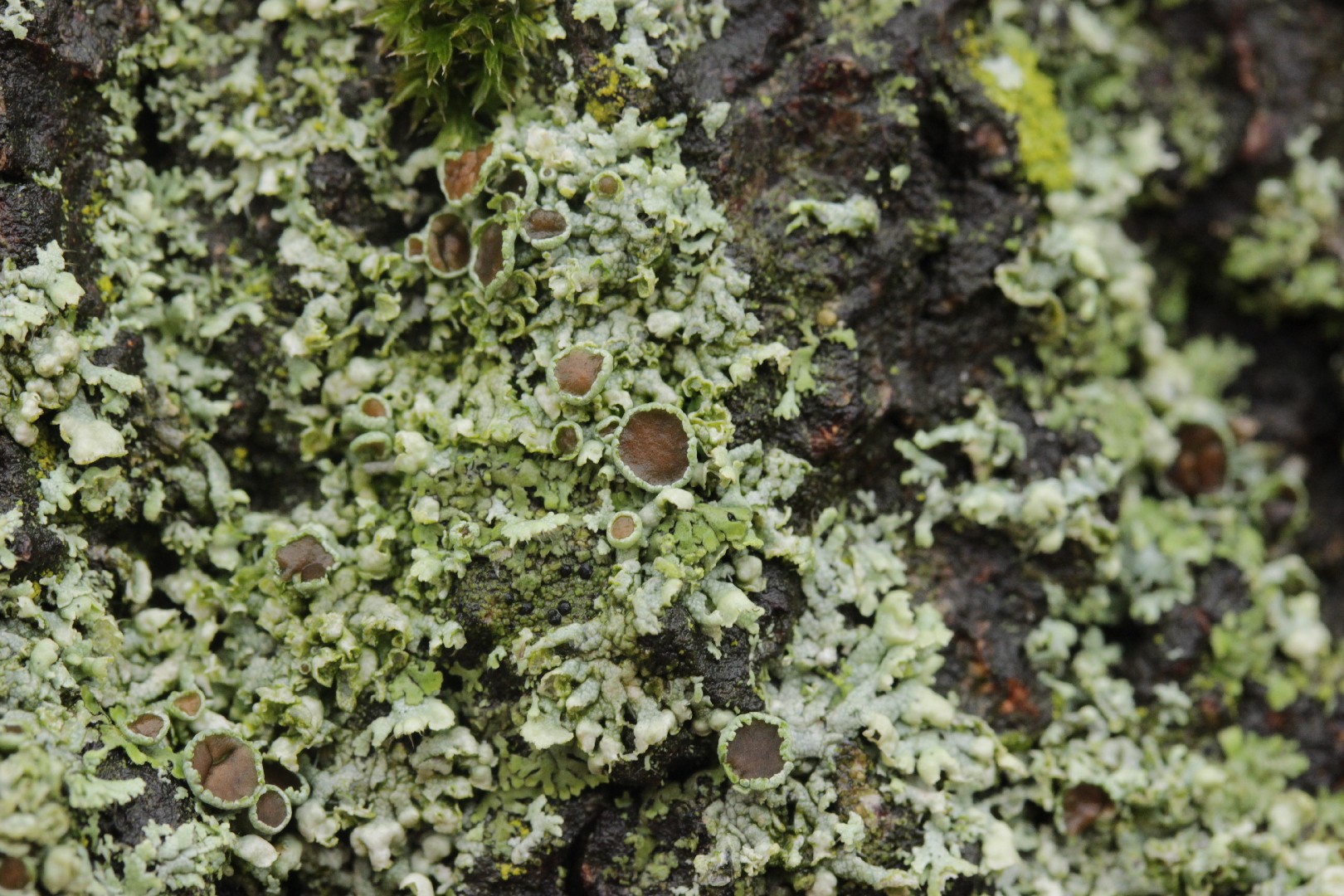
10. Fringed rosette lichen
Physcia tenella grows initially in small rosettes, which later often flow together like a lawn. The lobules of the thallus are white gray to gray and 0.5 to 1 mm wide. The lobes end flat or in lip-shaped straightened soralen, where vegetative dissemination units (soredia) are formed. These "lip sensory" distinguish them from the otherwise very similar Physcia adscendens (which has helmet-like bulges at the lobes). Gray-white fibrils sit at the edges. Fruit bodies (apothecaries) are rarely trained.

More







