




Top 20 Most Common Mushrooms in Willenhall

Most Common Mushrooms
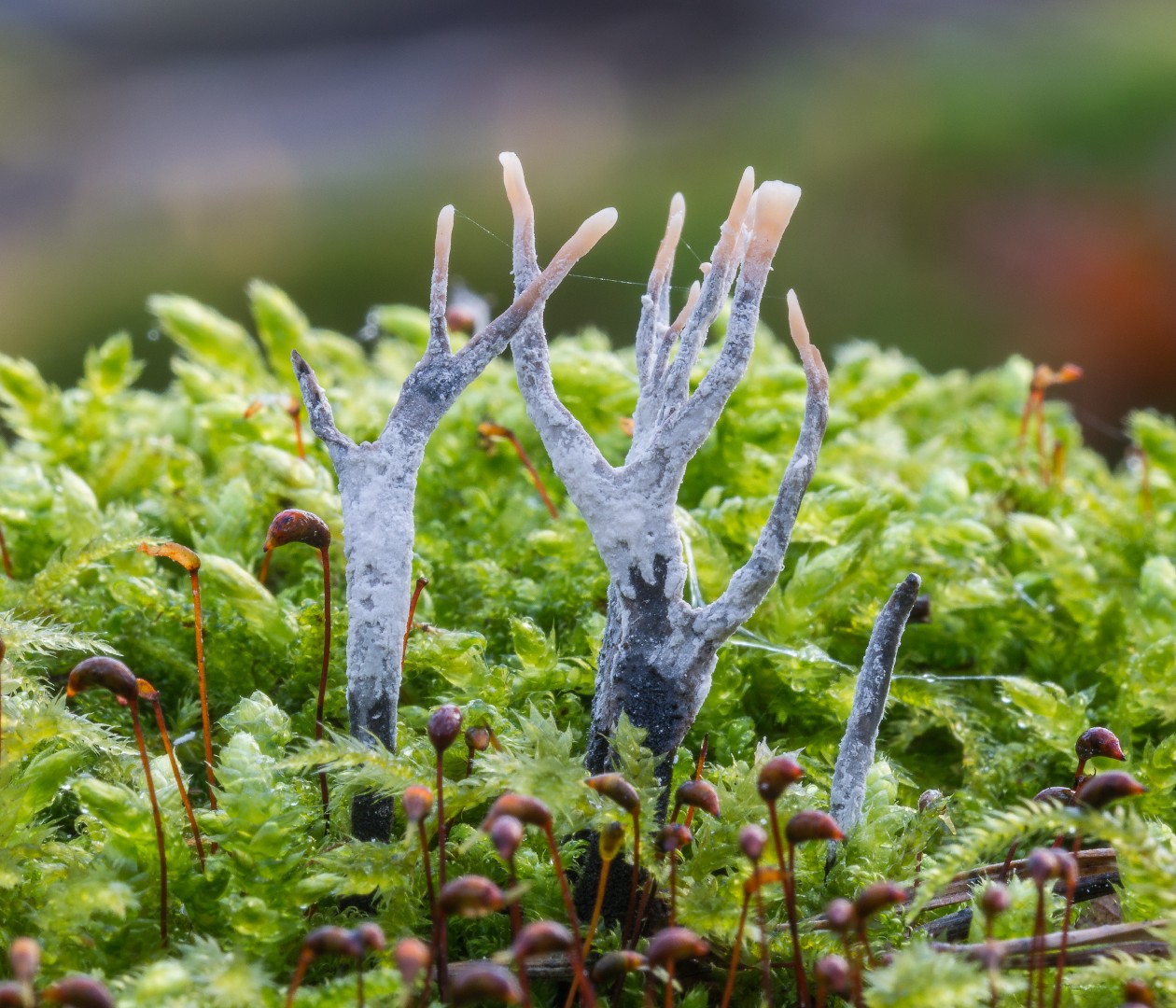
1. Candlesnuff fungus
The bizarre shape of the candlesnuff fungus (Xylaria hypoxylon) is one that you'll never forget. Finger-like growths explode from decaying wood, and look more like stalagmites or antlers than they do mushrooms. The shaft is black at the base, fading dramatically to bright white at the tip.
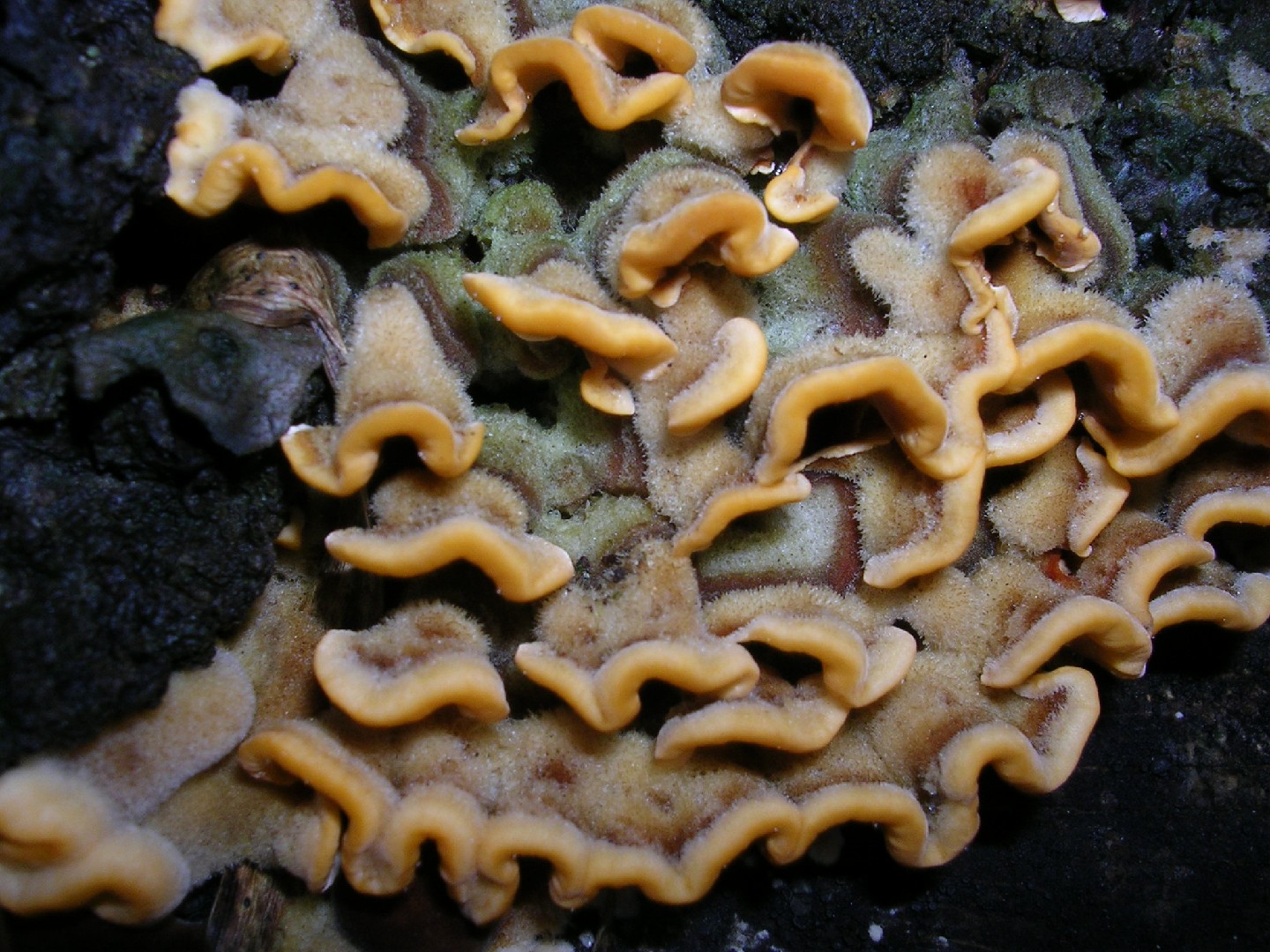
2. Hairy curtain crust
This clustered, overlapping fungus is found all over the world, and is considered native across both the northern and southern hemispheres. Both its common name, hairy curtain crust, and its scientific name, Stereum hirsutum, aptly describe its most obvious features: it is quite tough (stereum) and the younger fruitbodies are notably hairy (hirsutum).
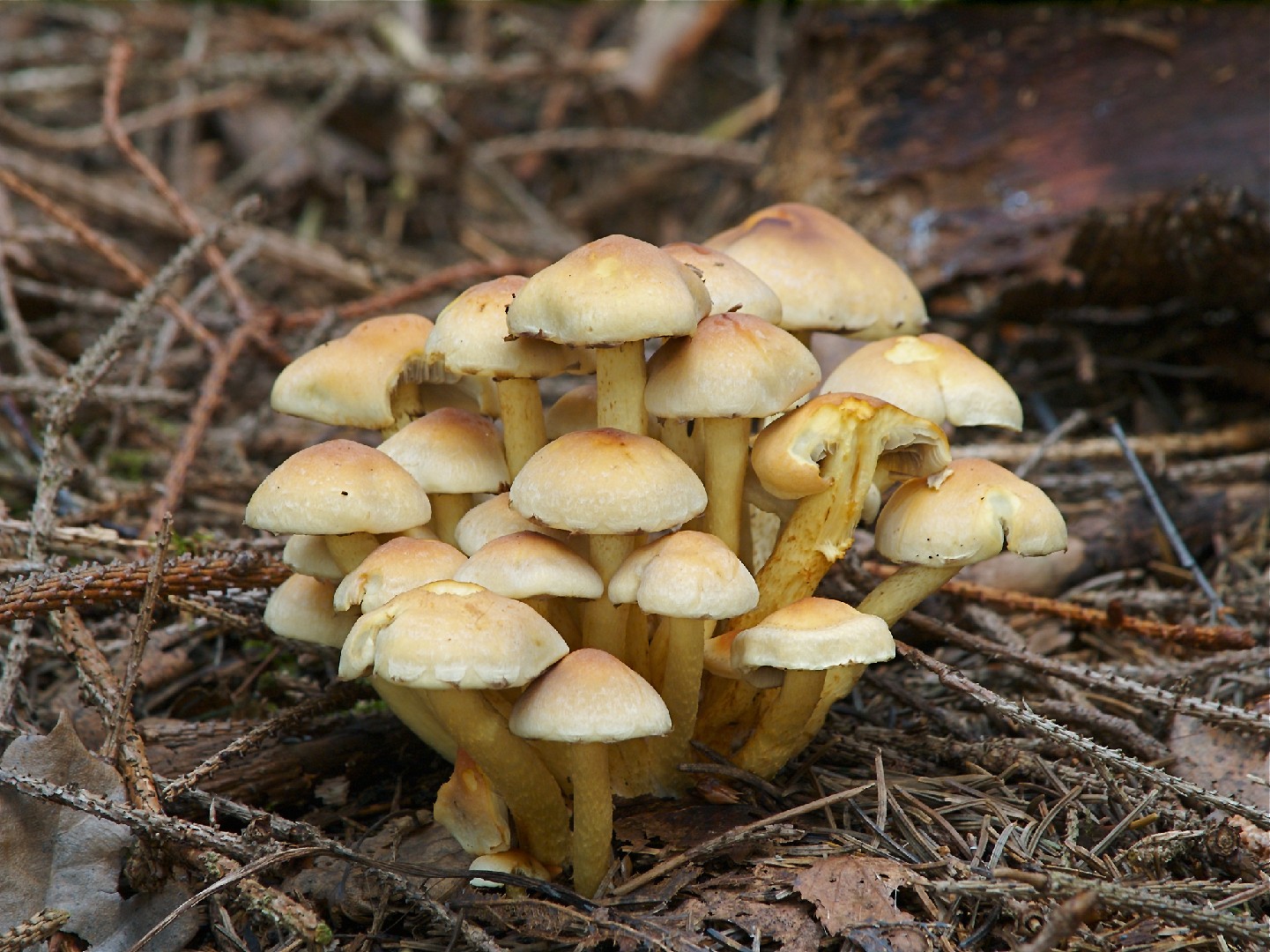
3. Sulphur tuft
The sulphur tuft grows on rotting wood of all types of trees; it is a particularly efficient decomposer of hardwoods. The mushrooms appear from spring to autumn and are often so tightly packed that they interfere with each other’s shape. This poisonous mushroom can cause temporary paralysis, distorted vision, and stomach pain if consumed.
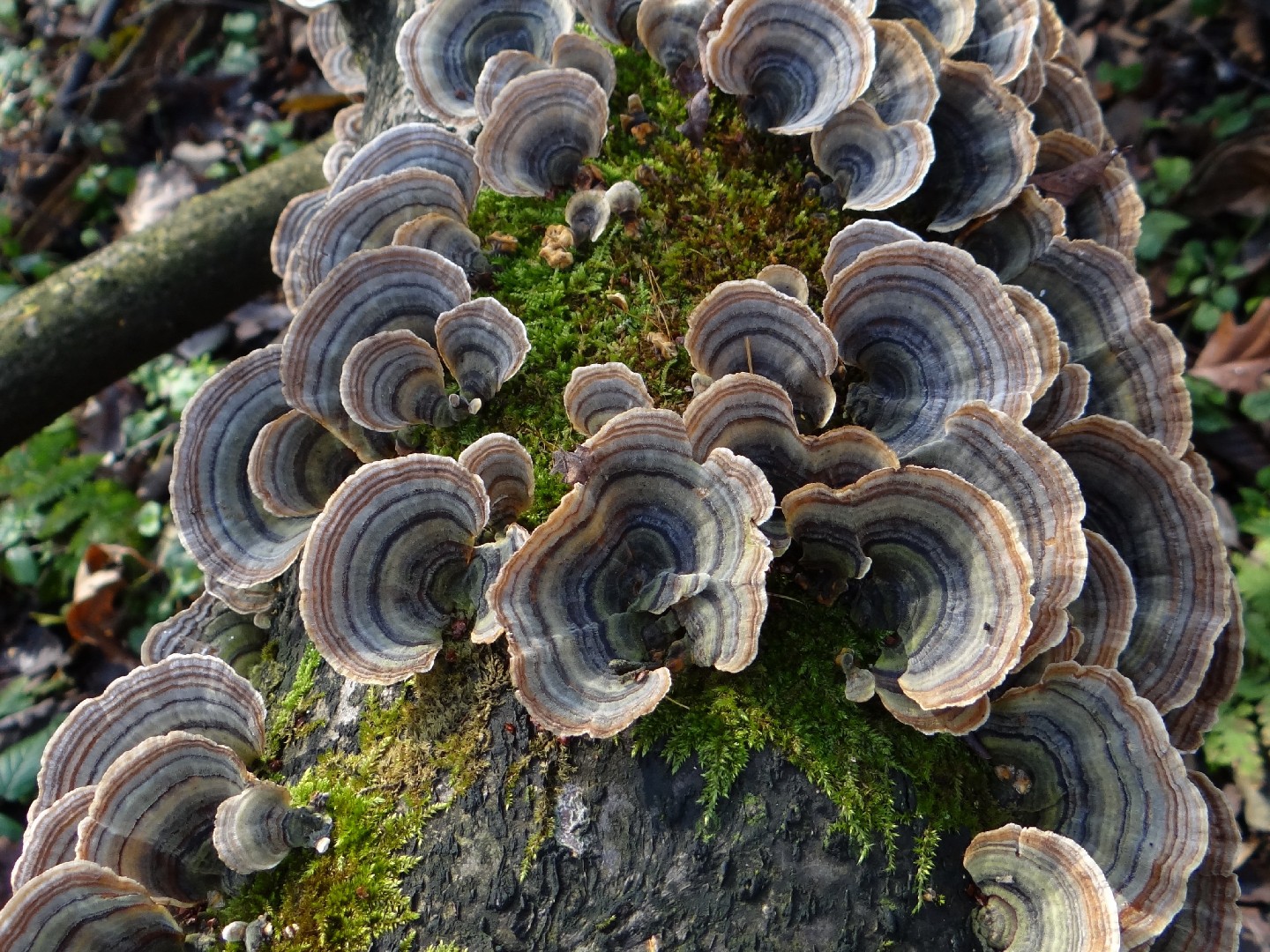
4. Turkey tail
The distinctively-striped turkey tail fungus grows on stumps and logs all over the forests of the northern hemisphere. It is, in fact, probably the most common species you will find. That doesn't mean this mushroom is plain, however; each cap is uniquely patterned. Look for bands of alternating textures as well as color.
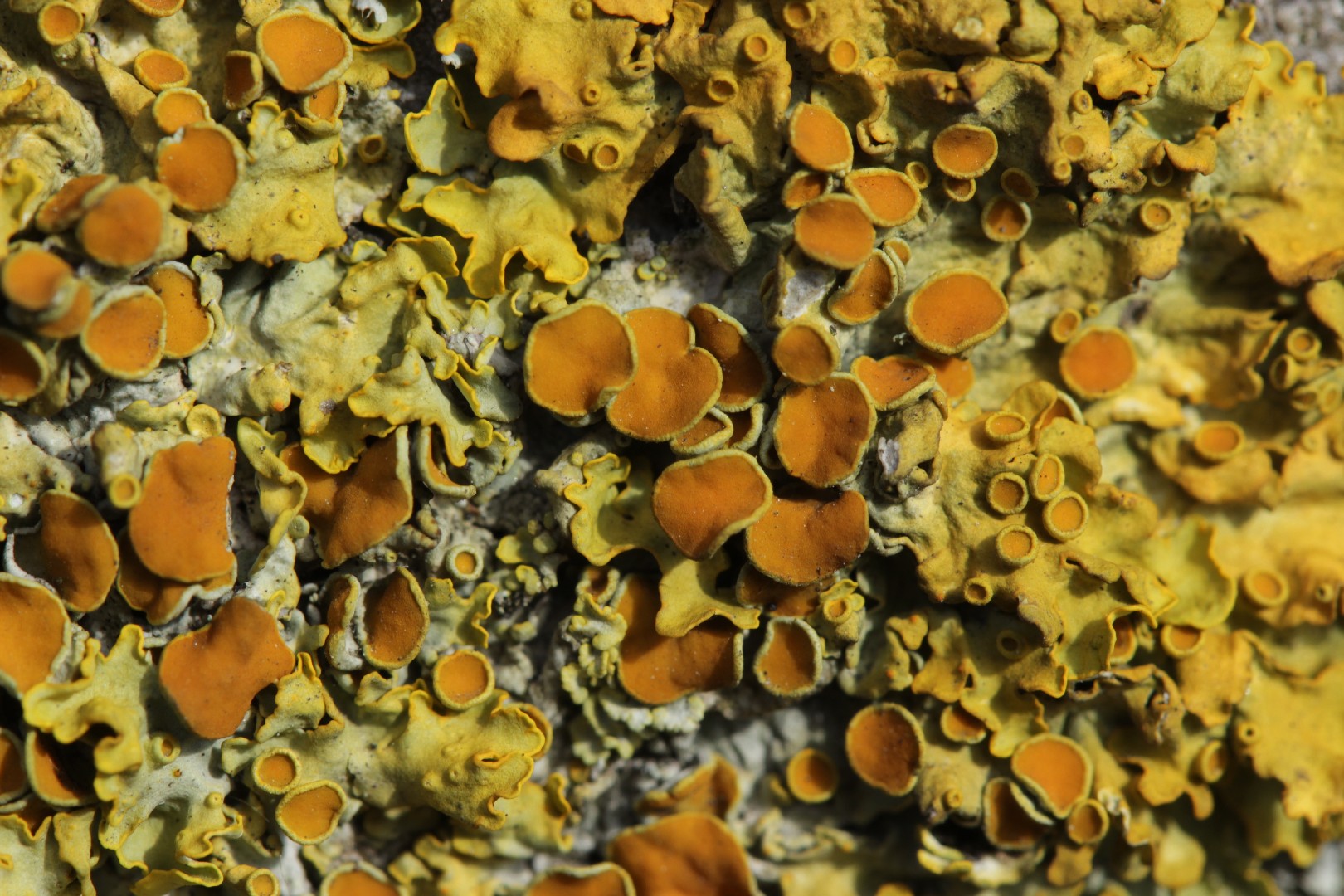
5. Common orange lichen
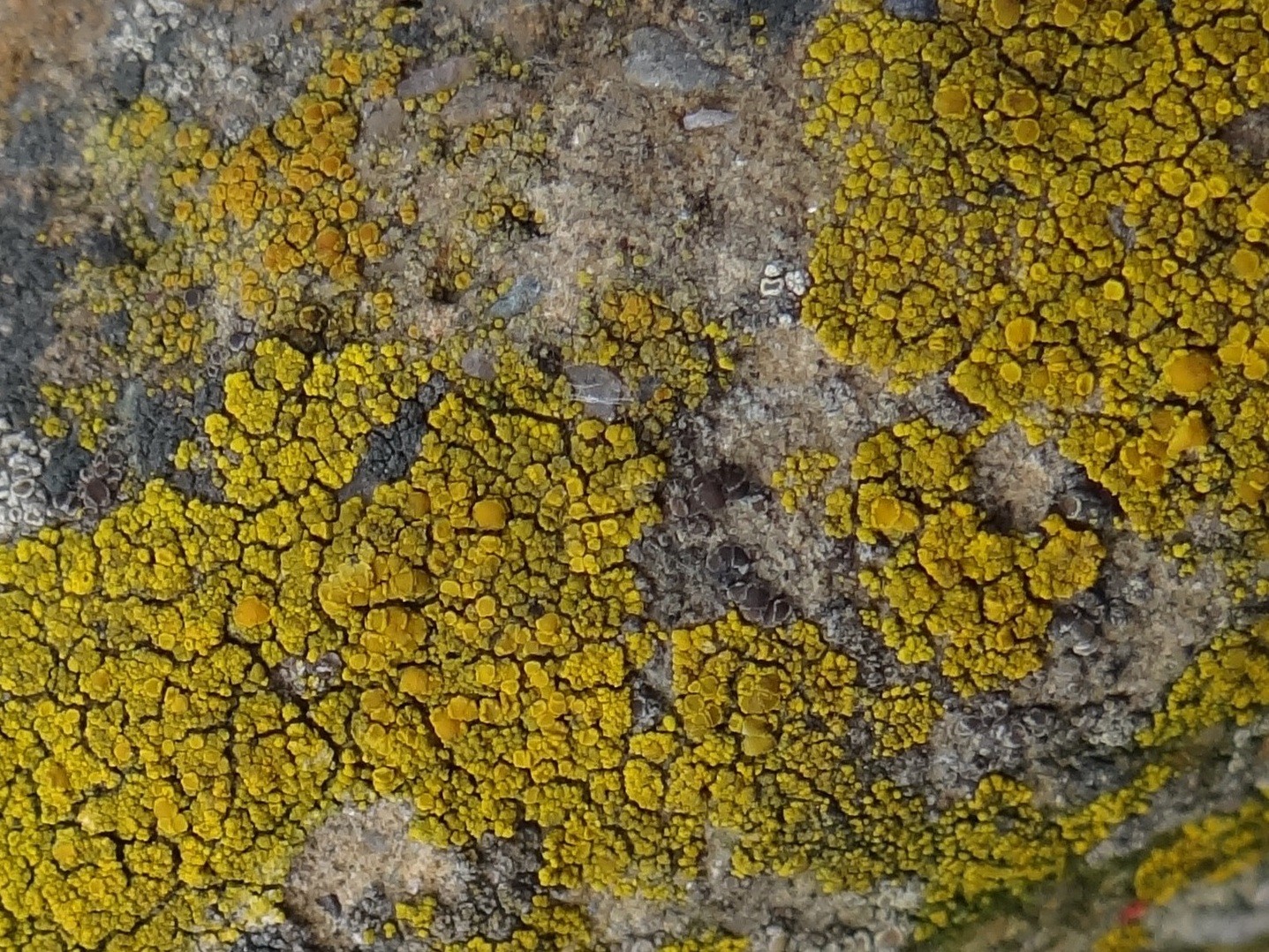
Common orange lichen was selected in 2006 by the United States Department of Energy as a model for genomic sequencing. Its widespread dispersal and bright yellow-orange color give the lichen its common name. It is primarily found growing on rocks, walls, and tree bark.
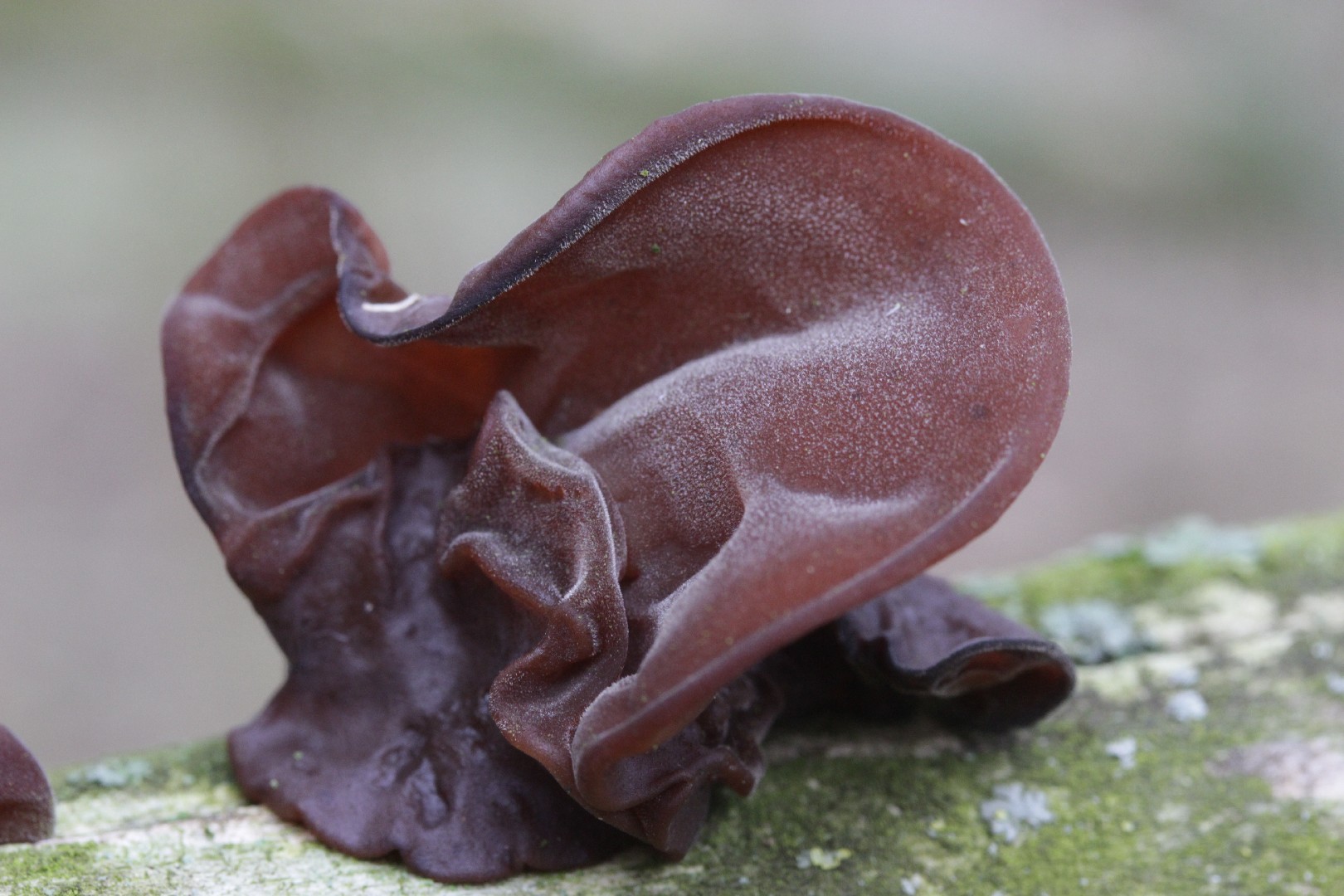
6. Jelly ear
The distinctive jelly ear grows mainly through winter and spring, mostly on the dead trunks and branches of elder trees. It occurs around the world and is often cooked into dishes in Asian countries. This ear-shaped jelly mushroom is often available in stores both fresh and dried.
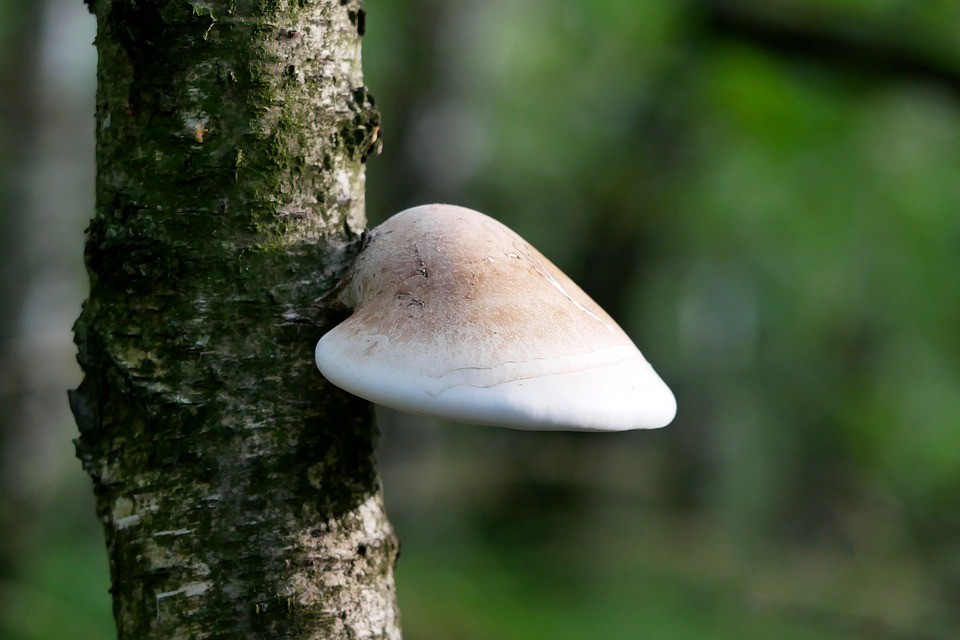
7. Birch polypore
The birch polypore has a variety of applications. Its thick skin has been used by barbers as a razor sharpener and as a mount for insect collectors. When dried, this mushroom was also used to carry fire over long distances because it burns slowly. The historical use of birch polypore doesn't stop there; pieces of this mushroom were found being carried by the five-thousand-year-old mummy Ötzi the Iceman.
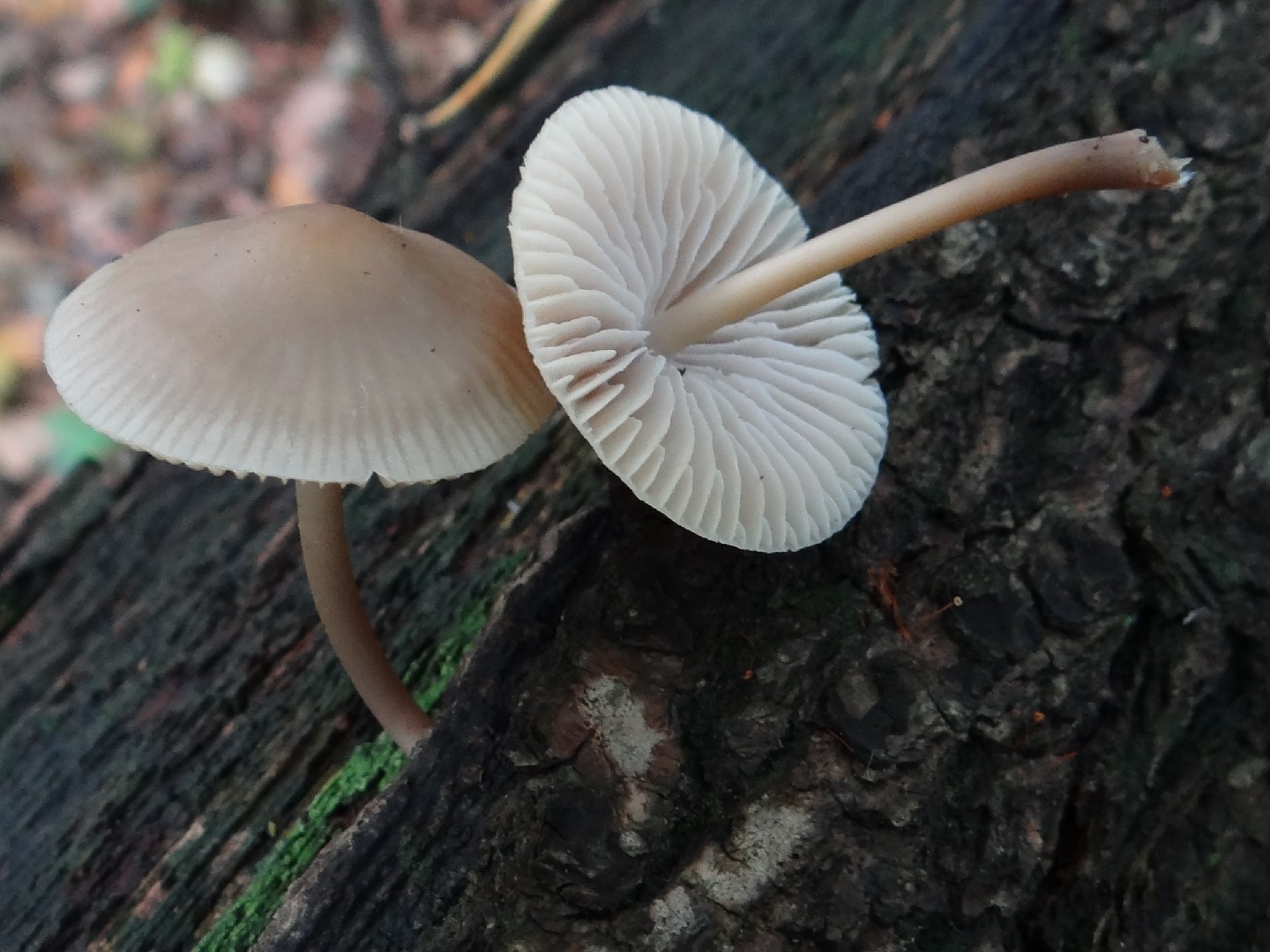
8. Common mycena
These mushrooms favor deeply shaded deciduous forests, growing in tufts and clusters on heavily decayed trunks and mossy stumps. Common mycena can be found throughout the northern hemisphere in summer and autumn. They do not appear to be toxic but have no edible value.
9. Common laccaria
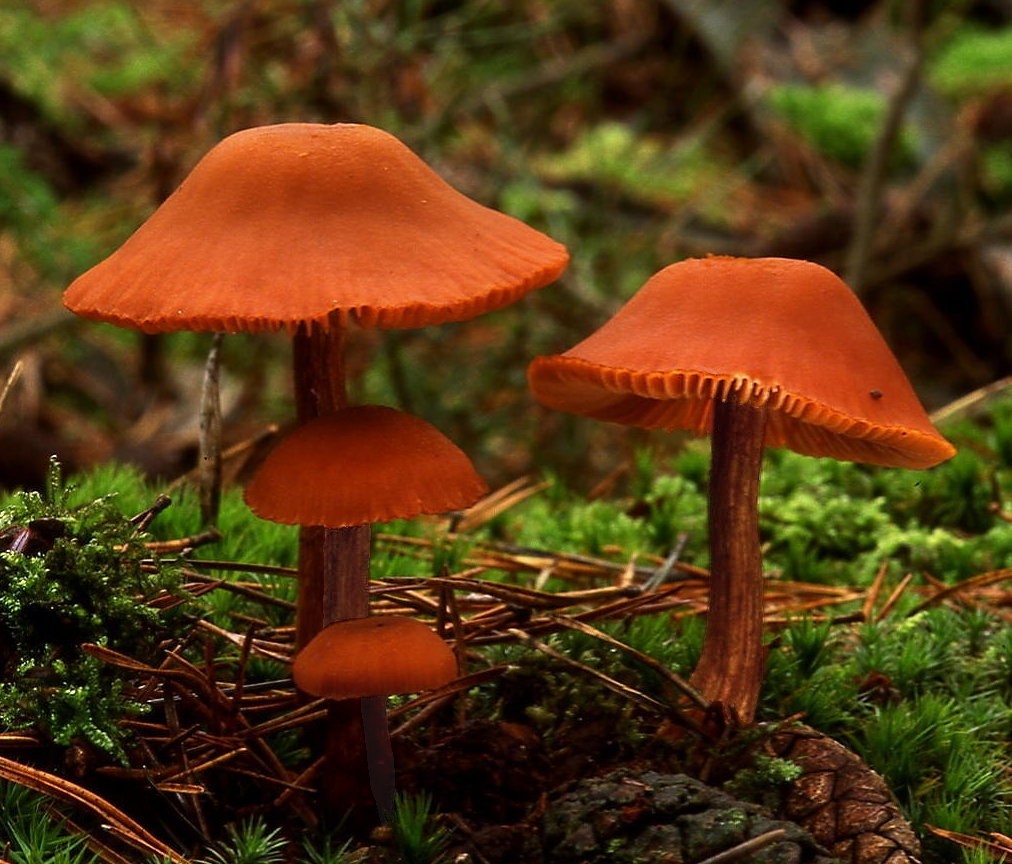
Common laccaria may sound like a malevolent name for a mushroom, but fret not! This species is so-called because its appearance is highly variable, with individual caps taking on a whole host of colors, from whitish to pinkish to dark brown.
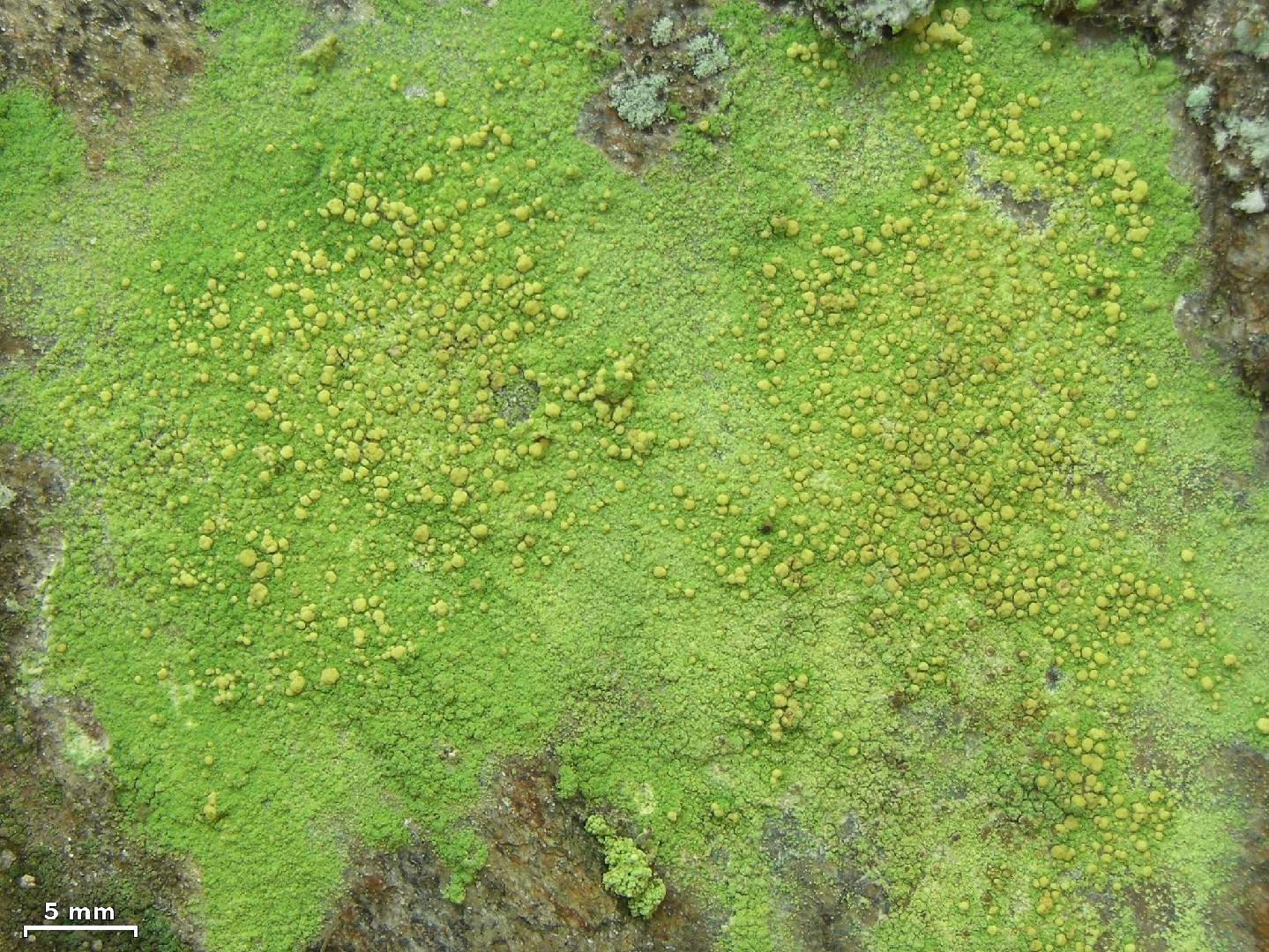
10. Dust lichen

More







