




Top 20 Most Common Mushrooms in San Lorenzo de El Escorial
Nestled in the heart of Spain, San Lorenzo de El Escorial exudes an enchanting marriage of verdant landscapes and sustainable climatic conditions, providing a thriving environment for various mushroom species. Home to an extensive range of mushroom variations, San Lorenzo de El Escorial undoubtedly proves to be a mycologist's haven. Our feature explores the 20 most common types, truly reflecting San Lorenzo de El Escorial's mushroom biodiversity. Stay with us as we delve into this unique natural wealth.

Most Common Mushrooms
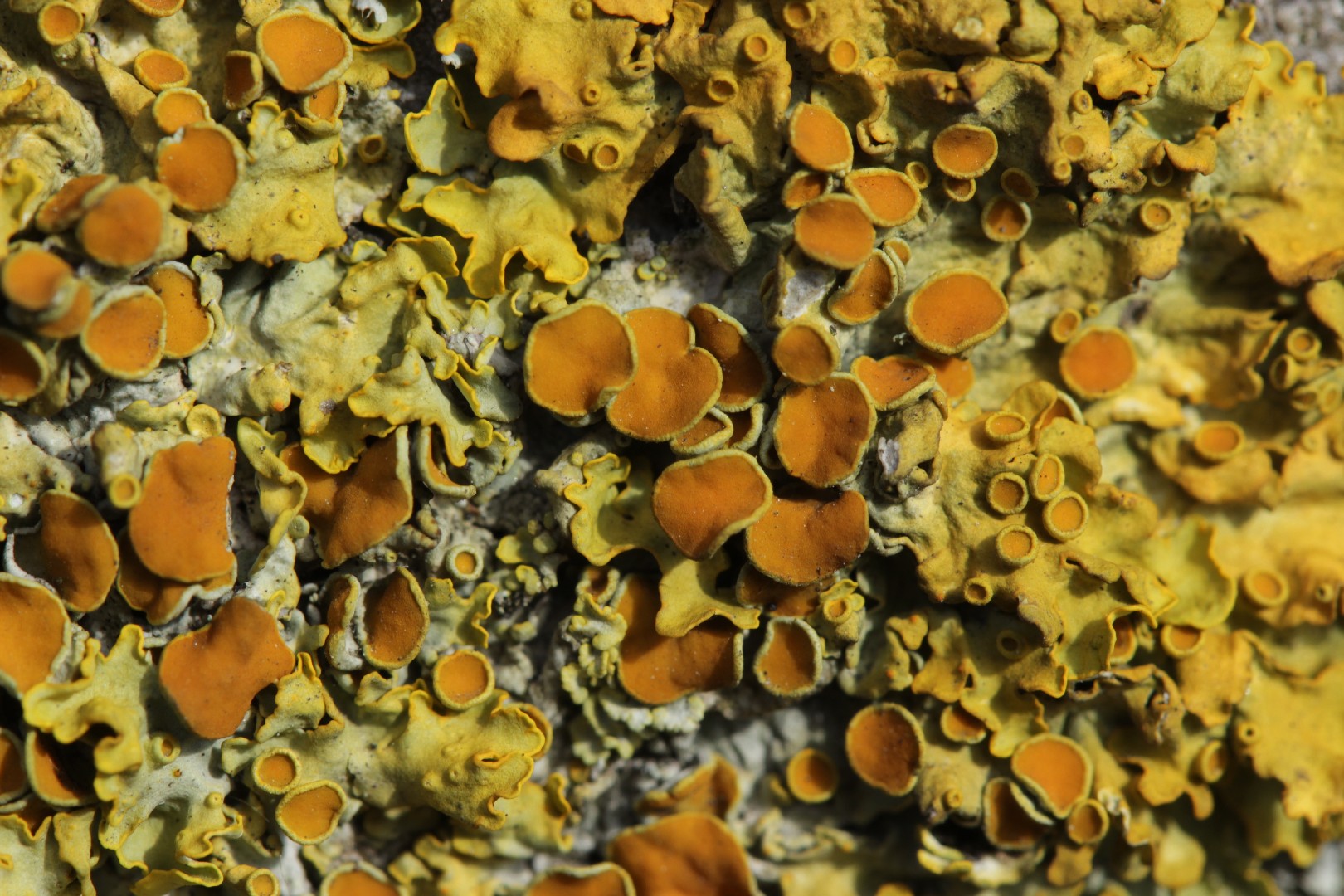
1. Common orange lichen
Common orange lichen was selected in 2006 by the United States Department of Energy as a model for genomic sequencing. Its widespread dispersal and bright yellow-orange color give the lichen its common name. It is primarily found growing on rocks, walls, and tree bark.
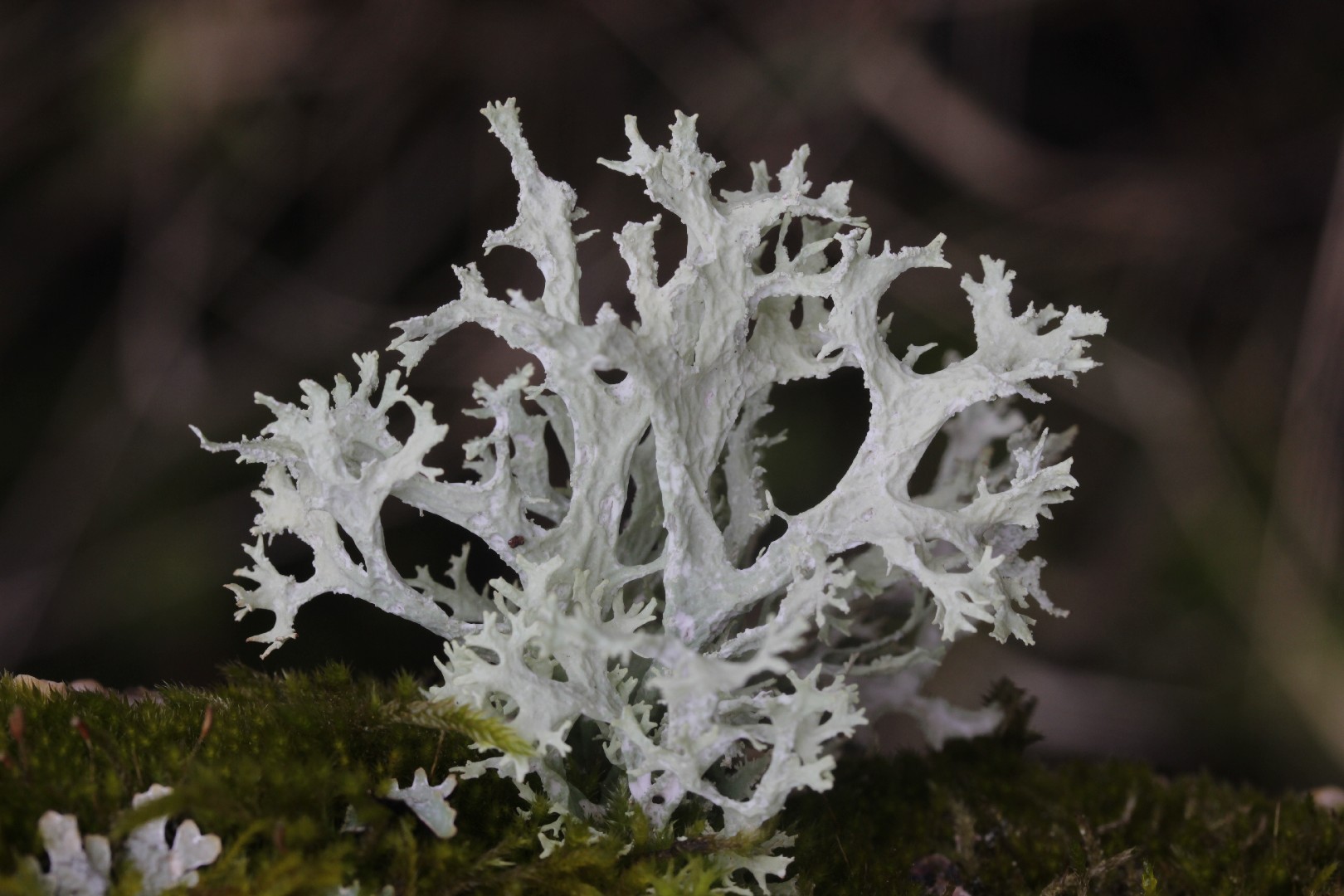
2. Oakmoss
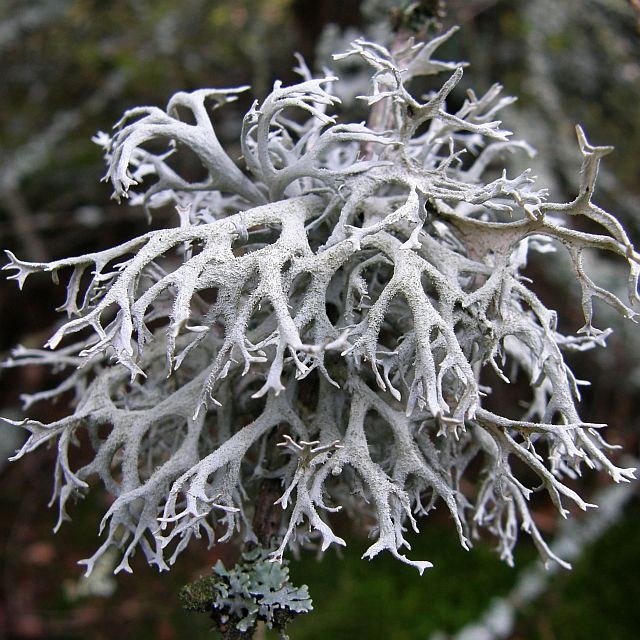
Evernia prunastri grows shrubby on trees. The yellow-green lichen grows up to 10 cm. It consists of up to five millimeters wide shrubby branched bands with a light underside. At the edges of these open dusty (Sorale). Apothecias (with shiny brown disc) are rarely formed.
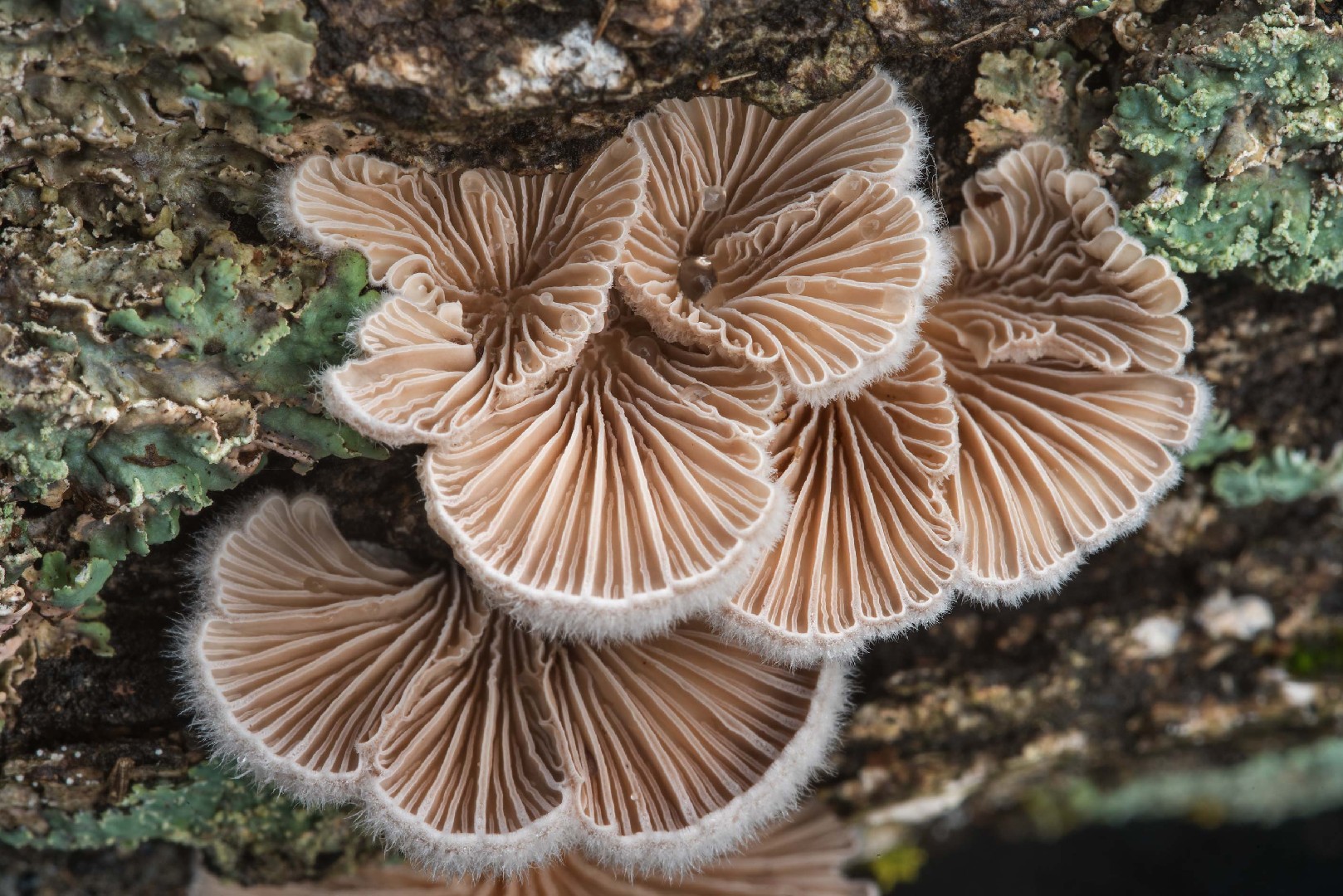
3. Split gill
Split gill(Schizophyllum commune) can be found across the globe. Uniquely, it is the only mushroom species known to display the capability to retract by movement. It is considered inedible, although not necessarily toxic. Furthermore, it is not recommended to smell this species, as the spores are capable of sprouting and growing in nasal passages.
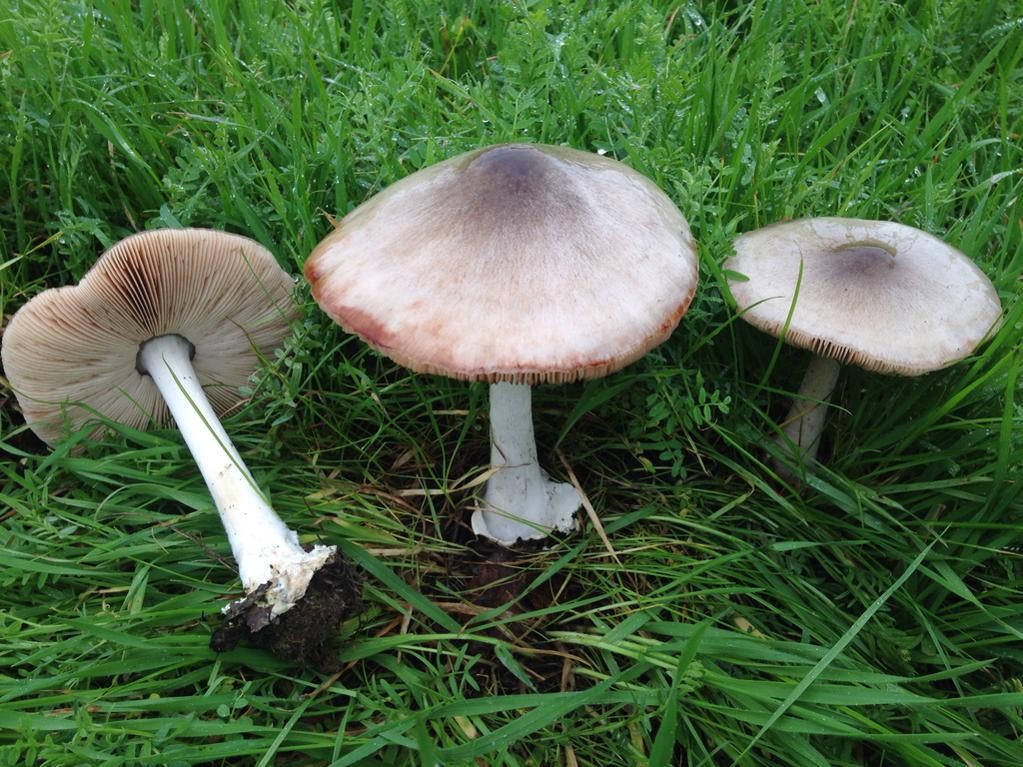
4. Big sheath mushroom
These large white mushrooms bloom all over cleared, harvested fields, as well as pastures and roadsides. The scientific species name comes from Greek words meaning “glue” (glioio) and “head” (cephalus), in reference to the sticky surface of this mushroom’s cap. The big sheath mushroom looks so similar to the poisonous Deathcap and Destroying Angel mushrooms that it should always be left alone.
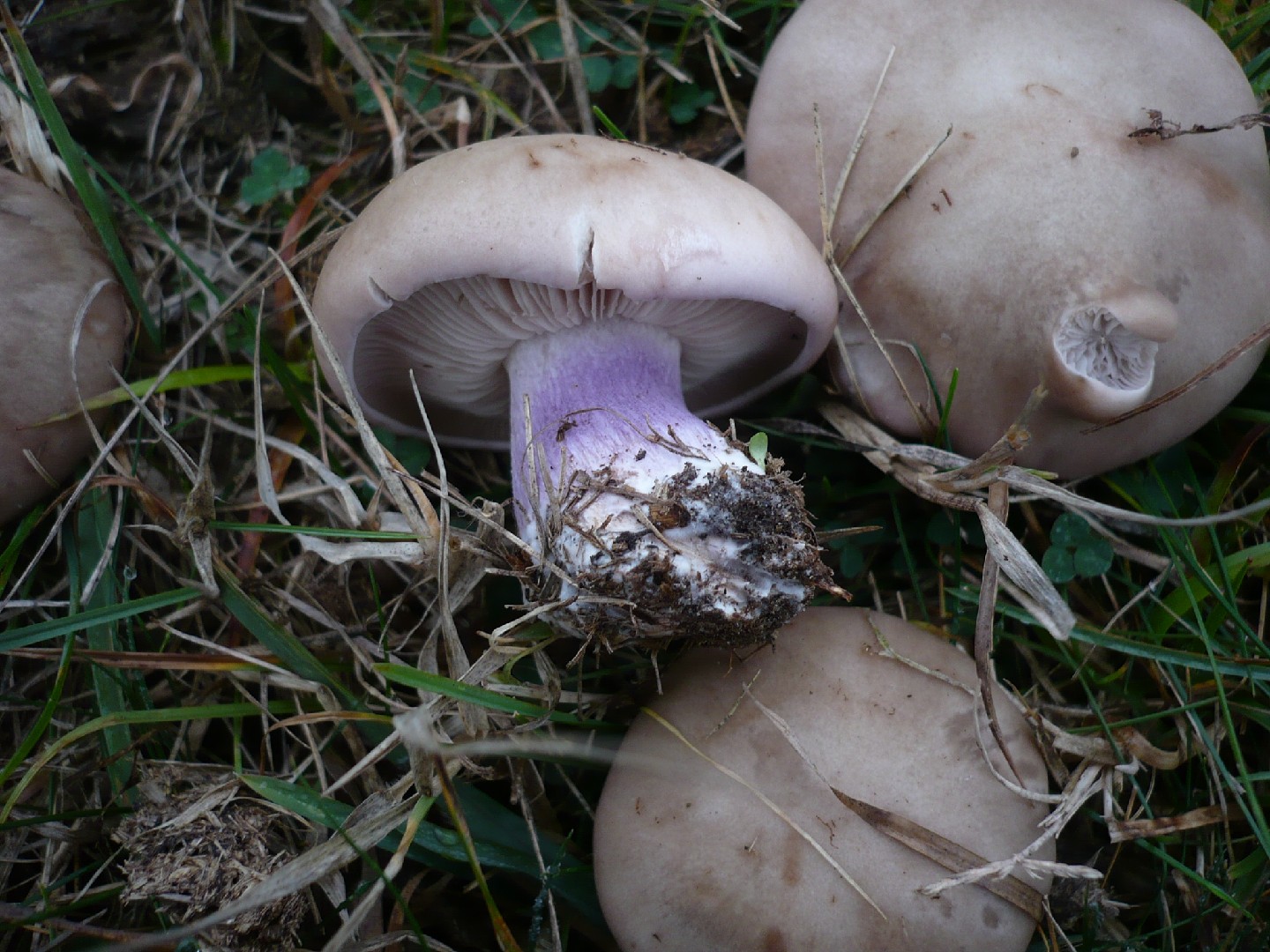
5. Field blewit
As the common name implies, fruitbodies of the field blewit (Lepista personata) can often be found in clusters or fairy rings in areas of open grassland. Their thick, creamy caps start off domed and morph into concave goblets as they age. Consumption of this mushroom has been reported to cause gastric distress.
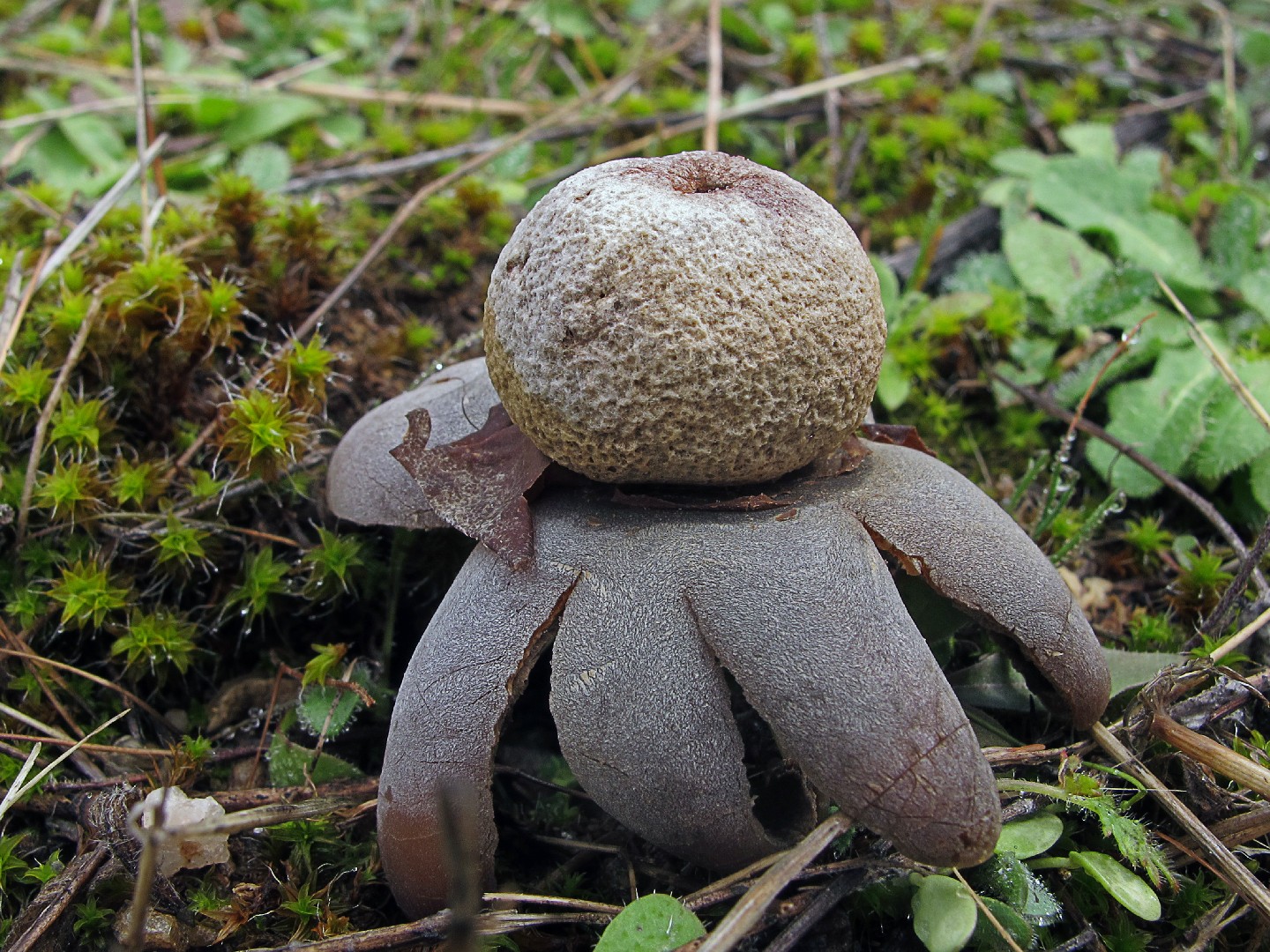
6. Barometer earthstar
The barometer earthstar (Astraeus hygrometricus) is a fascinating species that closely resembles earthstars of the genus Geastrum, even though it is only distantly related. The petal-like appendages of the fruitbody open, or "bloom", in response to changes in ambient moisture levels. When its fronds are contracted, the mushroom resembles a puffball. The species range is believed to be restricted to Mediterranean Europe.
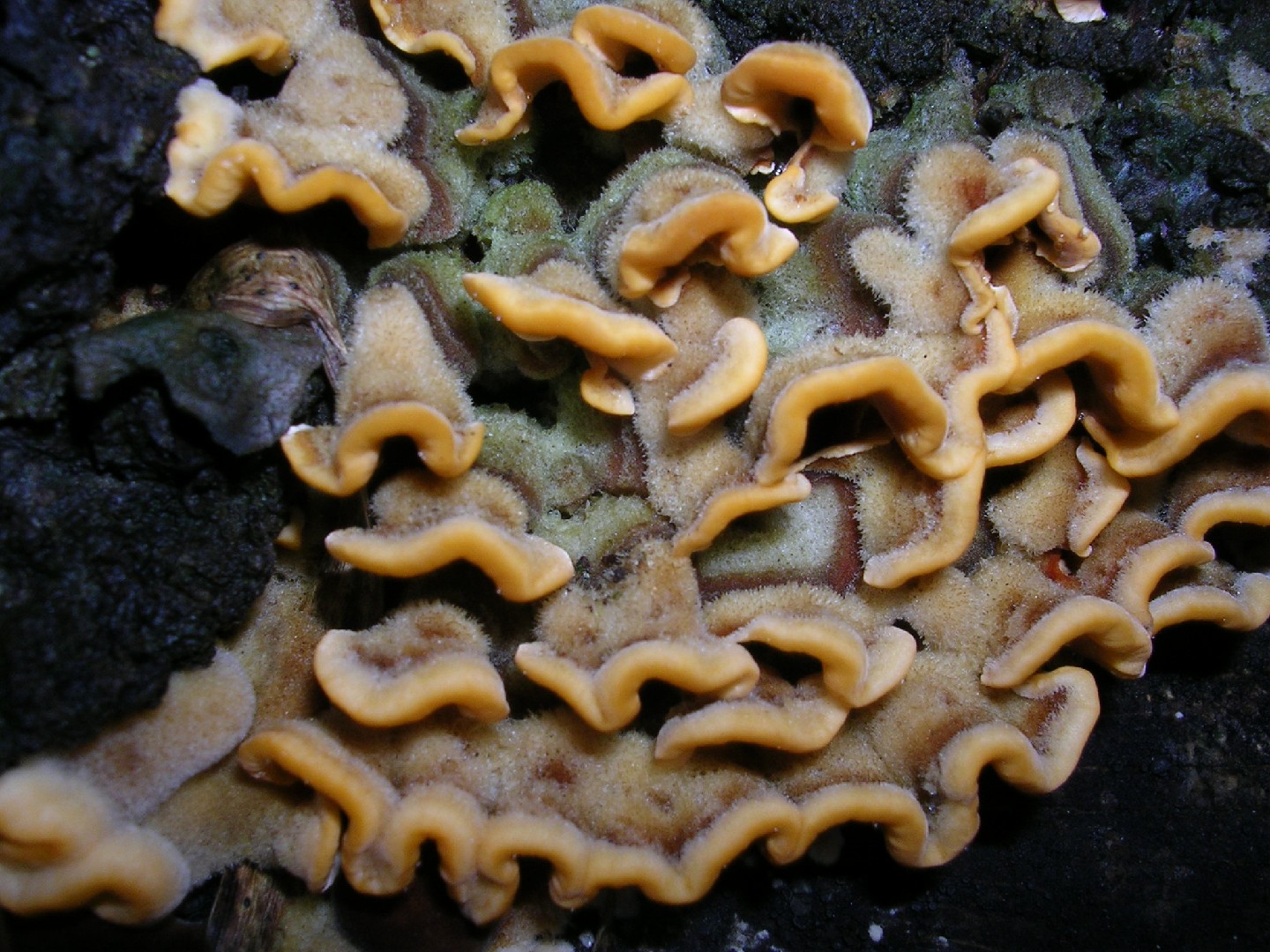
7. Hairy curtain crust
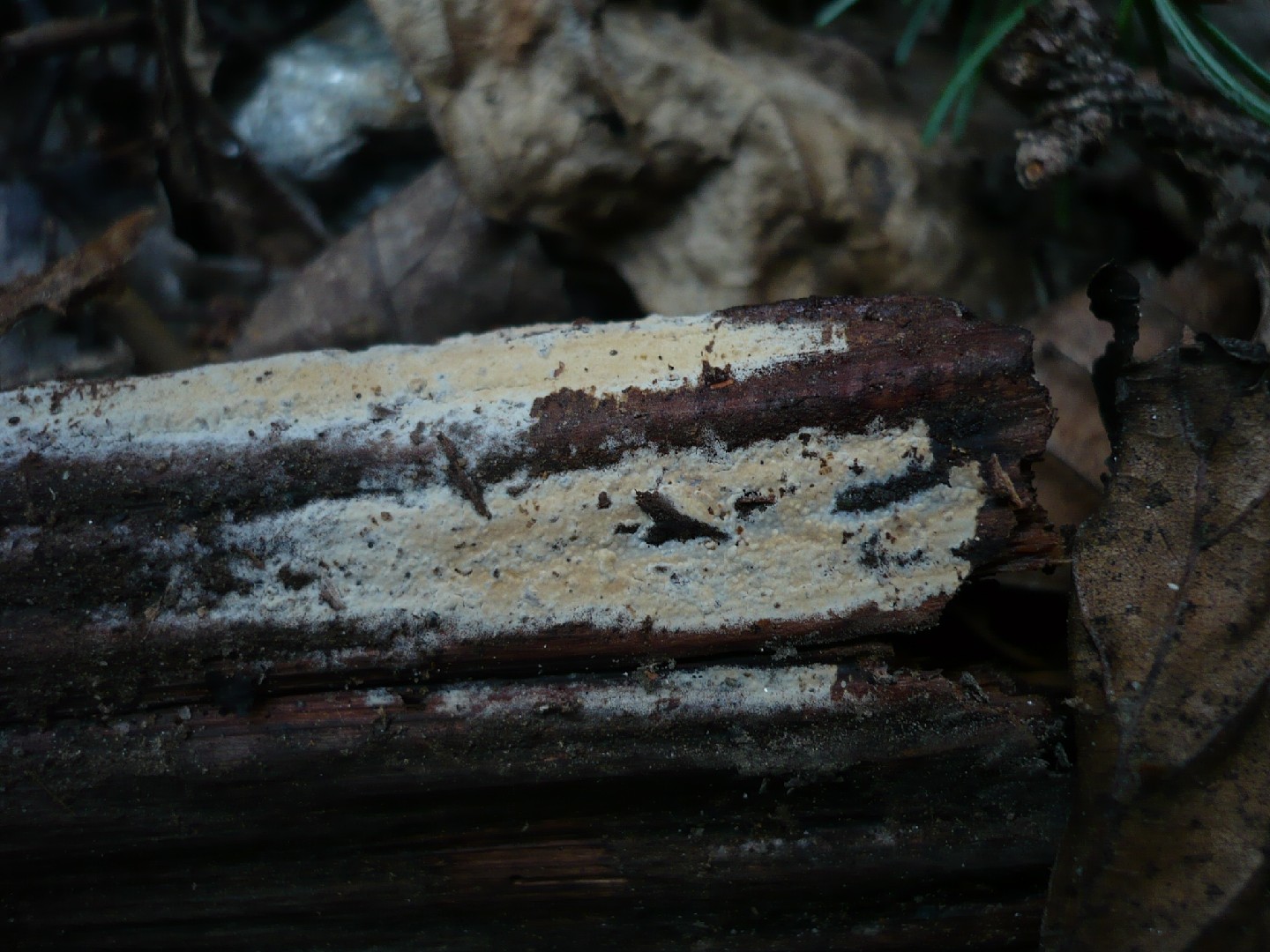
This clustered, overlapping fungus is found all over the world, and is considered native across both the northern and southern hemispheres. Both its common name, hairy curtain crust, and its scientific name, Stereum hirsutum, aptly describe its most obvious features: it is quite tough (stereum) and the younger fruitbodies are notably hairy (hirsutum).
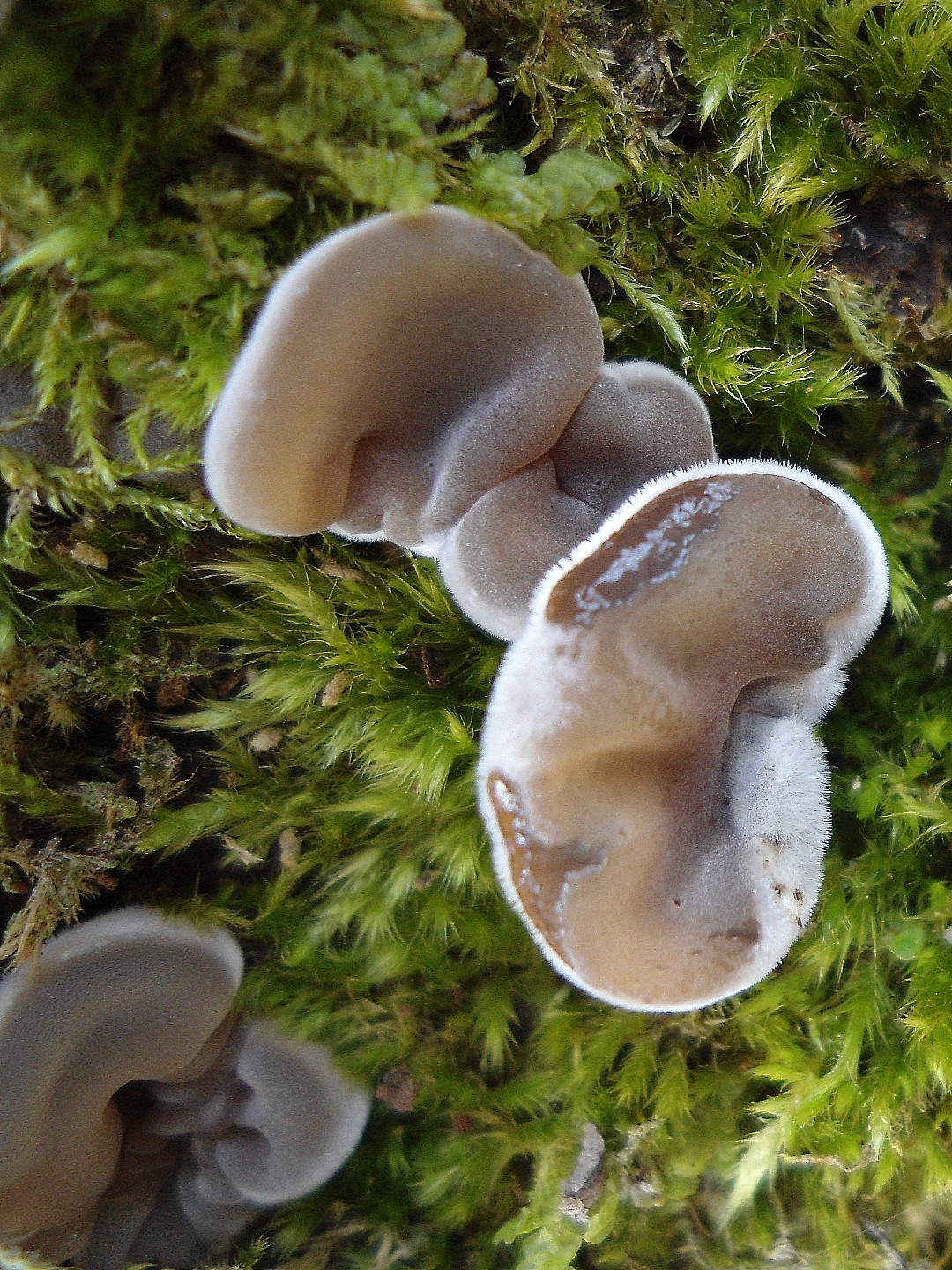
8. Tripe fungus
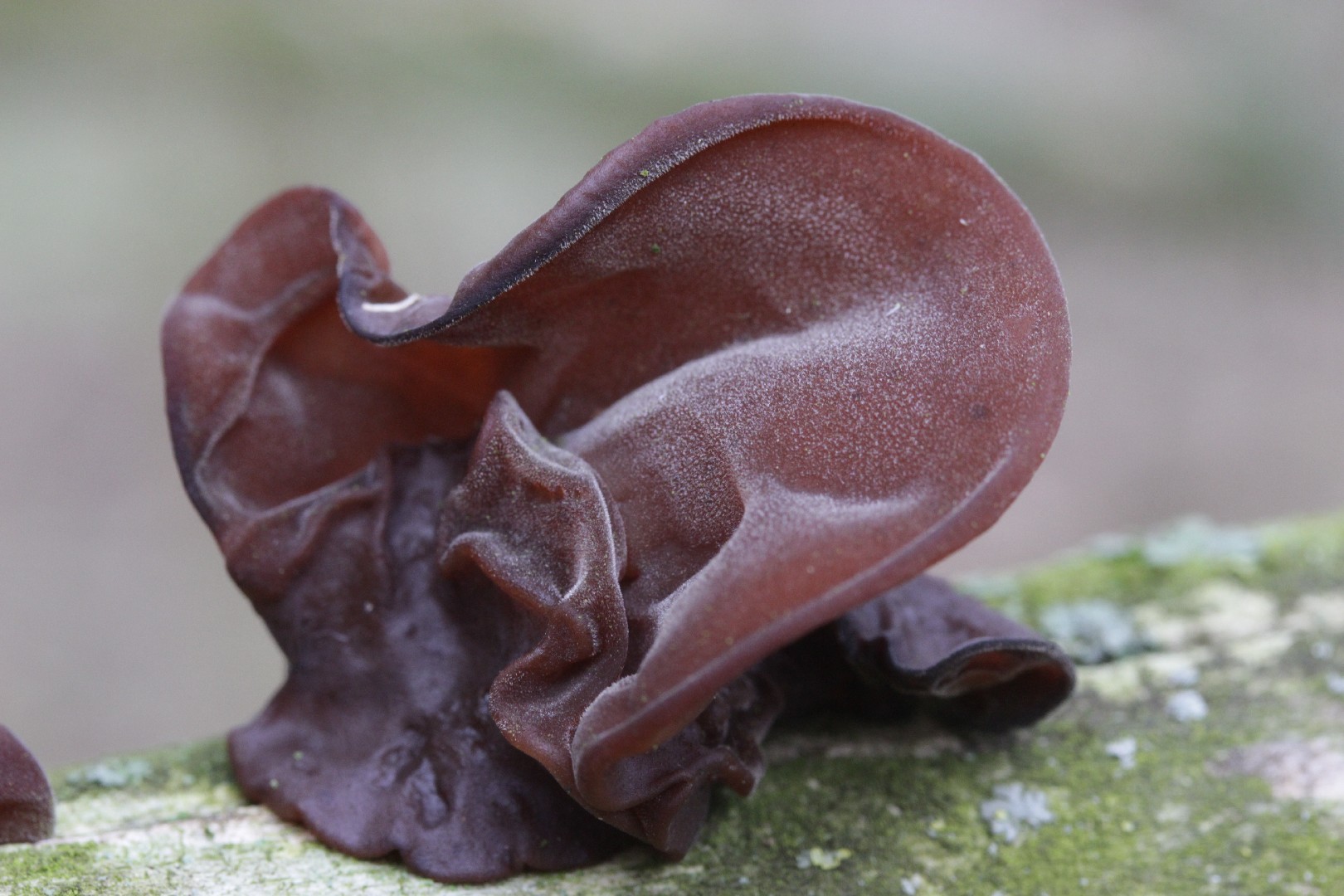
The Gezonte Ohrlappenpilz (Auricularia mesenterica) is a fungus species of Tremellomycetidae from the genus of Ohrlappenpilze (Auricularia).
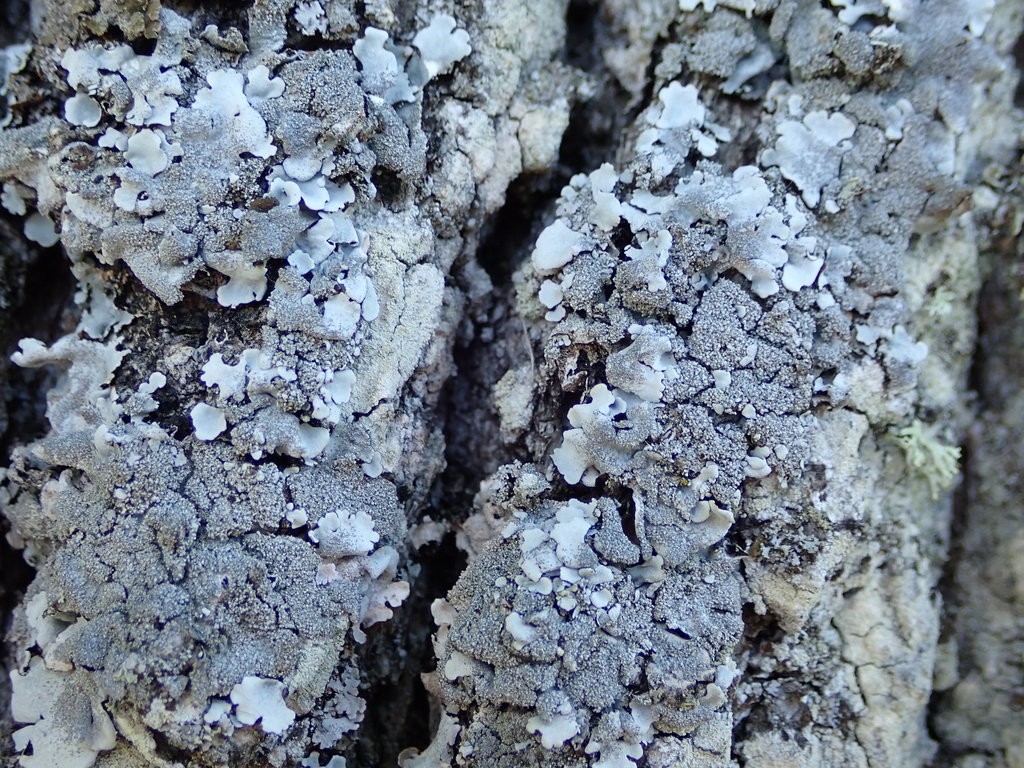
9. Parmelina tiliacea
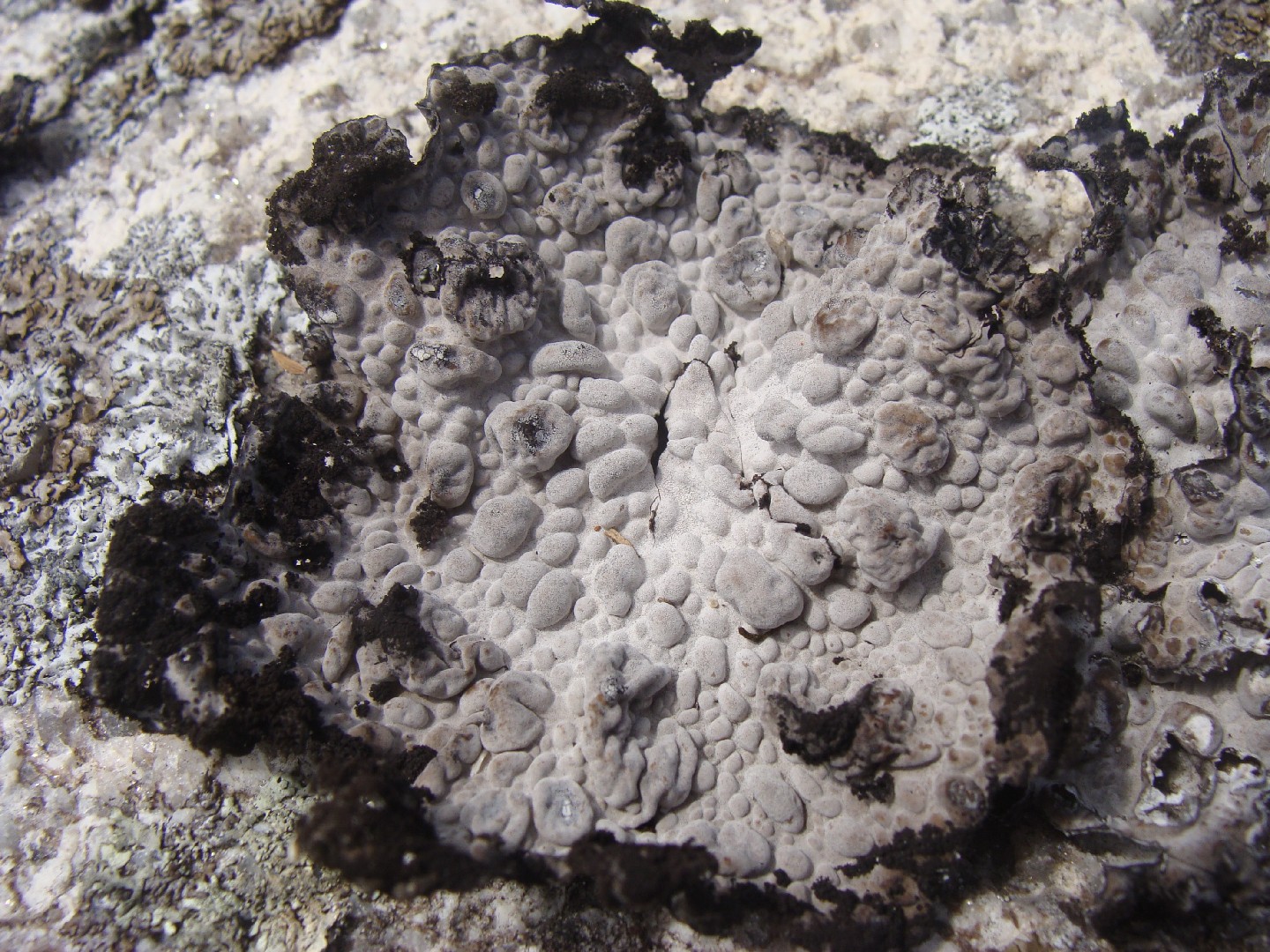
10. Blistered navel lichen
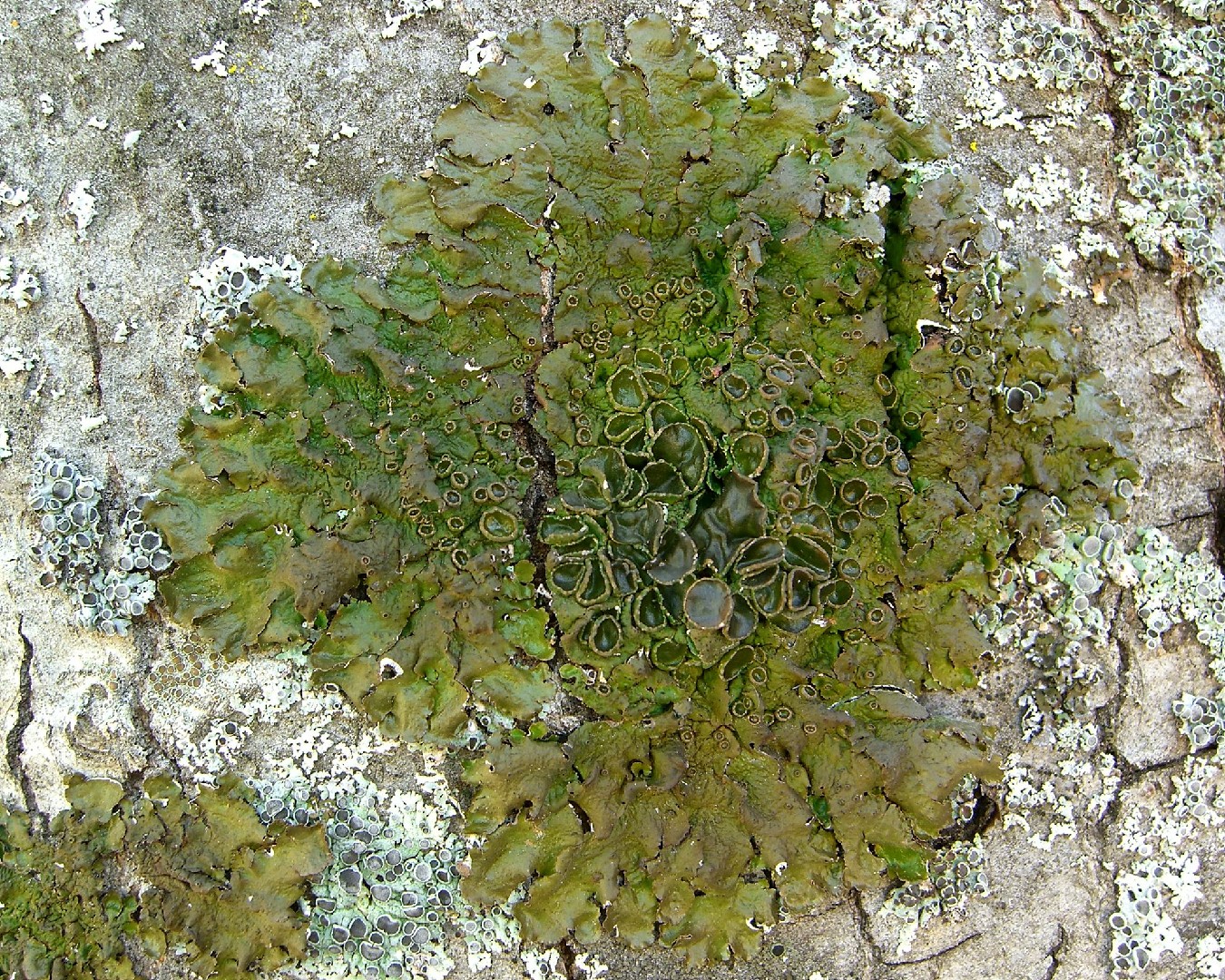
The foliose and umbilical thallus (attached by a single central crampon, the umbilicus), 3-6 (15) cm in diameter, is gray-brown to blackish-brown in dry weather, olive-green when it rained. Its upper surface is covered with convex pustules and bunches of brown-black coral isidia, the central part being covered with a white bloom. The pustules corresponding to propagules: the migration of these pustules from the center to the periphery gives rise to marginal isidies which ensure the vegetative reproduction of the thallus.


More







