




Top 20 Most Common Mushrooms in Zamora
Nestled in lush abundance, Zamora boasts a myriad of top 20 mushroom varieties. This city's diverse microclimates, from damp woodland floors to moss-laden meadows, offer an ideal sanctuary for fungi to flourish. Zamora's fertile environment gifts us an unparalleled diversity in mushroom species, each gracing the undergrowth with their unique aesthetics and beneficial qualities. Delve into the fascinating world of 20 leading mushrooms in Zamora.

Most Common Mushrooms
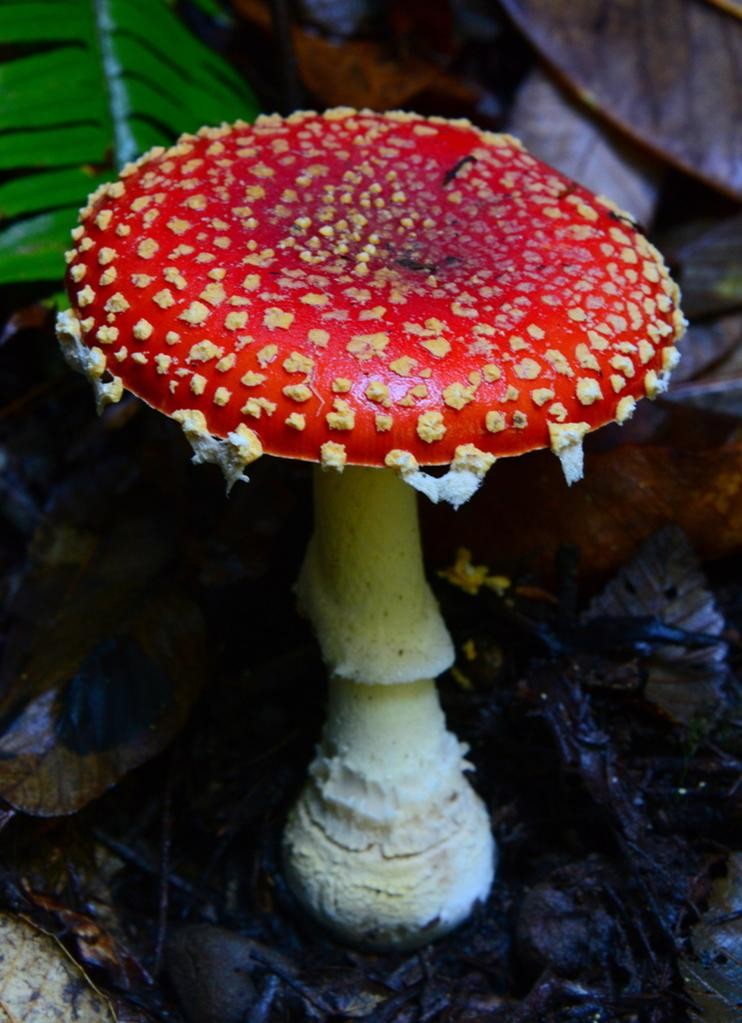
1. Fly agaric
In Northern Asia and Europe, fly agaric grows under trees near the winter solstice and is collected for ritual use tied to the season. Its characteristic shape and coloring are still ubiquitous in many European fairy tale illustrations and Christmas traditions. It is highly toxic.
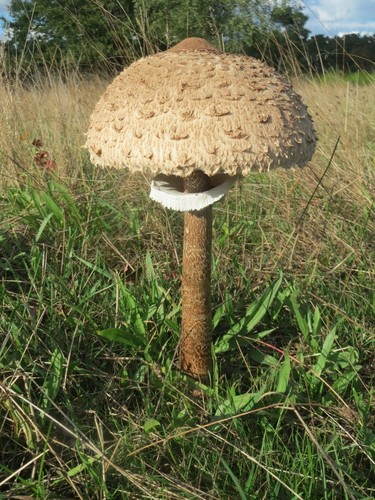
2. Parasol
Found in clearings and grassy areas in late summer, the wild parasol mushroom has a snakeskin-patterned stem. The brown spots on its cap make it look a bit shaggy, but that name is reserved for its poisonous counterpart, the Shaggy Parasol (Chlorophyllum rhacodes). You can distinguish the two by the stems: the latter has a smooth stem and red flesh inside.
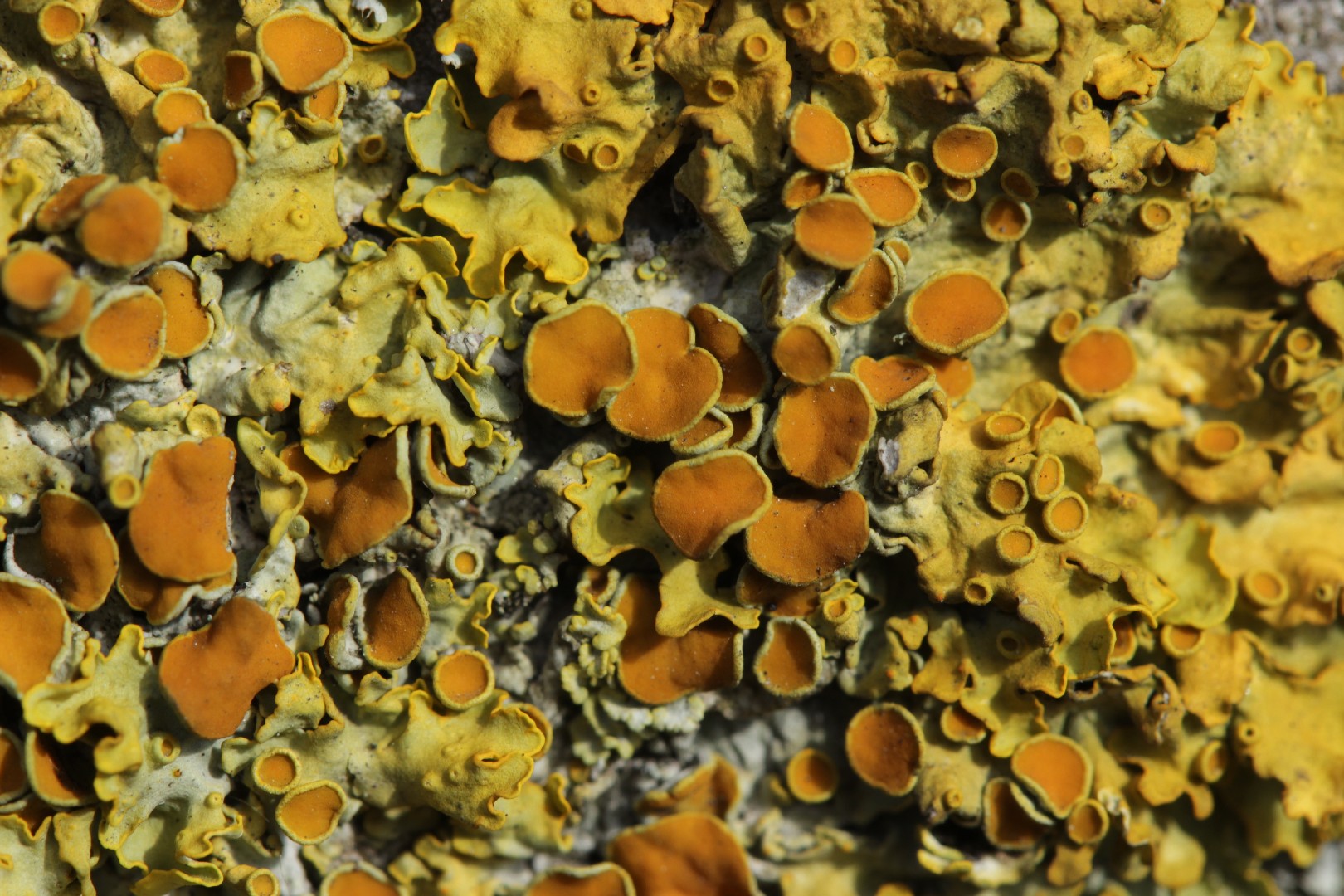
3. Common orange lichen
Common orange lichen was selected in 2006 by the United States Department of Energy as a model for genomic sequencing. Its widespread dispersal and bright yellow-orange color give the lichen its common name. It is primarily found growing on rocks, walls, and tree bark.
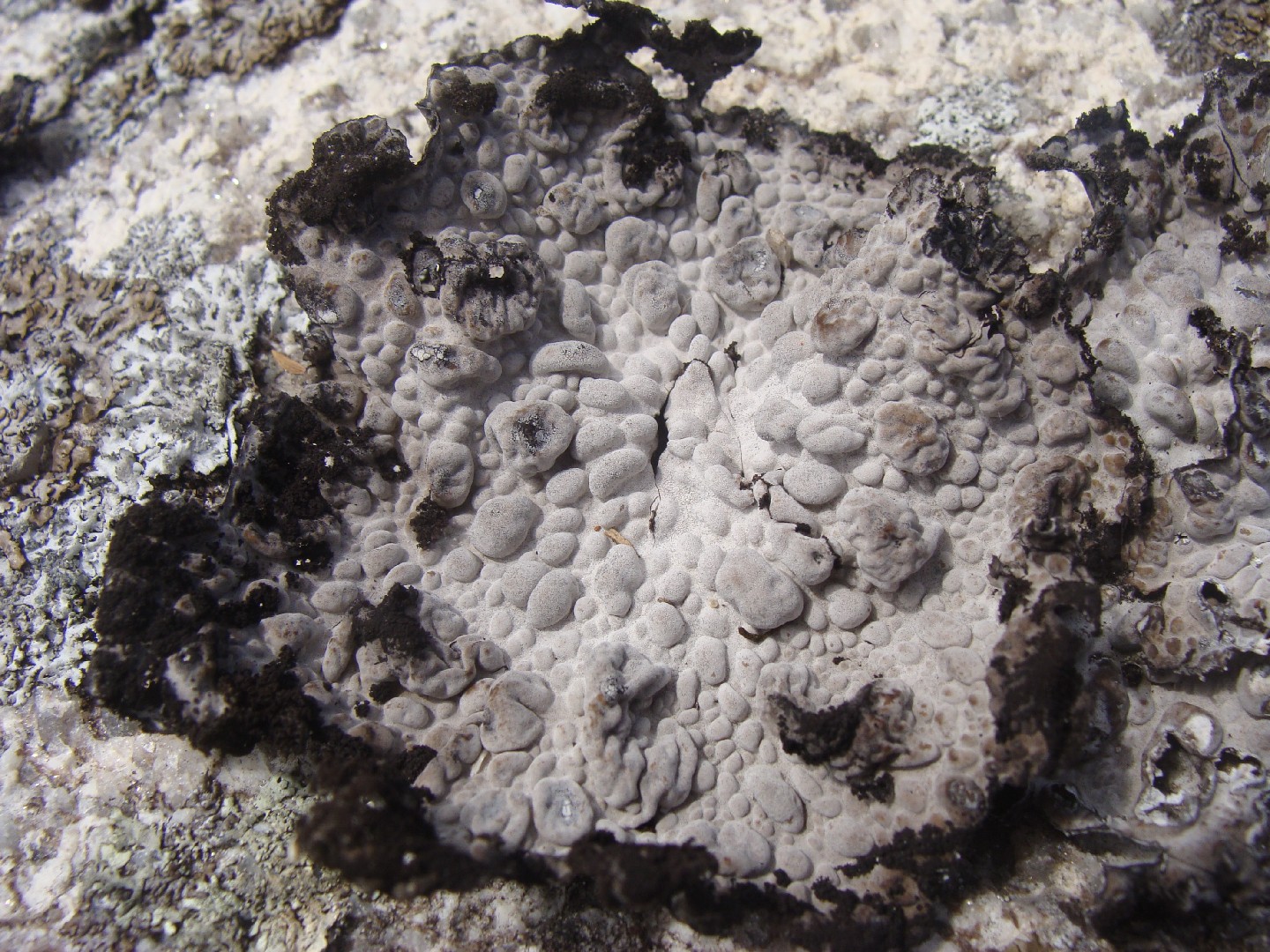
4. Blistered navel lichen
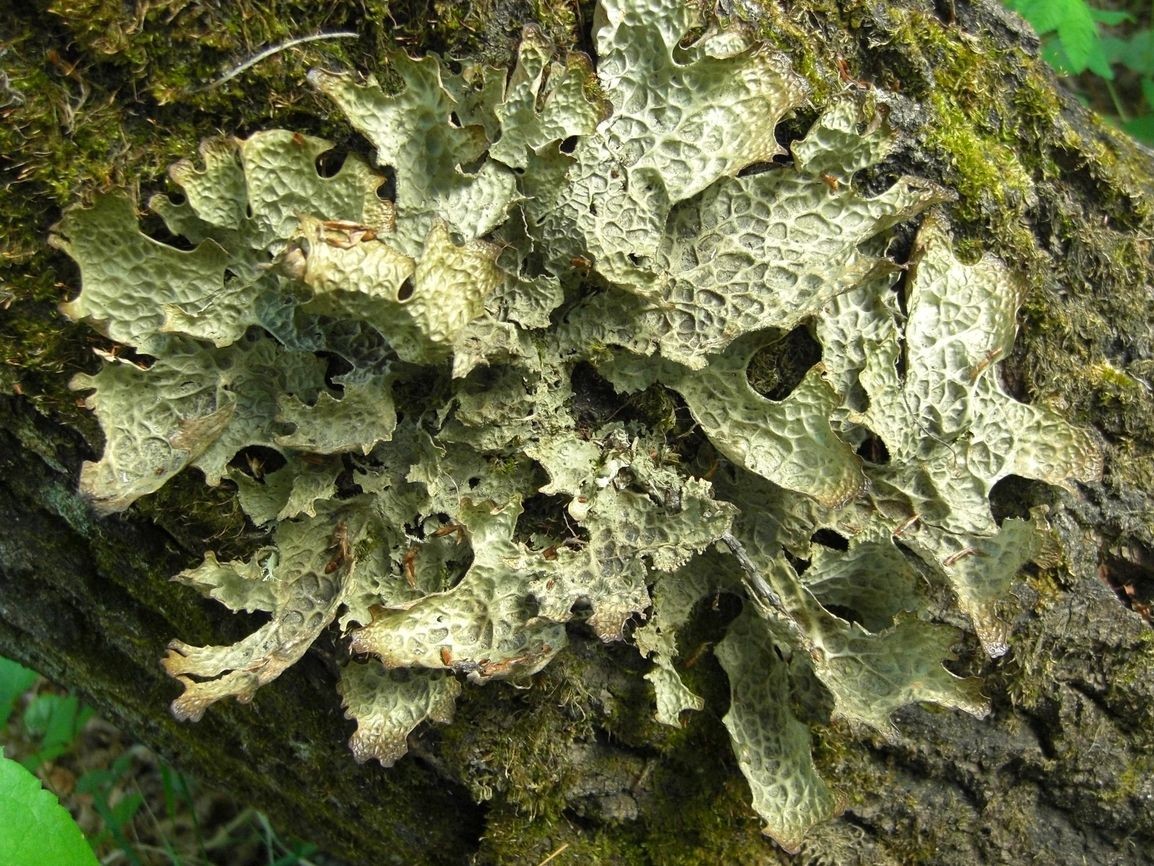
The foliose and umbilical thallus (attached by a single central crampon, the umbilicus), 3-6 (15) cm in diameter, is gray-brown to blackish-brown in dry weather, olive-green when it rained. Its upper surface is covered with convex pustules and bunches of brown-black coral isidia, the central part being covered with a white bloom. The pustules corresponding to propagules: the migration of these pustules from the center to the periphery gives rise to marginal isidies which ensure the vegetative reproduction of the thallus.
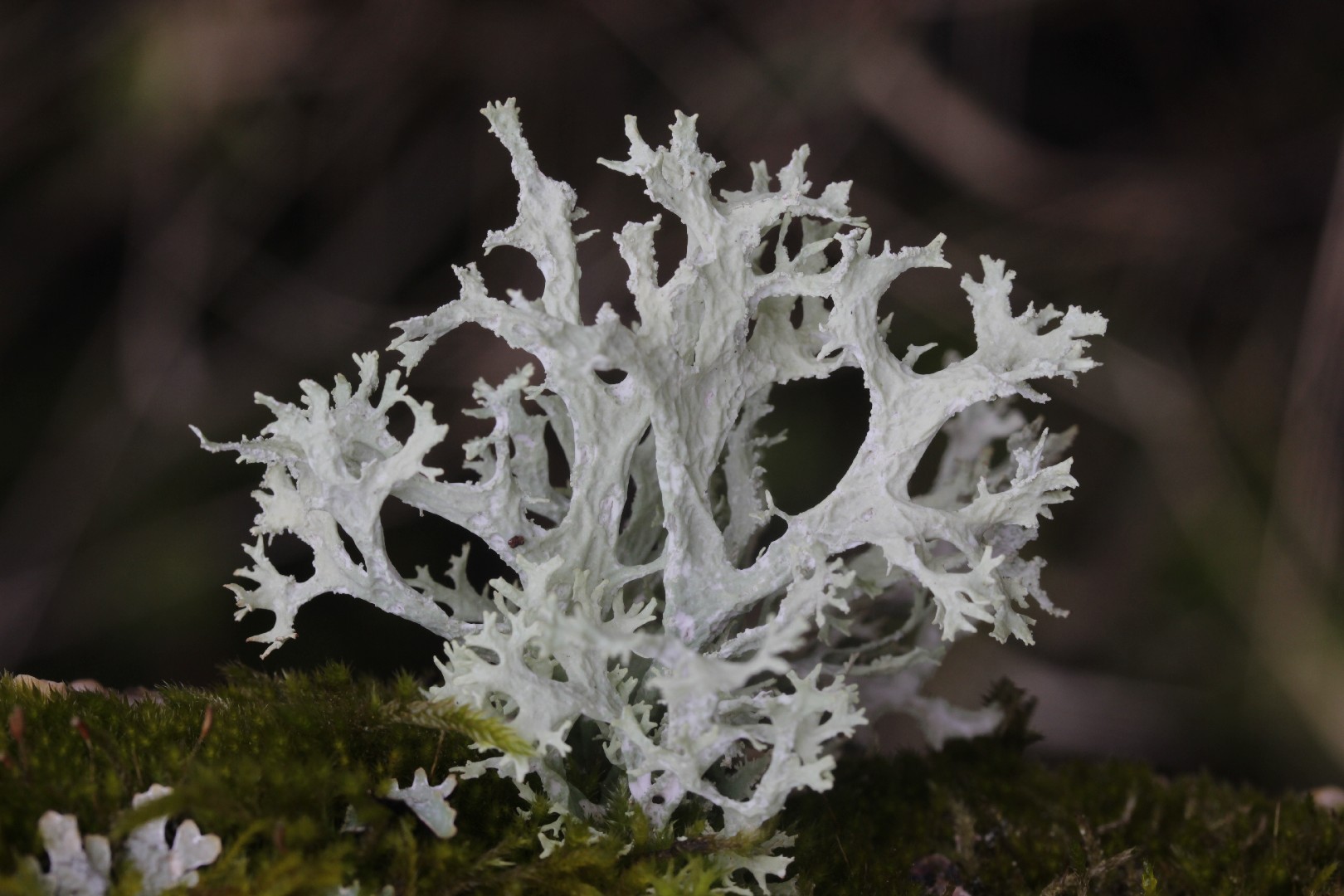
5. Oakmoss
Evernia prunastri grows shrubby on trees. The yellow-green lichen grows up to 10 cm. It consists of up to five millimeters wide shrubby branched bands with a light underside. At the edges of these open dusty (Sorale). Apothecias (with shiny brown disc) are rarely formed.
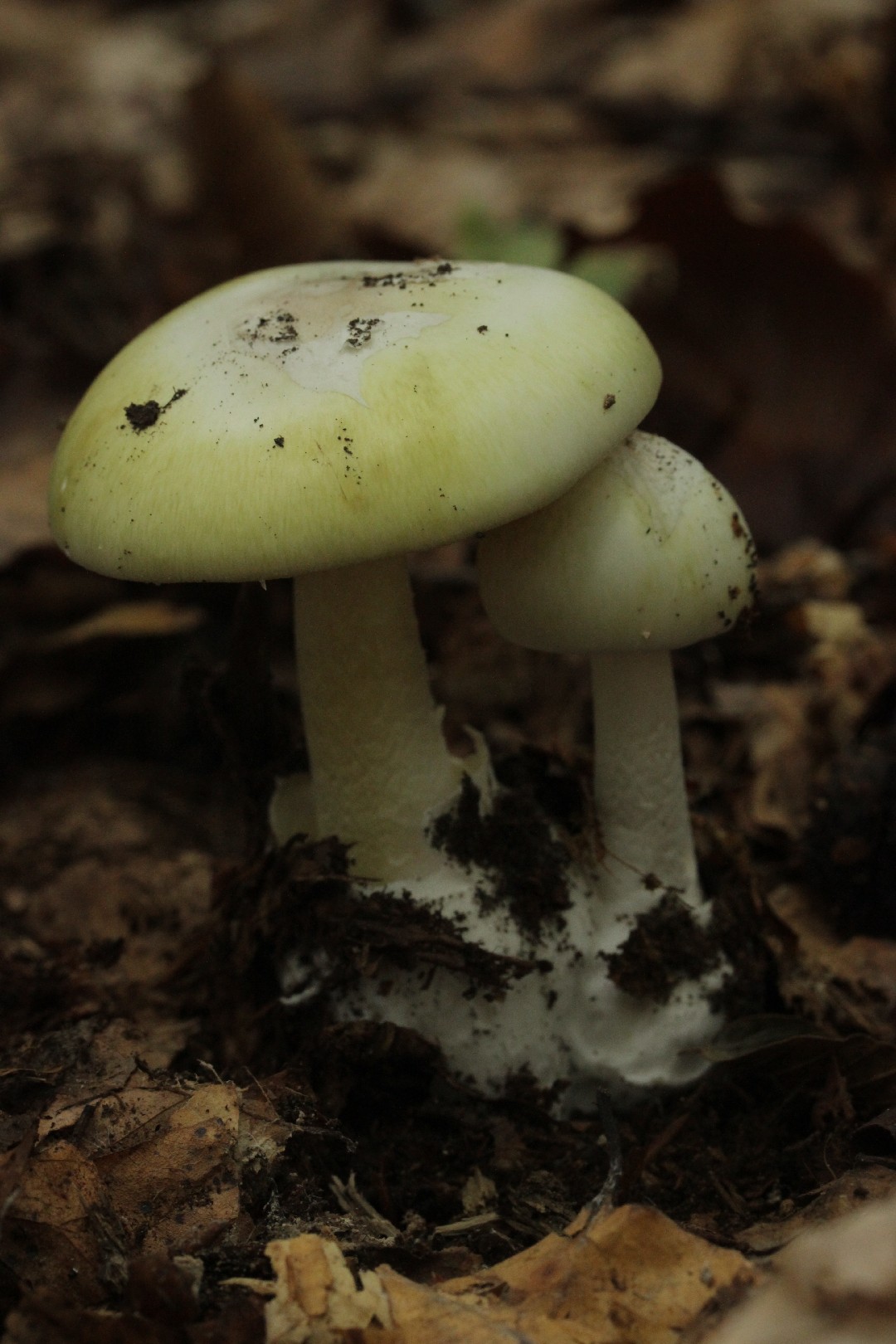
6. Death cap
The death cap is responsible for most of the mushroom-related fatalities around the world. Its toxin damages the liver and kidneys, creating symptoms that require hospitalization within hours of ingestion. It looks similar to many other mushrooms at varying stages of its development and has been used in assassinations since the days of the ancient Greeks.
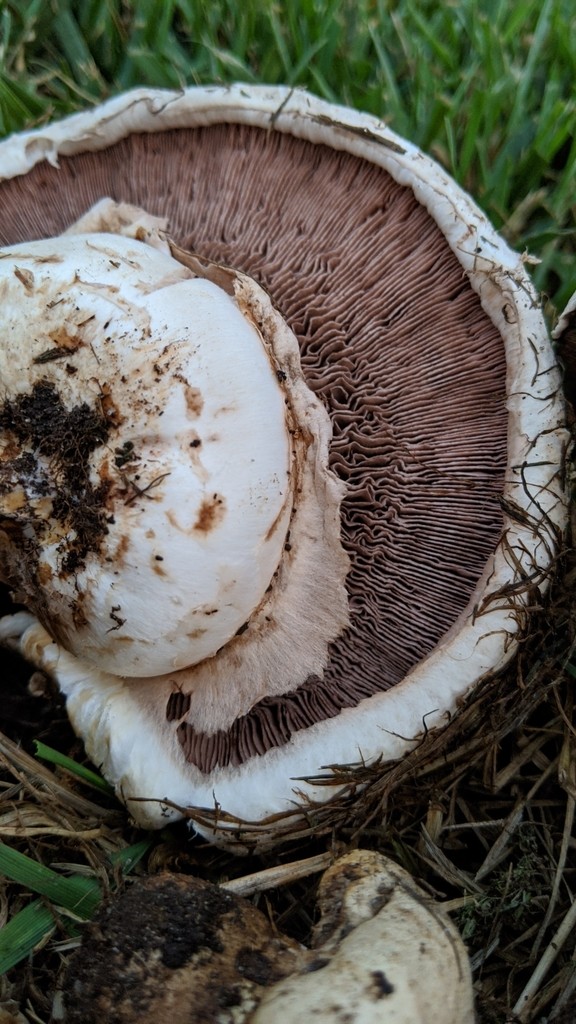
7. Coastal mushroom
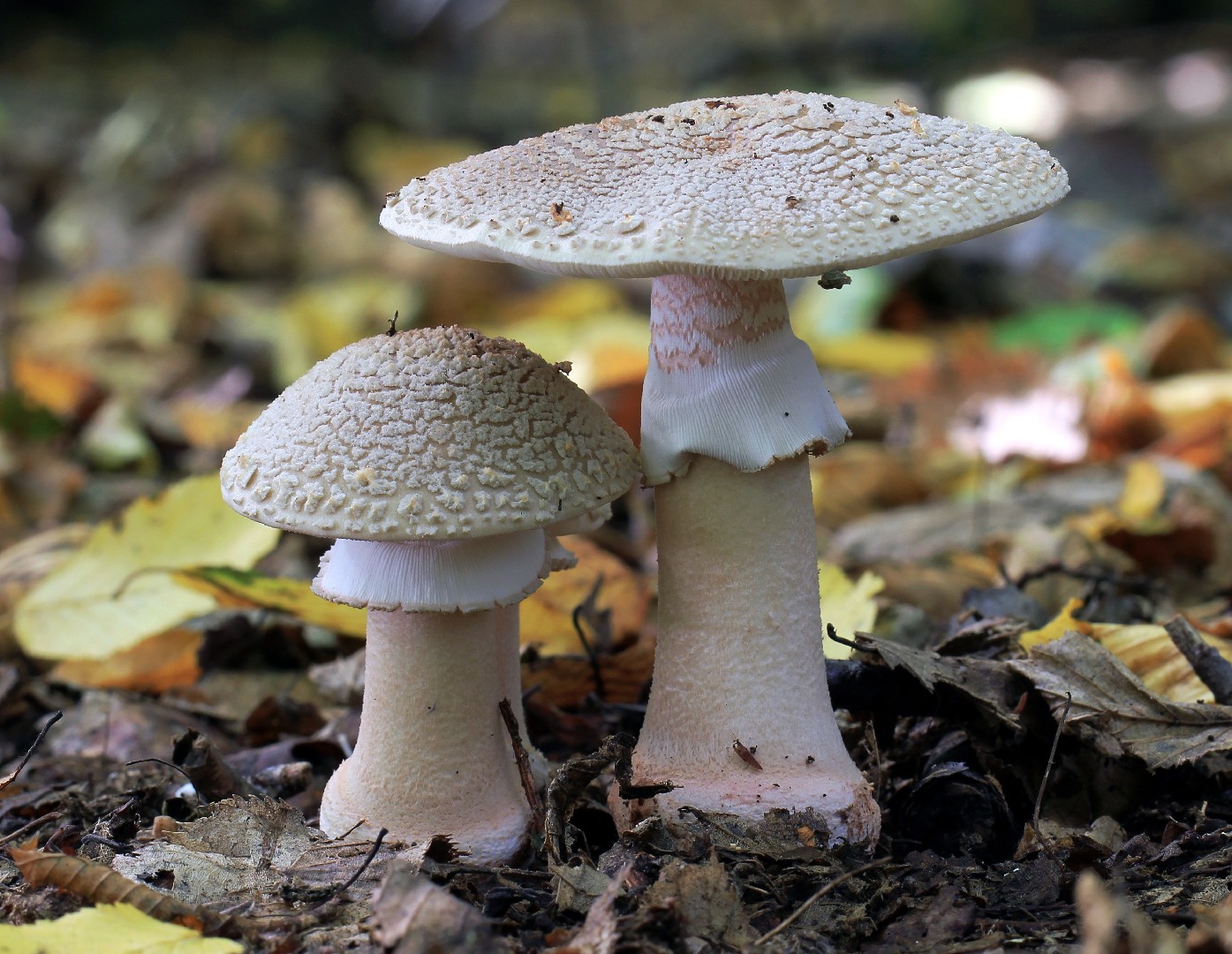
A. litoralis is a white or grey-white mushroom with a compact cap that may reach a width of up to 12 centimetres (4.7 in). The cap is often depressed when older and rests of the annulus may occur on the outer rim. While rose-coloured at a young age, the gills become dark brown as the mushroom grows older. The stem is 5–6 centimetres (2.0–2.4 in) tall and 1.5–2 centimetres (0.59–0.79 in) wide. It is often remarkably shorter than the cap is wide. The spores are dark brown and egg-shaped. The mushroom is saprotrophic, i.e. it feeds on decaying matter. It prefers herbaceous dry grasslands, heaths and steppe. 
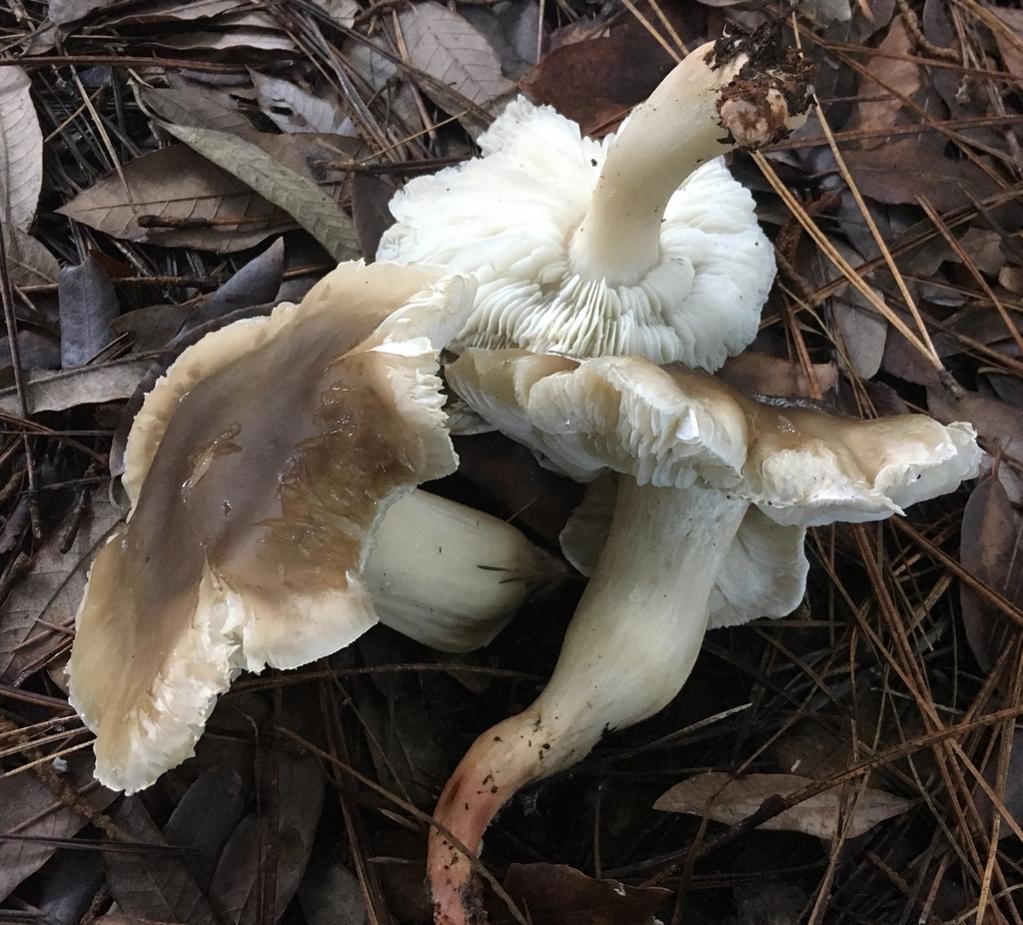
8. Soapy knight
The main distinguishing feature of the soapy knight (Tricholoma saponaceum) is its immediately apparent smell – the same as unperfumed soap. As the color of this mushroom may vary all the way from white to black on the surface of the caps, this distinctive sign is a real boon for identification. The unappetizing smell may be a warning, as this common mushroom is regarded as poisonous.
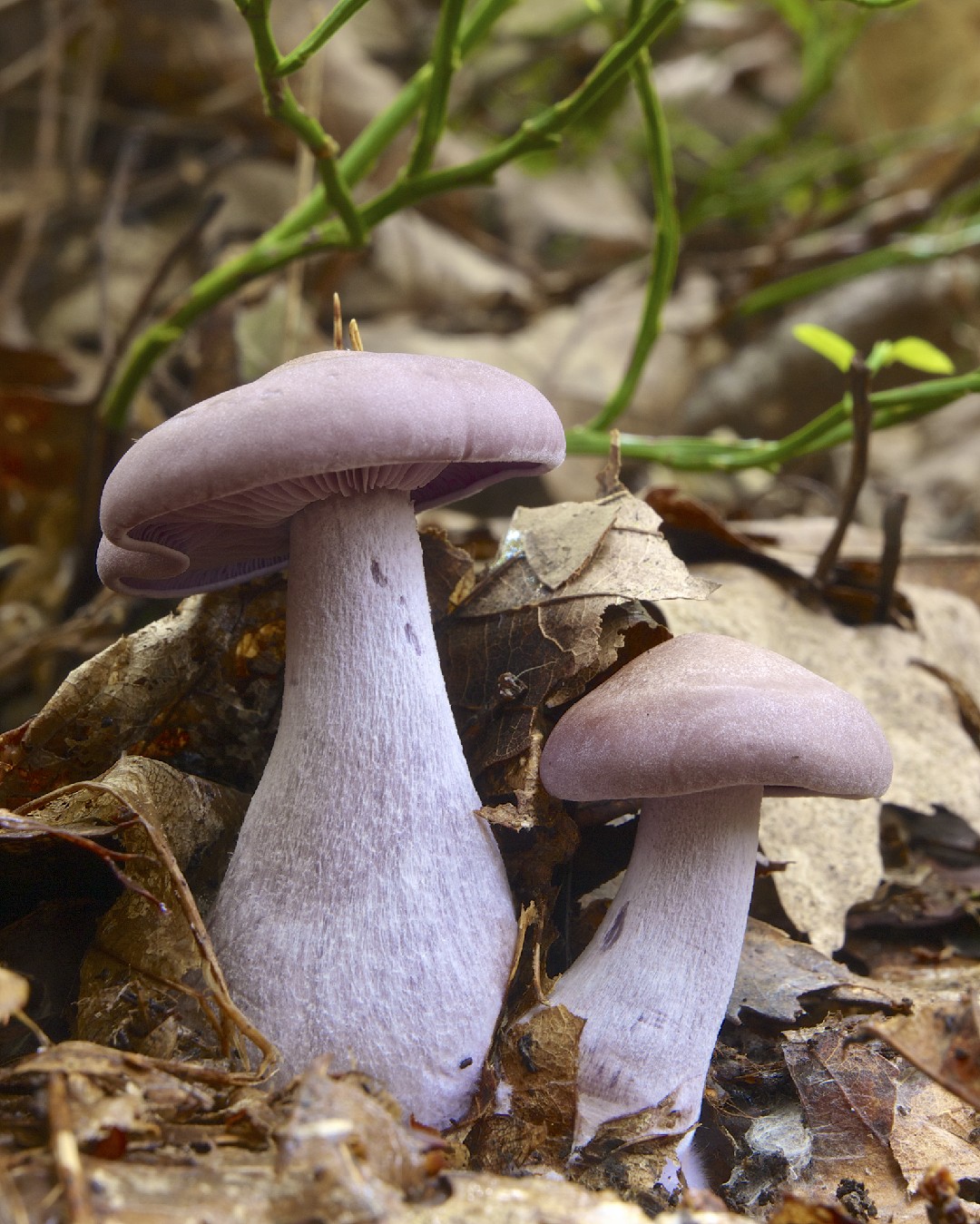
9. Blewit
The blewit mushroom grows in fallen leaves in autumn and winter, sometimes appearing in ‘fairy ring’ circles. It can be used to make a green dye when chopped and boiled in an iron pot. The scientific name, Lepista nuda, derives from Latin words meaning “bare goblet,” a reference to the shape and texture of the mushroom.
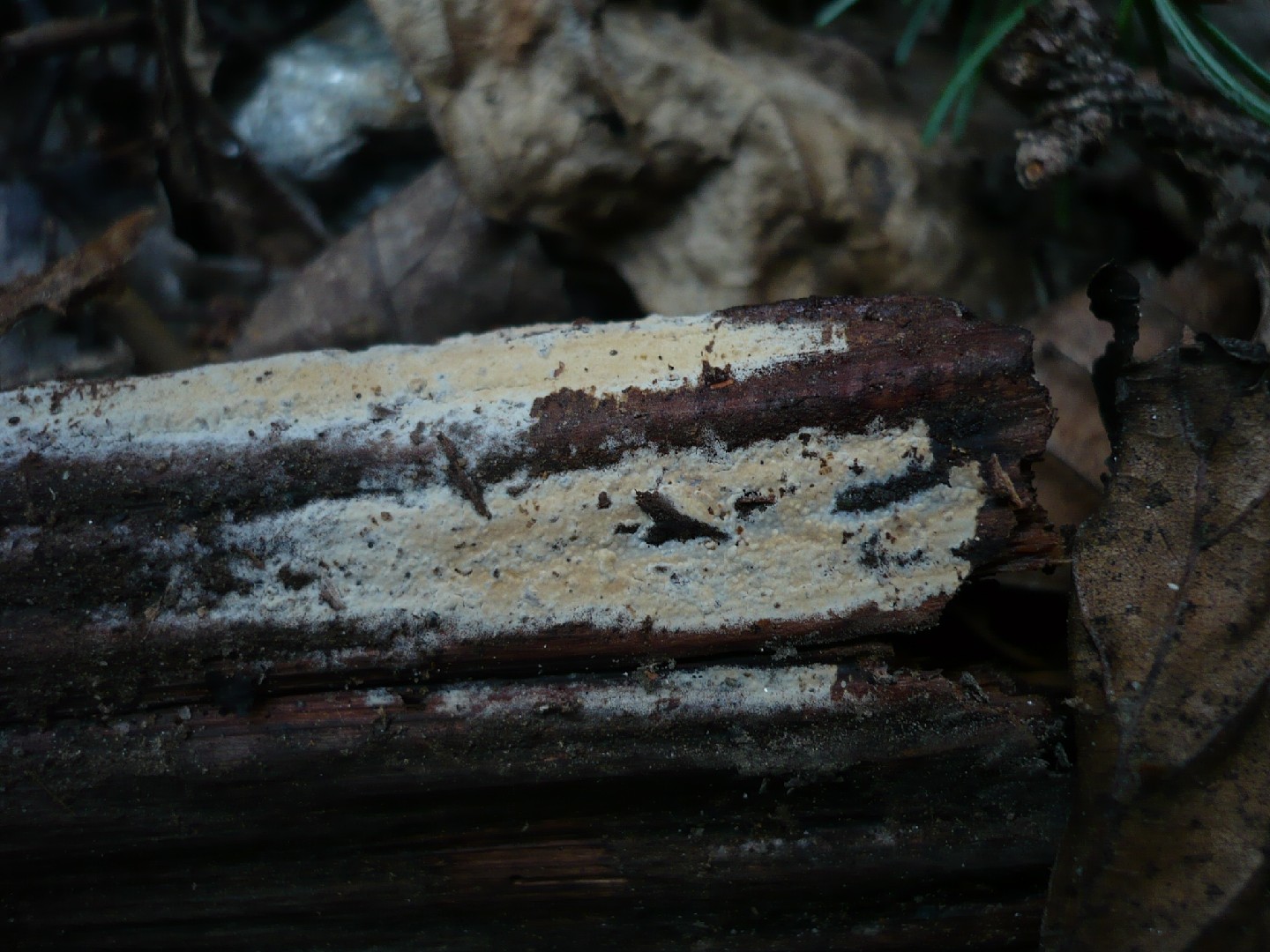
10. Peniophorella praetermissa
More







