




Top 20 Most Common Mushrooms in Malaga
Nested in the vibrant landscapes of Malaga, myriad mushroom species prosper, thanks to the city's unique climate and terrain. This fertile environment hosts an array of the 20 most common mushrooms, each with incredible diversity and distinct characteristics. These thriving woodland gems contribute significantly to Malaga's rich biodiversity, impeccably showcasing the flavors and richness of its natural landscapes. In this carefully curated guide, delve deeper into the enchanting world of Malaga's favorite fungi.

Most Common Mushrooms
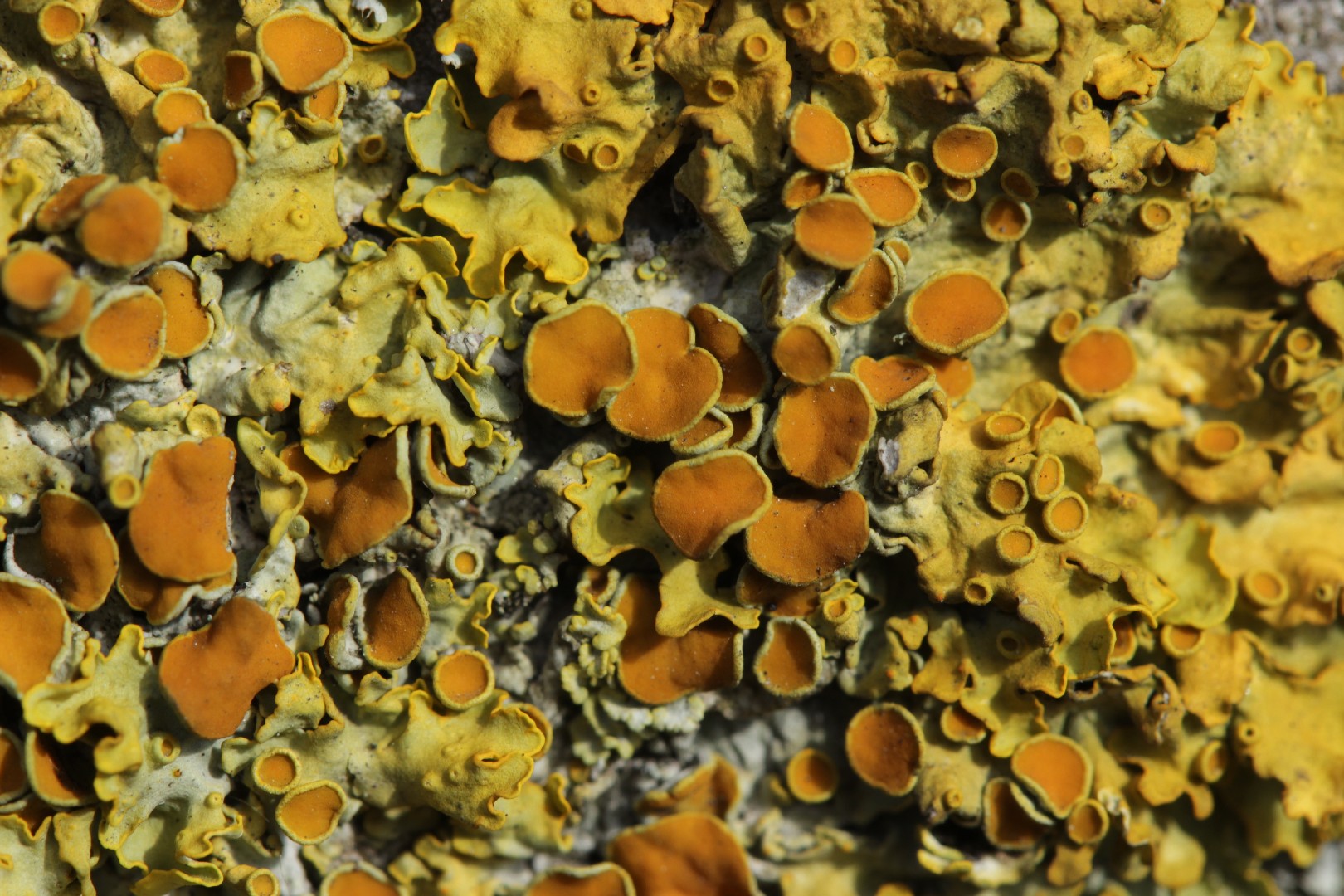
1. Common orange lichen
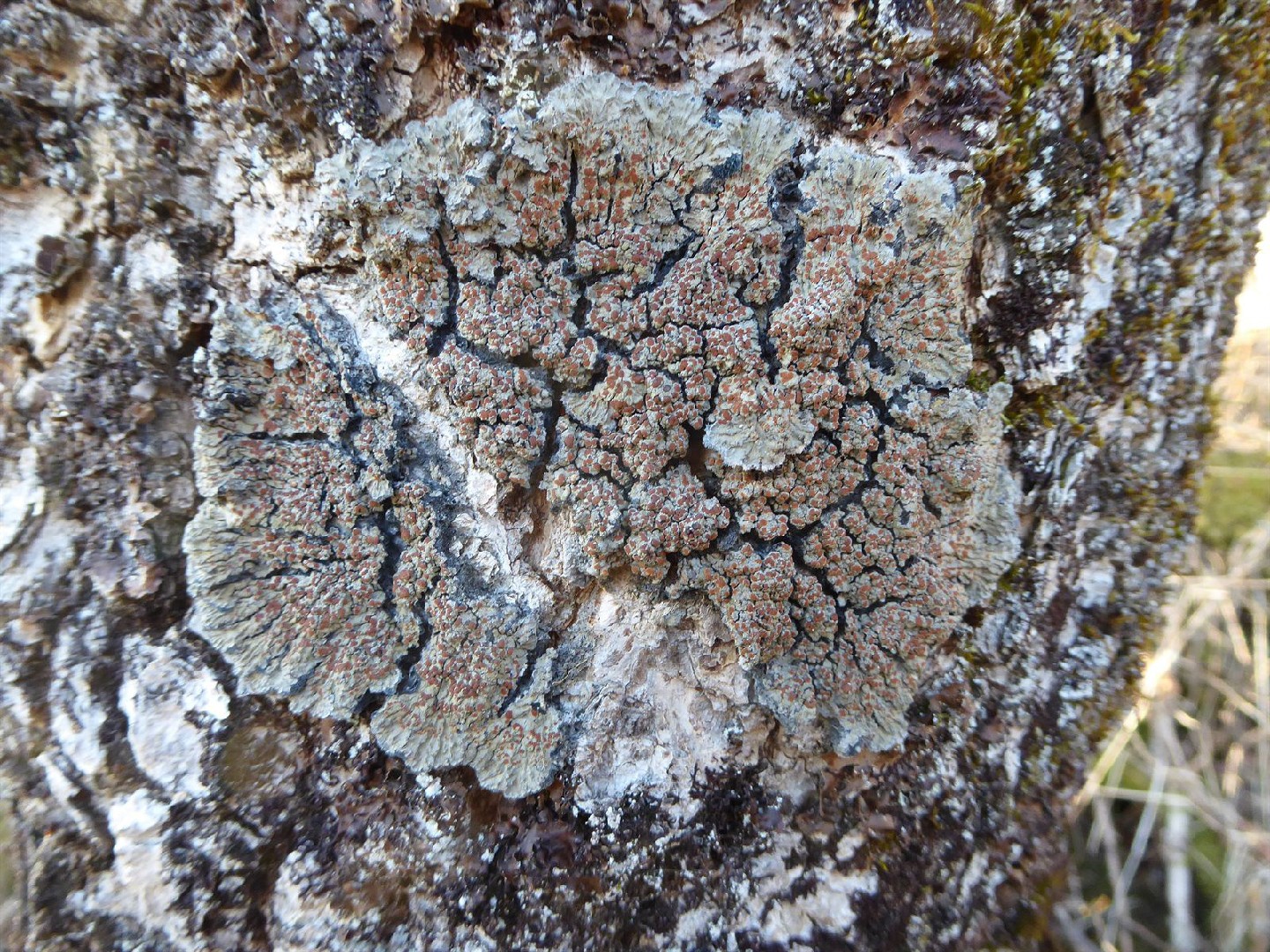
Common orange lichen was selected in 2006 by the United States Department of Energy as a model for genomic sequencing. Its widespread dispersal and bright yellow-orange color give the lichen its common name. It is primarily found growing on rocks, walls, and tree bark.
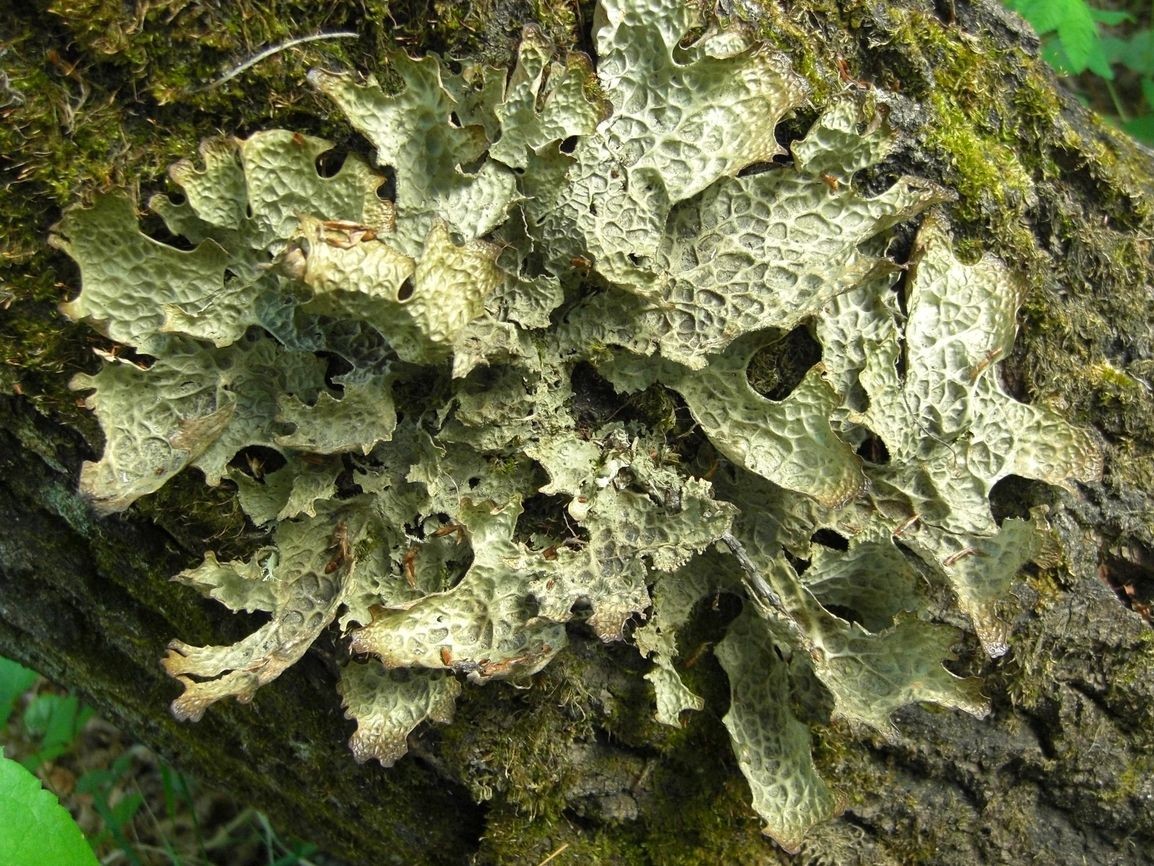
2. Tree lungwort
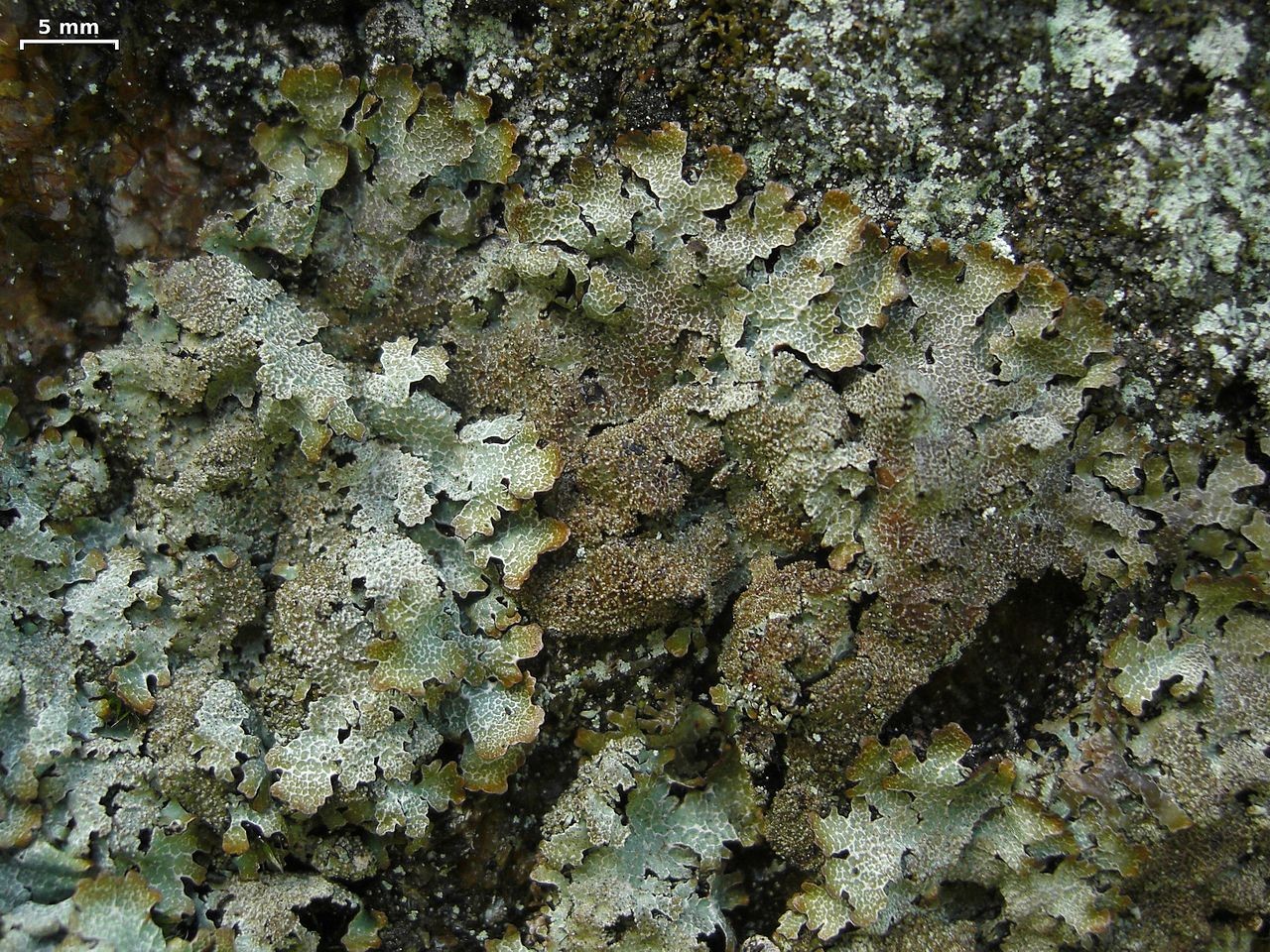
Tree lungwort is a green lichen that can be found in humid areas of North America, Europe, and Asia. It grows regularly on trees, rocks, and in urban areas rich with moss. It can be used as a dye. Animals may consume tree lungwort or use it as nesting material.
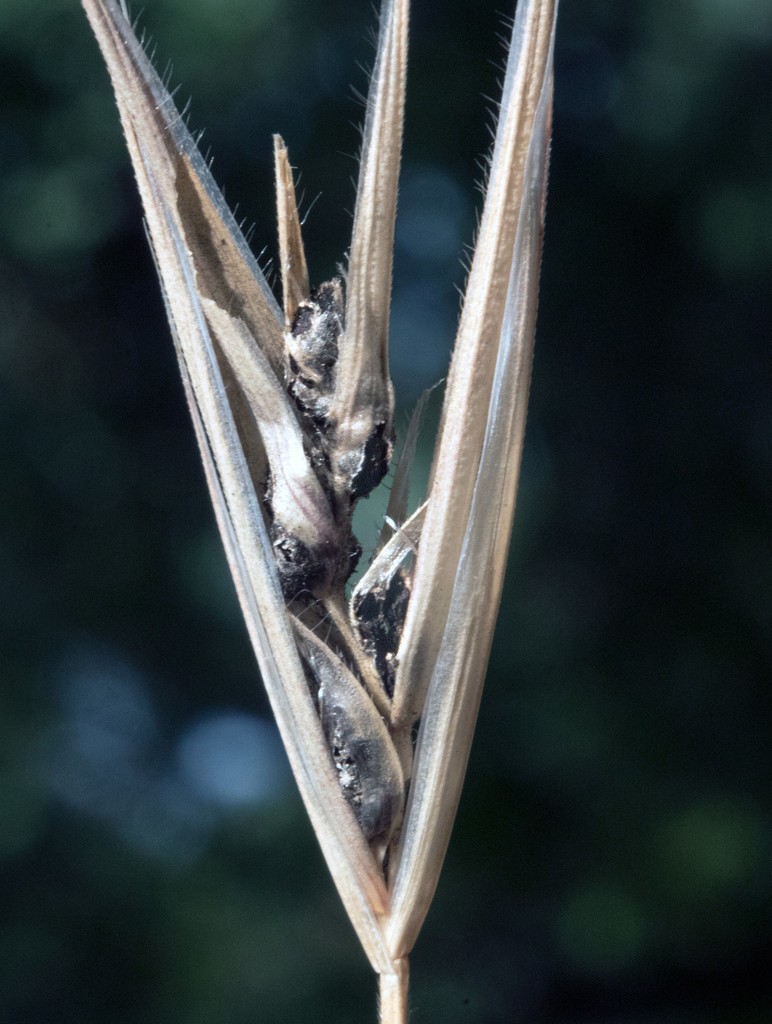
3. Brome smut fungus
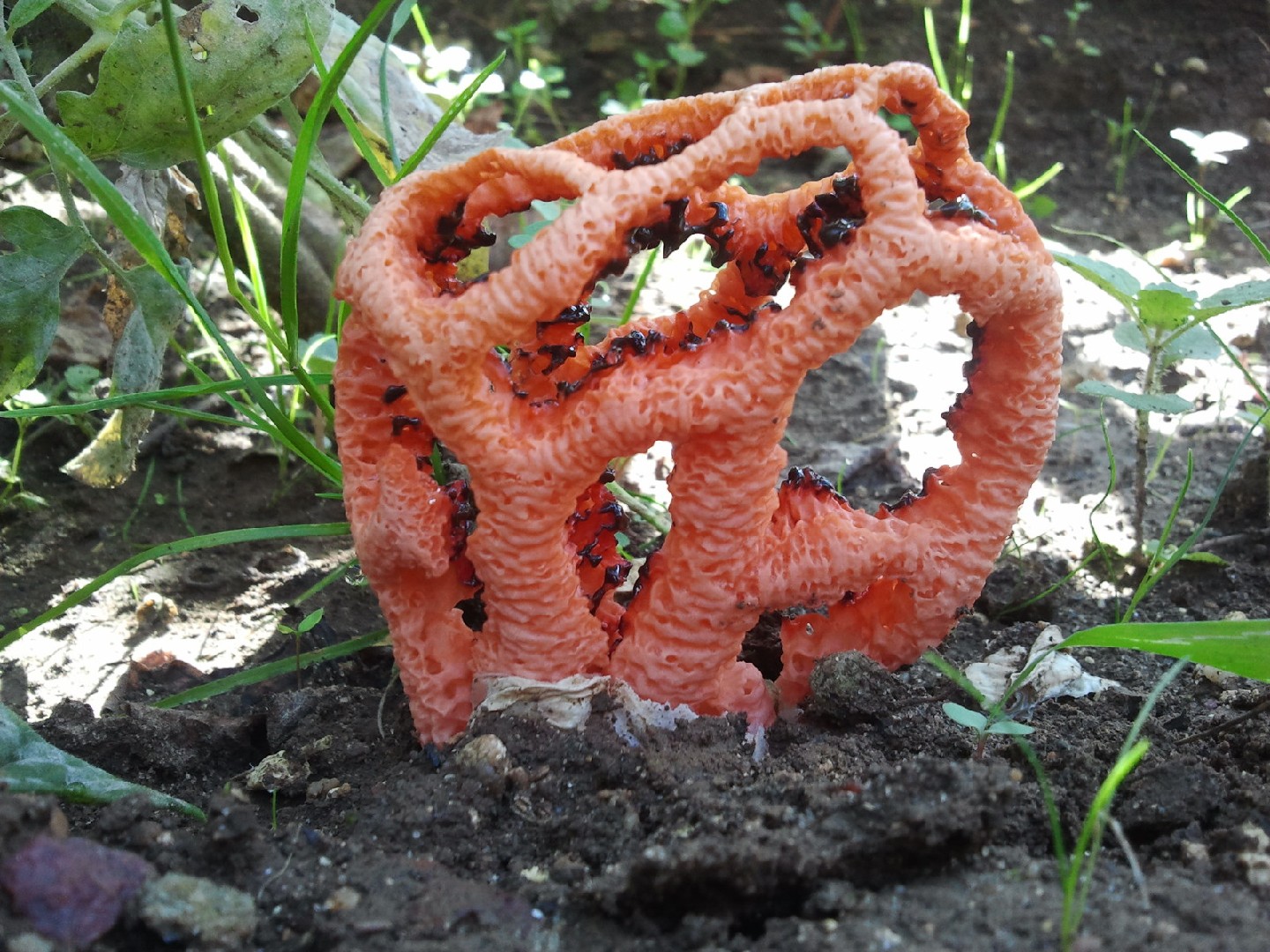
4. Red cage
The red cage is a highly distinctive mushroom with a wild shape, even for a stinkhorn. Its fruitbody grows as a hollow, latticed structure, usually red or pinkish in color, that gives it the appearance of a rubber or plastic children's toy. A true stinkhorn, this species secretes a pungent-smelling slime that attracts flies - but repels humans!
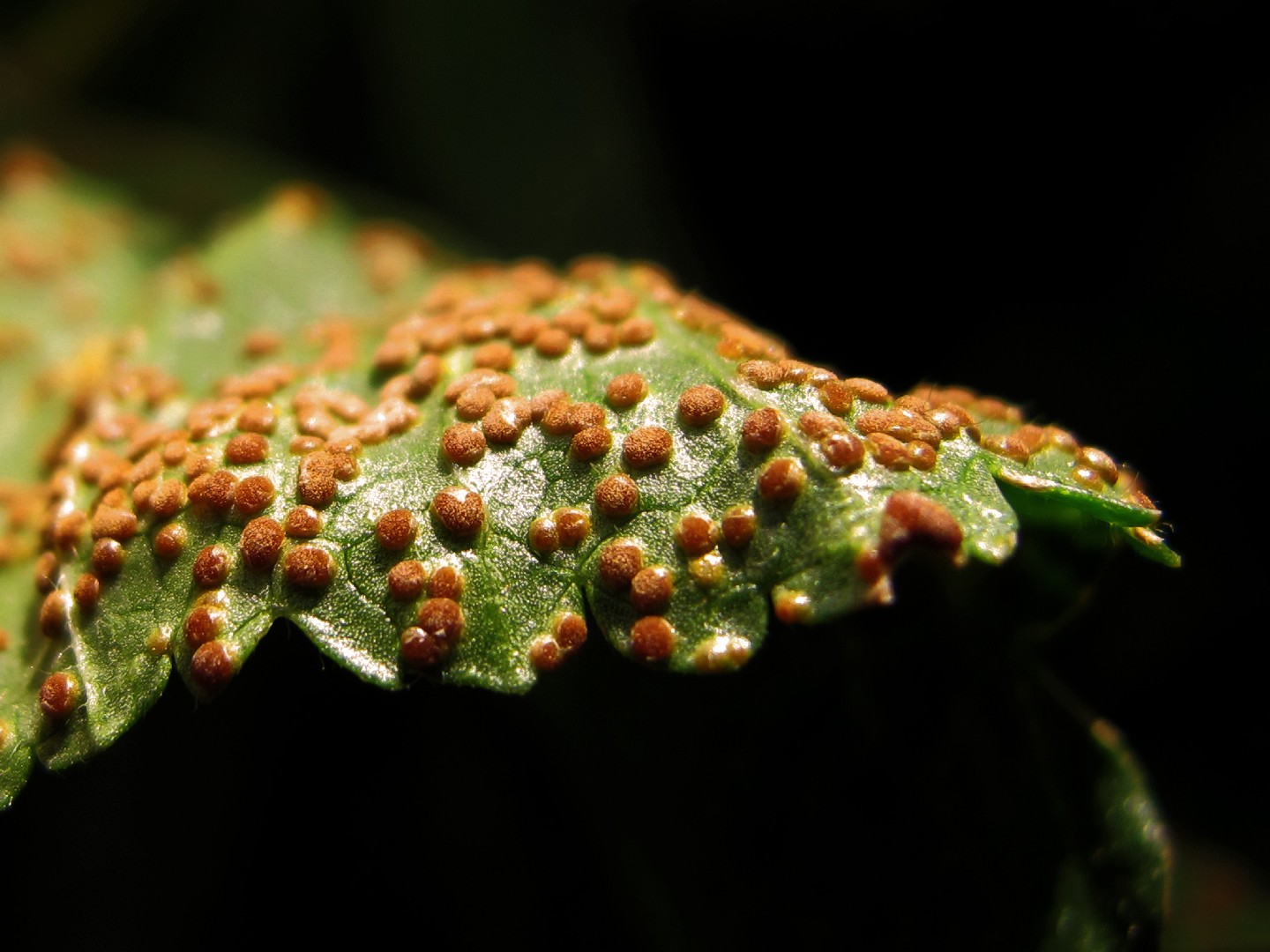
5. Hollyhock rust
Hollyhock rust (Puccinia malvacearum) is a parasitic fungus that produces a rust disease on the foliage of host plants such as hollyhocks and mallows. Hollyhock rust grows on the leaves, creating small brown spots on the undersides, then bright yellow or orange pustules on the tops. A severe infection can impair photosynthesis in the host plant. Its spores spread on the wind.
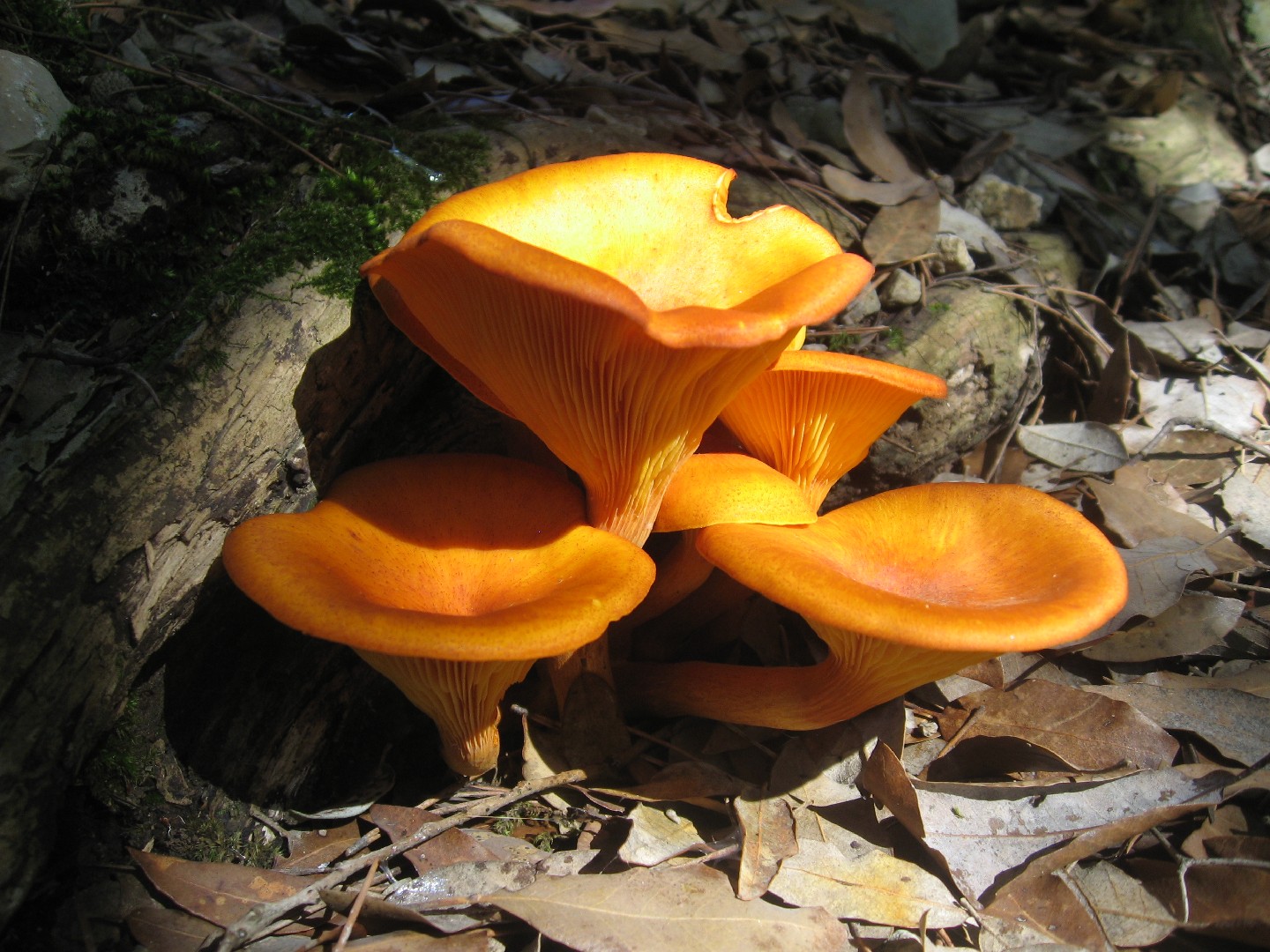
6. Jack-o'-lantern
The jack-o'-lantern (Omphalotus olearius) lives up to its nickname in more ways than one. Not only are the caps often large, round, and as orange as pumpkins, but at night these mushrooms even glow. In the darkness, their bioluminescent gills can be seen emitting a spooky green light. In fitting with the scary theme, this fungus is also extremely poisonous.
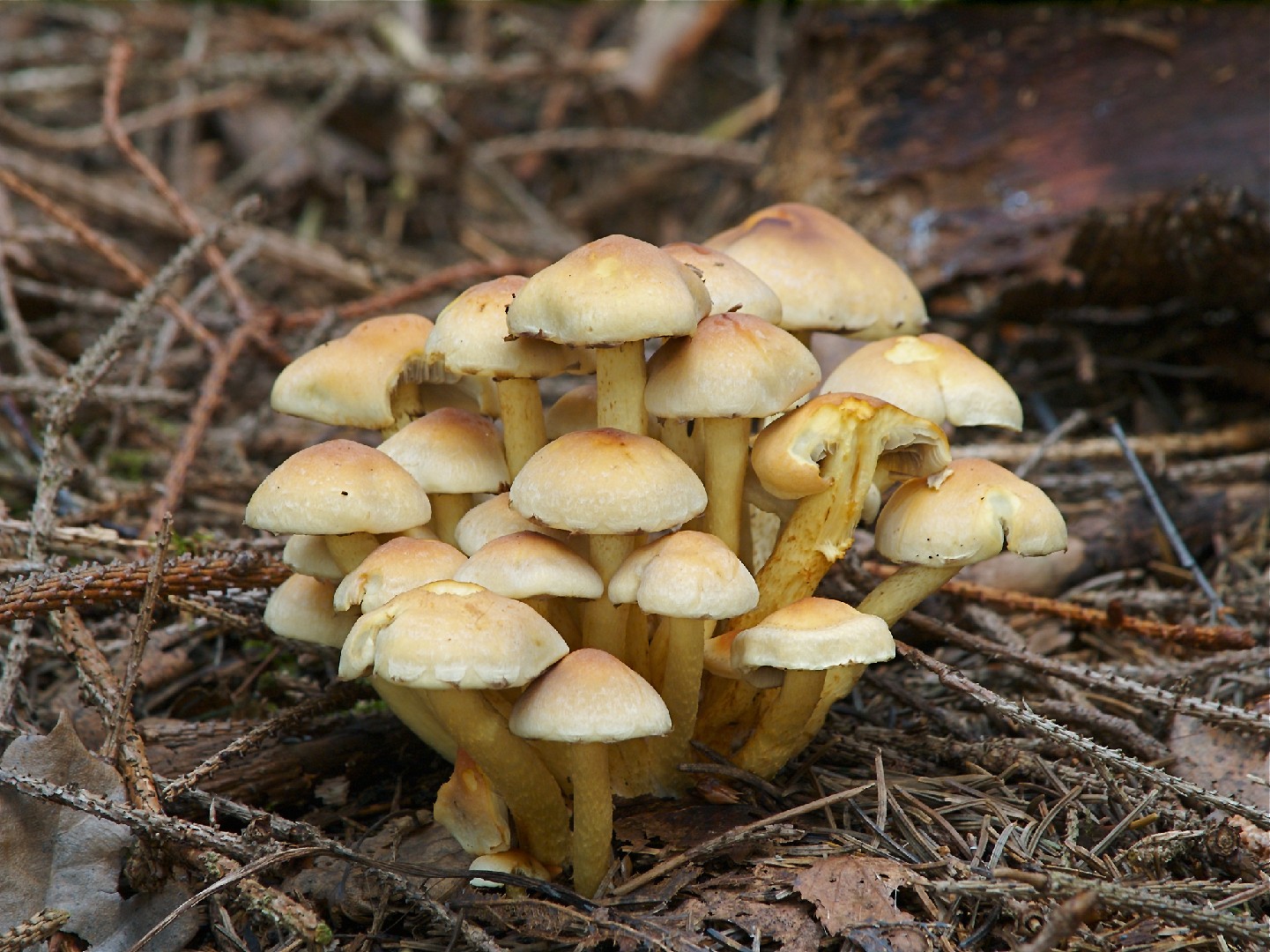
7. Sulphur tuft
The sulphur tuft grows on rotting wood of all types of trees; it is a particularly efficient decomposer of hardwoods. The mushrooms appear from spring to autumn and are often so tightly packed that they interfere with each other’s shape. This poisonous mushroom can cause temporary paralysis, distorted vision, and stomach pain if consumed.
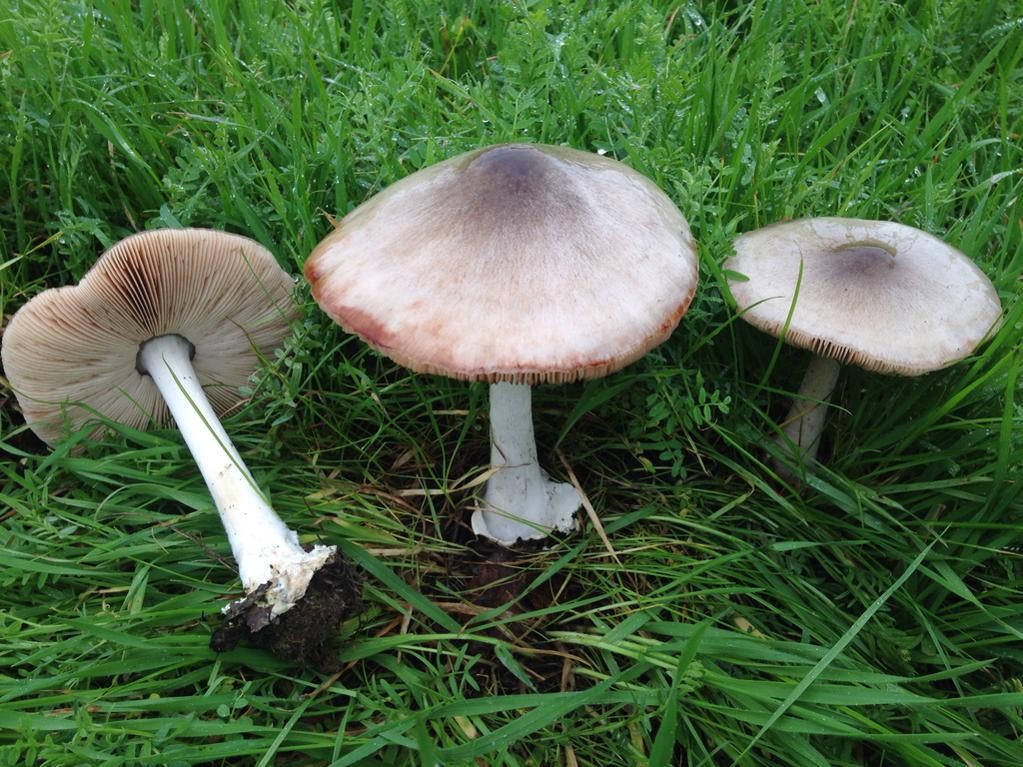
8. Big sheath mushroom
These large white mushrooms bloom all over cleared, harvested fields, as well as pastures and roadsides. The scientific species name comes from Greek words meaning “glue” (glioio) and “head” (cephalus), in reference to the sticky surface of this mushroom’s cap. The big sheath mushroom looks so similar to the poisonous Deathcap and Destroying Angel mushrooms that it should always be left alone.
9. Poplar fieldcap
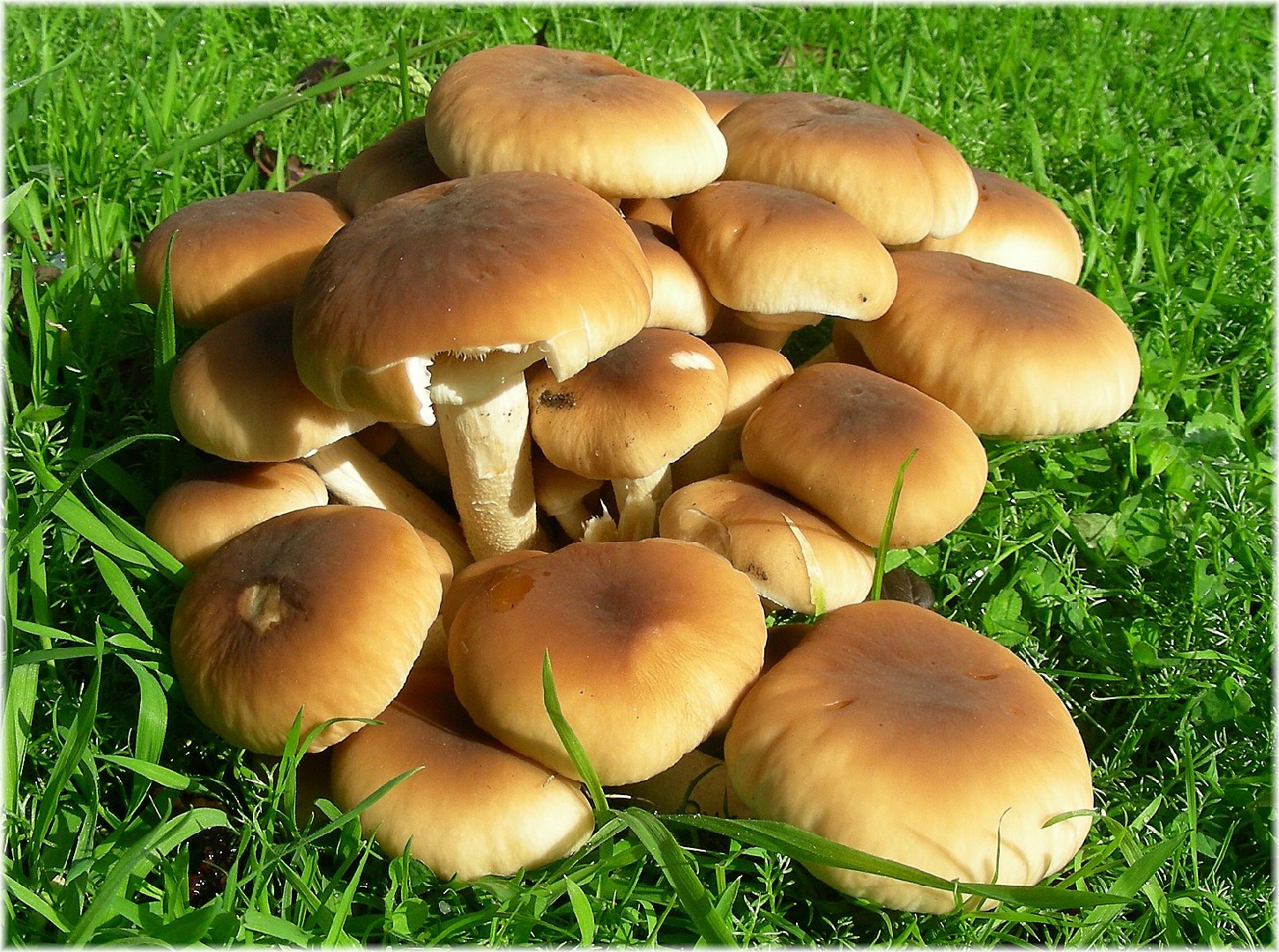
The poplar fieldcap is closely associated with Poplar and Willow trees. This edible mushroom is widely used in Italian, Spanish, Portuguese, French, and Asian cuisines. Some sources claim the poplar fieldcap is one of the first cultivated mushrooms, with the earliest records of this use dating back to the Roman Empire.
10. Scarlet cup
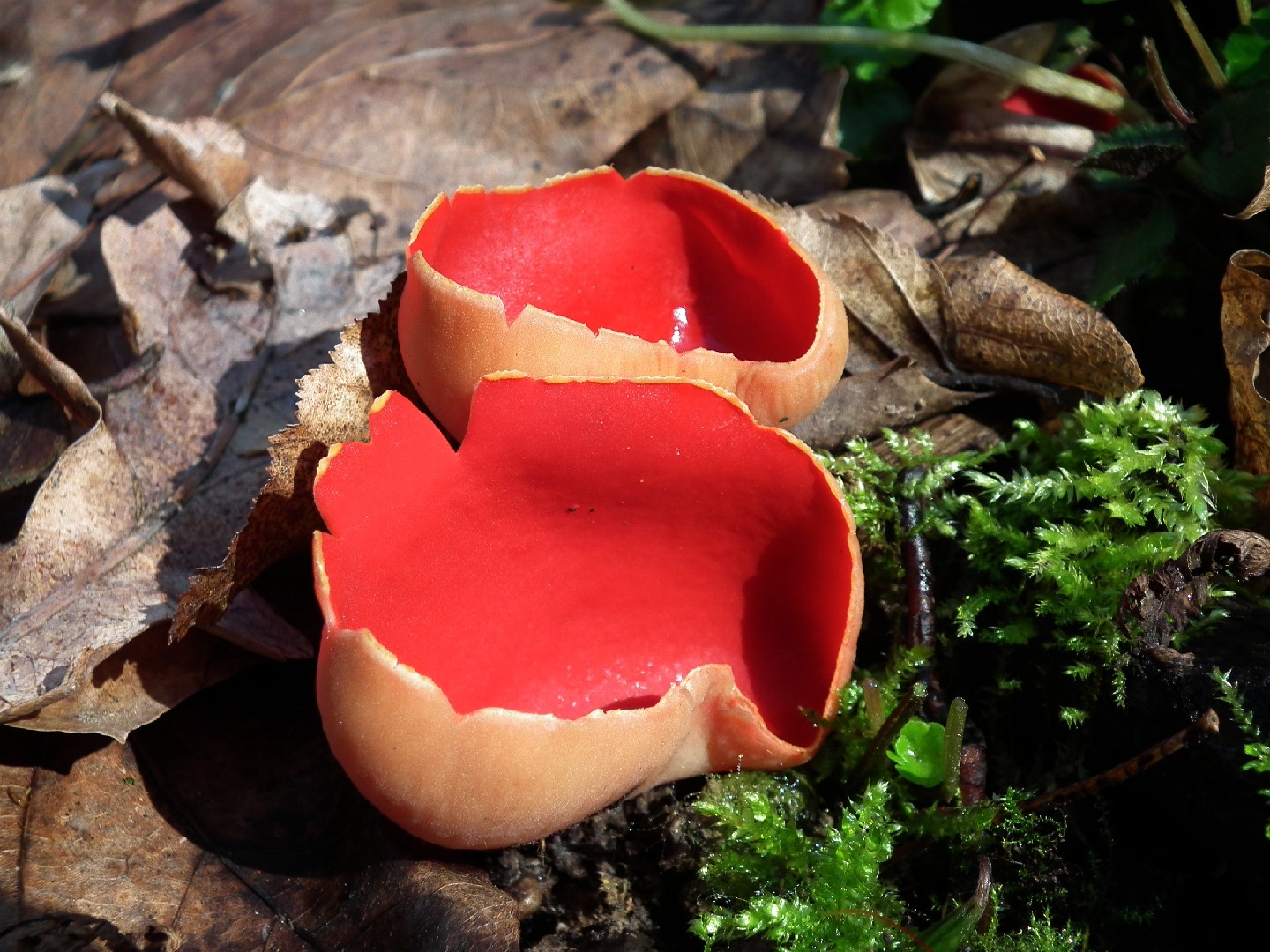
Scarlet cup is hard to miss. The cup-shaped mushroom has a whitish outer surface covered in tiny hairs. The inside is a brilliant red, and it is also what gives the mushroom its common name, "scarlet cup." It is primarily found in deciduous forests.

More







