




Top 20 Most Common Mushrooms in Huetor Vega
Nestled amidst the verdant landscapes of southern Spain, Huetor Vega typifies an ideal habitat for mycology enthusiasts. Its natural splendor and diverse microclimates support a flourishing population of mushrooms, serving as a treasure trove for both beginners and experienced mycologists. A walk through the diverse terrain of this city exposes one to a myriad of 20 most commonly found mushroom species, each uniquely captivating with their distinctive characteristics and attributes. The richness of mushroom biodiversity in Huetor Vega is remarkable and warrants exploration.

Most Common Mushrooms
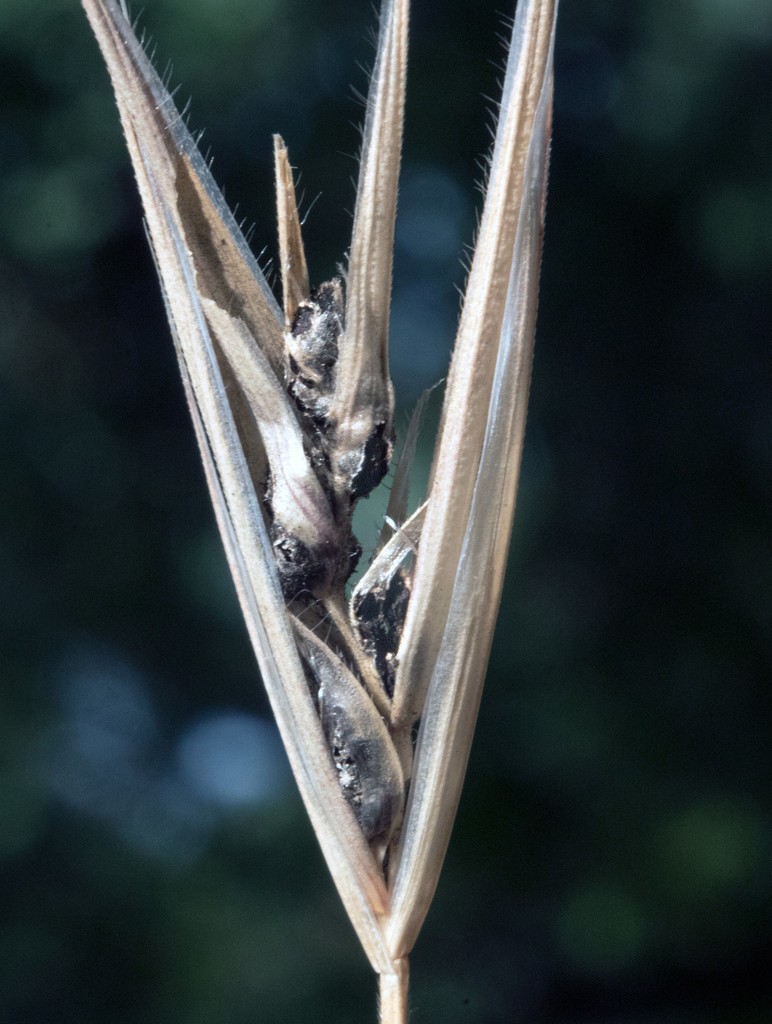
1. Brome smut fungus
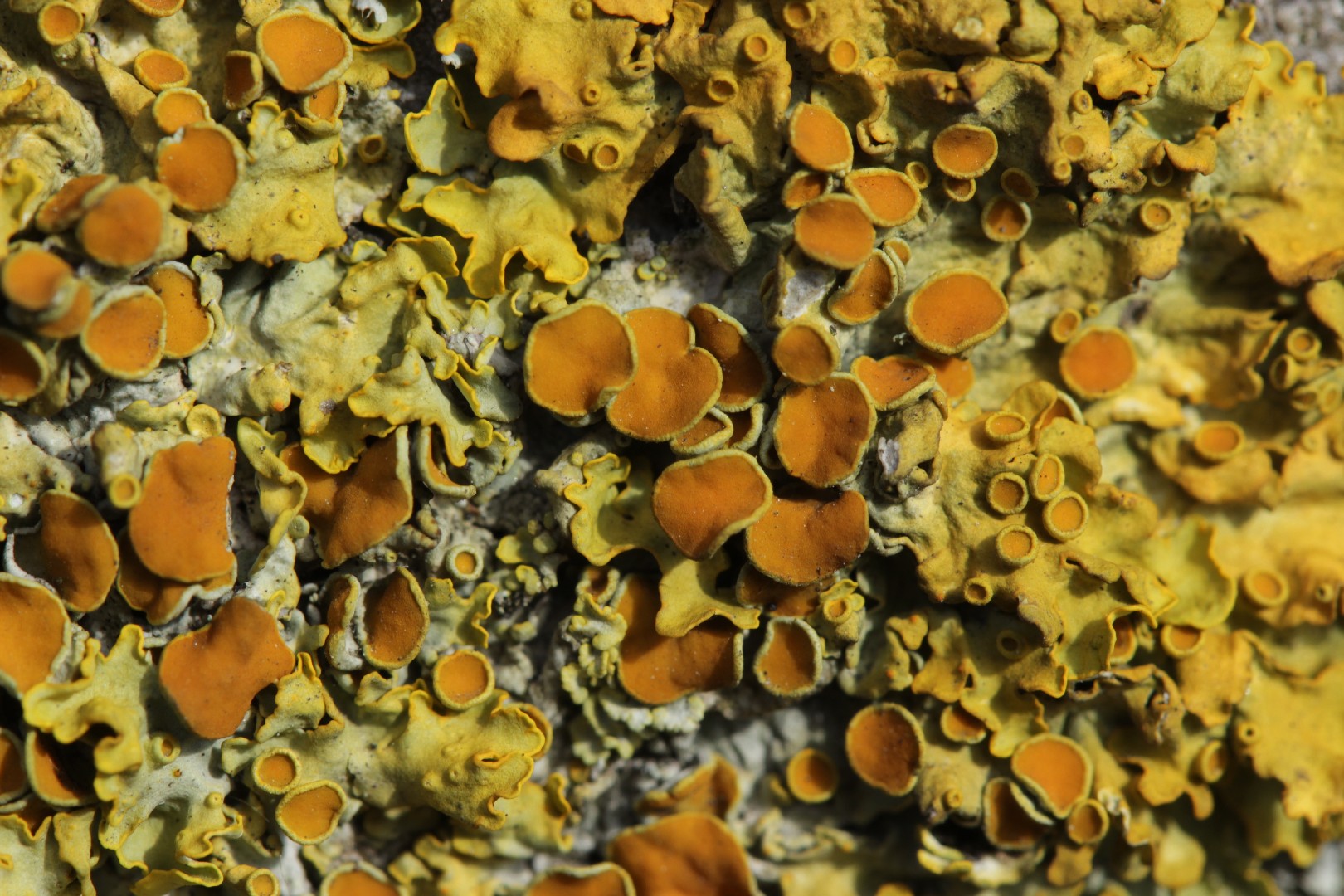
2. Common orange lichen
Common orange lichen was selected in 2006 by the United States Department of Energy as a model for genomic sequencing. Its widespread dispersal and bright yellow-orange color give the lichen its common name. It is primarily found growing on rocks, walls, and tree bark.
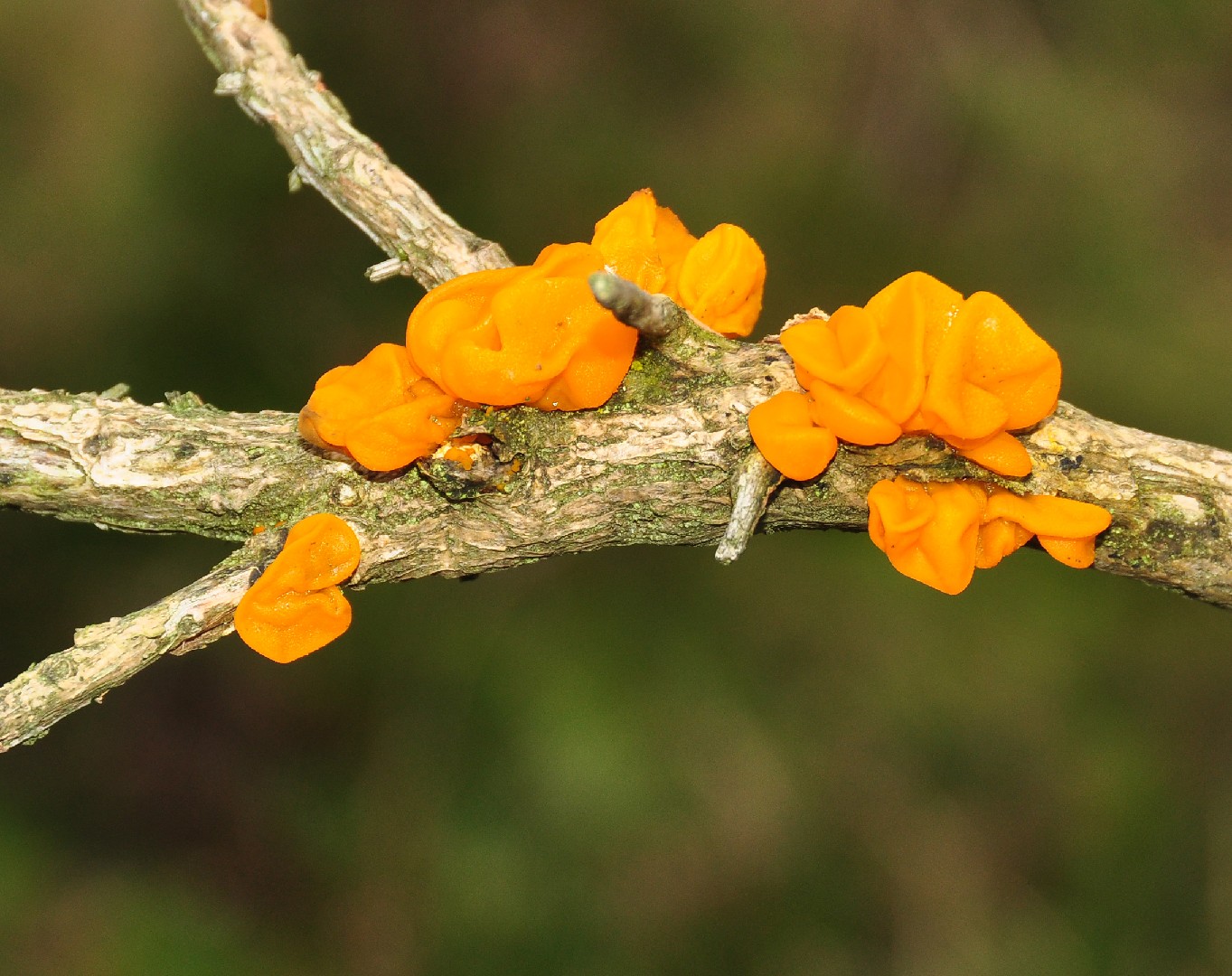
3. Witches' butter
Witches' butter (Tremella mesenterica) has an irregularly-shaped fruitbody that can be found growing on dead hardwood branches. It has a global distribution, being found in both temperate and tropical forests. Usually yellow in color, its hues may range from subdued lemon to bright canary.
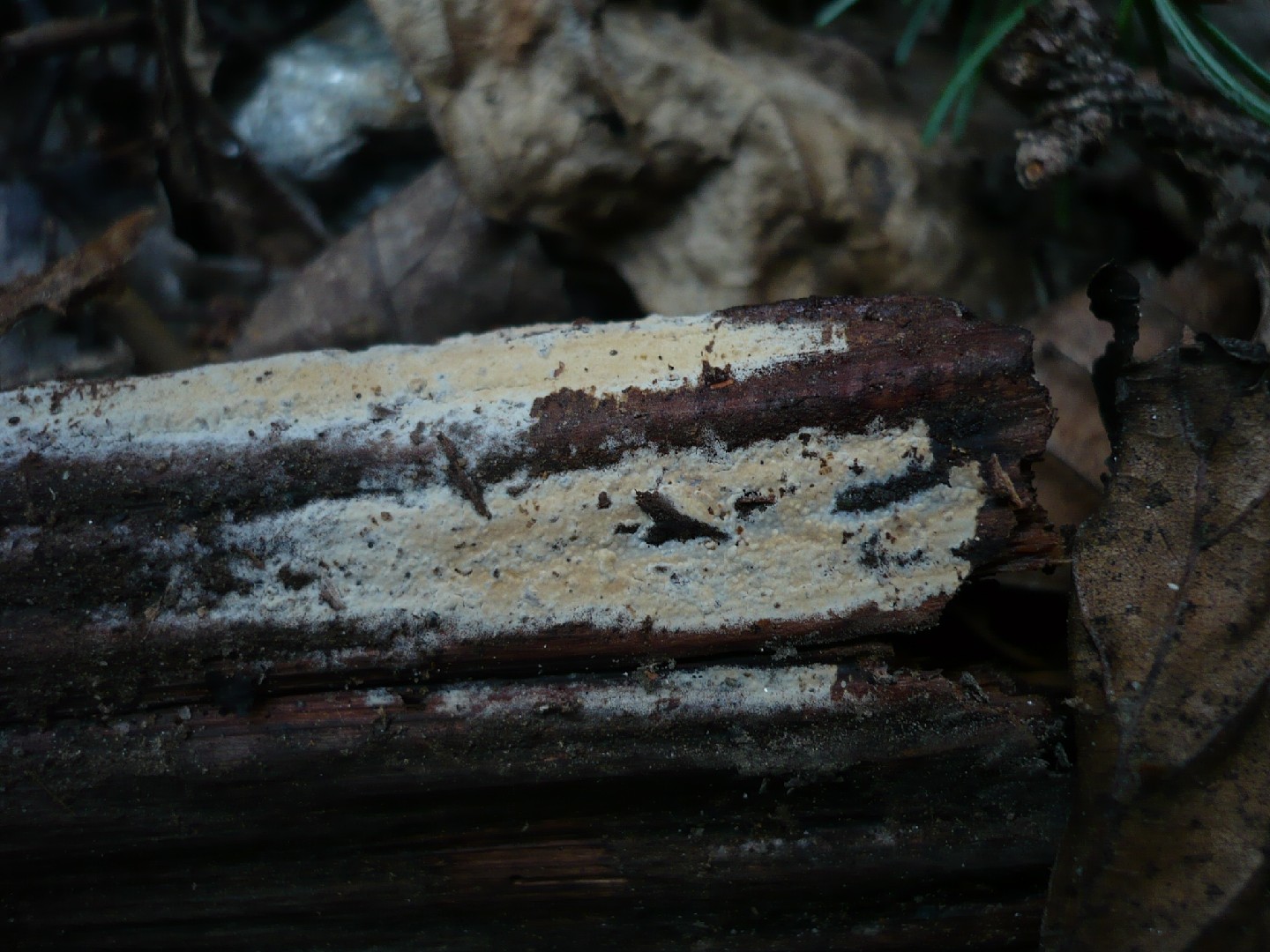
4. Peniophorella praetermissa
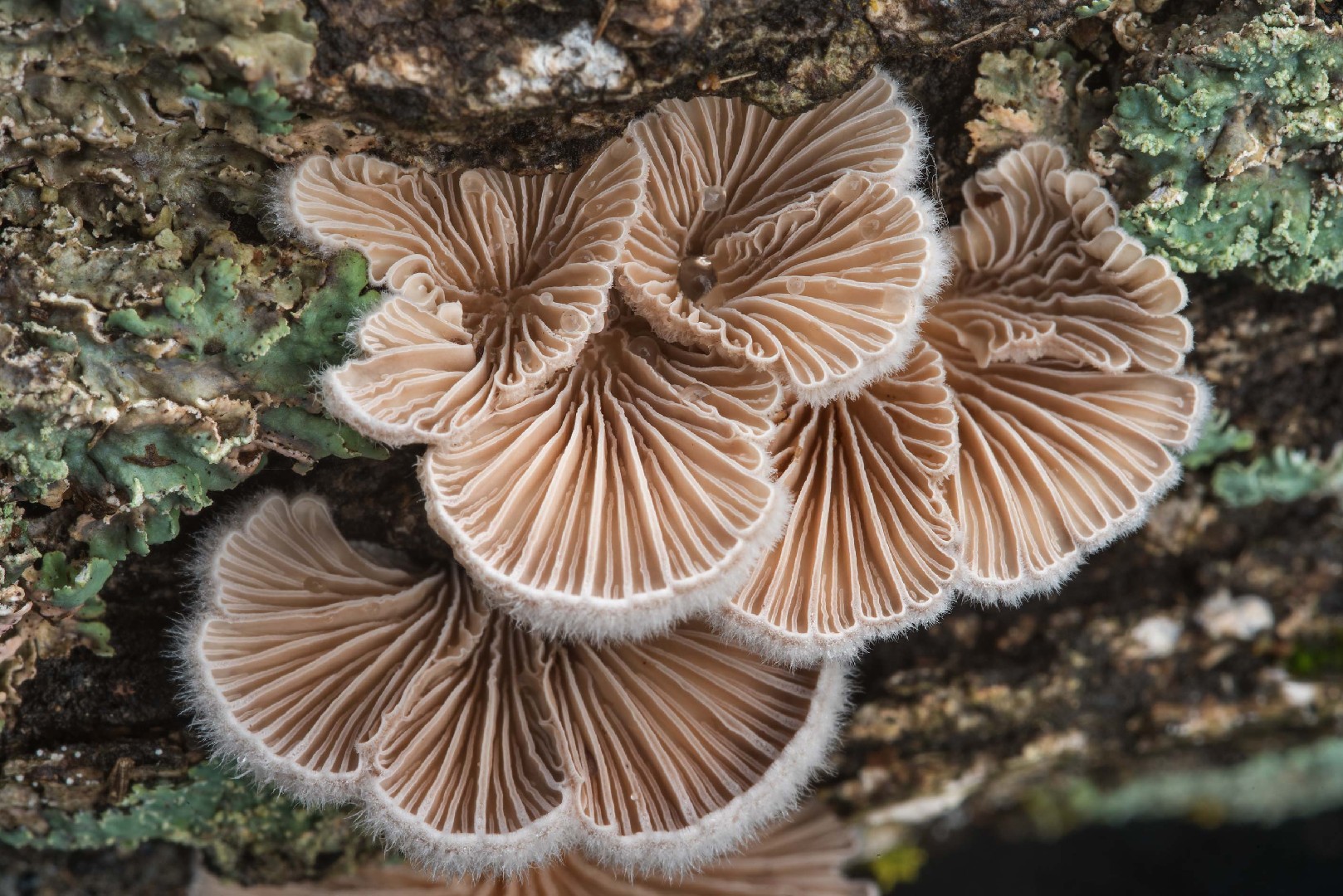
5. Split gill
Split gill(Schizophyllum commune) can be found across the globe. Uniquely, it is the only mushroom species known to display the capability to retract by movement. It is considered inedible, although not necessarily toxic. Furthermore, it is not recommended to smell this species, as the spores are capable of sprouting and growing in nasal passages.
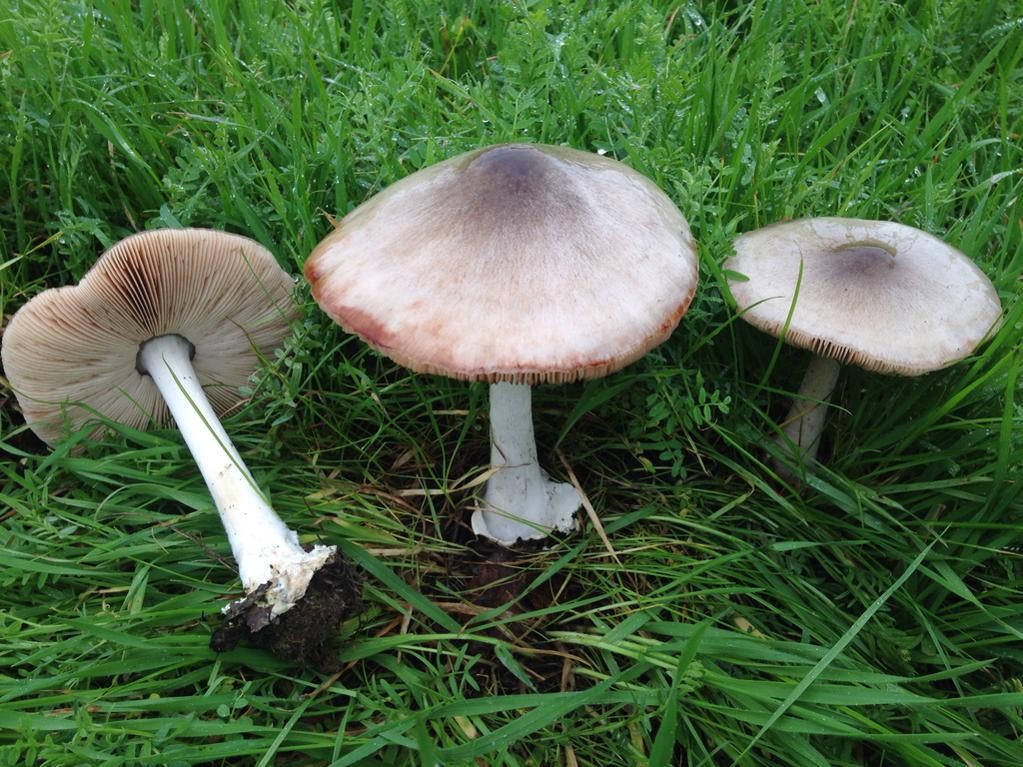
6. Big sheath mushroom
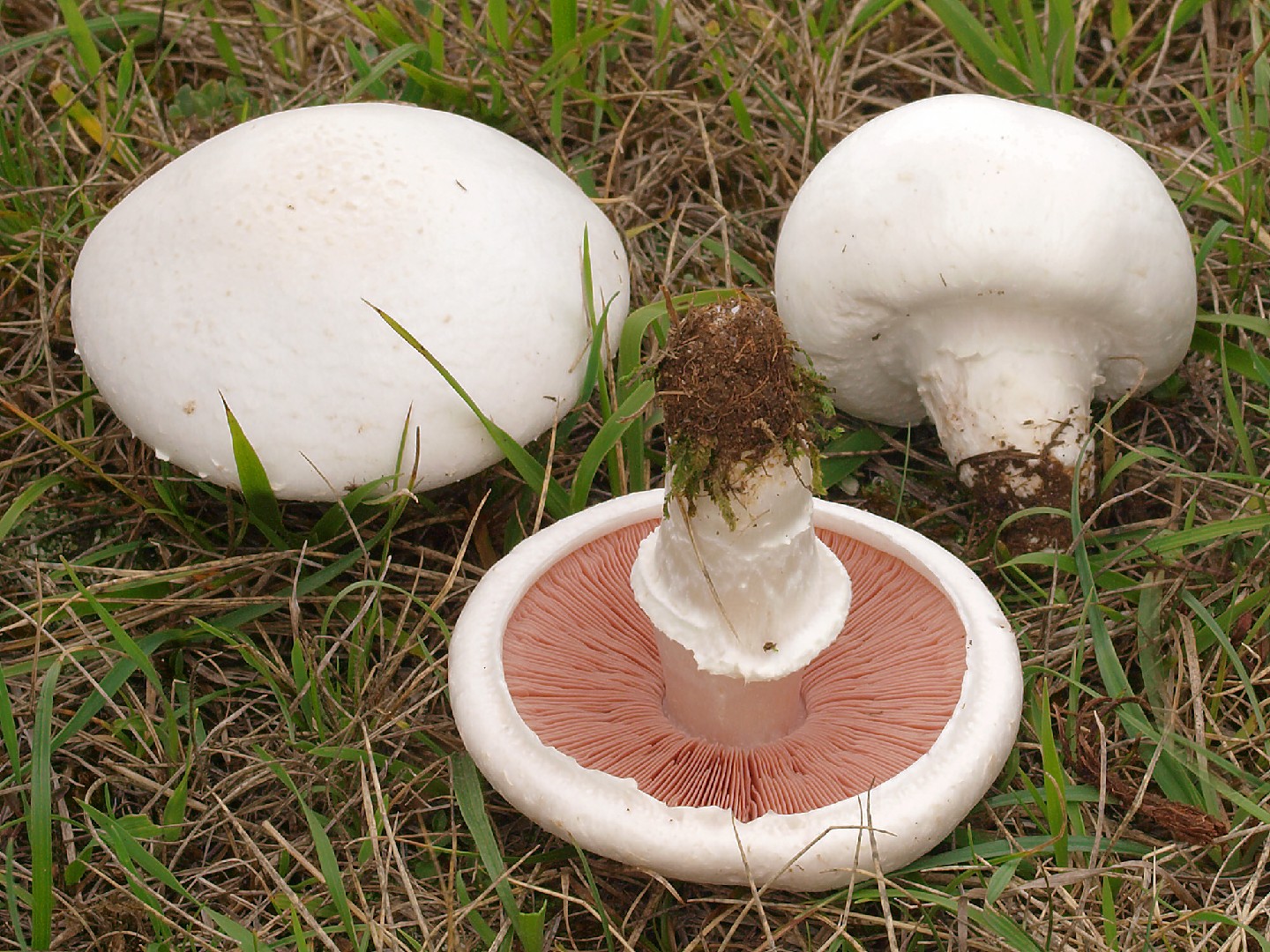
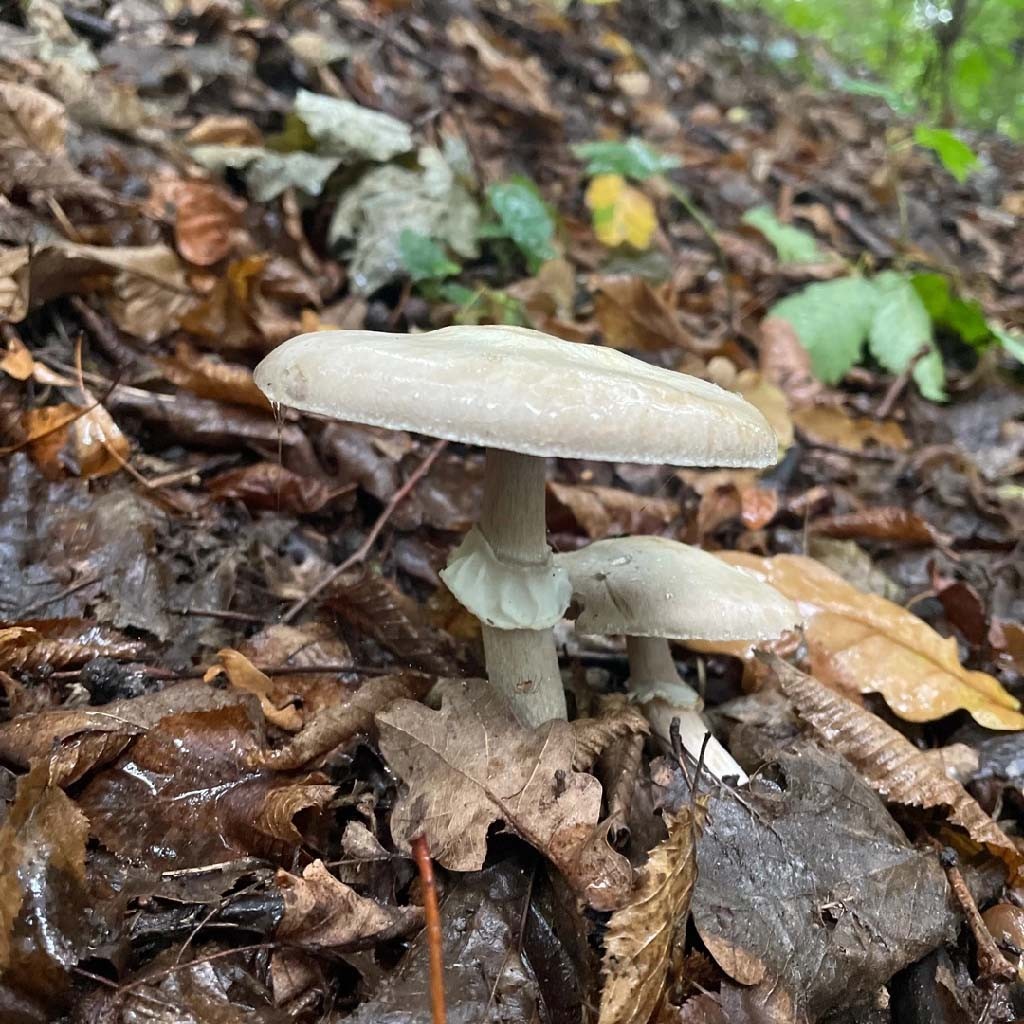
These large white mushrooms bloom all over cleared, harvested fields, as well as pastures and roadsides. The scientific species name comes from Greek words meaning “glue” (glioio) and “head” (cephalus), in reference to the sticky surface of this mushroom’s cap. The big sheath mushroom looks so similar to the poisonous Deathcap and Destroying Angel mushrooms that it should always be left alone.
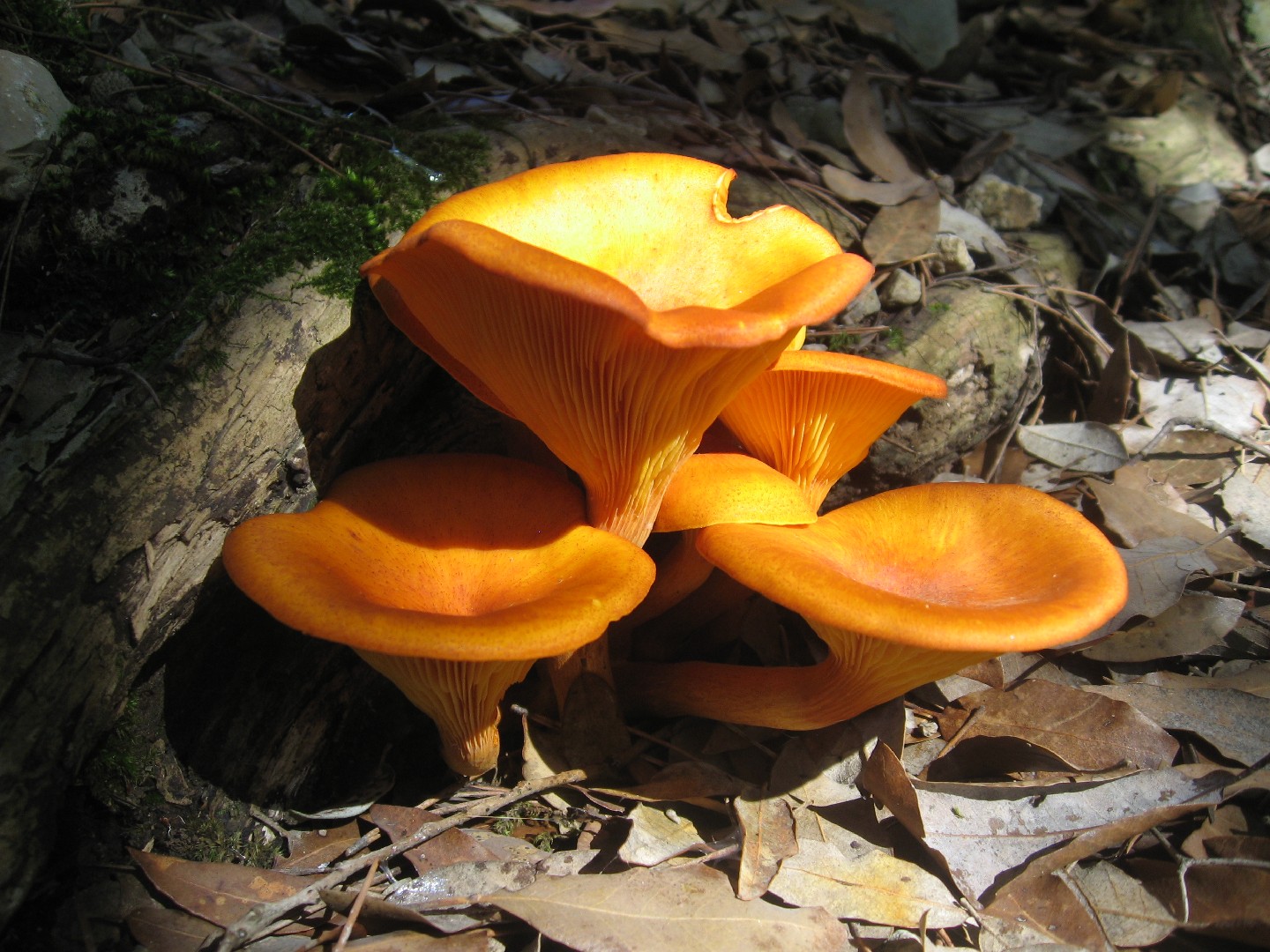
7. Jack-o'-lantern
The jack-o'-lantern (Omphalotus olearius) lives up to its nickname in more ways than one. Not only are the caps often large, round, and as orange as pumpkins, but at night these mushrooms even glow. In the darkness, their bioluminescent gills can be seen emitting a spooky green light. In fitting with the scary theme, this fungus is also extremely poisonous.
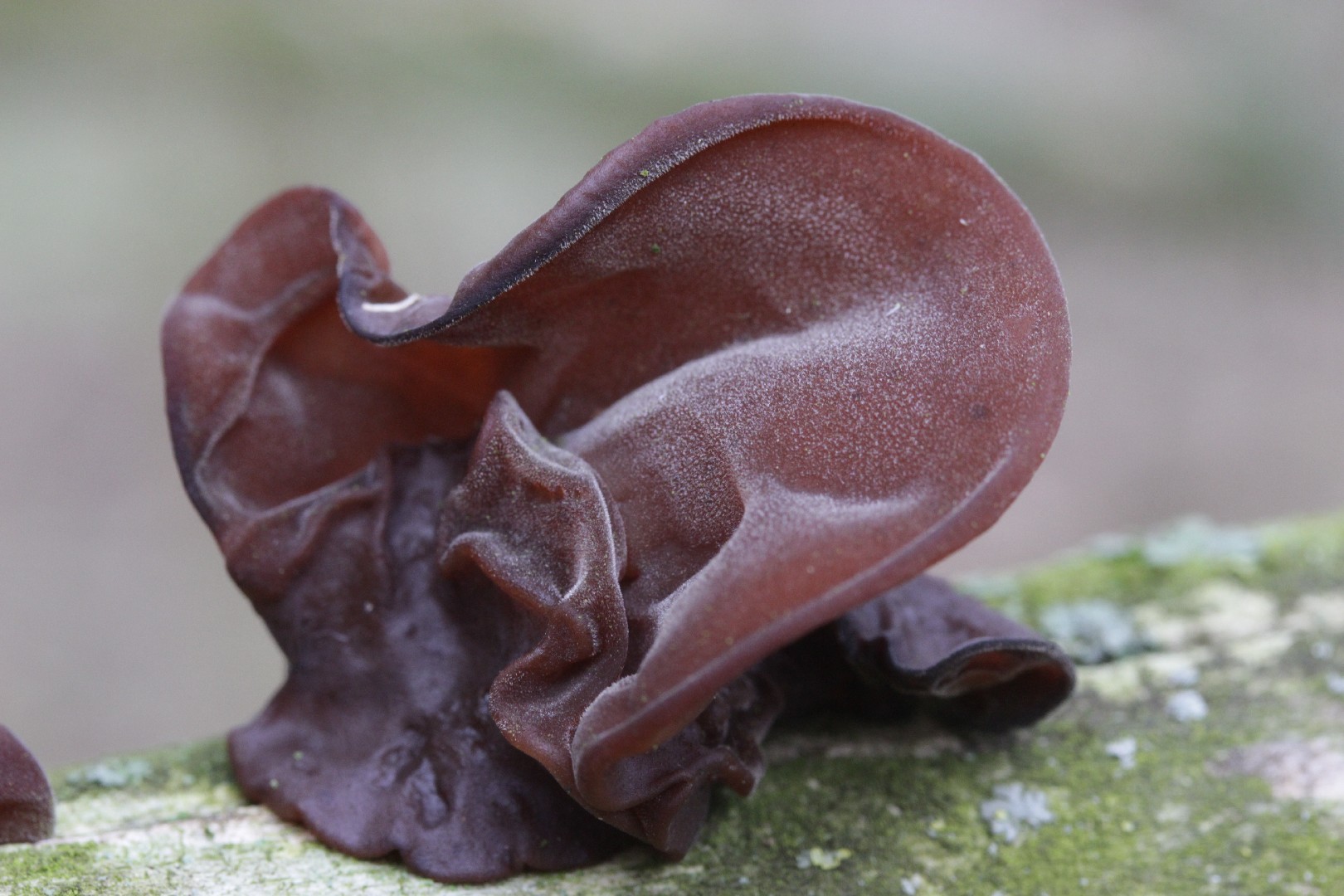
8. Jelly ear
The distinctive jelly ear grows mainly through winter and spring, mostly on the dead trunks and branches of elder trees. It occurs around the world and is often cooked into dishes in Asian countries. This ear-shaped jelly mushroom is often available in stores both fresh and dried.
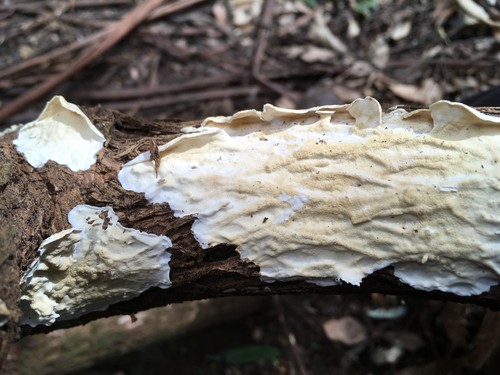
9. Netted crust
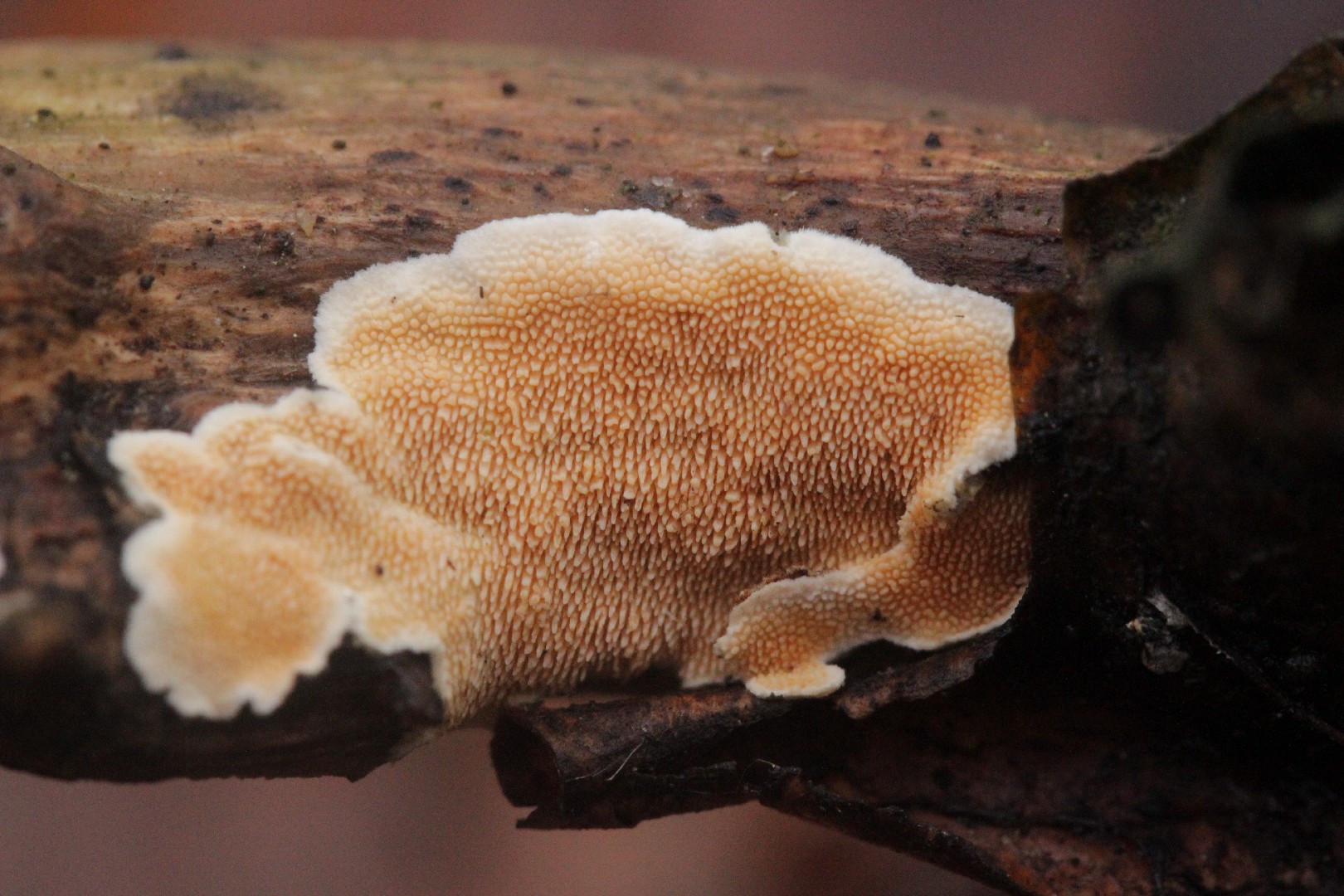
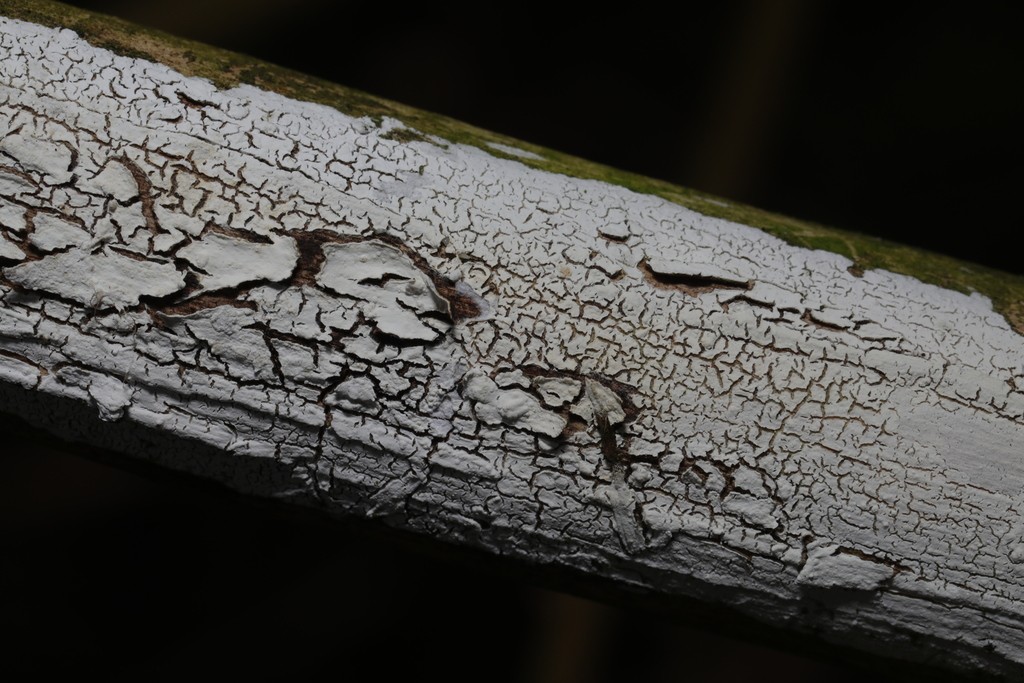
The netted crust is a crust fungus that's very common and widespread throughout the world, particularly in the northern hemisphere. It is very tough when dry, but when wet, it becomes waxy. It occurs on the undersides of dead branches and twigs.
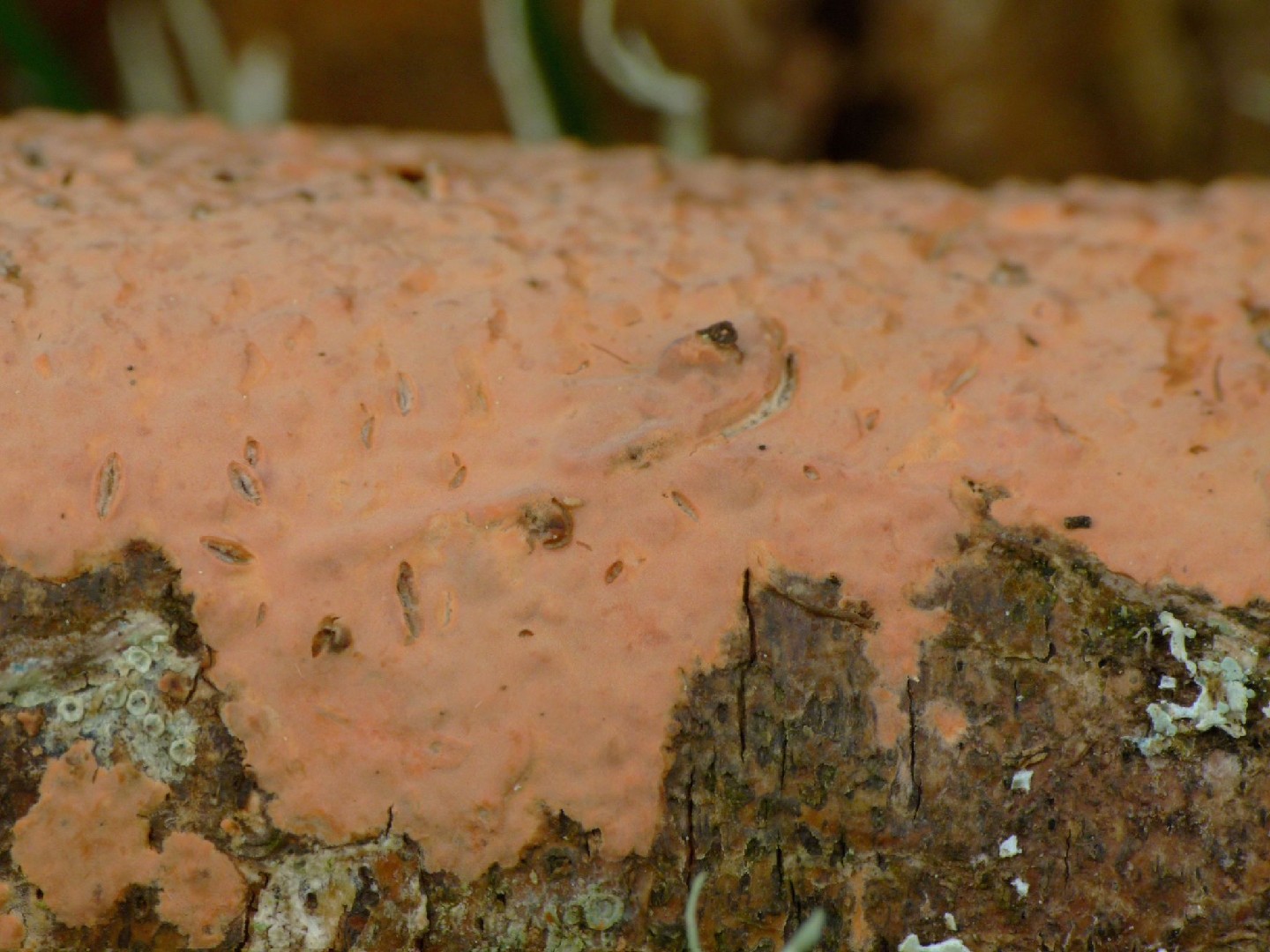
10. Rosy crust
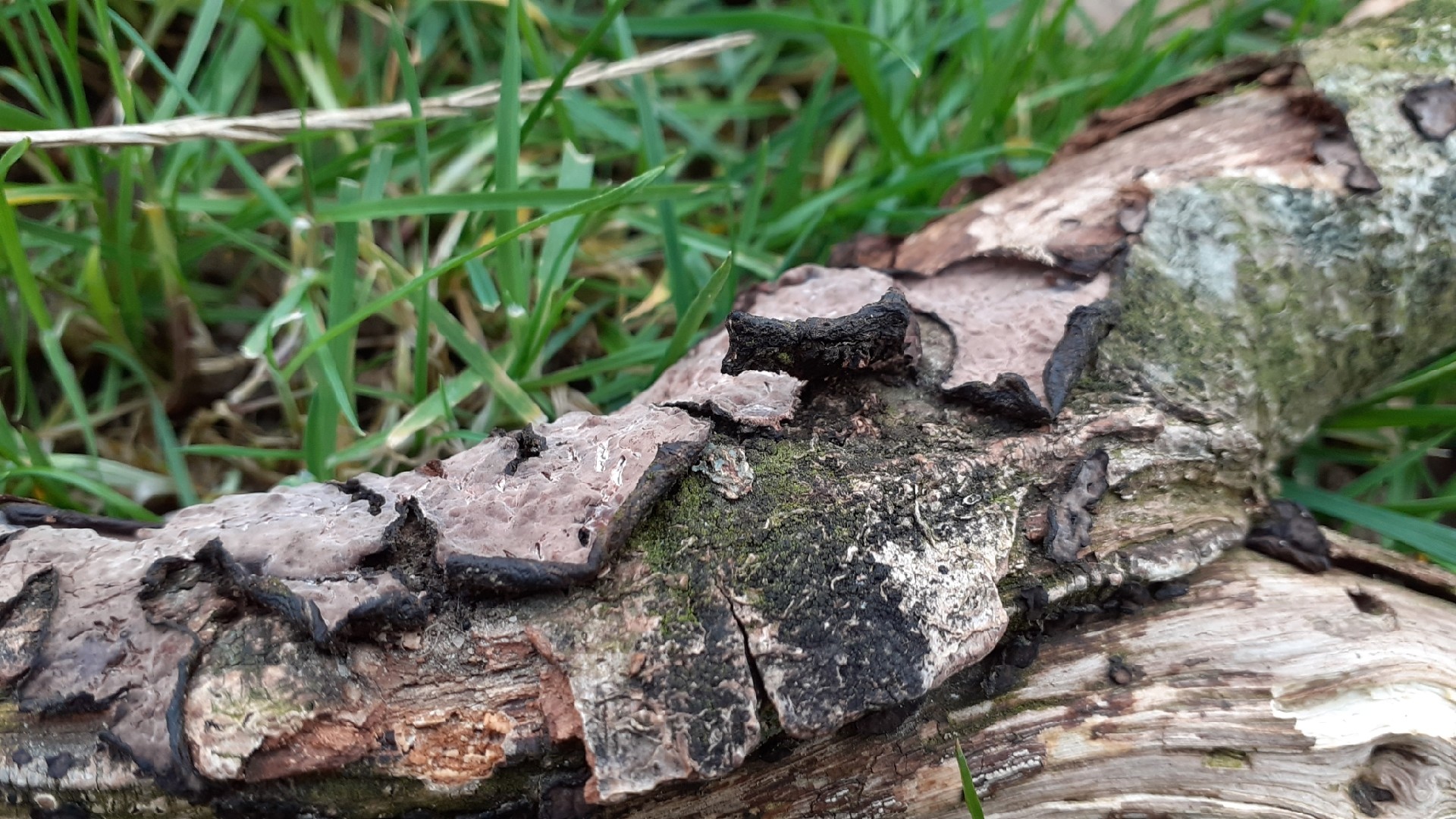
The fruit bodies of P. incarnata are resupinate, adnate and membranous, up to 200 μm thick. They start as small colonies but these may later coalesce. The hymenial surface is orange or red to reddish-brown, smooth, continuous and uncracked; the margin is thinner, curled and white or pale orange or red. The base of the fruit body is composed of brown hyphae, with clamp connections, and moderately thick cell walls, measuring 3.2 to 4.5 μm in width. The basidiospores are cylindrical. 

More







