




Top 20 Most Common Mushrooms in Johannesburg

Most Common Mushrooms
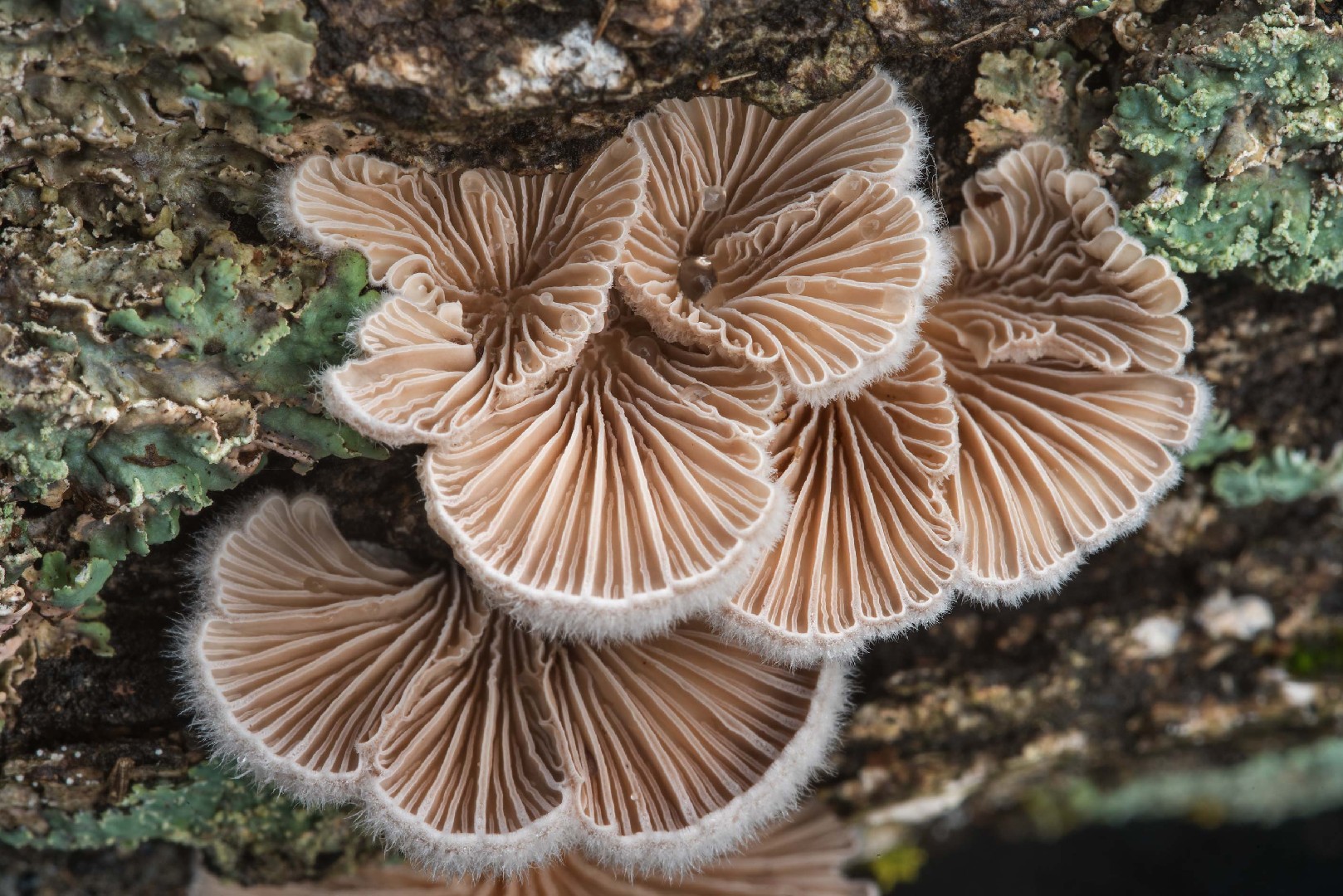
1. Split gill
Split gill(Schizophyllum commune) can be found across the globe. Uniquely, it is the only mushroom species known to display the capability to retract by movement. It is considered inedible, although not necessarily toxic. Furthermore, it is not recommended to smell this species, as the spores are capable of sprouting and growing in nasal passages.

2. Shaggy mane
The shaggy mane mushroom is commonly found in North American and European grasslands. Some peoples foraged for its young egg-shaped caps, but it has more recently been found to be a bioaccumulator of heavy metals, meaning it pulls toxic metals up from the soil where it grows. As a result, shaggy manes should not be eaten. The mushrooms usually appear in clusters or “fairy rings.”
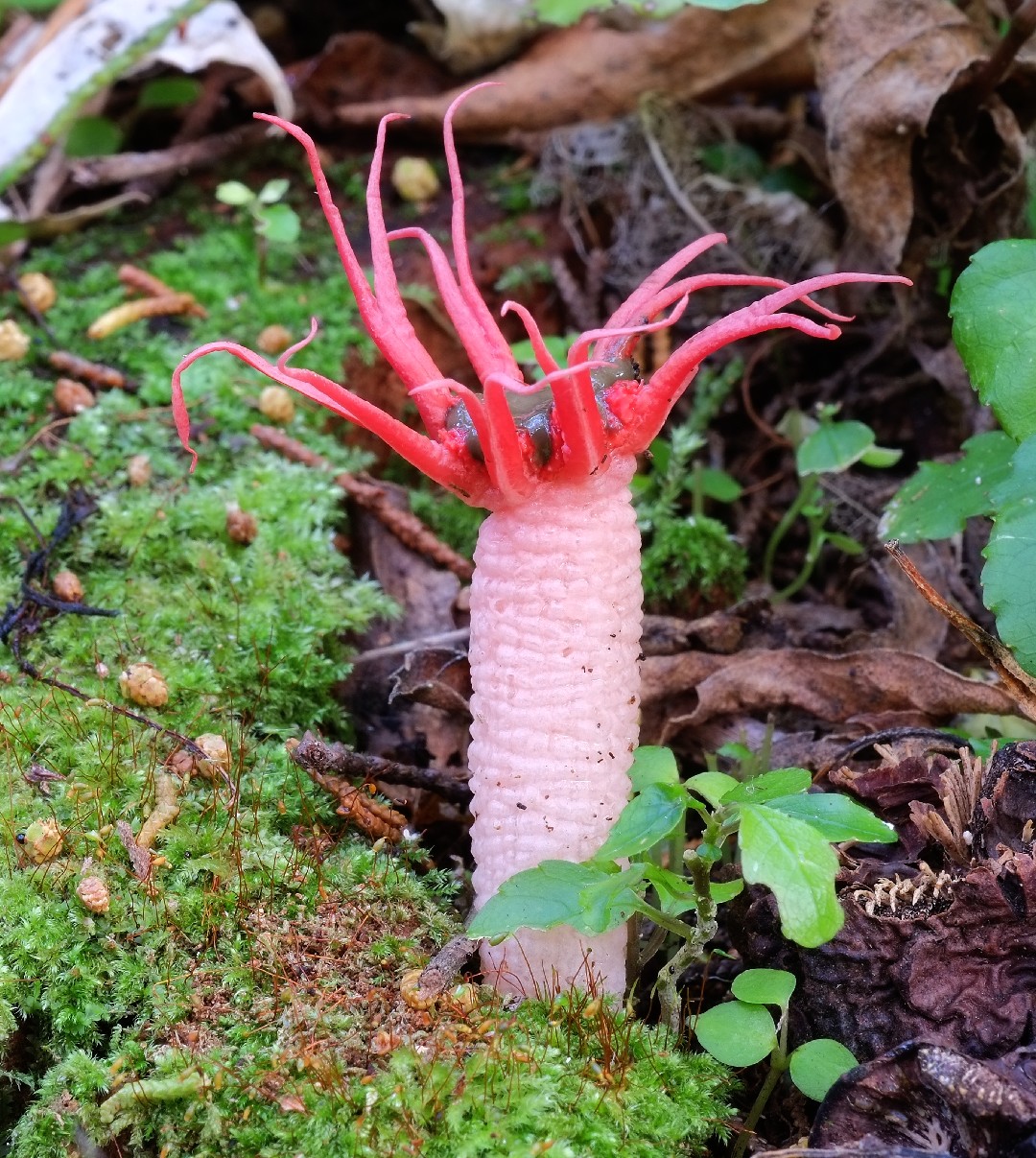
3. Anemone stinkhorn
The anemone stinkhorn (Aseroe rubra) looks like a creature straight from the depths of the ocean…or perhaps a horror movie! This Australian native starts fruiting with a white, egg-like ball that breaks open to reveal bright red tentacle-like fingers that spread toward the sky with radial symmetry and the odor of rotting meat. It has spread to tropical and sub-tropical areas around the world and is potentially poisonous.
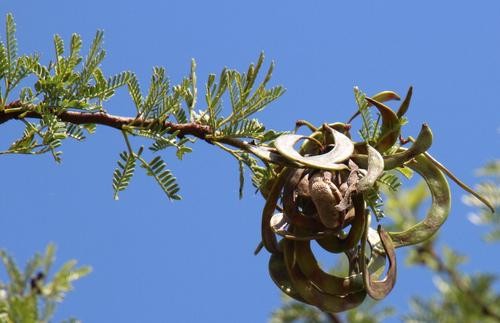
4. Vachellia karroo gall fungus
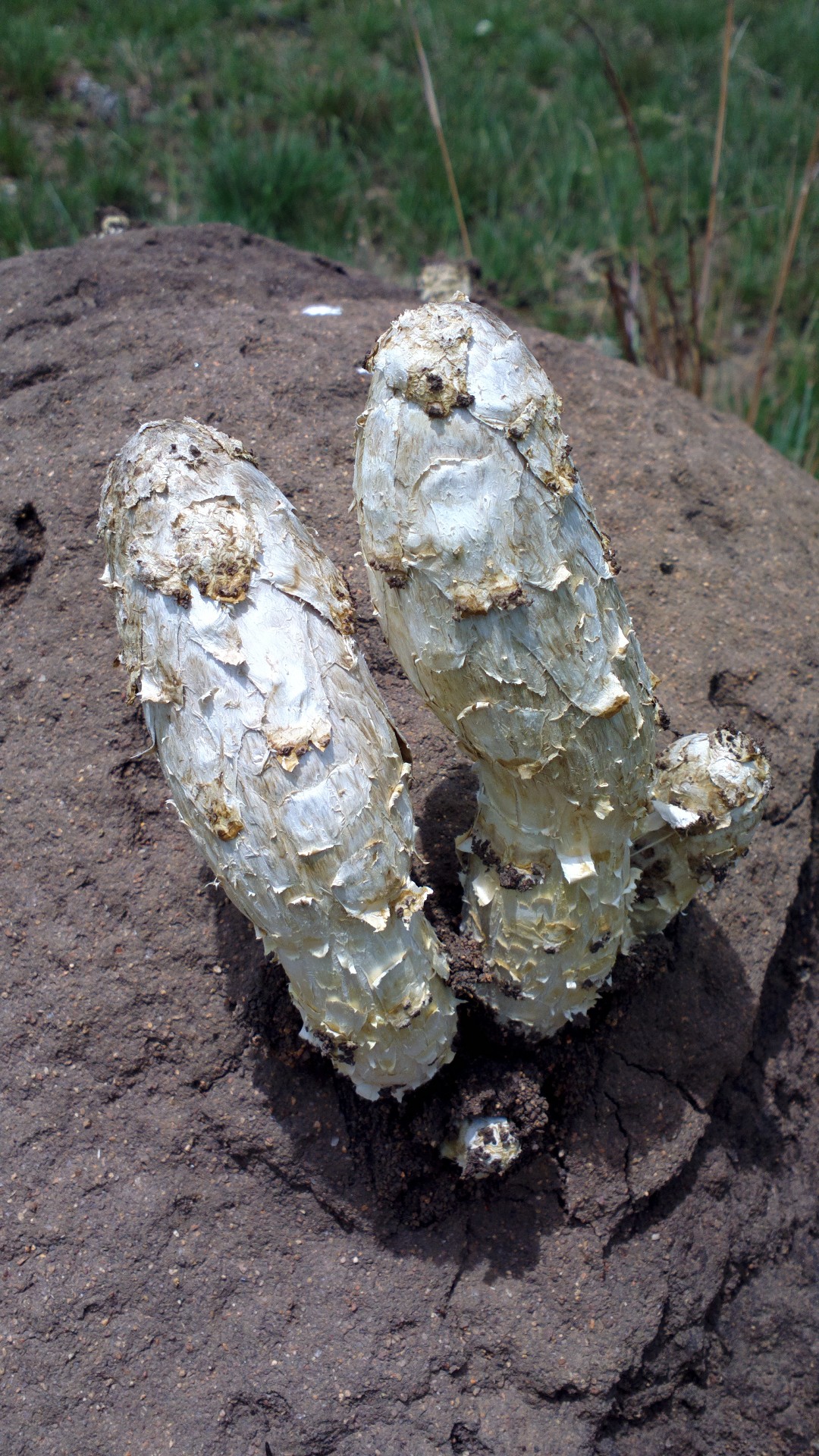
5. Desert shaggy mane
As its name suggests, the desert shaggy mane (Podaxis pistillaris) erupts from seemingly improbably conditions, out of the hot and arid ground in North American deserts. They are commonly found living harmoniously with colonies of termites in termite mounds. The desert shaggy mane is toxic and not safe to consume.
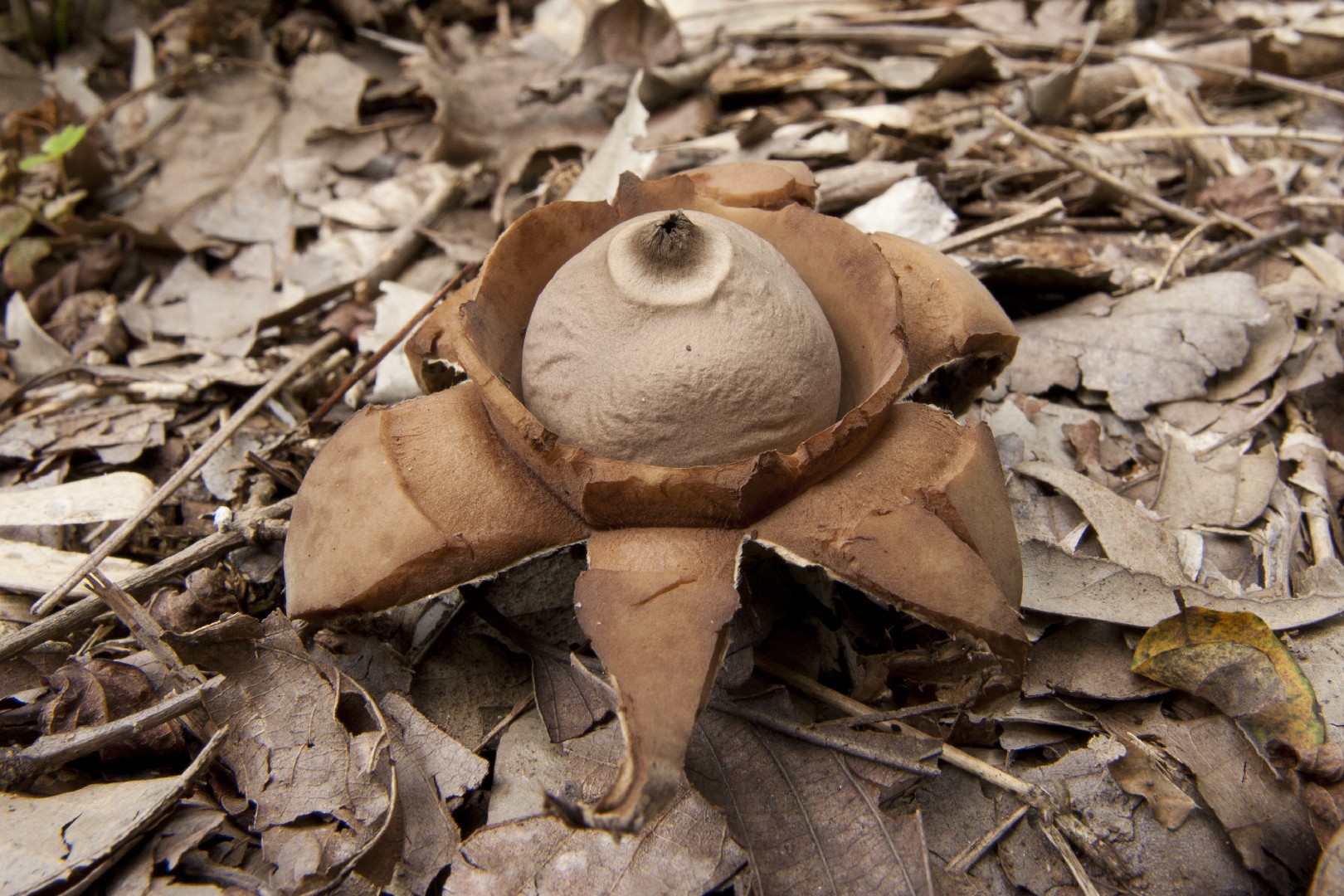
6. Collared earthstar
The collared earthstar, along with other Geastrum species, is inedible, mostly as its fibrous fruitbody is of a poor taste and texture. The spores inside its fruiting body are initially white, but they turn brownish as the mushroom matures. This earthstar is the largest member of the Geastrum genus.
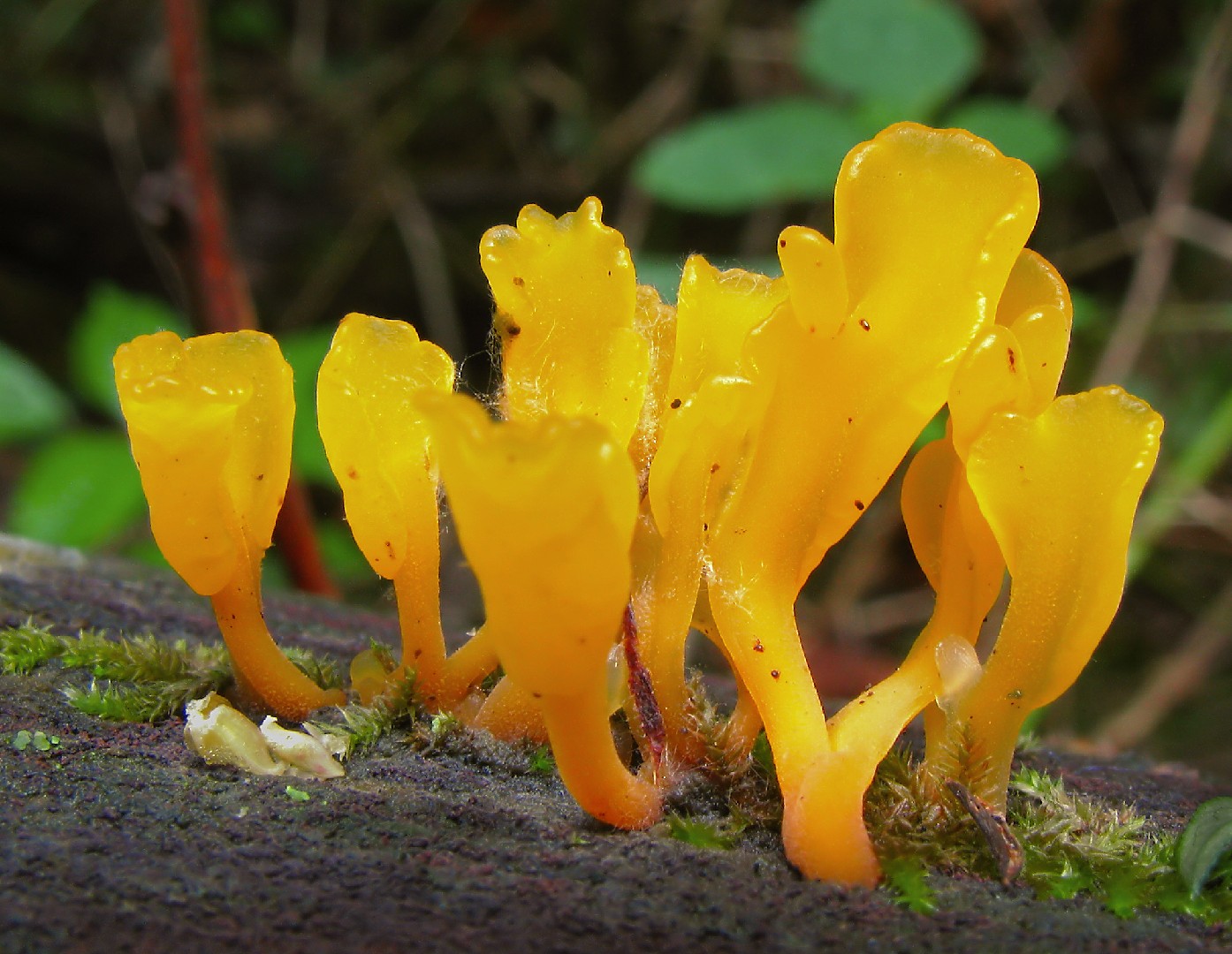
7. Fan-shaped jelly-fungus
Just as its Latin and the common English names suggest, the fan-shaped jelly-fungus (Dacryopinax spathularia) is a fan-shaped or spatula-shaped jelly-like mushroom. It commonly grows in wood cracks and it sometimes even appears in the cracks of the processed wood and lumber. Despite the word "jelly" in its name, the fan-shaped jelly-fungus is not considered edible.
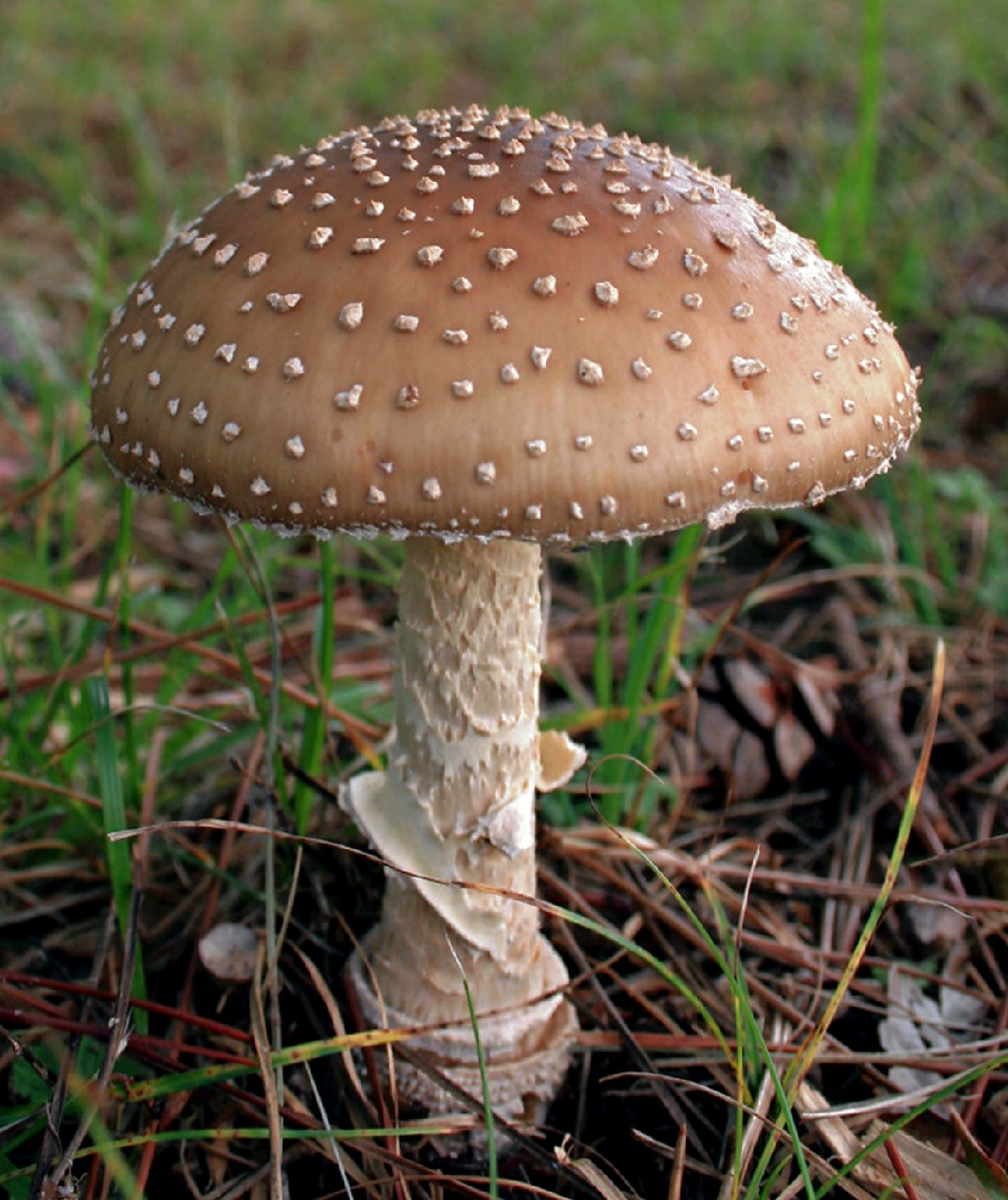
8. Panther cap
Named for the brown-and-white spotted pattern on its upper surface, the distinctive panther cap grows under hardwood trees, particularly oak and beech, and also under Monterey pine in urban areas or forests. It contains a cocktail of poisonous toxins with the potential to be deadly.
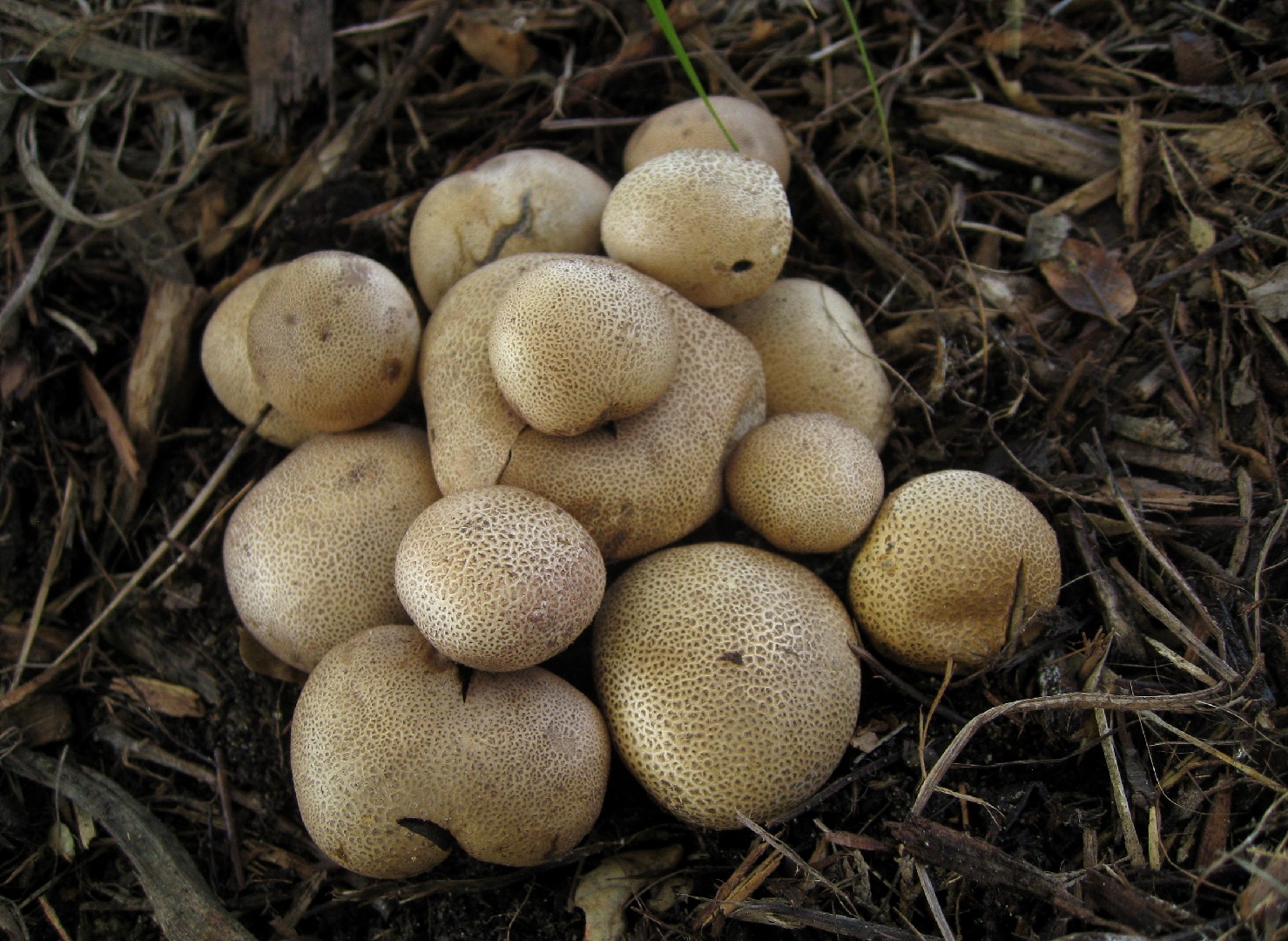
9. Onion earthball
The onion earthball is a member of the "tough-skinned puffball" family, a group of mushrooms that are typically bulbous and puff-ball like in form but have a tough outer layer. In the onion earthball's case, that outer layer often fissures, giving the mushroom a cracked appearance. Also distinctive is the stark contrast between this mushroom's skin, usually a pale white or yellow color, and its inner spore tissue, which is nearly black. Onion earthballs are poisonous.
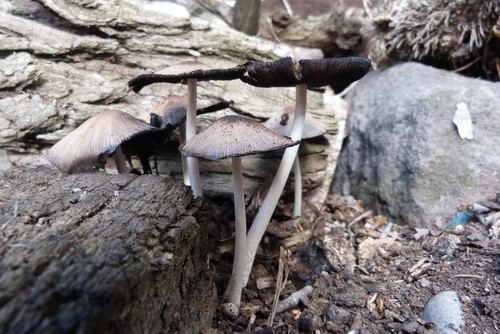
10. Mica cap
The bell-shaped mica cap mushrooms grow in clusters on wood debris and stumps, from spring to autumn. The caps appear wet and inky once they mature and begin to release spores. At that point, they can be boiled with cloves to create a useful black ink.
More







